




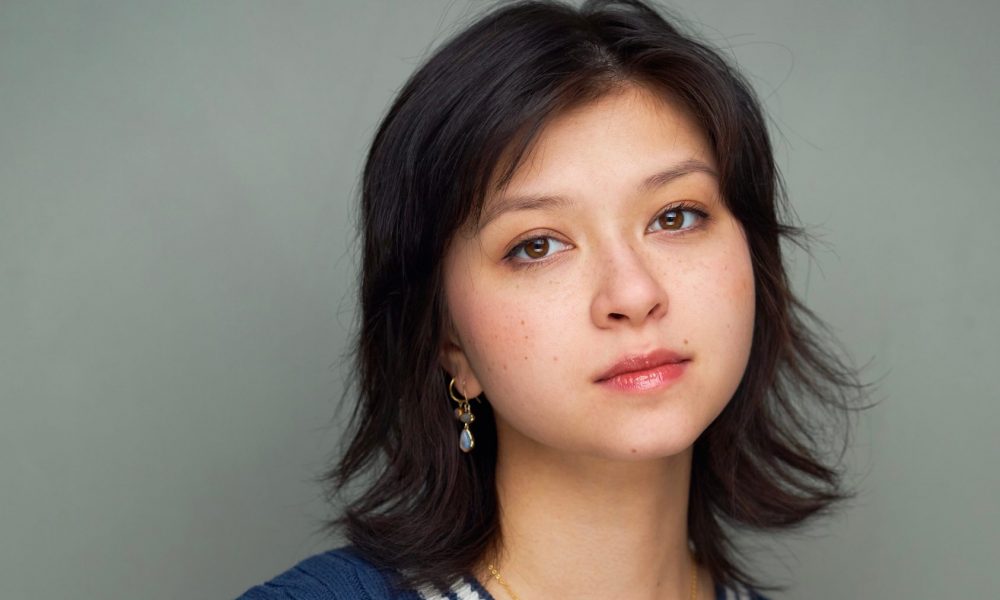
Today we’d like to introduce you to Samantha Toy Ozeas.
Hi Samantha, please kick things off for us with an introduction to yourself and your story.
I am a Brooklyn-based director, playwright, and recent graduate of Carnegie Mellon School of Drama’s Directing BFA. Over the past year, I have been working as a freelance director, playwright, production assistant, and teacher in the city. I’ve toggled between assisting established artists, continuing to develop my theatre literacy, and creating my own personal body of work.
If you don’t count Star Wars: The Play (2006), my first introduction to directing and playwriting was my high school lunch-hour theatre company. I had founded this group as a means for peers and I to experiment in writing and performing original work on our own terms, workshopping and holding feedback sessions, and creating melodramatic renditions of our 13-year-old daydreams. The genesis of my directing and playwriting career came from a need for community healing before I had to word for it.
My artist ethos is largely a reaction against rigid teachings. I was a violin student from ages five through sixteen, playing in honors orchestras, serving as first chair, and occasionally writing my own compositions. In high school, I was prescribed Checkov, Ibsen, Beckett, Brecht, Miller, and Mamet by a notoriously traditionalist teacher who (almost) successfully instilled the self-satisfied feeling that came with knowing the “real” auteurs. The ways in which I was raised to revere classical music and masculine theatre cannon as a symbol of achievement, status, and poise make their way into my style through irony, and my distaste for its inflexible teachings is evident in my style and prose— in my book, messy processes should be welcomed. I hope to create plays that actors, designers, and audiences can let loose inside of.
For too many years, I sat within the confines of the silent model minority myth, accepting what was fed to me. My practices now— the content I engage in, how I conduct myself as a director and playwright, and the space I take up — is in service of breaking that pattern.
We all face challenges, but looking back would you describe it as a relatively smooth road?
I am lucky enough to have many grounding mentors and peers who have guided me through the young artist’s growing pains, but I have definitely come up against more and more ethical questions around art making as I unlearn unhealthy conservatory teachings. Creating live performances can make the line between imagined and real life so thin, making it difficult to create when you’re not entirely familiar with your collaborators’ moral and social viewpoints. Directing is as much of an emotional job as it is a technical one, from pre-production through closing night.
Thanks – so what else should our readers know about your work and what you’re currently focused on?
I use fantasy to ask questions about civic engagement. I create character-centric work that shows both the dream and the nightmare. I make excuses to work with the people I love and admire. I am drawn to site-specific work that interacts with its environment, world-building, and leaving questions unanswered. I make work I can cry to.
I sort out my thoughts through playwriting. Character building and dialogue help me form both sides of an opinion, create a defense for my personal stances, and empathy for my opponent. Playwriting lets me hold myself up to the world and find my place inside of it.
Reoccurring elements in my work are messy emotional catharsis, fantastical interpretations of characters, queer-coding friendships, stylized + physical transitions, gore, classical music motifs, demonstrations of feminine anger, suspense, repetition, and chants. I favor text with naturalistic dialogue over heightened or stylized but douse it in magical realism. As an advocate for cultural progress, believe that one of the theatre’s most essential powers is to immerse audiences in reimagined futures, the serendipitous world in which the collective comes together to use tools for community healing and trust that their impact will be seen in the long term.
I’ve always found myself the most inspired while creating site-specific theatre in non-traditional performance spaces. Meeting audiences in a space that is neither theirs nor ours levels the hierarchy that typically comes with theatrical spaces. My most challenging project was in July 2020, as in the “we’re still wiping down all our groceries” phase of the pandemic. I wrote and directed a drive-in theatre experience where all audience members tuned into a YouTube Livestream to listen to the show’s audio, which the actors performed along to, all socially distant from each other. Though not the most refined project I’ve ever created, it was certainly the most memorable.
What matters most to you? Why?
“Why this story now?” is one of the most important questions directors and playwrights have to answer when generating work, and that question can’t be answered without first understanding your audience and the personal stakes within their community. While directing my first regional production of Southern Plains Productions’ The Chinese Lady in Oklahoma City, I was hyper-aware that I was joining this team as an artist who has spent the majority of their life in very liberal, coastal city environments, a far stretch from the circumstances I was to be working under. Much of my pre-production work became interviewing the AAPI artist communities local to the area, gaining a better understanding of the sort of theatre that the city is accustomed to, the extent of discussions around race dynamics, and ways identity is embraced (or ignored) by local art-makers. By factoring in viewpoints from AAPI Oklahoma artists, the moral compass of the play, and my own understanding of how those two entities overlap, our team was able to create a production of The Chinese Lady that was emotionally tailored to an Oklahoma City audience. In simpler terms, it is important to me that my productions commit to research as our foundation, especially during pieces involving cultural exchange, and take an empathetic approach to understanding the real-life equivalents of the characters we are working with.
Contact Info:
- Website: www.samanthatoyozeas.com
- Instagram: @samo.zeas
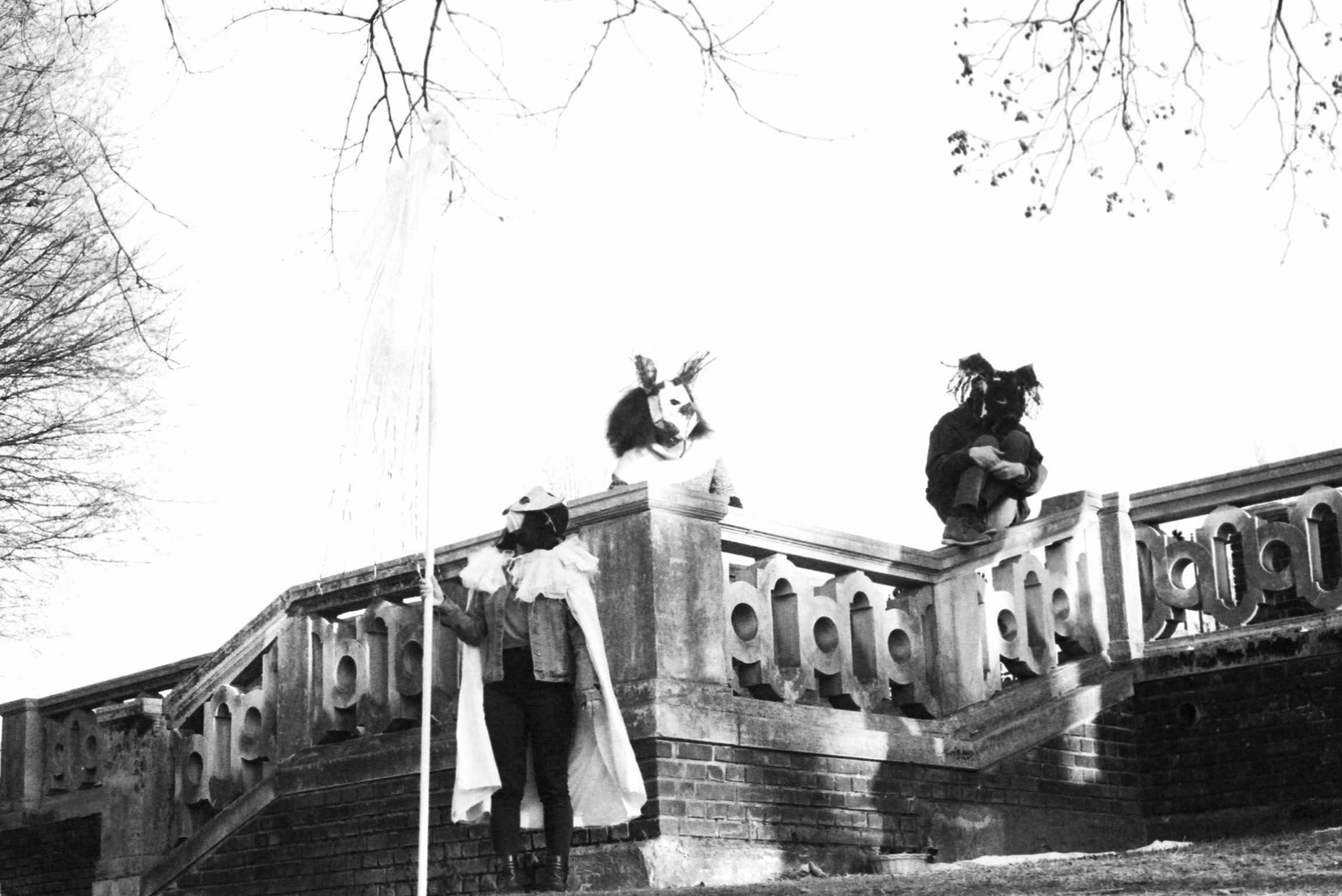
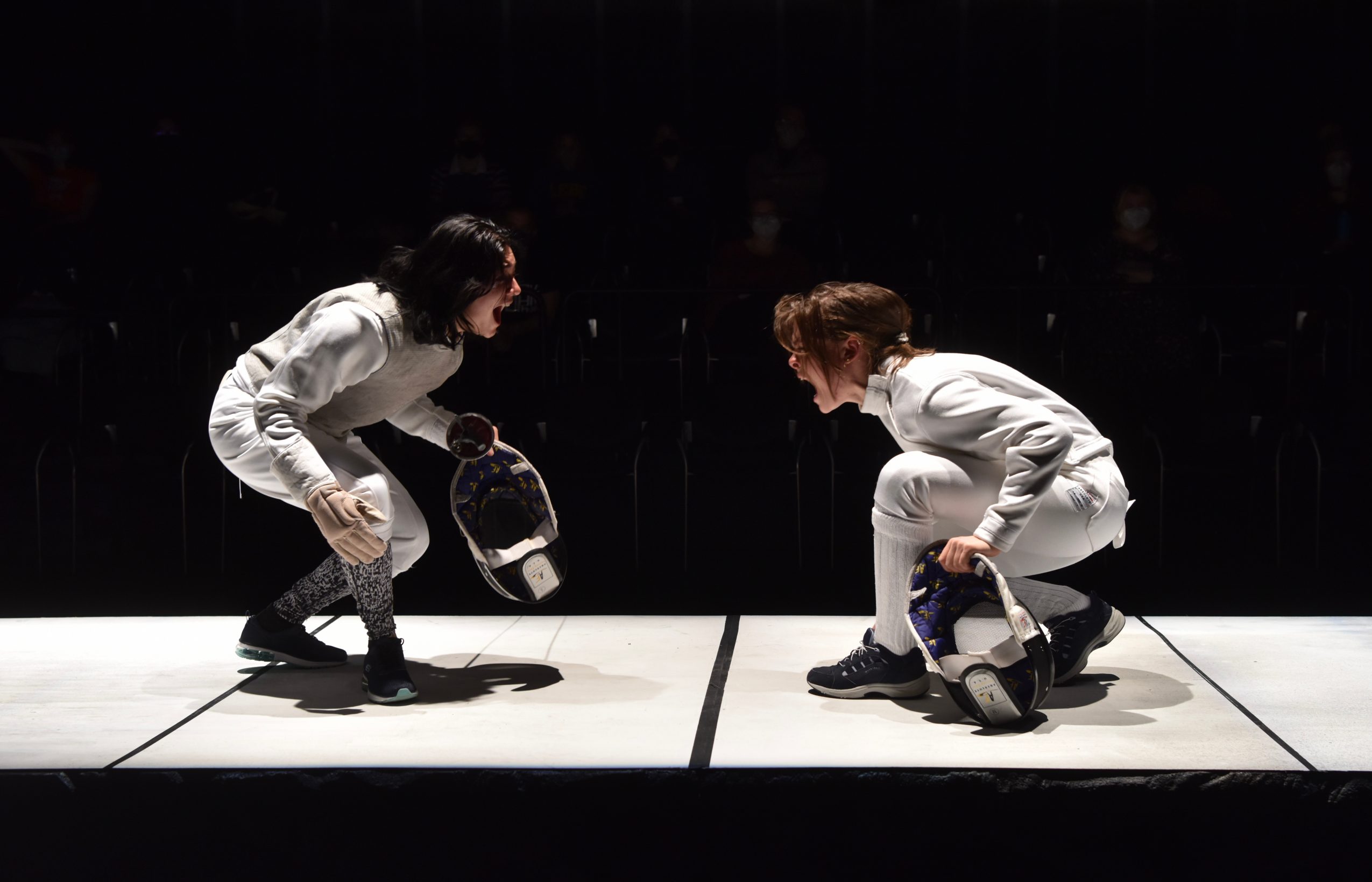
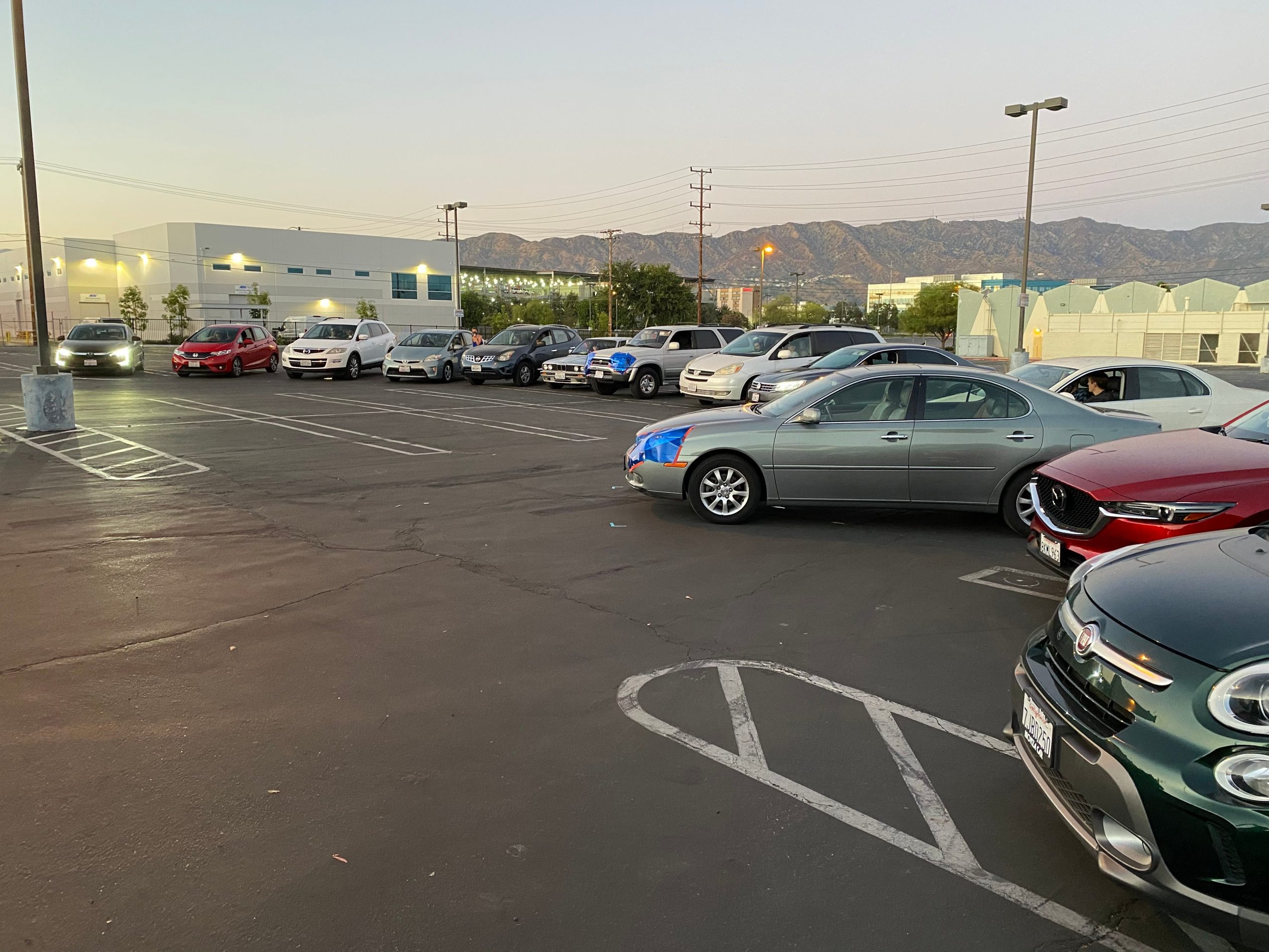
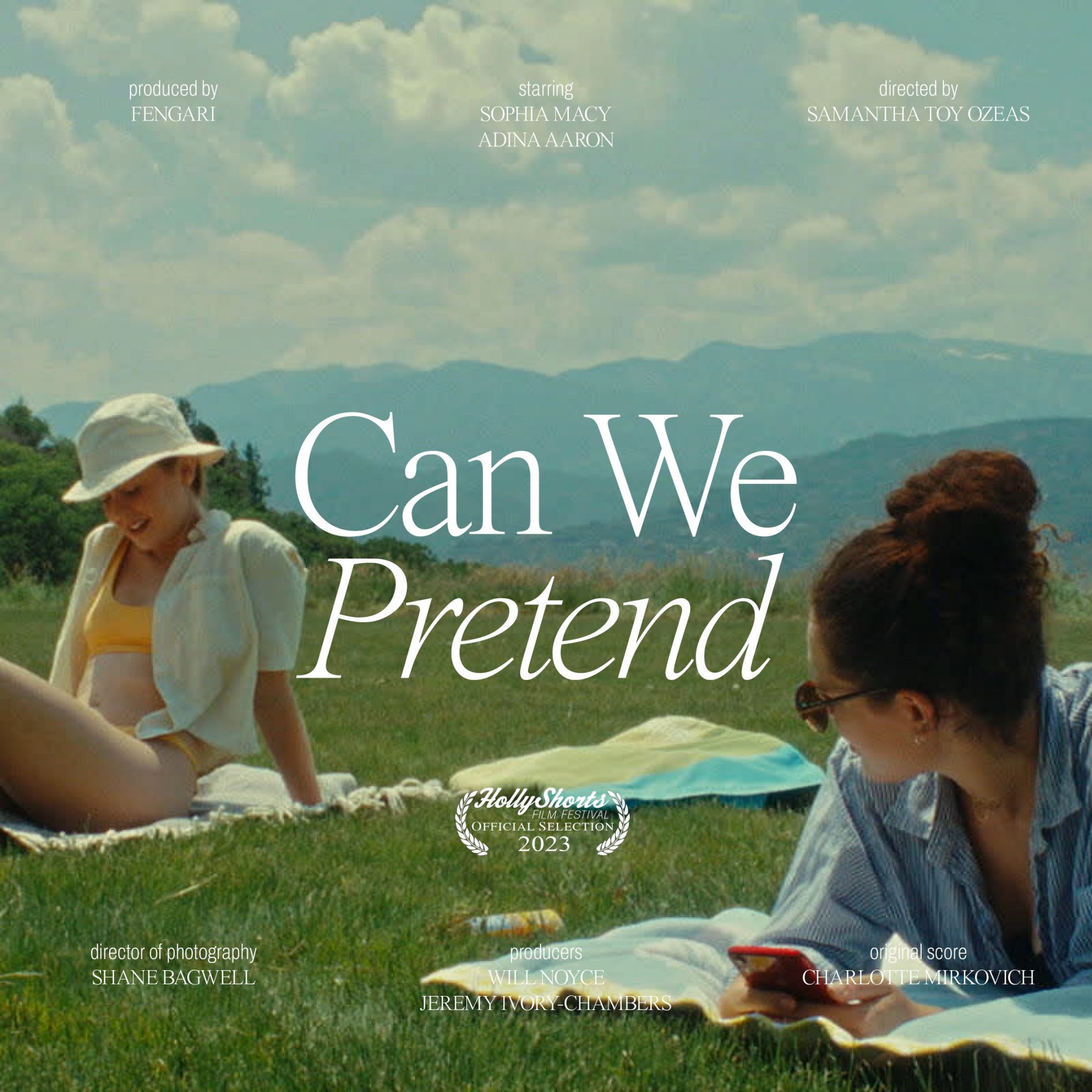
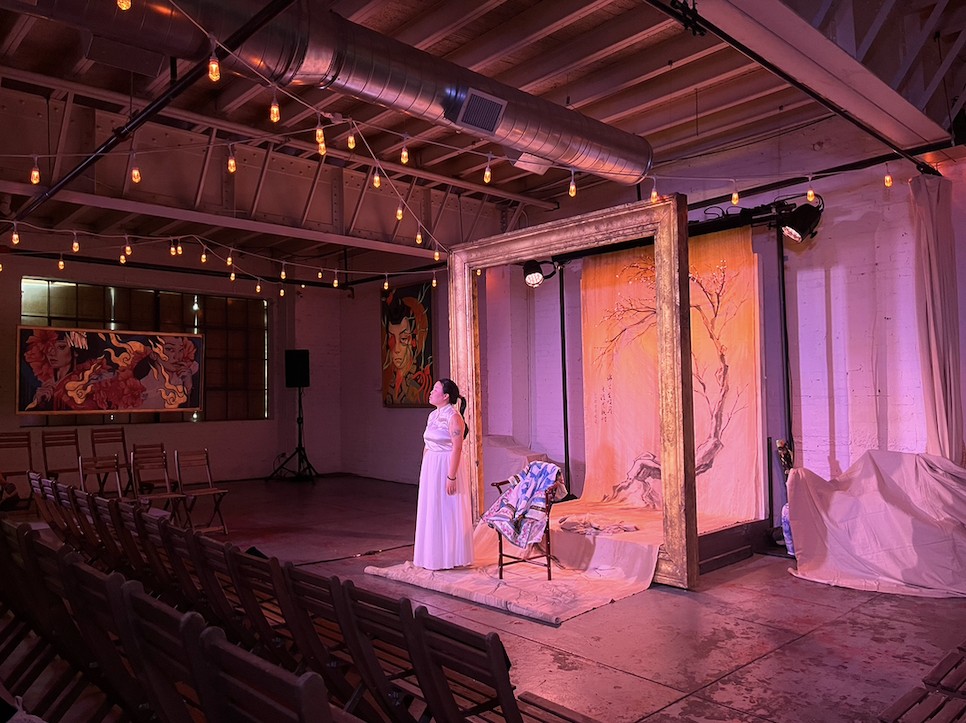
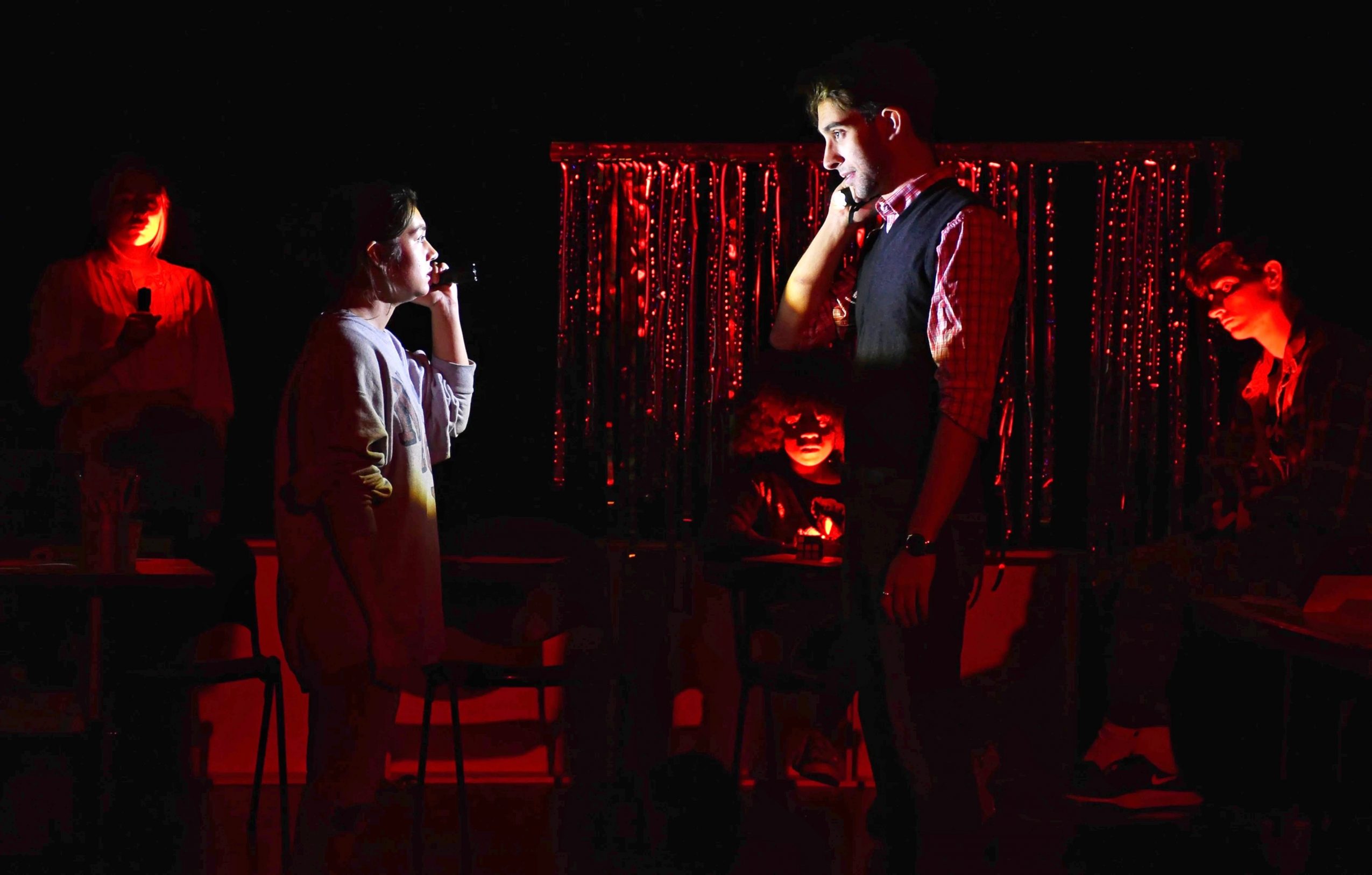
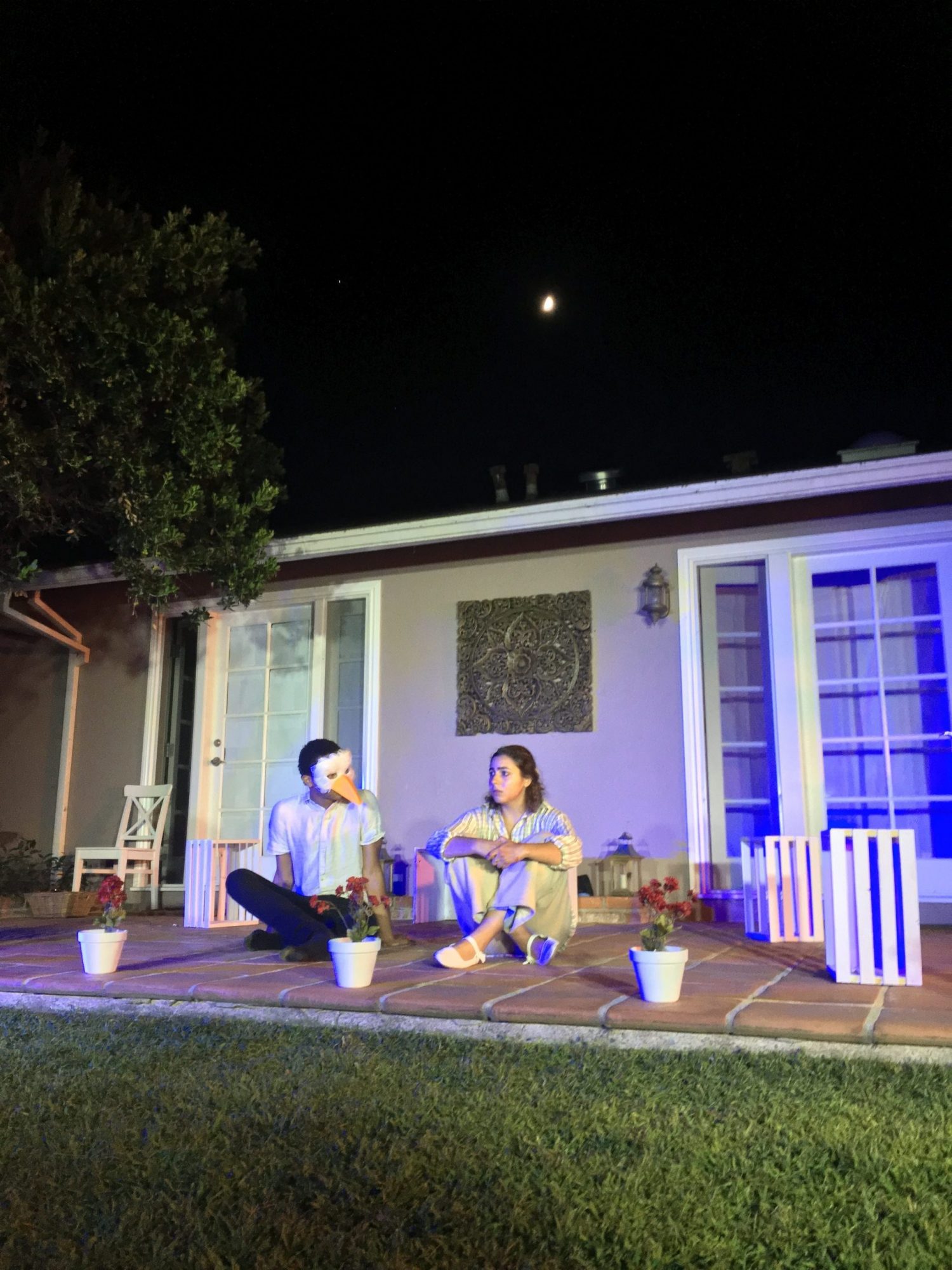 Image Credits
Snapseed – Shoshana Medney IMG_0398 – Louis Stein
Popular
-

What is something outside of work that is bringing you joy lately?
-

Local Highlighter Series
-

What did suffering teach you that success never could?
-

What are you most proud of building — that nobody sees?
-

Who were you before the world told you who you had to be?
-

If you could say one kind thing to your younger self, what would it be?


