



Today we’d like to introduce you to Linda Yudin.
Alright, so thank you so much for sharing your story and insight with our readers. To kick things off, can you tell us a bit about how you got started?
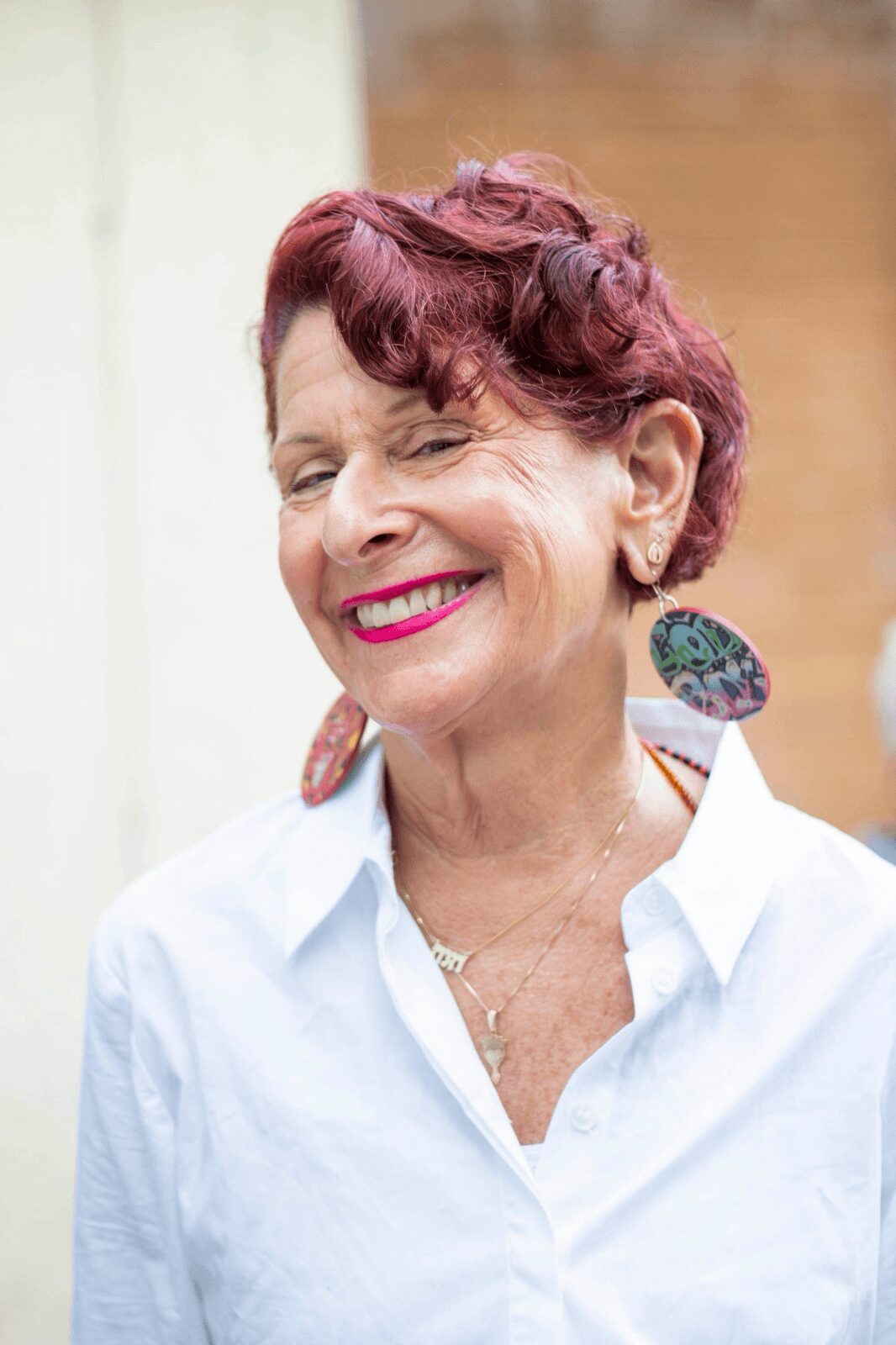
My name is Linda Yudin, a dance ethnologist specializing in the Afro-Brazilian dances of northeastern Brazil, published writer, and Co-Founder/Co-Artistic Director of Viver Brasil, an Afro-Brazilian dance company. I co-founded the company with my husband, Luiz Badaró. I have a master’s degree from UCLA in Dance with a specialization in Dance Ethnology. In April 1986, while finishing my coursework at UCLA, I discovered Brazil while taking a course, Dance in Latin America, taught by the late Dr. Susan Cashion. She changed the course of my dance studies within the first hour of the class, destiny danced at my door and in August 1986 I found myself in Salvador, Bahia with the passionate intention to study and to research Afro-Brazilian dance forms that have informed my life’s journey until today as a college professor, a dance company director, and as engaged citizen of Los Angeles and an adopted daughter of Salvador, Bahia.
I have had the pleasure and privilege to study with the great masters of Afro-Brazilian dance and culture, the late Raimundo Bispo dos Santos aka Mestre King, the wisest elders of the Candomblé tradition that informs my life and spirited belief systems and have familial bonds with the brilliant Iya Agba Cici, Babalorixa Rychelmy, Iyalorixa Mainha da Bahia, the late the late sambadeira, Zelita Moreira da Cruz Silva, the Dona Detinha and contemporary artists such as Rosangela Silvestre, Jose Ricardo Santos, Vera Passos, my own husband, Vania Oliveira, Tati Campelo, Gilmar Sampaio and the family of Paula Santos. I owe enormous gratitude to my parents, Ann Yudin and Julian Yudin, who raised me in Danville, IL, and encouraged me to think as large as the world and to live my dreams, and to my brother, Freddie, who so generously supports Viver Brasil.
I believe so strongly in the power that the arts have to transform our lives, to feed the very soul of our nation, and that the performing arts and especially Afro-Brazilian dance and music are my ferramentos, my tools to bring radiance and power to our audiences, to students, and that the arts feed the soul of our world.
I danced with Viver Brasil in its beginning years, but I am in my happy place as a teacher and producer of the many concerts and tours that we have created. In 2018, the company travelled to the south of the US, to Birmingham, Selma, and Lowndes County to share our Afro-Brazilian dance and music joy. I was transformed in a very deep way while we connected the civil rights histories of Salvador, Bahia, and to the birthplaces of the US civil rights. Crossing the Edmund Pettus Bridge with Viver Brasil company members, moving to the sounds and beats of the Blocos Afro and the 10000 community member changed my life forever. I am forever grateful for that transformative experience. Viver Brasil has since returned to the South several times, and each time, I leave showered in historical reality and hope that our bodies are divine tools for transformation.
How I became a dance ethnologist has much to do with a performance of the Pearl Primus Dance Company that I saw in 1978 at the University of IL, Urbana-Champaign. After reading the program notes that evening I ran out and purchased Dance Magazine and read that UCLA had a dance ethnology graduate program. I said to myself, one day I will get there.
Alright, so let’s dig a little deeper into the story – has it been an easy path overall and if not, what were the challenges you’ve had to overcome?
A smooth road, no. It has been a challenging road, really a journey of immense learning and learning again and making mistakes. I am an ally in this world of African diasporic dance as a white Jewish/Candomblecista so I have learned to practice humility and to listen to the experiences of others. My passions and desires are large and I have learned that I cannot expect everyone that I am involved with to have those same passions and have to learn to be aware and ask folks what their desires and dreams are and how collaboration can be a part of own conversation.
One of the most rewarding experiences of my life has been teaching Afro-Brazilian for many years at Santa Monica College and at my alma mater, UCLA. This is where I found my deepest happiness is in the dance classroom, sharing my brand of Afro-Brazilian dance with the many students who enrolled in my classes. We went on a journey together and the joy of teaching and discovering with my students has truly been one of my greatest accomplishments.
As a dance company director, the road is sinuous at best. Creating and training is wonderful, and presenting concerts and school assemblies are my joy. Currently, our dance field is facing an extraordinary funding crisis. It feels very suffocating, f at times and yet our work is so necessary for our survival. We have to make time to truly rethink, reset the models of engaging as non-profit businesses. It is an extraordinary time for change and it is also a moment of pure courage and grit to be open and I mean wide open to change. I do stay awake at night, intensely concerned about how we must survive the loss of funding. I have a dance company of amazing artists that have families to care for, exciting dreams and artistry to develop and we must find ways to remain collectively positive that we can continue to enliven our work despite the losses- financial exhaustion is real.
Thanks – so what else should our readers know about your work and what you’re currently focused on?
I am most known for my dance company, Viver Brasil, and also as a college professor/ dance ethnologist of Afro-Brazilian dance . What sets me apart perhaps is my insatiable desire to continue to provide opportunities for my dance company members in Los Angeles and in Salvador, Bahia. I live and breathe Afro-Brazilian culture in Los Angeles and have been doing so since 1987 when I returned home after my year of Afro-Brazilian dance research for master’s thesis project.
I have many things that I proud of!
One of my proudest dance projects is creating the dance and cultural content for Vivier. Brasil’s participation in Disney California Adventure Park’s Viva Navidad Street Parade. We have performed in this winter season parade since 2013.
I am a committed woman to the depths of my existence. I am very proud of Viver Brasil’s many choreographic works that have been presented in LA and throughout the US, Mexico and Canada. Para Onde O Samba Me Leva/Where the Samba Takes Me, choreography by Vera Passos was one of my most important collaborations. This piece was created for the late Sambadeira, Joselita Moreira da Cruz Silva, my second momma in my life. She passed in 2016 and the company truly embodied her love of samba chula with such respect and love. Everything about the piece was love and honoring of ancestral wisdom.
I am most proud of being 68, still moving, and about to return to more teaching in 2026 and exploring ways to develop my myself as an effective leader, to be a great friend to my friends, to honor my family’s legacies and the legacies of my adopted family in Bahia. I practice both my Jewish tradition and my practice in the Candomblé tradition as a daughter of Osun at the Temple Ile Asé Ojise Olodumare in Barra de Pojuca, Bahia and in the Ifa tradition at Ile Orunmila Afedefeyo in Los Angeles. I am a committed voter.
I have a heart daughter, Naiara Silva, and a granddaughter, Joia, who live in Salvador, Bahia. They are a huge part of my pride and joy.
I will be most proud when I finally begin to write my book about the precious and unique experiences of my life as a practitioner of Afro-Brazilian dance. I have incredible stories to share, and I need to create space for that book project to be completed.
Before we let you go, we’ve got to ask if you have any advice for those who are just starting out?
Please ask questions, be curious, and be courageous; when you don’t know what to ask, ask anyway; love your own story; and engage your elders and your contemporaries. Find a mentor or a few mentors, be a curious mentee – it is so great to have advisers and folks that can share their professional world and personal stories with you. Be curious, be courageous, be willing to live out of our comfort zone.
Engage in conversation and share your own knowledge too.
Listen to your heart, please listen to your inner voice, even when your inner voice is doubting, acknowledge it, and then ask for assistance. It’s okay not to know what you want and what you are doing as you begin your professional and personal adult journeys. Travel. Keep a journal. Dance, move, take walks, support the arts as an audience member, as a donor at any level, volunteer! Be a committed activist in whatever cause you choose. Whether you live in a large city like LA or in a mid- to small-space, get involved in causes you care about. Our voices, all of our voices, matter.
Know who your local, state and national leaders are. We are their constituents!
I wish I had asked for more mentorship when I was starting. I wish I had known how important it was to collaborate with others.
Contact Info:
- Website: https://www.viverbrasil.com
- Instagram: @lindayudin @viverbrasildance
- Facebook: @viverbrasildance @lindayudin
- LinkedIn: @lindayudin
- Youtube: viverbrasildance
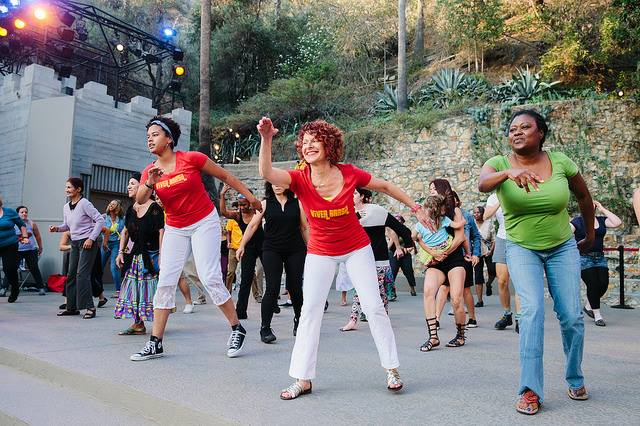
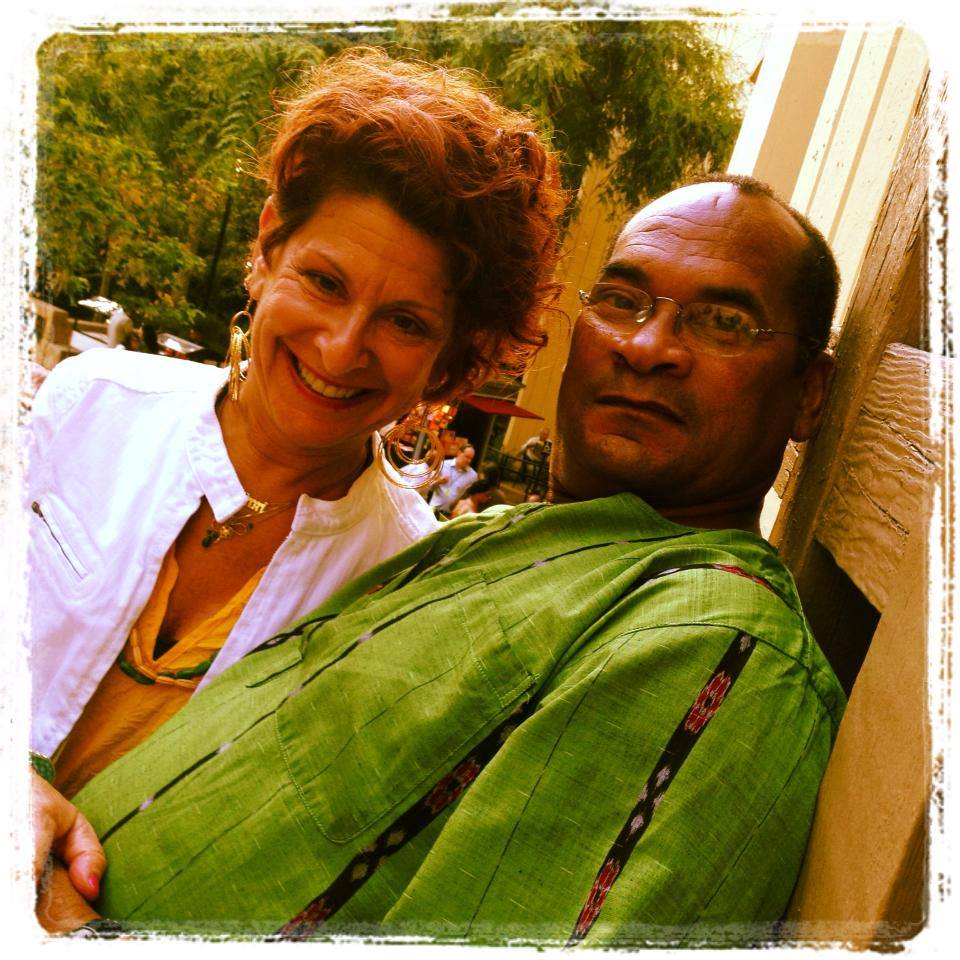
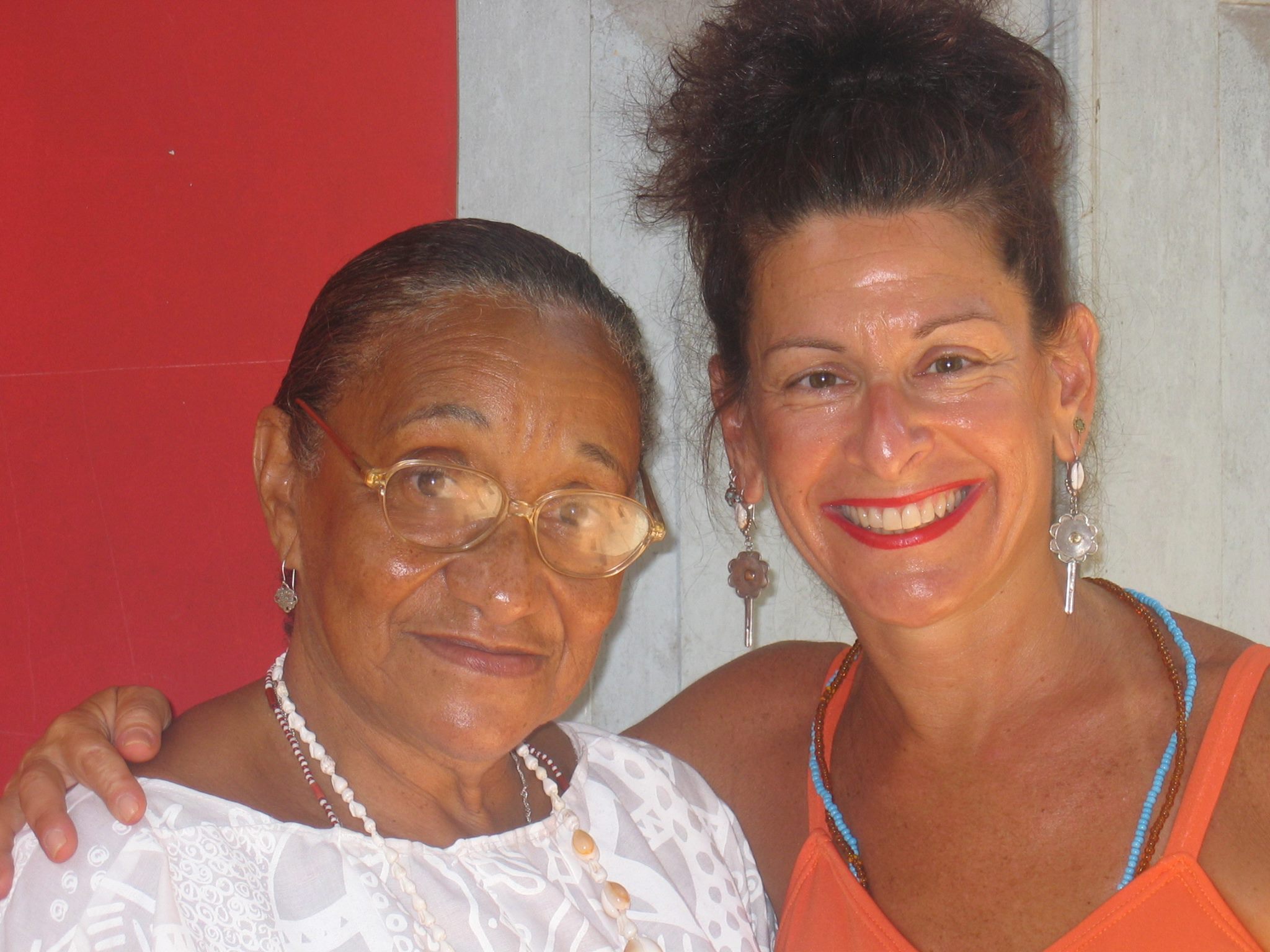
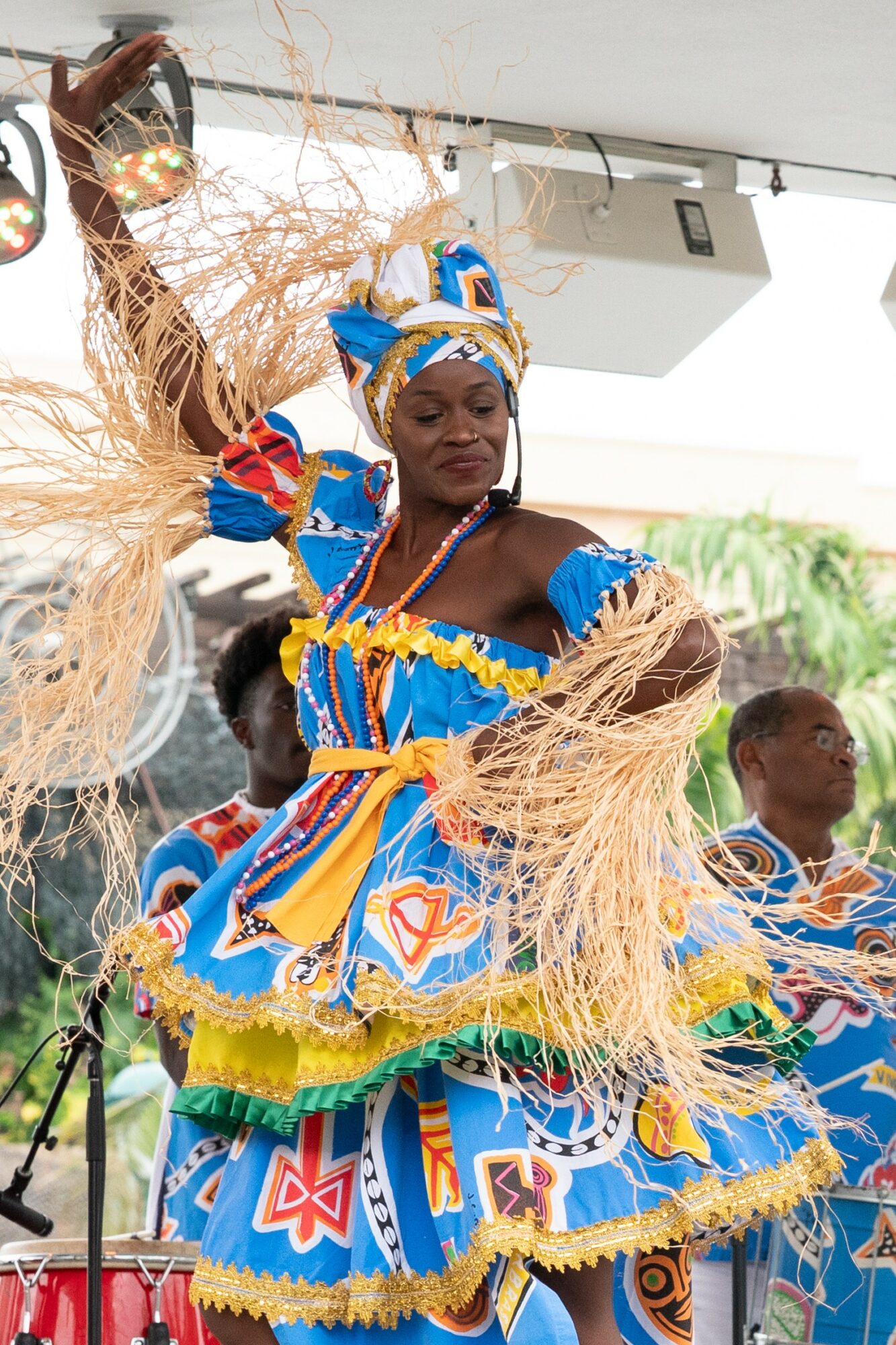
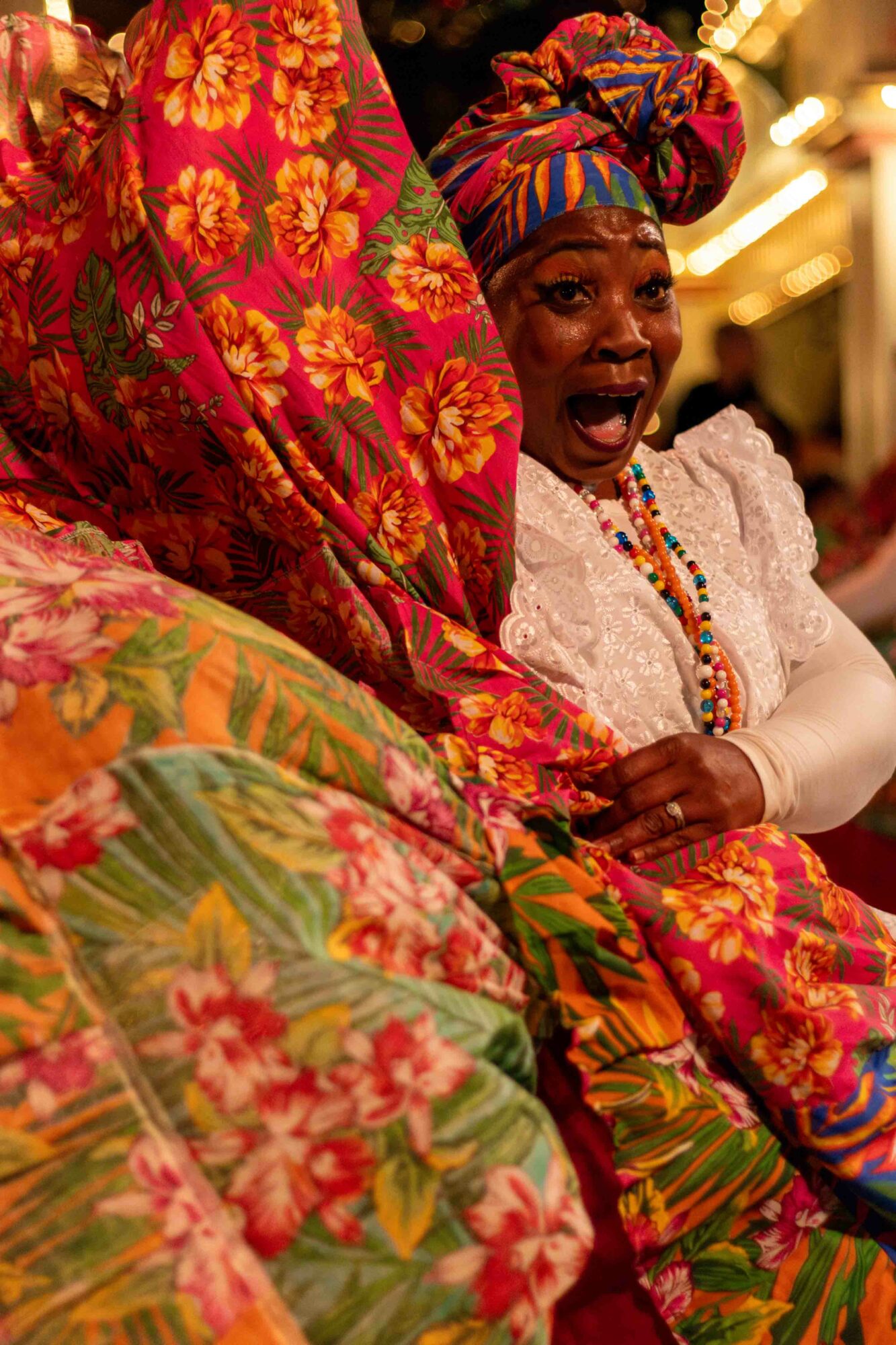

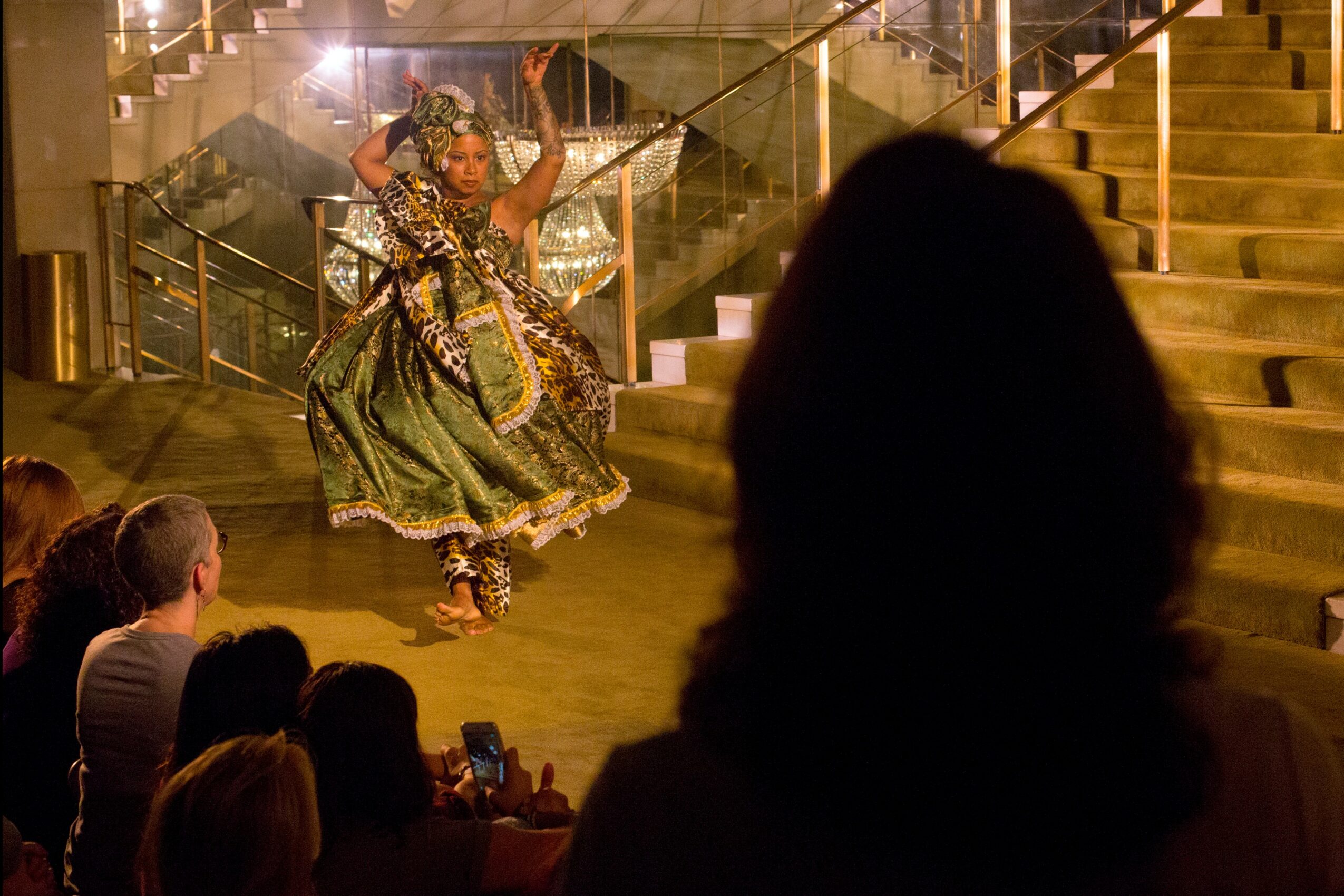
Image Credits
Ivan Kashinsky, Mattia Di Niro, Madeline Oaklander, Jorge Vismara, Ford Theatres
Popular
-

What is something outside of work that is bringing you joy lately?
-

Local Highlighter Series
-
What did suffering teach you that success never could?
-

What are you most proud of building — that nobody sees?
-

Who were you before the world told you who you had to be?
-

If you could say one kind thing to your younger self, what would it be?


