




Today we’d like to introduce you to Kimberly Roberts.
Hi Kimberly, can you start by introducing yourself? We’d love to learn more about how you got to where you are today?
I have always been a lover of all things weird; taxidermy, skulls, oddities, etc. I was at a store in LA with my boyfriend and they had framed insects and wet specimens. I had told my boyfriend that I really wanted this framed butterfly art they had and he ended up surprising me with it a few weeks later.
I’m a very curious person and one day, I was looking at the butterflies and wondered how the preservation process worked. I did a ton of research and from there, I purchased a butterfly pinning kit and taught myself. I fell in love with the art and I had a lot of interest from friends to purchase my creations, so I started Bees and Wings. I had been working as a social worker for the last several years, so Bees and Wings was just a hobby in the first year. After I started to have more success, I was able to quit my full-time job and put all my time into my business. I taught my best friend, Jess, everything I knew and took her on as my partner. Together, we create products for 2 stores located in Los Angeles and we sell at the Melrose Trading Post, the Rose Bowl Flea Market, and at the Oddities & Curiosities Expo. We keep busy between the stores, online orders, and each market. I feel so lucky and grateful that we live in a city that is so open and welcoming to a new artists, even us weirdos.
Can you talk to us a bit about the challenges and lessons you’ve learned along the way. Looking back would you say it’s been easy or smooth in retrospect?
When I meet someone new and tell them that I’m an insect artist, I’m usually met with a lot of confusion. I have to show them my products and explain my process so they don’t leave thinking I’m a total freak. I have to defend my art often. When we are selling at a market, nearly every single person asks, “are they real?” and “you killed all these butterflies?!” Yes, they are real and no, we do not hurt or kill butterflies. Our specimens are cruelty-free and ethically sourced. Typically, our butterflies and moths come from butterfly aviaries in third-world countries. These aviaries breed and raise butterflies and will release half into the wild to increase their populations. The other half remains in the aviaries to live out their full lives, which is only a week or so. After their natural death, they are collected and sold to museums, universities, and businesses like ours. Each purchase provides financial incentives to these countries to maintain the native flora and fauna, and it creates jobs for the locals. We spend a lot of time educating people and convincing them that we aren’t monsters that go around killing butterflies.
Can you tell our readers more about what you do and what you think sets you apart from others?
At Bees and Wings, we create insect art and recycle nature. We specialize in preserving and framing butterflies, moths, bees, and other insects. The lifespan of our specimens can be very short. For example, the luna moth comes out of its cocoon without a mouth and its only purpose is to find a mate. After a week, it starves to death. The luna moth is one of the most beautiful moths and it’s tragic that is has such a short life span. By preserving it after its natural death, we’re able to honor and appreciate its beauty for years. Additionally, we can study the specimens and learn more about genetics, mutations, diseases, and evolution of a species.
We also work with resin and create jewelry and home goods using pressed flowers. Sometimes we get creative and add insects to our resin products. I’ll put a scorpion in an incense holder or I’ll make a coaster with a dragonfly. We are always learning new ways to incorporate the natural world into our art.
What would you say have been one of the most important lessons you’ve learned?
The most important lesson I have learned since starting my business is to slow down. We work with such delicate and fragile specimens, and you can’t rush the process. If I try to pin a butterfly too quickly, I could rip a wing or lose an antennae. If I don’t stir my resin mixture slow enough, I’ll get too many micro bubbles. I’ve also learned this lesson in my personal life when I was doing too many things as once. At one point, I was working a full-time job, in school full-time, and managing my business. I got burnt out real quick and it wasn’t sustainable. I’ve learned a great deal of patience since being forced to slow down.
Contact Info:
- Website: https://www.beesandwings.com/
- Instagram: https://www.instagram.com/beesandwings/
- Other: https://www.etsy.com/shop/BeesandWings


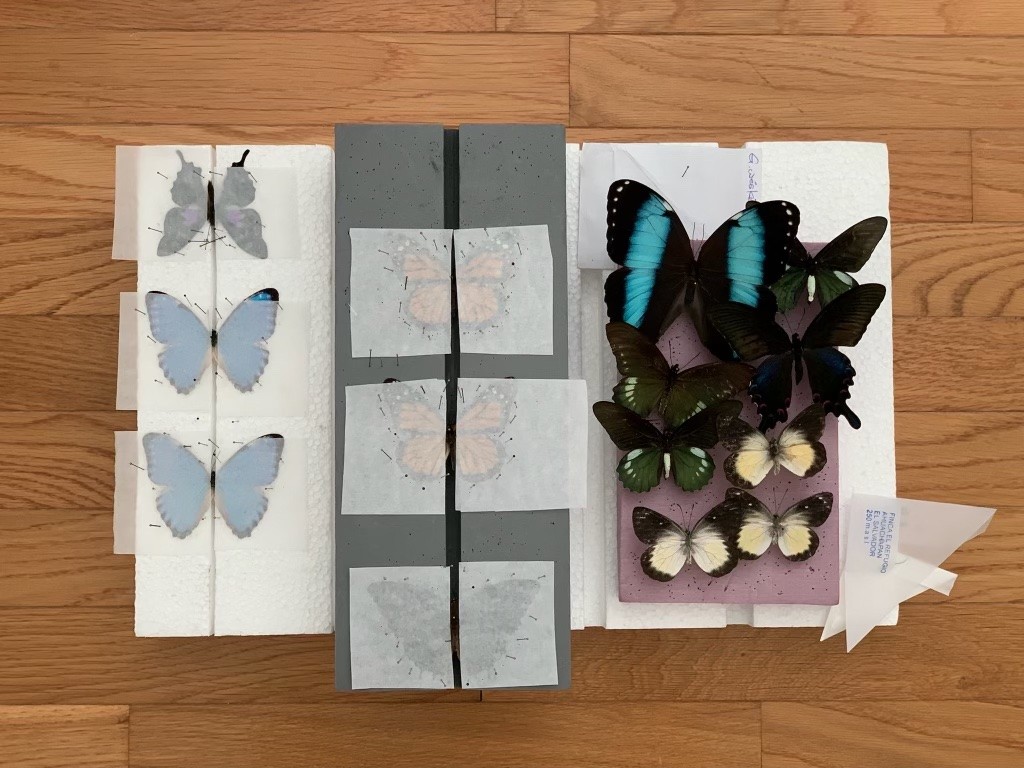
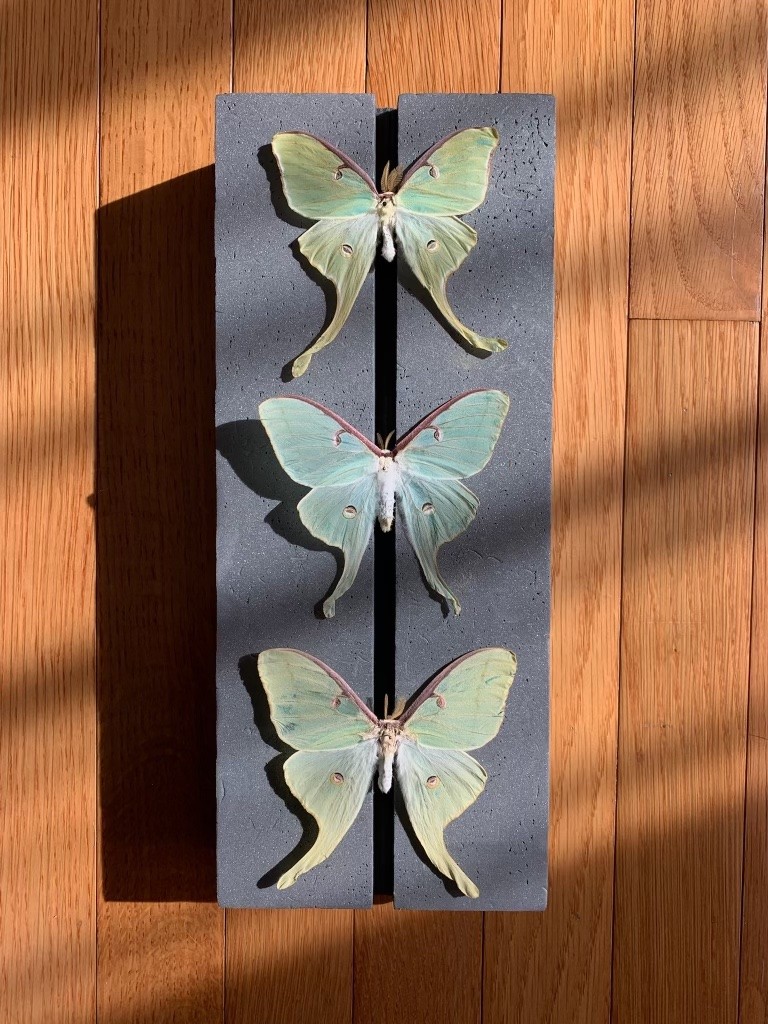
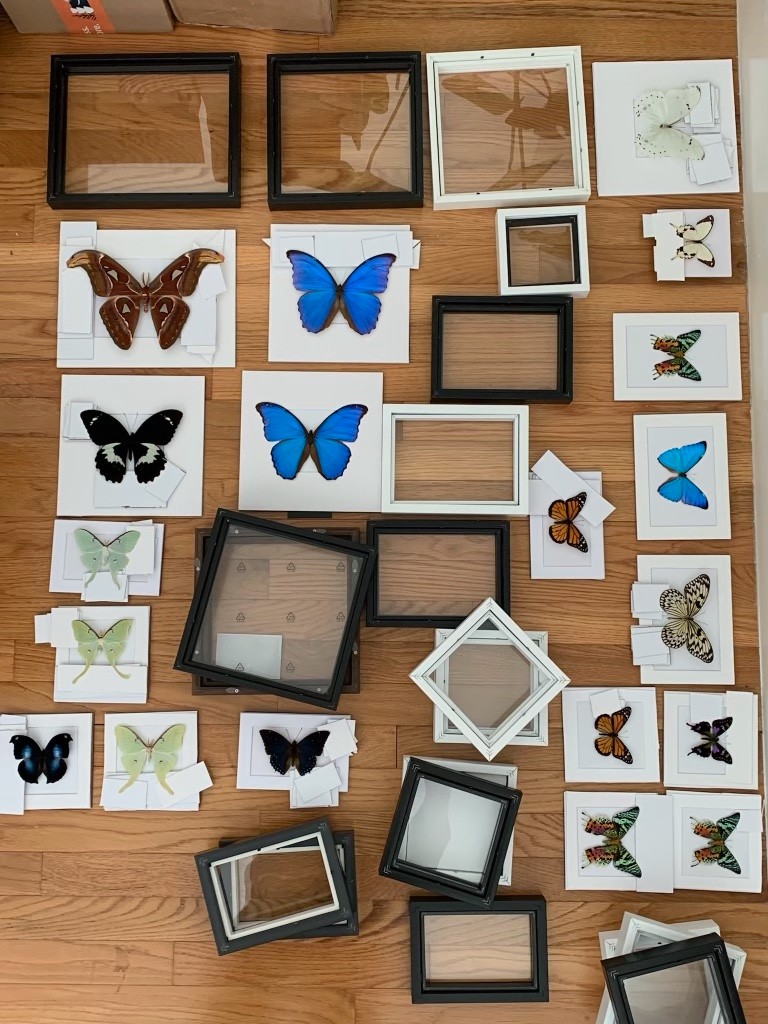
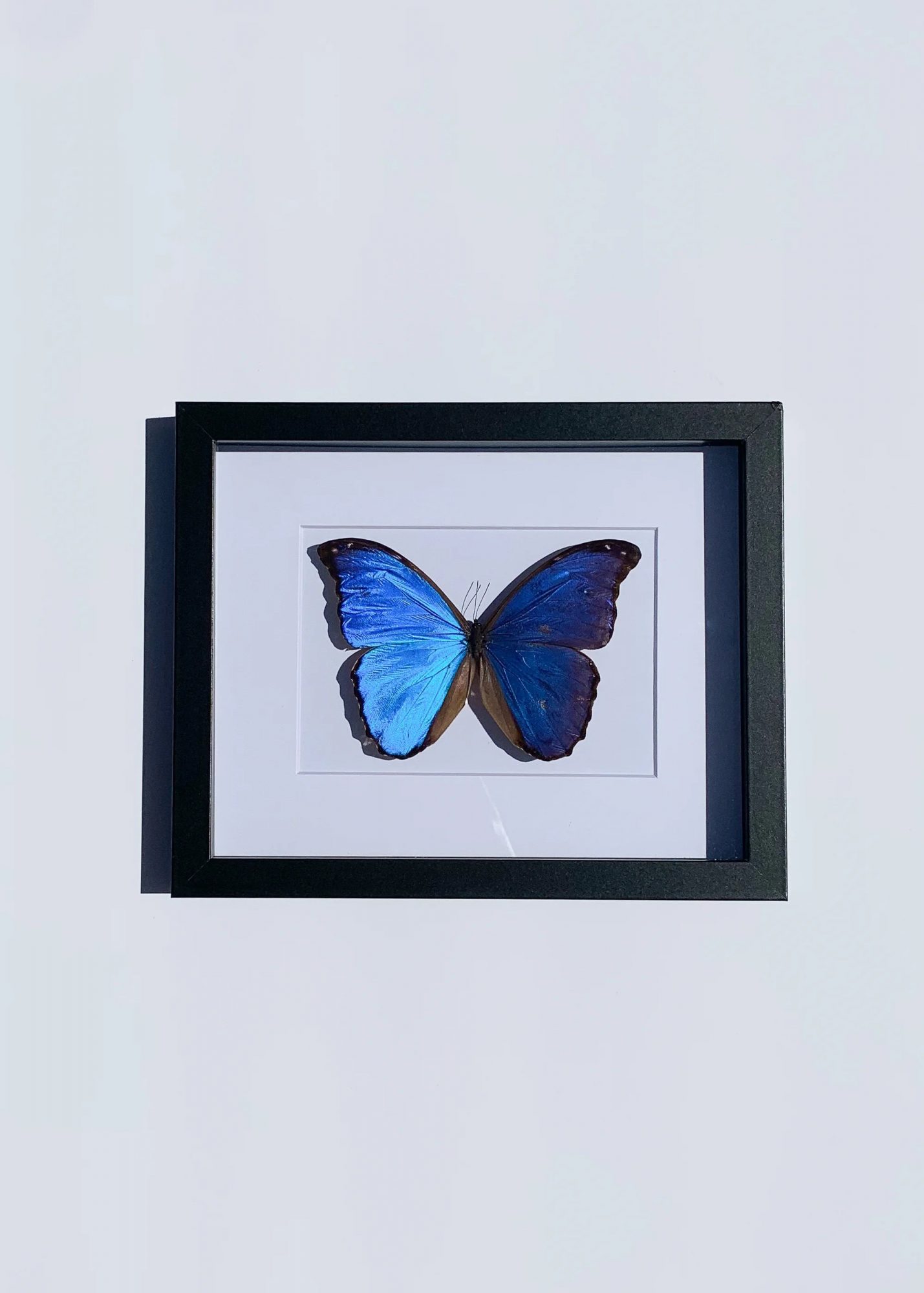 Image Credits
Jessica Thoma