



Today we’d like to introduce you to John Manulis
Hi John, so excited to have you on the platform. So before we get into questions about your work-life, maybe you can bring our readers up to speed on your story and how you got to where you are today?
From early on, I was always more active in extracurricular activities than academic – whether it was theater, sports, photography, publishing the yearbook, or partying – but I developed an early interest in medicine largely due to the influence of a cool, young doctor who saved my mother’s life by trying something that had never been done before, to defeat a disease that had not previously been survivable.
My parents were both in the entertainment industry, my father a notable television and film producer, my mother an actress. They had a rule that the house should not be used for business, so even though a number of their friends were in the industry and part of our lives, my sisters and I were relatively sheltered from the business of the business. In high school, I really enjoyed working in the theater – as a rebellious teen, I was quite conscious of not wanting to follow my father’s footsteps, but as an uncurious teen, I was somehow oblivious to the fact that both my parents had started their careers in theater in New York.
Regardless, it was my interest in medicine that took me to Harvard College, where, as a freshman, I studied pre-Med, majored in Government, and spent 8 hours a day working at the theater. It was a little crazy, and eventually the dean convinced me it was unworkable, but that diverse focus reflected the key things that make me tick, and they’re still what I bring to the table every day working to help bring positive change to our society and our world.
I was pre-med because I believe in helping people and I really like engaging personally. I decided to major in government because, as in “Hamilton,” I like “being in the room where it happens” and having tangible impact in making the world a better place. And I spent so much time working in theater because theater is a community of people…it’s a family, all working together towards a common goal, with trust, creativity, resilience, and a can-do attitude.
My career since has really played out in three buckets, spanning the worlds of entertainment, technology, and non-profits/NGOs, but, in general, I’ve always been opportunistic – when an interesting opportunity swims in front of me, I grab at it and dive in.
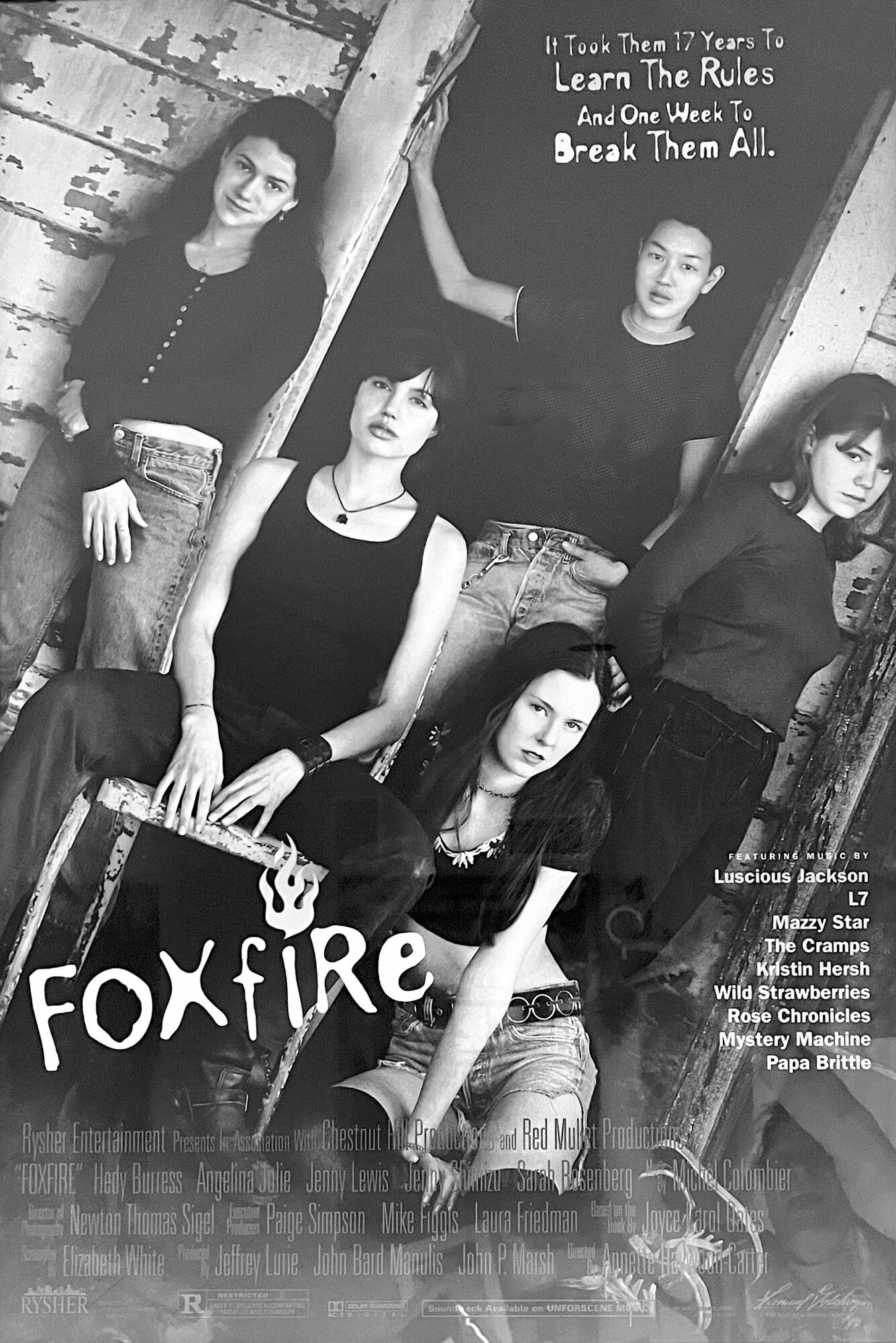
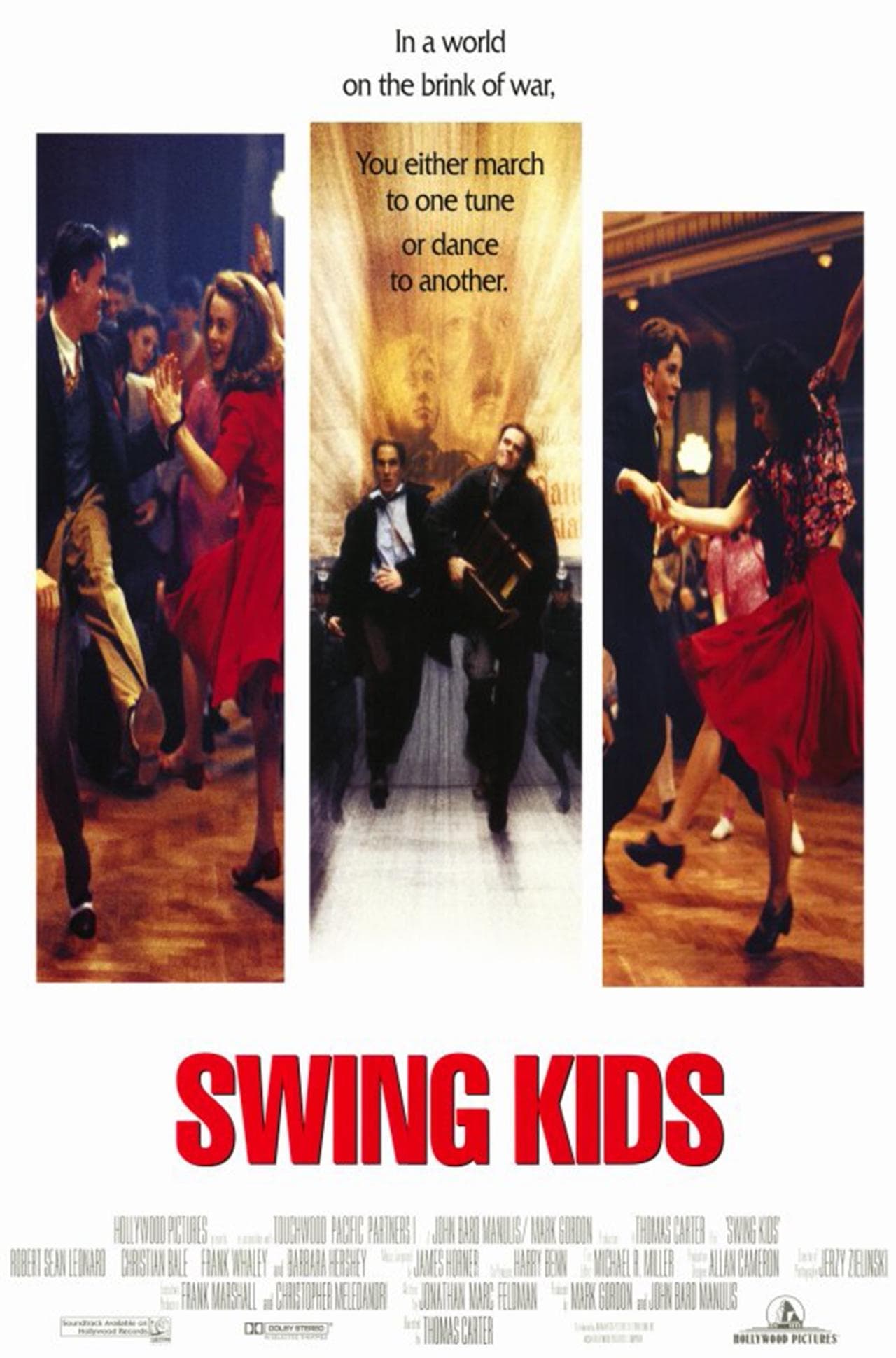
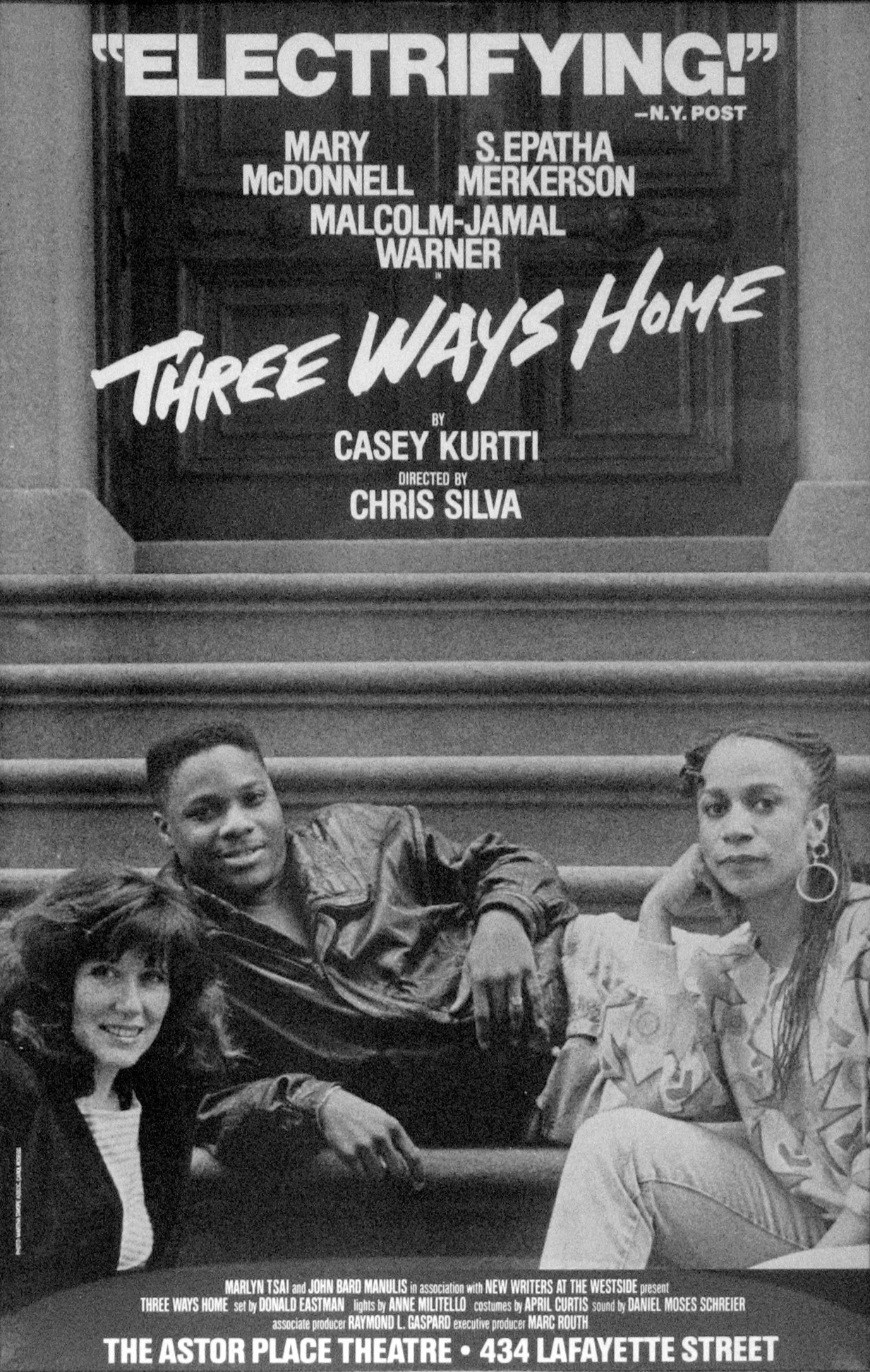
In entertainment, initially as a casting director and director Off-Broadway and an assistant director on Broadway; then producing, executive producing, or directing over 25 theater, television, motion picture, and live events, with most projects carrying a message of social justice; serving as the Head of Filmed Entertainment for Samuel Goldwyn Films, one of the industry’s most prestigious independent distributors; and co-Founder and CEO of Visionbox Media Group, which pioneered the use of digital technology for the production and distribution of motion pictures.
In technology, as co-Founder and CEO of ScreenSpaces, an online technology startup that democratized the power of curated social publishing for companies and organizations of all sizes.
In social activism and politics consulting with non-profits and NGO’s on strategy, messaging/marketing, and efficacy.
Along the way, there have been a number of challenging and satisfying sidebars, including, producing the short-filmmaking competition for Microsoft’s global “Imagine Cup”, in both Brazil and Japan; as a long-time board member of the nationally-acclaimed Liberty Hill Foundation, which advances social justice and equity in Los Angeles and beyond; as chairman of the Digital Coast Roundtable, originally founded by L.A. Mayor Richard Riordan to advocate the evolution of digital media and technology in Southern California; as a board member of the Getty House Foundation (the home for LA mayors), working to platform innovative programs and partnerships to help our city reach its potential; and being recognized by the Los Angeles Board of Supervisors as one of the “2012 Leaders To Watch”.
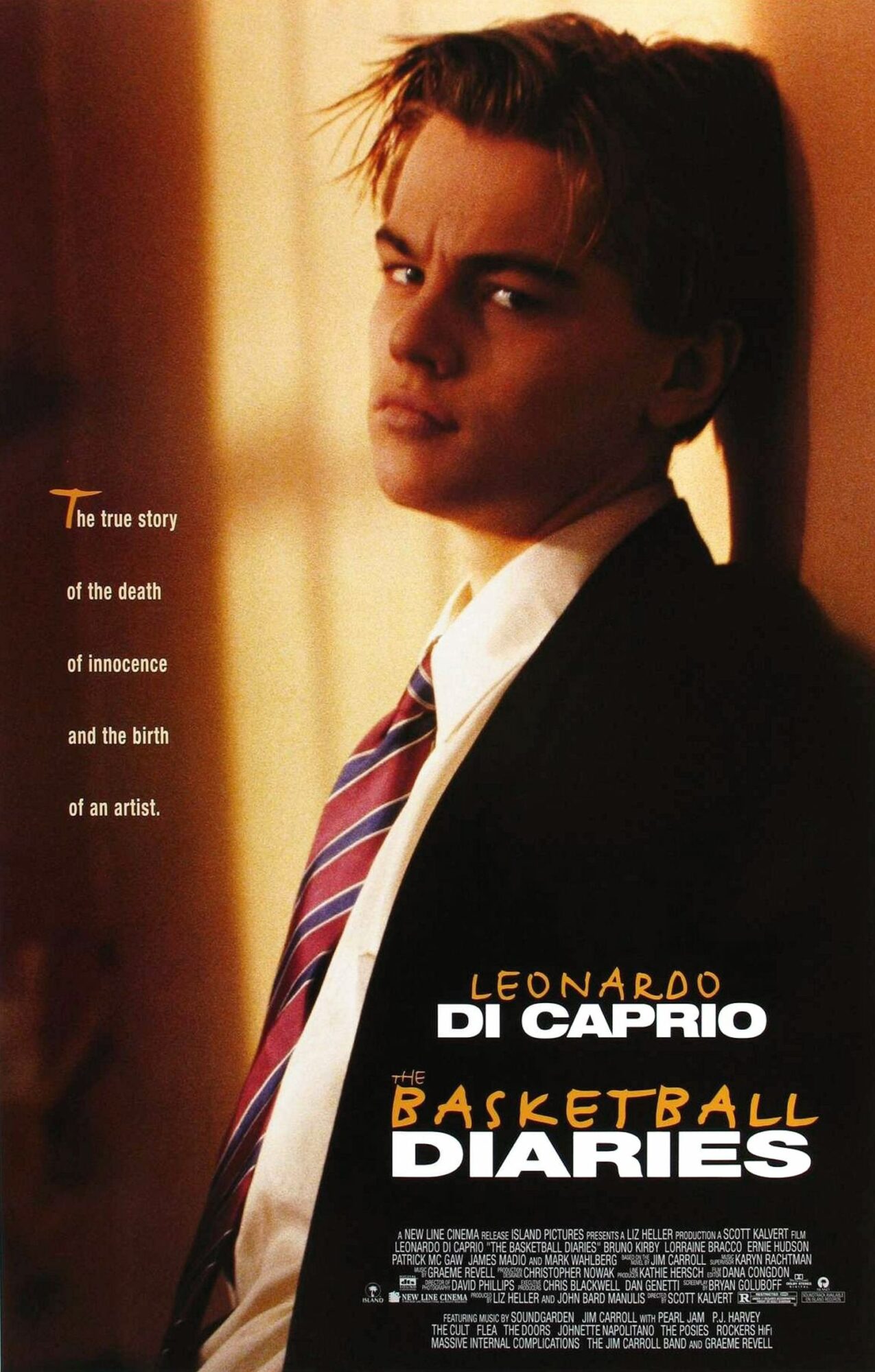
Then, about eight years ago, I decided it was time to do something new, while I still could, and turned my career into a bit of a work-in-progress. Since then, I’ve explored a few different waters, and waded up to my waist in a couple of deeper dives into social justice work, as well as producing a (just-completed) documentary about my high school class, entitled “Fortunate Sons”.
Can you talk to us a bit about the challenges and lessons you’ve learned along the way. Looking back would you say it’s been easy or smooth in retrospect?
a) The film and TV business are brutal in terms of the ratio of projects developed to projects produced, but there’s a psychic strength that develops from not being crushed by all those hundreds of projects that didn’t make it – literally drawers full of storylines, proposals, budgets, and more. Oddly, I’ve been successful getting cool projects produced that are imbued with strong social-political thematics…almost all of them the projects that people told me would never get produced. Ironically, even though I like blowing things up on screen as much as the next guy, I’ve been completely unsuccessful at getting things produced that I thought were obviously commercial. It’s frustrating, but I’ve learned not to fight Mother Nature.
b) It has surprised me how difficult it is for many people in our rather structured, hierarchical society and industries to understand how to “fit” and make use of a “hyphenate” who thrives in multiple areas of endeavor and enjoys possessing and exercising an eclectic variety of skills.
c) I underestimated the challenges of stepping away from a reputation and network of relationships established in a certain industry over several decades and jumping into the unknown, especially at a time in life where there’s less comfort taking random shots. I remember daily my father’s advice from my early 20’s: don’t leave your job until you’ve got another one lined up. He wasn’t wrong…it’s just advice that wasn’t in sync with my constitution.
Appreciate you sharing that. What else should we know about what you do?
Storytelling is basically at the core of everything I do, and almost all my projects, of any kind, have at their core a social/political consciousness that’s focused on encouraging a healthier, more just, and productive world. My philosophy is that “a spoonful of sugar helps the medicine go down” – if you can entertain people and carry that Trojan horse message under the entertainment, you can affect the culture and influence people’s hearts and minds.
One of the advantages of lacking a core career focus is that you get to work with and know many different “rooms” of people. I’m comfortable communicating with, and trusted by, creatives, celebrities, corporate executives, philanthropists, elected officials, non-profits, community members, and technologists alike, which has enabled me to serve as a bridge between communities that don’t really speak each other’s language, in pursuit of a common goal: to make something good and bold and positive happen.

Over the years, I’ve had the opportunity to work on some really cool initiatives, including spearheading the creation and launch of Caterpillar Foundation’s innovative Together.Stronger. anti-poverty initiative for Handshake Partners; and serving as Executive Producer, Events and Lead Advance for Barack Obama’s Campaign for Change in Colorado, during the 2008 presidential campaign.
But several years ago, I decided to change my approach – instead of launching my own company or initiative, I would identify exciting young leaders I thought were doing something cool and valuable and simply ask, “How can I help?”. Instead of saying, “Hey, I’ve got a lot of experience. Let me run this for you and we’ll make it huge together”, my current journey has centered on saying, “you’ve got the magic, how can I support you with the resources, networks, skills, and experience I’ve developed over time, but not take over?”.
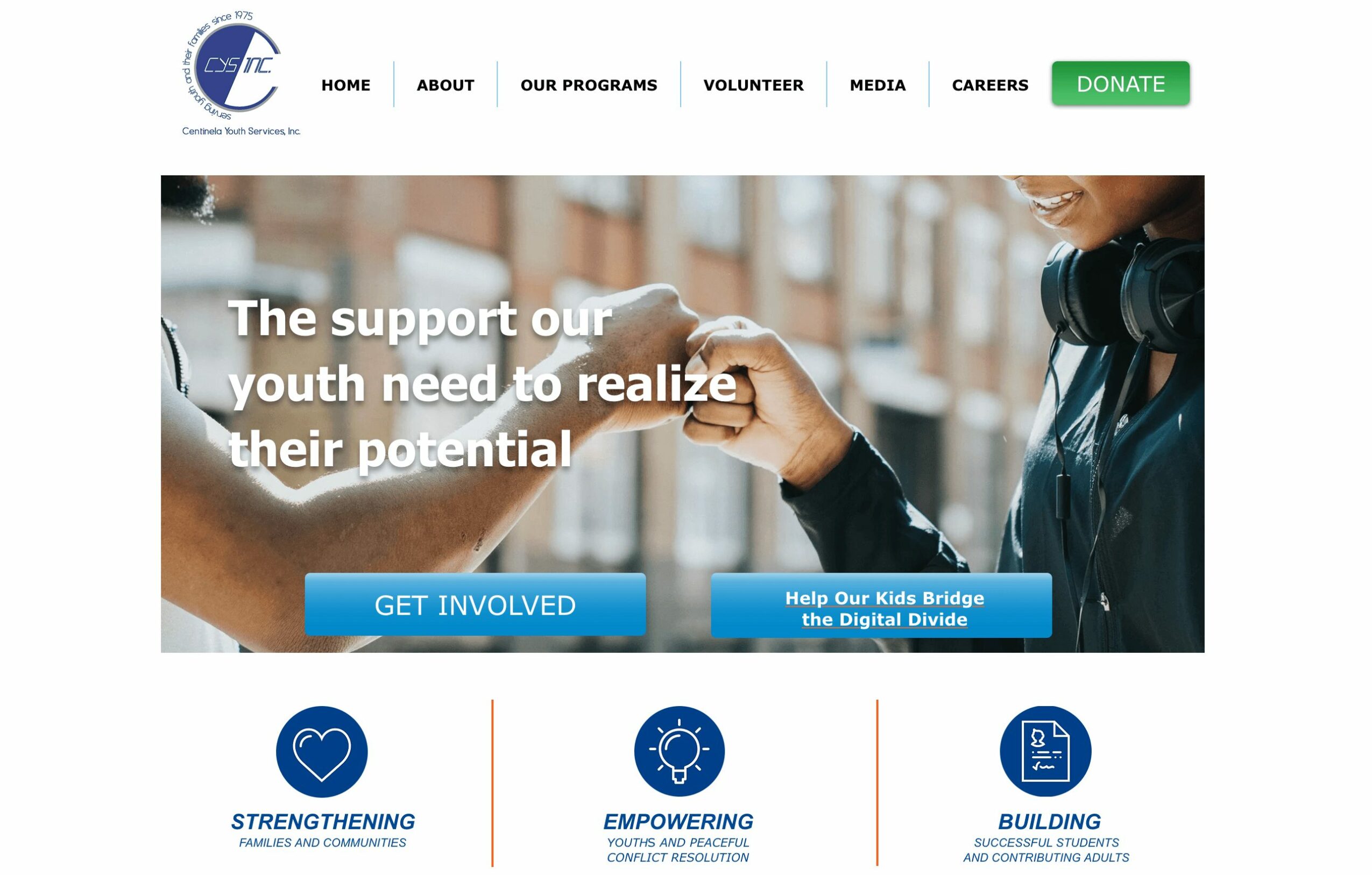
One of the organizations I jumped into supporting is Centinela Youth Services, led by a wonderful Executive Director, Jessica Ellis (http://cys-la.org). I’ve served as Jessica’s strategic advisor without portfolio for the last five years.
CYS has long been a pioneer in community-based restorative justice and in 2010 they created a program called Pre-Arrest Diversion with the LAPD. The pitch for Pre-Arrest Diversion was basically “Hey, we all know that making mistakes is part of growing up, learning, and maturing. And we know that any involvement with the criminal justice system affects a kid forever – just going in front of a judge and being told that they’re a bad kid sinks that hook in their mind…and even if they don’t get convicted, it changes that kid’s sense about who they are and their potential and their life track. So, let’s interrupt that damaging process right at the point that a kid gets arrested. Before they enter the traditional justice system, let’s divert them into this community-based program of restorative justice that gives them a second chance at a productive life, better serves the victim, keeps their family intact, and saves the community money while improving its future.”
When I jumped in, my goal was simply to learn about CYS’ work in depth and do whatever was needed – strategically, operationally, politically – to raise the bar on its groundbreaking work of reforming the juvenile justice system in Los Angeles County, and giving our kids a second chance at a productive life. Over time, I trained to be a mediator in the Victim-Offender Restitution Program, stepped up to lead several key departments to mitigate staff turnover, worked with senior staff on strategic planning and external political relationships, developed internal systems to improve efficiency and efficacy, developed trainings to onboard members of CYS’ law enforcement partners, and at the outset of Covid-19, developed and launched systems to take all elements of the CYS program online and train the staff to shift to remote work, without interruption.
Jessica Ellis said, “John has been instrumental to the growth of CYS as he has generously given of his time and talents to a wide range of capacity-building projects, from technology upgrades to communications to Board development to program supports. And all with such heart, that we’ve adopted him as part of our staff team!”
The diversion program has become incredibly successful, not only for the kids who commit a crime, but for the victims who are central to the restorative justice process, and for the overall community financially. It’s been adopted in LA countywide. Two of LA’s four youth camps – they call them camps, but they’re really prisons – have been closed because of a lack of kids to put in them. And the money that was being spent on imprisoning kids is now able to be diverted into youth development, to give them the tools to grow and change, before they make those typical adolescent mistakes and get in trouble in the first place.
CYS’s program has been labeled the gold standard by the Annie E. Casey Foundation. It recently received a significant grant from uber-philanthropist Mackenzie Scott and has plans to launch a training institute that will support other cities and towns eager to develop and maintain their own versions of diversion and community-based restorative justice programs.
Another organization that I engaged with deeply during this period is the EVAC Movement in Jacksonville, FL., serving as Strategic Advisor for the organization and mentoring its remarkable young founders (http://evacmovement.com).
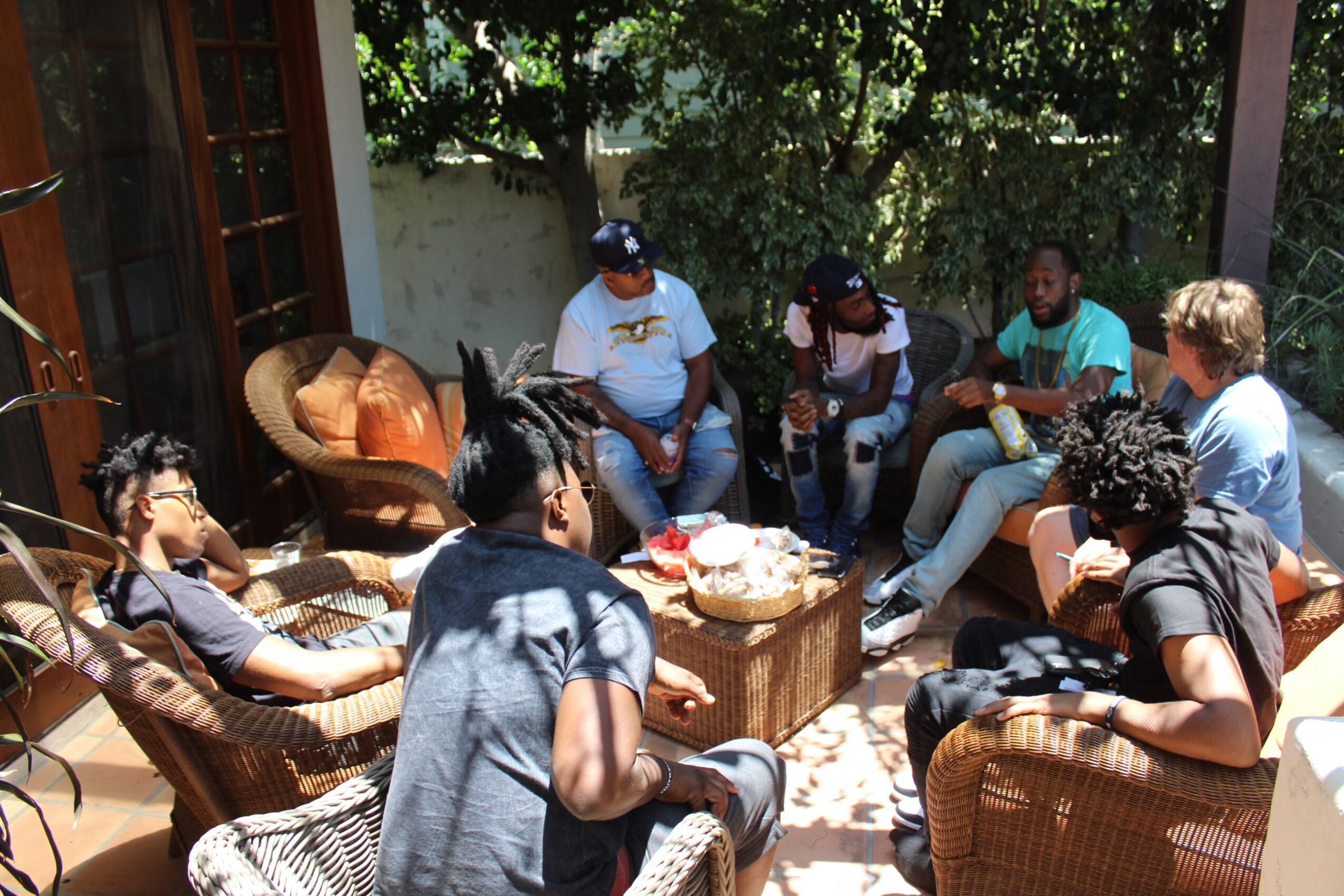
I have a tremendous belief in the instincts of youth and in what they feel is important and needs to be fought for, even if they don’t necessarily know yet how to build a coalition, or play the system, or turn impact into lasting change. The fact that they have a vision, are driven by passion and core values, and believe anything is possible, is rare and powerful, it’s what it’s all about.
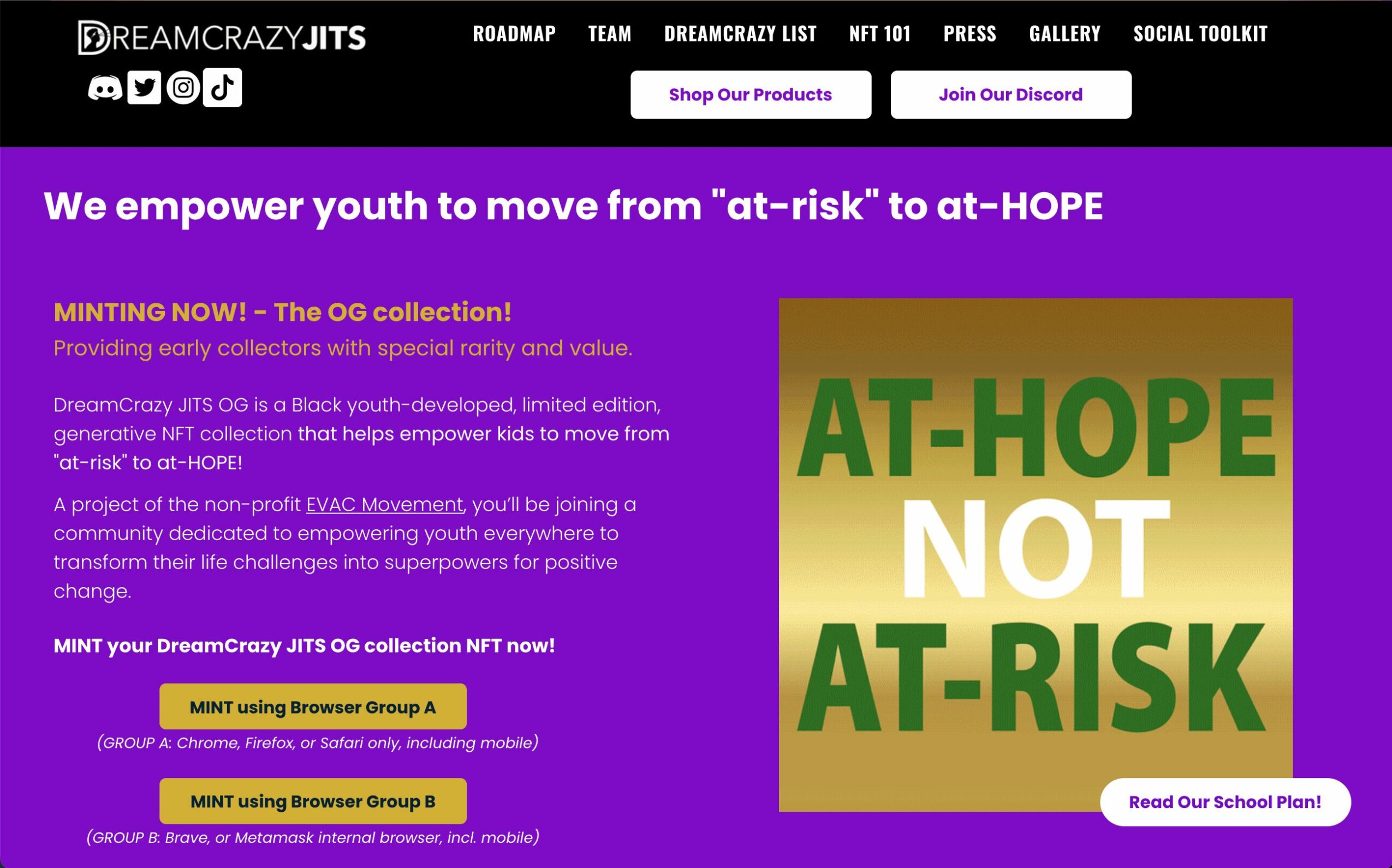
EVAC Movement was created by the kids in teacher Amy Donofrio’s leadership class at Robert E. Lee High School, who one day realized they had all experienced similar traumas in their lives. They felt like they had no future and were essentially being groomed to become a statistic. EVAC is “cave” spelled backwards – they adapted the name from Plato’s parable about people who didn’t realize they were living in a cave until one day someone opened their cave and showed them the world outside. These young men developed EVAC, to empower themselves and turn what society said were their liabilities into superpowers for positive change…a movement that empowers kids in similar situations to move from being “at-risk” to at-HOPE.
Together, we discussed their accomplishments, goals, and challenges. We worked from blue sky to breadcrumbs. After meeting a number of successful folks from multiple sectors who were inspired by their stories to offer financial support, mentorship, and guidance, we decided to focus on how to develop a sustainable source of funding for their nascent organization.
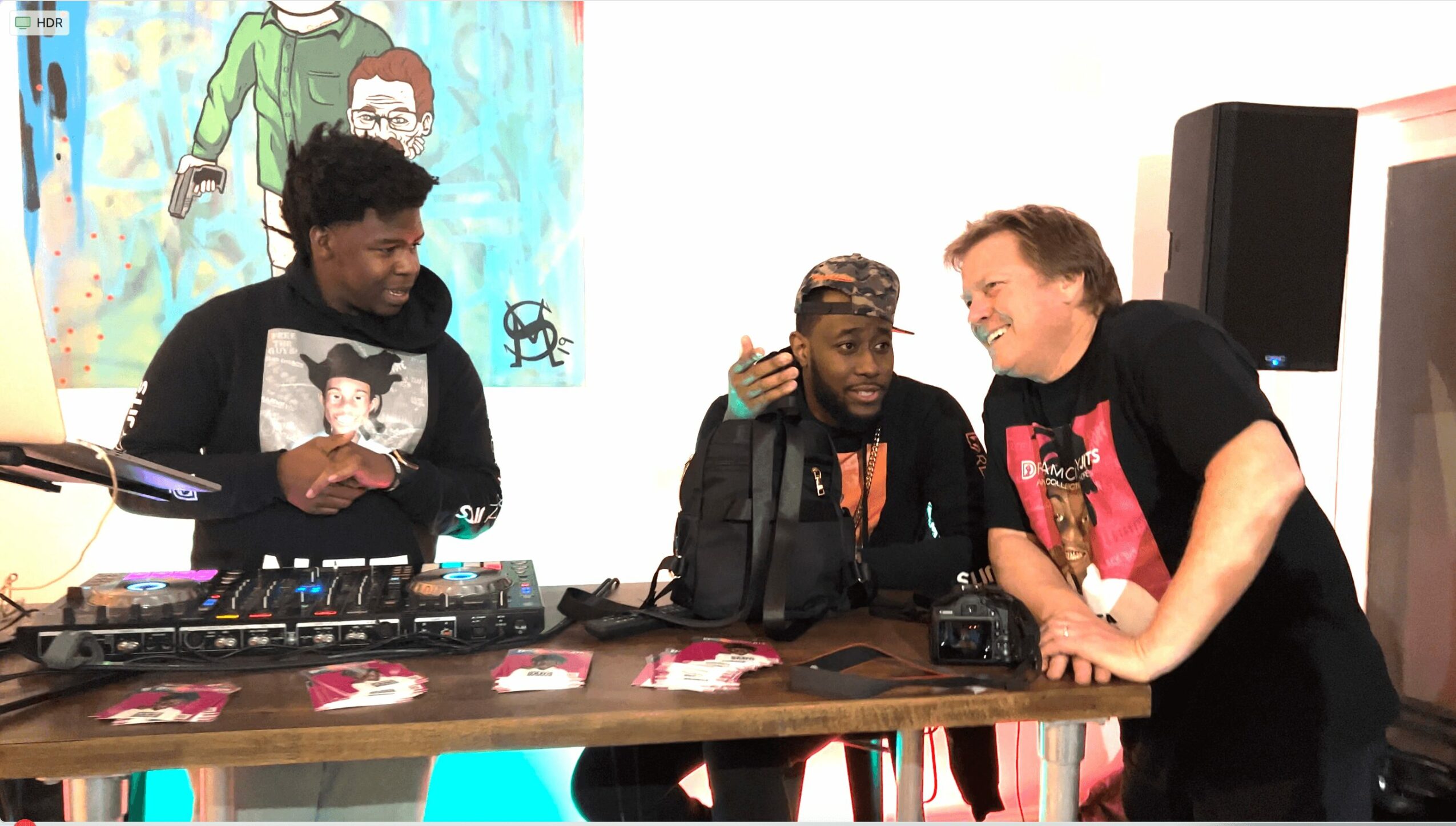
The solution we landed on was to create DreamCrazy JITS, a ground-breaking, generative NFT collection built on the Ethereum blockchain that would represent their truths – the lives, culture, and challenges of young Black men in America (https://DreamCrazyJITS.com).
DreamCrazy JITS was an empowering, two-year, self-guided course in entrepreneurship, business, marketing, and cryptocurrency. Challenged to own their personal stories, shape a message, and plan and execute creative and practical campaigns, the EVAC crew developed self-confidence and powerful, authentic voices. For them, and for me watching, representing their generation and community, stepping up to lead conversations with diverse audiences on Clubhouse, Twitter, and Instagram, and in-person at NFT conventions and political gatherings, has been a life-changing experience.
What matters most to you? Why?
I believe our future as a species depends upon engaging our creativity, technology, and empathy to bridge boundaries and transform ignorance and fear into understanding and potential.
Contact Info:
- LinkedIn: https://www.linkedin.com/in/john-manulis-32933013/
- Other: https://en.wikipedia.org/wiki/John_Bard_Manulis