





Today we’d like to introduce you to Elias Posada.
Hi Elias, thanks for sharing your story with us. To start, maybe you can tell our readers some of your backstory.
Growing up I always knew that I wanted to take a semi untraditional path. My biggest passions as a teen were music and making fun videos with friends, and although they were a constant presence in my life I never really thought they could turn into a career. Being from a small town on the Central Coast of California, the arts were never something that was prioritized in the community. Despite that, my parents were always supportive of my passions and didn’t blink an eye when I told them I wanted to go to school to study film.
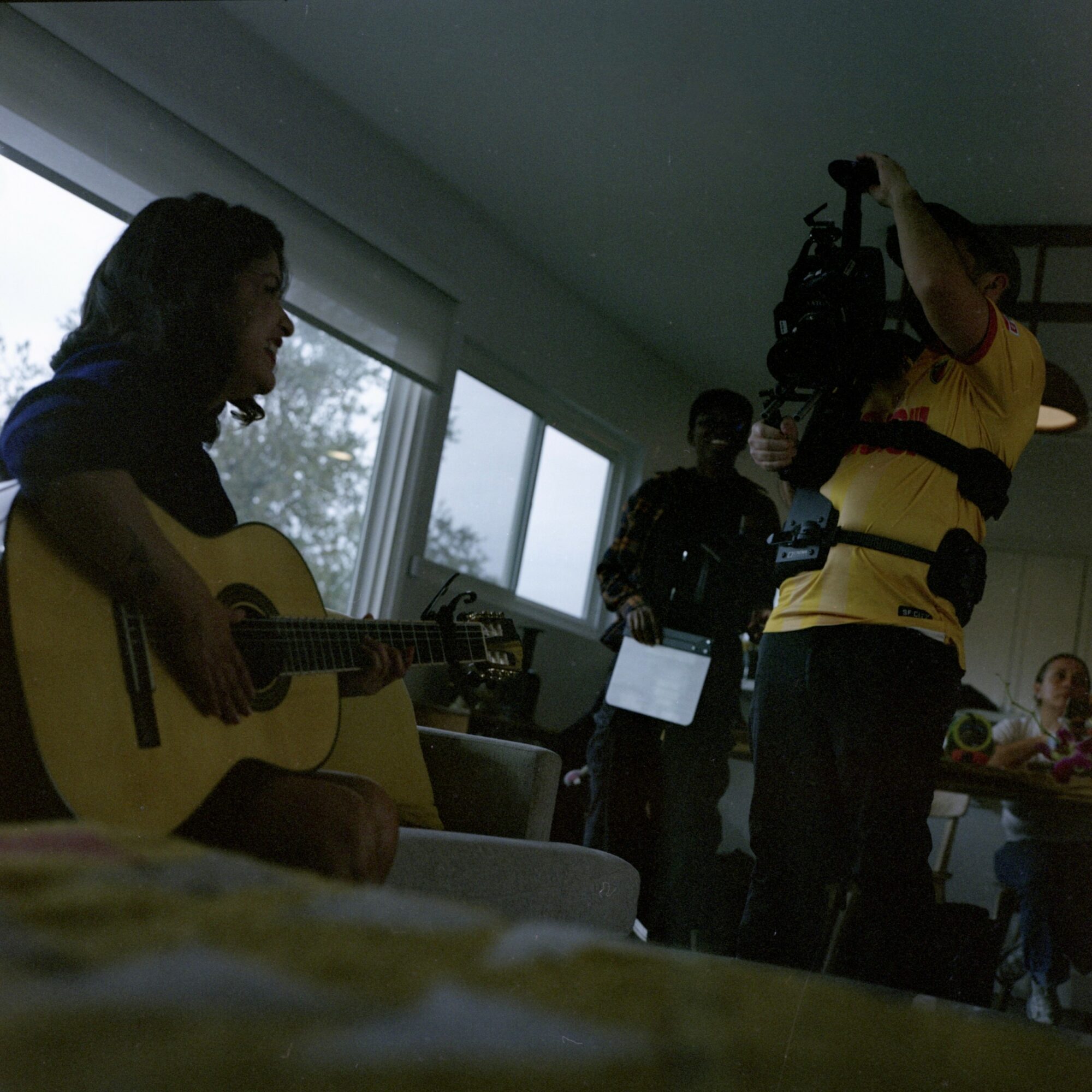
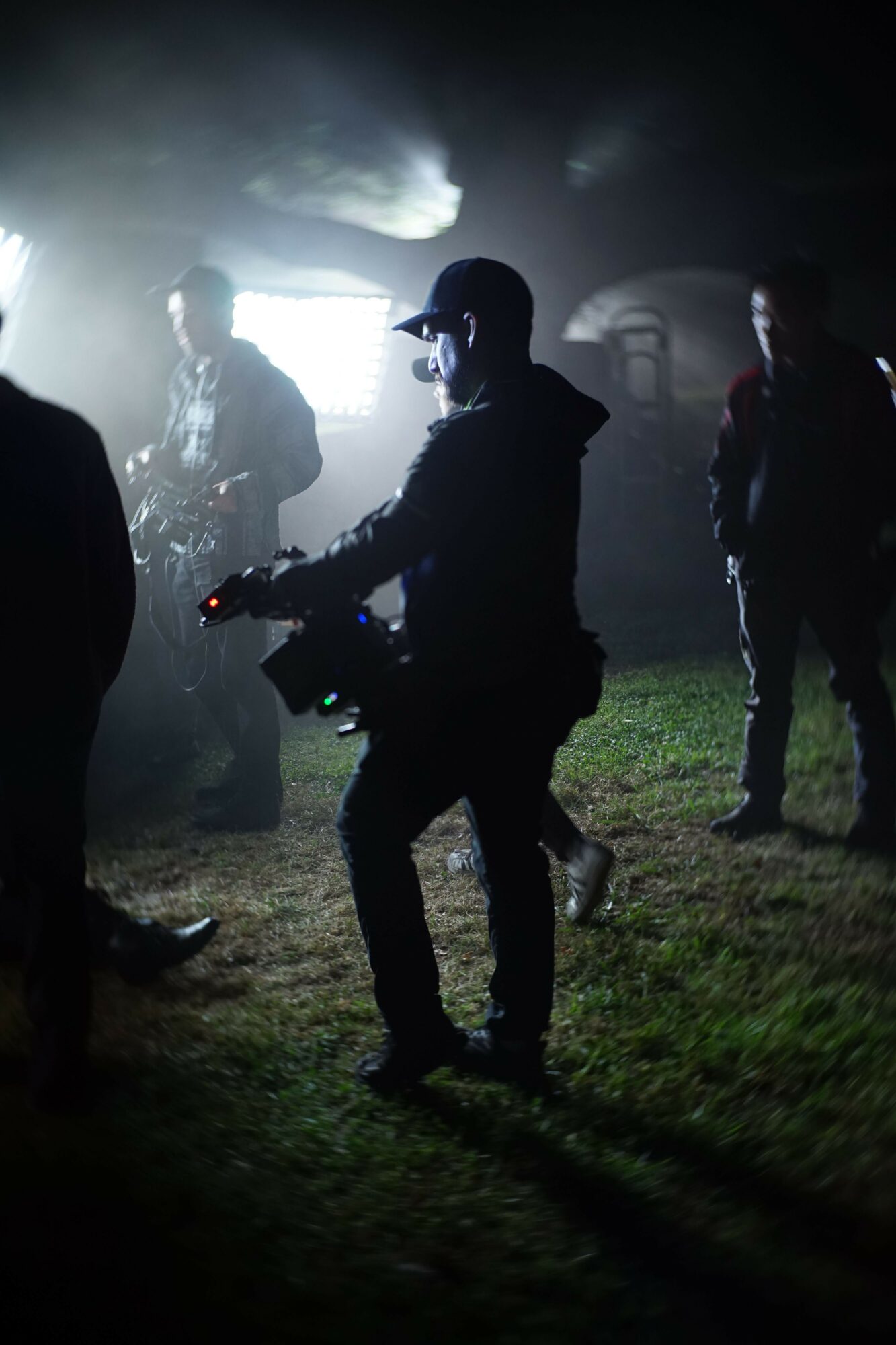
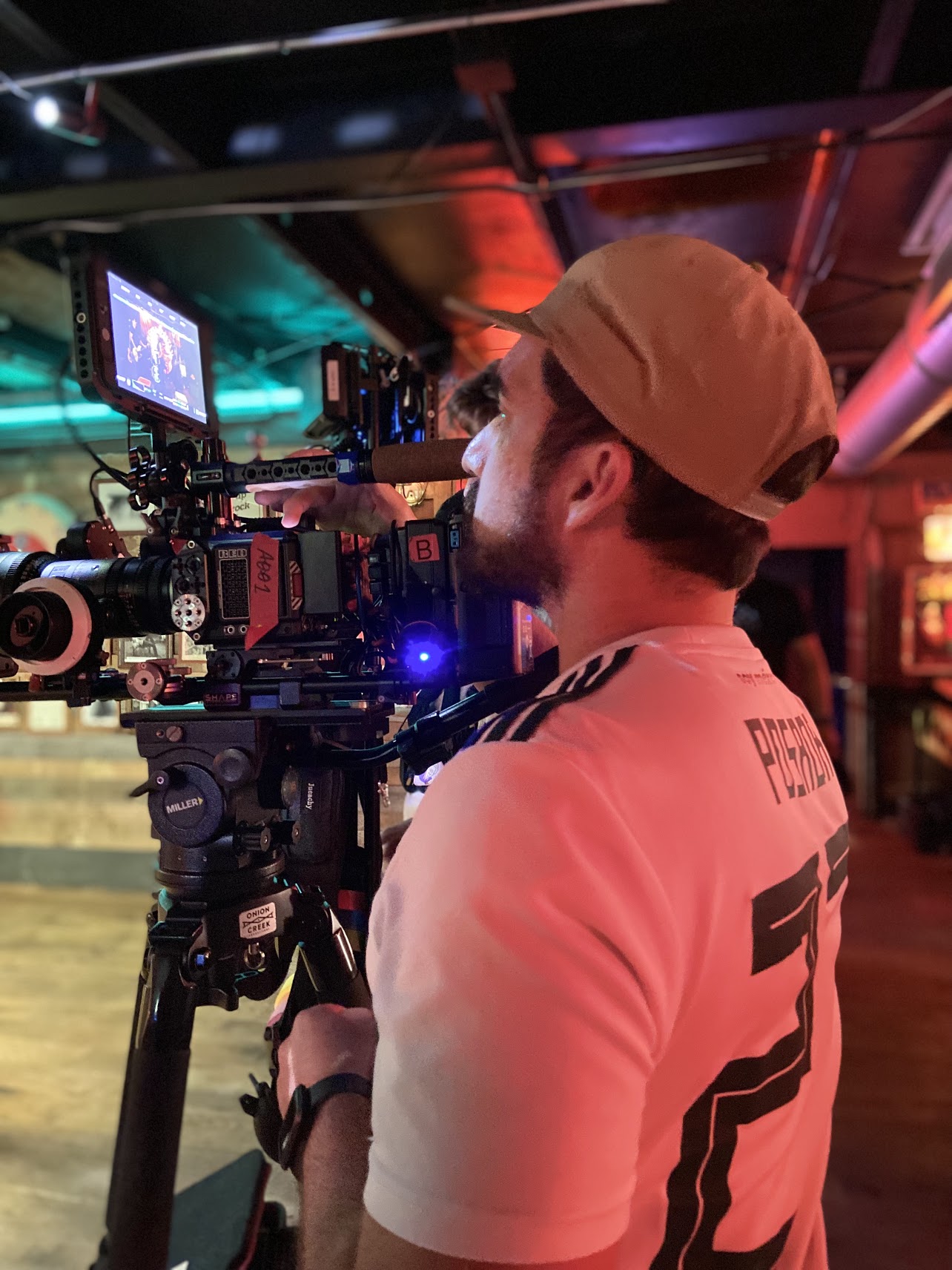
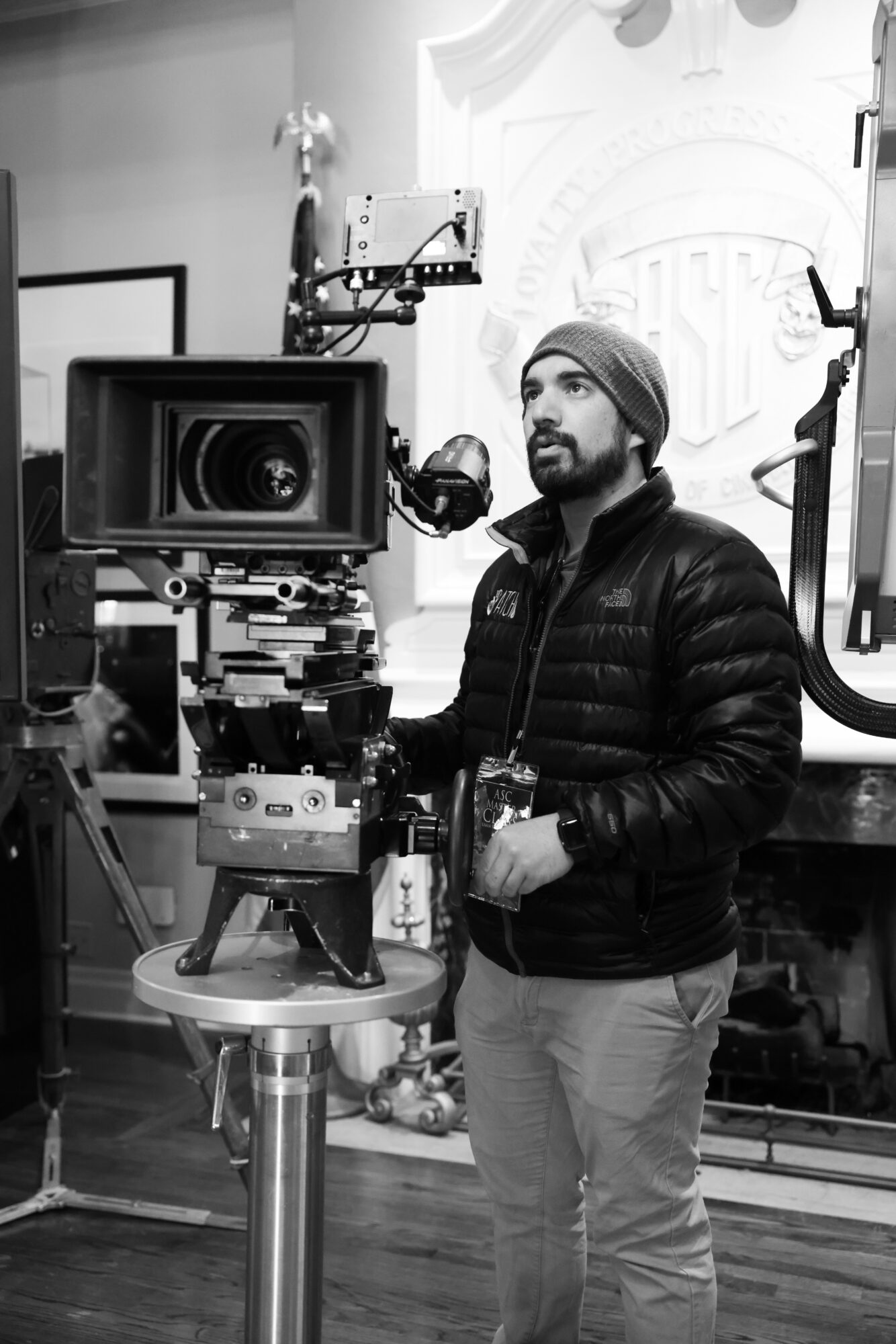
When I graduated from film school I really had no idea what to expect from the film industry. I had no contacts or references, and it was a bit daunting starting out from scratch. I was fortunate enough to work in the production department on shows and movies for ABC, NBC, and Netflix. However, after six years of working in the production department, I decided to follow my heart and pursue my career as a Cinematographer. I have always been a visual person, and being able to control an image to evoke an emotional response is something I feel I am very good at doing. Since making the switch, I have worked a lot with the American Society of Cinematographers and was even chosen as a part of their Vision Mentorship program. I feel that cinematography is a career where you can always be growing and learning, and that really excites me for the future.
As a filmmaker I am always looking to tell the stories of communities whose voices are not always heard or acknowledged. I have a genuine interest in finding creative ways to tell stories about individuals that might not otherwise have their stories told. My combined passion of strong visual storytelling and creating meaningful work is what continues to drive me in this career.
Would you say it’s been a smooth road, and if not what are some of the biggest challenges you’ve faced along the way?
My path in this industry was not easy and continues to be rough as we are dealing with a massive slowdown in work. My switch from the production department to cinematography came with a lot of challenges. I needed to find new connections and establish myself in this new career path. This was not easy. Every day brings new problems to solve, whether it be learning the new technology or working with a difficult colleague or project. My technique to overcome the challenges is mainly to trust that I am on the right path. I often compare it to a long hike. If I focus on the summit, I will never feel like I am making progress, but if I focus on only what is in front of me, the challenge becomes much more manageable, and I know I am moving closer to my goals.
The tough lessons I have learned really revolve around how to deal with rejection and imposter syndrome that come with a creative career. I recognize now that rejection is not always personal or a reflection of myself or my work. There are always outside factors that could also impact a decision, and as long as I put my best foot forward then I understand there is nothing more I could do. While the path hasn’t always been smooth, there are more than enough happy and positive moments that continue reminding me that I get to do what I love for a career.
Thanks for sharing that. So, maybe next you can tell us a bit more about your work?
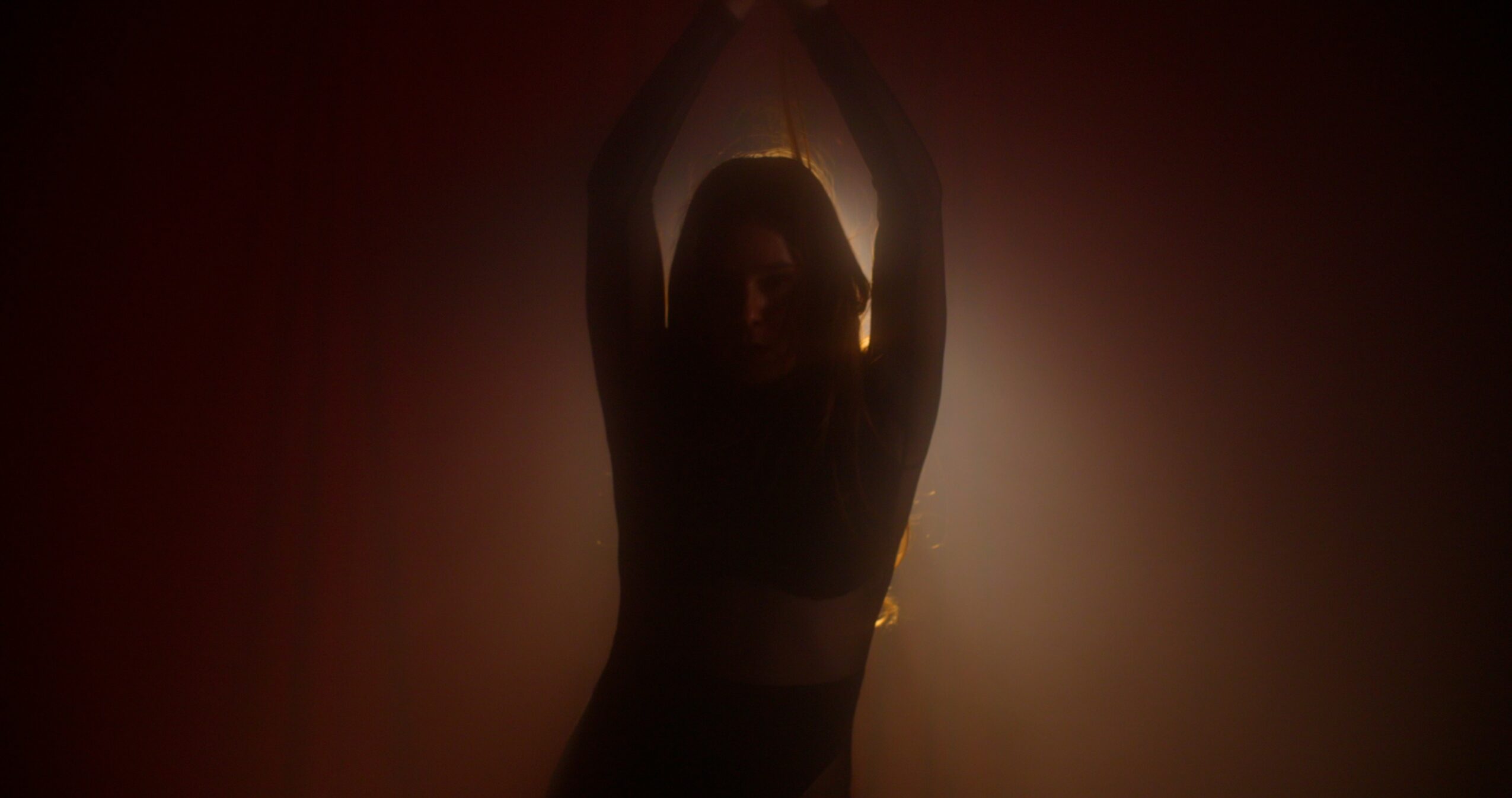
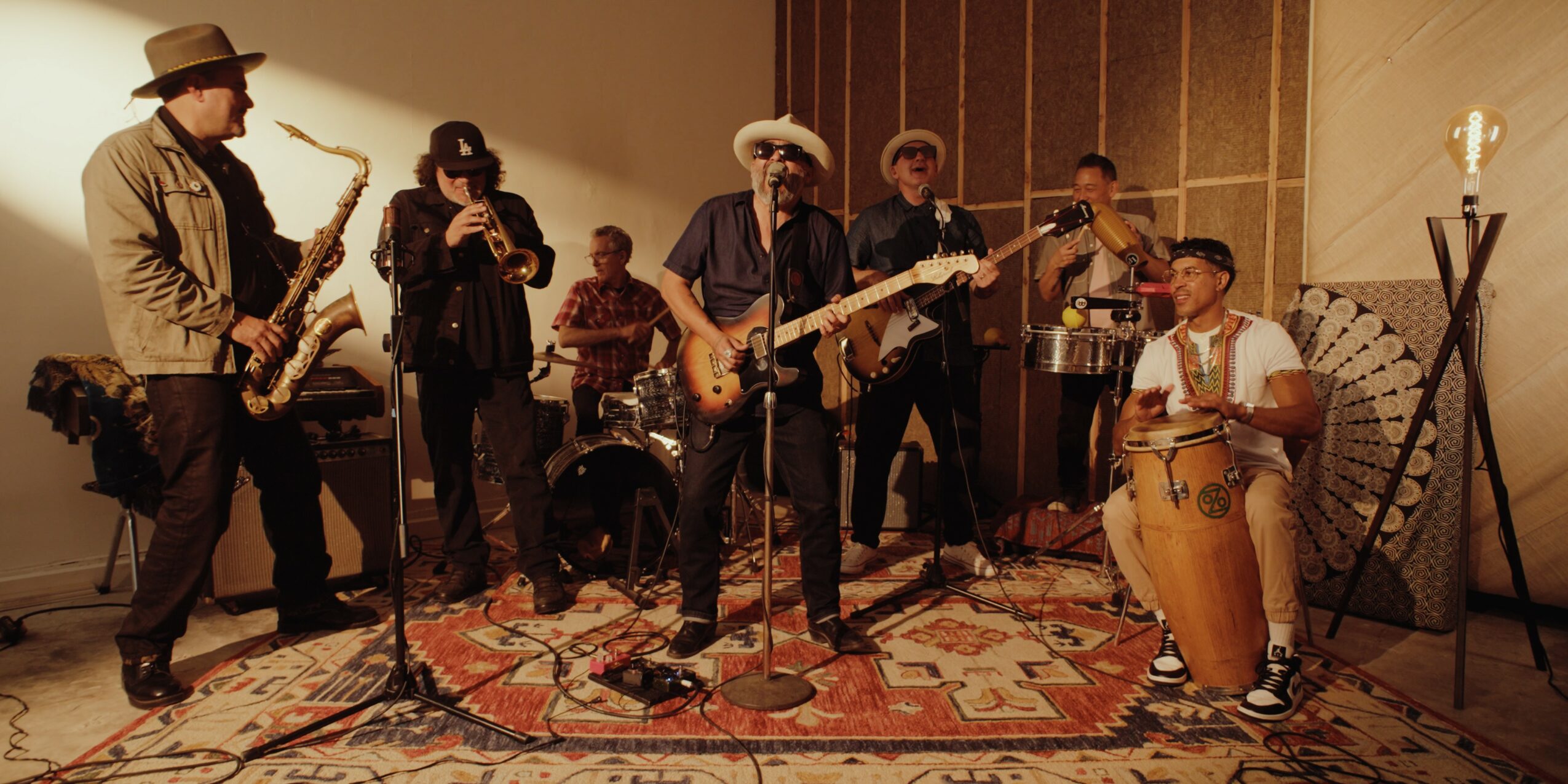
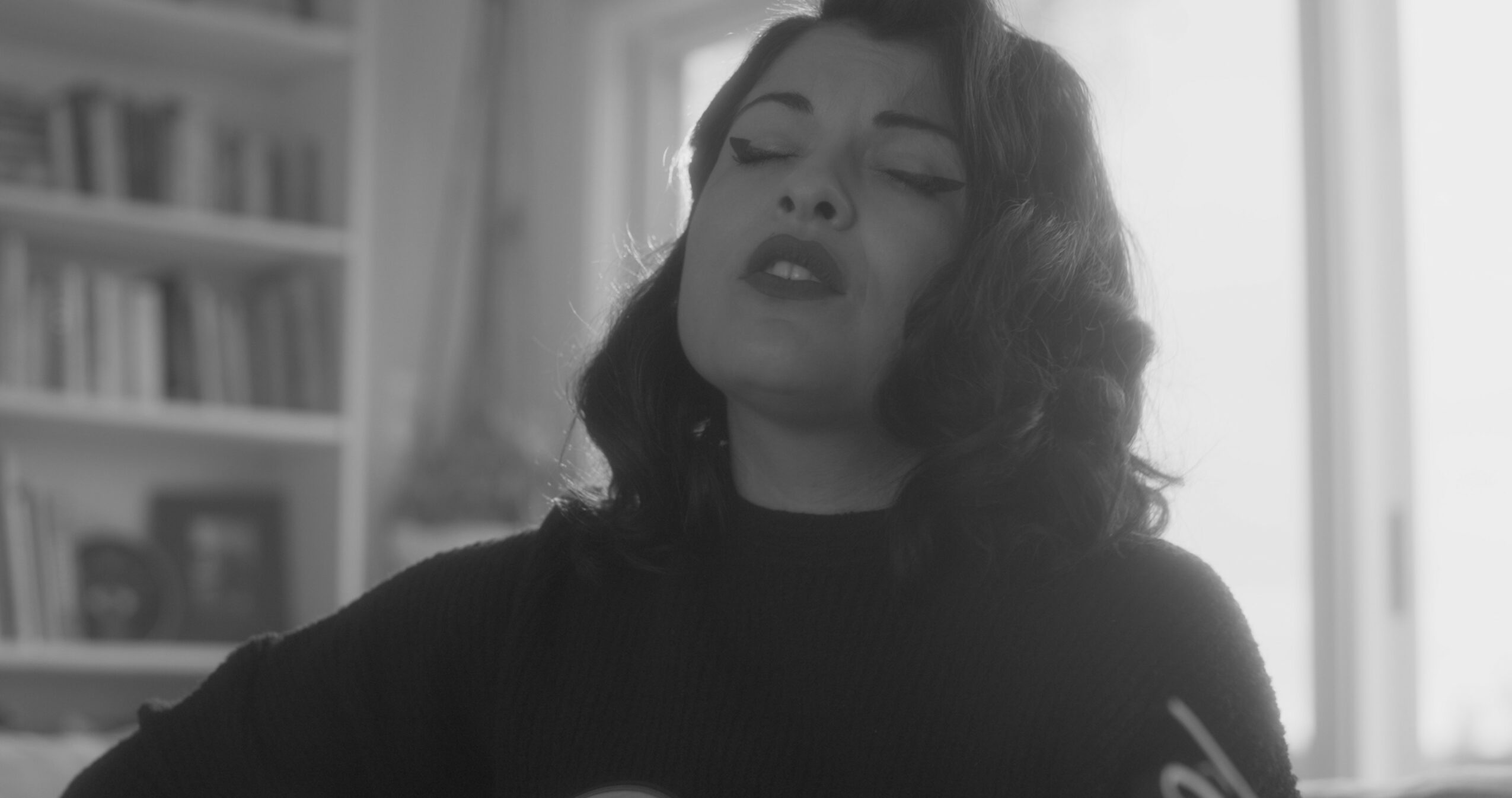
Cinematography is my main passion and career path, but I also produce projects of my own, focusing on artists and topics that I find compelling. Both of these require the ability to tell stories visually, which is something I feel I do very well. I am always looking for images that can convey an emotion to the viewer. Whether it is a music video, documentary, or a narrative project, I believe there is always a way to strengthen the emotions with the camera and lighting.
As someone who identifies as Chicano, I am most proud of my commitment to supporting diverse filmmakers and stories. Helping people share their voice is something I look for in every project. I think in order for us as humans to connect we need to know where each other is coming from and learn our struggles and successes. I believe that this world view helps set me apart from others as well as my commitment to finding the best visual way to tell whatever story is in front of me.
Can you talk to us a bit about the role of luck?
The film industry has always been a place where luck can really determine the outcome of your career. I have an interesting relationship with luck in that while I believe it exists, I also believe we have a big role to play in how much “luck” we have. There have been plenty of moments where I found myself in the right place at the right time to make a connection that altered my career. While that can be seen as lucky, we as creatives need to make sure that we put ourselves in those situations. We also need to make sure that we are prepared to do what is asked of us. That takes a lot of time behind the scenes, whether it be training with different gear or listening to other professionals and their processes. For me, even though I run into my fair share of bad luck when it comes to getting specific jobs or opportunities, I feel that I am lucky that I have been able to make this my career for over a decade. Anyone who makes it in this industry definitely has their fair share of “luck”, but they also put in a lot of work behind the scenes.
Contact Info:
- Website: https://www.eliasposadacine.com
- Instagram: https://www.instagram.com/eliasposada/?hl=en
- Other: https://vimeo.com/eliasposada
Popular
-

What is the story you hope people tell about you when you’re gone?
-
What do the first 90 minutes of your day look like?
-

Local Highlighter Series
-
What did suffering teach you that success never could?
-

Who were you before the world told you who you had to be?
-

What are you most proud of building — that nobody sees?


