



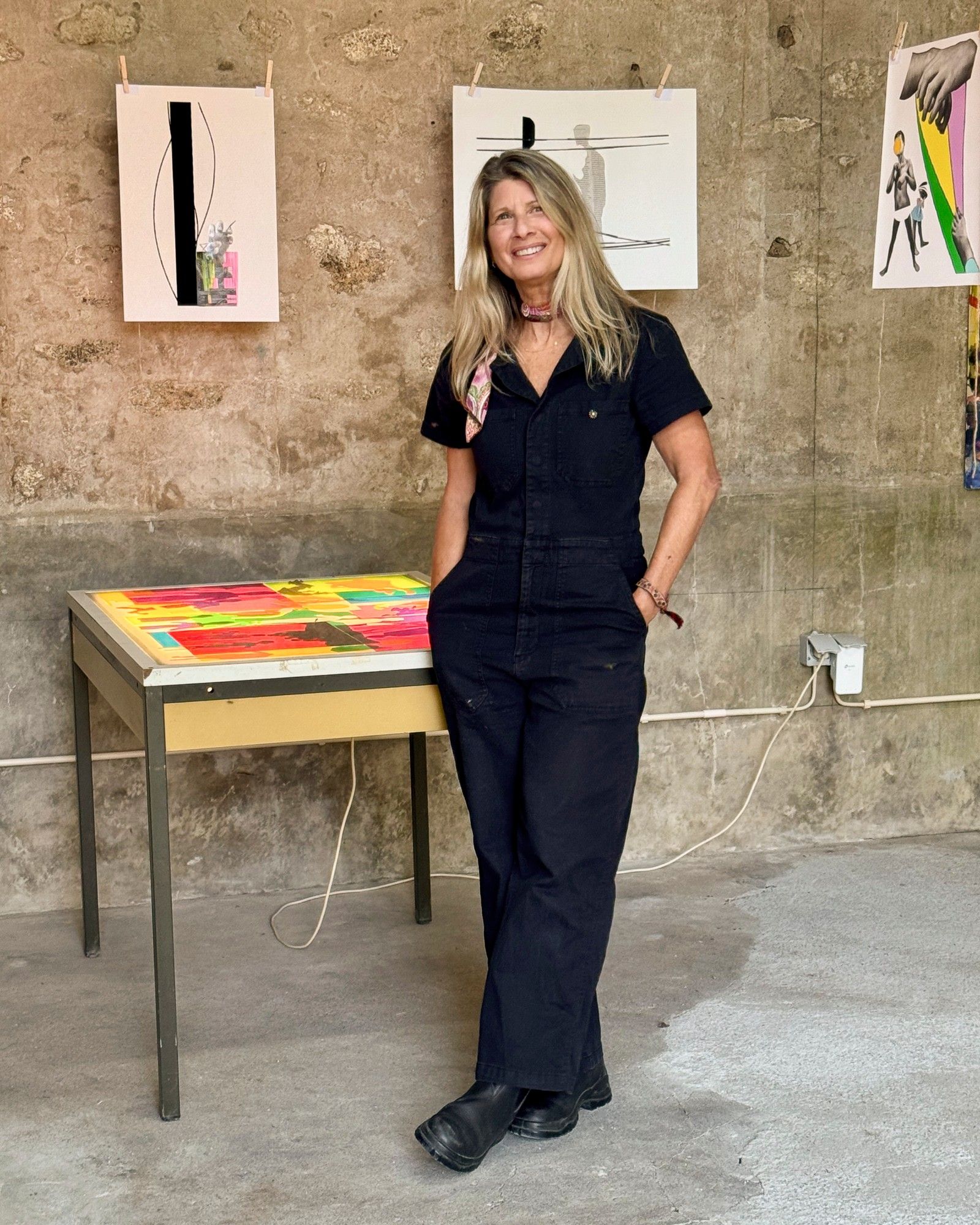
Today we’d like to introduce you to Debe Arlook.
Hi Debe, we’d love for you to start by introducing yourself.
Originally from New Jersey, I’ve called Los Angeles home for over 40 years. I love our city’s diversity, creative energy and the fierce protectiveness Angelenos show for one another when most needed. We come together and hold each other. It’s where I raised my kids and where my grandchildren are growing up, so even with long stretches in Colorado (where I am as I write this), my heart remains in L.A.
My parents gave me a Kodak Agfamatic camera when I was eight, and I still carry the childlike curiosity it sparked, seeing the world through the lens, keenly aware of my perceptions. I moved to L.A. after college to become a film director, but life had other plans. Married young and raising three children, my journey evolved into becoming a life coach, photographic artist, author, educator, and mentor to fine art photographers. Looking back, it tracks that my degrees in Film & Media Arts and Psychology, along with a long-standing meditation and personal growth practice, have shaped how I move through the world, create work, and guide others on their own journeys.
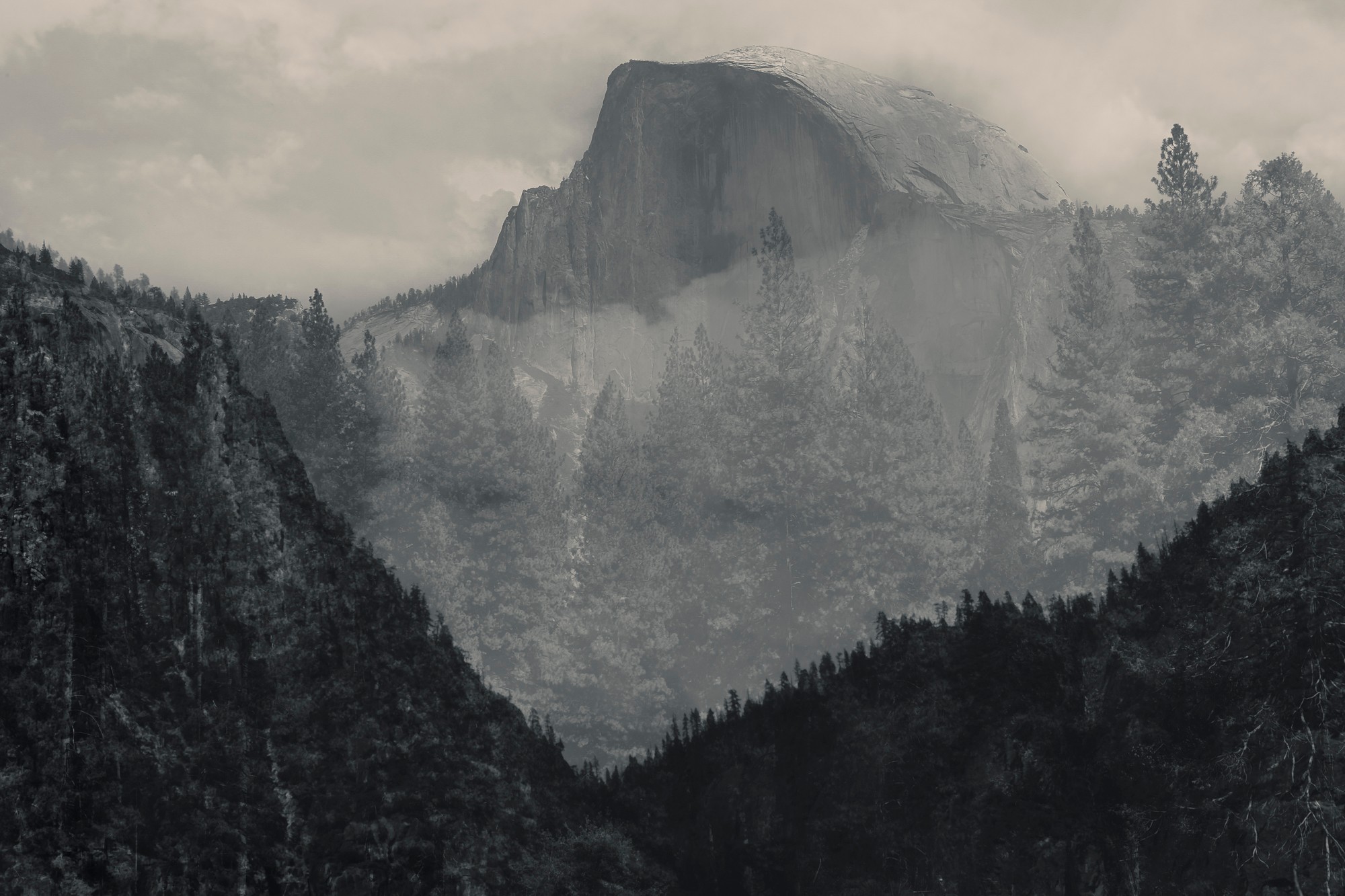
I’ve always carried a camera. For me, it’s never just been a tool—it’s a way of slowing down, paying attention, and finding myself. The images I made instinctively helped me see who I was and who I was becoming. Only later did I realize those photographs were quietly forming projects that helped me make sense of my life and my place in the world. My process is intuitive: I create first, then listen to what the work is trying to say. Letting go of the need for a “signature style” freed me to let each project unfold in its own way. I work across disciplines—abstract, landscape, conceptual, documentary, filmmaking, and mixed media—creating a visual language that best serves each narrative. All of my projects represent forms of awakening and shifts in perception, driven by existential questions.
Photography has taken me around the world and connected me with people and experiences I never could have imagined. I’m deeply grateful to do what I love and to keep growing alongside the work.
Can you talk to us a bit about the challenges and lessons you’ve learned along the way. Looking back would you say it’s been easy or smooth in retrospect?
Like most things in life, my path has moved through ease, challenges, and quieter periods that invite you to look inward. I’ve grappled with uncertainty—working alongside the fear and self-doubt that often whisper, Is the work good enough? Am I? Those questions shaped me more than I realized. Over time, they taught me to trust my instincts, follow what feels authentic, and create from an honest place rather than from a desire to prove anything.
I find the process of discovering my voice—of shaping a visual language for each project—both demanding and exciting. It requires patience, awareness, and trust. My practice centers on transformation: how we perceive, remember, and become conscious of the experiences that shape us. Photography keeps me connected to those shifts, allowing my inner and outer worlds to meet and coexist in both my work and life. The challenges along the way have taught me to slow down, ask, listen, and let the work unfold at its own pace.
Thanks for sharing that. So, maybe next you can tell us a bit more about your work?
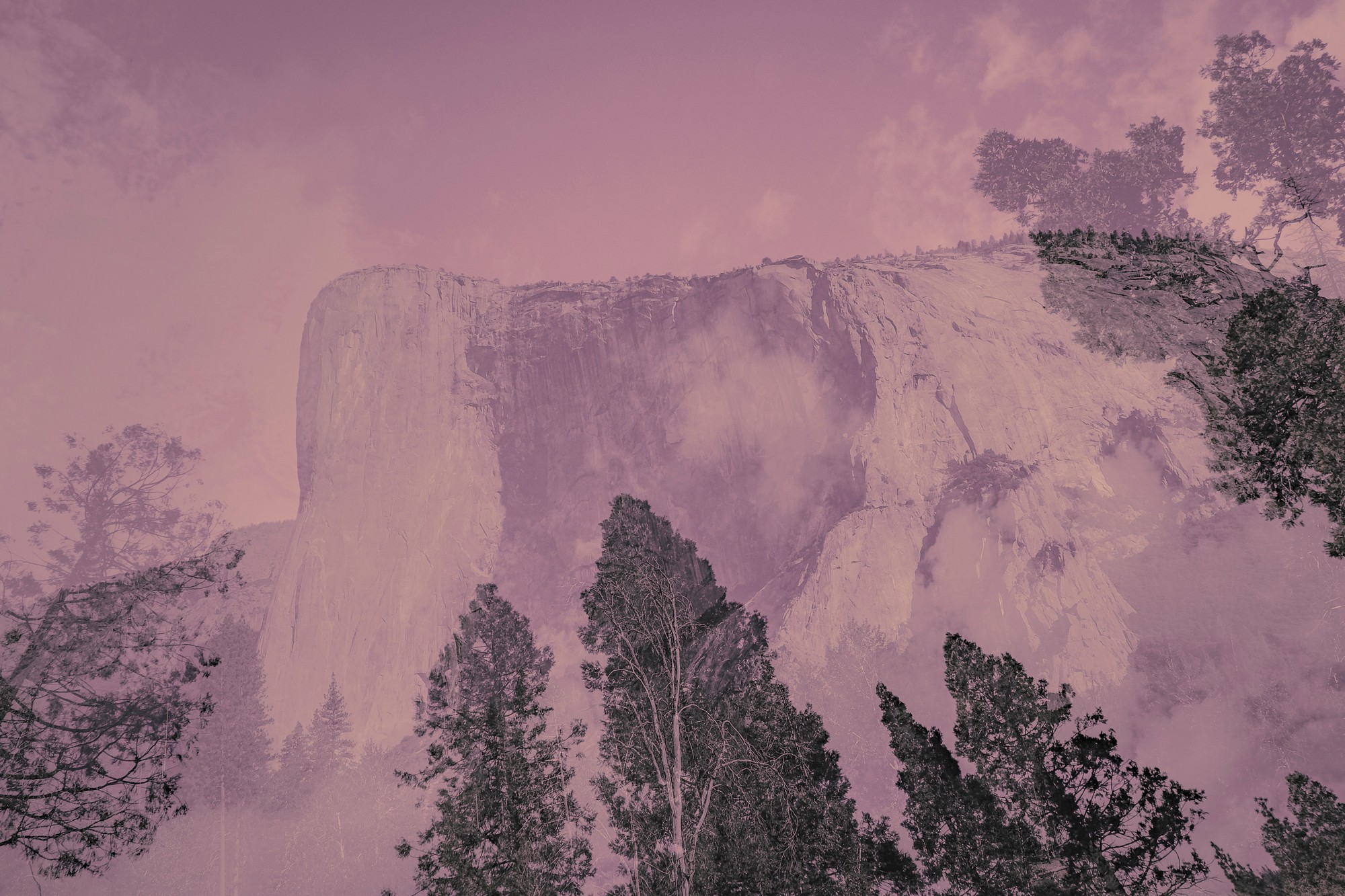
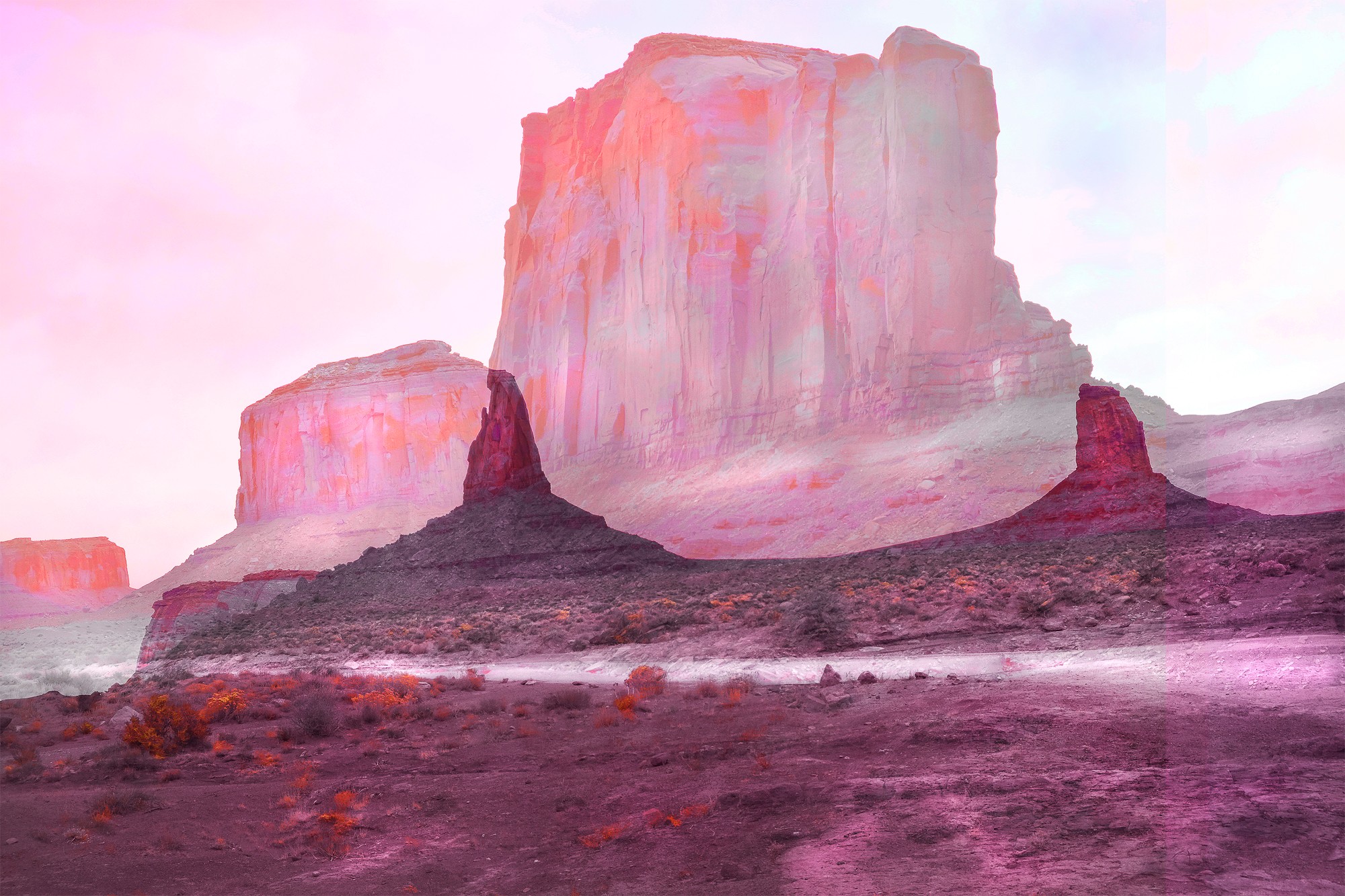
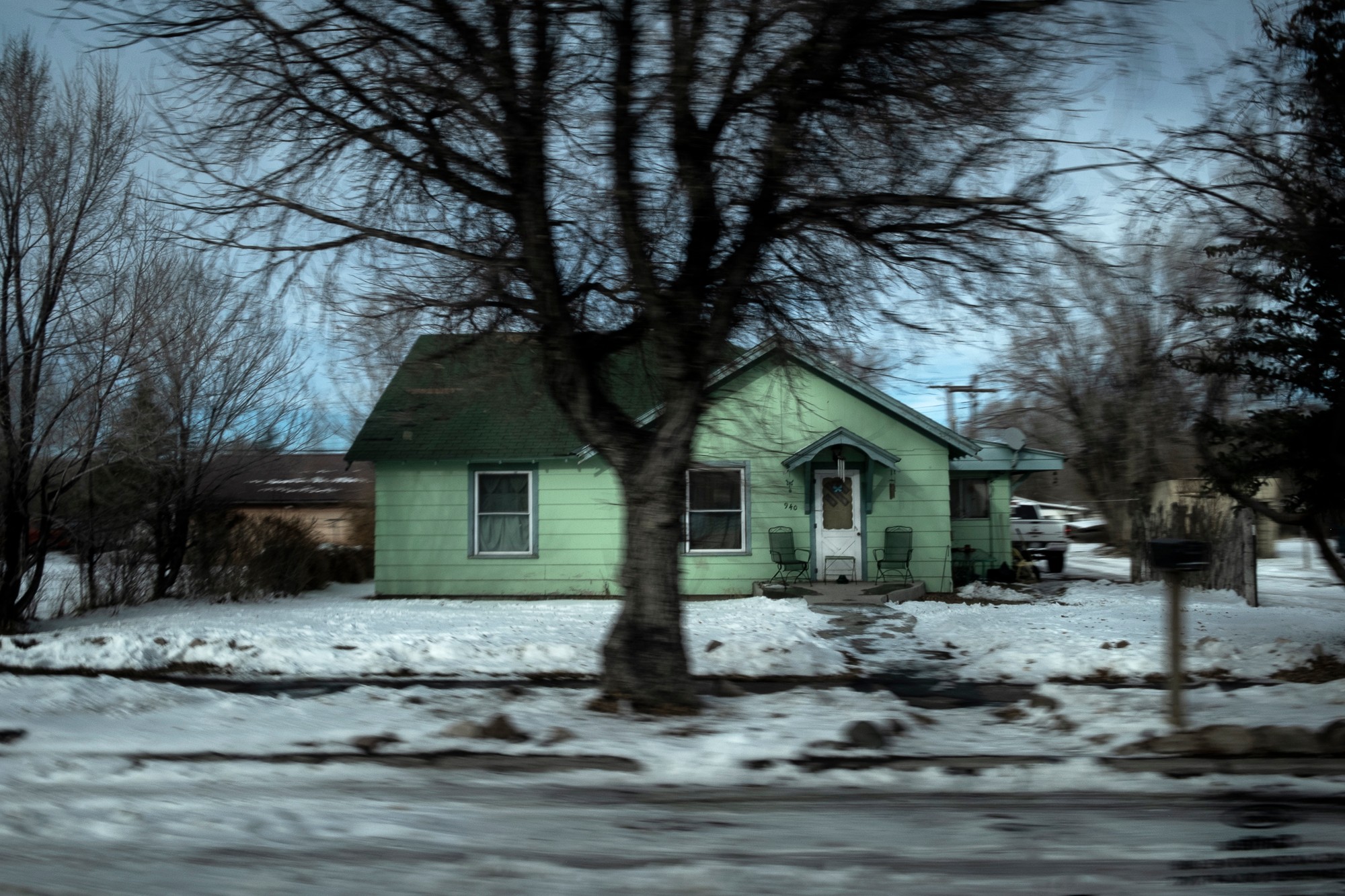
I have a road trip project called “edge of a[n american] dream” that questions the discriminatory promise of freedom. With familiar scenes of America’s interior, it also sparks a collective memory of time and place. Driving through these rural and agricultural towns, I wondered whether the American dream had come true for the unseen people in the photographs. Two of my landscape projects, “foreseeable cache” and “Witness,” emulate the practice of meditation and serve as reminders to be firmly rooted in our humanness while simultaneously transcending life’s changes.
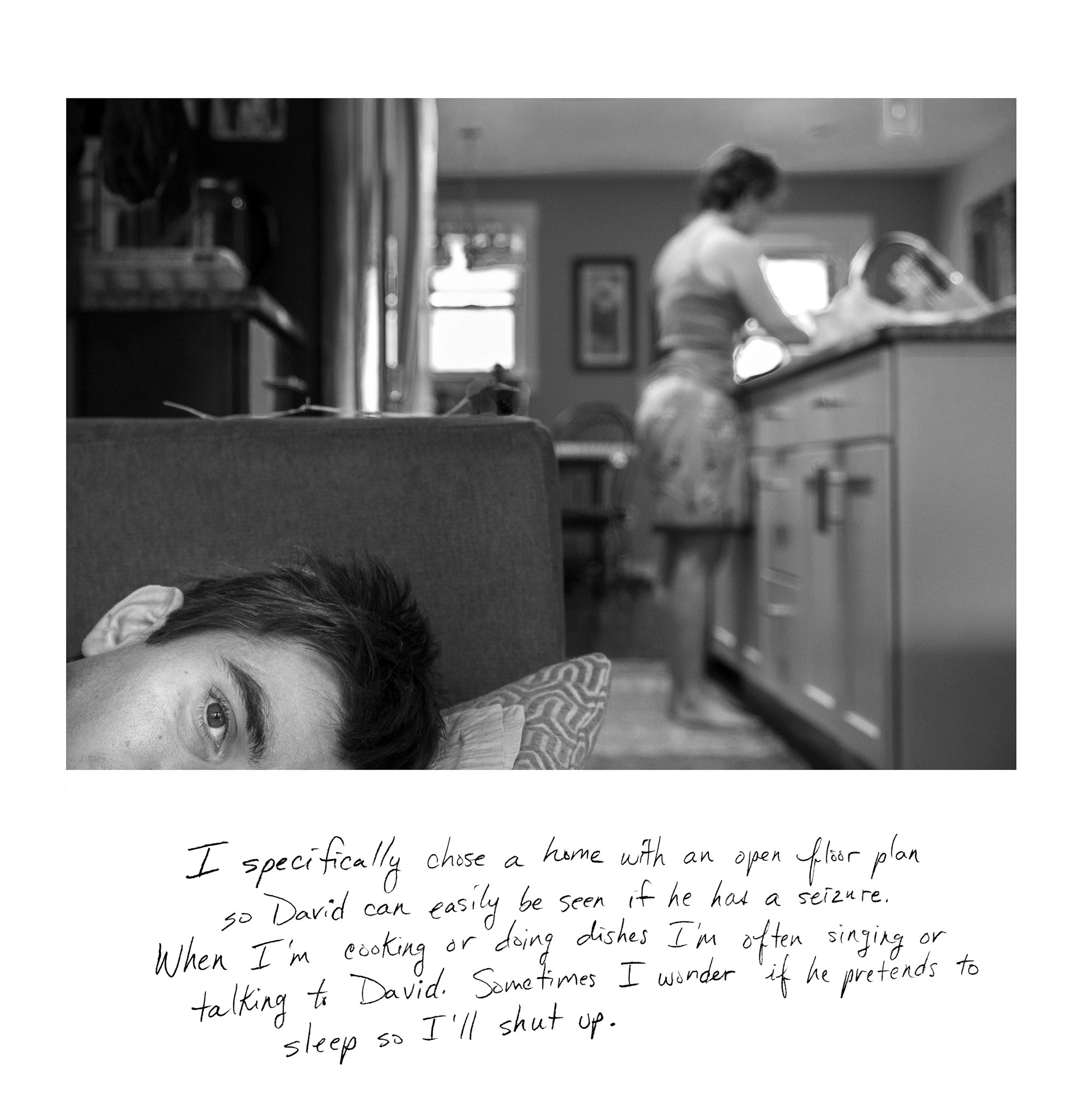
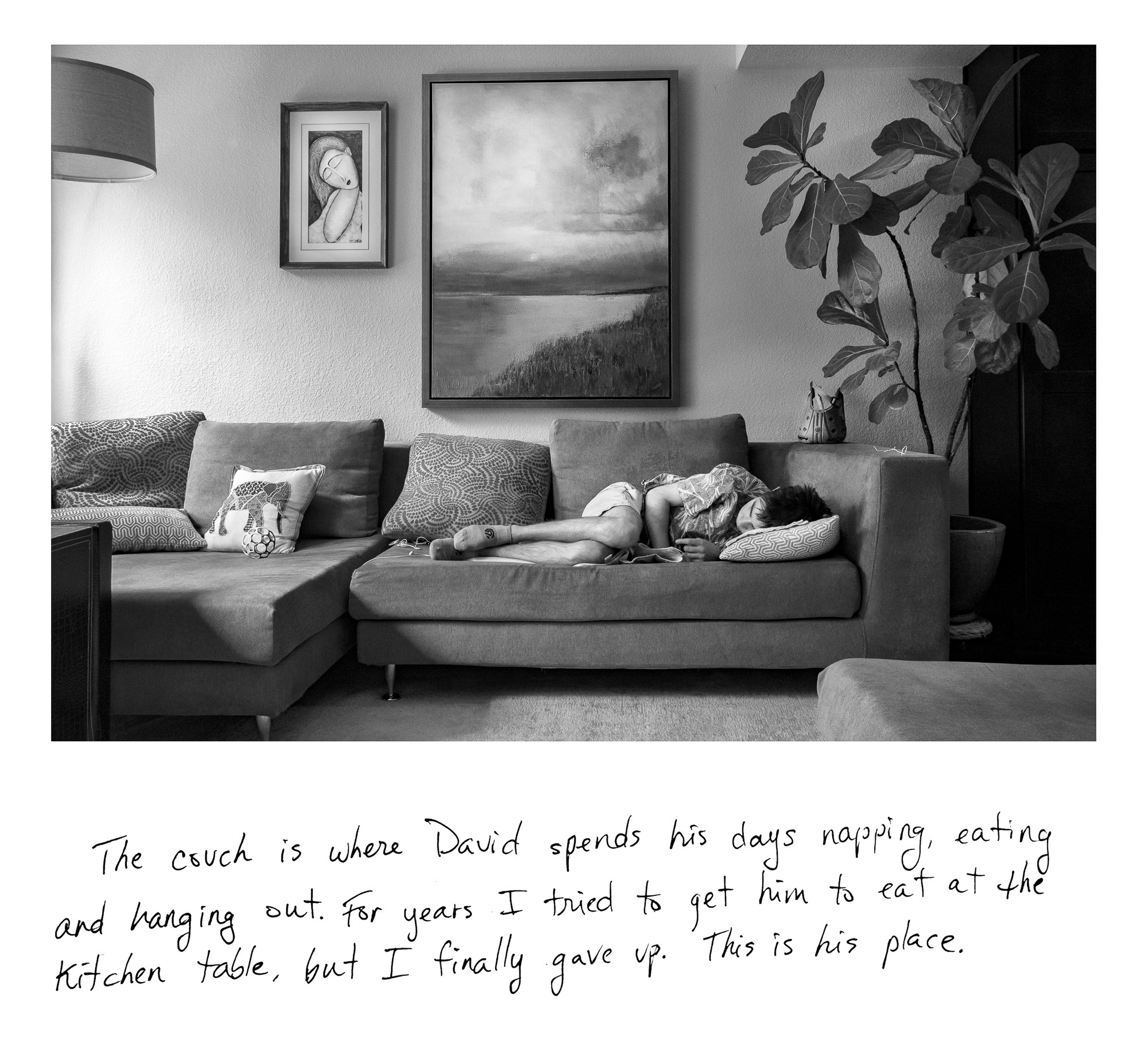
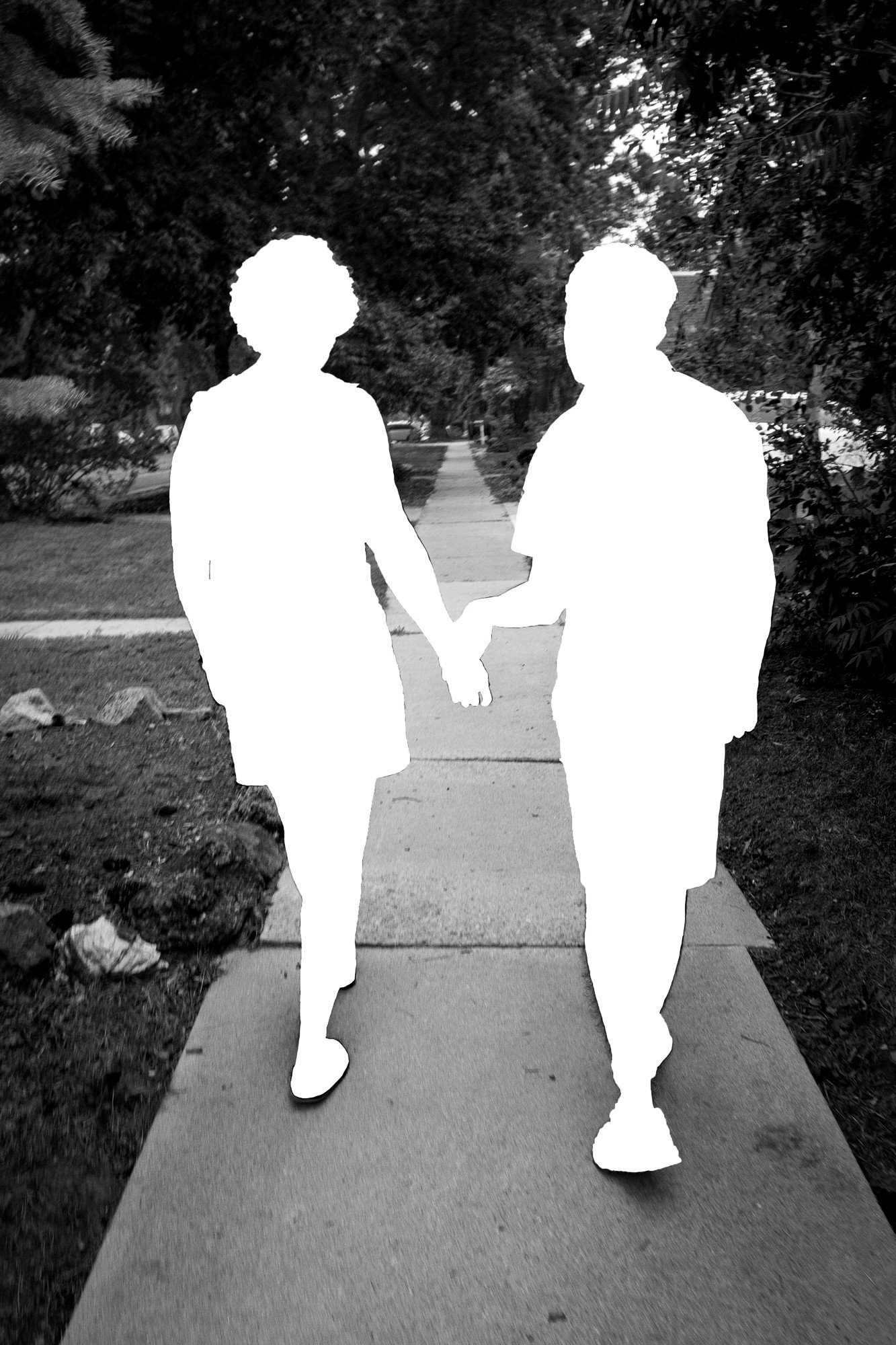
I’m mostly known for my long-term project, “one, one thousand…” It’s about my sister Lori and my nephew David, who is non-verbal and lives with a rare, incurable form of epilepsy (Lennox-Gastaut syndrome) and severe autism. What began as an attempt to understand what David thinks, sees, and feels, and to be a witness to Lori’s life as a lifelong solo caregiver, grew into a different kind of love story in the form of an unconventional documentary. Our family story is just one of countless untold caregiver stories that show the devotion and resilience happening behind closed doors every day. The title references how Lori counts the length of David’s seizures—“one one-thousand, two one-thousand…”—so she knows if medical help is needed.
The project has taken many forms—solo and group exhibitions worldwide, a short film, and talks. Lori and I gave presentations at a national medical conference co-hosted by Boston Children’s Hospital and Harvard Medical School. We were amazed when doctors and researchers shared that our project helped them better understand what their patients and families experience. What stays most with me are the conversations after each event. People with neurodivergence say they feel understood, and caregivers say they feel seen and less alone. The power of art never ceases to amaze me.
While I love being a maker, I am equally passionate about mentoring and teaching fine art photographers and meeting them wherever they are in their creative journey. Teaching stems from the instincts that inspire my artwork—paying close attention, listening deeply, and helping others find clarity in their own voice and vision. I speak at universities and teach at the Los Angeles Center of Photography (LACP) and the Colorado Photographic Arts Center (CPAC). I’m leading a hybrid workshop inspired by a transformative experience during a 2025 art residency in Portugal. CPAC is hosting “Create From Your Essence: Aligning Vision, Voice, and Intuition,” starting this March, designed for photographers of all skill levels.
My dedication to the photography community motivated me to co-author the first book that demystifies the portfolio review process, “Both Sides of the Table: Photography Portfolio Reviews Do’s & Don’ts.” My co-author, Eric Kunsman, and I interviewed 44 reviewers, reviewees, and organizers to provide an honest look at what really happens during reviews—what helps, what doesn’t, and what artists and reviewers can do to feel better prepared and more confident. We created it to support our friends and colleagues in the photo community, and to foster camaraderie along the way. In doing so, neither Eric, our contributors, nor I profit financially from the book. Lastly, I’m excited to announce that in honor of Women’s History Month, “one, one thousand…” will be on view at The Photographer’s Eye Gallery in Escondido, California, in March 2026.
Is there anyone you’d like to thank or give credit to?
Much of my journey has been shaped by the great historical and contemporary photographers whose shoulders I stand on (too many to list here), as well as the teachers, mentors, and peers who guided and supported me (Martin Elkort, Julia Dean, Aline Smithson, Susan Burnstine, Eric Kunsman, and many others). My parents were my first supporters, placing a camera in my hands and fostering my curiosity long before I understood where it might lead.
Most of all, I’m grateful to my sister Lori and my nephew David for the courage to share their story. Their trust made “one, one thousand…” possible, and everything that has come from that work is rooted in their strength, vulnerability, and love.
Contact Info:
- Website: https://www.debearlookphotography.com/
- Instagram: https://www.instagram.com/debearlook/
- Facebook: https://www.facebook.com/darlook
- Linkedin: linkedin.com/in/debe-arlook-42022b8
- Youtube: youtube.com/@debearlook
- Other: https://vimeo.com/826981981/57c18c1061
Popular
-
What is something outside of work that is bringing you joy lately?
-
Local Highlighter Series
-
What did suffering teach you that success never could?
-

What are you most proud of building — that nobody sees?
-

Who were you before the world told you who you had to be?
-

If you could say one kind thing to your younger self, what would it be?


