


Today we’d like to introduce you to Craig Stubing.
Hi Craig, we’d love for you to start by introducing yourself.
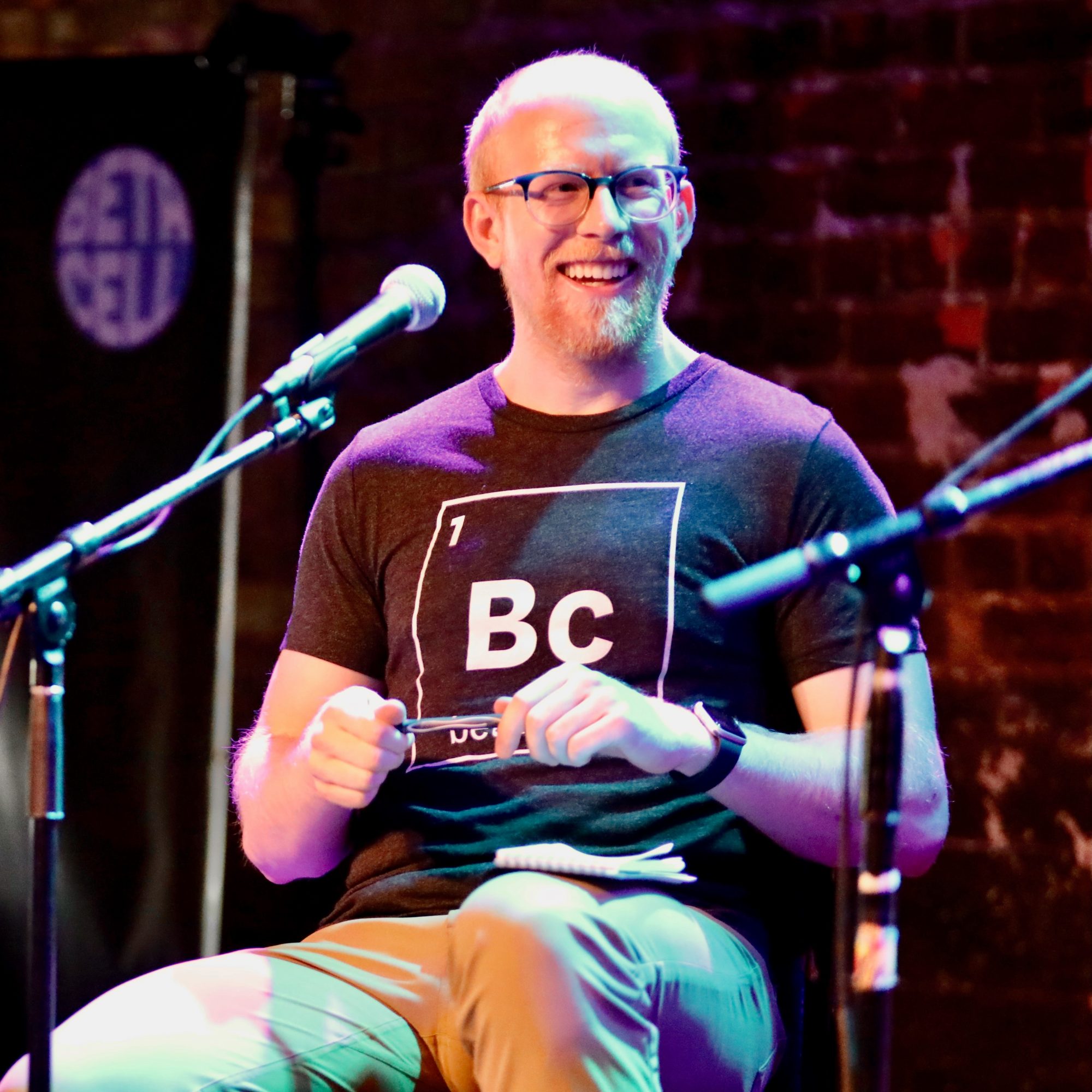
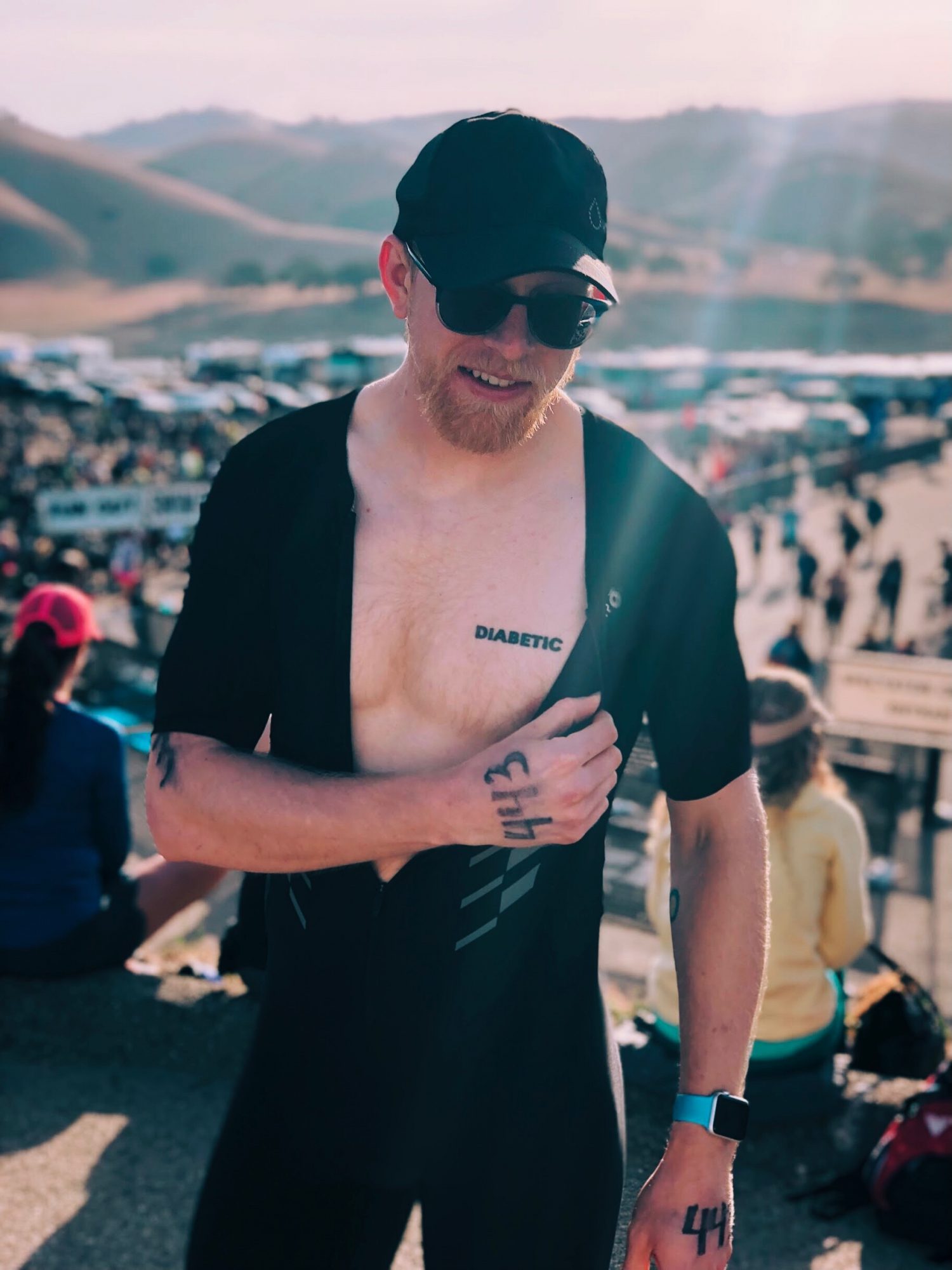
I didn’t know anyone else with type 1 diabetes (T1D) when I was growing up. I had my first real conversations with other diabetics when I was 26 years old, 13 years after my diagnosis. It amazed me how similar their experiences with type 1 diabetes were to mine, despite having lived completely different lives, and how relatable they were compared to the athletes and celebrities in books and magazines. I realized that there were probably other diabetics who had never experienced this shared experience and the emotional burden it lifts. I knew then that I needed to start the Beta Cell Podcast in order to share stories of people living with type 1 diabetes for others who felt alone with the disease—or didn’t even know that they felt alone—through carefully crafted stories, hosted by someone who can empathize with them.
Over the years, the show has evolved because of my experiences living with T1D, and I have evolved because of the experiences I’ve had listening to these stories. As I started spending more time interacting with the diabetes online community on Facebook, Instagram, and Twitter, I met people struggling to afford insulin and others advocating to make it accessible–whose stories were being ignored by the biggest diabetes nonprofits and media outlets. Because of the platform the community had given me over the many years through Beta Cell, I saw it as my responsibility to share these stories in order to advocate for my community. The show now brings awareness to issues like how pharmaceutical corporations have orchestrated the insulin pricing crisis in the U.S., how the nonprofit Beyond Type 1 opposed emergency insulin legislation in Maine, and how some diabetes health coaches take advantage of diabetics.
At the beginning of 2020, I founded the Beta Cell Foundation as a way to help fund new diabetes projects for the community conceived and run by type 1 diabetics. I wanted there to be an organization that cared more about the diverse needs of type 1 diabetics instead of community being gatekept by expensive fundraisers. As an unpaid CEO, I can work on what’s important, not what raises the most money. We are completely transparent with every financial transaction, so the community knows we’re advocating for them, not corporate sponsors.
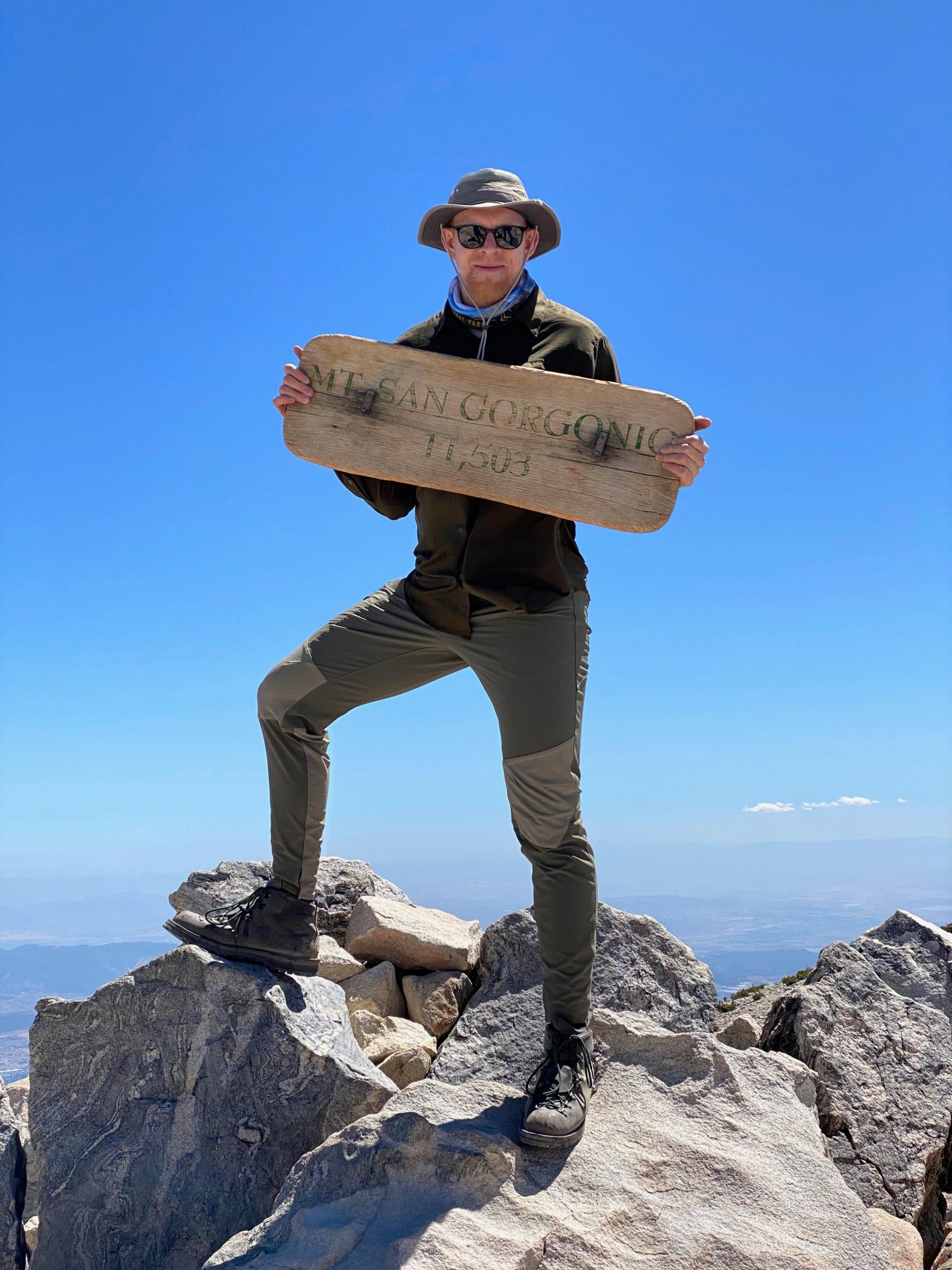
We recently launched an immersive weekend-long camping program called “T1Ds in the Wild,” aimed at teaching T1D management in the great outdoors, providing in-person community support, building mental resilience, and reducing stress in nature. Studies have shown that camping can have numerous benefits, including increased happiness and mindfulness and decreased stress. However, due to the many obstacles in managing blood sugars, people with type 1 diabetes (T1D) are only half as likely to go camping as the general population. We believe that teaching T1D individuals how to camp safely will not only improve access to the outdoors, but also help them lead fuller, happier, and healthier lives. While other organizations charge hundreds of dollars for programs like these, our volunteer staff is able to put them on for free to participants, lowering the barrier for people living with this expensive disease.
We’ve also begun designing a diabetes education program that completely upends the current model of healthcare education by teaching critical thinking and problem-solving skills to help people live with the daily management of diabetes, which will also be free for anyone with diabetes.
With programs like these, I’m excited to see the Beta Cell Foundation continue to grow into a beacon of diabetes community, education, and advocacy.
We all face challenges, but looking back would you describe it as a relatively smooth road?
And when we started the Beta Cell Foundation at the end of 2019, the goal was to help launch in-person community events for people with T1D. When the Covid pandemic began a few months later, that goal was no longer possible, so we looked at other ways we could aid our community in ways that we’re not being addressed by other T1D nonprofits. We hosted virtual networking events to keep people connected, we compiled data on how people could get vaccines in different states and launched a survey of vaccine side effects so that patients would be able to prepare with their doctor if they had a strong immune reaction.
We’ve learned that the most important thing we can do is listen to the needs of our community and find ways to address that, rather than what organizations do now, which is create their own revenue-generating goals and convince people that that’s what will help them the most.
Thanks for sharing that. So, maybe next you can tell us a bit more about your work?
It when I’m not working on the Podcast or the Foundation, I have over a decade of experience creating story-driven videos for corporations, nonprofits, and other organizations.
Any big plans?
In addition to tackling the huge unmet needs in diabetes, community and education, we’re looking to how we can being lobbying for price caps on insulin and other diabetes drugs and devices, as well as removing the prescription barrier. Most diabetes organizations, and most patient advocacy organizations generally, take money from pharmaceutical corporations, which creates a conflict of interest between their funders and the people they claim to represent. By pleading to never take money from pharmaceutical corporations through our No Pharma Pledge, we’re able to ensure that we always represent the best interests of our community members.
Contact Info:
- Website: betacellfoundation.org
- Instagram: https://www.instagram.com/betacellfoundation/
- Facebook: https://www.instagram.com/betacellfoundation/
- Linkedin: https://www.linkedin.com/company/beta-cell-foundation/
- Twitter: https://twitter.com/betacellfound