



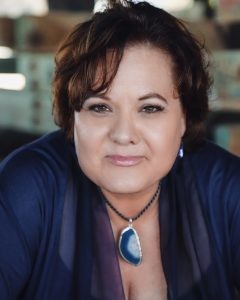
Today we’d like to introduce you to Che’Rae Adams.
Hi Che’Rae, it’s an honor to have you on the platform. Thanks for taking the time to share your story with us – to start maybe you can share some of your backstories with our readers.
My journey developing, directing, and producing new work began when I was an intern, straight out of college, at the Mark Taper Forum. I was lucky enough to be thrown into the writing workshop of the Pulitzer Prize-winning “Angels in America, Part II: Perestroika”. Working with Tony Kushner, Oscar Eustis and Tony Taccone in a room was like a master class in new play development. I went on to work with the Taper as the coordinator of their Lab Series and Mentor Playwright’s Reading Series. These projects introduced me to prominent playwrights such as Luis Alfaro, Anthony Clarvoe, Han Ong, Oliver Mayer, Ellen McLaughlin, Alice Tuan, and Mac Wellman among others. Working at CTG mostly taught me about the relationship the playwright has with the director and dramaturg in the rehearsal room.
During this early training period, I wanted to assist as many professional directors who were developing new work as possible. A highlight from that time was Tom Hulce and Jane Jones on the premiere of “The Cider House Rules”, (another Pulitzer Prize winner) at The Seattle Repertory Theatre. Regional theatre introduced me to the best artists in America and taught me discipline, structure, and best practices. I call myself an accidental dramaturg because directing new plays and new play development can sometimes go hand and hand. I learned about dramaturgy “on the job” so to speak and take what I learned in those early years in regional theater and apply it to the work that I do today.
Eventually, I moved out of assisting and into directing my own work. While I was one of the Co-Artistic Directors at The Road Theatre, I was lucky enough to establish relationships with local playwrights and went on to develop and direct their work. I produced ten world premiere productions while I was there, and the company began to garner a reputation as a leader and champion of new works in Los Angeles and nationwide. I started the Road Signs Reading Series there because I wanted playwrights to have a supportive place to hear and get feedback on their work. Eventually, we invited The Golden West Playwrights to be part of the company which expanded our writers’ network tenfold. The work that I was drawn to was transformational, socially relevant, and addressed the most pressing issues of the time. This drove me to create my own organization where I could nurture work that was bold, brave, and diverse. That is how The LA Writers Center (LAWC) was created in 2006.
My goal with LAWC was to provide a safe and nurturing environment in which writers can develop their work and hone their skills, without the expense or pressure of production. LAWC began at the Road Theatre Company’s space as a writing workshop for local writers with whom I had worked with there and at other small theaters in the area. Those same writers became LAWC’s first members and are still part of the advanced writing workshop today. I was lucky to be in the room with talented and diverse writers such as Jon Bastian (RIP), John DiFusco, Nathan Singer, Tim Toyama, Blaine Teamer, Marc Ewing, Alisa Tangredi, Ser Anzoategui, Neal R. Alvarez, Mark Wild, Dru Park, and Ken Hanes to name a few. We eventually felt like we needed to involve actors and directors in the process, so in 2007, LAWC joined forces with The Syzygy Theatre Group to create a new play-reading series called New Alignments. Its purpose was to provide playwrights with the opportunity to receive feedback on works-in-progress, to provide the community with an opportunity to participate in and observe the creative process, and to provide actors and directors with an opportunity to hone their craft. Many wonderful plays came out of that development process and have gone on to be produced by theaters across the country.
During the pandemic, LAWC pivoted and moved all programming online. I felt the need for a call for action after George Floyd’s murder and wanted to stand in solidarity with Black Lives Matter. I decided to produce the Breathe Reading Series which was designed to amplify BIPOC stories. With the increased hate crimes against Asian Americans, I wanted to tell more of their stories because they are a vital part of the American narrative. Subsequently, I soon added the Home: Asian Voices Reading Series to our schedule. Then, when the Taliban invaded Afghanistan in August of 2021, I wanted to tell the stories of the artists that were left behind. Soon after, “Voices of Afghanistan” was born. HowlRound TV agreed to come on as a partner for all three projects, which increased our global reach to over 1,500 viewers from all over the world.
Today, I have a new role as Artistic Director for PlayPenn, which is a new play incubator in Philadelphia. The three prior decades dedicated to nurturing playwrights have led me to this position where I produce an annual New Play Development Conference. PlayPenn also has an education component called The Foundry which is a lot like the work I do with LAWC. Philadelphia playwrights are chosen to participate in a three-year program that is free of charge and accumulates into a professional reading of one of their plays. The journey I get to go on with The Foundry playwrights has been one of the most fulfilling parts of being at PlayPenn.
I feel like my story started as a curious student of new play development and has led me to a leadership position in the field. I am beyond grateful for the opportunity to continue to amplify voices from marginalized communities, not only in Philadelphia and LA but beyond.
We all face challenges, but looking back would you describe it as a relatively smooth road?
Support for non-profit theater has been more difficult than ever since the pandemic. Covid relief funding has dried up and audiences are hesitant to come back to live theater.
This is the challenge that I am facing now-how to sustain live theater and find funders that want to continue to support the development of new plays.
Thanks for sharing that. So, maybe next you can tell us a bit more about your work?
After developing and directing new plays for many years, I became more of an advocate for playwrights than anything else. I became more interested in nurturing talent and providing the services that writers needed to take their work to the next level.
I am most proud of the work I have done with writers from marginalized communities. I have always been committed to diversifying the voices of the theatre. Plays I have developed such as “¡Ser!” by Ser Anzoategui; “Muse 90401” by Fadik Atasoy; “Villains” by Marc Ewing; “Gracie and Rose” by Anastasia Coon; “Chasing the Wolf” by Nathan Singer; “Strange Fruit” by Jon Bastian; “Yuri and Malcolm X” by Tim Toyama; tell stories about people who have suffered from discrimination in America. I feel it is important to tell these stories in order to further the conversation about diversity, equity, and inclusion in this country.
What’s next?
My work to amplify voices from marginalized communities continues. I also have a dream to create a small publishing company so that the plays that I have developed over the years can be documented and enjoyed in perpetuity.
Contact Info:
- Website: www.cheraeadams.com
- Facebook: https://www.facebook.com/cherae.adams
- Youtube: https://youtu.be/VT2Jr_0ccsM
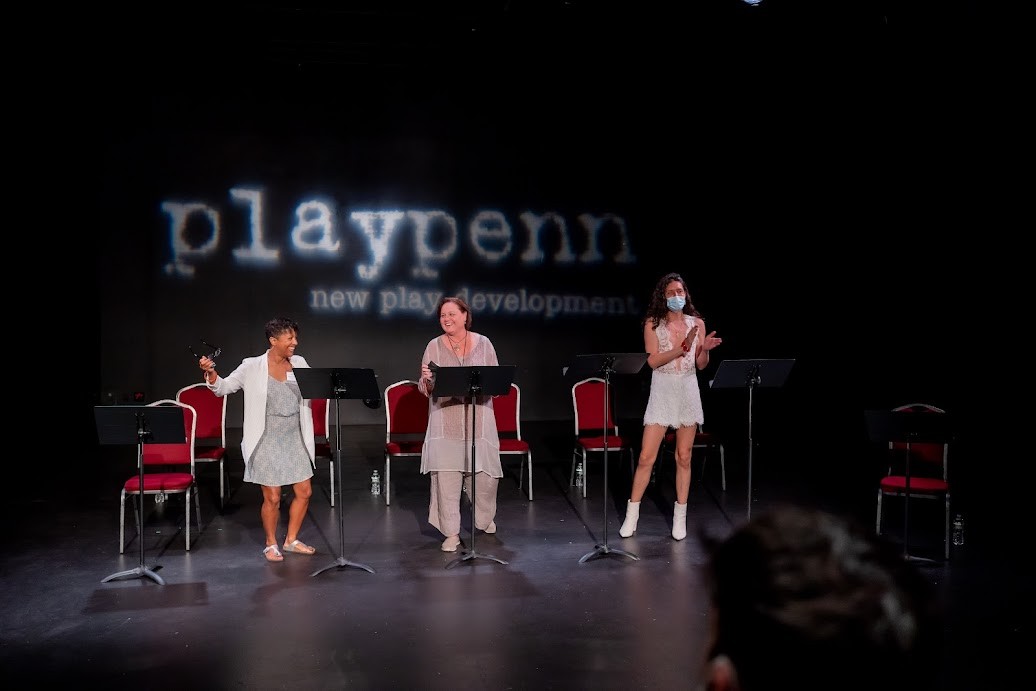
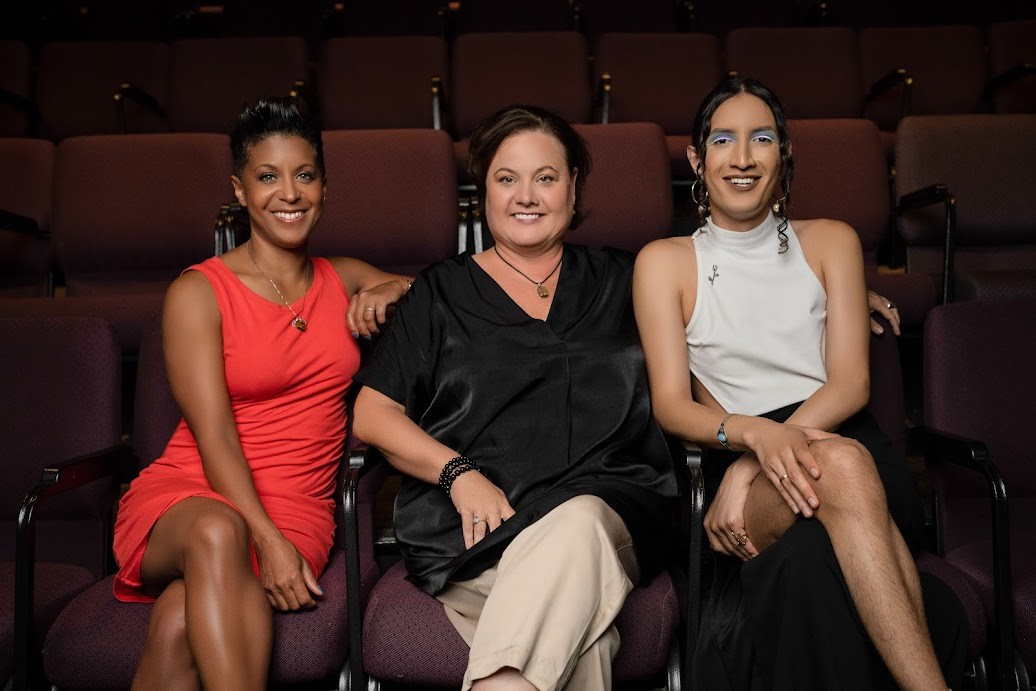
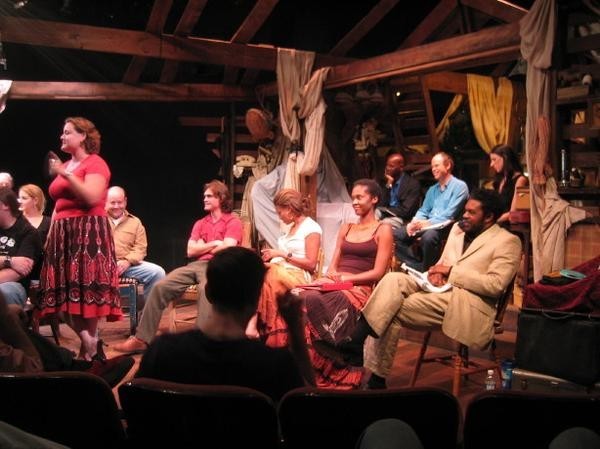
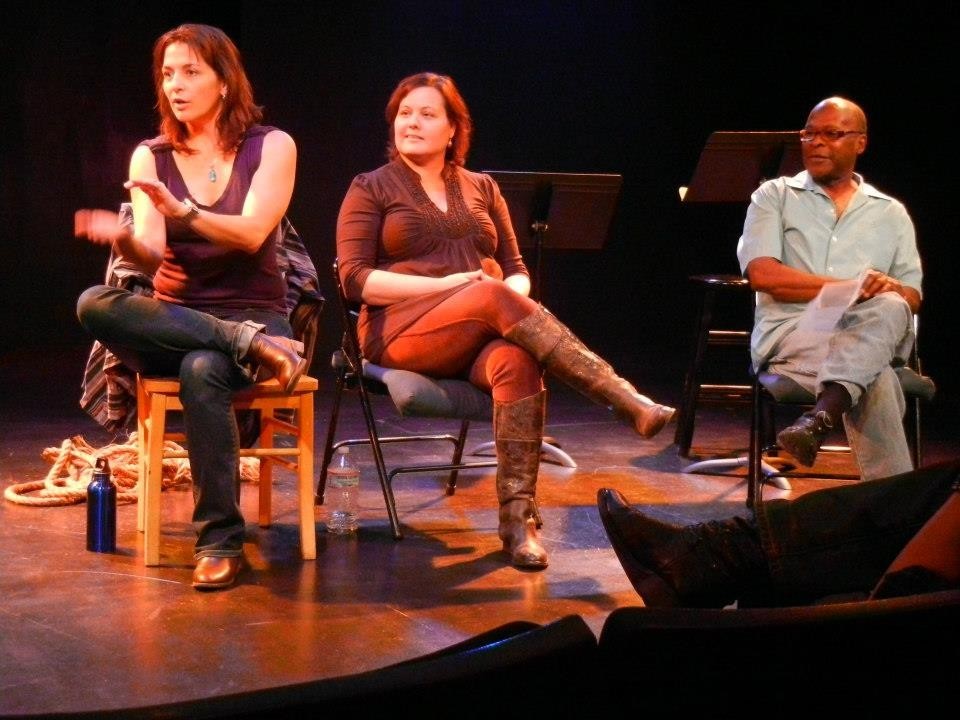
 Image Credits
Headshot by Ken Sawyer, James Kern Photography, and Christopher Moore
Popular
-

What is something outside of work that is bringing you joy lately?
-

Local Highlighter Series
-
What did suffering teach you that success never could?
-

What are you most proud of building — that nobody sees?
-

Who were you before the world told you who you had to be?
-

If you could say one kind thing to your younger self, what would it be?


