




Today we’d like to introduce you to Brigette Dunn-Korpela.
Hi Brigette, it’s an honor to have you on the platform. Thanks for taking the time to share your story with us – to start maybe you can share some of your backstory with our readers?
My story begins at a wall.
I’m two years old, standing on gravel at the base of a large red-brick wall in Boston. My mother is nearby — directing, painting, creating. She’s Sharon Dunn, the artist behind the iconic mural “Black Women”, a monumental work depicting Black women of strength, motherhood, and resilience. I don’t remember the words being said, but I remember the feeling — the hum of energy and the vibration in the air.
I remember looking up. The figures on the wall towered above me — bold, colorful, with grand bodily gestures. They were mothers, daughters, ancestors — standing in defiance of the systems that tried to erase them. That day imprinted something in me before I even had language for it. I didn’t yet know I would grow up to be a choreographer or educator, but I understood something about scale, power, and what it means to create art that refuses to disappear.
That wall was more than a mural — it was a portal. My mother was creating a counter-cartography, mapping an alternative universe where Black womanhood could exist fully, vibrantly, and powerfully. Without knowing it, she gave me a way of seeing — a way of navigating time, history, and possibility through movement and imagination.
I carry that wall inside me. It’s my compass, my armor, my time machine. It taught me that art can be a form of resistance and survival — that beauty itself can be an act of defiance. Every piece I create, from immersive performances like “ECHO Immersion” to my work with students at CalArts, carries that same pulse: a belief that through art, we can remember, reclaim, and reimagine the world.
Those images on the wall translated into my love for movement, dance and large architectural structures. Merging that early visual archive with my training in ballet, modern, and contemporary forms led me to create the immersive, world-building environments that now define my work. I carry with me the legacy and inspiration of Black dance icons — such as Alvin Ailey, Dance Theatre of Harlem, and Katherine Dunham and so many others who paved the way for Black and Brown dancers to claim their place on stages across the world.
That’s where my journey began — at a wall that still speaks to me, guiding every step I take.
Can you talk to us a bit about the challenges and lessons you’ve learned along the way. Looking back would you say it’s been easy or smooth in retrospect?
My journey as a performer and artist has not always been a smooth road. Especially in my younger years, when I was living in New York and trying to make my way as an aspiring dancer, life was equal parts magical and difficult. New York gave me everything — inspiration, community, and opportunity — but it also tested me in every possible way.
There were many days when I had to choose between spending money on food or on subway fare to get to dance class. I often found myself with little money for food, but I never let that stop me. I knew deep down that dance was my calling — that this was what I was meant to do — and that belief and passion kept me going. Over time, that persistence paid off. I built a career that has spanned more than 25 years, performing, touring, and now mentoring the next generation of artists. Every challenge I faced in those early days shaped my resilience and deepened my sense of purpose.
I always tell young artists: the path isn’t always easy, but if the dream lives in your heart, you can’t go wrong. Follow your passion, stay grounded in your purpose, and trust that each step — even the hard ones — is leading you somewhere necessary.
Alright, so let’s switch gears a bit and talk business. What should we know about your work?
I’m a transdisciplinary dance artist, educator, and arts leader whose work bridges contemporary movement, African diasporic traditions, immersive technology, and social justice. My creative and scholarly research is grounded in Black feminist thought, Afro-surrealism, decolonial methodologies, and somatic epistemologies, exploring how embodied storytelling can serve as a tool for memory, liberation, and world-building.
With over 25 years of experience in performance, choreography, and pedagogy, I currently serve as Acting Dean at CalArts, where I strive to foster inclusive, anti-racist learning environments rooted in cultural memory, community engagement, and artistic rigor. I’m also the Founder and Artistic Director of B. Dunn Movement, now evolving into a new direction, a trans-disciplinary collective committed to art, technology, and social justice. My choreographic works have been presented nationally at venues such as REDCAT, MOCA Geffen, the Center for New Performance, and South Coast Repertory. I’m also a former Dance Captain and performer for Disney’s “The Lion King” First National Tour and a Dance/USA Fellowship Finalist (2024–2026).
My work is unique because it doesn’t just tell stories — it confronts, disrupts, and reimagines them. We live in a world where history has been rewritten to serve power, where colonialism, racial oppression, and systemic violence are buried beneath sanitized narratives. My practice refuses to let those truths remain in the shadows.Through hauntingly beautiful, immersive storytelling, I create environments where audiences don’t simply watch — they feel. They step inside the weight and resonance of history, experiencing its echoes through sound, movement, architectural costume design and space. In my recent sound installation “Echo Immersion: Into the Unknown” at CalArts, participants entered a dark, enclosed environment that collapsed the distance between past and present, allowing them to feel the ongoing reverberations of the Transatlantic Slave Trade through sound.
The work isn’t only about excavation — it’s about reclamation and transformation. I’m interested in how art can build new futures beyond oppression, how we can reclaim stolen narratives and create spaces for healing through embodied experience. My practice merges choreography, sound design, wearable art, architecture, and AI to create immersive, nonlinear environments that collapse time — revealing how the past lives in the present and how our futures are shaped by memory and speculative imagination.
What sets my work apart is its commitment to both social justice and aesthetics. I believe that beauty can be a tool for resistance, that design and movement can be weapons against forgetting. My performances and installations invite people to engage actively — not as spectators, but as witnesses, participants, and co-creators. It’s a practice rooted in the belief that social justice is not abstract — it’s visceral, embodied, and urgent.
My work challenges dominant narratives, gives voice to the silenced, and centers Black, Brown, and Indigenous experiences not as an afterthought, but as the foundation. It creates communal, participatory spaces where audiences move, breathe, and reckon with history together. Beyond performance, my practice extends into mentorship and education — providing workshops and frameworks that empower emerging artists to develop their own creative languages within decolonial, justice-centered contexts.
In a time when so much of art is driven by spectacle or consumption, my work insists on presence. It demands feeling, listening, and remembering. It exists as a living practice — one that honors the body as archive, art as activism, and imagination as a pathway to liberation.
VoyageLA — “What are you working on next?”
Right now, I’m deep in the next phase of “ECHO Immersion”, which will unfold in multiple parts and locations — first at CalArts’ Lund Theater and then at The Reef in downtown Los Angeles in 2026. This new chapter expands the world we’ve been building: an immersive environment where choreography, spatial sound, projection, architectural costume design, and AI-generated imagery converge into a living, breathing archive of Black diasporic memory.
It’s not a formal system yet, but in collaboration with XR/AI artist Nak Yong Choi, we are developing an experimental framework we call “ancestral algorithms.” We’re working with historical data from the Transatlantic Slave Trade — information that is often distorted, minimized, or erased — and exploring how it can be re-contextualized through movement, spatial sound, and digital processing. Rather than allowing AI to replicate the biases it’s built upon, we’re investigating how embodied knowledge — gesture, breath, rhythm, vibration — might inform how an algorithm “listens” and responds. It’s a speculative inquiry into what I call technological remembrance: How might machines be re-taught to sense the frequencies of history instead of erasing them?
How can technology become a vessel for liberation, not dominance? This work asks whether AI can hold memory in a different way — not through extraction, but through empathy, story, and embodied resonance. It’s early-stage, ongoing, and deeply collaborative, grounded in the belief that technology can be reshaped when guided by ancestral knowledge, not detached from it.
This phase at The Reef will transform the space into a multi-zoned experience — an underwater world, a digital ship, a space of resistance and rebirth. Audience members will step inside, move through it, and become part of the narrative. They won’t just witness; they’ll feel.
Beyond the performance itself, I’m also building partnerships with technologists, scholars, and cultural institutions to sustain this work as an ongoing movement — one that integrates art, community, and education. My hope is to create not only performances but frameworks: ways of teaching, making, and remembering that center embodied knowledge and collective healing. Ultimately, this next phase is about expansion — expanding how we define dance, archive, and AI. It’s about continuing to re-map the future while honoring the ancestral past that made that future possible.
I’m incredibly fortunate to collaborate with an extraordinary team of artists who help bring these immersive worlds to life. “ECHO Immersion” and Dark Matter are built through the collective brilliance of XR/AI artist and co-creator Nak Yong Choi; sound designer Drew Sensue-Weinstein; music composer Marque Gilmore; music director and editor Pete Korpela; costume and wearable art designer Athena Lawton; set and architectural designer Fallon Williams; lighting designers Cad Apostol and W. Alejandro Melendez; technical advisor Iain Court; and associate choreographer and rehearsal director Joan Fricke—along with a phenomenal constellation of dance artists and musicians whose artistry makes this work possible.
How do you think about luck?
I am not sure I would call it luck. My journey has been built on hard work, perseverance, and a deep commitment to my craft. Every opportunity I’ve had came through years of dedication, showing up, and staying ready even when doors didn’t open right away.
That said, I’ve been incredibly fortunate to have a strong community of friends, collaborators, mentors, and family who believed in me and supported my dream of becoming a professional dance artist. Their encouragement kept me grounded and reminded me of my purpose, especially during times of uncertainty.
If anything has guided me, it’s been intuition. I’ve always trusted that quiet inner voice that tells me when to leap, when to wait, and when to pivot. Listening to my intuition has shaped every major decision in my career and continues to guide how I move through the world. It’s not luck — it’s alignment, faith, and the courage to listen deeply.
My advice to emerging artists is this. trust your voice, trust your body, and trust your journey. The path will not always be easy, but difficulty is not a sign to stop — There is growth even when things are challenging. Stay grounded in your purpose and surround yourself with people who believe in your vision.
Listen to your intuition; it knows where you’re going before you do. Protect your creative spirit, honor your lineage, and don’t be afraid to create the work you feel called to make — even if no one else is making it. Art has the power to heal, to challenge, and to transform. Let your work be a reflection of the world you want to live in.
Contact Info:
- Website: https://www.bdunnmovement.com
- Instagram: @bdunnmovement
- Facebook: https://www.facebook.com/Bdunnmovement
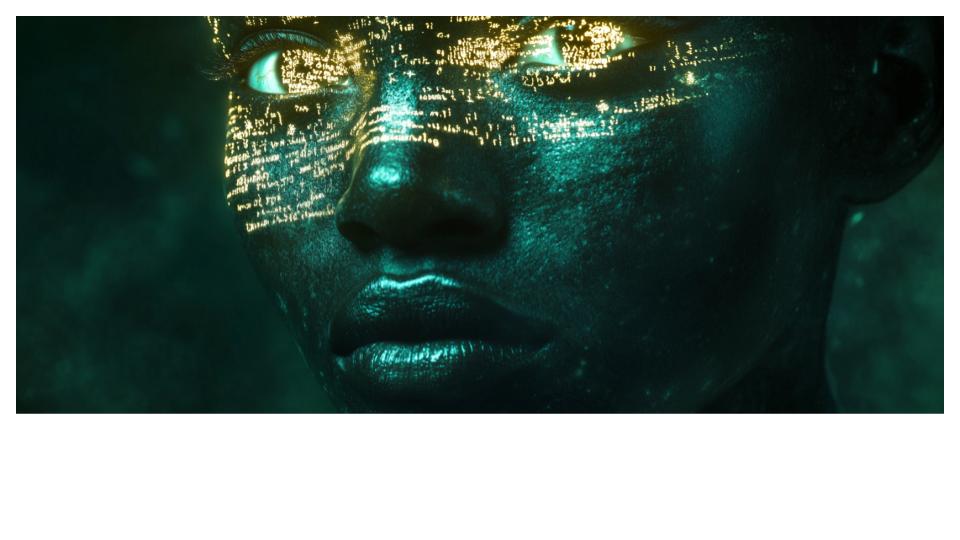
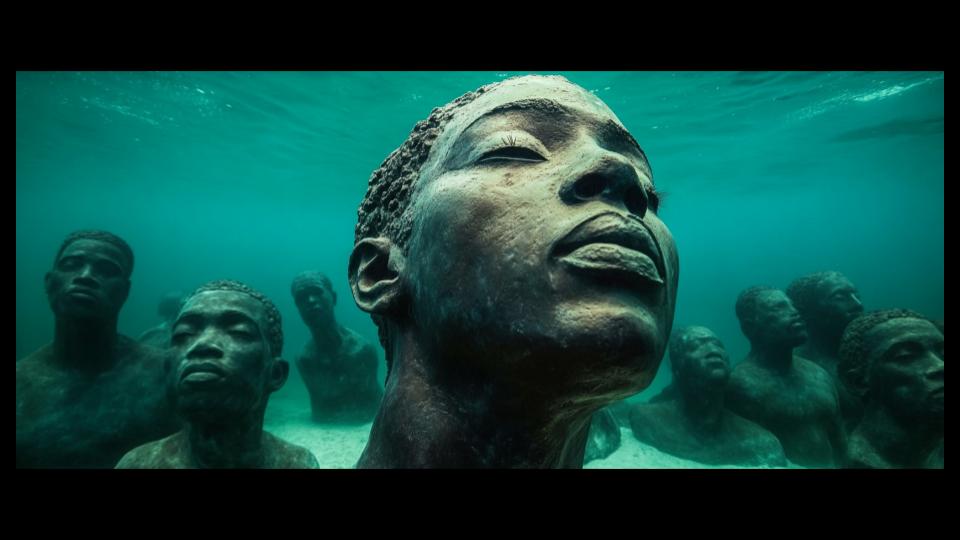
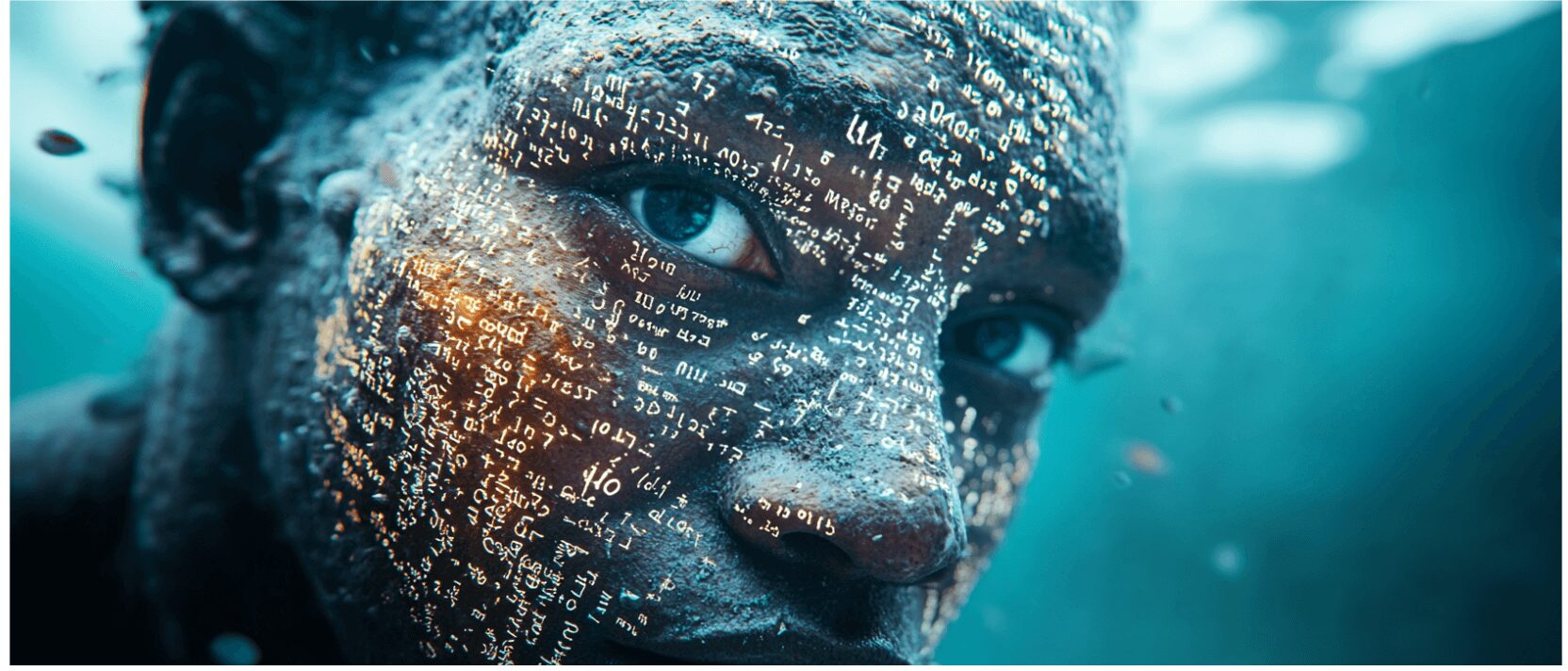
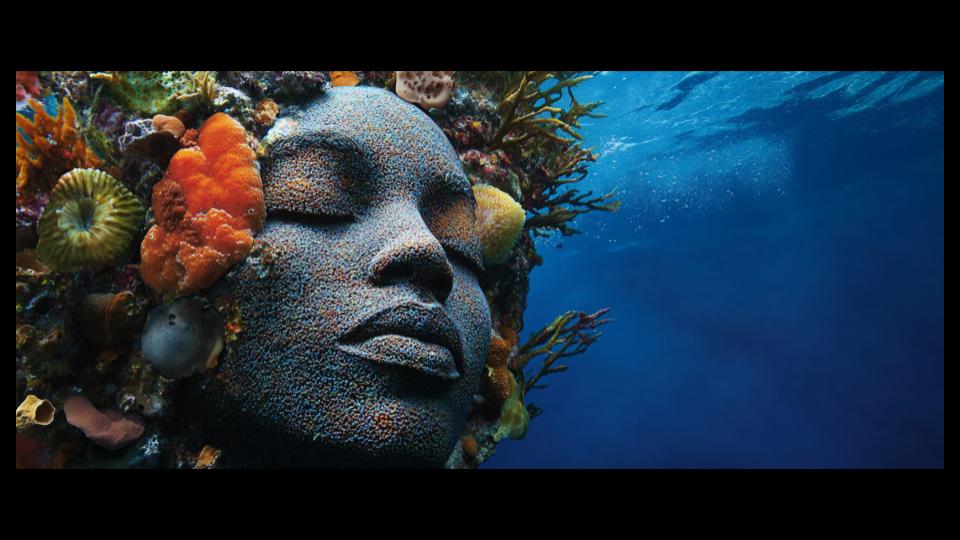
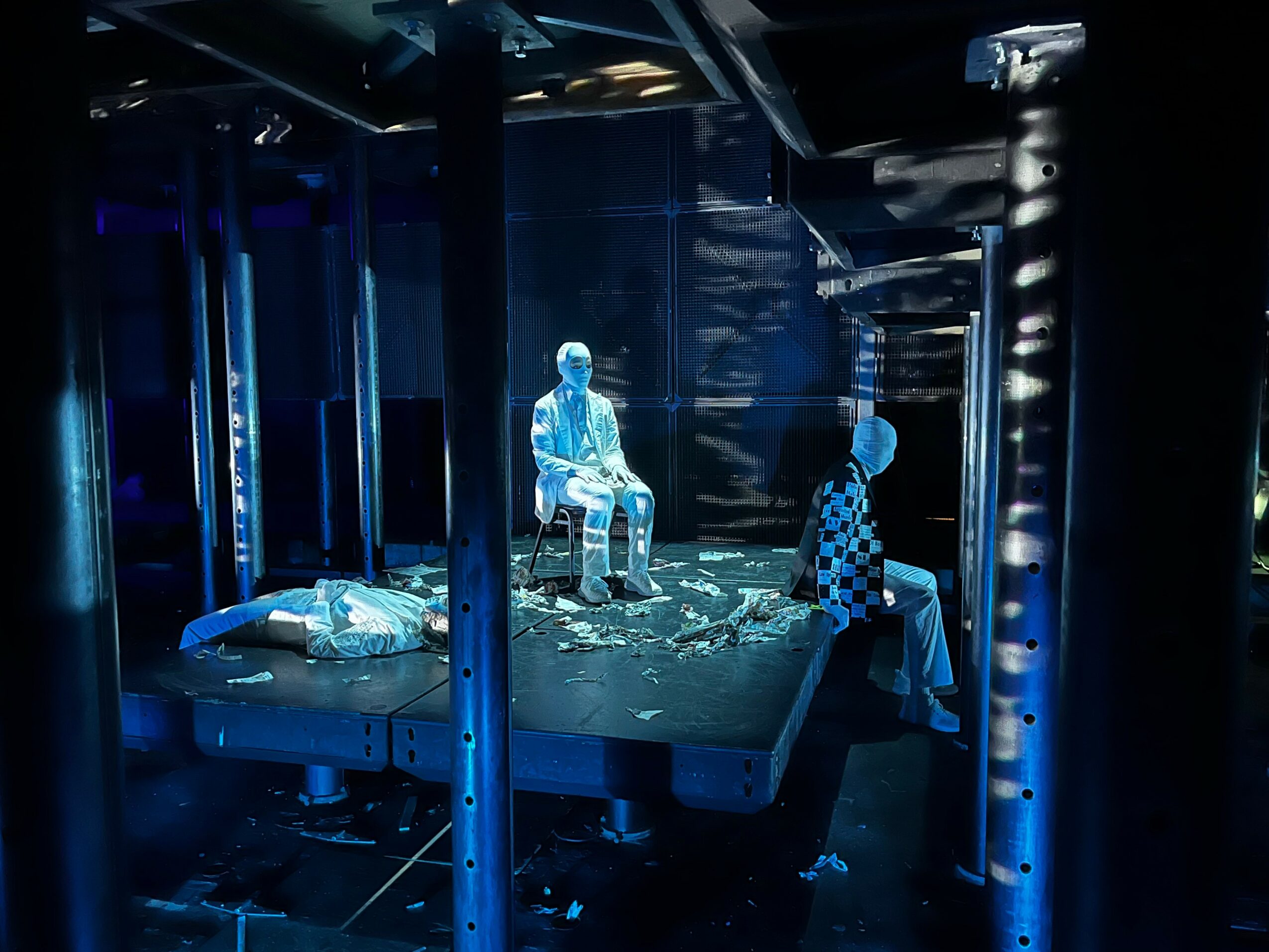
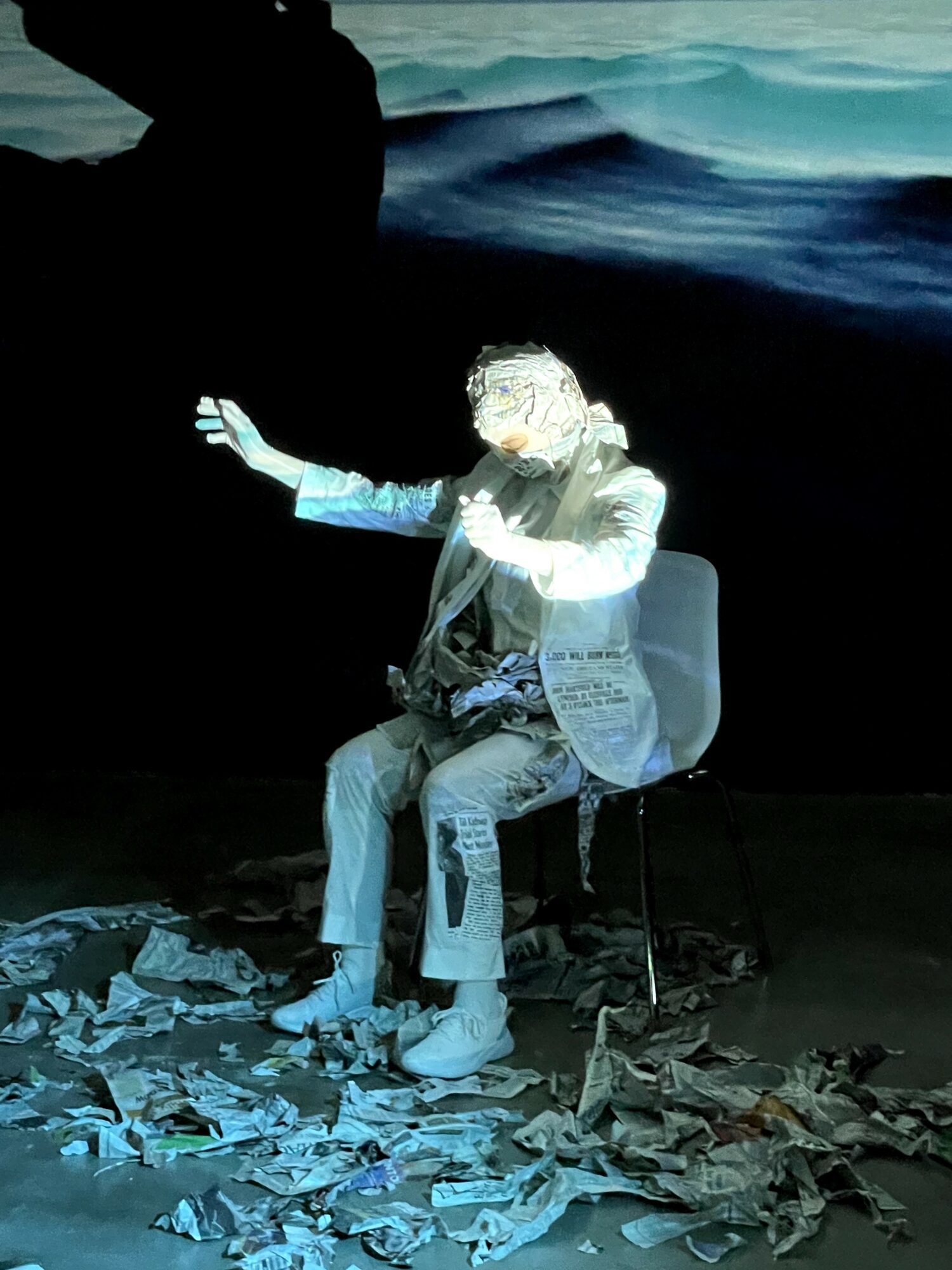
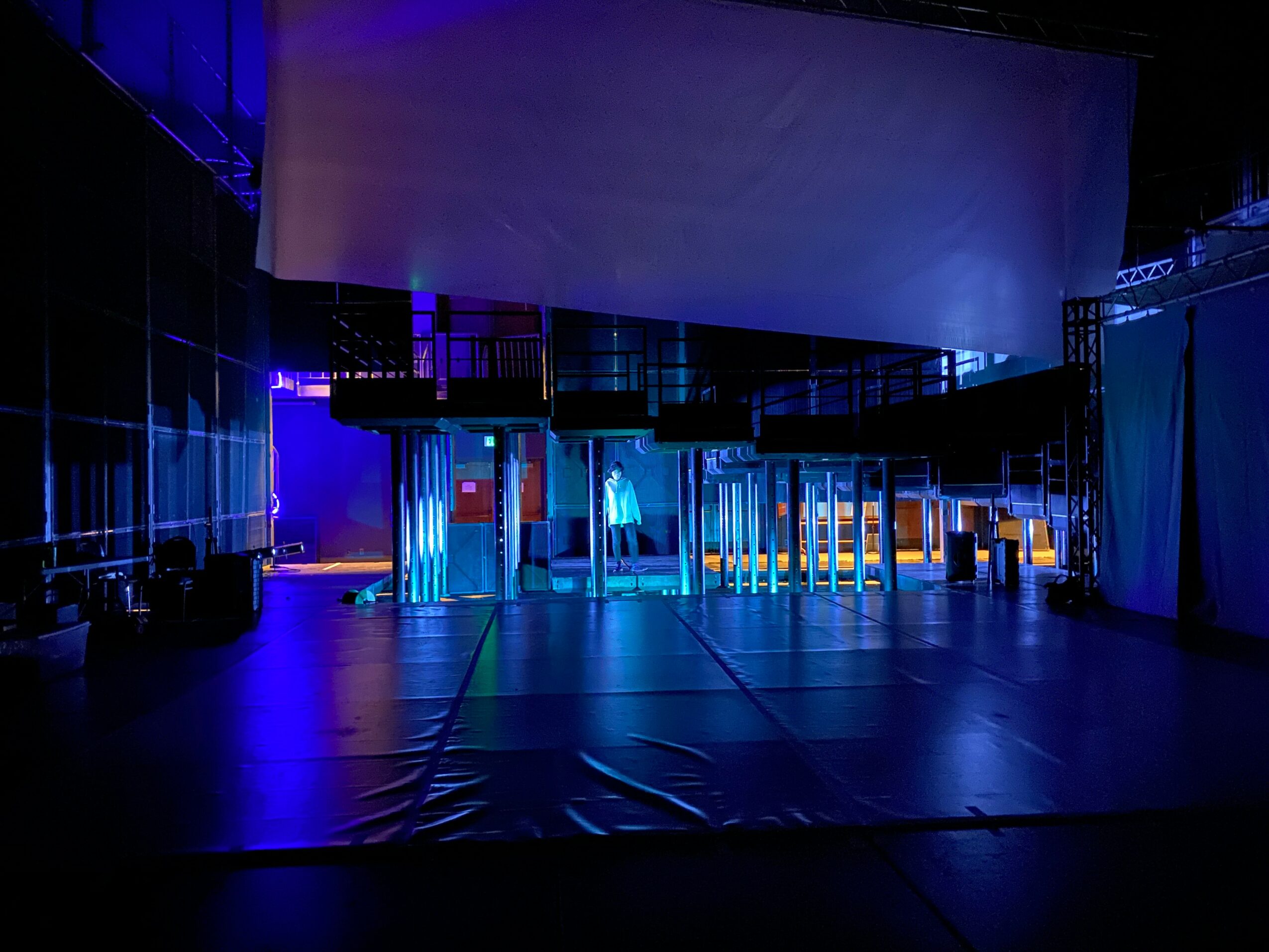
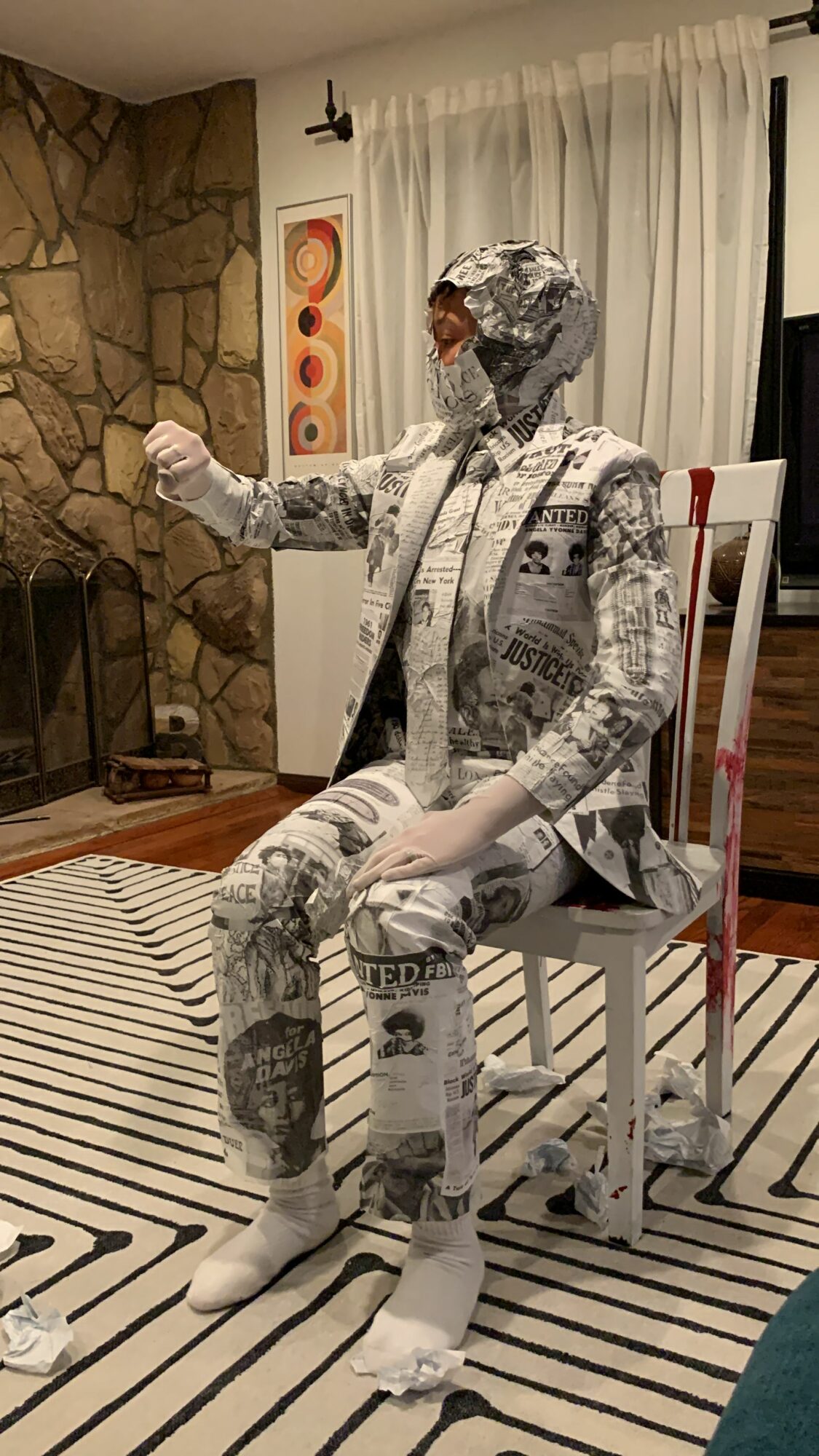
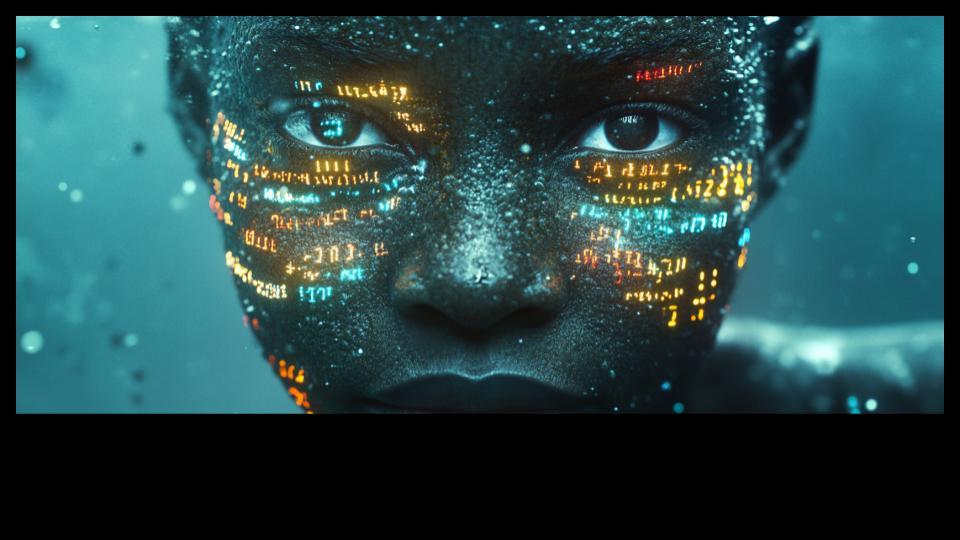
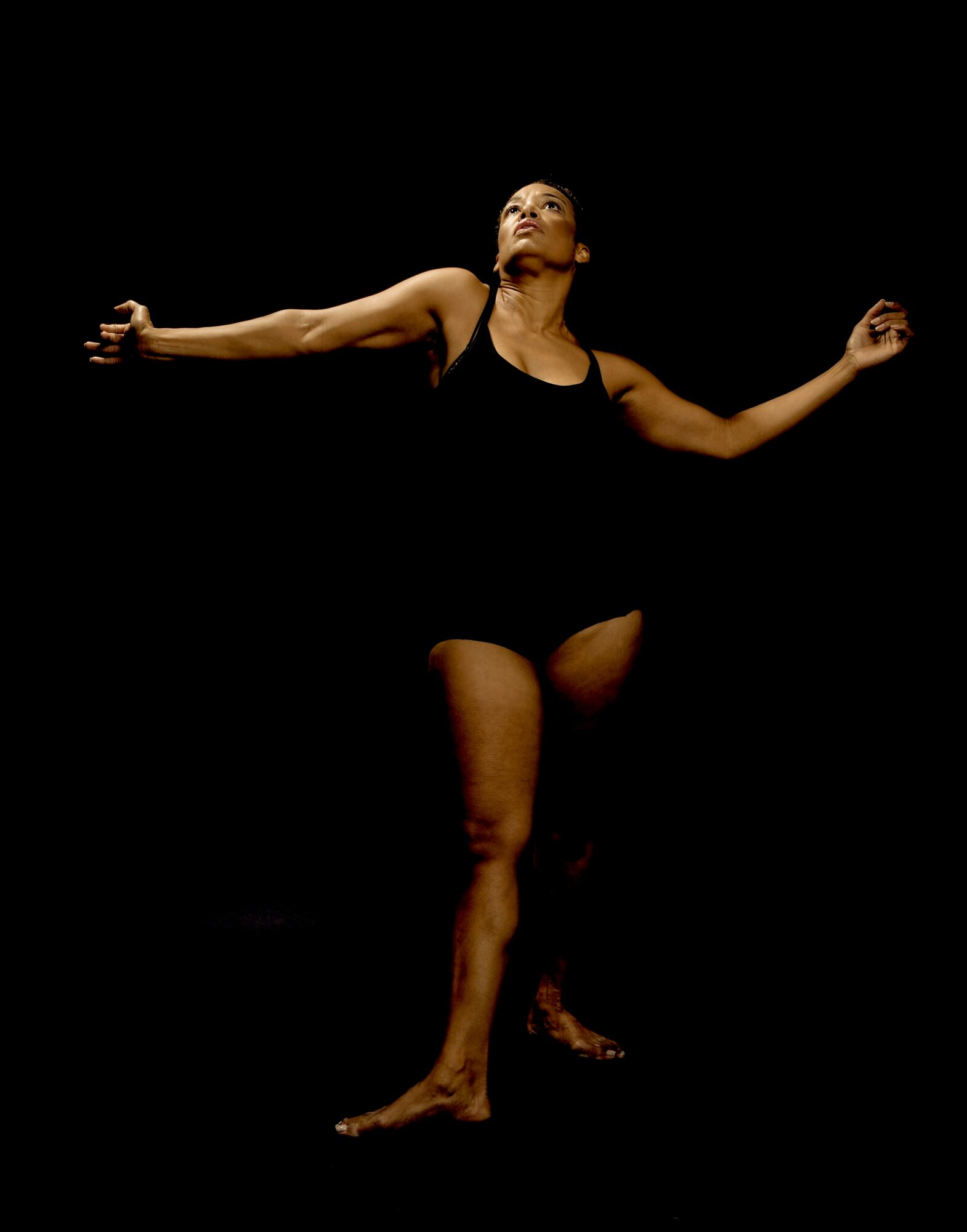
Image Credits
Nak Yong Choi, Halban Photography, Athena Lawton, Brigette Dunn-Korpela