



Today we’d like to introduce you to Austin Rodgers
Alright, so thank you so much for sharing your story and insight with our readers. To kick things off, can you tell us a bit about how you got started?
I was introduced to movies at a fairly young age. As a kid, watching them was a form of family bonding that didn’t break the bank. Whenever my parents and I waltzed into our local cinema, or sat down in front of our television – we were transported to a new world, full of its own rules and inhabitants. Each one of us was enveloped by the stories and characters on screen. We were taken on a journey unlike any other. There was always an air of magic that came with every viewing. From then on, I haven’t been able to stop thinking about movies. I wanted to know what makes a film tick; how they breathe life into audiences and bring them to the edge of their seats. I was obsessed, and still am to this day. Most of my adolescent years after that realization were spent attempting to recapture that same magic. I would “borrow” my parents’ camera and convince my friends to let me use them as actors in my modest short films. When they weren’t available, I would bring in my family as the stars. As soon as I was able to work, I searched across the web for local production jobs. It didn’t matter to me what department I was working in, I wasn’t even paid – I just needed to be on set.
Eventually, I found myself attending film school in Los Angeles. While there, I continued producing shorts, commercials and sketches with newfound friends who I still collaborate with to this day. Ultimately, I came to California knowing that I had to work my tail off in order to get some sort of momentum going in my career. After graduating, I was hired to work as a content producer and editor for the film-tech company known as Aputure. Overtime, I was able to refine my skills as a creative head since I was put in charge of various projects and commercials for their product releases. On the side, I stayed persistent in directing and editing my own movies. After all, my first love in this medium was narrative filmmaking. I moved on from the world of film-technology and focused on becoming a freelance editor for film and television, and I haven’t looked back since then. Recently, my work and skills were recognized by the Academy of Motion Pictures Arts and Sciences after being accepted into their Gold Mentorship Program. Now, I am given the opportunity to work and learn under members of the American Cinema Editors – including Mark Helfrich, ACE and John Axelrad, ACE. Their guidance has pushed me to aim high for the future, and I can’t wait to see what’s next in store.
Would you say it’s been a smooth road, and if not what are some of the biggest challenges you’ve faced along the way?
It hasn’t been easy. Nothing worth doing is. I struggle everyday to get any project off the ground. Many mentors of mine have all shared the same sentiment that getting a film made in this industry is a “miracle.” Especially in this current climate. My wife always reminds me to keep my head up, and I tell creatives to do the same. Don’t give up, keep making stuff.
Alright, so let’s switch gears a bit and talk business. What should we know about your work?
I work as a freelance director and editor. I specialize in narrative work, but I have had plenty of experience in commercials, industrial videos, social content, music videos and so on. I’m genuinely proud of my work on my previous directorial efforts, “Marie,” and “They’re Here.” One film is about a friendship that grows between a reserved sex worker and a meek old man. The latter is a short horror that follows a man who discovers that his world is being invaded by sinister otherworldly beings. I love exploring different genres and developing stories with rich characters.
For my editing work, it has to be my time at the Academy. I was put in charge of a team of editors and we cut together the organization’s official short film that they produce for their Gold Mentorship program. It was an intensive few months of work that I will never forget.
I feel like what sets me apart from others is how I see the world. We all do look at life differently, from our own lens. I do my very best to stick to my instincts. They’ve gotten me this far, and they drive me to create stories that I want to tell.
Can you talk to us about how you think about risk?
Risk-taking is a tricky cross to bear for anyone. We all carry this innate fear of failure. No one ever wants to mess up on their own creation. It’s vulnerable and can even be unpleasant when the project doesn’t meet your expectations. In my early years, I always strayed away from taking risks. As I’ve grown older though, my perspective has changed – failure is your best teacher. It shows us what works and what doesn’t. In my mind, standing up to that fear of failure is what makes an artist fearless. From then on, risks should be taken in the best interest of the project. It’s the only real way of pushing this medium forward.
I aim to take risks with any project I’m involved in, editing or directing. This also pertains to my choices I make in my career. Heck, working in the film industry can be considered a risky move. It pushes me to make the unsafe choice and create an experience unlike any other.
Pricing:
- $500/day
Contact Info:
- Website: https://vimeo.com/austinrodgers
- Instagram: https://www.instagram.com/_austin.rodgers_/
- LinkedIn: https://www.linkedin.com/in/austin-rodgers-7702a6173
- Youtube: https://www.youtube.com/@MadhouseProdPresents
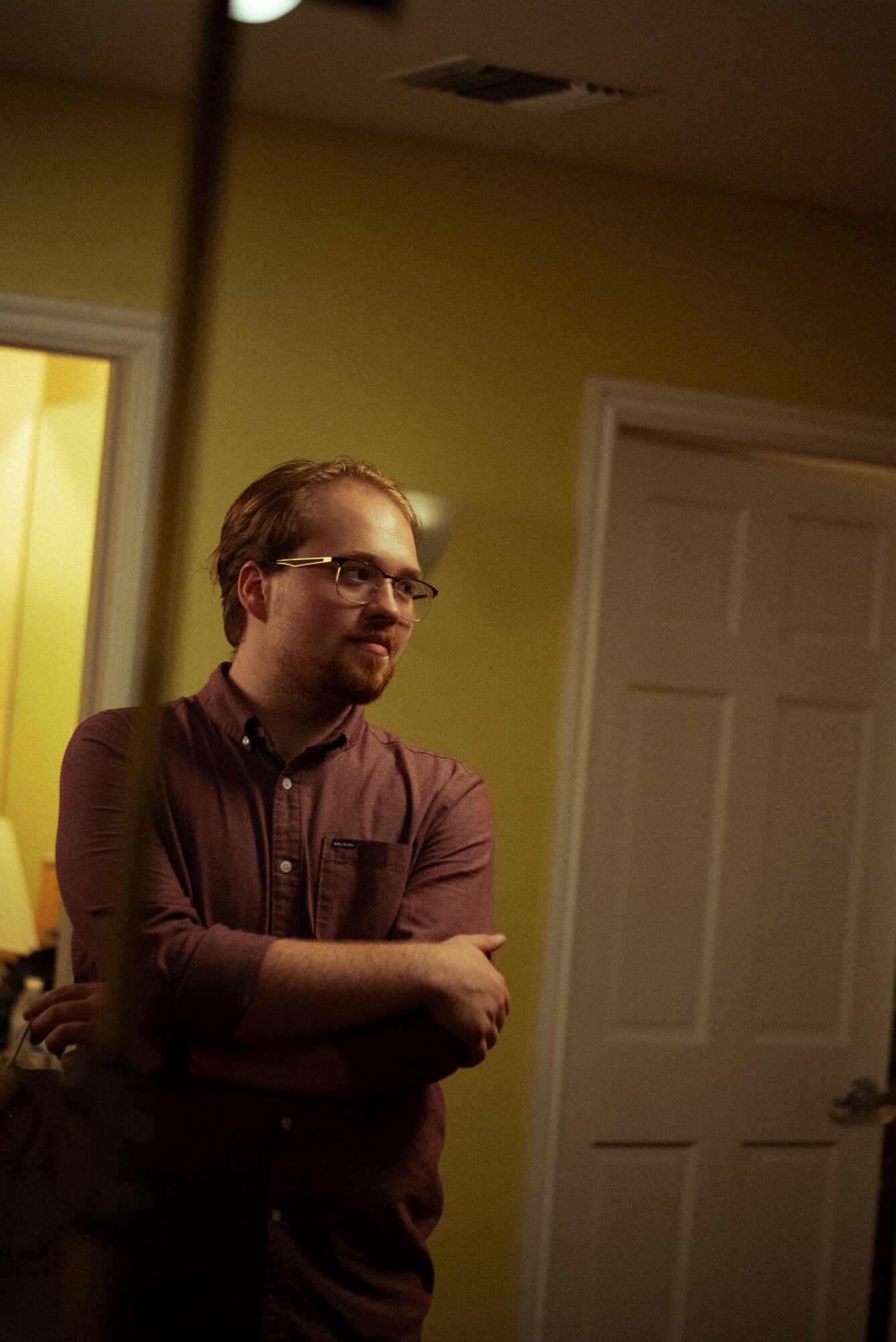
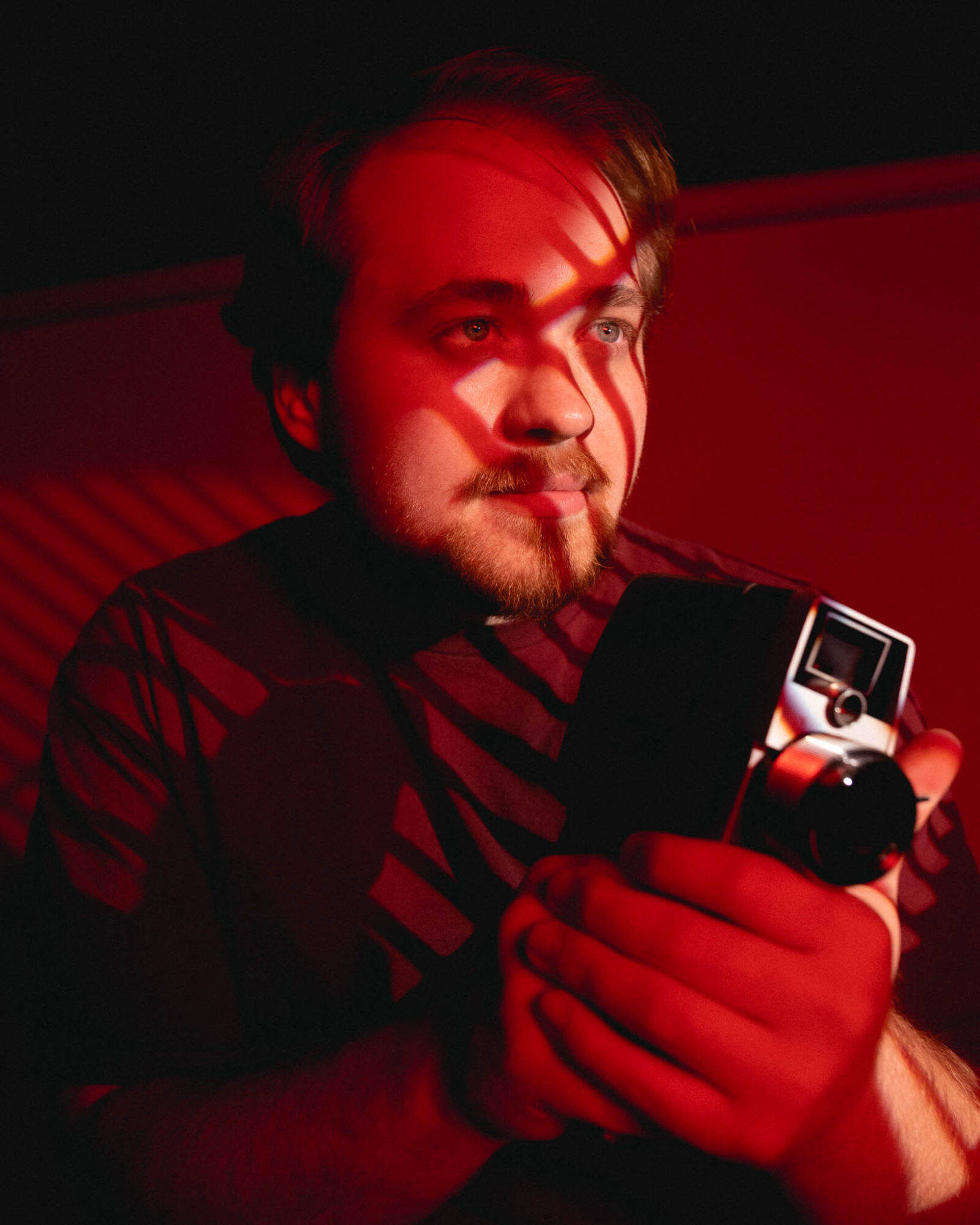
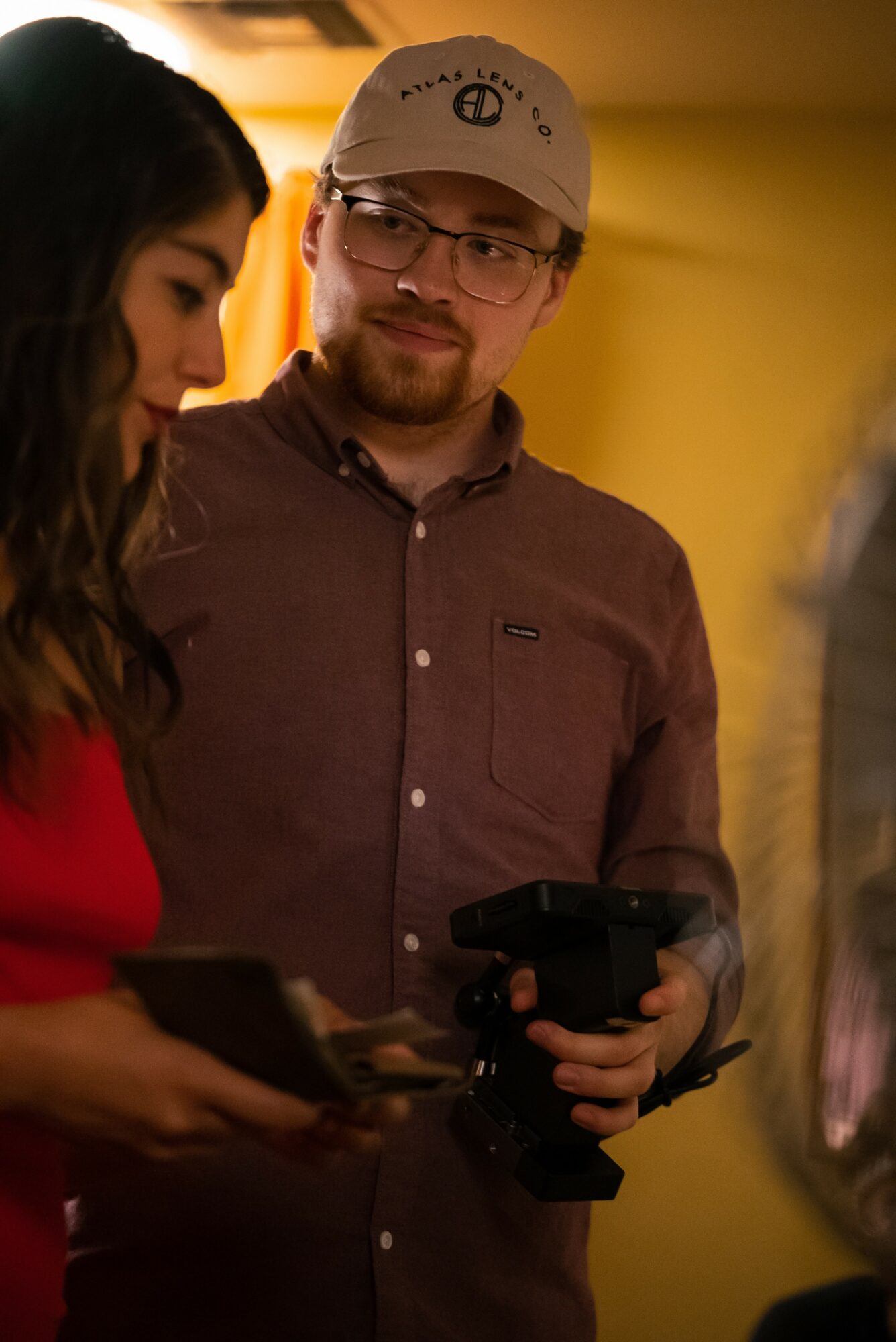
Image Credits
Adam Baron, Lydia Hall, Oscar Galvan
Popular
-
What is something outside of work that is bringing you joy lately?
-

Local Highlighter Series
-
What did suffering teach you that success never could?
-

What are you most proud of building — that nobody sees?
-

Who were you before the world told you who you had to be?
-

If you could say one kind thing to your younger self, what would it be?


