



Today we’d like to introduce you to Thomas Eggensberger.
Hi Thomas, so excited to have you with us today. What can you tell us about your story?
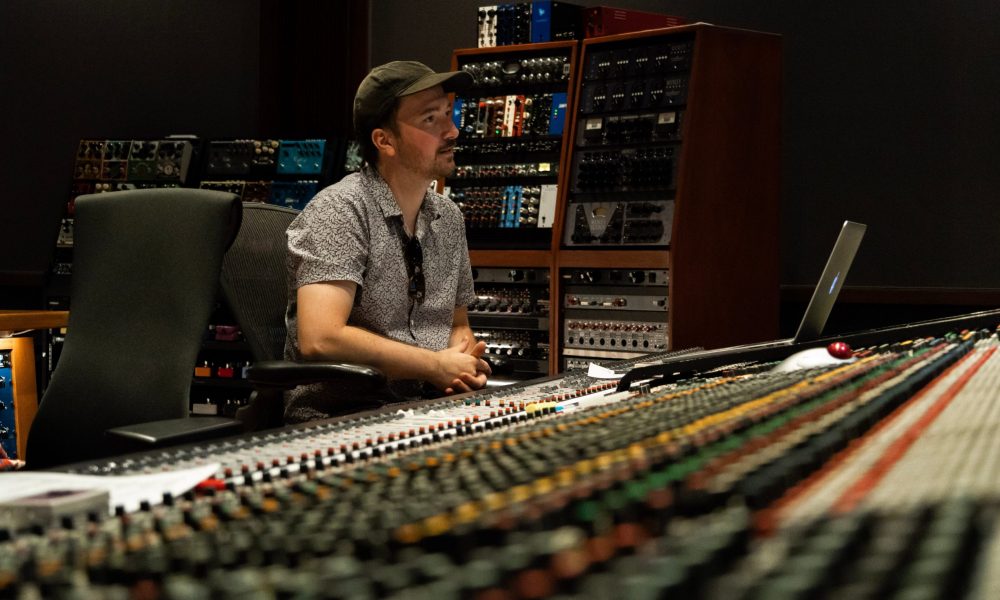
I was born in Germany and grew up in a small town near Munich. Started playing the piano very early on and started to develop an interest in music composition and music technology. For this reason, I studied sound engineering in Munich for two years, and I increasingly had the desire to write more of my own music. Later, I decided to go study in the United Kingdom, mainly to explore a new culture, and meet other like-minded creatives, and because I found the perfect college which I thought would prepare me for the next part of my musical journey. I studied Composition and Creative Music Technology at the Royal Welsh College of Music and Drama in Cardiff, Wales for four years for my BMus (Hons) and absolutely loved my time there; Cardiff is such a beautiful city.
During this time, I had the incredible honor of working for the late film composer Jóhann Jóhannsson (composed for films such as Arrival, Theory Of Everything, and Sicario) on two of his last projects, as well as for Hildur Gudnadottir (composed for projects such as Joker, Chernobyl, Battlefield 2042) on the film Mary Magdalene. All this came about after sending a “cold email” to the studio representative and expressing how much Jóhann’s music had inspired me for a long time and if there would be any way I could come work for him in the studio. To my surprise, they said yes and I was on a plane to Berlin, Germany a few weeks later. It was really incredible to experience everyday studio life in this city and meet the team at the amazing Berlin Kreuzberg studio. This time with Hildur, Jóhann, and everybody there was truly inspiring and led to me developing a deep passion and love for film music. Meeting so many like-minded creatives at this studio really had a huge impact on my life and I am forever grateful for the experiences I had there with everybody.
This experience led to me wanting to study film composition and soon after, I studied for my MFA in Music Composition for the Screen at Columbia College Chicago in Chicago, IL. This was another incredible experience, learning everything about film, TV, game composition, arrangement, orchestration, music instrument development, networking, etc. This program is absolutely amazing and very much helped me realize my creative and personal visions and goals and still does today. And now I get to write music, orchestrate and create music software instruments for a living – very grateful!
Can you talk to us a bit about the challenges and lessons you’ve learned along the way? Looking back would you say it’s been easy or smooth in retrospect?
There were definitely many struggles along the way. It was always a challenge to be “heard” back where I grew up in Germany. People often had a very harsh opinion of the music industry and they often doubted that anyone could survive in it. A term which was often used: “Breadless Art”, or “Brotlose Kunst” in German.
Once experiencing the positive and refreshingly passionate attitude of colleagues and friends during my time in the UK, as well as the US, I knew there were other like-minded, passionate musicians and artists out there, and that it was definitely worth choosing this path. There are of course always many other struggles in life but in the great scheme of things I was always lucky with how things turned out which I am very grateful for.
Great, so let’s talk business. Can you tell our readers more about what you do and what you think sets you apart from others?
We are a sample library company and make software music instruments for composers and artists. Our key words are Personality. Usability. Community. We very much believe in musician-focused, community-supporting products that are also intuitive to use.
How it works is that with every product, the musician we work with to record sounds for the instrument is visually promoted on our user interface. We add a headshot of the person involved, a website link, or a QR code to the user interface which directs visitors directly to the musician’s website and helps promote them. This way composers who use our product, see “who they are playing” and can even reach out to the musician directly from our user interfaces.
This not only creates more exposure for the musician involved, but also a more personal experience for users of the product.
The reason we chose to focus so much on the promotion of the musician, is that we want to show our appreciation for the passion musicians contribute to the world of music and give back to the music community. For this reason, with every product we sell, the musician gets a set royalty percentage, further supporting them and their musical endeavors.
Our long-term goal is to work with as many different musicians as possible, creating unique, usable, cinematic software instruments that directly promote and support the musicians involved.
I believe what sets us apart from others is the very strong focus on personality and community, and our passionate effort to create products that don’t actually replicate the sound and essence of the musician recorded. Oftentimes when companies sample instruments, they try to closely replicate what the instrument and player are capable of, and create a software instrument that offers a sort of “replacement” for the musician, with the result of composers not needing to hire a real, live player.
At Inlet Audio we strive to create products that were made through more involving collaboration, encouraging musical freedom and expression when working with the musician, whilst packaging the instrument in a way that encourages users to get creative with sculpting their own sounds with help of the recorded sounds we capture with the musician, and potentially even hiring the musician to record more sounds for users’ projects. So, it’s more about creating instruments that (as a user) encourage you to create your own soundscapes with the recorded samples, being actively aware of whose sounds those are, rather than replicating the sound and essence of someone with the goal of replacing them in a software, whilst not even mentioning whose sound you are playing.
By showing who recorded these sounds with us on our user interfaces, we also encourage direct collaboration between the composer and musician/sample library company. For example, what if a composer uses our product, really likes the included playing techniques, but thinks about a few more unique techniques themselves that they would like to custom-record for their unique project? They can then easily reach out to the musician involved and hire them to create more recordings for them, and if the composer decides one day that they would like to share those new recordings with the world, Inlet Audio can then package them into a new library, making those sounds available to the composer community, whilst promoting and supporting the composer and musician involved.
This creates a sort of endless life cycle in which everybody wins.
Can you talk to us a bit about the role of luck?
Luck has definitely played a fairly big role in my life. Mainly when it comes to meeting people at the right time, and at the right place. In many cases, these encounters have become life-long friendships, as well as regular professional collaborations.
Contact Info:
- Website: https://www.inletaudio.com/
- Instagram: https://www.instagram.com/inletaudio
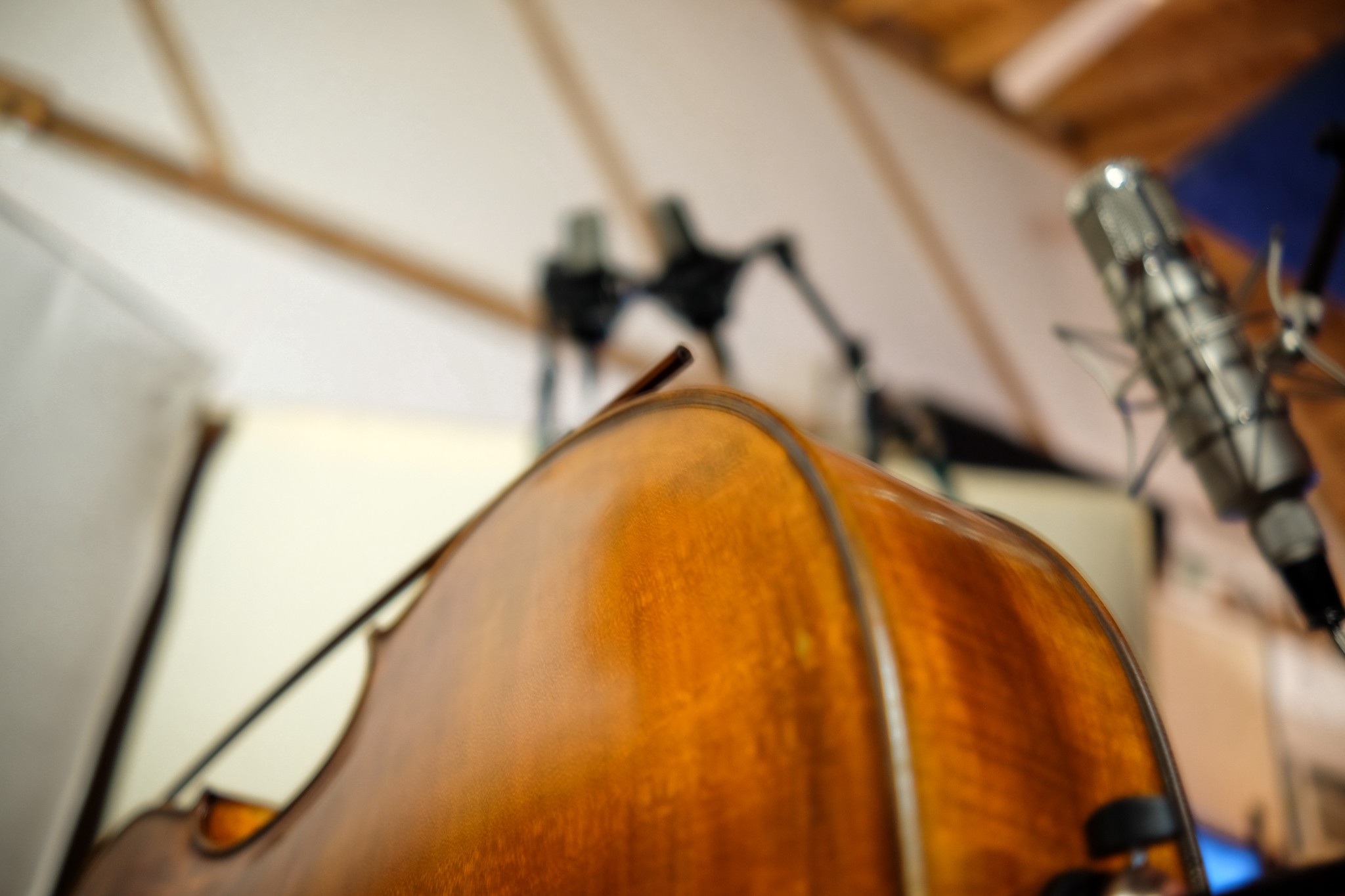
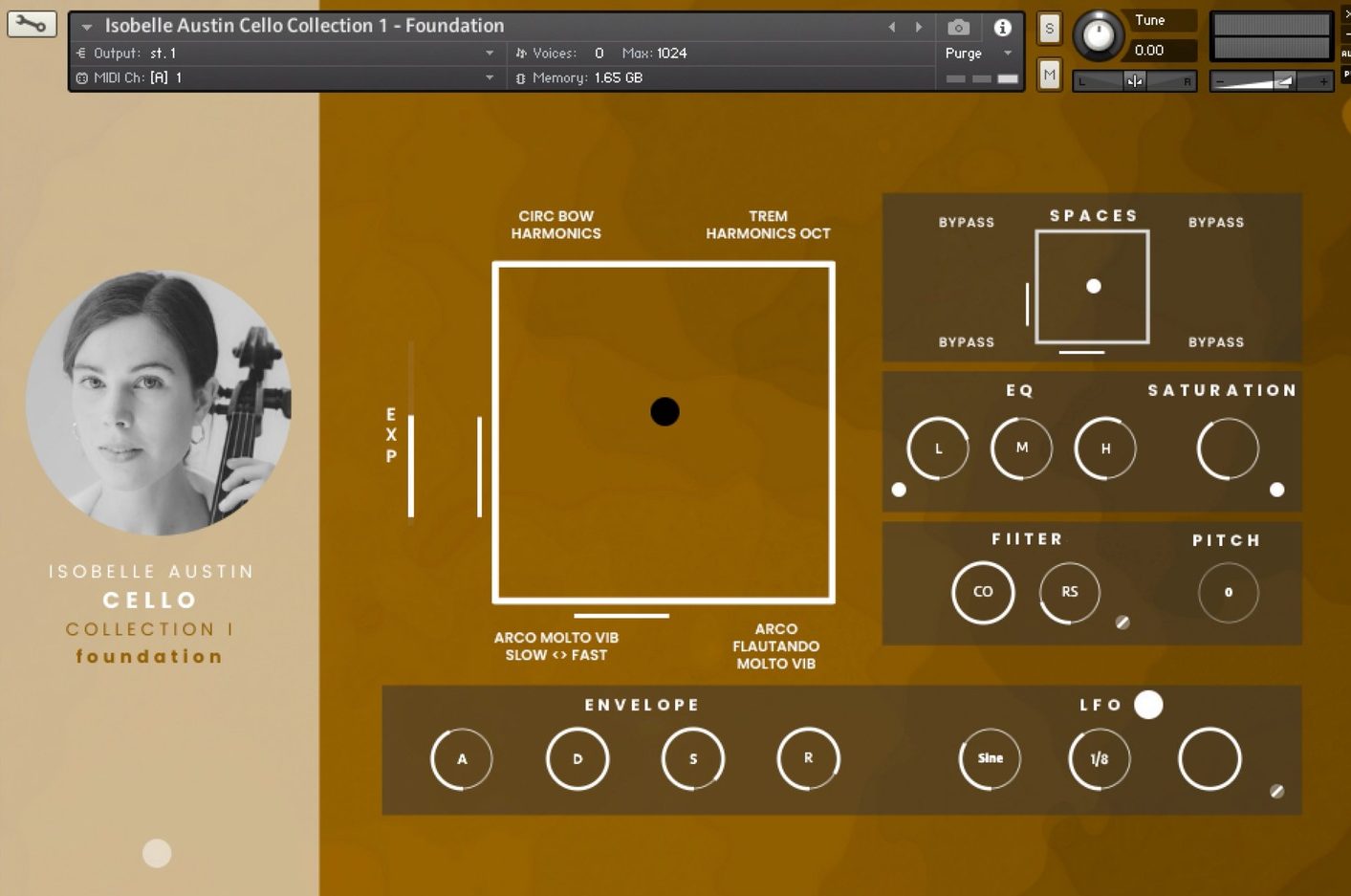
 Image Credits
Max Drenckpohl, Michael Van Bodegom-Smith
Popular
-

What is something outside of work that is bringing you joy lately?
-

Local Highlighter Series
-

What did suffering teach you that success never could?
-

What are you most proud of building — that nobody sees?
-

Who were you before the world told you who you had to be?
-

If you could say one kind thing to your younger self, what would it be?


