




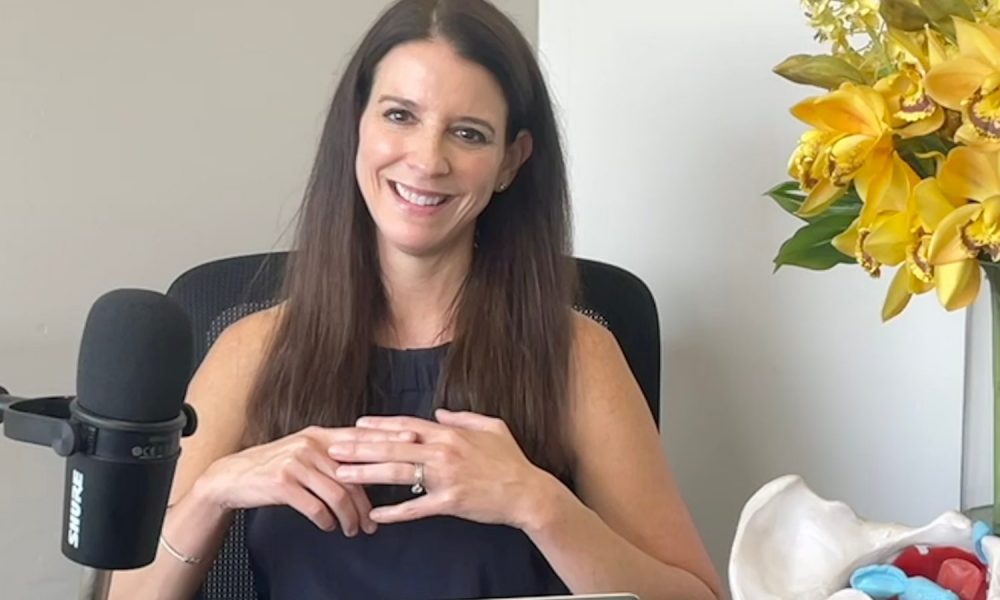
Today we’d like to introduce you to Stephanie Prendergast.
Hi Stephanie, thanks for joining us today. We’d love for you to start by introducing yourself.
I graduated with my Master’s of Physical Therapy degree in 2000. I worked in various orthopedic settings my first year out of school and did not enjoy it, so I considered leaving the field altogether. In 2001 everything changed when I was hired by an interdisciplinary medical practice that specializes in pelvic pain and dysfunction. I was shocked about the level of disability pelvic floor dysfunction can cause – this syndrome affects people of all ages and sexes. Our patients were unable to sit or exercise comfortably, they suffered from irritative bladder symptoms, painful sex, and bowel dysfunction. Pelvic pain can cause pain and burning in the genital region, mimicking the symptoms of infections and diseases. When the cultures return negative people are understandably quite distraught, the majority of patients do not realize pelvic floor muscles and nerves can be responsible for these symptoms. To this day much education is still needed about these diagnoses and on average it takes patients 5 – 7 providers to get an accurate diagnosis. These disorders affect 1 in 4 premenopausal women, 1 in 3 menopausal women, and 1 in 7 men at some point in their lives.
In 2006 my business partner and I branched out on our own and started the Pelvic Health and Rehabilitation Center in San Francisco, where we were currently living. At the time, there were only roughly 2000 pelvic floor physical therapists in the country, and we were considered experts in the field of pelvic pain. This is our Mission Statement:
The Pelvic Health and Rehabilitation Center commits to improve the quality of life of our patients and the dynamic growth of our employees and students. We boldly tackle educating the community and medical professionals with our innovative and evidence-based practice. We compete by providing outstanding customer service and attracting, motivating, and retaining talented people.
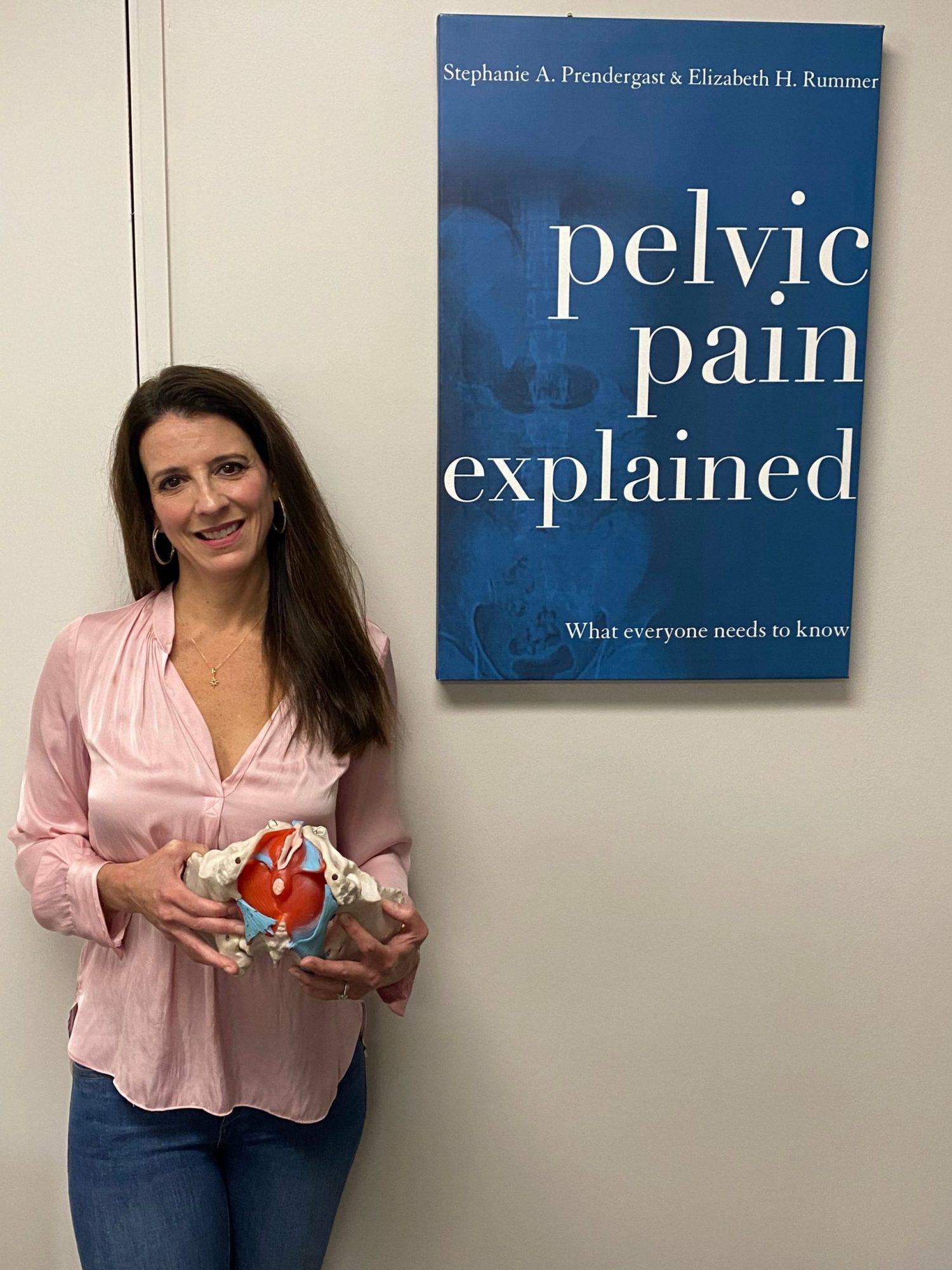
We developed the first continuing education course for medical professionals on Managing Pudendal Neuralgia and taught around the world starting in 2007. In 2002 I was elected to the Board of Directors of the International Pelvic Pain Society, in 2013 I was the first physical therapist to become President. Between 2010 and this year we opened 9 more clinics and launched a digital health platform. We have locations in San Francisco, Berkeley, Los Gatos, Walnut Creek, West Los Angeles, Pasadena, Westlake Village, Encinitas, Lexington MA, and Merrimack NH. In 2016 we published the popular book, Pelvic Pain Explained.
We value our roles as community leaders, caring for patients, educating professionals and patients, and contributing to research. While my particular area of interest is in pelvic pain, our therapists treat the entire range of pelvic floor disorders, including bedwetting and constipation in children, pregnancy and postpartum rehabilitation, post-surgical rehabilitation after pelvic reconstruction and prostatectomy, and before and after gender confirmation surgery.
Can you talk to us a bit about the challenges and lessons you’ve learned along the way? Looking back would you say it’s been easy or smooth in retrospect?
This has certainly not been a smooth road; our healthcare system is fractured. Pelvic floor disorders seem complicated to generalists, including gynecologists, urologists, and primary care doctors. Effective management requires extensive post-graduate education, and the majority of doctors and physical therapists may have never been exposed to these topics in their training, which leads to mis- and under-diagnoses. As a result, patients are scared and frustrated and often find us on their own by searching the internet. When we first began, we needed to focus on educating the community about our services. In recent years, exponential amounts of research and awareness have led to more people understanding pelvic floor disorders and seeking help. There are more patients than skilled providers, this is a national problem as well as something we struggle with in clinical practice. We are constantly working on forming collaborative relationships with other providers to best care for the patients, the most effective treatments often are interdisciplinary.
Appreciate you sharing that. What should we know about Pelvic Health and Rehabilitation Center?
We specialize in pelvic floor disorders, helping anyone with a pelvis. We are known for our clinical expertise in the entire range of pelvic floor disorders, including complex pelvic pain. We are also known for our leadership in the medical community, we lecture regularly at conferences, teach courses, and contribute to medical journals and textbooks. We use social media and our book, Pelvic Pain Explained, to help advocate for patients and raise awareness about these disorders, which are more common than you would think. We are the largest multi-city organization in the United States, and we are female-owned and operated. I am very proud of the PHRC brand because we provide the highest quality of evidence-based care, we hold ourselves to high standards and undergo 2 – 3 hours of professional training per week to stay current with the literature. Our entire team works hard to support each other and volunteers their time to assist with education, community events, and things such as our Mission to Kenya to train physical therapists in pelvic floor rehabilitation there. This field has come a long way since I started in 2001 but there is still so much more work to do! It is exciting to be part of a dynamic and growing field.
The crisis has affected us all in different ways. How has it affected you and any important lessons or epiphanies you can share with us?
We learned many things during Covid. From a clinical perspective, we launched our digital health platform with great success and connected with people from around the world. From a business perspective, clinical care involves in-person care in a private, small, treatment room. Working from home was not an option for us. We constantly had to modify schedules and policies to ensure everyone was safe. Healthcare workers are burnt out, we are working to help our staff get through the stress of this new climate. It has been a time of personal growth and as a team we have been working through this together.
Contact Info:
- Website: www.pelvicpainrehab.com
- Instagram: @pelvichealth
- Facebook: @pelvicpainphysicaltherapy
- Twitter: @pelvichealth
- Youtube: https://www.youtube.com/channel/UCKIfy8-P10EyTaM-bIbeFbA
- Yelp: https://www.yelp.com/biz/pelvic-health-and-rehabilitation-center-los-angeles
- Other: GoogleReviews: https://www.google.com/search?q=yelp+pelvic+health+andrehab+center+los+angeles&oq=yelp+pelvic+health+andrehab+center+los+angeles&aqs=chrome..69i57j33i10i160l2j33i10i299.7038j0j7&sourceid=chrome&ie=UTF-8#lrd=0x80c2bb0b76ec881b:0xb45c20888d75dd45,1,,,

Popular
-

What is something outside of work that is bringing you joy lately?
-

Local Highlighter Series
-
What did suffering teach you that success never could?
-

What are you most proud of building — that nobody sees?
-

Who were you before the world told you who you had to be?
-

If you could say one kind thing to your younger self, what would it be?


