





We’re looking forward to introducing you to Claire Mulvaney. Check out our conversation below.
Claire, we’re thrilled to have you with us today. Before we jump into your intro and the heart of the interview, let’s start with a bit of an ice breaker: Have you ever been glad you didn’t act fast?
Absolutely. I think taking some time to process your emotions and watch the world unfold around you can be for the best. We live in a hustle culture, and I don’t think we were built like machines with the ability to immediately compute a reaction, decision, or resolution. Our intuition requires quiet reflection. Especially with the attention deficit we’re facing as a result of our mobile devices, silence of the mind can reduce a lot of anxiety and unnecessary worry. This is something I am working on daily.
I think, too, that when you are new to a situation, waiting before acting can help you learn about your surroundings and allows for more time to collect information. Great listeners are often the smartest people in the room. The less you say, the more you often learn.
As a musician, I have learned a lot from being in the studio or in a rehearsal space and just biting my tongue for a minute or two. If some time has passed and a certain thought is still stuck in my mind, I have no problem bringing it up. However, people often find their way toward a solution or reveal more information that will make you change your mind.
Can you briefly introduce yourself and share what makes you or your brand unique?
My name Claire Mulvaney, the founder of OpenMic, a music networking app designed to help musicians find genuine, meaningful collaborators. I come from a background in music, and I created OpenMic because I saw how difficult it can be for creators, especially independent musicians, to find people who share their taste, goals, and creative energy.
What makes OpenMic unique is our connection-first approach. We don’t focus on clout, follower counts, or polished content. Instead, we match people based on musical compatibility, shared creative intentions, and the kinds of projects they actually want to make. Think of it like a dating app, but for collaboration. We are helping musicians form micro-communities, discover new creative partners, and spend less time searching and more time making music.
My vision (and OpenMic’s), comes down to this: music is better when it’s made together, and everyone deserves an easier way to find their people.
Amazing, so let’s take a moment to go back in time. What part of you has served its purpose and must now be released?
People pleasing. Growing up, I tended to deliberate a considerable amount about other people’s reactions, feelings, and desires. Call it eldest-daughter syndrome if Taylor Swift is your thing. I was aiming to be empathetic, tolerant, and considerate. However, this side of me has only caused anxiety and indecision as I’ve grown. What has served me best is learning to be a bit more honest and maybe too direct with people. I have been called “blunt” more in this phase of my life than ever before. I am not unkind or inflexible, but I say what I mean and I speak it with integrity. I think bluntness mixed with passion can often come across as cold, so I still might find myself over-explaining my thought process and apologizing. I am a work in progress, and a much more self-assured one lately.
What’s something you changed your mind about after failing hard?
I changed my mind about failure itself. As a musician, I have failed while performing a considerable number of times. Whether it was a voice crack during the big note of a song, forgetting a piece mid–cello concerto, or completely bombing an electric guitar solo, I’ve had to suffer through many performances. And so have my audiences. It definitely stings, but you learn to be kinder to yourself. You also learn how to react to failure. If you can let it roll off you, then it was just a simple mistake and a learning moment. If you don’t let on to other people that you feel you failed, then it isn’t as big of a deal. By accepting embarrassing moments or failures, you can learn to control the anxiety you feel when you think you’re about to fail. On the precipice of the metaphorical plane crash, you can take a deep breath, reset, and regain control—or surrender, if that’s what the moment requires. There are some objective failures in life: driver’s tests, math tests, competitions. But most failures are subjective and internal. Anything can be reframed with enough delusion and hope.
So a lot of these questions go deep, but if you are open to it, we’ve got a few more questions that we’d love to get your take on. Is the public version of you the real you?
She tries to be, but I wear many faces depending on who I’m talking to. Musician Claire cares about making great art, CEO Claire cares about her users, and day-to-day Claire cares about her interpersonal relationships. I think they are all authentic versions of myself. However, if you came up to me at a music networking event, I would have a unique “on-switch” for my personality in that setting. I might crack too many small jokes, smile a lot, and ask too many questions. Claire on the couch does not want to be bothered. 😉
Okay, so before we go, let’s tackle one more area. If you knew you had 10 years left, what would you stop doing immediately?
Nothing. I would double down. I love what I do, and I feel so proud that I can say that. I would still make music, work on building OpenMic, and spend time with the people I love. I might travel more—but who wouldn’t?
Contact Info:
- Website: https://www.getopenmic.co/
- Instagram: https://www.instagram.com/getopenmic
- Facebook: https://www.facebook.com/profile.php?id=61553673908305

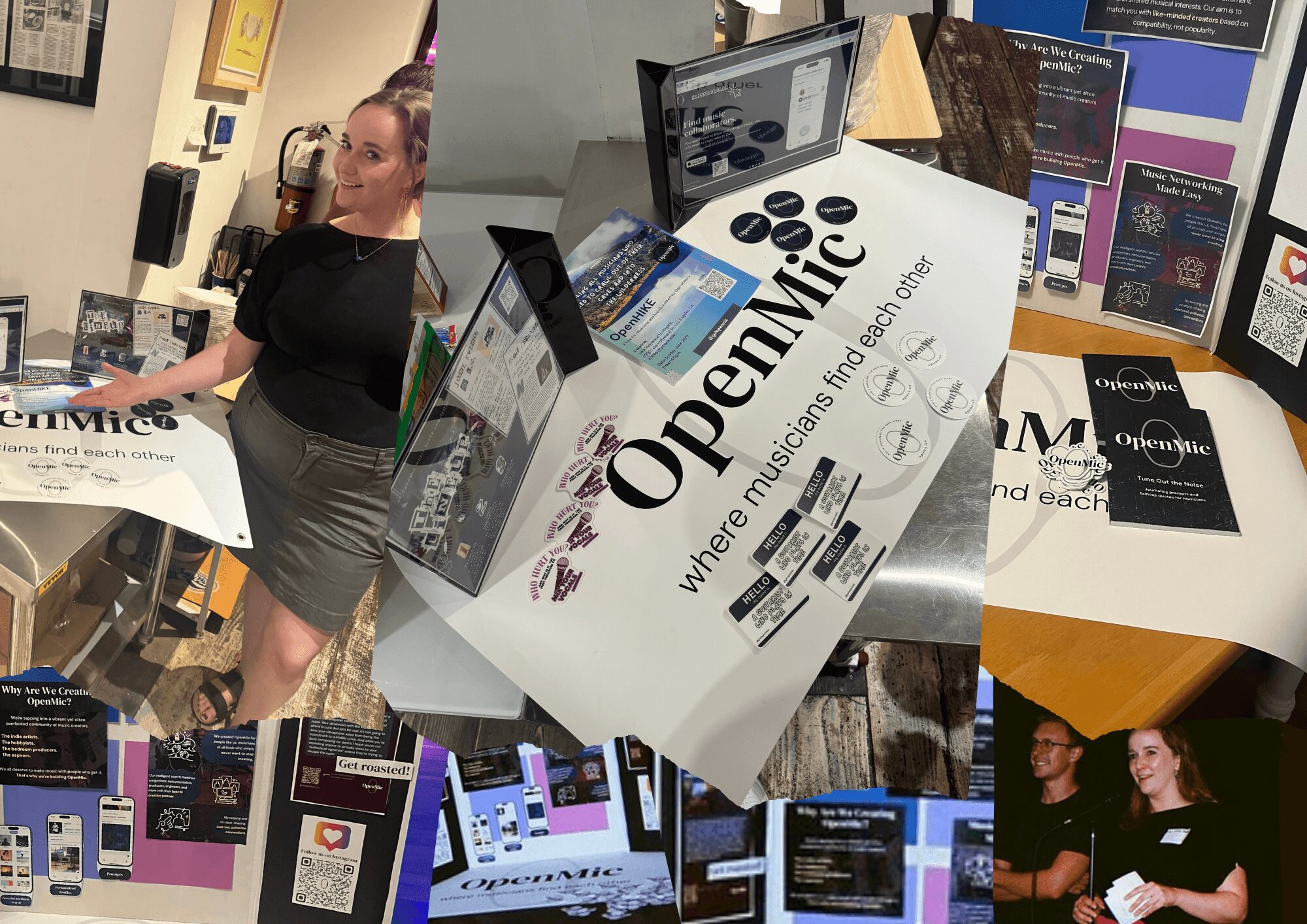
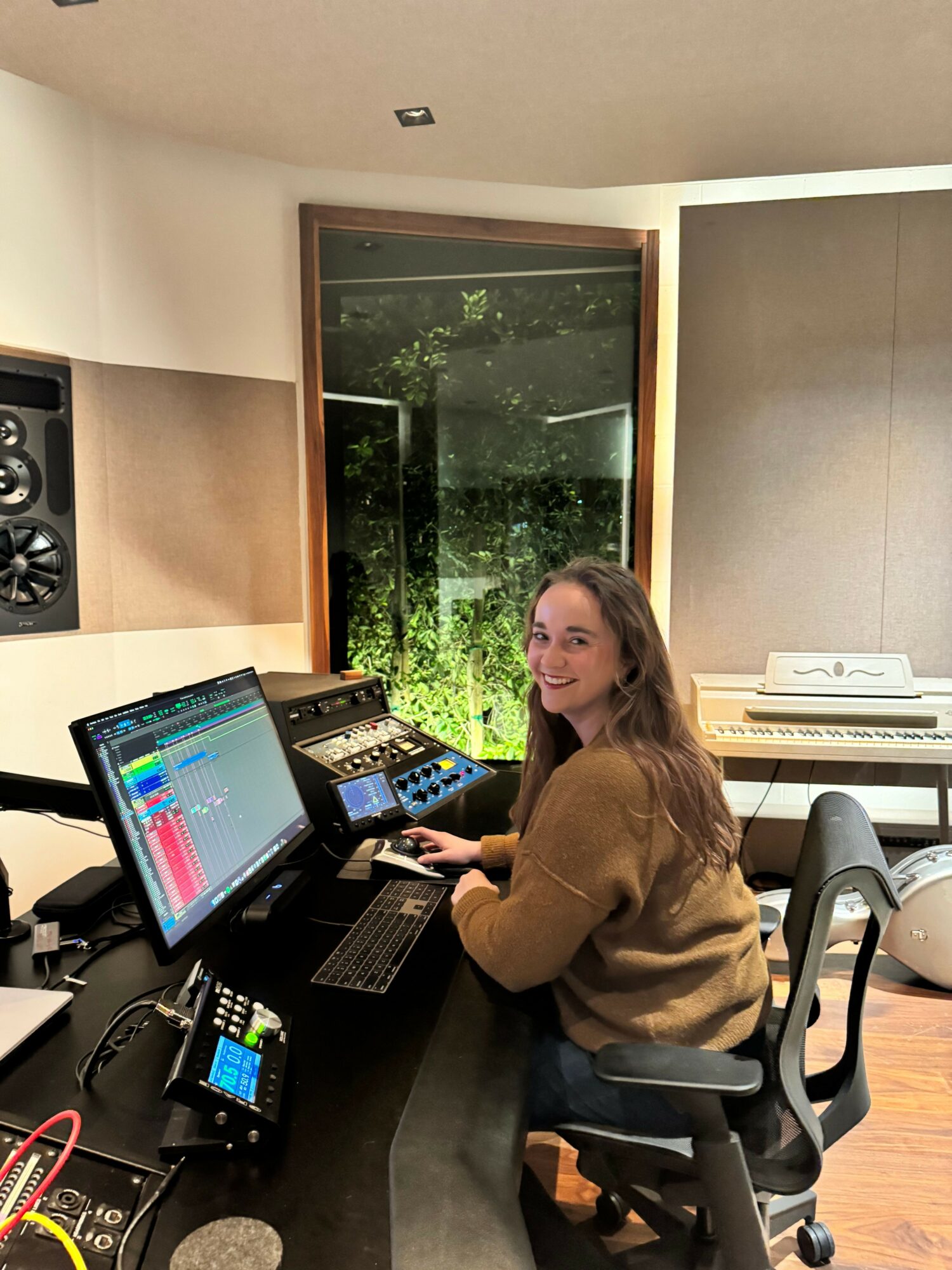
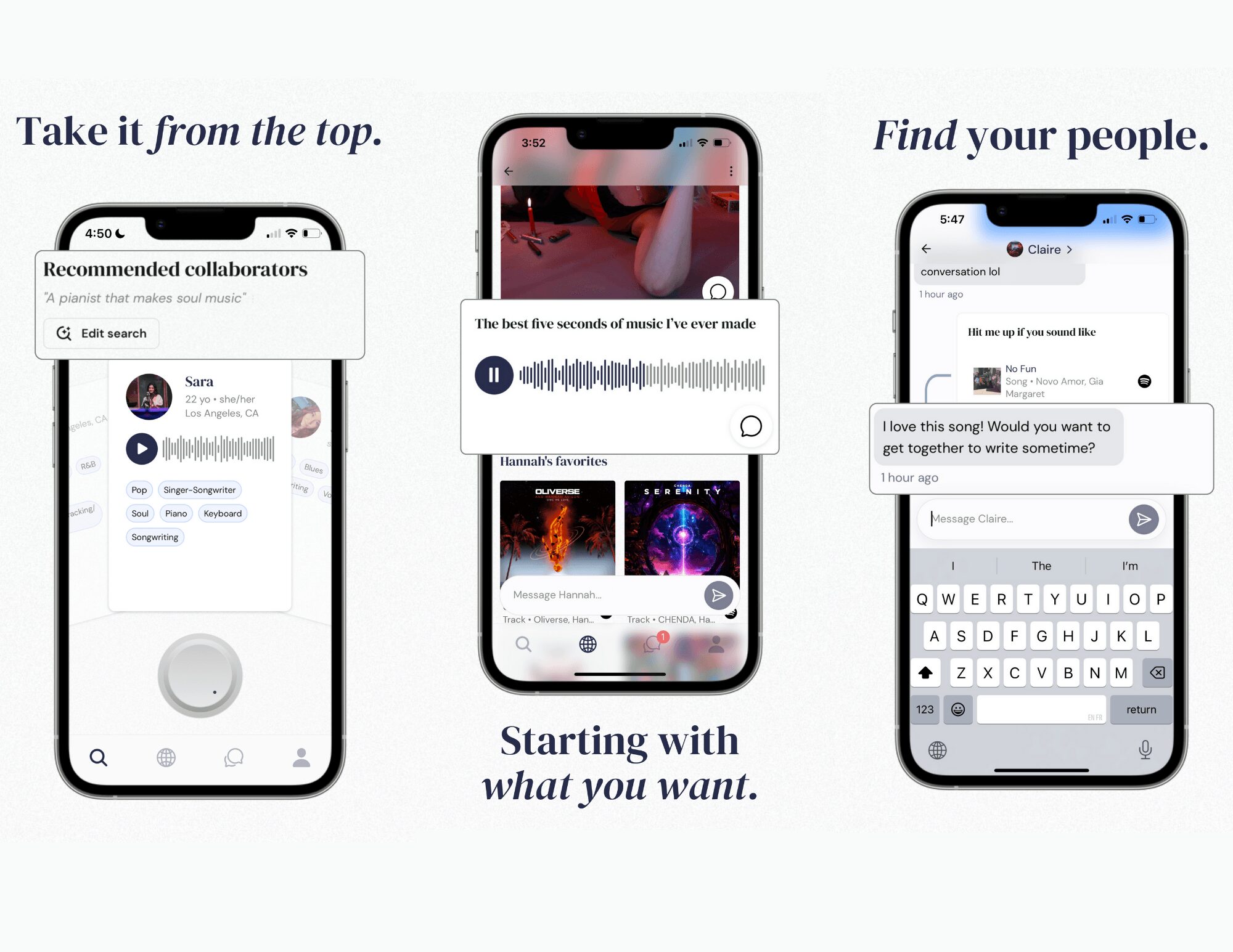
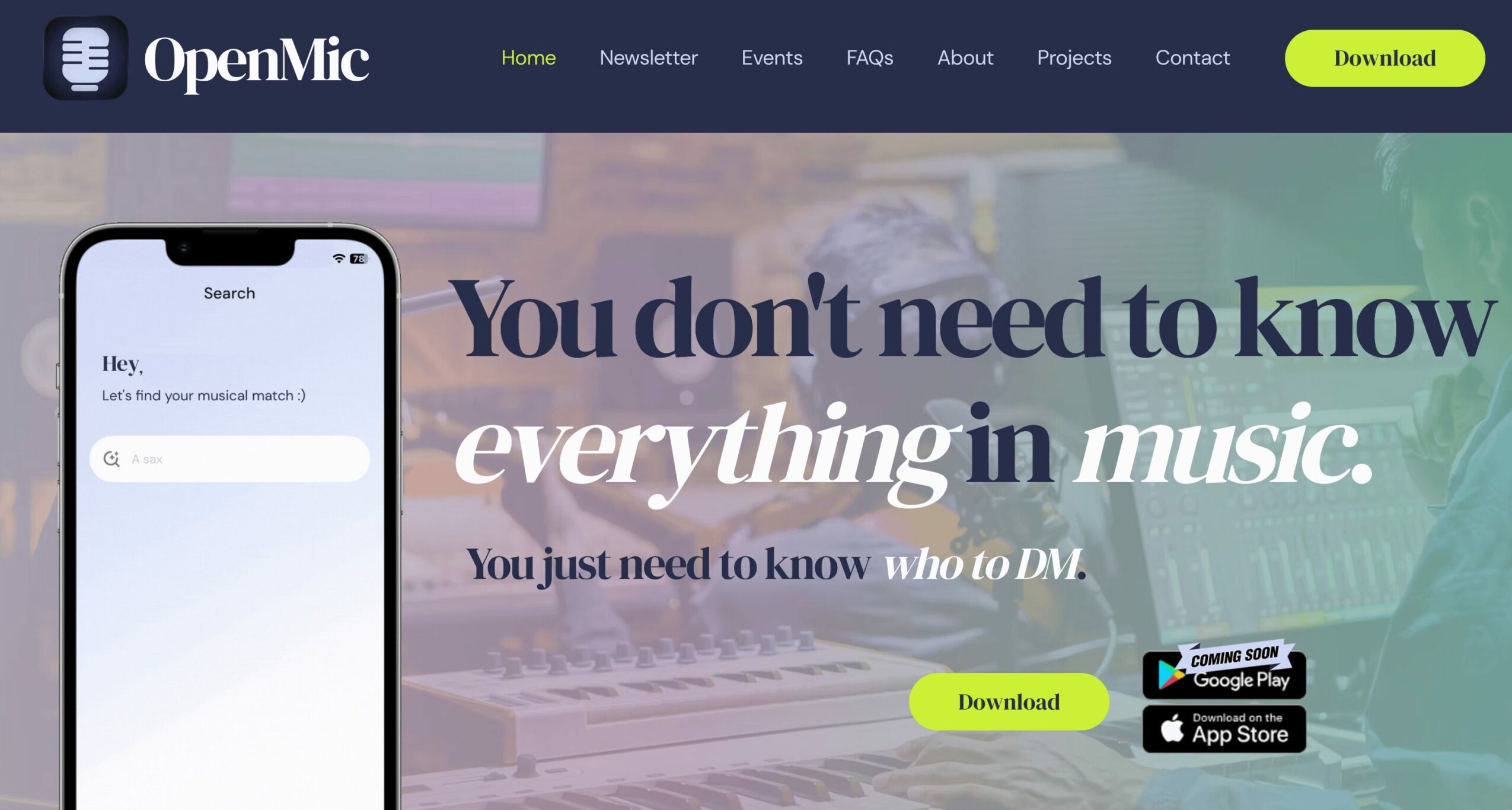
Image Credits
@welcometotimeout
@tanjaofficial
Popular
-

Portraits of the Valley
-

LA’s Most Inspiring Stories
-

Rick Norris Learned That Building a Successful Business Means Building a Life You Actually Want to Live
-

How Olivia Rush Turned Survival Into a Mission to Help Others Keep Going
-

How Bibi Goldstein Is Helping Entrepreneurs Reclaim Their Time by Embracing the Power of Delegation
-

Victoria Hasson is Redefining Voice Coaching Through Community and Collaboration


