




Today we’d like to introduce you to Yuxiao Zhang.
Hi Yuxiao, thanks for sharing your story with us. To start, maybe you can tell our readers some of your backstory.
Yuxiao Zhang is a passionate director and editor known for her sensitive visual storytelling, often exploring human relationships and social issues with quiet intensity. She began her artistic journey through painting and photography, which gradually led her to filmmaking—a medium where she captures raw emotion and layered narratives with subtlety and care.
Her narrative short Once We Were received multiple awards at U.S. film festivals, and Love Will Tear Us Apart, which she edited and designed sound for, earned international recognition for editing. In documentary, she has worked with CCTV-12’s Society and Law Channel in China, assisting both in the field and in post-production. Her latest documentary All of Us Girls was recently nominated for Best Documentary Short in Saint Louis International Film Festival, further affirming her voice as a nonfiction storyteller.
Currently pursuing her MFA at the USC School of Cinematic Arts, Yuxiao continues to develop a body of work shaped by her cultural background, emotional insight, and a deep commitment to honest storytelling.
Alright, so let’s dig a little deeper into the story – has it been an easy path overall and if not, what were the challenges you’ve had to overcome?
Definitely not a smooth road—but it’s been a meaningful one.
I did my undergraduate studies at the School of Visual Arts in New York. During that time, I constantly questioned what role I truly wanted to take in filmmaking. I explored different positions—directing, writing, even cinematography—but I often felt unsettled, like I hadn’t quite found where I belonged. It wasn’t until later that I shifted my focus from directing to editing, realizing that what I cared most about was the essence of filmmaking: storytelling.
When I came to USC for graduate school, I gradually grew into my identity as an editor. Over the years, I’ve had the opportunity to work on a variety of projects—from narrative shorts to documentary and virtual production—and those experiences gave me both clarity and confidence. Professors and collaborators began to trust me not just as a technician, but as a creative partner. That meant a lot, especially coming from a place where I once felt unsure of my voice.
But even within editing, it hasn’t always been easy. I’m still in the process of discovering my own editing style. Unlike directors who often come with a bold, defined vision, I’ve learned to remain open-minded—to see the beauty in many different styles. That openness has helped me adapt to the voices of different directors, but it also means I often need to spend more time gathering emotional material, sitting with the footage, and finding the rhythm that serves the story best.
And of course, being an international student adds another layer of pressure—cultural adjustment, visa stress, financial pressure, homesickness. But all of these experiences have pushed me to be more grounded, more intentional, and more patient with myself and the process.
As you know, we’re big fans of you and your work. For our readers who might not be as familiar what can you tell them about what you do?
I’m an editor based in Los Angeles. I specialize in emotionally driven storytelling—both in narrative and documentary forms—that often explore human vulnerability, memory, and the relationships we quietly carry.
I first fell in love with filmmaking after watching Eternal Sunshine of the Spotless Mind. That film opened up something in me—it felt like the perfect balance of tenderness and fragmentation, and it captured exactly the kind of emotional atmosphere I’ve always wanted to create in my own work.
While I’ve explored various roles in film, editing became the space where I found clarity. It lets me shape emotion from the inside, to listen closely to what the footage is trying to say. Over time, I’ve become someone collaborators trust to not just assemble a story, but to feel it.
One project I’m especially proud of is All of Us Girls, a documentary that was recently nominated for Best Documentary Short. It’s an incredibly tender piece that touches on the deepest fears and softest corners of being human—especially being a woman. The director is a close friend, and through this project, we shared late-night conversations about our own moments of powerlessness, of grief and care. That mutual vulnerability shaped how I approached the edit. We didn’t just build the film—we built a deeper understanding of ourselves through it.
What sets me apart, I think, is that I don’t approach editing with a fixed “signature.” I see myself more as a sensitive listener—to the footage, to the director, and to the energy beneath the surface. I try to stay open and intuitive, especially when working with directors of vastly different styles. My background in visual arts helps me feel the emotional weight of a frame, but my goal is always to serve the story first. I’m not chasing perfection—I’m chasing something honest.
Networking and finding a mentor can have such a positive impact on one’s life and career. Any advice?
My advice would be: focus on building real relationships, not just contacts. Stay curious about the people around you, especially your peers. Some of the best creative partnerships in my life came from classmates or collaborators who understood me before I even fully understood myself. And don’t be afraid to ask thoughtful questions—not just about work, but about how people think, feel, and see the world. That’s where real mentorship begins.
Contact Info:
- Instagram: https://www.instagram.com/octopus0103/
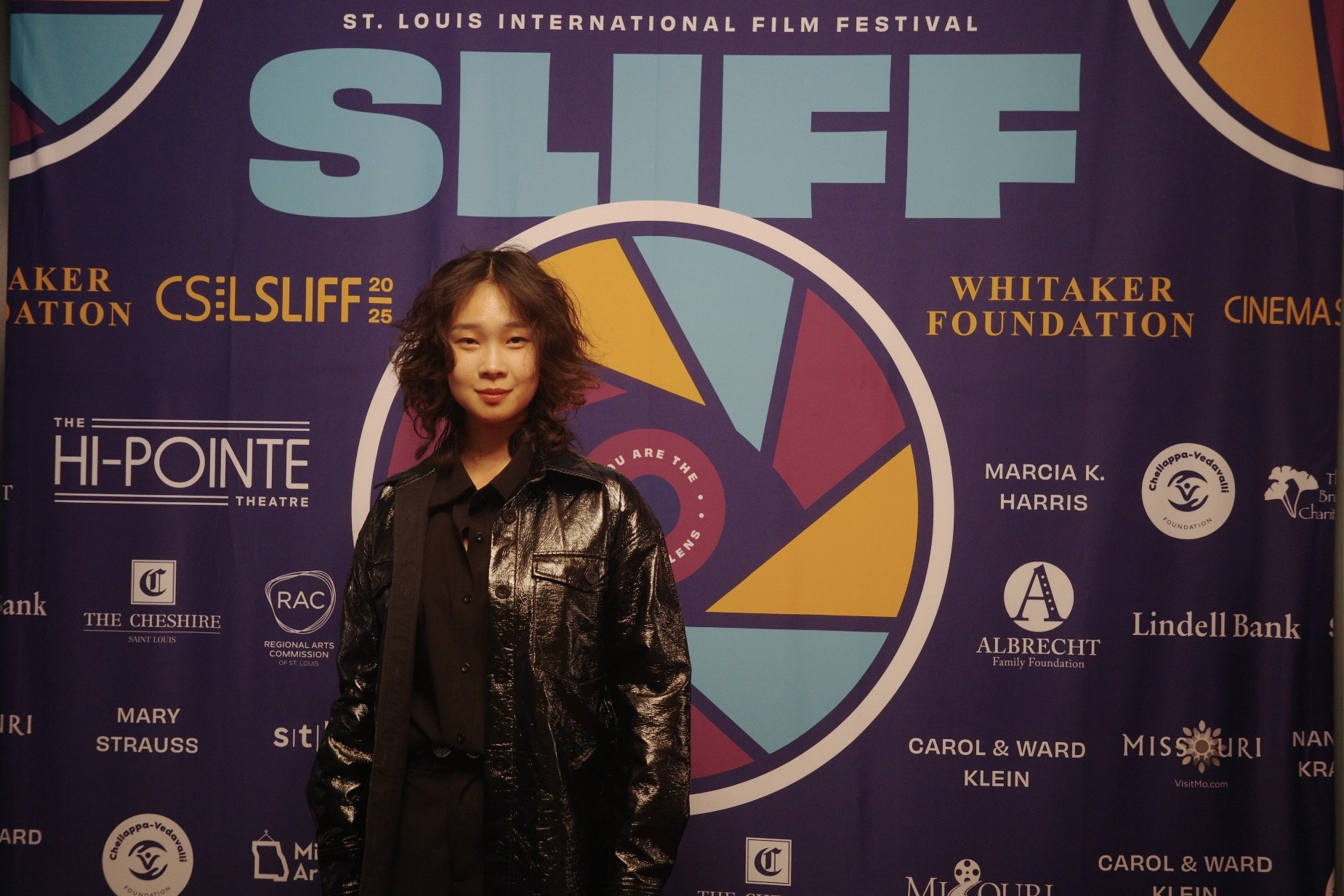
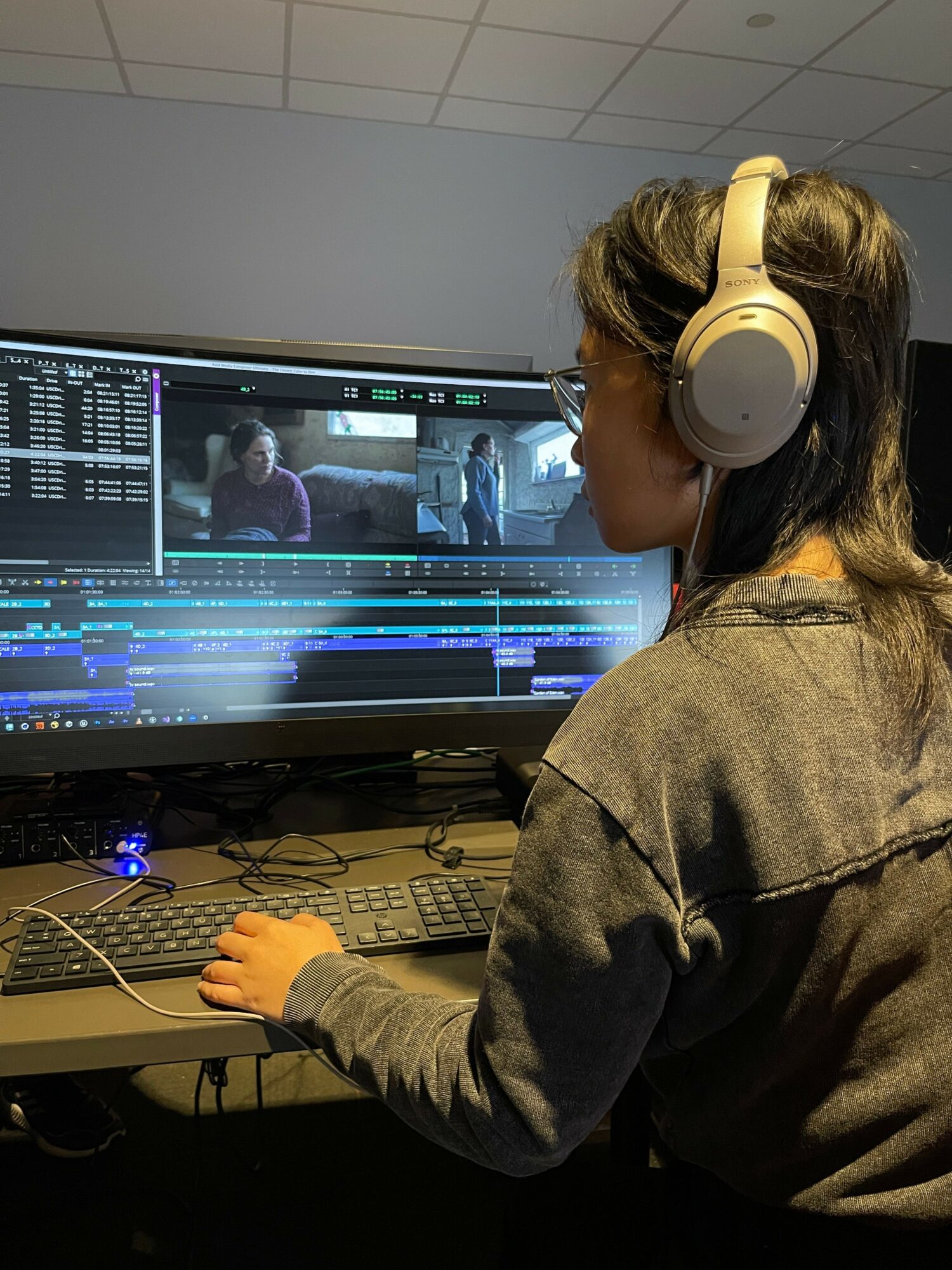
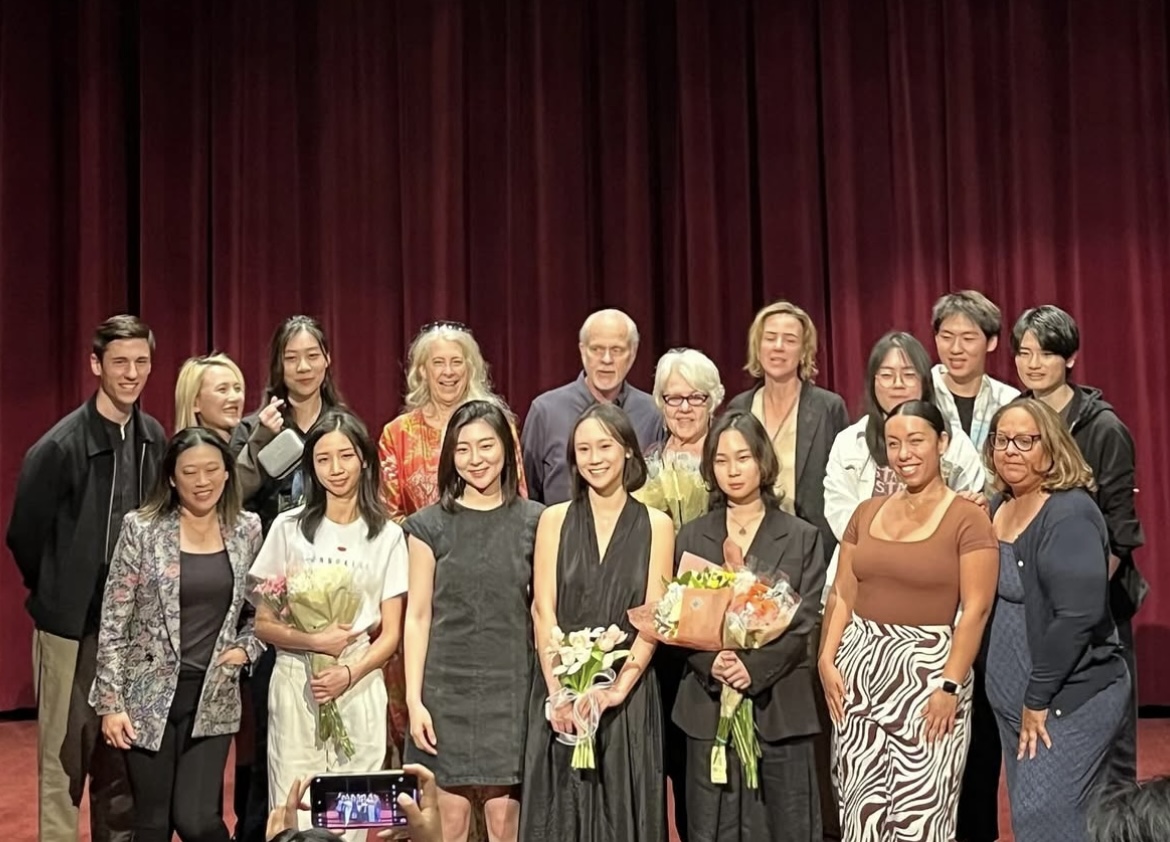
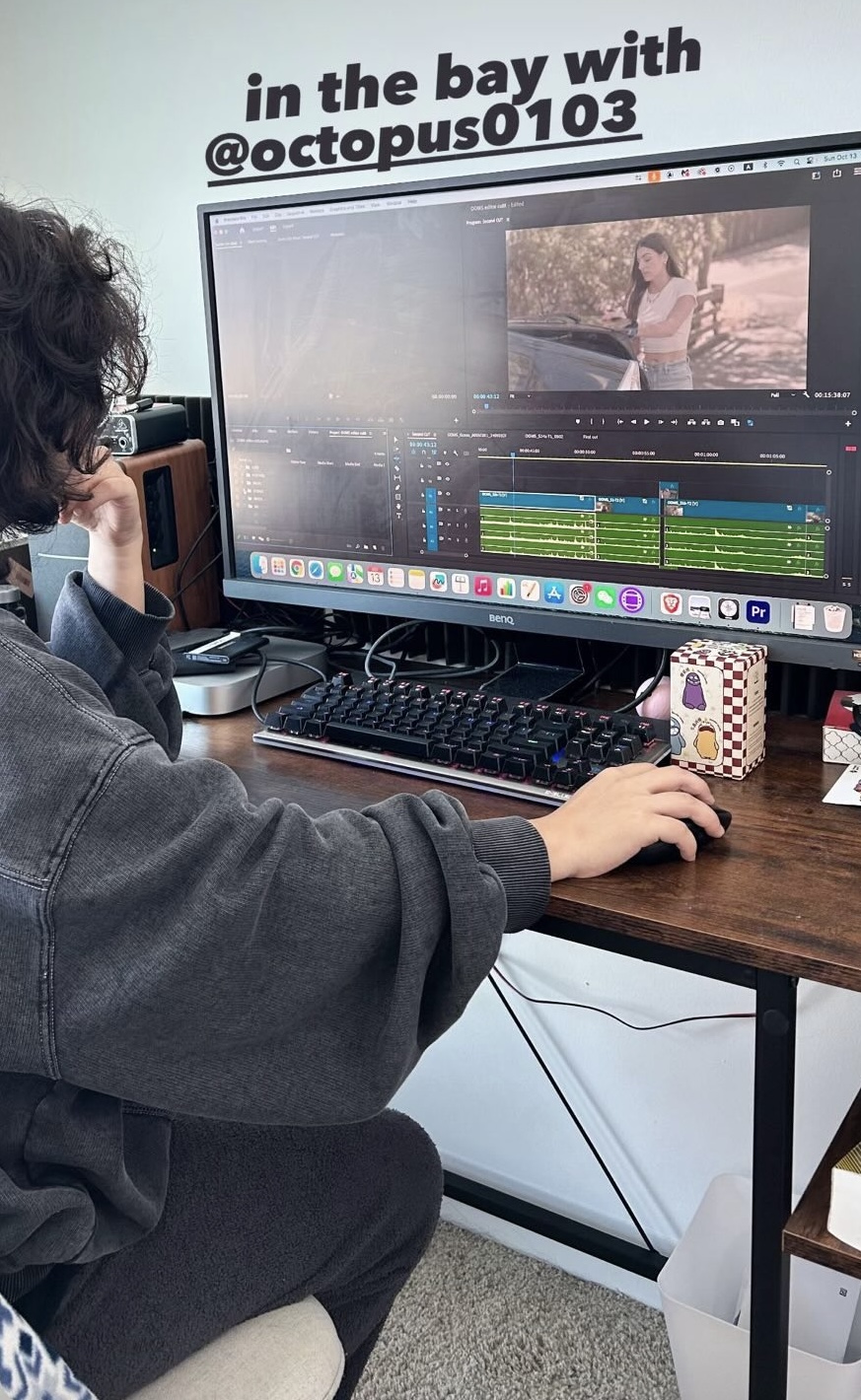
Image Credits
Group photo: Coleman Weimer, Yongqing Zhong, Alison Wu, Lisa Leeman, Richard Burton, Kate Amend, Lisa Hepner, Jiantia Tan, Shufan Zhang, Yida Liu, Wendy Lee, Miley Luo, Siqi Cao, Yifeng Wang, Zoe Munoz, Veronica Polanco
Popular
-
What is the story you hope people tell about you when you’re gone?
-
Who were you before the world told you who you had to be?
-

Was there ever a time you almost gave up?
-
What is something outside of work that is bringing you joy lately?
-
Who saw you clearly before you could see yourself?
-
What are the biggest lies your industry tells itself?


