



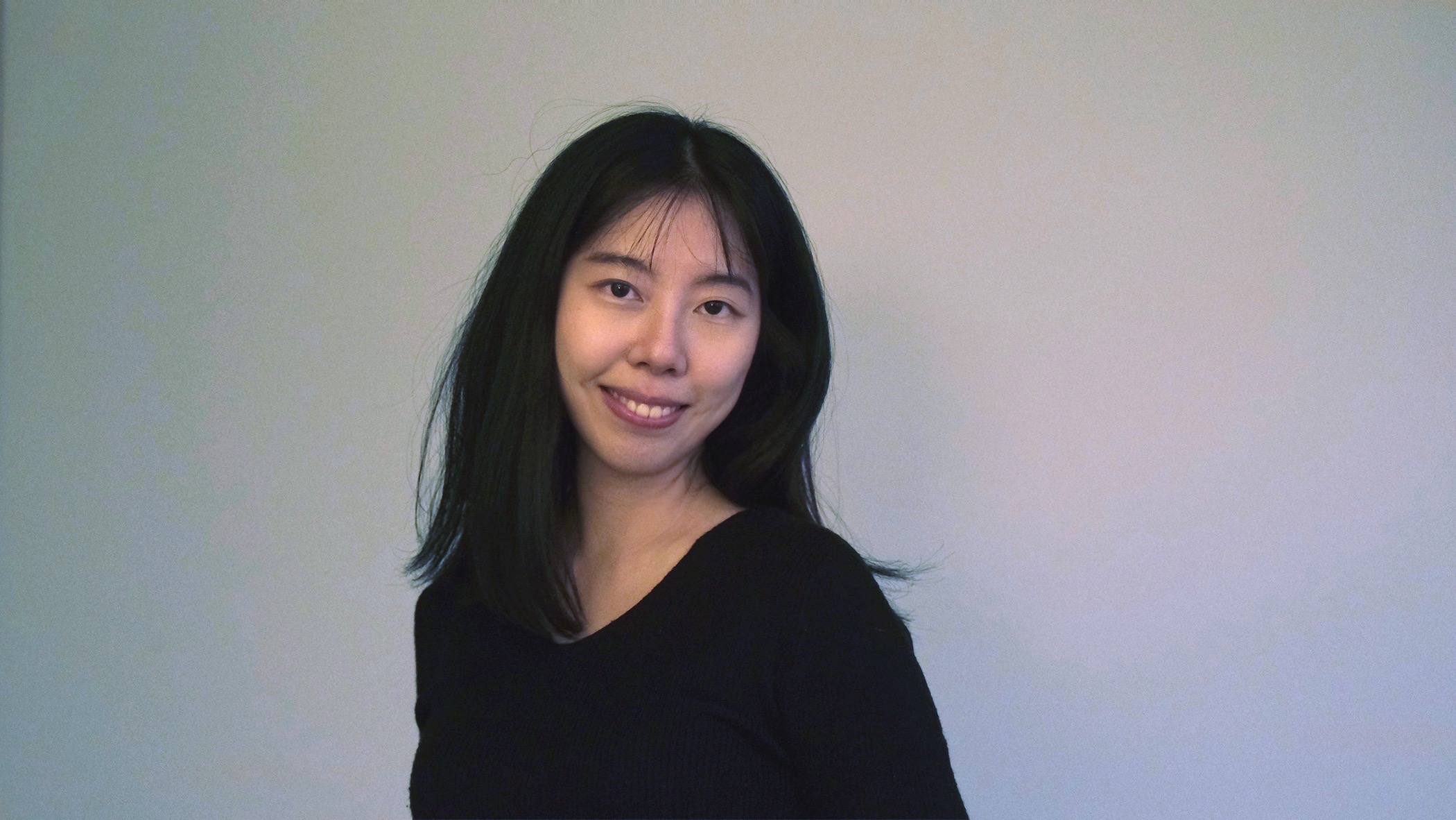
Today we’d like to introduce you to Tzulun Huang
Tzulun, we appreciate you taking the time to share your story with us today. Where does your story begin?
My name is Tzulun Huang, and I’m a motion designer and creative technical artist based in Los Angeles and Taiwan. My journey into this field has been anything but linear, beginning with a background in information systems at National Chiao Tung University (NCTU) in Taiwan. I initially envisioned a future as a software engineer. However, my path took a turn as I discovered a deeper passion for designing visual narratives that evoke emotions and leave lasting impressions.
This shift was driven by my curiosity and a desire to explore diverse disciplines. One of my most transformative experiences was participating in the Solar Decathlon Europe with team TDIS during my extracurricular time. It was an international student competition focusing on sustainable and regenerative habitation. I gained hands-on experience in architectural design, urban analysis, and sustainable system planning. We built a net-zero, mid-way housing prototype in Wuppertal, Germany, aimed at solving urban regeneration and energy allocation challenges in Taipei. Winning first place in architectural design was a milestone, and it opened doors to opportunities where I could lead and contribute to high-impact projects.
Throughout the project, my interest in architecture grew, leading me to enroll in a multidisciplinary program alongside my major. This program introduced me to architectural design and new media art. During that time, I encountered many incredible mentors who have played pivotal roles in shaping my journey. I am still deeply grateful to Janet Lin and Jun-Hao Ho, who were both my professors and instructors at NCTU. Their guidance helped me gain tremendous insight into design, contemporary ideologies, and artistic expressions. Through their mentorship, I developed several interactive art projects that reflected on my personal experiences and cultural heritage. This intersection of technology, design, and new media art broadened my exposure to various materials and methods, prompting me to rethink my future path.
During that time, one book that greatly influenced me and introduced me to the world of spatial design was Italo Calvino’s The Invisible Cities. The description of each city was quite objective and left space for different interpretations. It was actually describing the same city throughout the book, and I was immediately drawn to the idea that the way it described places was akin to how people understand and experience space. The same element can evoke different interpretations for different people, as our experiences are shaped by how we perceive things through the lens of memories, and memories are deeply rooted in each viewer’s unique historical, cultural, and educational background.
Inspired by Calvino’s work, I embarked on a project imagining a city based on one of his fictional locales. As I explored form and medium, I realized that what works in designing worlds goes beyond aesthetics. Designing a world vivid enough to make belief is like system design—crafting time, space, inhabitants, societal structures, and narratives that resonate with authenticity and depth. Breaking down the logic behind design and visual narratives became something I’m drawn to and curious about, and I couldn’t get tired of analyzing the “behind the scenes” and trying to break down the intentions of designers and artists.
This curiosity led me to SCI-Arc in Los Angeles, a hub for pushing architectural boundaries through innovation and multidisciplinary approaches. In the Fiction and Entertainment postgraduate program, I further explored narratives through space and motion. Immersing myself in CG art, interactive technology, and world-building clarified my passion for storytelling through dynamic motion and cinematic visual design. I was captivated by title sequence art, as it distills the essence of a longer narrative into a concise, impactful introduction. Through carefully crafted visuals and design choices, it sets the tone, conveys the overarching theme, and engages the audience, all within a brief yet powerful sequence. I blended the spirit of title sequence art with a re-imagined world from my cultural heritage, developing a short film Putu, which addresses a celebration of a spiritual festival from a non-human perspective. This project encapsulates my dedication to merging cultural narratives with innovative motion design, aiming to leave a lasting impression by transforming traditional stories into visually striking and emotionally engaging experiences.
My training in programming and systematic thinking has been pivotal in bridging interactive technology with digital art. I thrive on building workflows and tools that enhance the creative process in game engines. Today, I focus on motion design for main title sequences and commercials, driven by the same curiosity and passion that have guided my journey from information systems to the dynamic world of motion design.
We all face challenges, but looking back would you describe it as a relatively smooth road?
The road hasn’t exactly been smooth, but looking back, every challenge and decision has been a chance to grow and learn. You begin to understand how one thing leads to the next, gaining a deeper perspective on the bigger picture. Initially, my journey began in information management, where I thought I would carve out a path in software engineering. But over time, I realized that my true calling lay in design—specifically in creating visual narratives that can evoke deep emotions and engage audiences in a meaningful way. This shift wasn’t instantaneous; it came from a growing curiosity to explore new fields and push the boundaries of what I thought was possible.
Along the way, I was fortunate to encounter mentors and friends who played pivotal roles in shaping my path. They guided and pushed me into the realms of design and new media art, and provided important feedback along the way. I am deeply grateful to these mentors, as they opened my way to a more holistic approach to storytelling and creativity.
Working with digital media is constantly challenging as there will be updates and new techniques that keep progressing. Staying current requires constant learning and the ability to quickly adapt to emerging tools and concepts. One mindset I found very helpful is focusing on mastering the fundamentals. Once you understand the core principles, you can break down complex tasks into smaller and more manageable pieces. This approach makes it easier to tackle challenges step by step. When I get stuck, I often step away for a walk, giving myself time to reset and a chance to go on little adventures. The change of scenery allows my mind to wander, and often, ideas naturally surface as I explore my surroundings. Returning with a fresh perspective helps me navigate through difficult situations and sparks creative solutions that I might not have seen before.
Balancing the technical aspects with the creative has been its own challenge as well. Switching between coding, design, and storytelling keeps things interesting, but I’ve found that staying engaged in activities like sketching or experimenting with new mediums helps me stay inspired. These outlets not only recharge me but also bring fresh ideas into my work.
Reflecting on my journey, it took a while to see how everything connects and how each step builds upon the previous one. Every experience and decision has contributed to where I am right now, and I am grateful to all the people and experiences I’ve encountered.
Thanks – so what else should our readers know about your work and what you’re currently focused on?
As a motion designer and creative technical artist, I specialize in creating immersive, emotionally resonant visual narratives through the intersection of design, technology, and storytelling. My diverse background, spanning information systems, architecture, and new media art, allows me to tackle projects from both a creative and technical perspective, and integrate artistic vision with system design.This allows me to bridge the gap between artistry and system design, and I thrive on exploring new technologies to create innovative solutions that push boundaries in motion graphics, immersive experiences, and title sequences.
I am particularly interested in the Anthropocene and the ecological impact of human activity on the landscapes we inhabit. Space, identity, memory, and motion are how I approach storytelling by exploring how ecological issues shape our understanding and connection to our surroundings. I am particularly intrigued by how ecological issues shape the way we understand and experience our surroundings. Drawing inspiration from a wide range of disciplines, including architecture, new media art, and environmental concerns, I seek to create narratives that reflect the complex relationship between humanity and the world it shapes. Projects like Putu, which blends cultural narratives from Taiwan with motion design, reflect my dedication to using visual storytelling to explore universal themes of salvation, compassion, and transcendence.
In addition to my creative work, my training in programming and system design equips me with the skills to build customized workflows, interactive tools, and dynamic experiences, particularly in game engines and CG art. I like to explore new possibilities with narratives, and seek ways to deliver impactful, meaningful experiences.
All together, each chapter of my journey has shaped who I am today, from the mentors and peers I’ve worked with, to the projects I’ve contributed to. Every experience has left its mark, and each project I’ve been part of feels like a reflection of that. I’ve had the chance of learning from great thinkers and creatives, and those lessons fuel my drive to create something uniquely my own. I’m constantly inspired by the intersection of creative exploration and technical innovation, and my passion lies in exploring new technologies to create fresh, immersive experiences that resonate deeply with audiences.
In terms of your work and the industry, what are some of the changes you are expecting to see over the next five to ten years?
In the next 5-10 years, I see the industry evolving towards a deeper integration of storytelling, design, and immersive technologies. With advancements in AI, machine learning, and real-time rendering, creators will have more tools to build interactive, dynamic, and personalized experiences, but constant adaptation to new workflows are crucial in this time. We are moving from traditional media consumption to fully immersive environments, where users don’t just observe, but actively participate in the stories being told. This could bring new forms of storytelling, as designers would constantly adapt to the change of need.
I also think there will be a stronger push for content that resonates emotionally and adapts to the viewer. Whether it’s through interactive narratives, audio-reactive visuals, or personalized experiences, people will want more meaningful connections with the media they consume. The role of designers would be more interdisciplinary than ever, as industries will need people who adapt to new technology to carry out creative solutions. Collaborative multidisciplinary teams have become more common, and virtual workflows have changed the traditional way of team collaboration. This is an exciting and challenging time for creators, and I see new opportunities emerging that will push the boundaries of what we can achieve in immersive storytelling.
Contact Info:
- Website: https://www.tzulun.com/
- Instagram: https://www.instagram.com/tsuln_seeds/
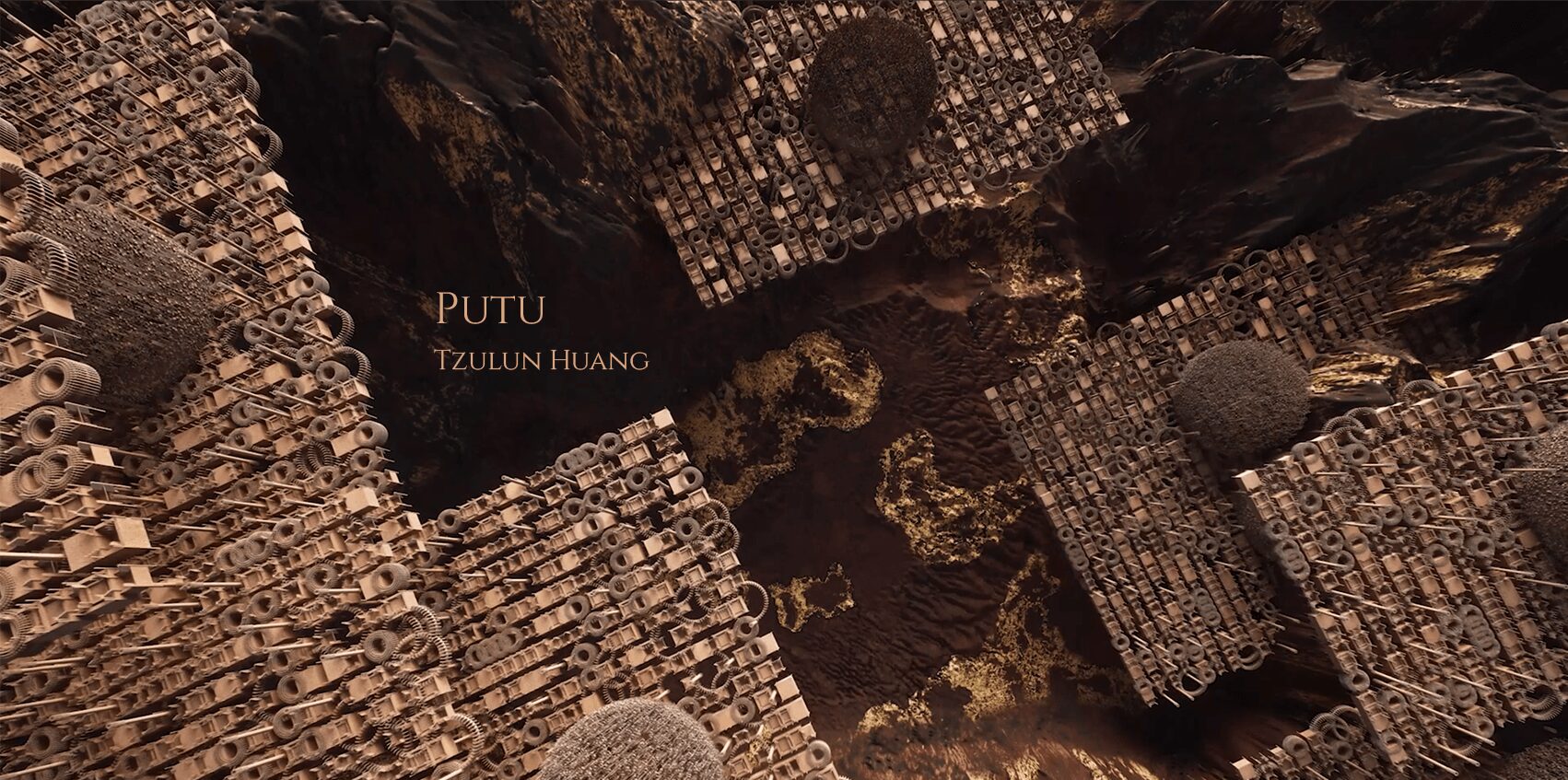
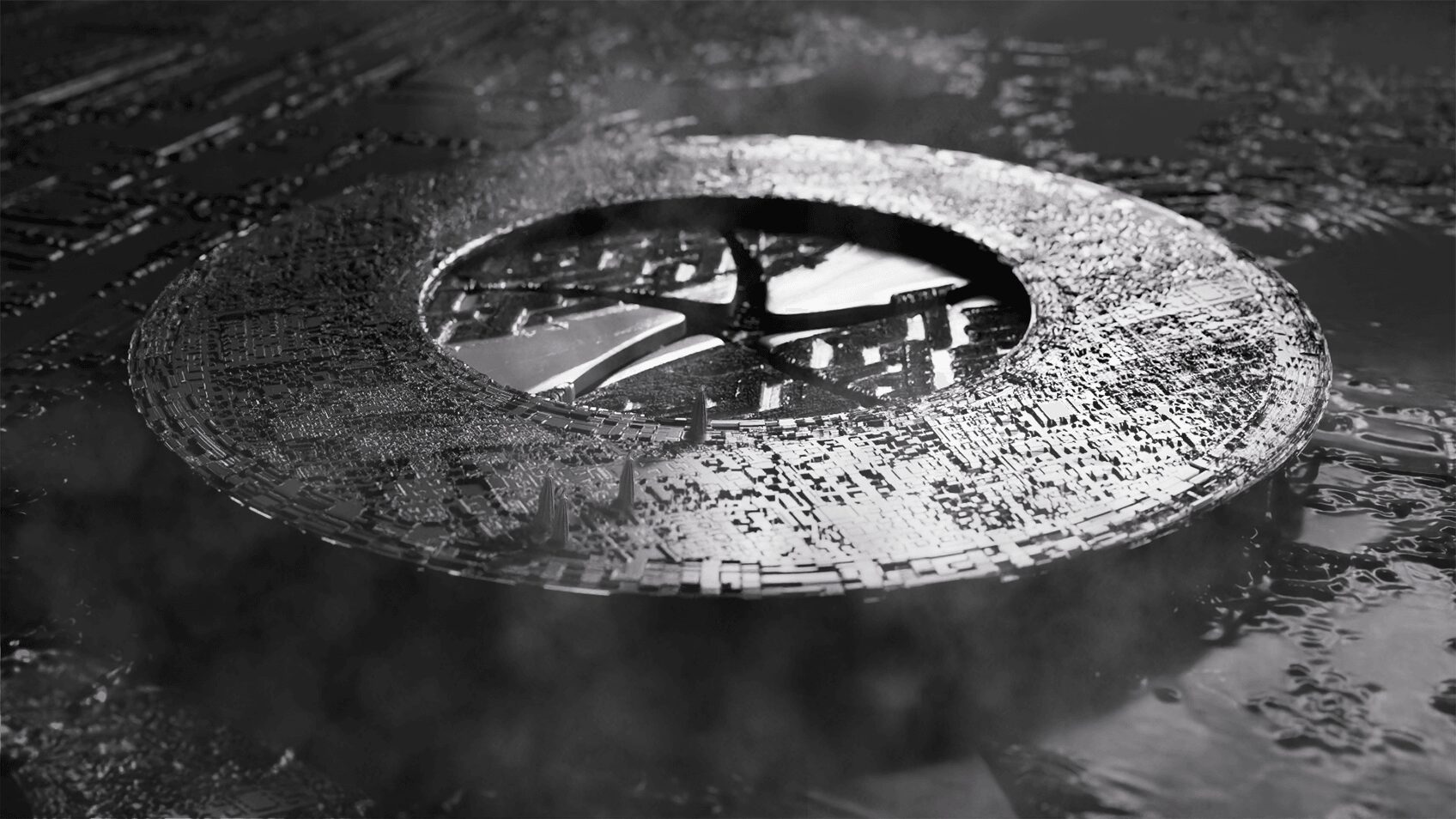
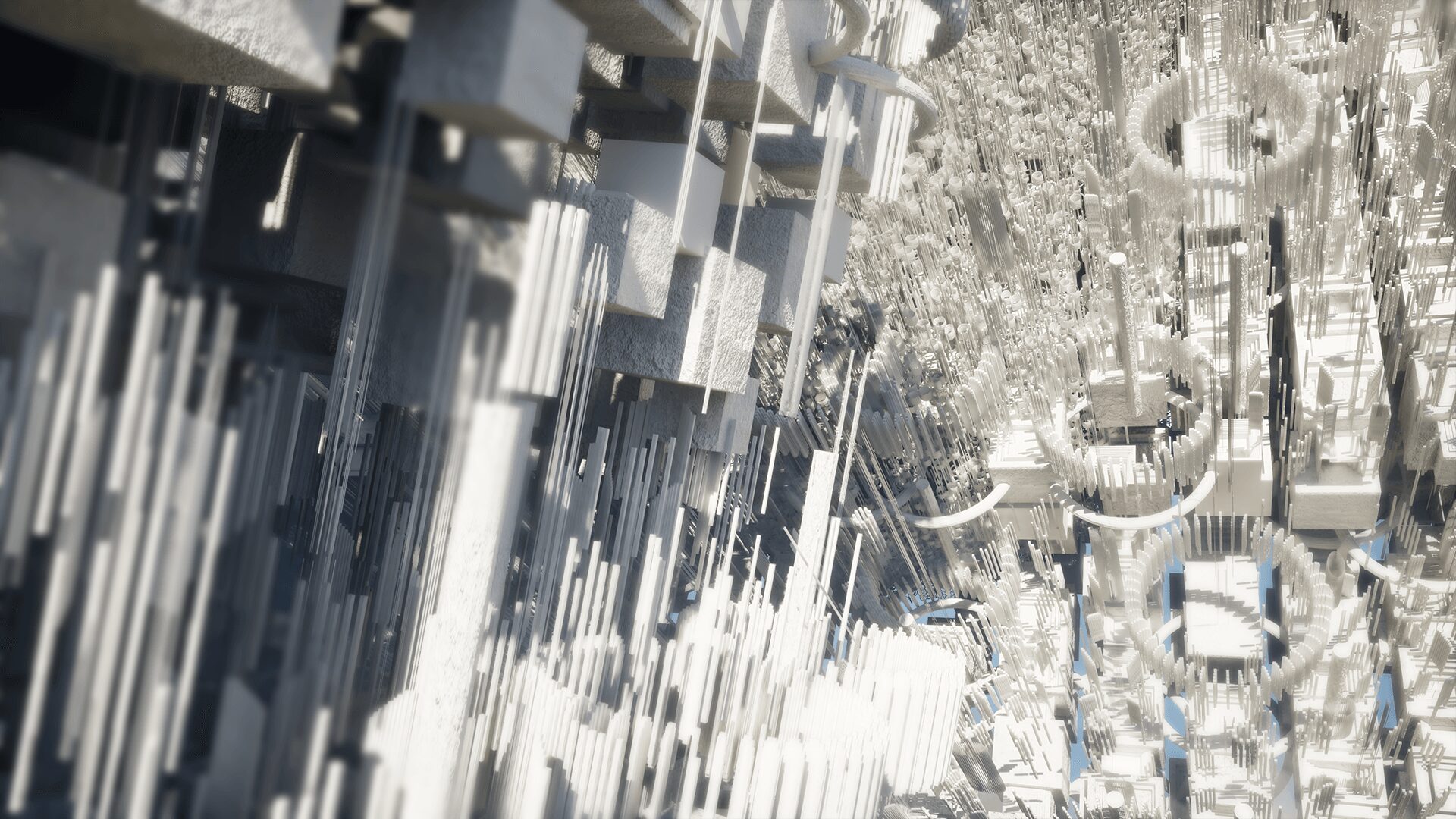
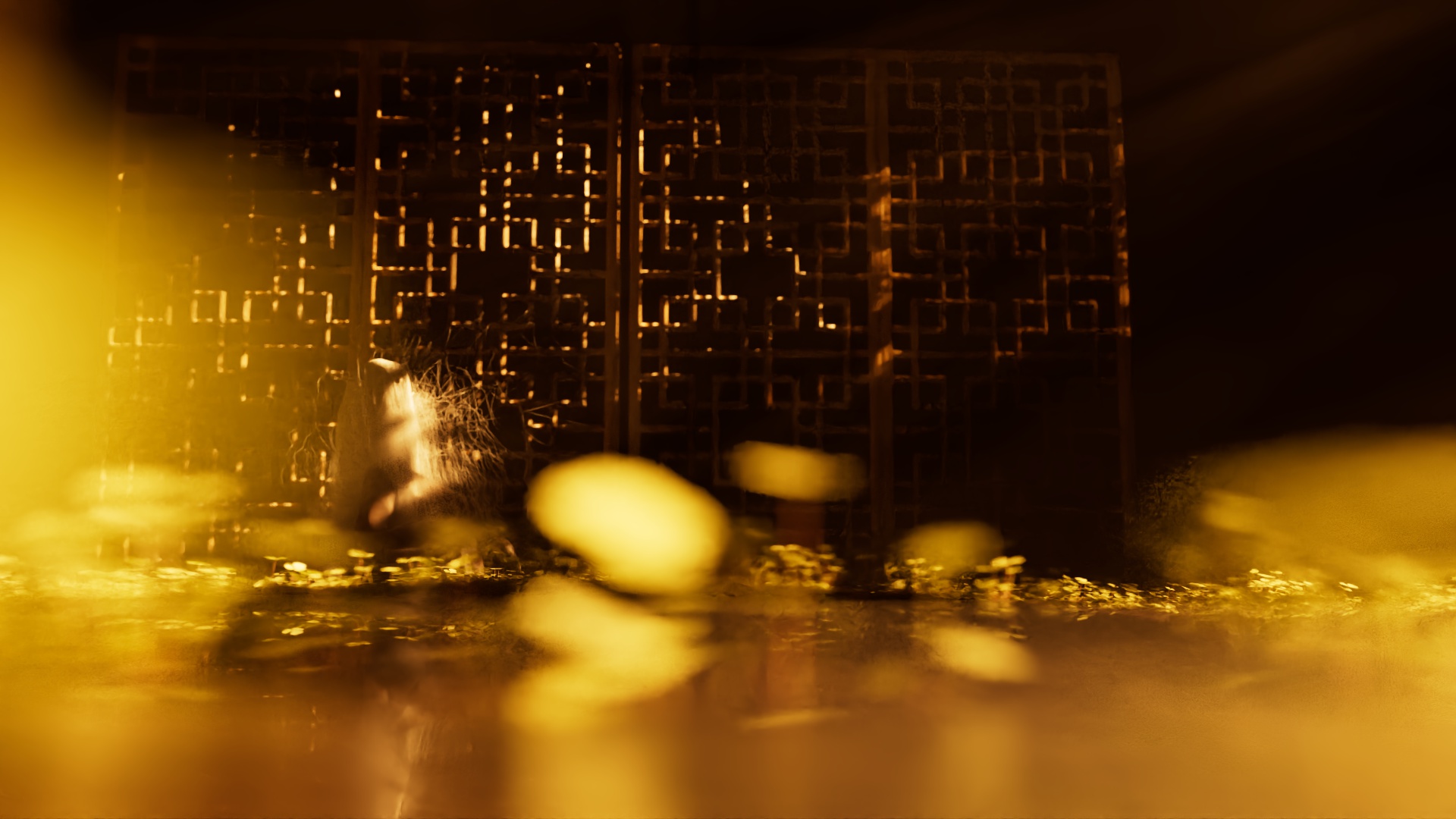
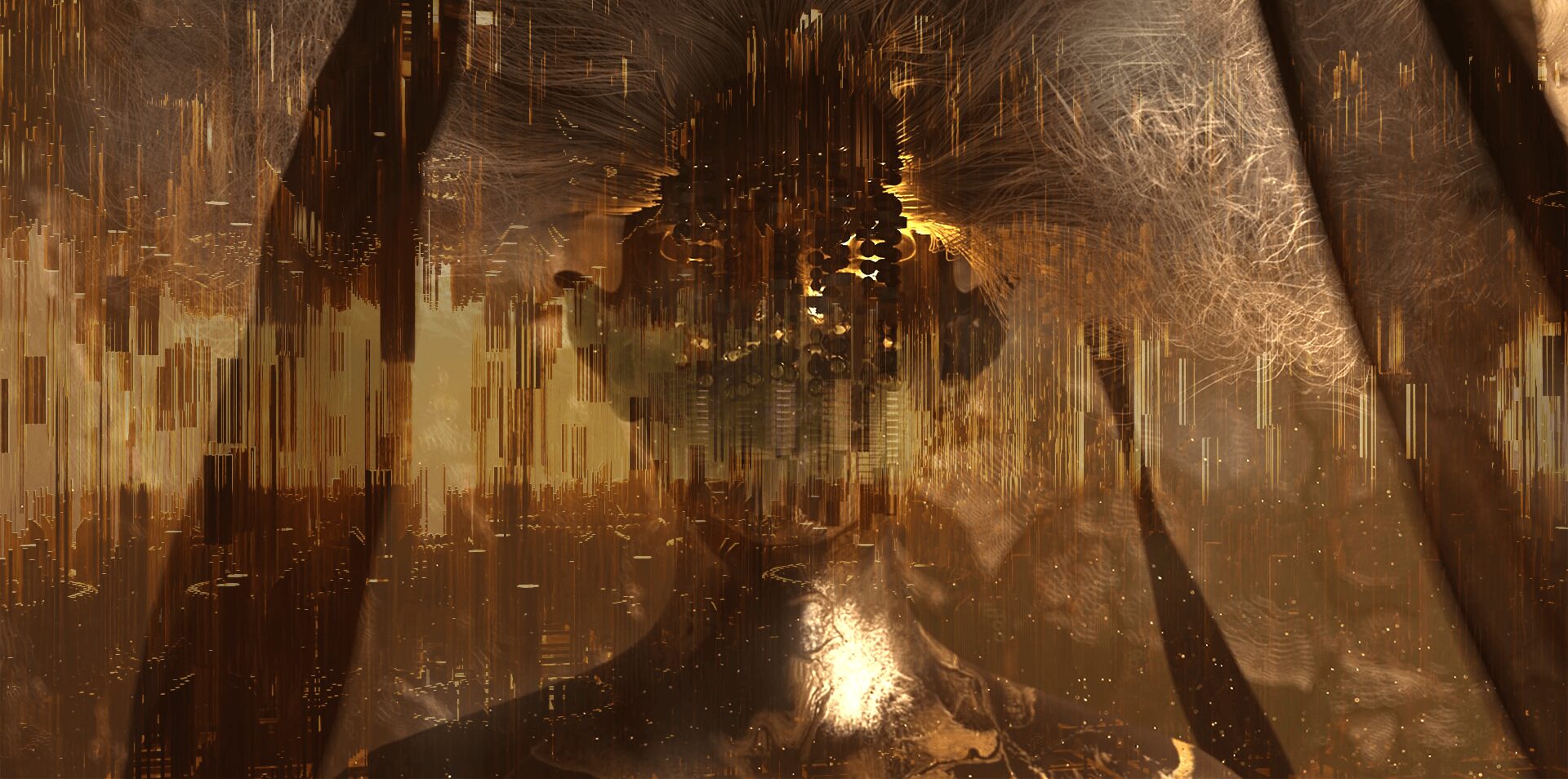
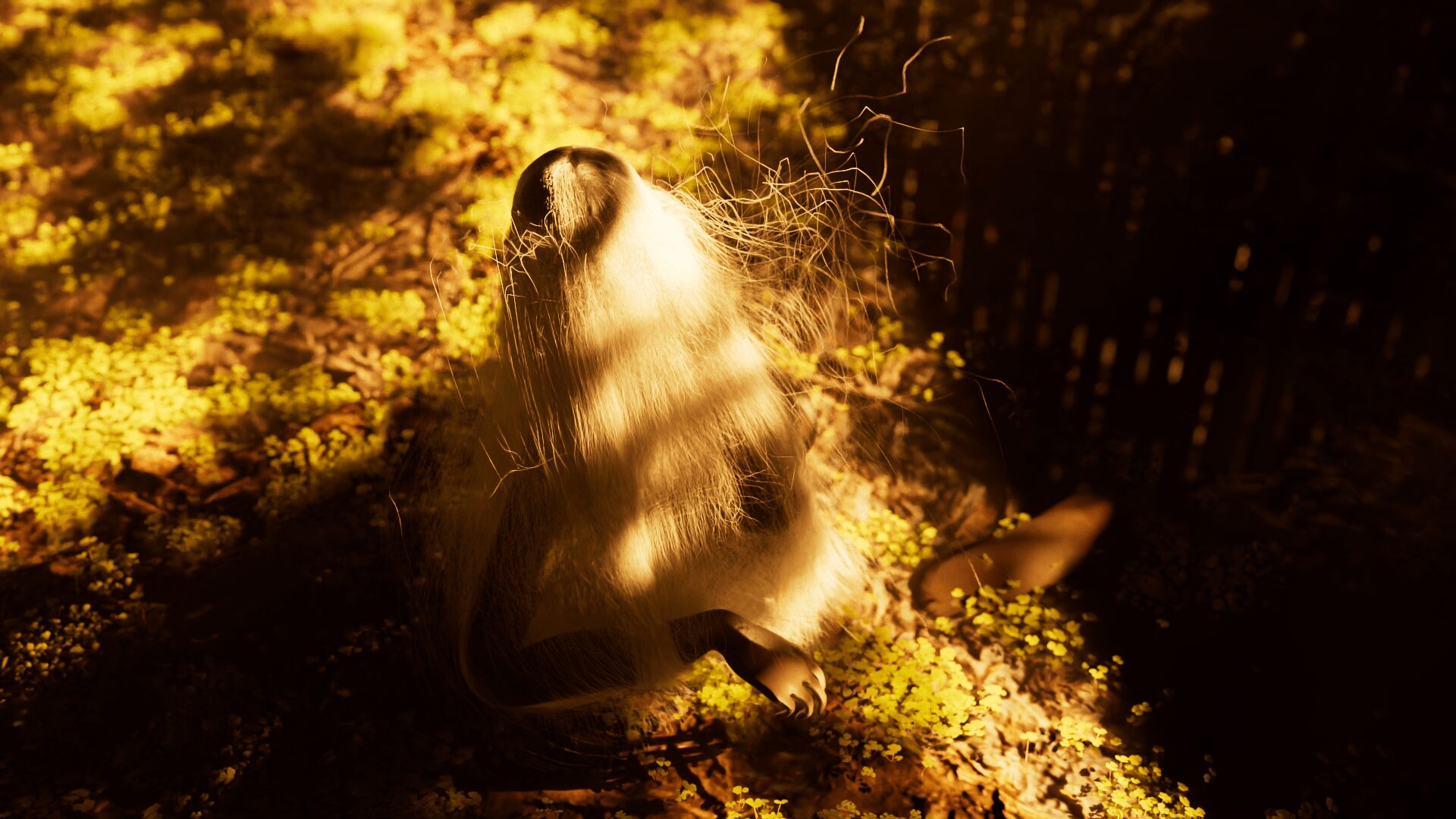
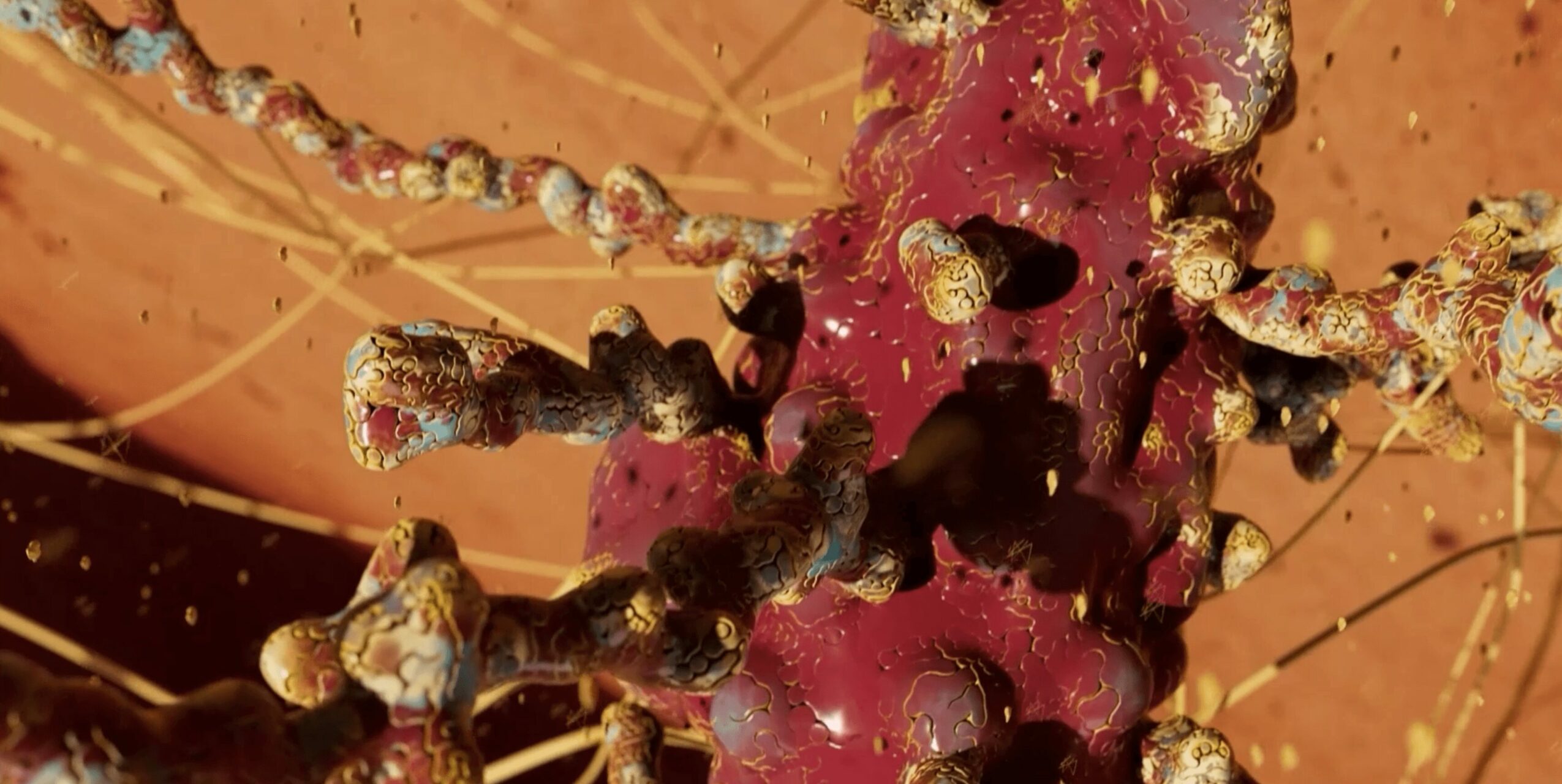

Image Credits
Tzulun Huang


