




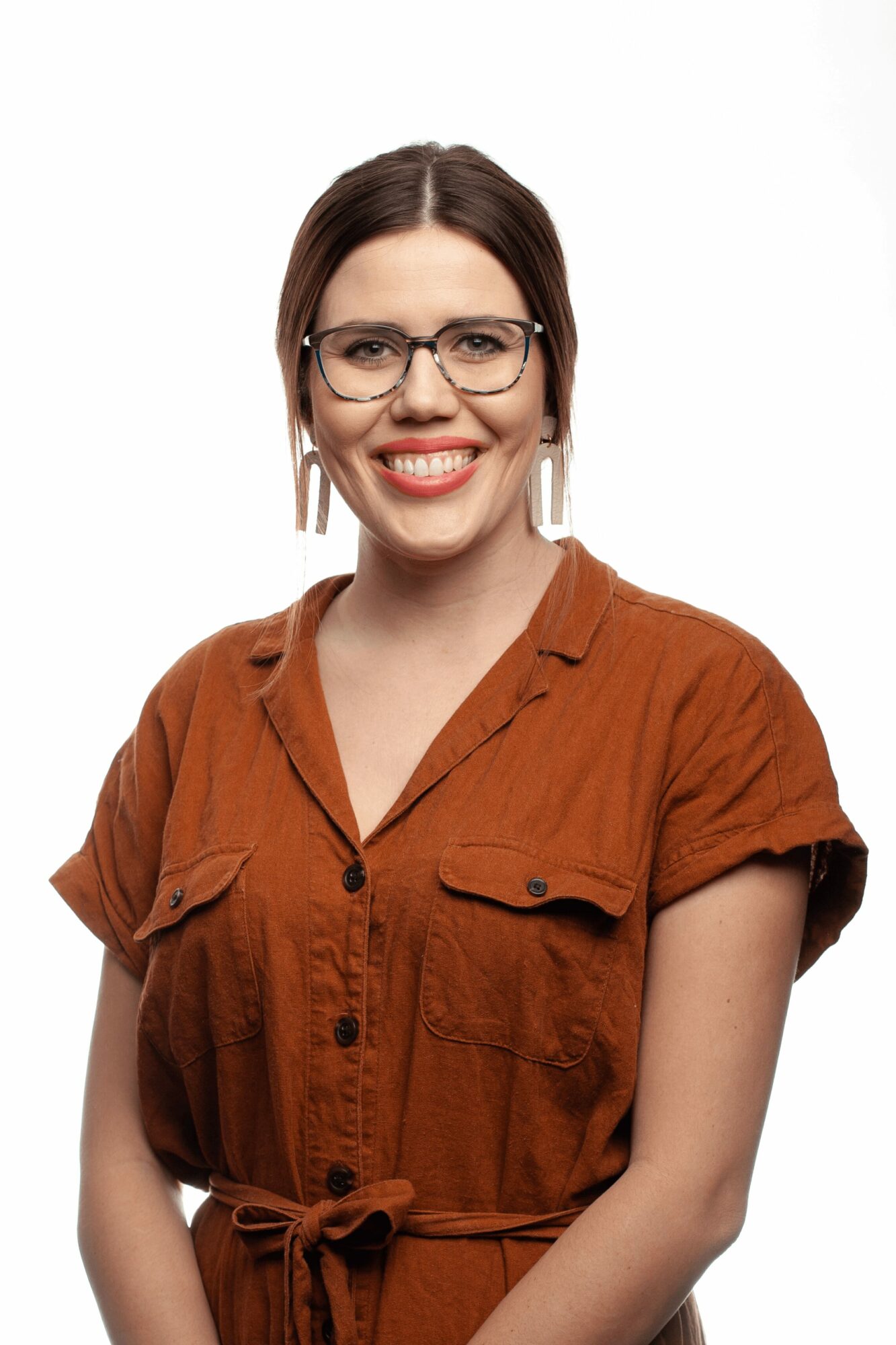
 Today we’d like to introduce you to Mady Snyder
Alright, so thank you so much for sharing your story and insight with our readers. To kick things off, can you tell us a bit about how you got started?
I grew up in a small town in California’s Central Valley, a place where mental health services were scarce. I noticed this gap early on because my family struggled to find the help we desperately needed. Having access to mental health resources would have made a world of difference for us. Instead, we faced some tough and traumatic experiences that left us feeling unprepared. These challenges, however, also taught me empathy and resilience. My life’s ups and downs have shaped who I am and help me connect with the people I work with.
Watching my family navigate mental illness and the mental health system sparked my interest in psychology My passion and vision have always been the same: to create a world where everyone is accepted, supported, and empowered. This passion led me to pursue a degree in Psychology and Spanish and eventually a career in psychology.
After college, I worked with Autistic kids and adolescents, providing one-on-one support both in a clinic and at home. This experience really reinforced my desire to help families navigate the mental health system and find wholeness and healing. It inspired me to go for a degree in Marriage and Family Therapy, focusing on supporting Autistic families and individuals.
One of the biggest challenges was that not many programs are well-equipped to teach new clinicians how to work with Autistic adults. So, I continued my education and research even after earning my MS in Marriage and Family Therapy. Now, I’m passionate about helping therapists feel better prepared to work with Autistic individuals from an affirming perspective.
It’s really about the people I work with. My life experiences—the challenges, the hardships, the successes—allow me to connect with them on a deeper level. Seeing the positive impact that support and acceptance can have on someone’s life keeps me motivated every day.
I’m sure it wasn’t obstacle-free, but would you say the journey has been fairly smooth so far?
The journey to where I am today has been anything but smooth. I have experienced success despite the struggles I’ve faced. Much of my ability to thrive has come from the privileges I have done nothing to earn. The resources my family did have growing up served as a protective factor for me. Still, I had to grow up at a young age, when my mother passed away at the age of 17. I was suddenly thrown into a world of adult challenges and responsibilities while I watched my friends live out the remnants of their childhood years. I coped by focusing on what was ahead of me, finishing high school, then college, then starting my career. I spent a lot of years thinking my value was in what I achieved or produced for others. I spent many years looking “successful” by societal standards, while also being in immense pain and anguish. I felt chronically misunderstood, and in trying to fit in I felt like an imposter. It’s been a long journey of accepting my identity and embracing my limitations. It’s only recently that I’ve started shedding the masks I’ve worn for years and living in ways that feel authentic to who I am.
Can you tell our readers more about what you do and what you think sets you apart from others?
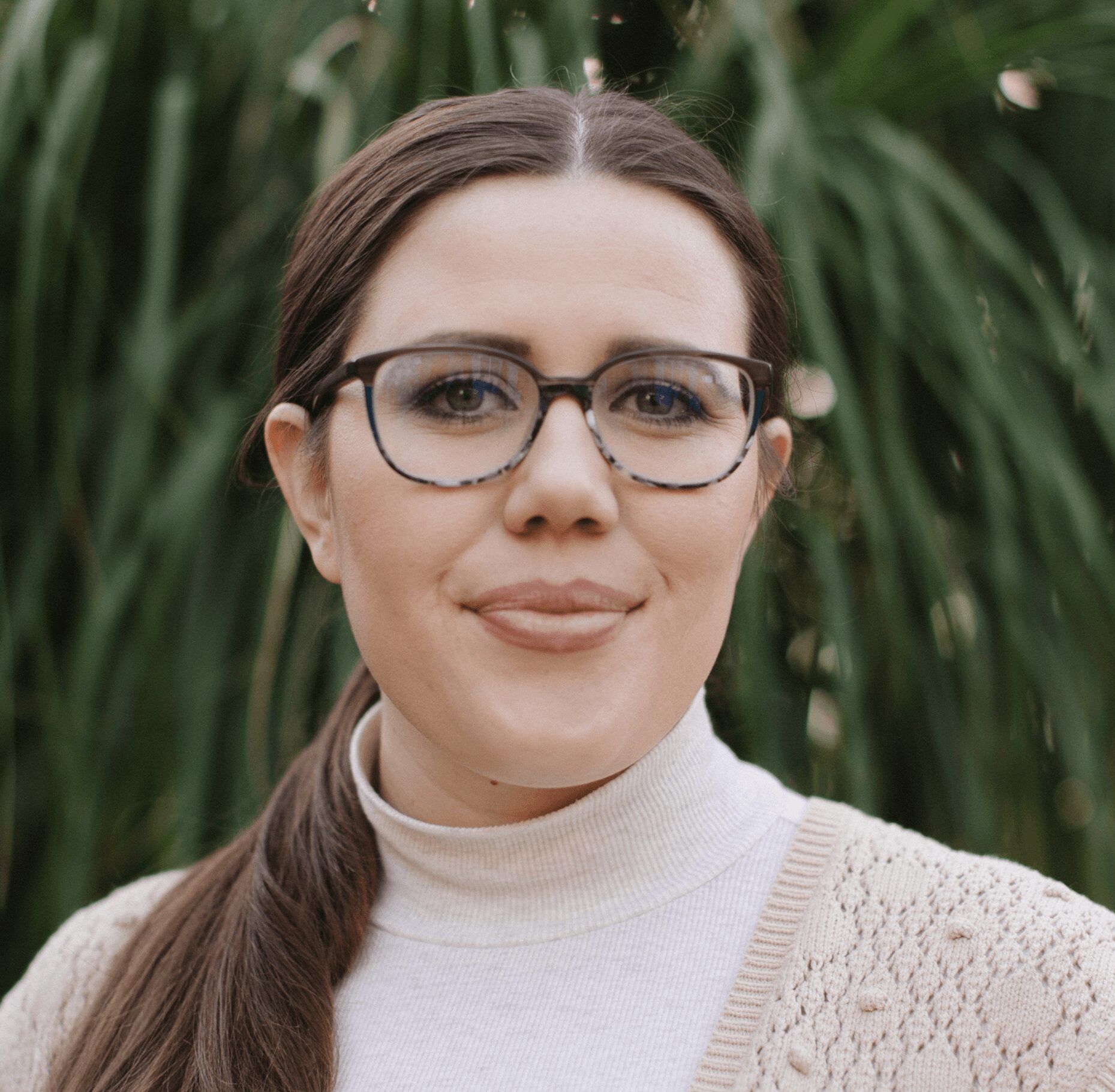
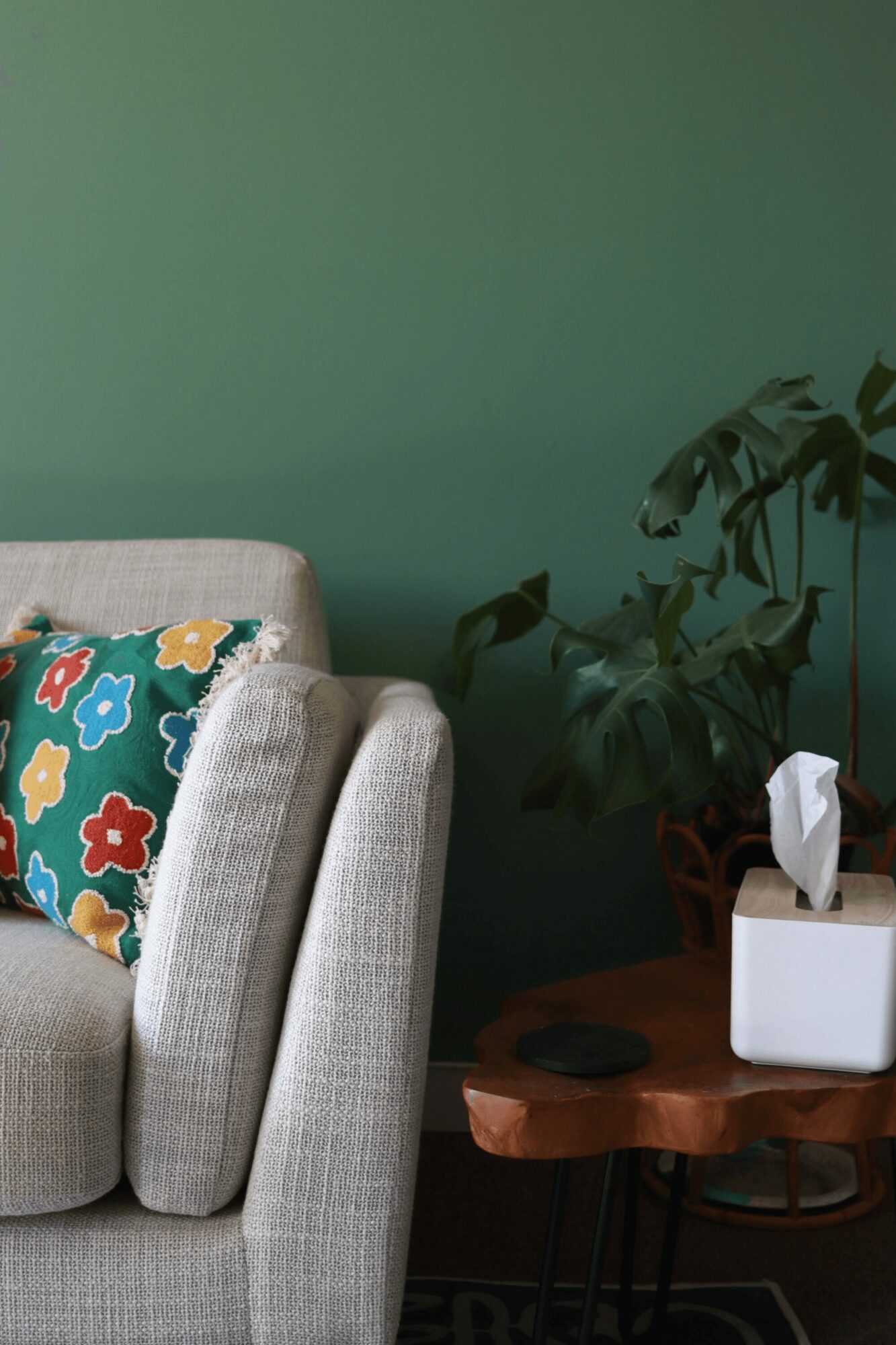
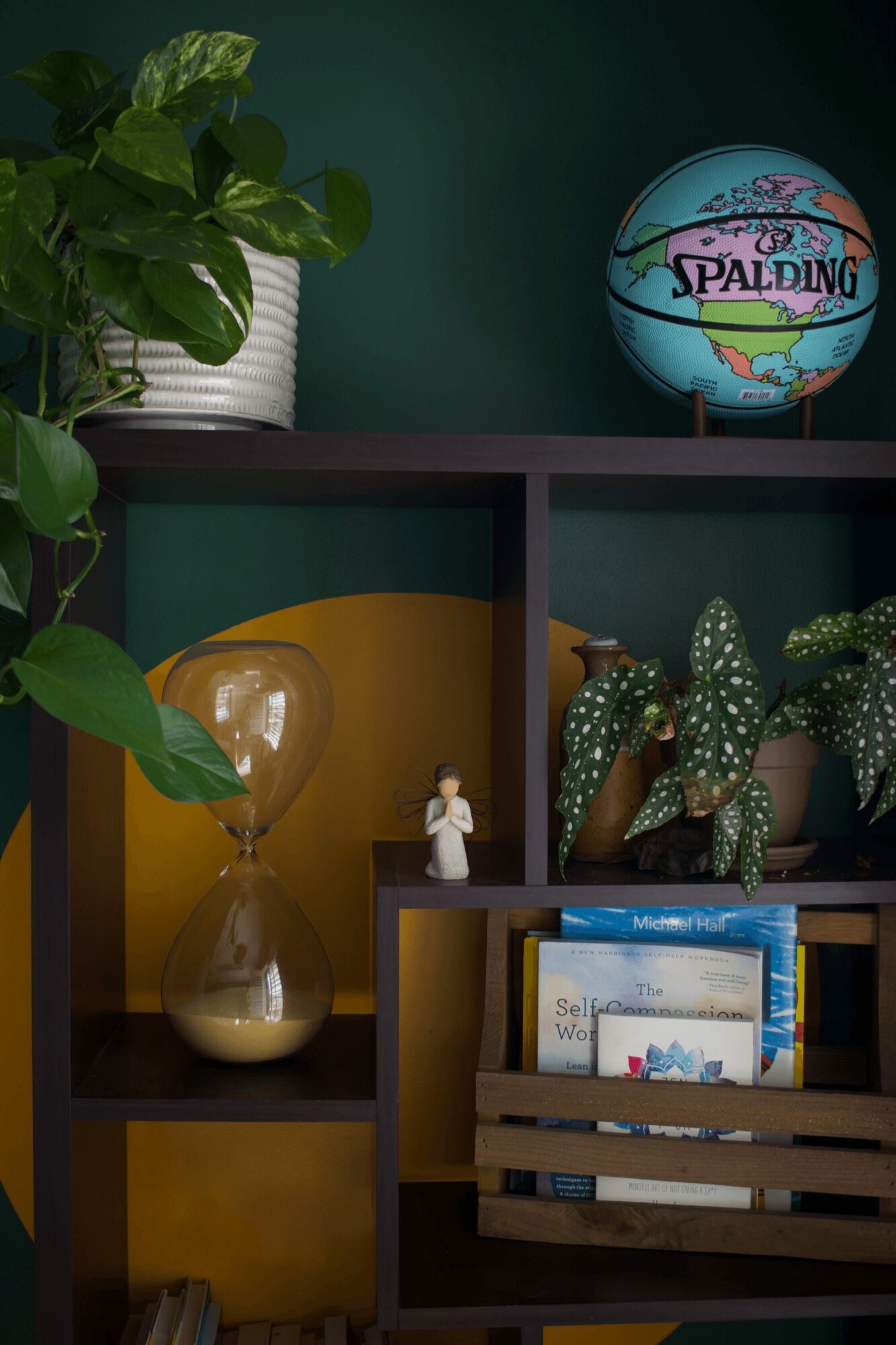
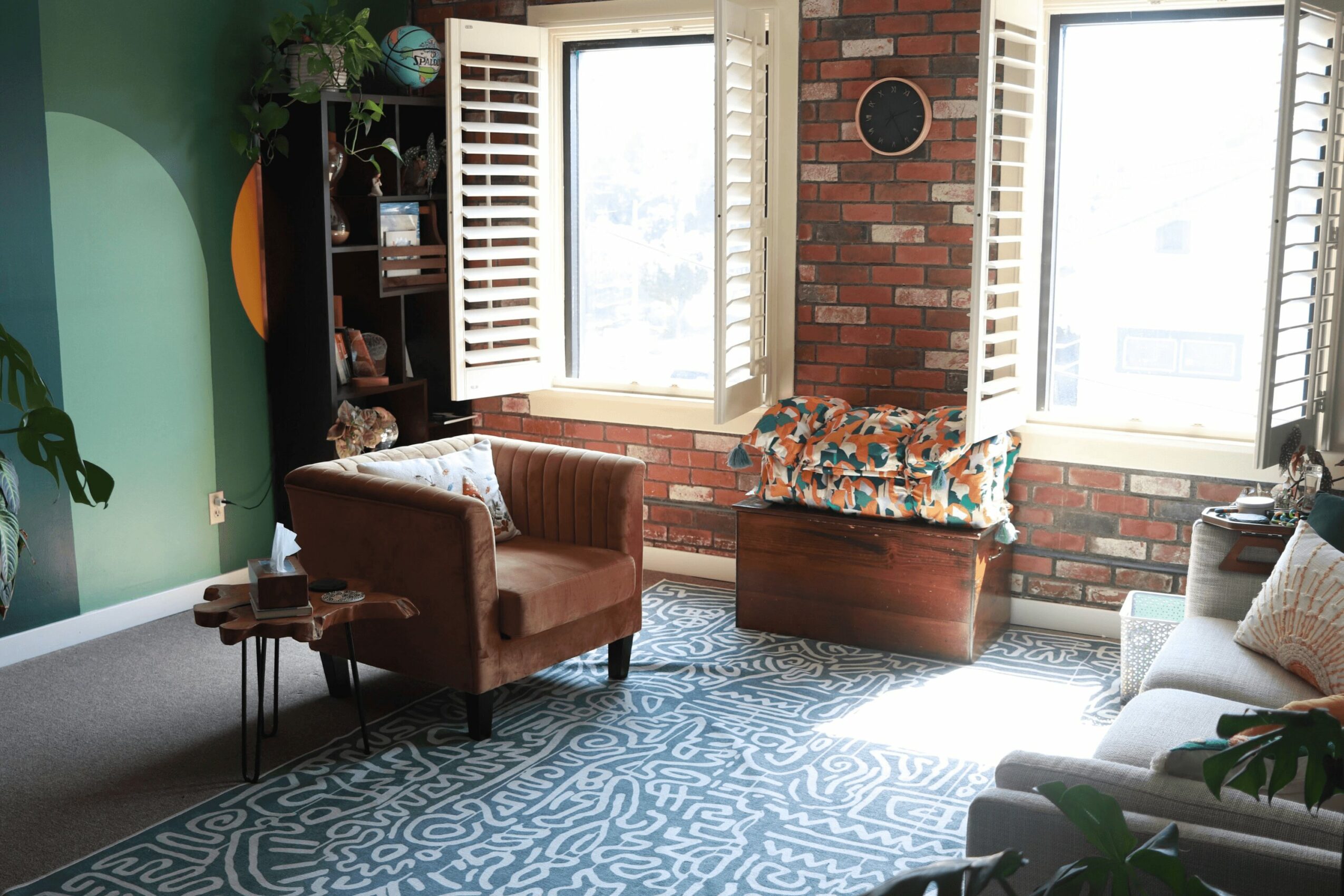
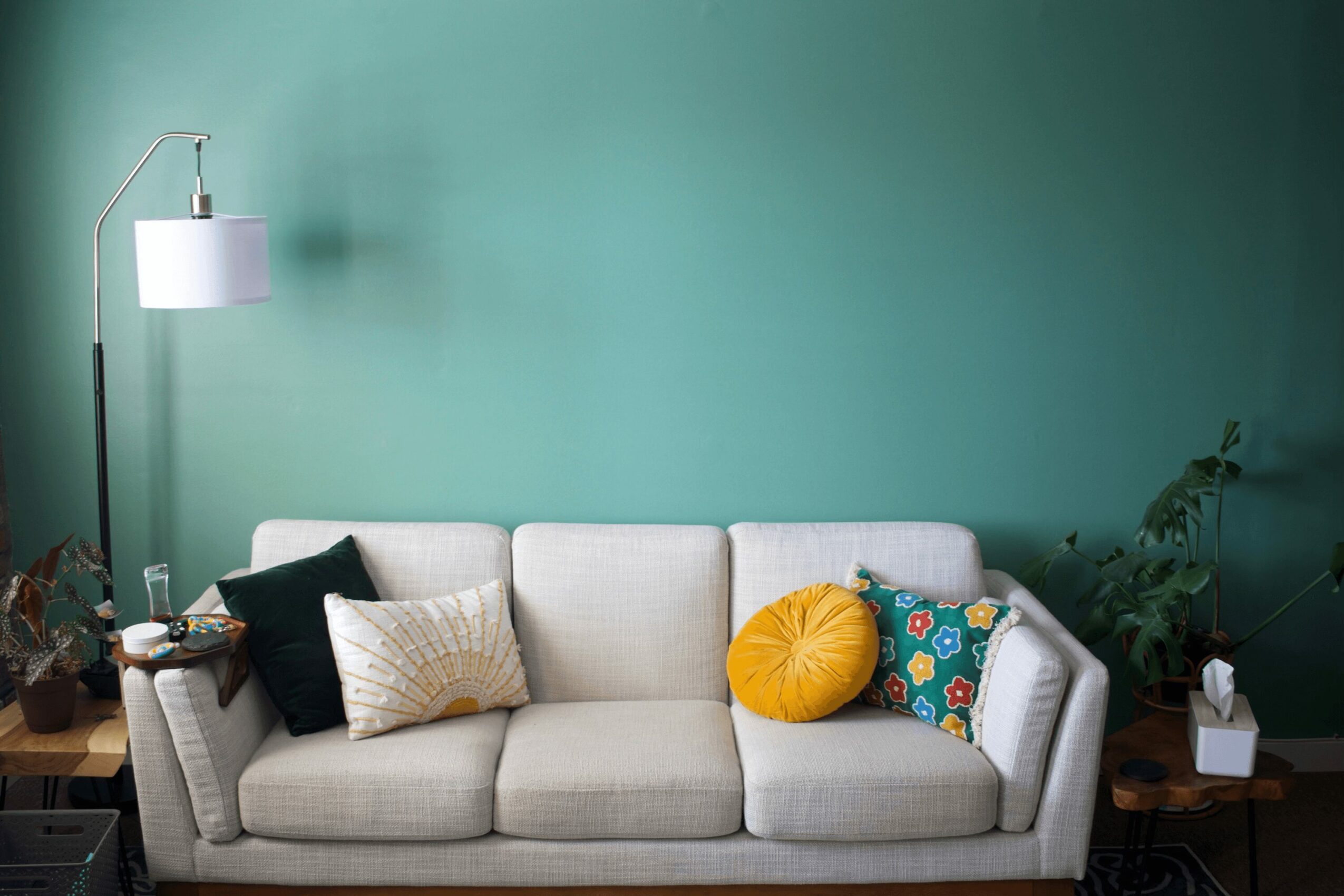
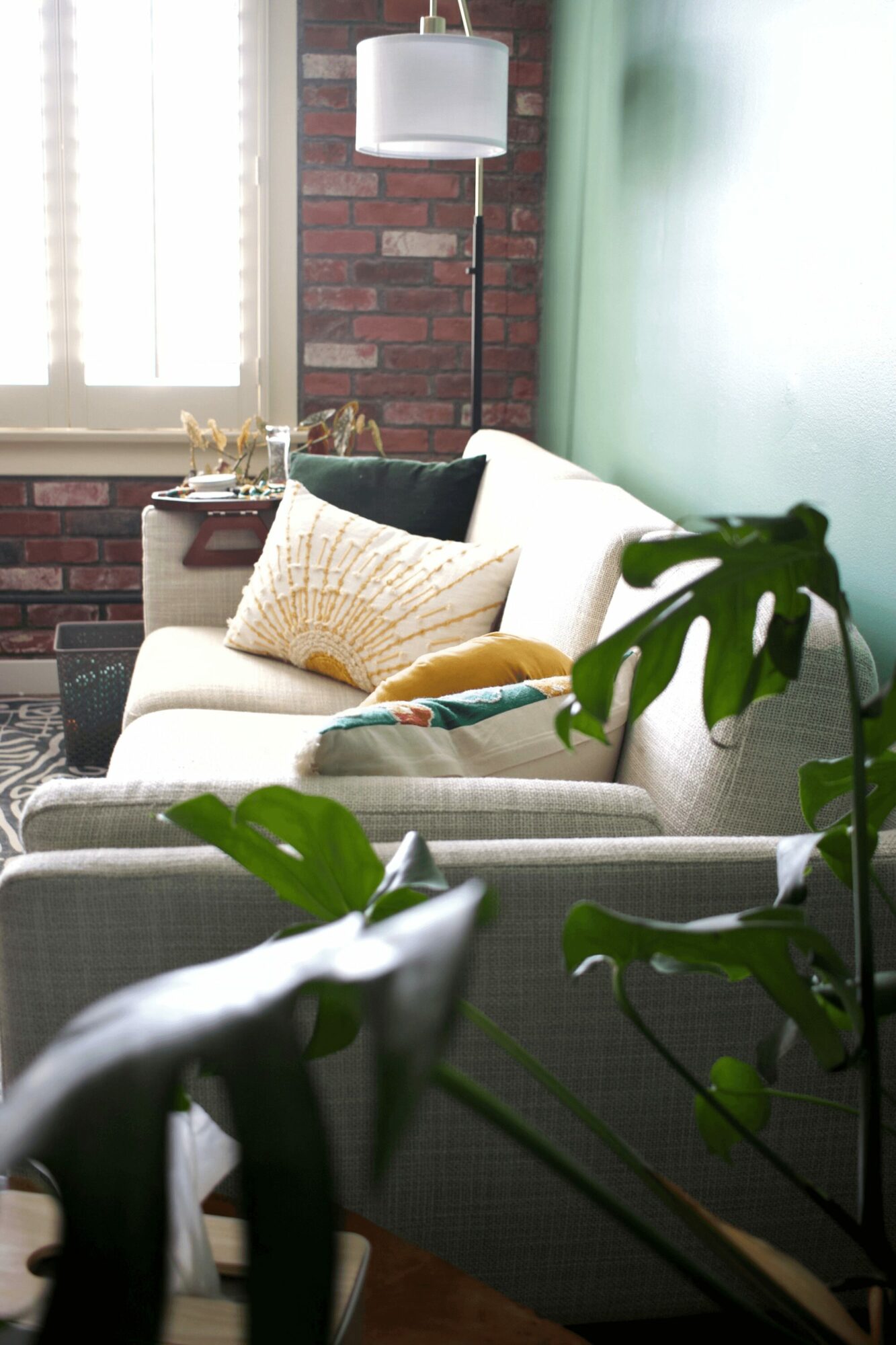
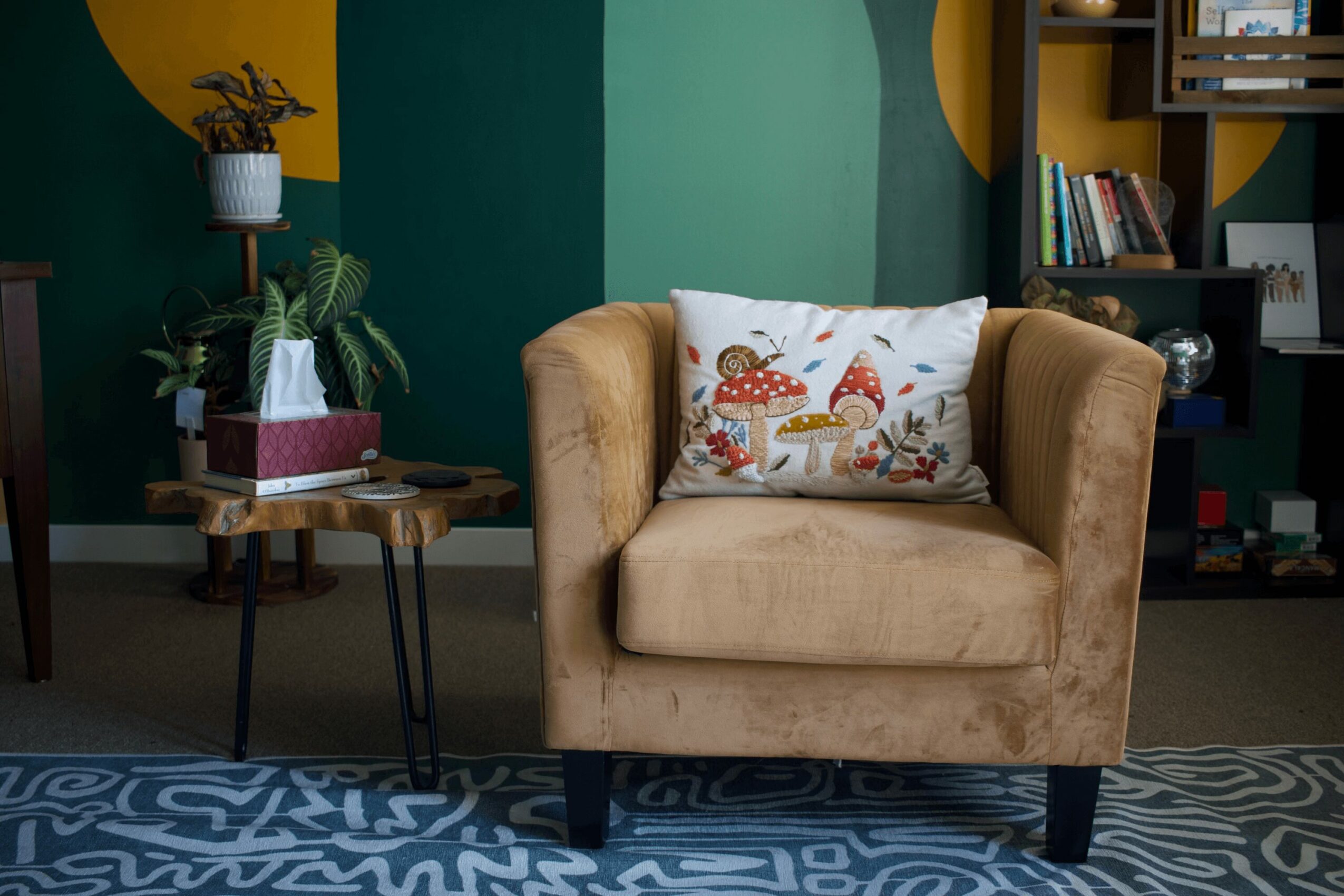
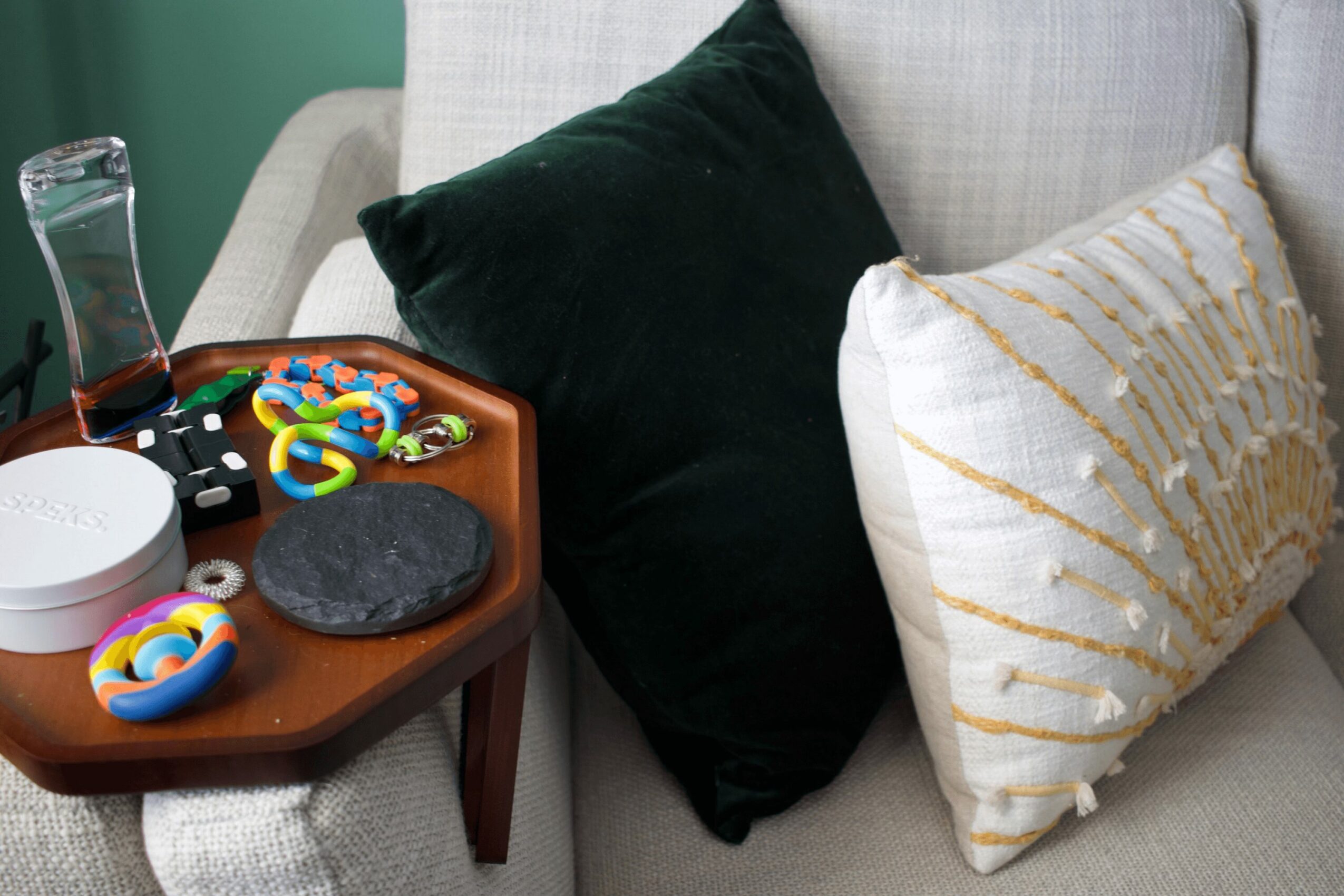
With all that I’ve experienced in life, I am most proud of the business I’ve created. It feels like an authentic reflection of who I am, and what I value. I specialize in working with Autistic and ADHD adults and mixed neurotype couples. Most of my clients are Neurodivergent and are trying to figure out how to navigate a world that is not designed to support them. As I mentioned, many therapists don’t receive training and education in working with Autistic and ADHD adults. I’ve been able to develop trainings to help therapists understand The Neurodiversity Paradigm and how to utilize a Neurodiversity Affirming approach to therapy. Many of the clients who find me have felt misunderstood, othered, and like their way of existing is not valued. I find my office to be a place of solace, a place of acceptance, and a place where people feel more understood and accepted. I feel so much pride in what I have built, and the ways it allows me to connect with and support so many different people. My clients have expressed how much they appreciate my authentic and genuine nature as a therapist. It can feel vulnerable to be your authentic self, but I’ve found that my authenticity has been a great gift to those I work with. I try to be as much of myself as possible in the therapy room, which often involves laughter and exploring shared interests. My clients will often notice my latest pair of colorful sneakers from my collection, we might chat about a TV show we both watch (I’m a huge Survivor fan) or we’ll find ourselves in a passionate conversation about our favorite restaurants in the area (shoutout Lost Parrot Cafe!). While I am proud of the business I’ve built, I am most proud of the person I am becoming and, in turn, the relationships that have formed.
We’re always looking for the lessons that can be learned in any situation, including tragic ones like the Covid-19 crisis. Are there any lessons you’ve learned that you can share?
My mental health journey really came to a head in 2020 when the world seemed to change overnight. It forced me to slow down and face things I’d been pushing aside for years. Suddenly, my mental health took a nosedive, and I felt unsafe in the world. It was a tough time to go through and even harder to reflect on, but after years of recovery, I’m happier and more like myself than ever. Thanks to lots of therapy, rebuilding my community, and some serious self-exploration, I’ve come to appreciate the benefits of living more authentically. I find that my ability to feel things deeply and understand the world in different ways helps me connect with my clients on a deeper level.
I often talk with my clients about what they learned during the time at home amidst the COVID-19 crisis. For many of us, it was an incredibly challenging and unpredictable period. But one surprising thing for many of my clients was the reprieve it offered from their too-busy lives. Those who weren’t essential workers found themselves spending much more time at home, either alone or with family. Many realized how exhausted they were and felt like they could finally take a deep breath. This was a time when a lot of people started exploring their identities, and many of my clients discovered their neurodivergent traits and characteristics.
While pushing back against the norm can be scary and vulnerable, it can also be one of the most empowering things you can do for yourself. Maybe work doesn’t have to happen in an office or even at a desk. Maybe not everyone is the most productive in the hours of 9am-5pm. Maybe there’s a different and more creative way of doing things that can empower individuals and better support each person’s unique needs. I think that the COVID-19 crisis and lockdown allowed people to slow down and to examine their lives more closely. It allowed people to take inventory of their lives, and envision a future where they might thrive.
Contact Info:
- Website: https://www.madysnyder.com/
- Instagram: https://www.instagram.com/couchspace?utm_source=ig_web_button_share_sheet&igsh=ZDNlZDc0MzIxNw==
Popular
-

What is something outside of work that is bringing you joy lately?
-

Local Highlighter Series
-
What did suffering teach you that success never could?
-

What are you most proud of building — that nobody sees?
-

Who were you before the world told you who you had to be?
-

If you could say one kind thing to your younger self, what would it be?


