




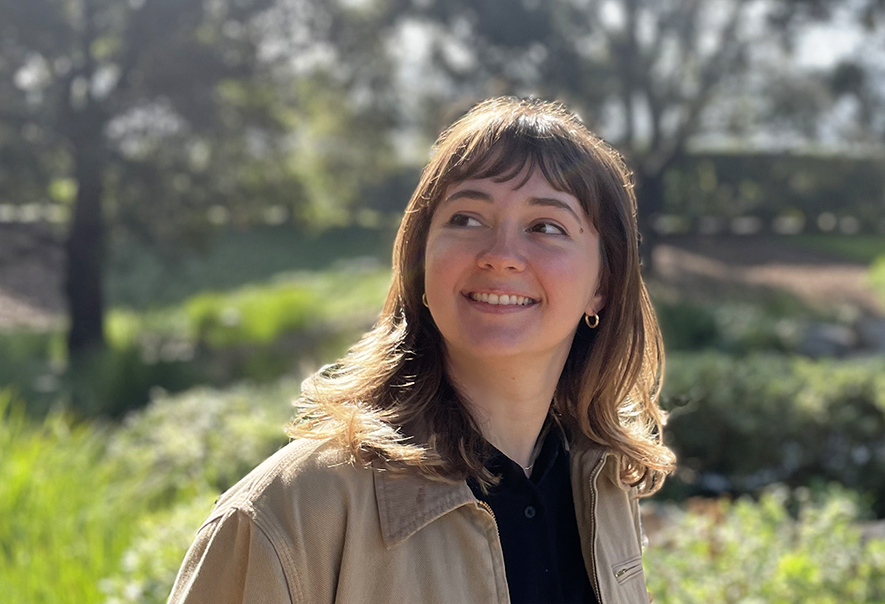
Today we’d like to introduce you to Katherine De Vries.
Alright, so thank you so much for sharing your story and insight with our readers. To kick things off, can you tell us a bit about how you got started?
I’m Katherine de Vries, an artist and filmmaker based in East LA. I grew up in Ontario, Canada, spending summers in Nova Scotia, where I had free run of the beach and woods. Animals, nature, and the supernatural are motifs I keep returning to in my personal work.
As a kid, I loved to read, write, draw, and come up with characters and the stories they lived in (even going so far as to write a 300-page novel at age 11. Commitment!) As I went further down the visual arts path I set my sights on Sheridan College and its nationally recognized Animation program–what better way to fuse my interests together? Over my time at school, I found what interested me most was still storytelling and bringing characters to life.
Fortunately, there is a niche in the Animation industry where I get to do this professionally: storyboarding. For the last 7 years, I’ve been working in Los Angeles as a Story Artist in feature animation, helping to shape the stories and characters of a number of feature films at DreamWorks, namely The Bad Guys. Most recently I was the Head of Story on The Bad Guys 2.
Would you say it’s been a smooth road, and if not what are some of the biggest challenges you’ve faced along the way?
When I made the leap from Canada to Los Angeles to start a job at DreamWorks, I was excited to be in the thick of the action where creative decisions are made. In feature animation, the process of arriving at the final story is highly iterative, and can take years to nail down. For the first time as a story artist, I had the opportunity to take part in broad discussion about the film and how it should play out narratively.
I was amazed by the depth of understanding my peers had when it came to the interplay of the process, the narrative, and a thousand other priorities when making a movie. And there came a moment in the thick of a story discussion when I suddenly realized: I could barely speak the language. There was a side of filmmaking here that I hadn’t studied in school, but that was suddenly vital to the work I’d signed up for! If I was going to have anything useful to add, I thought, I needed to get up to speed.
I set out to learn as much as possible to close the gap, spending a good year taking courses, screenwriting, and studying books on story structure. My instincts have always served me well when it comes to narrative—but now I could see where the generally understood parameters lay. I could wrap my head around story issues better, understand my sensibilities better, and most importantly, communicate them.
As you know, we’re big fans of you and your work. For our readers who might not be as familiar what can you tell them about what you do?
The power and curse of storyboarding is that you need to be able to draw anything that can be imagined, from any angle. So taking that easy task as a given, the next question is: what is the best way to portray the action? What shots, and in what order? The same onscreen action can feel dramatic or comedic depending on how you shoot it. You need a Swiss Army knife of cinematography skills, and you need to know which to deploy to best serve the material.
This can be overwhelming, but my approach to storyboarding leans on intuition and a trust of the process at large. I tend not to agonize over my shots, but put things down that feel right and let more specific iteration come later. My philosophy is that the priority lies in finding the right overall idea, and the right tone; the rest will follow once those broad strokes feel right. Being shrewd this way lets me cut to the heart of the issue, and discover problems early.
I have a harder time with personal work, such as illustration or comics. In this case, there’s no kicking the can down the road; you need to make commitments to every detail. But iterating a little bit at every stage of the illustration can allow the piece to tell you what it wants to be.
What matters most to you? Why?
Creating is a way of engaging with things I love, and things I want to understand. Your art is always, in some way, a lens on yourself, and I think it’s important to trust your voice and look introspectively to understand your approach—how do you see the world? How can you communicate it? To me, the purpose of art is to express an understanding or a way of seeing something. We find ways to tell each other.
Contact Info:
- Website: https://www.katherinedevries.com/
- Instagram: https://www.instagram.com/kevries
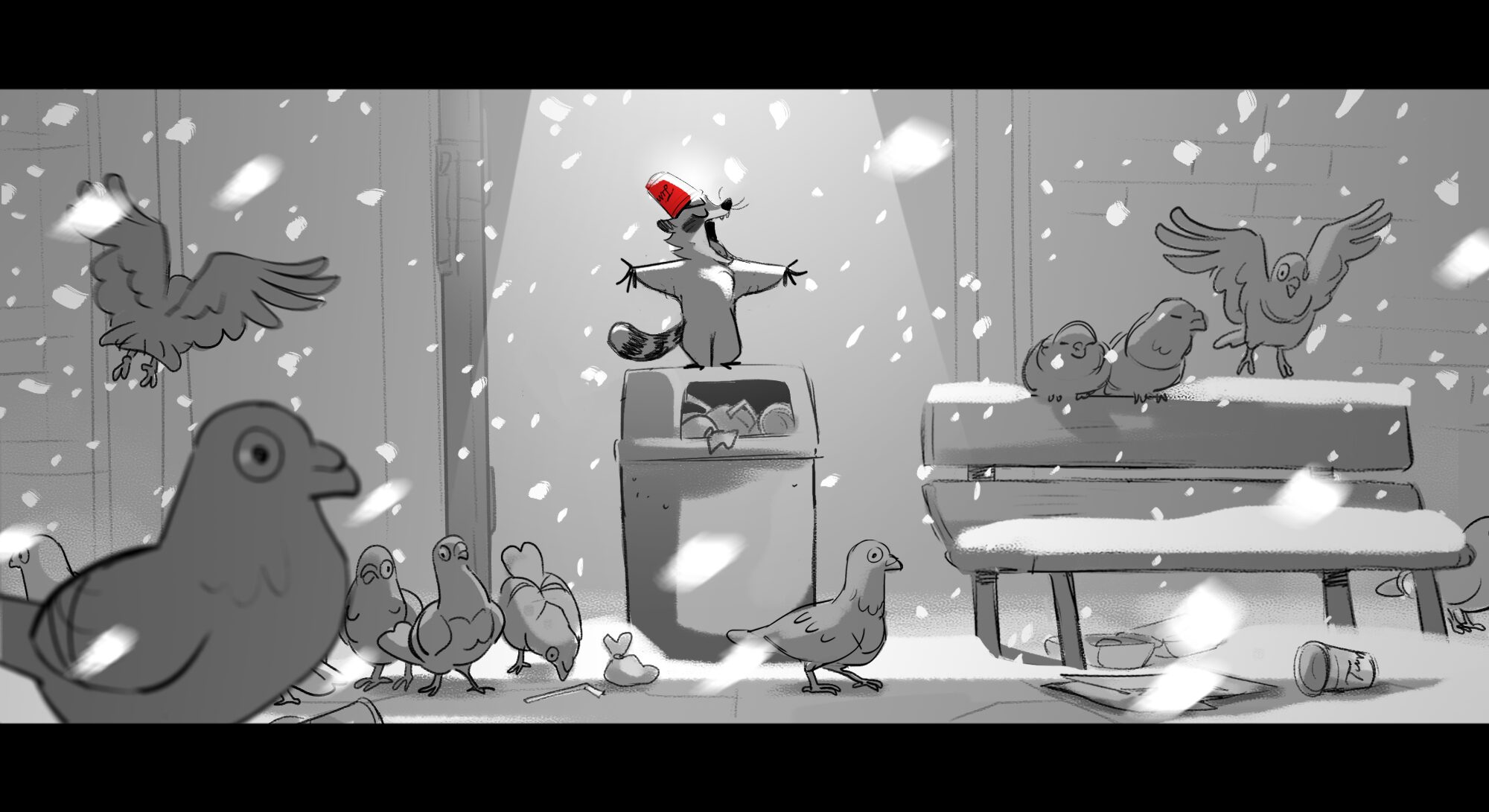
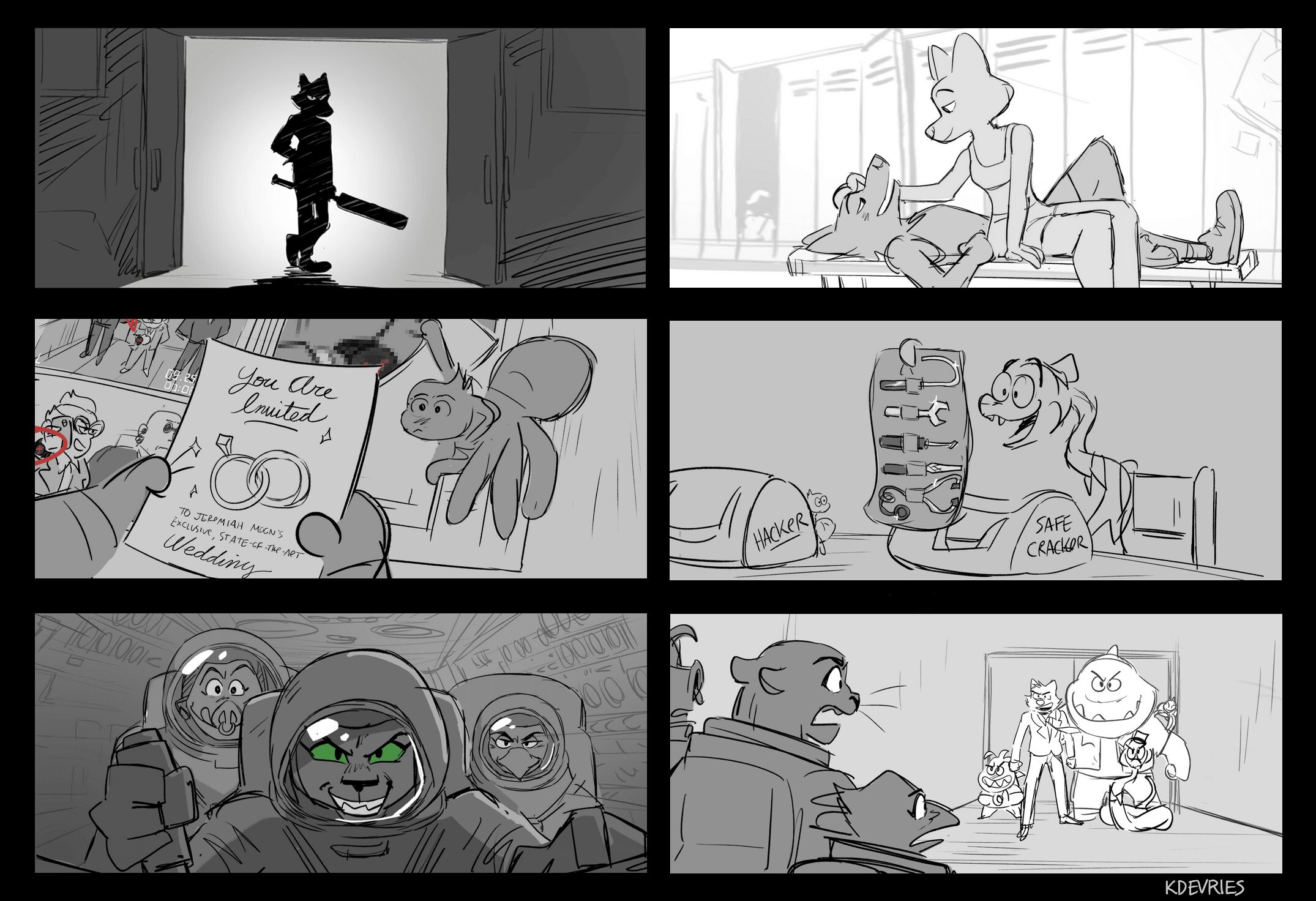
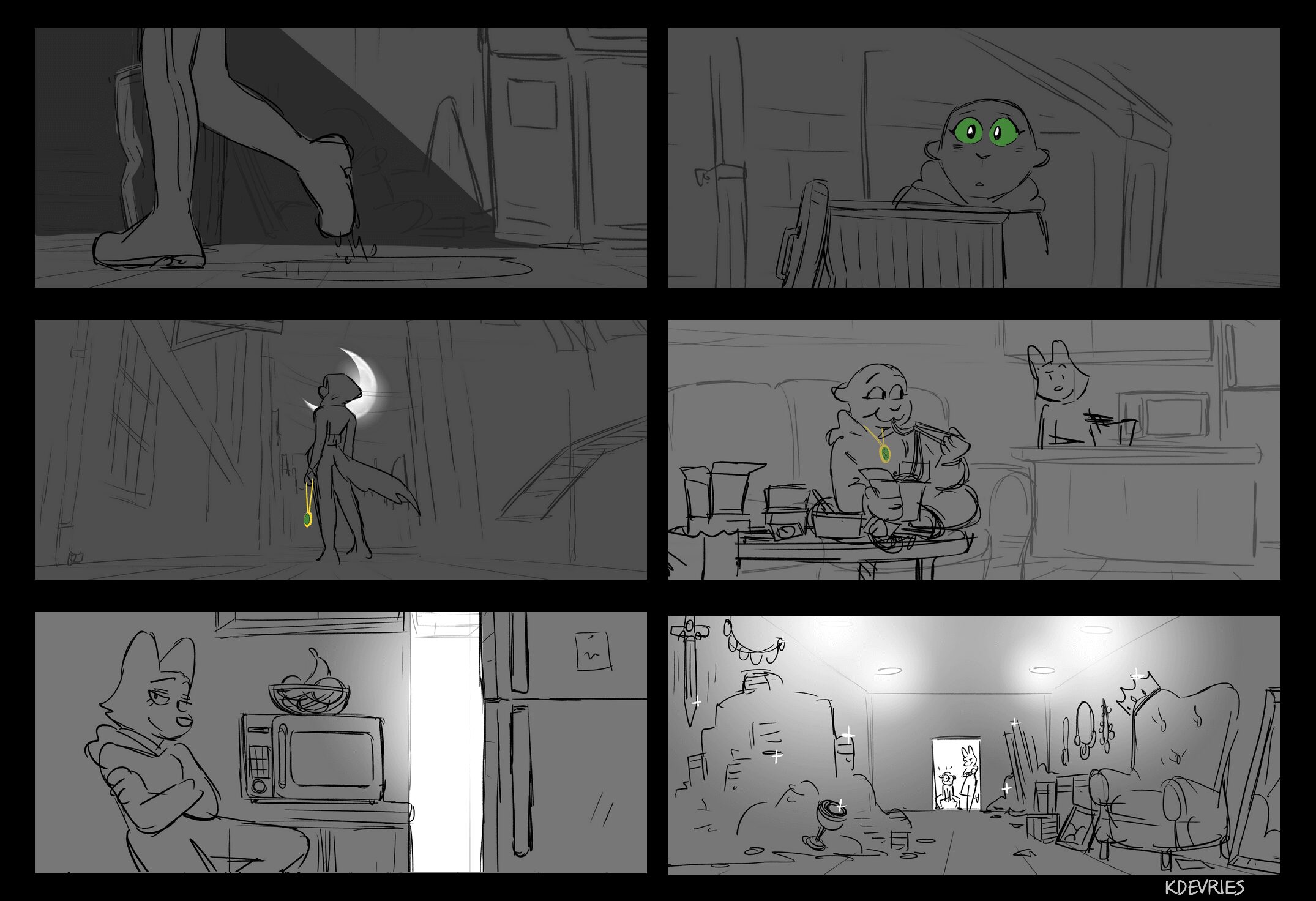
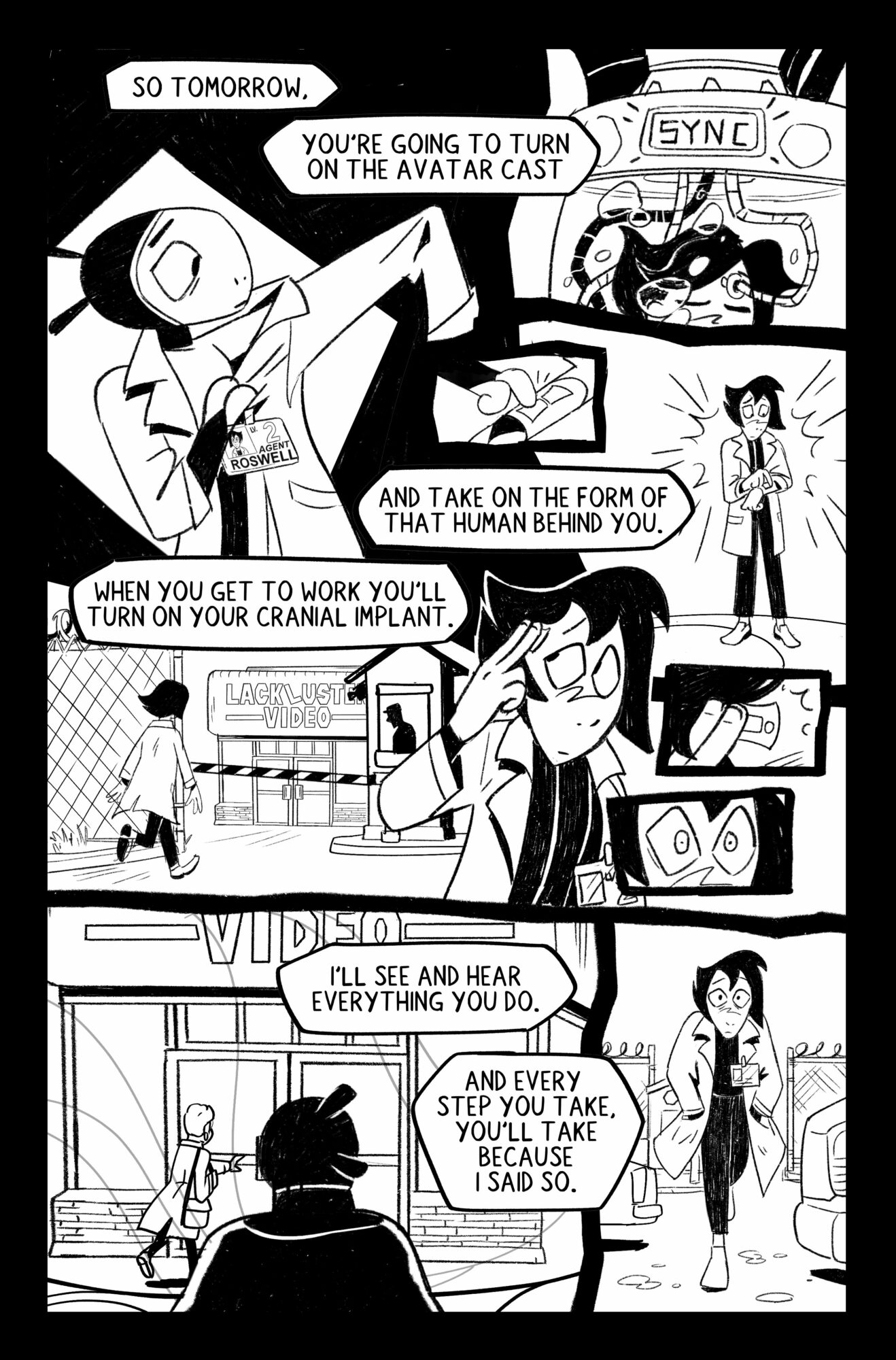
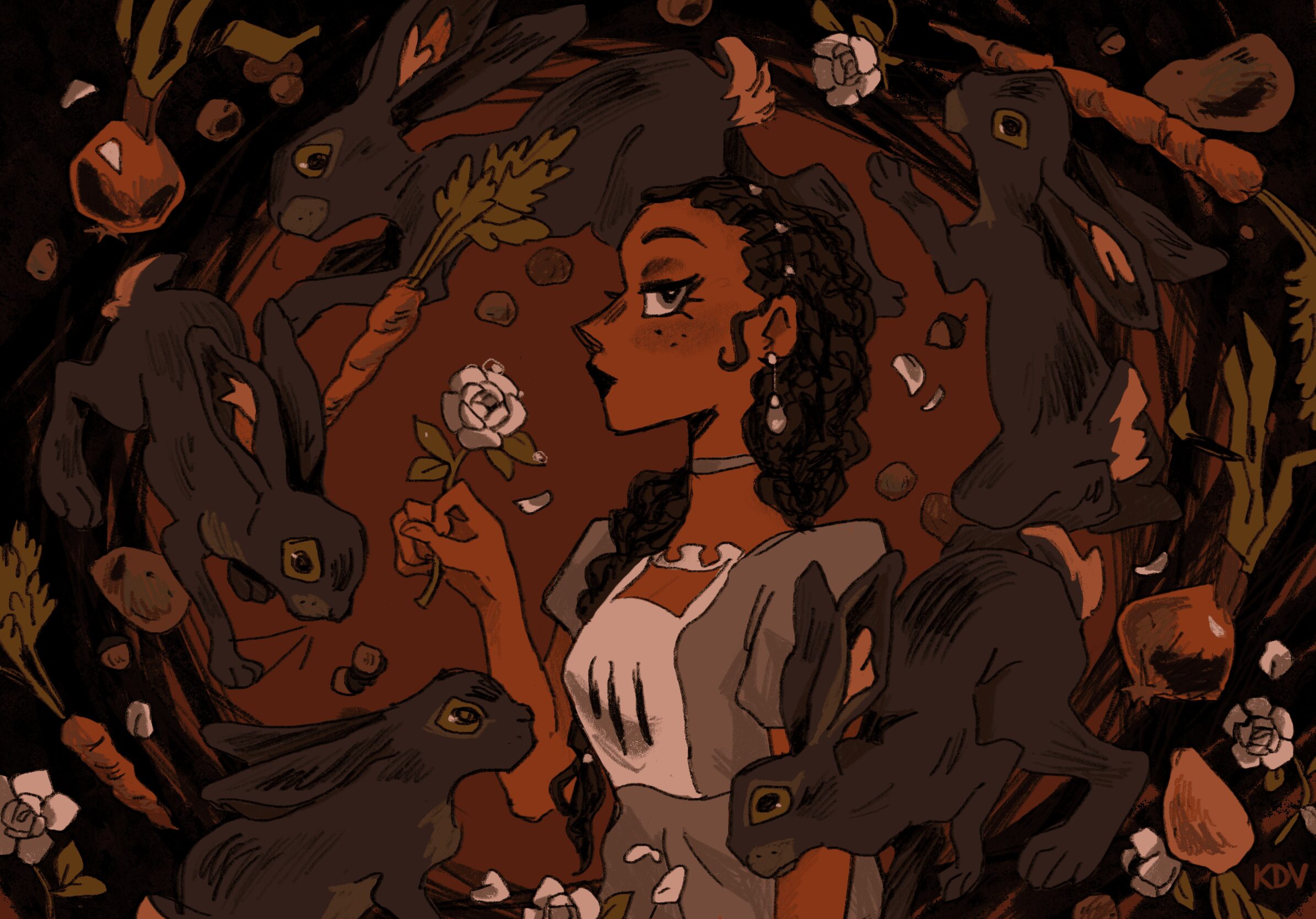
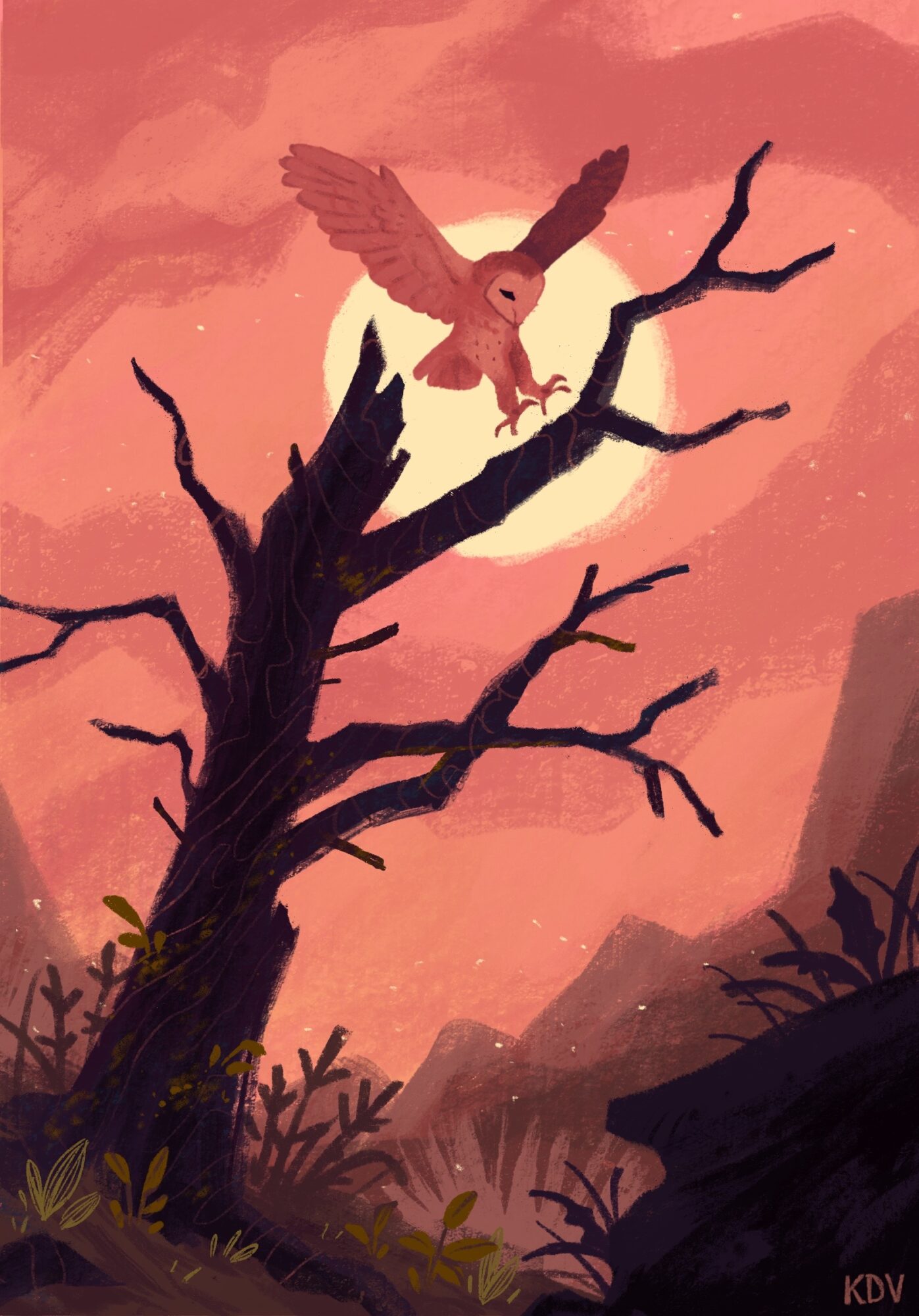
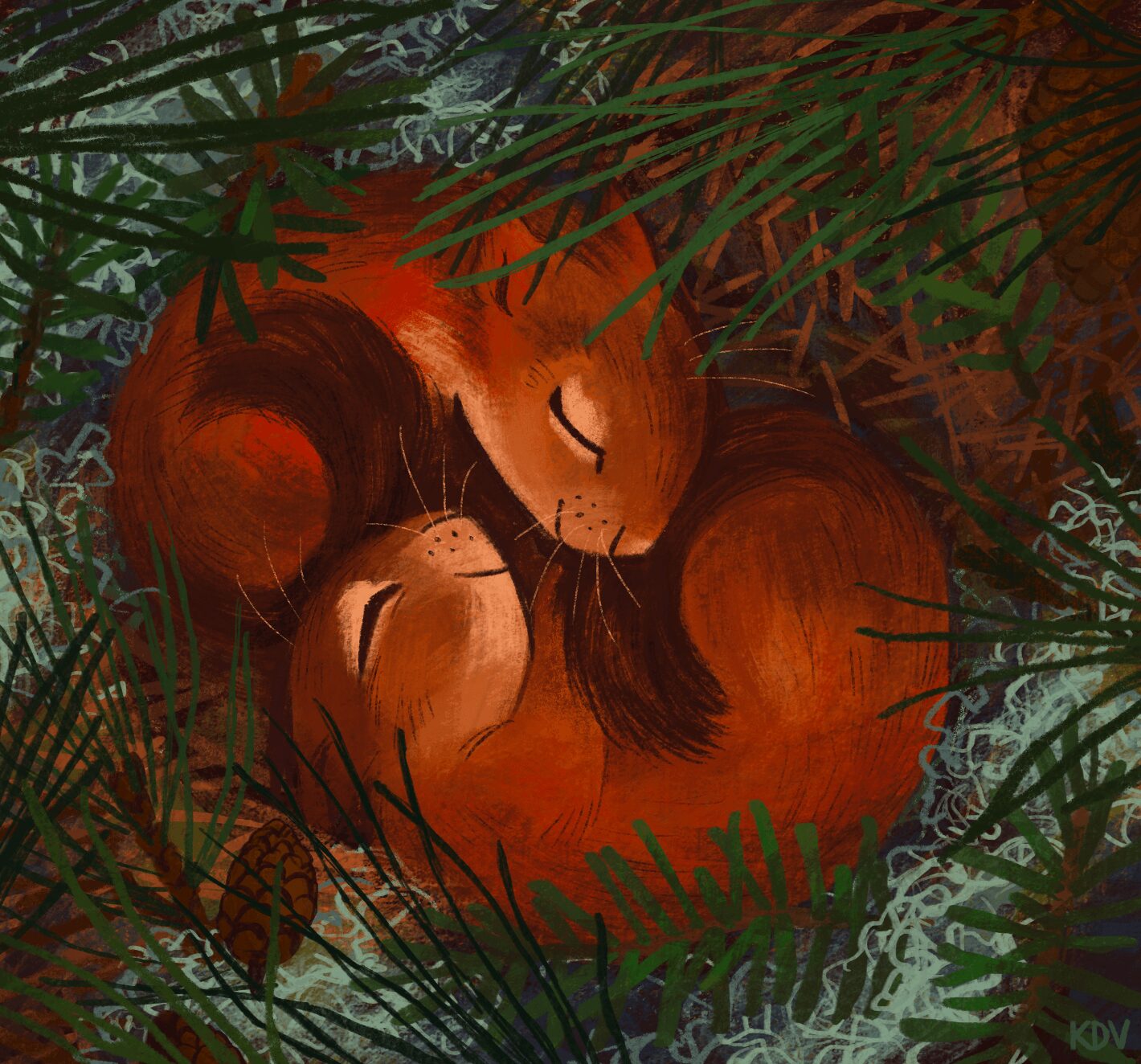
Image Credits
Katherine de Vries
Popular
-

What is the story you hope people tell about you when you’re gone?
-

What do the first 90 minutes of your day look like?
-

Local Highlighter Series
-

What did suffering teach you that success never could?
-

Who were you before the world told you who you had to be?
-

What are you most proud of building — that nobody sees?


