


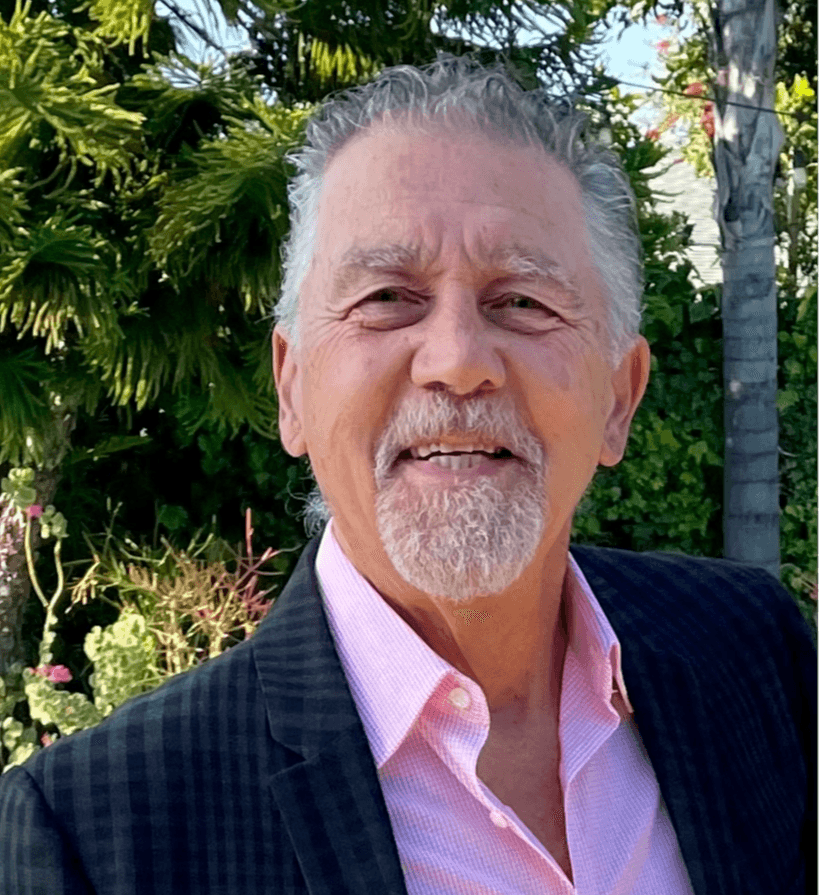
Today we’d like to introduce you to Jon Teschner.
Hi Jon, thanks for sharing your story with us. To start, maybe you can tell our readers some of your backstory.
I earned a BFA degree in Painting and Sculpture from The Atlanta College of Art . In 1980 I used that accomplishment to apply to work in the news graphics dept. at CNN when they were just starting out. They had no paid positions available, but they agreed to take me on as an unpaid intern. I took the chance that it might turn in to something and it did. This step, working for free with potential for a future job, changed my life.,
That move led me to a 30 year career in broadcast design, culminating in my being awarded a Primetime Emmy Award for my work on the Academy Awards Show in 2006.
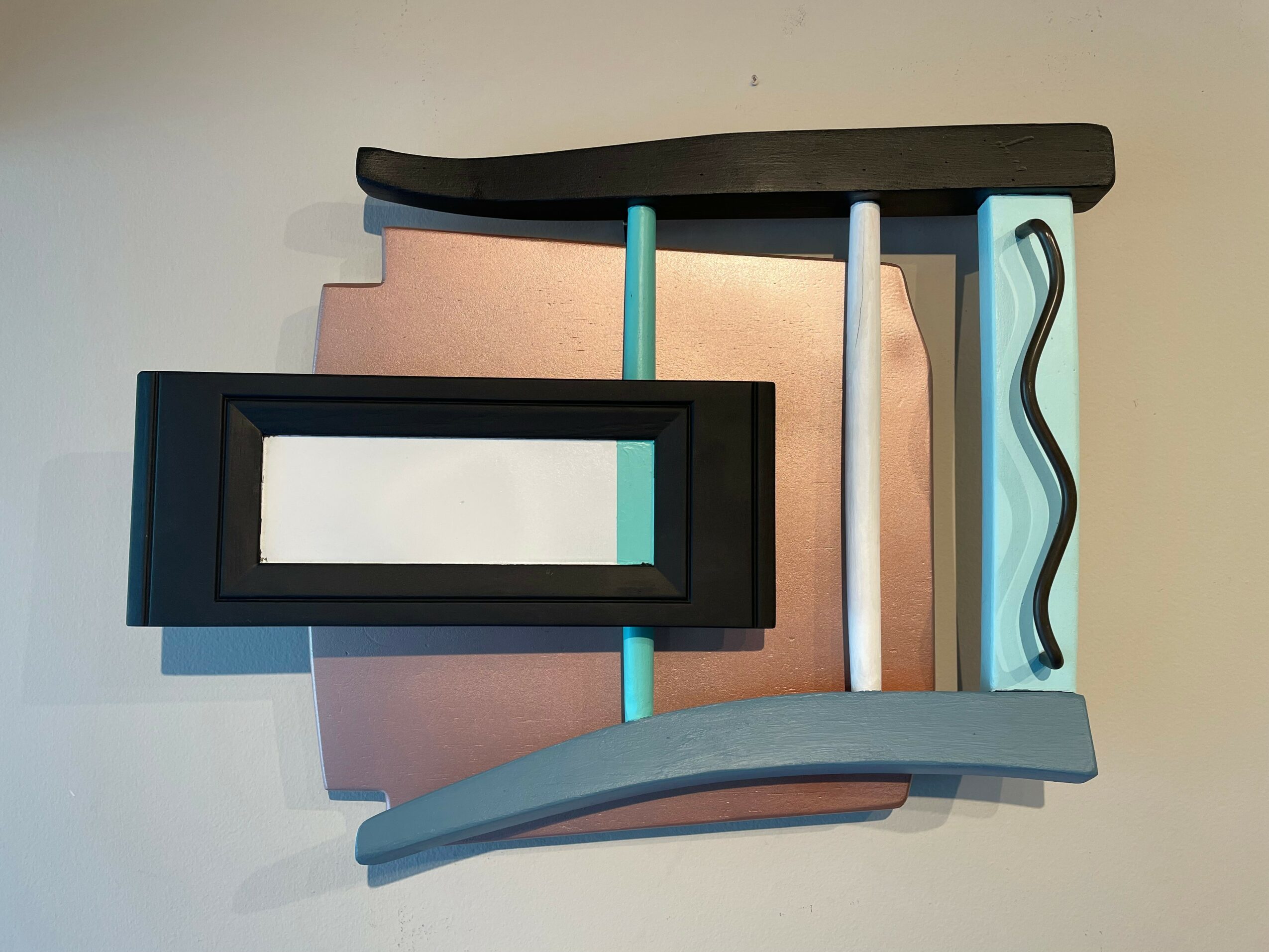
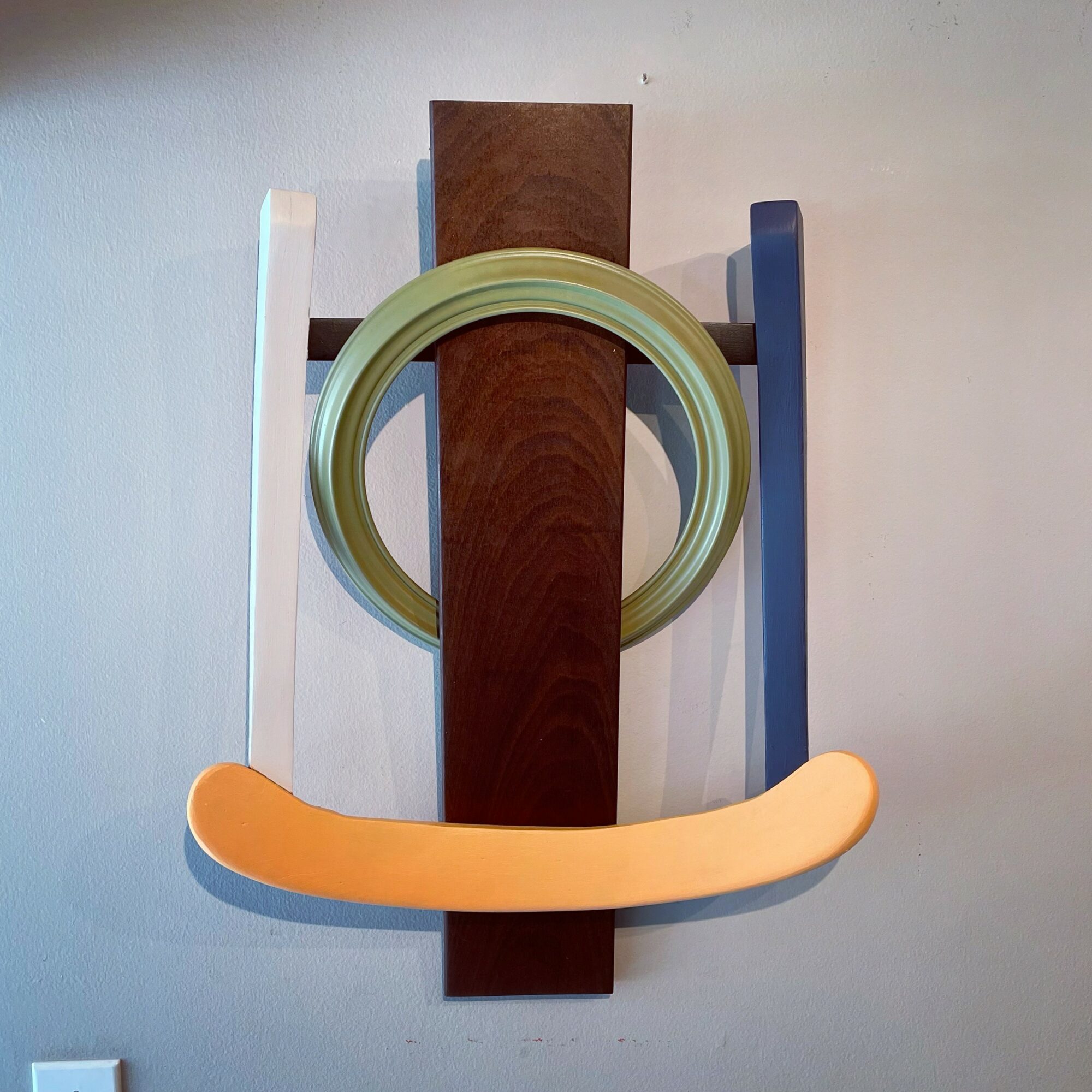
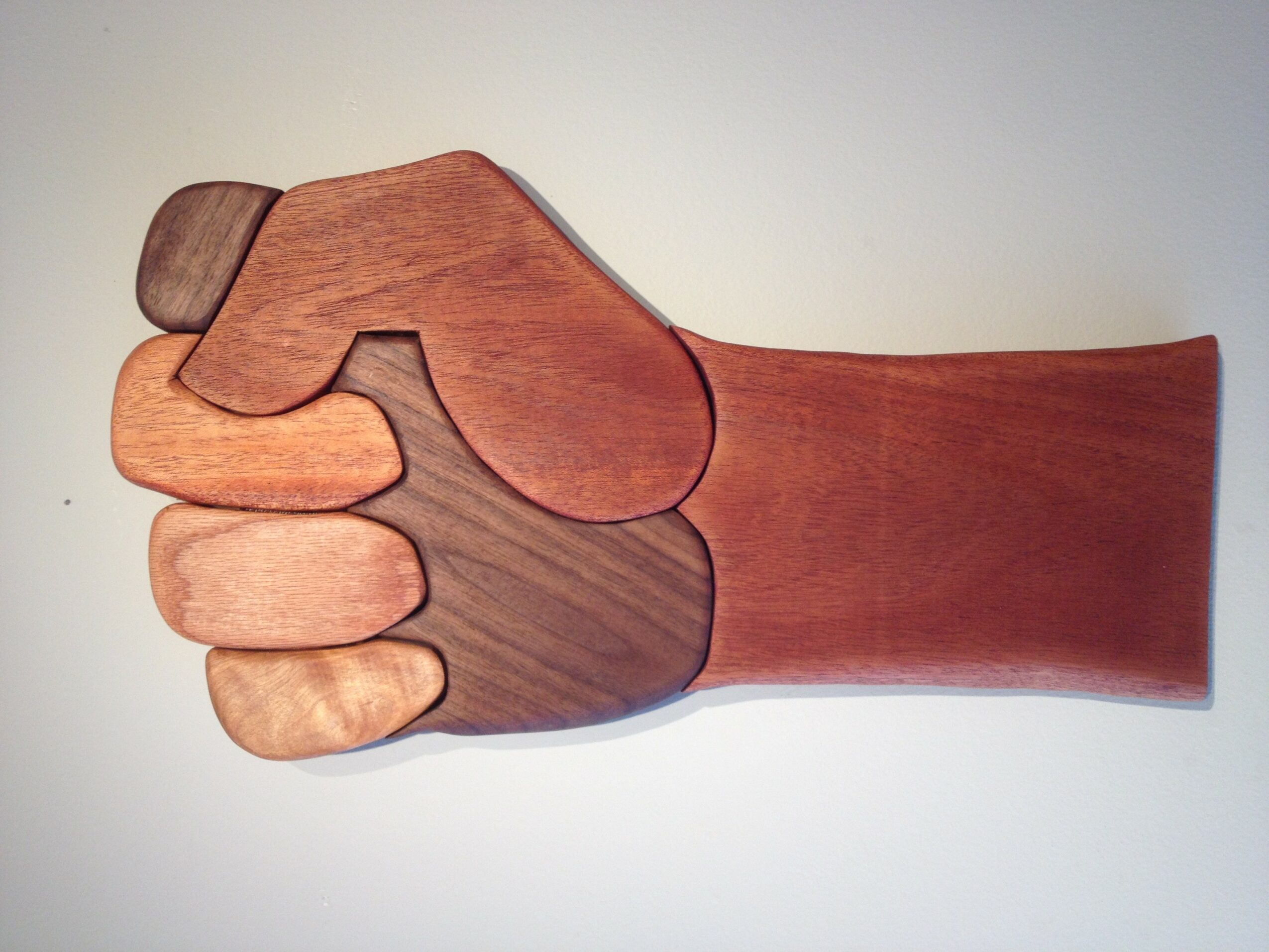
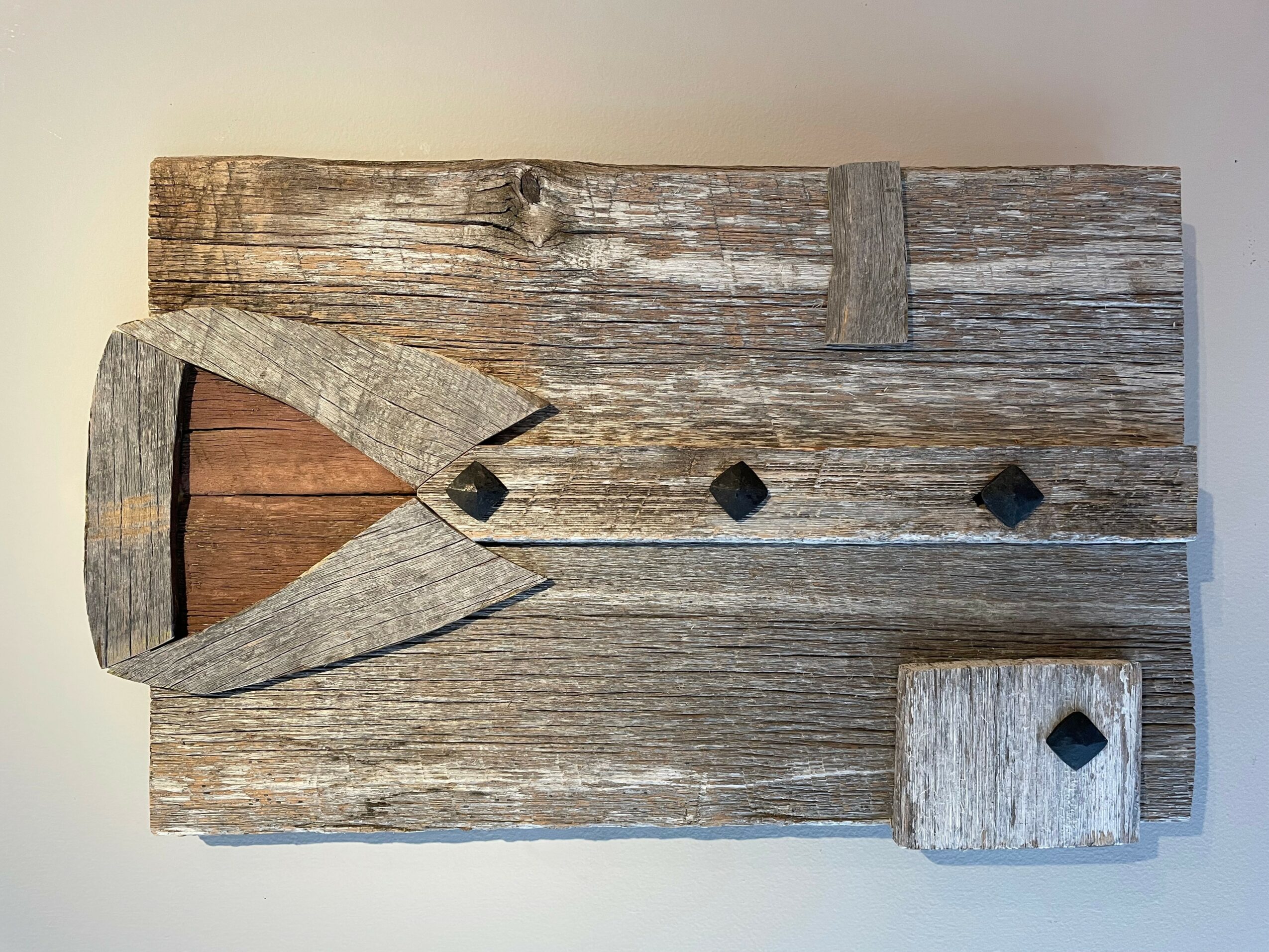
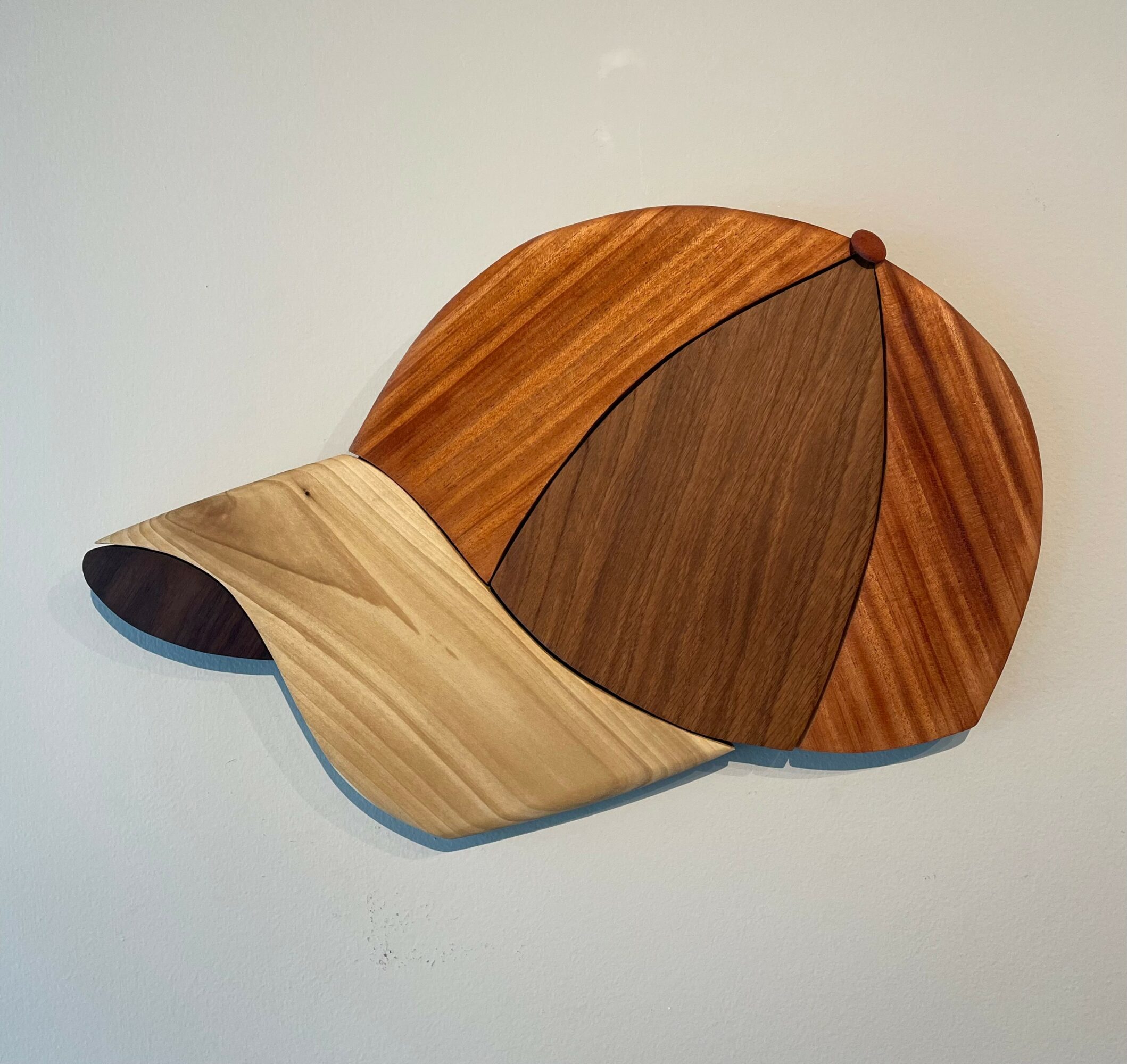
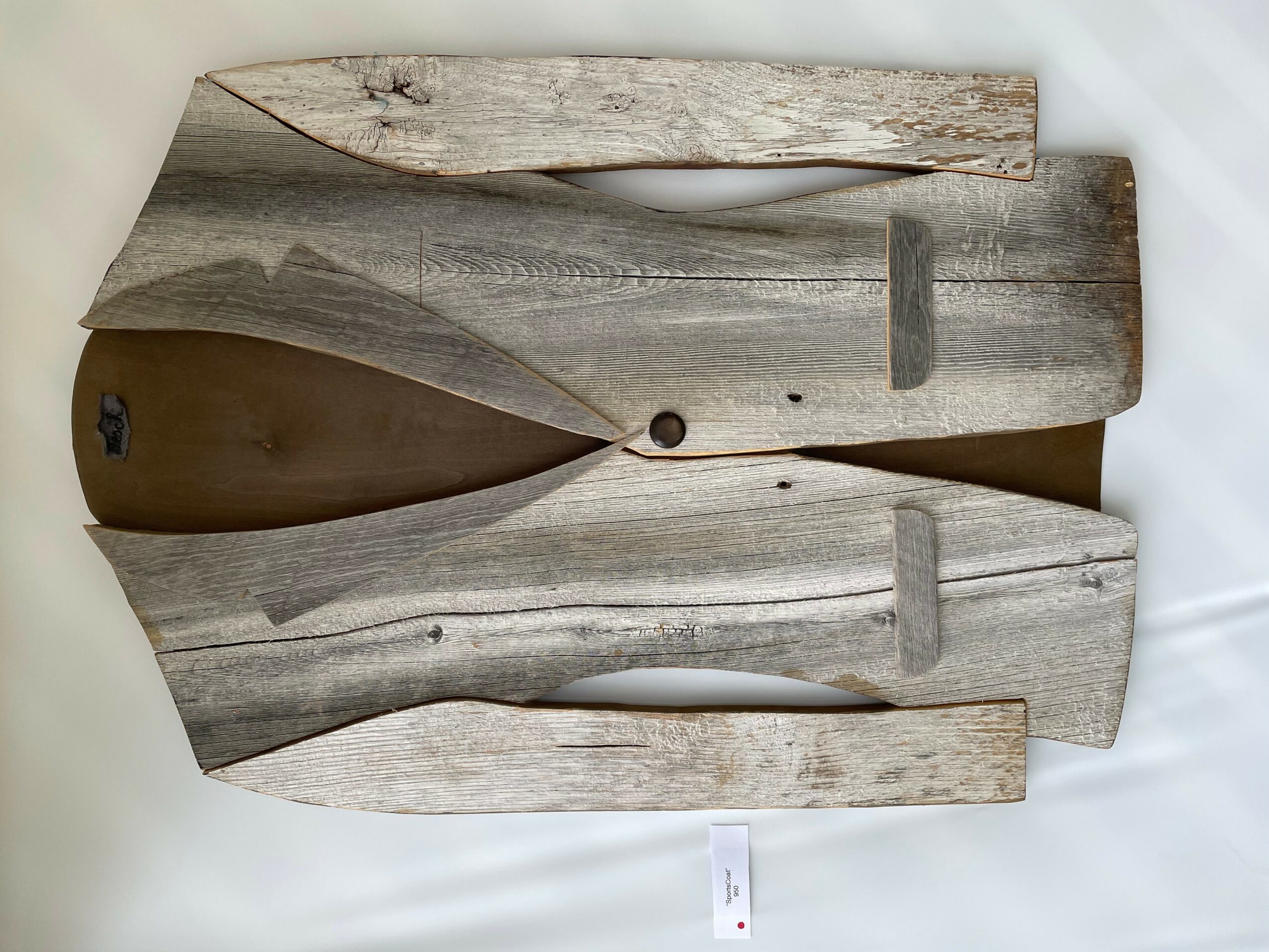
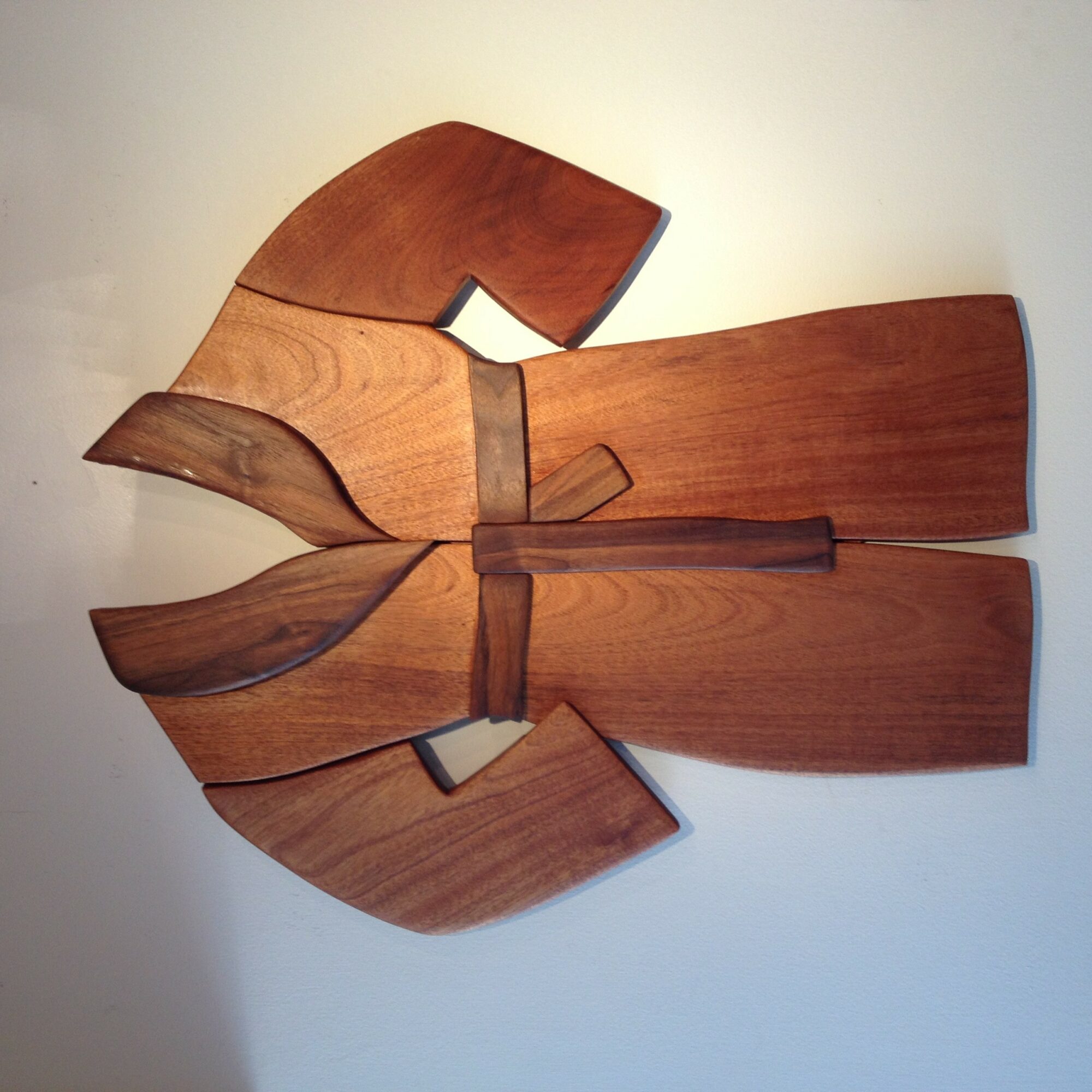
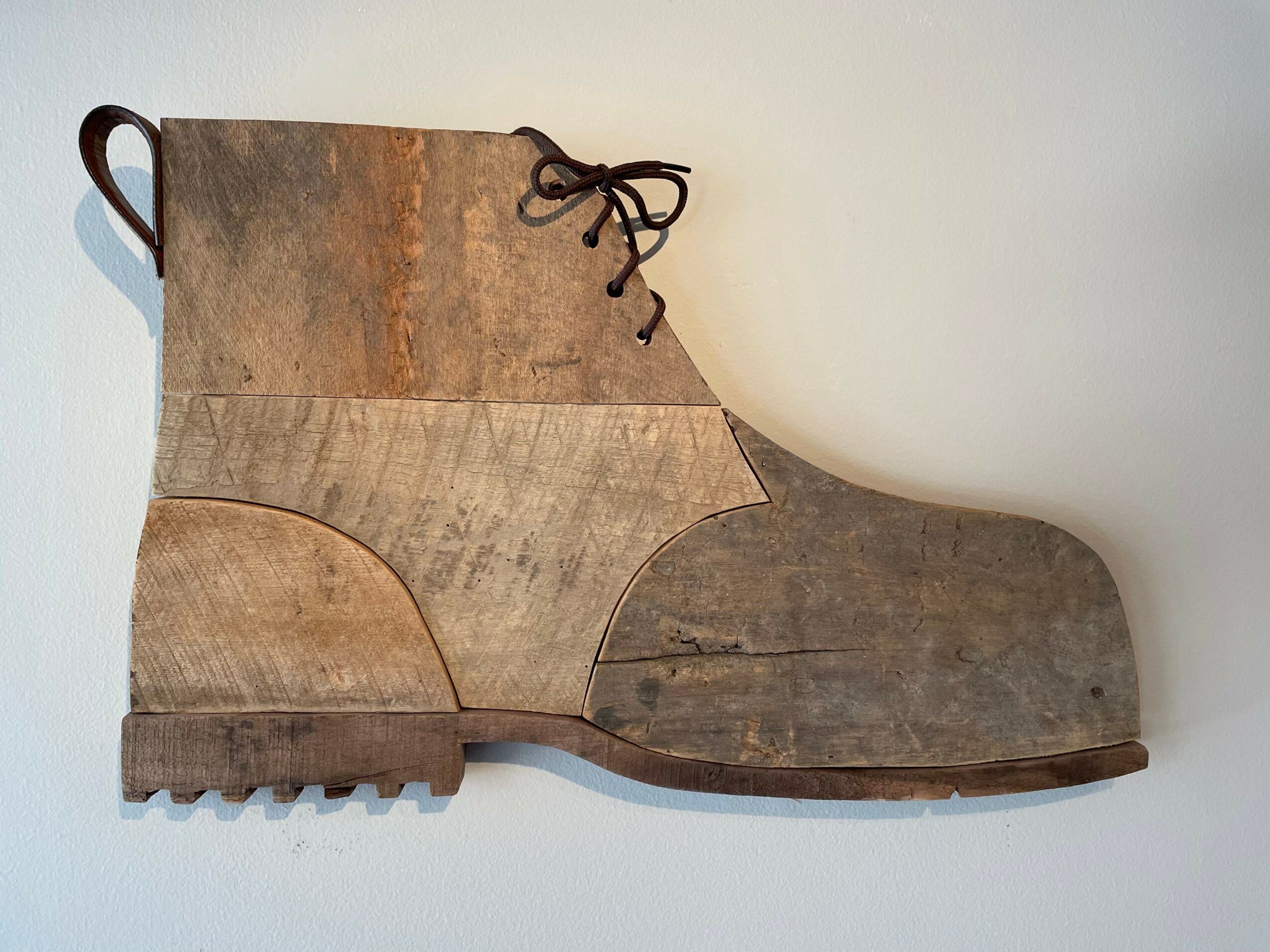
When I retired from the TV business I resumed my personal art career creating sculptures and paintings. I opened an art gallery in Los Cabos, Mexico and have been very successful selling my art.
Would you say it’s been a smooth road, and if not what are some of the biggest challenges you’ve faced along the way?
It has been a road of high expectations and fulfilling achievements. Most of the decisions and commitments I made turned out to be the right ones. But I am filled with wonder on occasion when I see the path I took and where it led.
Thanks – so what else should our readers know about your work and what you’re currently focused on?
In 1980 I heard about a new cable television network, CNN, starting up. I had earned my Bachelors Degree from The Atlanta College of Art and was ready to put it to work. I applied to work in the Graphics Dept. but they had no more “paying” positions. After some fast talking, CNN accepted me in to their Intern program, working for free and gave me a few shifts a week to work. I got good at designing “over-the-shoulder” graphics and they soon offered to pay me as a part-time artist filling in for others. After a couple of months of this I was offered a full time position, making news graphics for breaking news coverage around the world. I never got over the rush of breaking news, whether it was Reagan being shot, the Space Shuttle launch or the Falklands war breaking out between England and Argentina.
One day, after 3 years at CNN, I was asked to demonstrate how we used the ADDA technology to the owner of ADDA Corp. who was visiting. In our ongoing efforts to produce quick impactful graphics we had tricked this digital storage device into doing things it wasn’t originally designed to do. The owner, Bill Hendershot, was absolutely blown away. After the demonstration he asked me to appear at the upcoming SMPTE Show in New York City and show the world what his technology could do. I was able to coordinate some vacation time with the convention dates and made my first appearance as a demo artist in New York before about 5000 TV engineers and attendees.
My act was received well and the company took orders for over $1,000,000.00 at the show. At the end of the 3 days I was asked to come to the Presidential Suite where the big boys from ADDA were celebrating their success. They asked me to join the company as their demo artist who would travel around the country to TV stations and they offered to double my CNN salary of $17,500 per yr. After consulting with my wife Lynn, we decided it was too big an offer to turn down. I joined ADDA Corp. officially on Jan. 3, 1983.
When I came on full time at ADDA they came up with a plan that would see me fly each week to an area of the US where I would conduct demonstrations of the systems capabilities to all the TV stations in the area. Sometimes I would go directly to the station and setup my 4 anvil cases of equipment, other times I would setup in my hotel suite. Every station News Director and Creative Director wanted the system, at the time we had no competitors.
Once a station took possession of a system from us, I would come back and spend 3-5 days training them on how to get the most out of their new graphics system. Many of these art directors became friends and remain so to this day 40 years later. This was the beginning of something big and I was leading a graphic revolution in television.
When CBS Network called and wanted a demo in New York they sent me in for what would become the biggest sale in the company’s history. Visiting all these stations gave me a unique view of broadcasting that few ever see. Whether it was the behemoth of a national network or a small station in Fairbanks, Alaska I found creative people doing the best they could with what they had. At the end of my first year with ADDA they presented me with the Salesman-Of-The-Year Award. (And I wasn’t even a salesman) I visited about 140 TV stations in those 3 years and built my national reputation as someone who cared about TV designers and truly understood their needs and challenges. One of the most eventful parts of this job was when I was called to the Pentagon to demonstrate for the Chairman and the Joint Chiefs of Staff. (that’s a whole other story)
I was sent to the Broadcast Designers Conference in San Francisco and of course they went nuts when they saw how this new technology would change their life. I was asked to join their Board of Directors and a couple of years later was named President of the BDA. I was the first and only non-TV station art director to ever hold the office of President.
After I racked up almost 1,000,000 miles in frequent flyer points I wanted to get off the road and be home with my wife and young son Zach in Atlanta. There was a production house locally that had a design division that did a lot of work for Tribune Broadcasting and they were looking to go big. Crawford Communications hired me to represent their Design/Effects division to TV stations and production companies that were producing for TV. My travel was limited, but I still went to stations when they hired us and oversaw the implementation of our design package of graphics, show opens and newscast graphics.
To boost sales I decided to use Crawford’s Satellite Division to broadcast directly to every TV station’s Art Department, a 15-20 minute show called Design Link. On the show I would highlight the latest work from Design/Effects, then interview an animator or broadcast designer and then in the final section of the show I would bring the latest news from the Broadcast Designers Association. I would send out a postcard to every TV art director in the country notifying them that on such and such a date and satellite, the show would be broadcast. I wrote, directed and hosted the show which ran for two years with a total of 8 shows being produced. Perhaps this was the first national Podcast in 1986.
In 1991 I was recruited to California to join G&G Designs. They created news sets and graphic packages to support daily news production at numerous TV stations around the country. I served as Vice President of their graphic services division in San Diego.
One of my friends that I met thru the BDA was John Ridgway and he owned Novocom. A very large production facility and broadcast design house in Los Angeles. In 1994 John asked me to join Novocom as Vice President of Production. This seemed to be the culmination of all the hard work, a million miles and the contacts I had gained since starting at CNN as an intern working for free.
Novocom did work for clients all over the world and we did so much work in Europe we opened a second office in London. That was followed later by the opening of an office and production facility in Singapore. My main job was to oversee the production process from initial client interviews through to design, effects creation and compositing. The hardest part of the job was finding and recruiting new talent, be it a designer, computer operator or producer. I was always looking to fill a position and my years of contacts really paid off. Though I had access to a thousand designers, there were always more positions to fill and I had to find a way to recruit a different way.
We decided to start our own in-house design school and called it Novo U. There were certain skills that we needed in particular at Novocom so the curriculum was very focused on logo design and motion design. The entire program consisted of 12 different classes taught by our best and most experienced designers. Upon completion, the students were awarded certificates of completion of Novo U. Many of the students became permanent staff and some freelanced for us for years. It was an example of our way to re-stock the pool of available talent because we were also being raided by other companies in need of great people.
The projects we got to work on were often seen by millions and were scrutinized by judges and competitors alike. Here are just a sampling of who and what we designed looks for: Monday Night Football, MSNBC Network Launch, the Academy Awards, NBC Nightly News, Wheel of Fortune, the Summer Olympics, Budweiser Frogs, Michael Jackson Videos, TV Station branding in 17 countries from Malaysia to Sweden.
The TV industry was changing fast and Novocom was overly invested in huge purchases of equipment needed to satisfy the creative juices of ad agencies and broadcasters. With the development of smaller, personal computers, all of a sudden a designer with a Mac in his garage could create images that we were using $1,000,000 machines to do. It wasn’t long before investors freaked and pulled the plug on Novocom. We went from King of the Hill to Over the Hill in less than a year.
When the company went away, Paramount Studios recruited me to join them as Executive Director of PD2, their in-house digital design studio. The Paramount lot is a shining gem in Hollywood history and now I had an office on the lot, across the street from the Star Trek stages, with my own golf cart. We worked with directors and producers to develop branding and identities for new TV shows and re-designs for existing shows. We also created title sequences for motion pictures.
Paramount had an Executive Training Program where young executives were taught about all the departments of Paramount Pictures and strategies for profitability and good business and I wanted to learn all I could. I wanted to be perceived as potential leadership anywhere on the lot. I was one of 15 accepted into the program which lasted about 4 months. I learned about the costume dept, catering, the set building woodshop, editing, special effects and much more. Some days I just had to pinch myself when they would open the Van Ness Gate and I would drive on in to my assigned parking spot.
The business geniuses decided one day that they didn’t want to be in the Design Studio business any longer. The profits were hard to quantify because almost all of our work was now for in-house productions, so they decided to end it. They directed me to close the studio, fire all 21 staff, sell all the equipment, then to fire myself when I was done.
I was looking for a bit of a change and took a position at Aspect Ratio in Hollywood. They produced marketing material for new release motion pictures, trailers, teasers and TV spots. Up until now they had always gone out-of-house for all their graphics needs. They wanted me to head-up their new graphics dept., hire a staff, buy equipment and answer to every whim the editors could think of for their graphic needs. I hired a couple of artist full-time right away and supported them with freelancer artists that would come in for a project or two then be on their way. If I came across dependable designers that performed well under pressure I offered them a full time position.
The Hollywood Reporter gives out the Key Art Awards every year for outstanding work in the promotion of motion pictures and we won several, including our work for “ Juno” and “PayCheck”. Some other films we worked on were “Spiderman”, “Charlie’s Angels” and “Mission Impossible”. Five years of the constant pressure of coming up with a new way to fly type in to frame, finally got to me and I resigned my position to search for a quieter, less stressful way to work in Hollywood.
Alan Petkovic, a former artist I worked with called me out of the blue one day and asked if I could get him a meeting with Gil Cates, the producer of The Academy Awards Show. We came up with a plan to create the best show open ever for them and they bought the idea. It was a 2 minute animation that took place in “Oscar City” a town where only movie stars lived. A year later, our team was announced as the winner of a Primetime Emmy Award for our creation of the Show Open. That was my “swan song’, ending a 30 year career in TV and film.
For the last several years I have been a full time artist creating wood sculptures and paintings. My work has been shown at numerous shows from Art Basel in Miami, to Los Cabos, Mexico and for the last several years at The Beverly Hills Art Show.
Can you share something surprising about yourself?
That I served as a Combat Infantry Medic during the Vietnam War. I landed there in February of 1968 during the first Tet Offensive. I left Vietnam 13 months later in March of 1969. I was awarded a Purple Heart and 3 Bronze Stars for Valor.
Contact Info:
- Website: https://www.jonteschner.com
- Instagram: @jonsanjosedelcabo
- Facebook: https://www.facebook.com/jon.teschner.5