


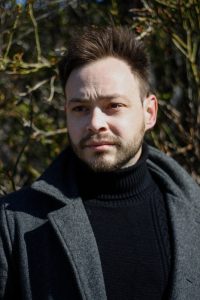
 Today we’d like to introduce you to Charlie Rauh.
Charlie, we appreciate you taking the time to share your story with us today. Where does your story begin?
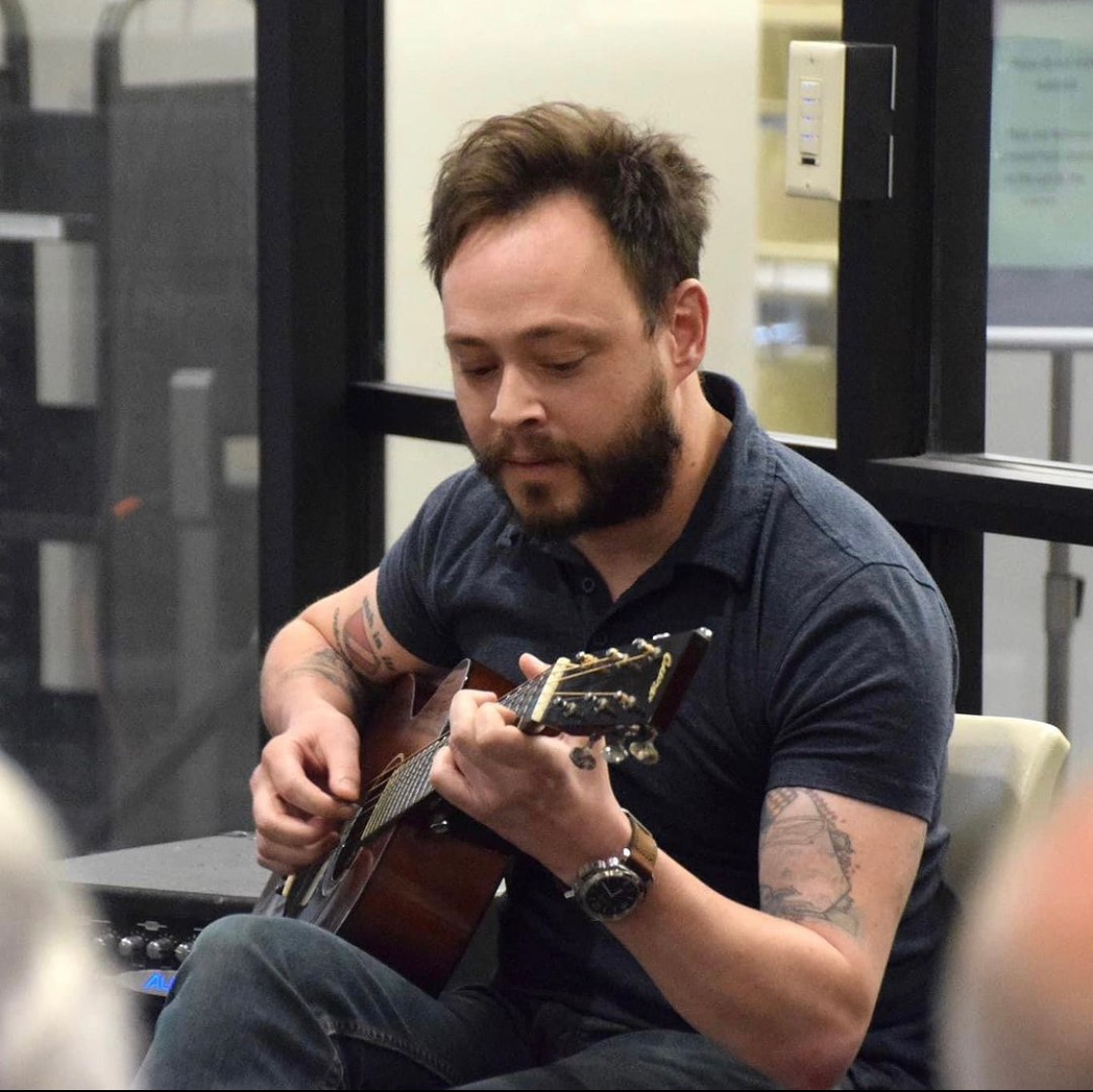
As a child, I often hummed melodies to myself. As early as I can remember, I had melodic ideas in my head to match what I was thinking and what I was feeling. As I grew older, this evolved into an interest in learning music: how to play it, how to document it, how to expand on the concept of creativity. Growing up, my mother would often watch classic films from the 30s-50s, and I started to take a liking to the music I heard in them. This lead to me to eventually learn clarinet and saxophone – instruments that I believed would connect me to the cinematic sounds I found so moving. It was not long before my tastes diversified, and I wanted to be able to be more self-contained in addition to playing with others. At 13, I took an interest in the guitar. My father taught me to play the instrument from his own self-obtained skillset, which made a huge impact on me. His style of playing drew heavily from early American folk music and utilized spaciousness, patience, and simplicity. The guitar soon became my instrument of choice, which lead me to pursue conservatory studies. However, I struggled to find my stride in music school. I was fascinated with the study of music, theory, and the pursuit of stylistic development – but greatly disappointed by the overwhelmingly rigid and out-of-touch approach to the craft in general. I decided to leave halfway through my degree and move to Nashville, TN, where I got my start in studio work. After four years working various day jobs, gigging at night, and working in studios as the sessions came – I decided to move to NYC. Arriving in the city with no contacts, no work lined up, and little experience, I started to go out as much as possible to see live music. I would go see musicians I admired, such as Mary Halvorson, Ingrid Laubrock, and Marc Ribot. I’d talk to everyone I met at shows and try to stay in touch with people who seemed to be on the same page creatively. Eventually, I wound up performing, as well as recording, regularly for several artists as a sideman. I focused on this for almost a decade, building a career and a steady workflow as a session player/backing musician. In addition to this session work, I began to seriously pursue work as a solo artist – signing with the indie label Destiny Records. When COVID hit, I was forced to reconfigure everything about my approach. I learned how to record and produce remotely, and I began to prioritize my own music as a solo artist much more than I had before. In the years following lockdown, I combined the new skills of remote production and artistic focus to take on the greater goal of growing into a multifaceted solo artist and studio producer.
Would you say it’s been a smooth road, and if not, what are some of the biggest challenges you’ve faced along the way?
I have come across my fair share of challenges along the way for sure. In the early days, I struggled with finding my voice as an artist. I struggled with finding work. I struggled with money. The reality of it is that it takes time to develop a professional career as an artist. There is no way to do it other than going straight down the middle and making it work. To make it work requires sacrifices, compromises, and absolute commitment. I made the decision early on that I was not interested in playing cover gigs or weddings as a musician to make money. This meant that I had to carve out a niche as a singular musician in my own right. What I mean by that is that the focus had to be on individual skill, not universal prowess. Instead of trying to be the best guitarist at every possible style, I instead honed in on tone, phrasing, harmony, and creative approach. The best way to overcome certain obstacles is to decide they aren’t there. In the world of professional music, most people try to do the same thing. They work on being technically masterful, they work on being able to replicate styles, and they accumulate gear to facilitate these pursuits. I came across the challenge of making a comfortable living as a musician, and I decided I would accomplish it by doing the opposite. Instead of building my creative identity on technique, I dedicated my time (and still do) to the development of technique built on the foundation of my creative identity. The goal is not to master every style of playing with impeccable technique. The goal is to continuously nourish my creative voice by developing a technical approach which allows me to weave in and out of any musical scenario I choose to.
Thanks – so, what else should our readers know about your work and what you’re currently focused on?
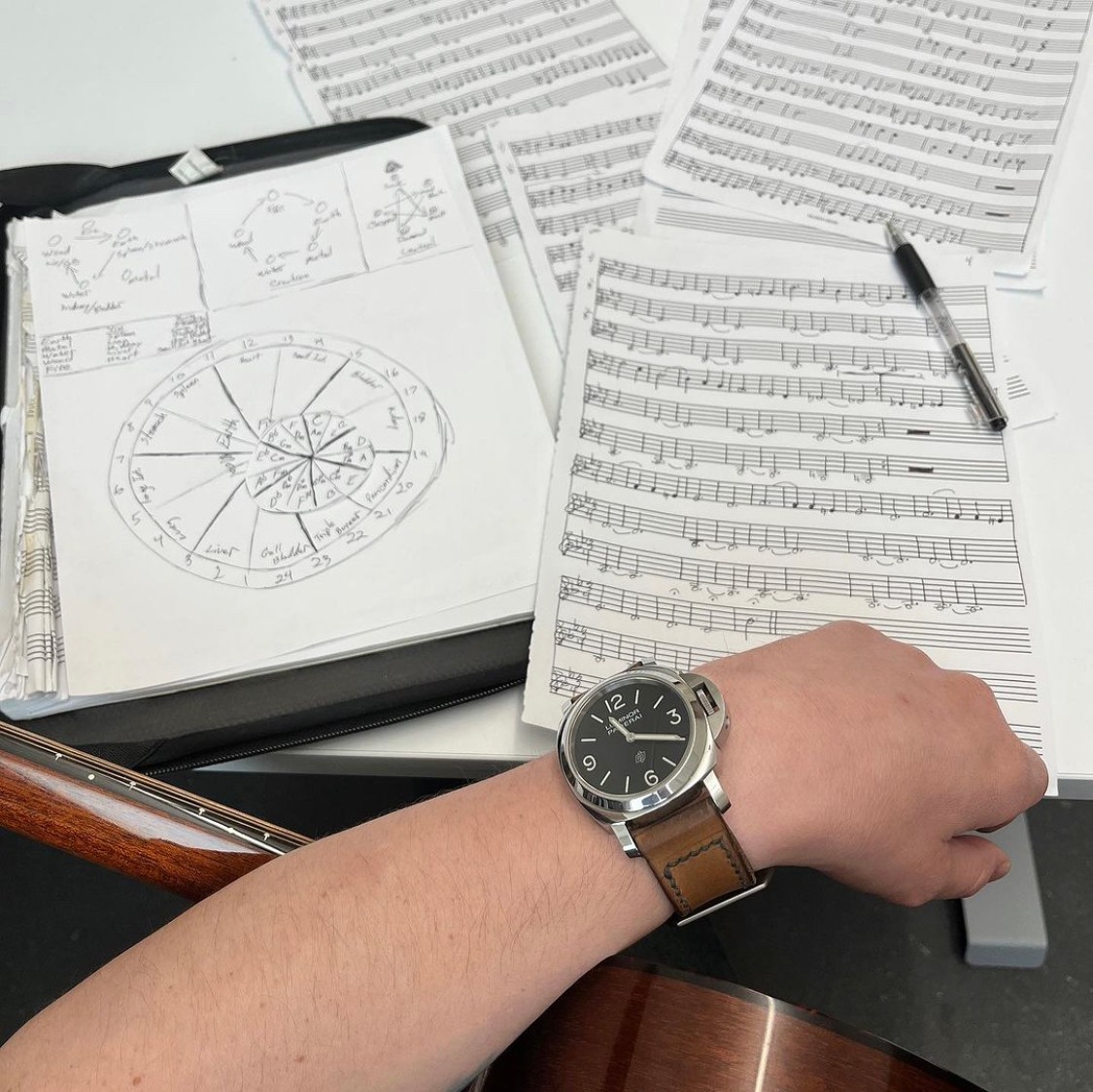
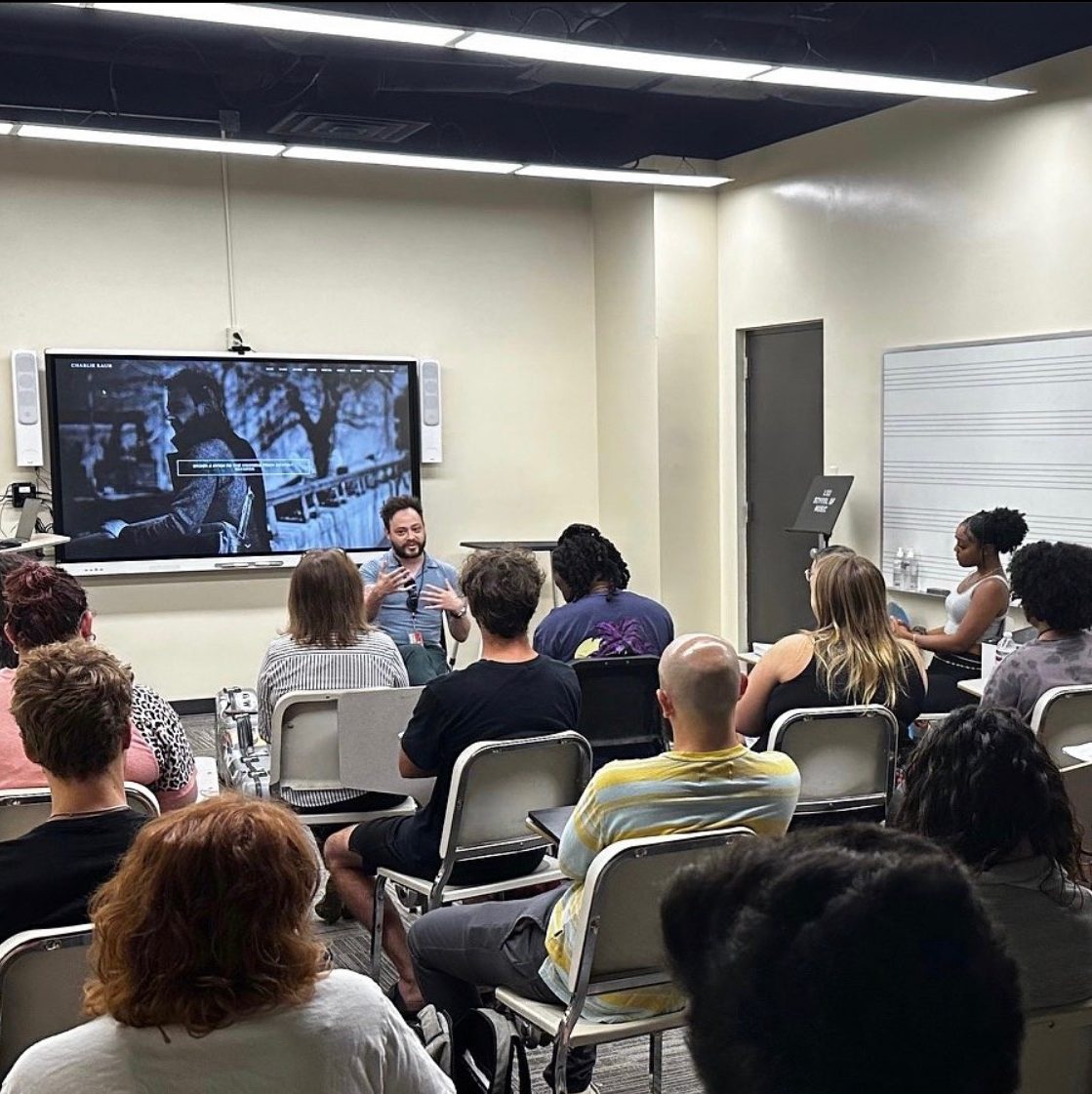
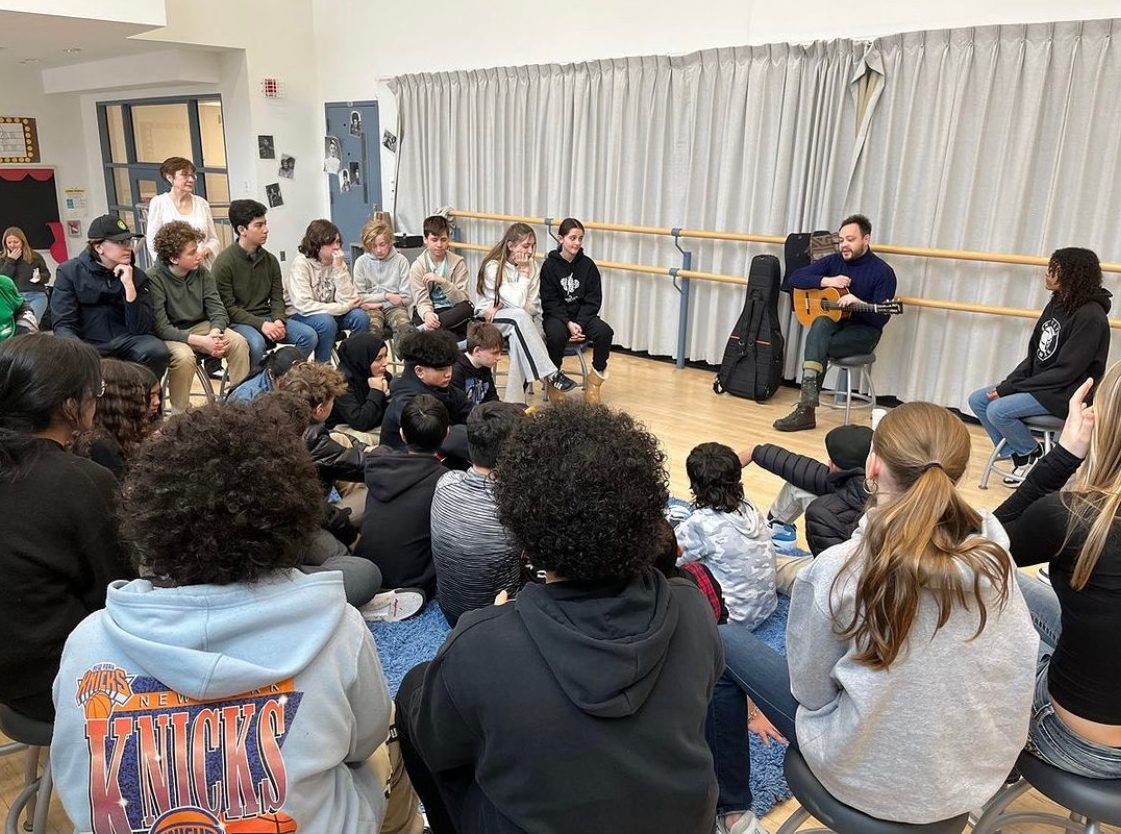
I am most proud of my work as a solo guitarist and composer. I have spent the past 7 years developing an intentional approach to guitar composition. I often take inspiration from literature – translating the meaning of written works into sound. Working with the writing of authors such as: Anne Brontë, Anna Akhmatova, Anne Morrow Lindbergh, and Phillis Wheatley, I attempt to translate the core of their message into music. This work has led me to publishing several written works of my own, explaining and teaching the creative process I use. Based on this work, I have been invited to be composer in residence for several organizations as well – the latest being Louisiana State University’s School Of Veterinary Medicine. Due to my ongoing work translating the intention of literature into music, LSU Vet Med reached out to ask if I would be interested in attempting this process with one amendment: instead of translating literature’s intention, to translate the intention and wellness-oriented pursuit of veterinary medicine. The experience, as well as the music produced from it, are a highlight in my life to date. In addition to composer residencies, my work in music has segued into increasingly frequent guest lectures and written pieces on creative process. I have had the pleasure of giving workshop lectures for several schools, ranging from graduate students to middle schoolers, to discuss ways of approaching intention-oriented creativity. Recently, I have started to publish written pieces explaining my composition process and how to build a creative identity on a foundation of intent.
What was your favorite childhood memory?
When I was 4 years old, during a rainy day, I told my mother I wanted to go outside. We went for a walk and came across a woman walking her dog. Having recently lost our family pet, we stopped to talk and pet the little shih tzu. They said that we could have him, as they were getting ready to move, and couldn’t bring him along – so he became a beloved family pet for years to come.
Contact Info:
- Website: charlierauh.com
- Instagram: https://www.instagram.com/charlierauh_music/
- Facebook: https://www.facebook.com/charlierauhmusic/
- Linkedin: https://www.linkedin.com/in/charlie-rauh-585539256/
- SoundCloud: https://soundcloud.com/charlie-rauh