




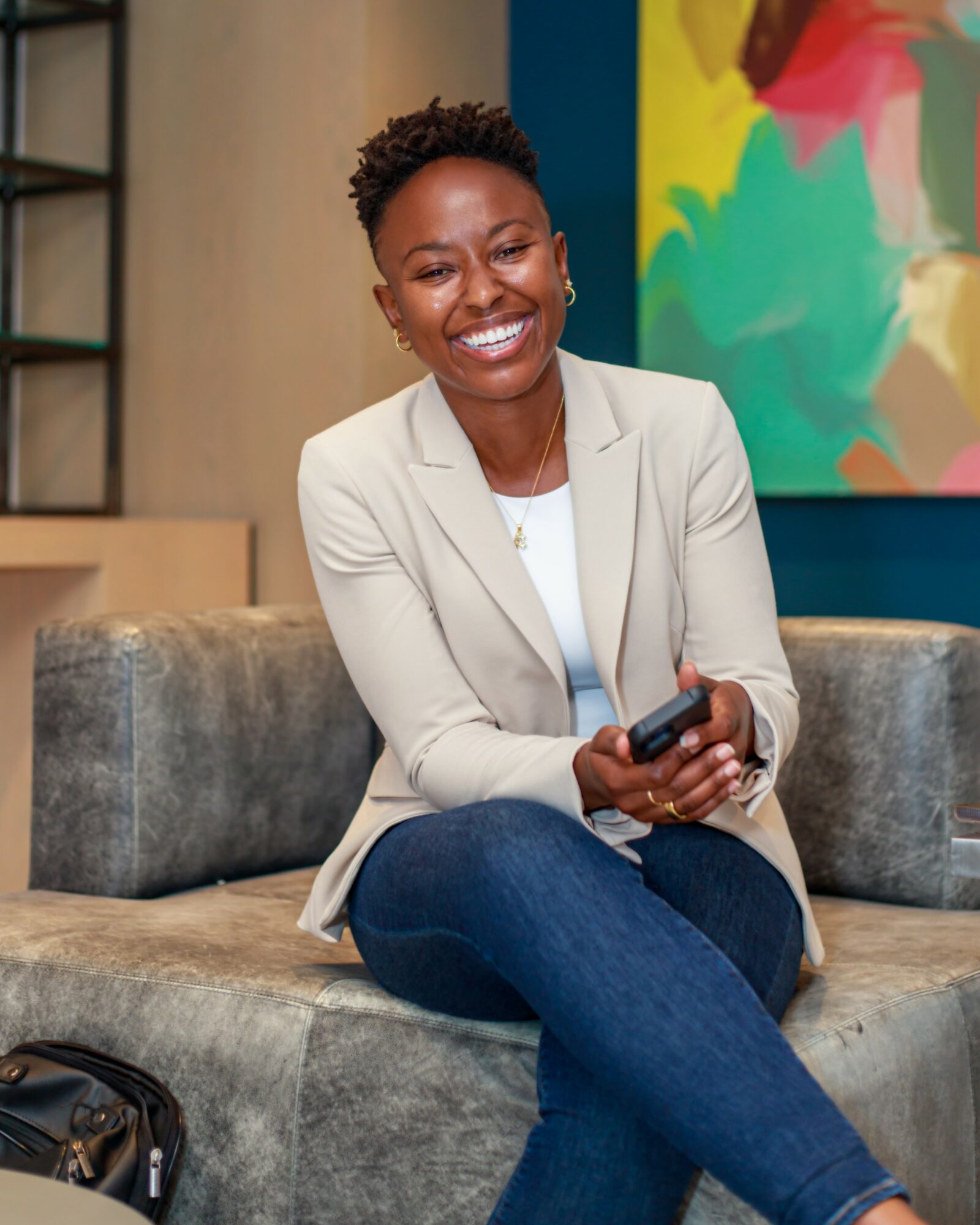
Today we’d like to introduce you to Ashlee Edwards.
Hi Ashlee, we’d love for you to start by introducing yourself.
I like to joke that I became a private money lender by “minding my business and listening to podcasts.”
In 2022, I kept hearing about something called a self-directed IRA (SDIRA). The first time I heard about it on a podcast, I was intrigued but busy, so I filed it away in my mind. When it came up again on a different podcast, I took it as a sign to stop ignoring it and actually dig in.
At the time, I was laser-focused on real estate investing—specifically the BRRRR strategy—and I really wanted to do my first flip. On the podcast, I learned that you could use funds from an old 401(k) to invest through an SDIRA. That caught my attention because I had just left my law firm job and still had a 401(k) sitting there, untouched.
So I called one of the SDIRA companies, had them roll over my old 401(k), and opened my account. The package I purchased came with a free consultation with an attorney. I got on the call ready to talk about BRRRR, flips, and all the real estate deals I wanted to do.
I told him my plan: “I want to use my SDIRA to flip a property.”
He admired my goal, but then he paused and said, “Can I offer you a bit of advice?”
He went on to say, “You know, my billionaire clients are not using their SDIRAs to invest in real estate that way. They’re using them to do private loans.”
I was intrigued—and honestly a little confused. I had no idea what he meant by “private loans” in this context. He broke it down for me: instead of owning the property, I could be the bank—making short-term, secured loans to investors and earning returns inside my SDIRA. After that conversation, I decided to take his advice. I structured my first deals as a private lender instead of a flipper, and I’ve been lending ever since.
That one conversation completely shifted my wealth-building strategy. Don’t get me wrong…I still invest in real estate. But I’ve added private lending to the equation.
Fast forward a bit: I was asked to do a virtual presentation for Black Women Invest. The founder requested that I speak on private lending. I told her, “I don’t have an offer around that—it’s not something I formally teach.” She simply encouraged me to think about it.
At the same time, I was fresh out of Myron Golden’s Make More Offers Challenge and Danielle Leslie’s Course From Scratch program. So all of that was swirling in my head: making compelling offers, packaging my expertise, and serving a specific community.
I decided to create a 4-week Private Money Lending Accelerator just for the BWI community. I opened 10 spots. During that one virtual webinar, 8 of the 10 spots filled. That’s how the Accelerator was born.
At the end of that first cohort, my students asked me for a way to keep going—to keep learning, asking questions, and supporting each other. They didn’t want it to end after four weeks. That request became the seed for LNDR$ + FRNDS, which is now a growing private community for aspiring and experienced private lenders.
Today, in addition to being an attorney and real estate investor, I help everyday people learn how to become the bank—safely, legally, and strategically—through the Private Money Lending Accelerator and LNDR$ + FRNDS. What started as a couple of podcasts and an unexpected piece of advice has turned into a movement and a community I’m really proud of.
Can you talk to us a bit about the challenges and lessons you’ve learned along the way. Looking back would you say it’s been easy or smooth in retrospect?
Definitely not a smooth road. I’d actually describe my early days as a private lender as a bit of a roller coaster.
In the beginning, there were many moments where I felt foolish for letting small companies and individual investors borrow my retirement money. When you wire out funds from your SDIRA, it can feel very real, very fast. There were times when borrowers paid late or went completely silent for a while, and I was terrified that I’d never see my money again and would have to pursue legal action.
At the time, I didn’t yet understand that some level of uncertainty, delay, and tough conversations is just part of being a private lender. Now I know that collections, extensions, and restructuring are normal tools in the lender toolbox—but back then, it felt like failure.
I’ve also made my fair share of mistakes. Even as an attorney, I’ve done things I knew deep down I shouldn’t have done—like giving unsecured loans or being too flexible with people I liked and trusted. Those are the kinds of decisions that can turn “passive income” into stress and sleepless nights.
It’s been a very aggressive learning journey. I had to quickly tighten my criteria, solidify my legal protections, and build systems so that my lending business actually supported my peace of mind instead of constantly draining it.
Those hard lessons are exactly why I’m so passionate about teaching private lending now. In the Accelerator and inside LNDR$ + FRNDS, I help people avoid the pitfalls I experienced—things like making unsecured loans, skipping due diligence, or not having a clear lending box—and give them frameworks so they’re not learning everything the hard (and expensive) way like I did.
Thanks for sharing that. So, maybe next you can tell us a bit more about your work?
Today, I wear a few hats: I’m an attorney, a real estate investor, a private money lending educator, and a business and operations consultant.
On the legal side, my background is in contracts and transactional work—especially around marketing, partnerships, and business operations in regulated spaces. In simple terms, I spend a lot of time making sure that what people want to do in business is clearly documented, compliant, and actually workable in real life. That lens has made me meticulous about structure, risk, and the “fine print” that most folks skip over.
That legal and operational mindset is a huge part of what I bring into my entrepreneurial work. I run a 4-Week Private Money Lending Accelerator and a private community called LNDR$ + FRNDS, where I help everyday people learn how to become the bank through business-purpose private lending.
I specialize in working with busy professionals, first-generation wealth builders, and real estate-curious folks who know they want their money to work harder—but don’t necessarily want to be full-time landlords. Inside the Accelerator, I teach them how to structure short-term loans (often in the $10K–$30K range), set up their lending business, understand key legal and compliance concepts, and build systems so lending adds peace and cash flow instead of stress.
LNDR$ + FRNDS is the ongoing community that grew out of that work. It’s a space where aspiring and experienced lenders can keep learning, share deals, ask questions, and connect with power-team professionals like attorneys, CPAs, and insurance brokers. I don’t represent members as their lawyer or give individual legal advice in the community; instead, I give them frameworks, checklists, and better questions so they can have smarter conversations with their own advisors.
What I’m most proud of is the quiet but powerful transformation I get to witness: students doing their very first loans, renegotiating bad deals into better ones, saying “no” to opportunities that don’t fit their lending box, and realizing, “Oh, I actually can be the bank.” Many of them are women—often Black women and first-gen wealth builders—who have spent years being told to just save, budget, and be grateful. Watching them step into the lender seat is incredibly meaningful to me.
What sets me apart is the combination of roles I bring to the table. I’m not just teaching theory—I’m an active private lender who has made mistakes, tightened my own practices, and continues to lend my own money. I’m also a contracts attorney who cares deeply about protecting people from avoidable risk, and a teacher at heart who loves turning complex ideas into plain language, visuals, and repeatable systems.
People often tell me that I have a calming, no-judgment way of talking about money and legal risk. I don’t glamorize lending, but I also don’t make it scarier than it needs to be. I create spaces where smart, thoughtful people can learn how to lend legally, intentionally, and in alignment with the life they’re building—not just the returns they’re chasing.
What sort of changes are you expecting over the next 5-10 years?
I think private lending is quietly moving from the “hidden strategy for insiders” column into the mainstream—and that shift is only going to accelerate over the next 5–10 years.
On one side, traditional banks are getting stricter, slower, and more risk-averse. On the other side, you have everyday people sitting on retirement accounts, home equity, and savings that aren’t growing the way they’d hoped. Private lending sits right in the middle: it gives investors and business owners access to flexible capital, while giving everyday people a way to earn stronger returns if they’re smart and structured about it.
I see a few big shifts coming:
More everyday lenders, smaller deal sizes. I think we’ll see more professionals—nurses, engineers, educators, corporate folks—doing deals in the $5K–$50K range, not just big six-figure loans. Micro-lending for things like equipment, inventory, or short-term business opportunities will grow as people realize they don’t need millions to start lending.
Increased use of SDIRAs and other tax-advantaged vehicles. As more people learn they can use self-directed IRAs and solo 401(k)s to lend, you’ll see a rise in “quiet lenders” who don’t necessarily post about it on social media but are steadily becoming the bank in the background.
More tech, more platforms—and more noise. Technology and AI will make it easier to find deals, evaluate opportunities, and manage notes. That’s exciting, but it also means there will be more bad deals, more aggressive marketing, and more people jumping in without understanding the risks. Education and discernment will matter even more.
Greater focus on compliance and consumer protection. Anytime money moves and an industry grows, regulators pay attention. I expect more emphasis on making sure loans are truly business-purpose, clearer disclosures, and more scrutiny on how deals are structured and marketed. Lenders who understand the rules and respect them will have a big advantage.
More women and first-gen wealth builders in the lender seat. This is the part I’m most excited about. Historically, lending power has been concentrated in a pretty narrow group. I’m already seeing more women, especially Black women and other women of color, step into private lending as a way to build wealth without burning out. I think that trend will only grow—along with communities like LNDR$ + FRNDS that support them.
My work sits at the intersection of all of this: education, legal awareness, and community. My goal is to make sure that as private lending grows, more people are doing it wisely—with solid structures, clear boundaries, and a deep respect for both the power and responsibility of being the bank.
Contact Info:
- Website: https://lndrsnfrnds.com/
- Instagram: https://instagram.com/lndrsnfrnds
- Facebook: https://www.facebook.com/lndrsnfrnds
- Youtube: https://www.youtube.com/@ashealways
- Other: https://accelerator.elevatewithashlee.com/
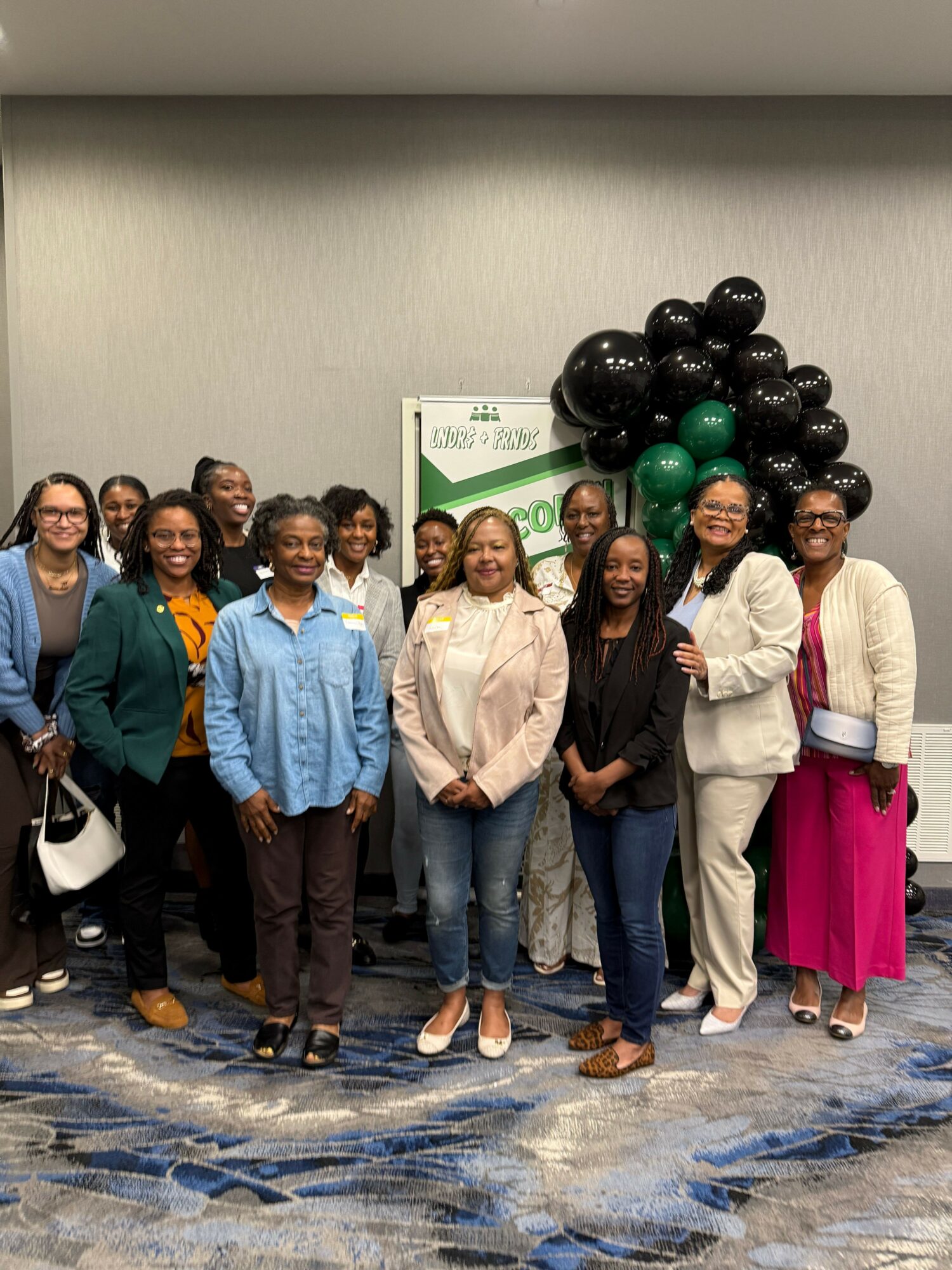
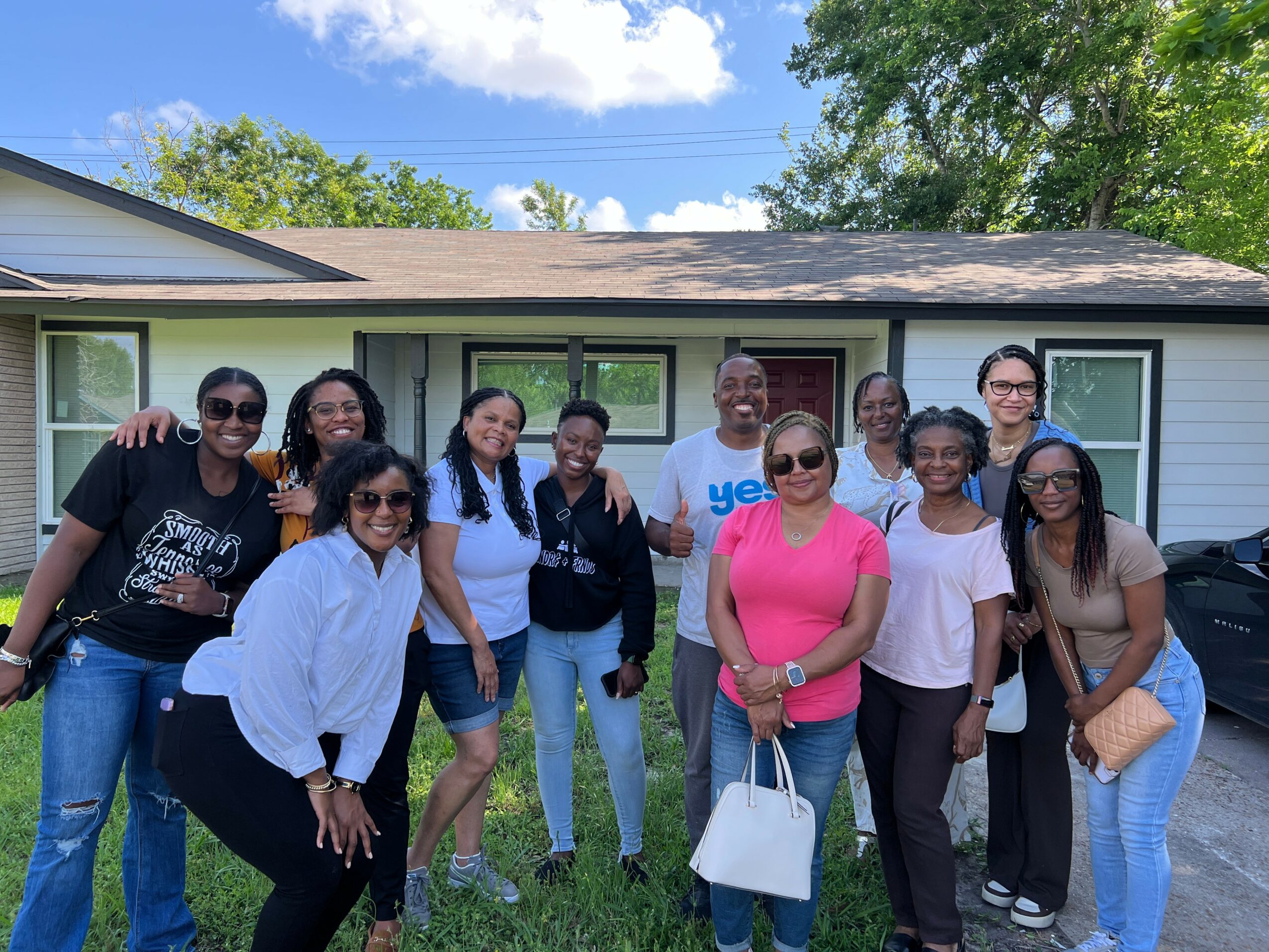


Image Credits
Veering 7 Dynasty (for the photos of just me)
Popular
-

What is the story you hope people tell about you when you’re gone?
-

Who were you before the world told you who you had to be?
-

Was there ever a time you almost gave up?
-

What is something outside of work that is bringing you joy lately?
-

Who saw you clearly before you could see yourself?
-

What are the biggest lies your industry tells itself?


