




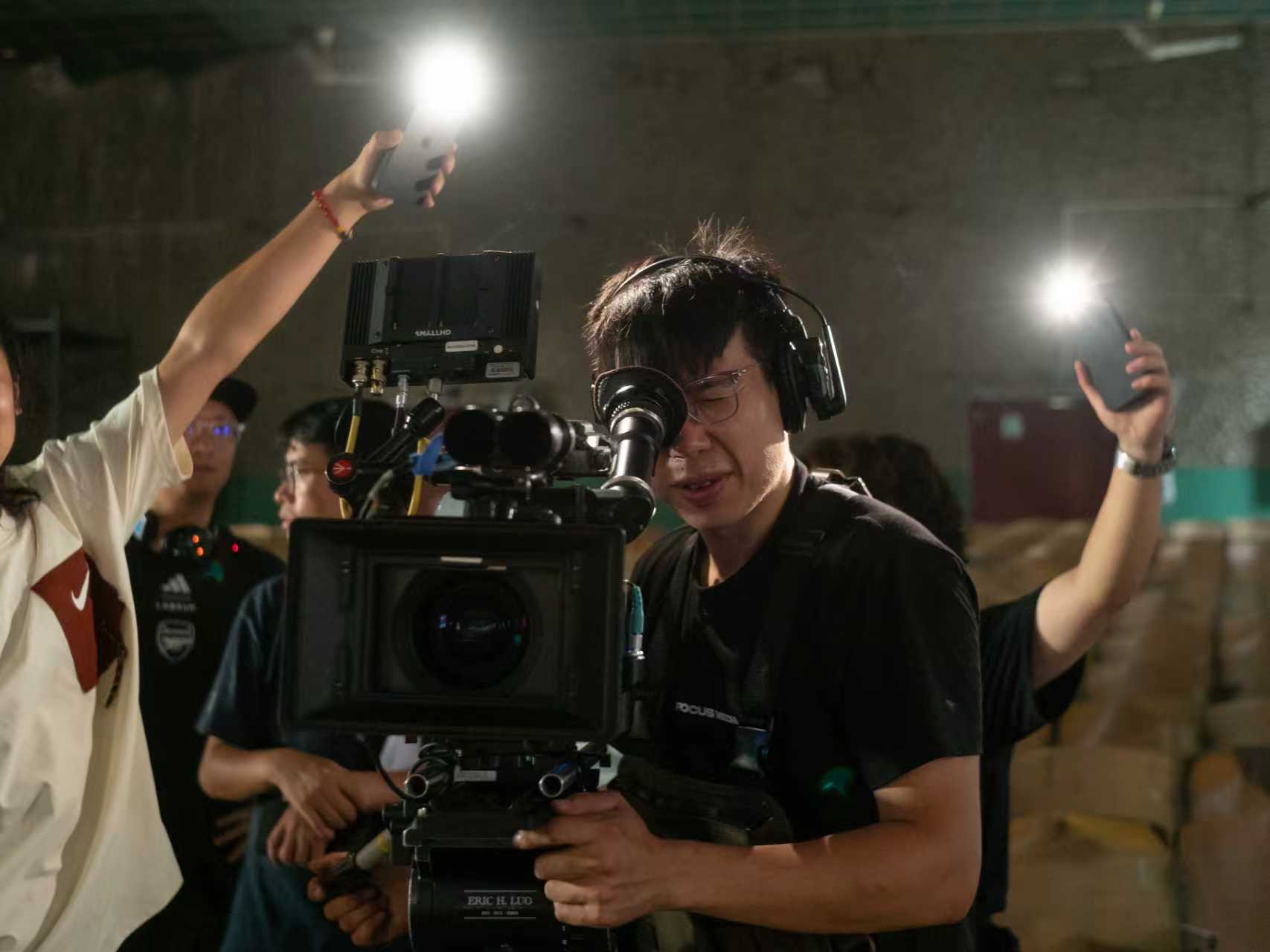
Today we’d like to introduce you to Angus Cheung.
Hi Angus, we’re thrilled to have a chance to learn your story today. So, before we get into specifics, maybe you can briefly walk us through how you got to where you are today?
I didn’t plan on becoming a First Assistant Camera — I just fell in love with the rhythm of filmmaking. The first time I stepped on set, I was fascinated by how everyone moved together — the precision, the pressure, and the quiet magic that happens when the camera rolls.
I started from the bottom, carrying gear, labeling media, and watching how other ACs worked. I’d stay late after wrap just to study how focus systems were calibrated or how different lenses breathed when they racked. That curiosity slowly turned into a craft.
As a 1st AC, my job is to stay calm when everything else is moving fast — to keep the image sharp and the camera alive through chaos. But to me, it’s about more than precision — it’s about trust. The DP trusts me to protect the shot, the actor trusts that focus will find them, and the director trusts that what’s captured is true.
Today, I’ve been fortunate to work across features, commercials, and music videos with crews that challenge and inspire me. I’ve also grown to love the technical side even more — learning to service lenses, build custom cables, and really understand the mechanics behind the image. Every project still teaches me something new, and I think that’s what keeps me in love with this work.
It’s not always glamorous — there are long days, unpredictable weather, and moments where everything breaks at once — but when you nail a complex shot and see it play back perfectly, it feels like magic. That feeling never gets old.
Can you talk to us a bit about the challenges and lessons you’ve learned along the way. Looking back would you say it’s been easy or smooth in retrospect?
It definitely hasn’t been a smooth road. Being a 1st AC can feel like living in controlled chaos — every shot is high-stakes, every mistake is visible, and you don’t get many second chances. Early on, I struggled with the pressure. I’d go home replaying every focus pull in my head, wondering if I could’ve done better.
There were stretches when work was slow, or I’d be on back-to-back night shoots, barely seeing my family. It’s hard to explain to people outside the industry — the long hours, the exhaustion, the feeling that your entire day revolves around making sure one tiny mark stays sharp. But over time, I learned that this job isn’t just about focus on the lens — it’s about focus in life. Patience, balance, and knowing when to breathe.
What’s kept me going is the people and the moments in between takes — the quiet nods from the DP when you nail a tough shot, the laughter at 3 a.m. when the crew’s delirious but still pushing through. Those moments remind me why I love what I do.
The journey has tested me in every way — technically, mentally, and emotionally — but it’s also shaped who I am. I’ve learned that resilience doesn’t mean never struggling; it means showing up again the next morning, ready to give it your best focus.
Thanks – so what else should our readers know about your work and what you’re currently focused on?
I work as a camera professional in the film industry, primarily as a First Assistant Cameraman (1st AC) / focus puller, while also being deeply involved in the technical and creative side of cinematography. My work lives at the intersection of precision and emotion—making sure images are technically flawless while supporting the visual storytelling of the film.
I specialize in narrative-driven projects, often working on films that require both technical discipline and sensitivity to performance. I’m known for being calm under pressure, detail-oriented, and deeply collaborative. Whether it’s pulling focus on demanding long takes, working with film formats like Super 16mm, or adapting quickly to fast-moving, low-budget, or high-stakes environments, I take pride in being someone directors and cinematographers can trust.
What I’m most proud of isn’t just a single project, but the path I’ve taken. I’ve worked across different countries and film cultures—including the U.S., the U.K., China, and Hong Kong—and each experience reshaped how I see filmmaking. Recently, a demanding shoot in China–Hong Kong, with multiple locations per day and a 24-hour final shoot, reminded me why I fell in love with this craft in the first place. Despite exhaustion and limitations, the crew’s shared belief in the story made the impossible possible.
How do you think about happiness?
What makes me happy is the feeling of being fully present in the process of making something meaningful. On set, when everyone is tired, time disappears, and the work becomes instinctive—that’s when I feel most alive. Filmmaking, at its best, creates a quiet sense of purpose where effort, trust, and creativity align.
I’m happiest when I’m learning—whether it’s understanding a new technical challenge, working with film formats like Super 16mm, or discovering a better way to support a story visually. Growth gives me momentum, and momentum gives me joy.
Outside of work, I find happiness in connection and responsibility—being a father, showing up for my child, and building a life that values care, patience, and integrity. Those moments ground me and remind me why the stories we tell matter.
Ultimately, happiness comes from doing work that demands honesty, courage, and collaboration—work that reflects life as it really is, imperfect but deeply human.
Contact Info:
- Website: https://www.acfocuspuller.com/
- Instagram: https://www.instagram.com/cheungangus/
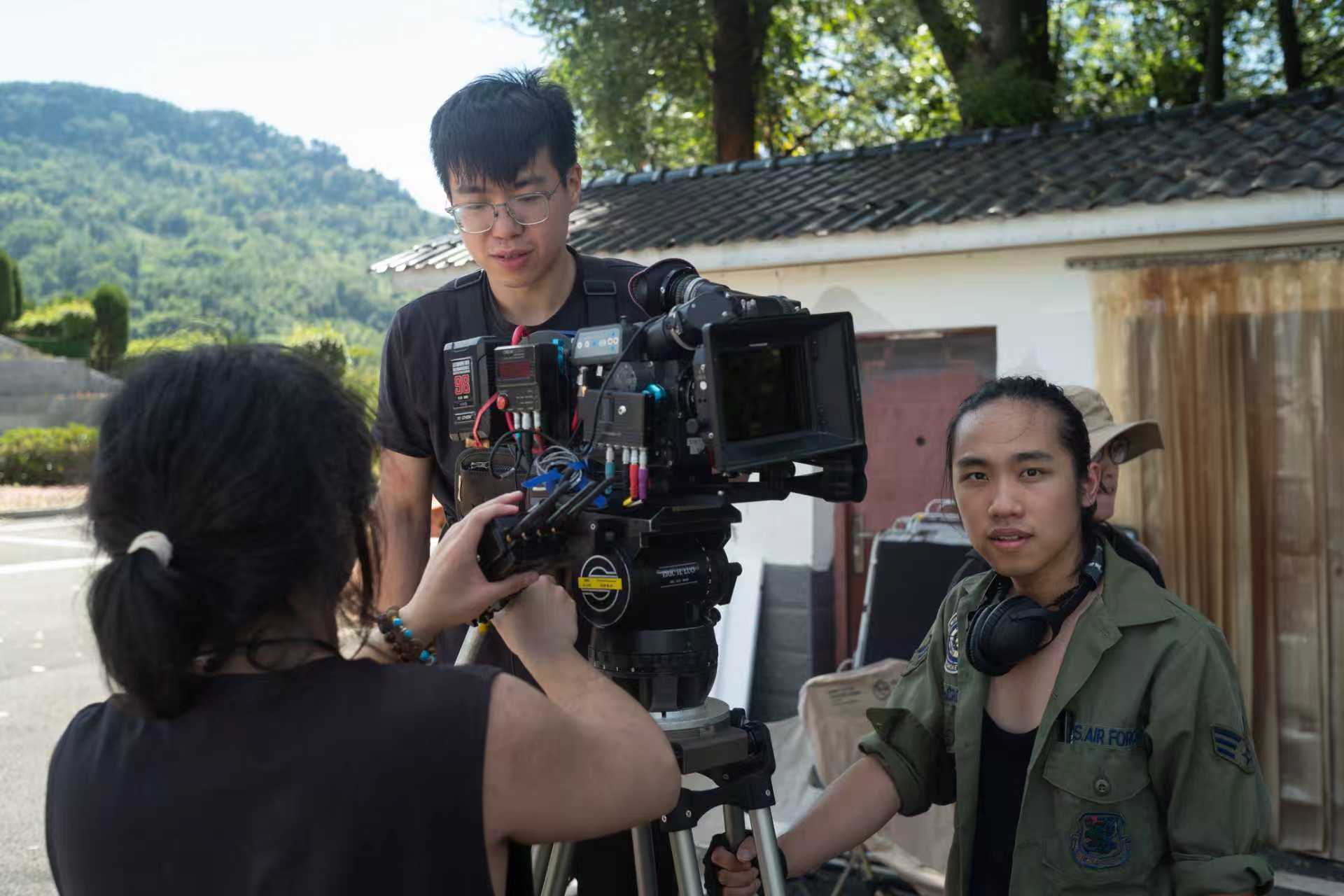
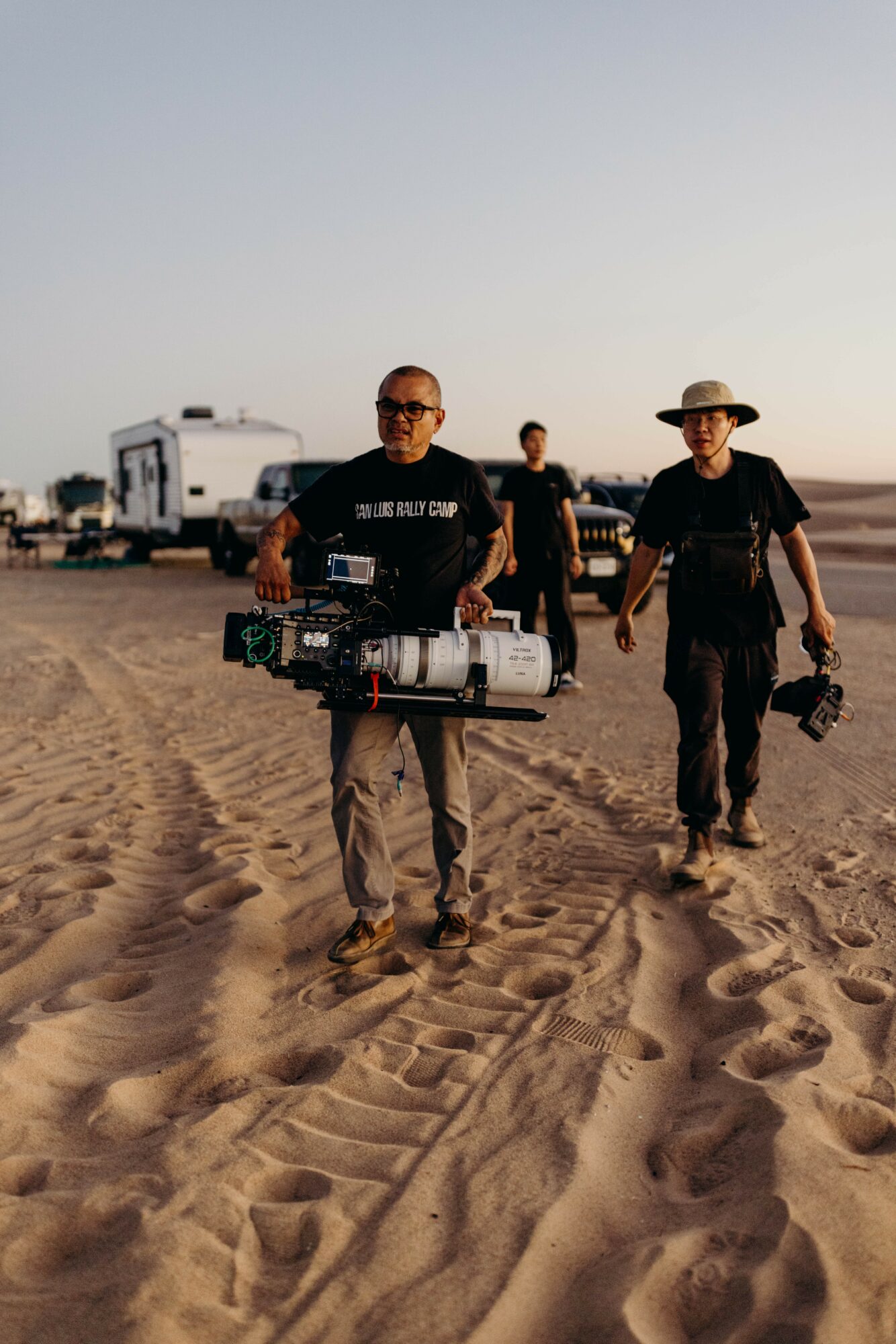
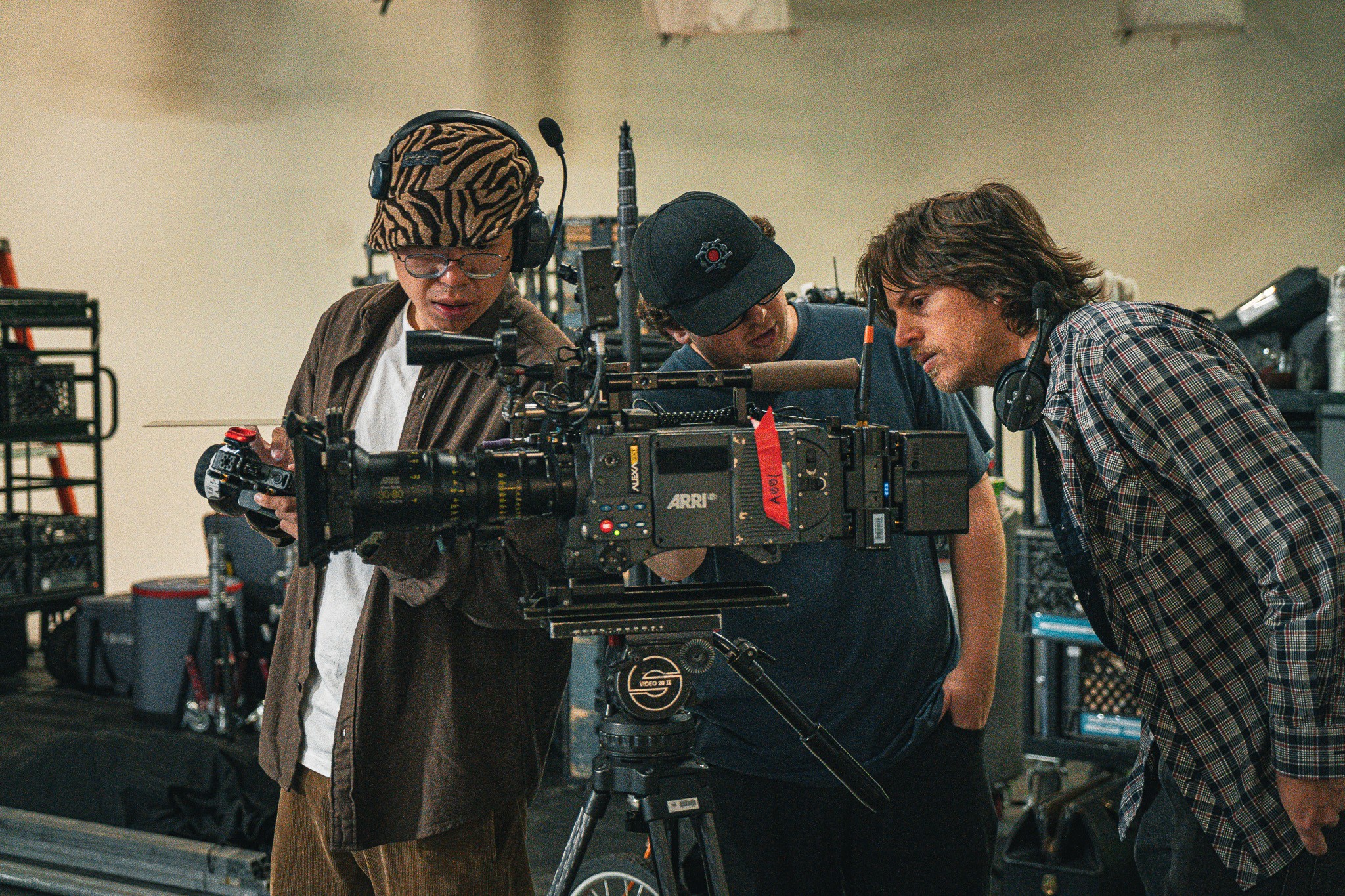
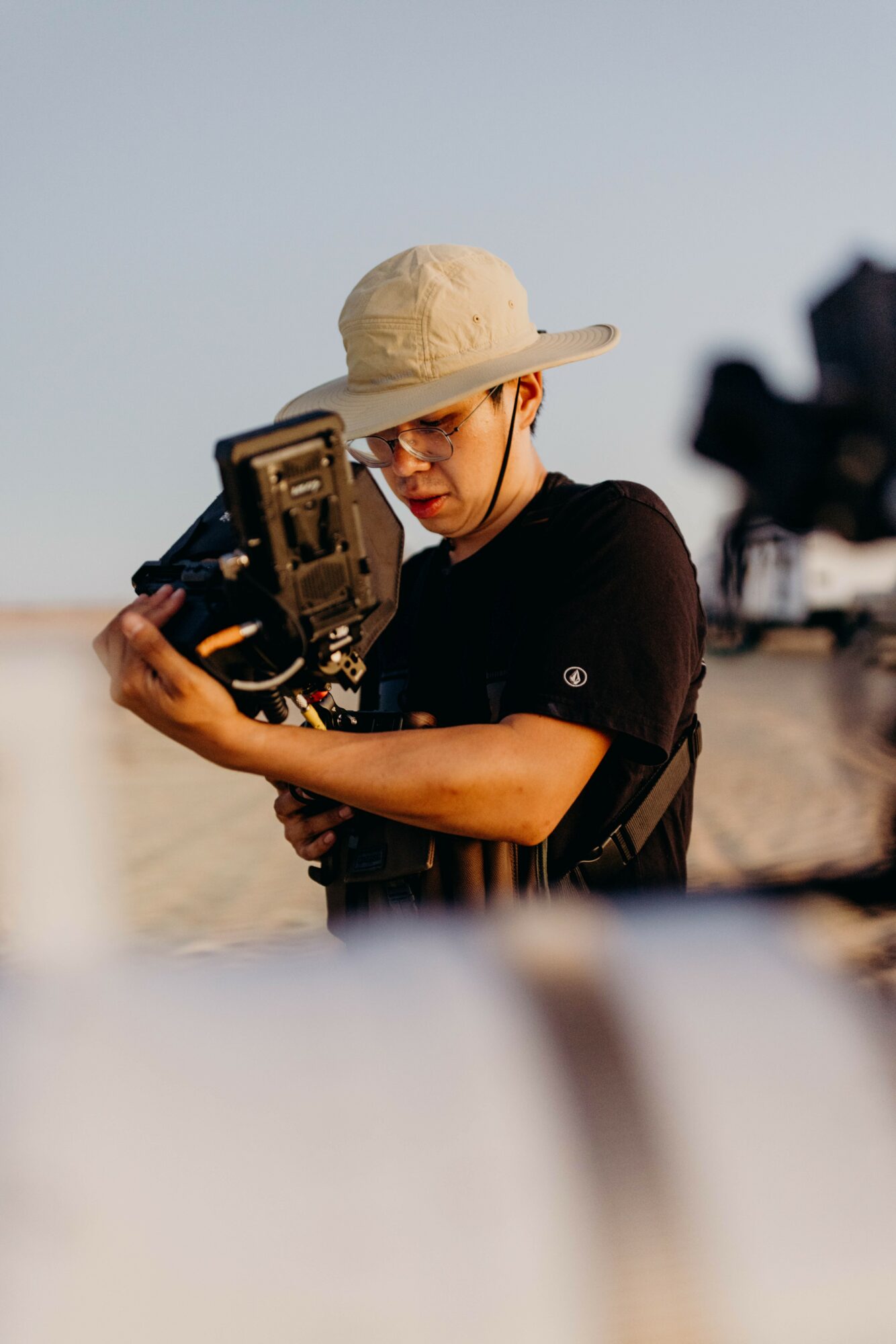
Image Credits
Lester LaVonne Ware
Popular
-

Christina Wren Steps Into the Director’s Chair to Tell Stories That Feel Like Home
-

Portraits of the Valley
-

LA’s Most Inspiring Stories
-
JordanL on ‘Breathe,’ Belief, and Building a Movement Beyond the Music
-

Megan Birney Rudert on How Access to Light Is Powering a More Sustainable and Equitable Future
-

Linda Kneidinger on Building Lasting Change Through Small Steps and Self-Compassion


