



We’re looking forward to introducing you to Annie Hetrick-Dahm. Check out our conversation below.
Good morning Annie, it’s such a great way to kick off the day – I think our readers will love hearing your stories, experiences and about how you think about life and work. Let’s jump right in? Are you walking a path—or wandering?
I would currently consider myself a wanderer. Most of my adult life has moved along a defined path driven by achievement, external validation, and the desire to build a reputation in my field. This kind of focus is usually praised as ambition or strength, and while it brings opportunities, responsibility, and recognition, it also creates a cycle of never feeling like I have arrived where I need to be. Every milestone only raises the bar for the next one.
This past year shifted everything. I have been home with my three-year-old while pregnant, and for the first time in my adult life, I am allowing myself to wander. Not aimlessly, but by intentionally following curiosity, savoring my hobbies for their own pleasure, and being present with my family and with myself. I feel a sense of peace now that my younger, career-insecure self might have mistaken for resignation or failure.
Walking a path can make the end goal feel perpetually out of reach. Wandering, on the other hand, lets me experience novelty and the present moment not as a means to an end, but as the actual point of life. Choosing to wander has been incredibly healing for my nervous system and surprisingly clarifying for my sense of self.
Can you briefly introduce yourself and share what makes you or your brand unique?
I am Annie Hetrick-Dahm, a Los Angeles–based multidisciplinary artist, writer, and architectural designer. My creative work sits at the intersection of emotion, architecture, and identity. Whether I’m painting, writing fiction, or designing spaces, I am drawn to how people inhabit both their inner and outer worlds, and how those worlds shape them in return.
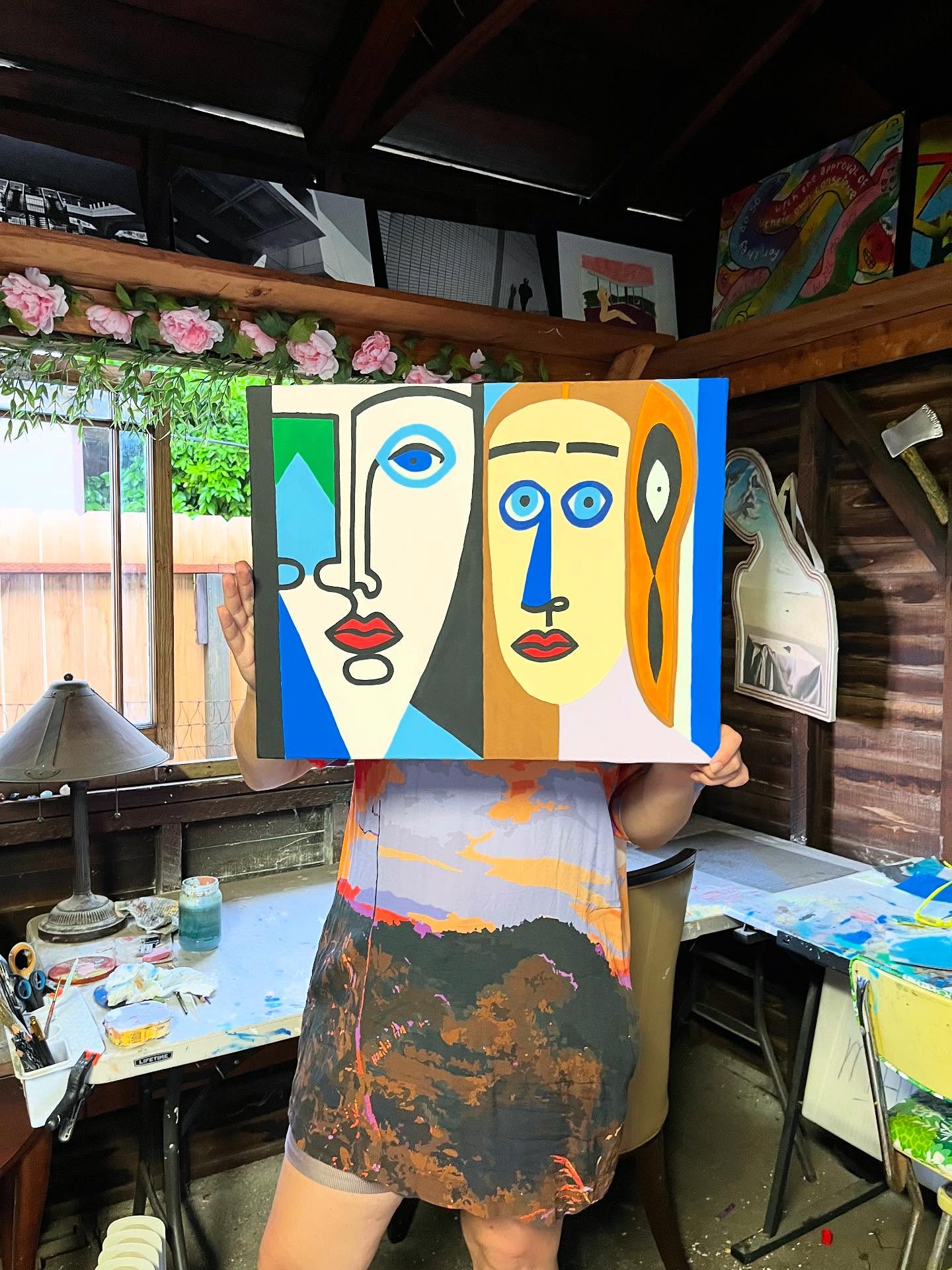
My artwork blends abstraction and figuration to explore psychological landscapes: faces merging with structures, color acting as emotional architecture, and compositions that hold both tension and vulnerability. I also write literary and psychological fiction, and I’m currently preparing to publish my debut novel Oral, a confessional psychological horror story that examines transformation, obsession, and the complexities of female identity.
What makes my work unique is its through-line: I use painting, writing, and design as a way to map my internal world. After a decade working in architecture and high-end retail design, becoming a full-time creative in 2025 has allowed me to merge my practices into something more honest, intuitive, and personal. I’m currently building my portfolio, expanding my body of work, and developing several narrative projects while raising my daughter and preparing for my second child. My life and art are in a moment of reinvention, and I’m excited to share that evolution.
Amazing, so let’s take a moment to go back in time. Who were you before the world told you who you had to be?
Before the world told me who I had to be I was already an artist. As a kid I drew constantly, wrote stories, and stitched together weird little outfits just because I loved the process. I was not concerned with doing any of it well. The joy was in the making itself and the pride came from within, not from an audience.
Adulthood complicates that purity. We are taught that our time only has value if it can be monetized, branded, or turned into a product. Especially in an unforgiving economic climate, it is easy to feel like time spent creating for no reason other than curiosity or delight is irresponsible. While I do dream of supporting my family through work I love doing, I have been working to reincorporate my childlike courage by practicing my willingness to wonder, follow impulses, and make messes and mistakes without second-guessing their usefulness to others.
Motherhood has been a powerful reminder of that. Watching my daughter create with such ferocity and freedom shows me how brave it is to make art simply for its own sake. I am grateful to carry that spirit into my own work and to pass it on to her. I want to show her that creativity isn’t a performance or a product but a way of being in the world.
What fear has held you back the most in your life?
The fear that has held me back the most is the fear of “fitting in.” Not in the traditional sense of wanting acceptance, but the opposite: I’ve always been afraid that if I blended in I would lose the parts of myself that make me unique. From a young age I pushed to excel, stand out, and do things my own way. That impulse protected my individuality but it also kept me at a distance from the very structures that could have supported me, like community, mentorship, and collaboration.
Because of that I often feel confused or out of place in social and professional environments, as if everyone else received a handbook in a language I am incapable of deciphering. It feels safer to stay in my own world, where I can create freely without worrying about whether I am doing things the “right” way.
Reflecting back I can see how this fear has limited me. I sometimes hesitate to learn from others, adopt existing models, or participate in the art and design ecosystem in a way that can accelerate my growth. I am still learning how to seeking connection or structure in ways that doesn’t feel like diluting my individuality. I am still learning that working with others can expand what I am capable of. Letting myself belong still feels foreign to me, but I know that it could mean giving my work the chance to reach further audiences than I am able to on my own.
Next, maybe we can discuss some of your foundational philosophies and views? What important truth do very few people agree with you on?
One truth I hold that very few people seem to agree with is that not everything needs to be normalized. It’s okay to be an outlier. It’s okay to trust your intuition even when it puts you at odds with cultural expectations, especially when it comes to motherhood.
I disagree with the pervasive belief that a “good mother” is synonymous with self-sacrifice and that her time, body, and identity should be endlessly available. While motherhood does require some financial and bodily sacrifice, giving all of yourself to your children, your partner, or your home, will eventually hollow you out. It breeds resentment, not closeness. I think about The Giving Tree often. The story is framed as love, but it’s really a cautionary tale about what happens when someone gives until there’s nothing left.
I choose a different model. Sometimes my house is messy because I don’t have the energy to clean. Sometimes I say no to hopscotch or hide-and-seek because I’d rather read my book on the couch. Sometimes I honor the simple truth that I am tired, and I do so without guilt. I am resistant to most societal pressure put on women to appear or act a certain way, and I am confident in myself regardless of the flaws that I am supposed to feel ashamed of as a woman and mother.
Protecting my “no’s” allows my “yes’s” to come from a wholehearted place. Setting boundaries doesn’t make me selfish, but gives me space to define what I find important in life and makes motherhood sustainable for me. I believe more mothers would thrive if they gave themselves permission to be whole people and not endless sources of output.
Okay, we’ve made it essentially to the end. One last question before you go. Have you ever gotten what you wanted, and found it did not satisfy you?
Mike Flanagan has a line in The Fall of the House of Usher that I love: “Nearly realized is the sweetest… it’s better in the moment just before than the moment after.” I have found that to be true. There have been many times in my life when I achieved exactly what I thought I wanted, only to realize that the arrival wasn’t nearly as satisfying as the anticipation or the becoming.
Architecture is a perfect example. I spent years in school and in the industry chasing an image of who I thought I needed to be: someone accomplished, tireless, and impressive. I reached many of the milestones I set for myself, but instead of feeling fulfilled, I felt depleted and burned out. It took stepping away to understand that the end goal was never the point. The path mattered more than the title, the identity, or the applause attached to it.
Now that I have had distance and rest I can appreciate the field in a way I couldn’t before. Protecting my energy has given me the clarity and desire to return to architecture when the time is right with a healthier mindset, genuine appreciation, and a collaborative spirit I didn’t have when I was pouring my entire head, heart, and soul into it. It took getting what I wanted to recognize what I actually needed.
Contact Info:
- Website: https://anniehetrickdahm.art/
- Instagram: https://www.instagram.com/anniehetrickdahm.art & https://www.instagram.com/anniehetrickdahm
- Linkedin: https://www.linkedin.com/in/annie-hetrick-dahm-37348330b/
- Facebook: https://www.facebook.com/anniehetrick/
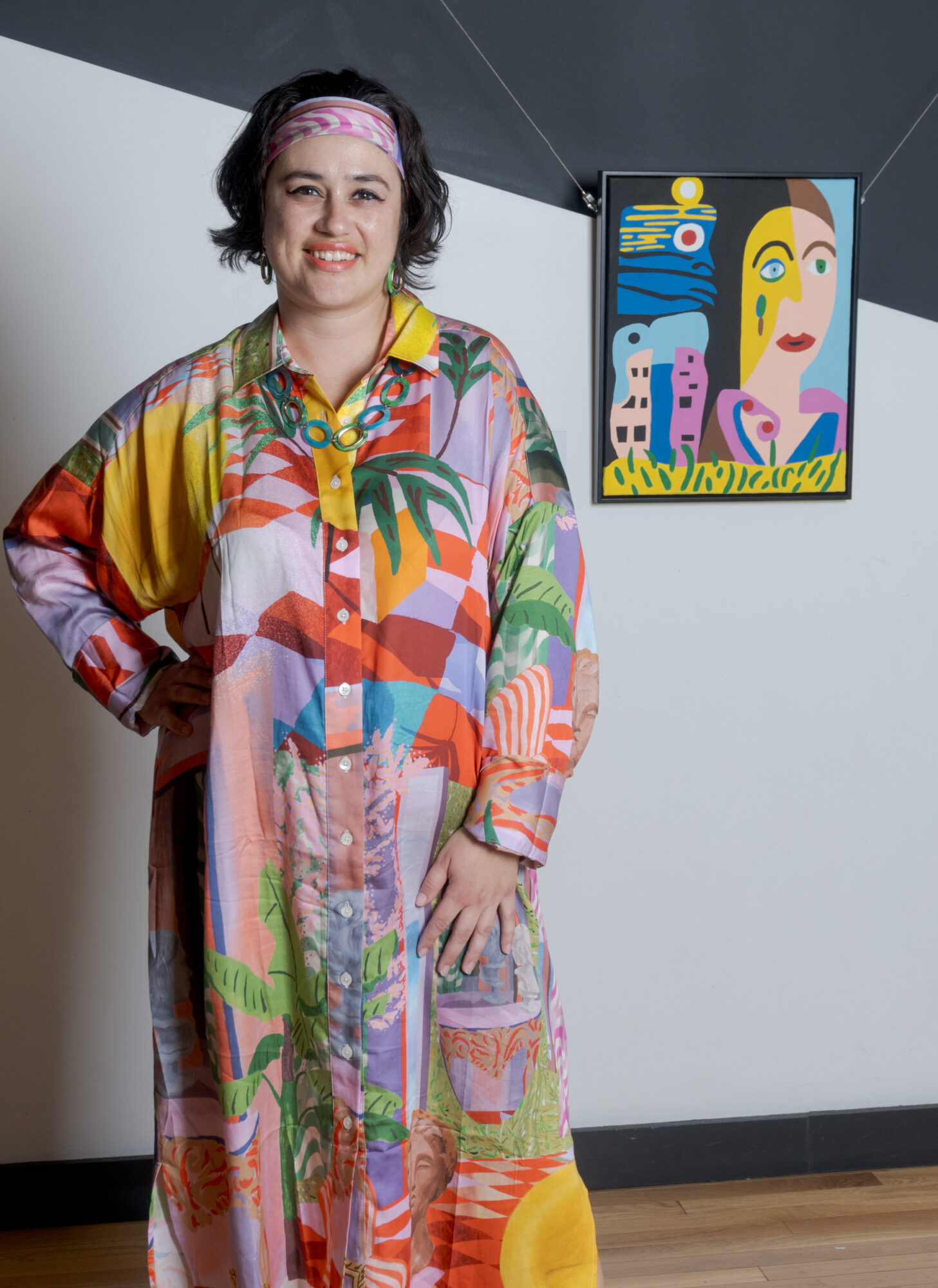
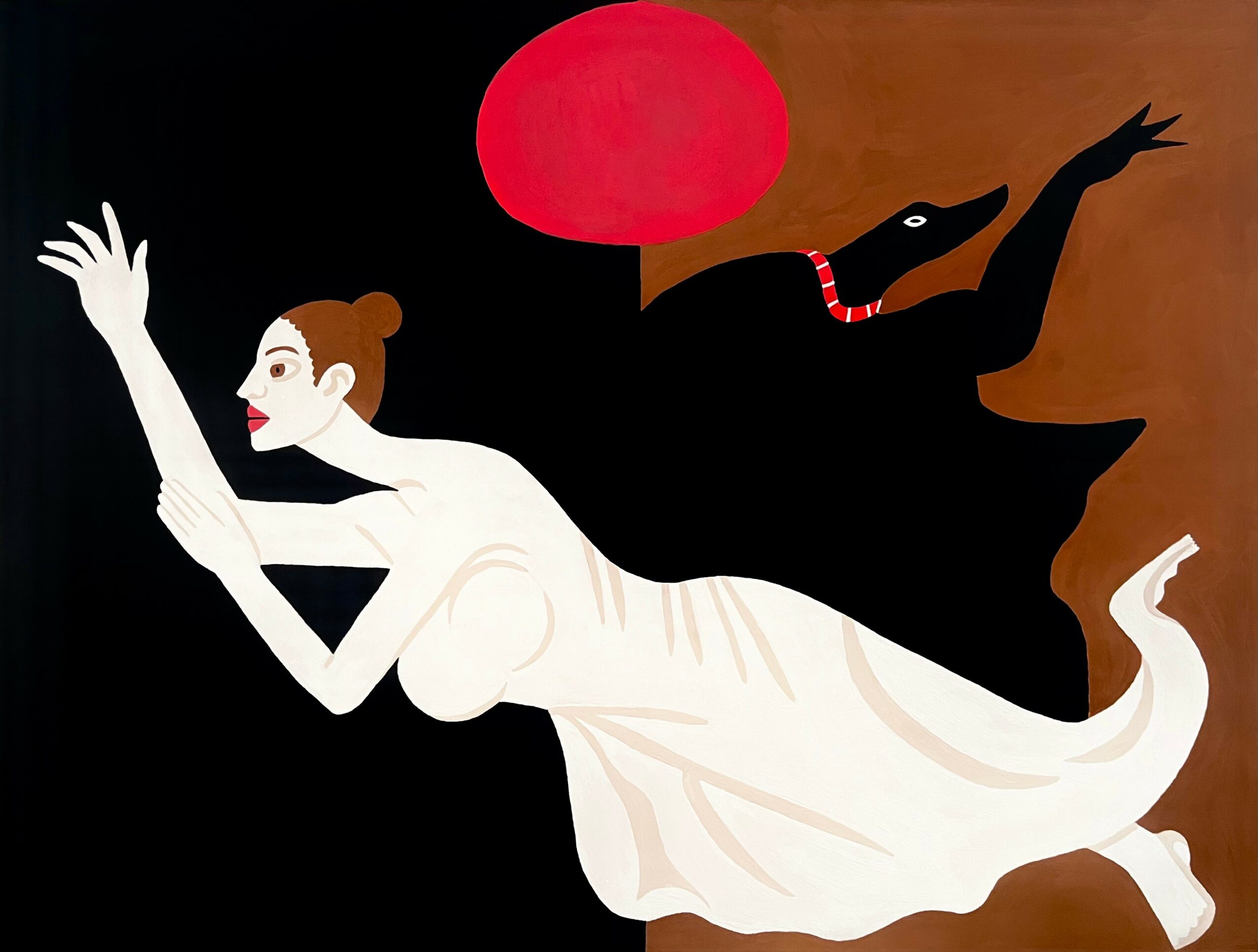
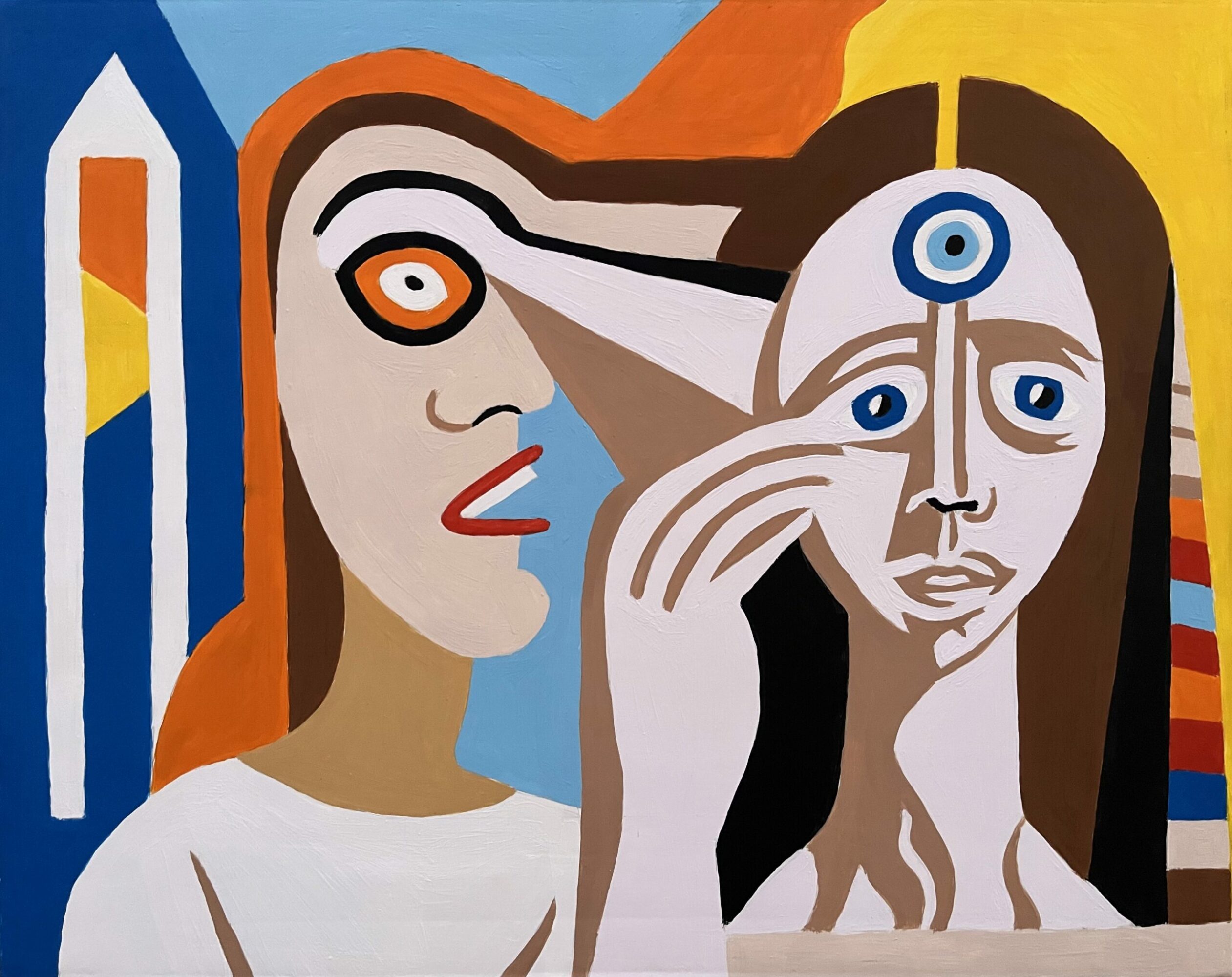
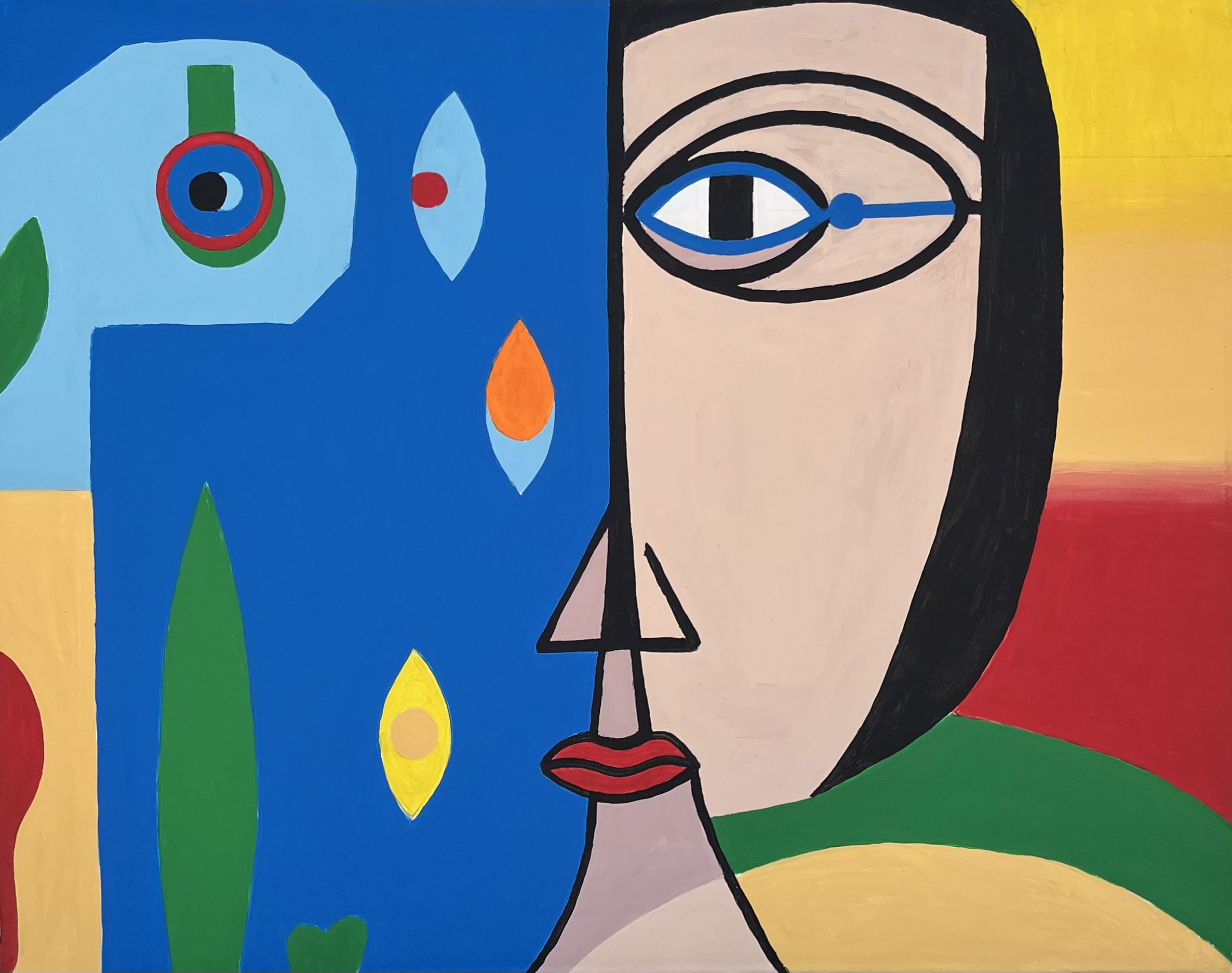
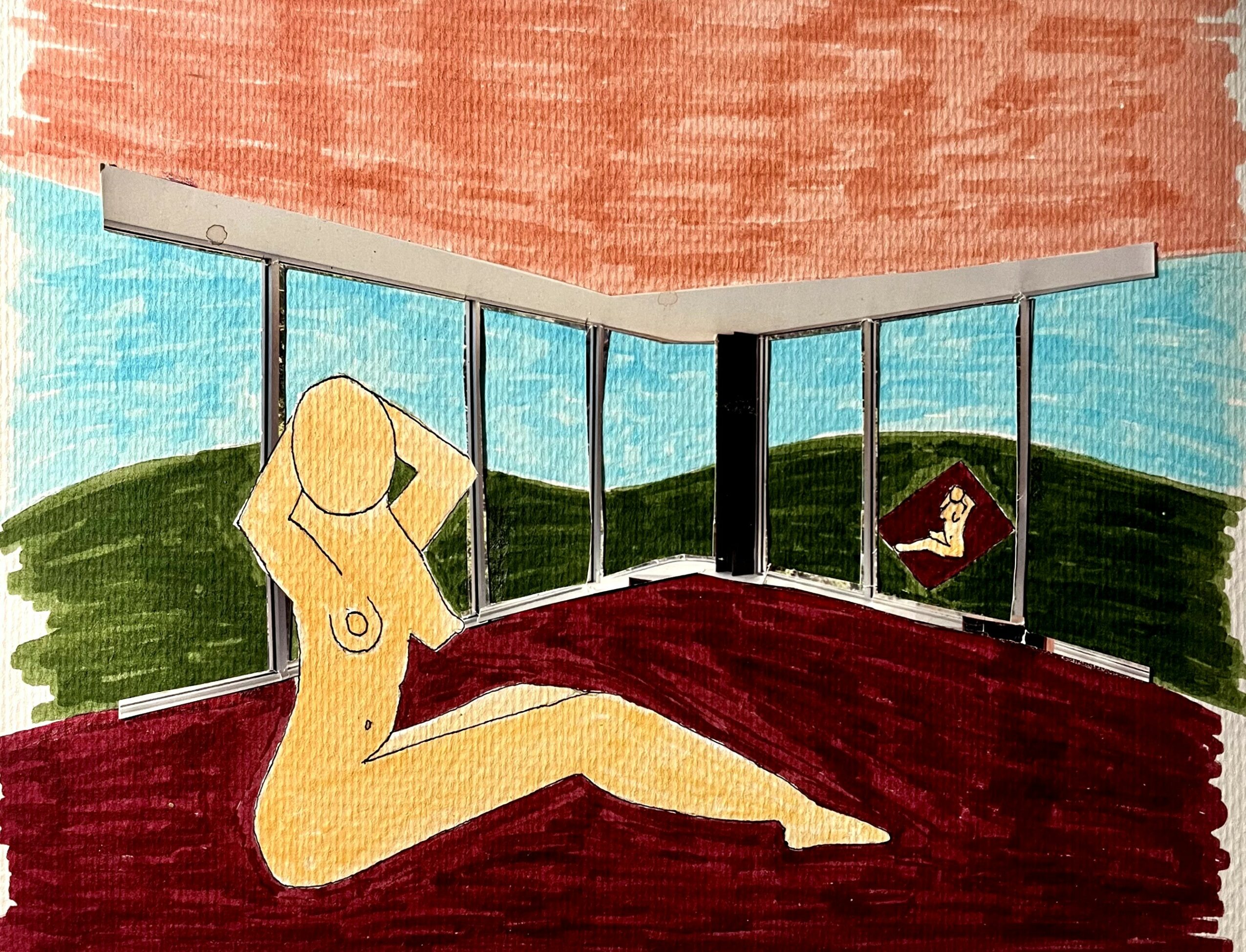
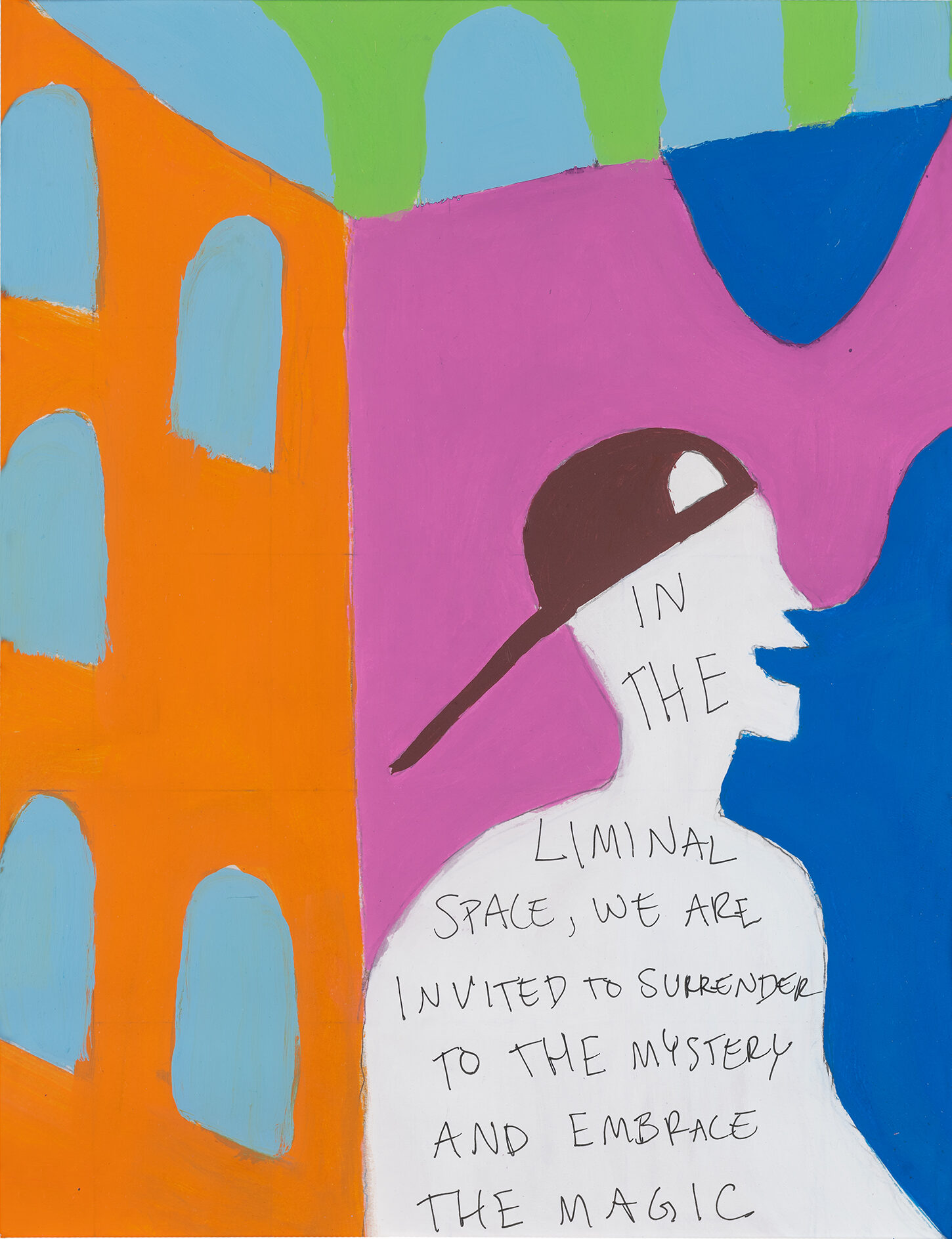
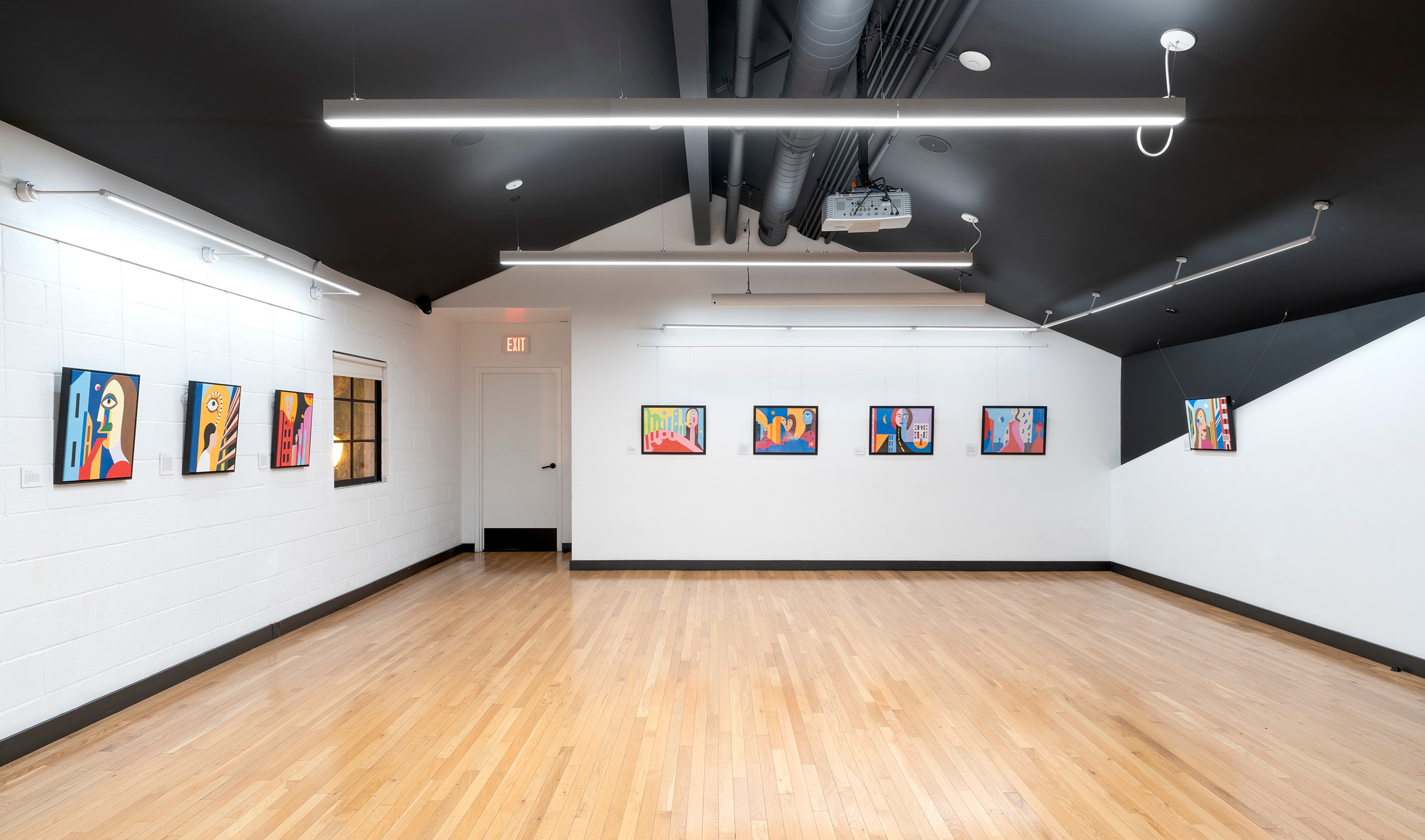
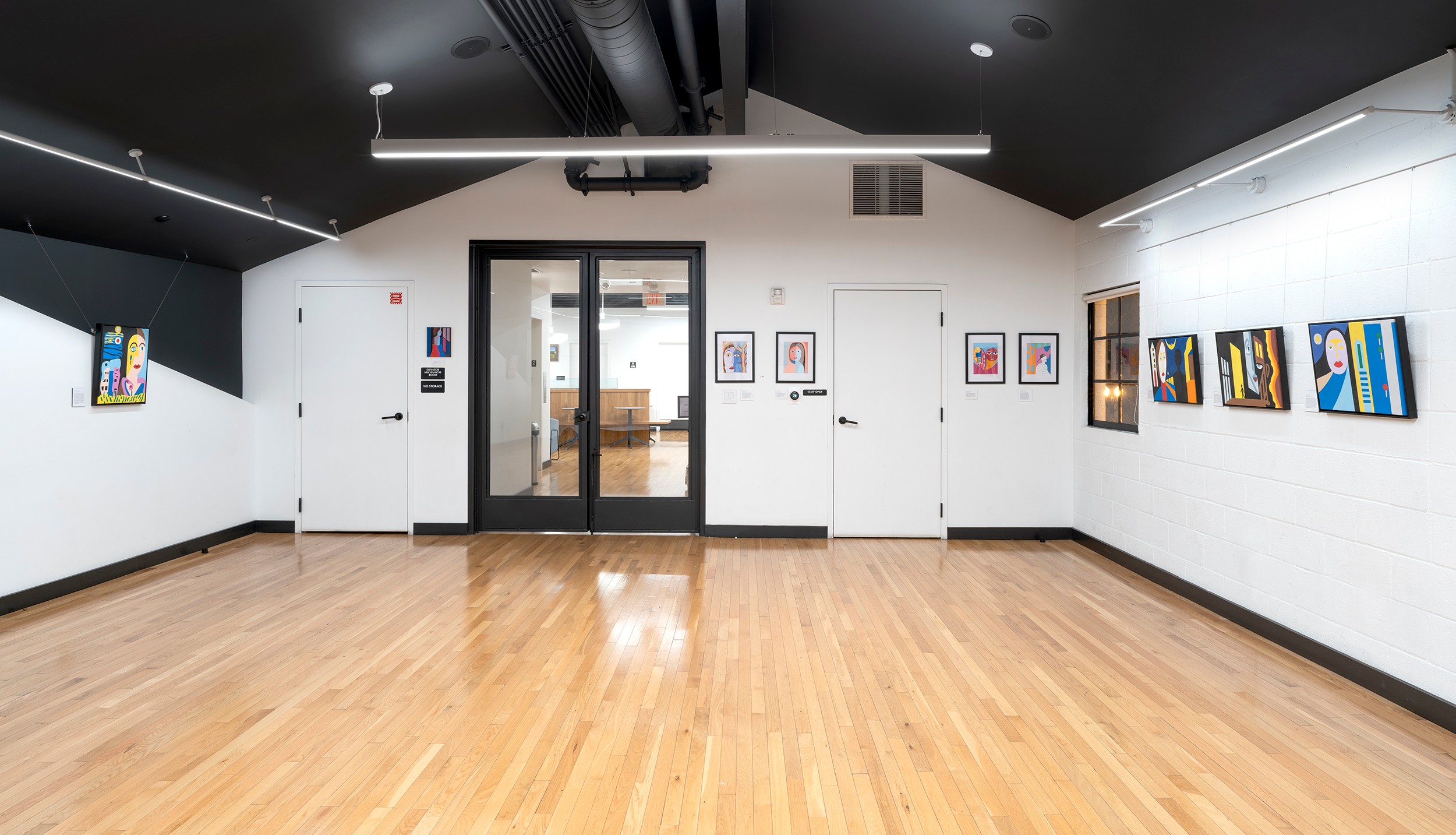
Image Credits
Simon Cardoza Photography @scardozaphoto www.scardoza.com
Popular
-

Portraits of the Valley
-

LA’s Most Inspiring Stories
-

Rick Norris Learned That Building a Successful Business Means Building a Life You Actually Want to Live
-
How Olivia Rush Turned Survival Into a Mission to Help Others Keep Going
-

How Bibi Goldstein Is Helping Entrepreneurs Reclaim Their Time by Embracing the Power of Delegation
-
Victoria Hasson is Redefining Voice Coaching Through Community and Collaboration


