




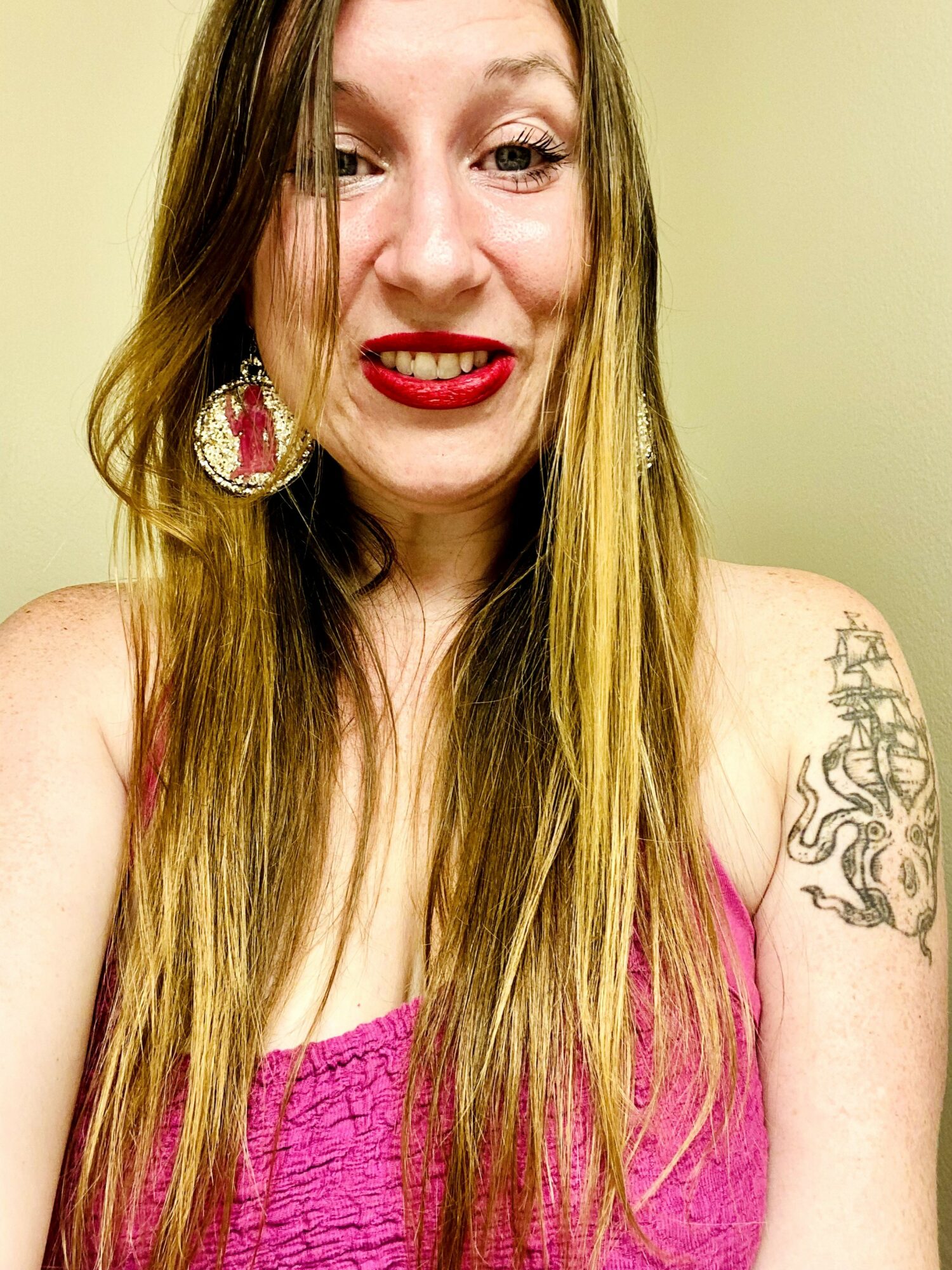
We recently had the chance to connect with Suzannah Weiss and have shared our conversation below.
Hi Suzannah, thank you so much for joining us today. We’re thrilled to learn more about your journey, values and what you are currently working on. Let’s start with an ice breaker: What is something outside of work that is bringing you joy lately?
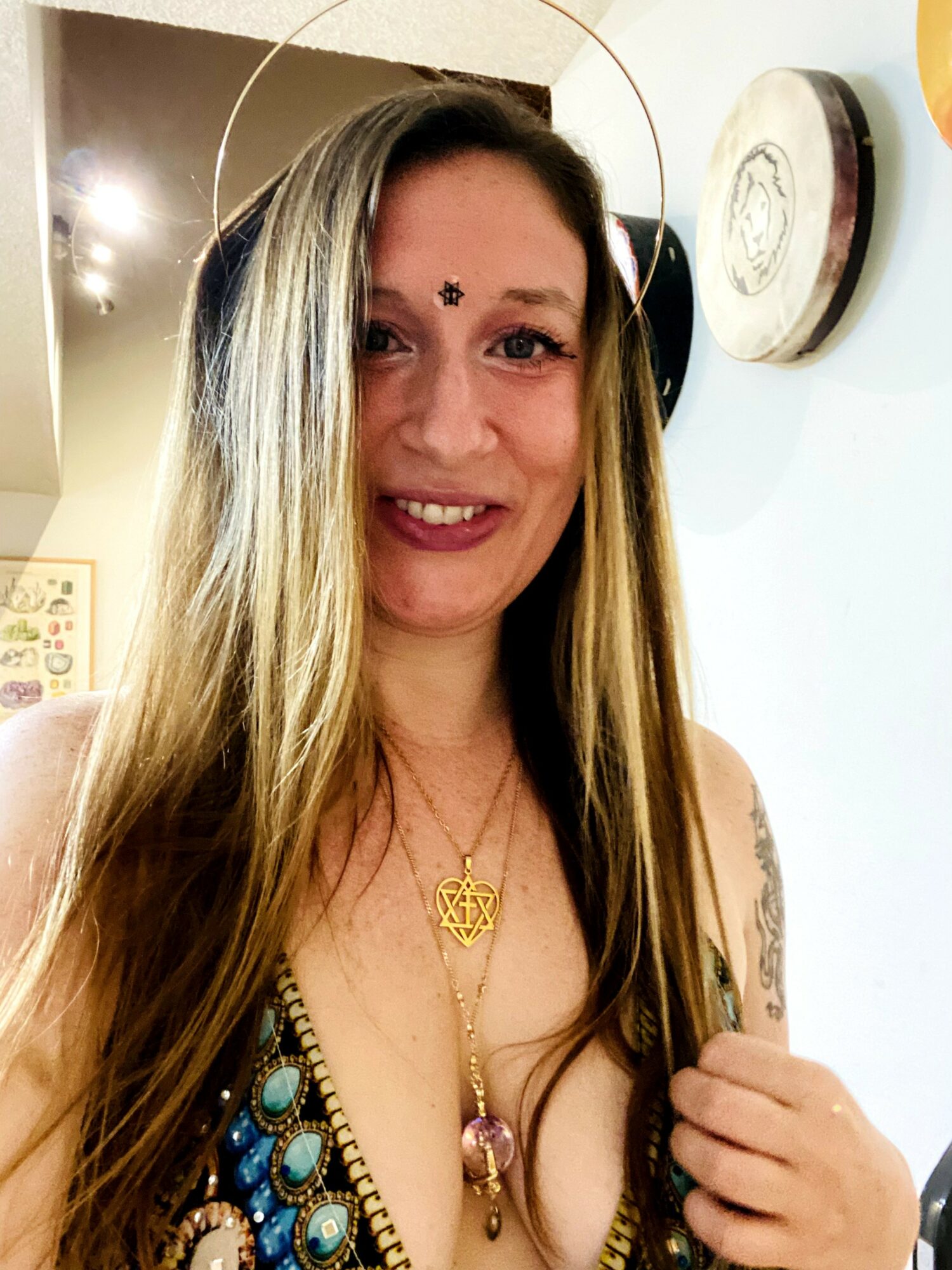
I recently started modeling on the side of my usual job, including lingerie, swimsuit, and fashion modeling. It’s a really fun way to express myself, improve my confidence, and meet interesting people. See my work on Model Mayhem. I also run a fan page where I use body and performance art to bridge the gap between religion and sex-positivity; subscribe here.
Can you briefly introduce yourself and share what makes you or your brand unique?
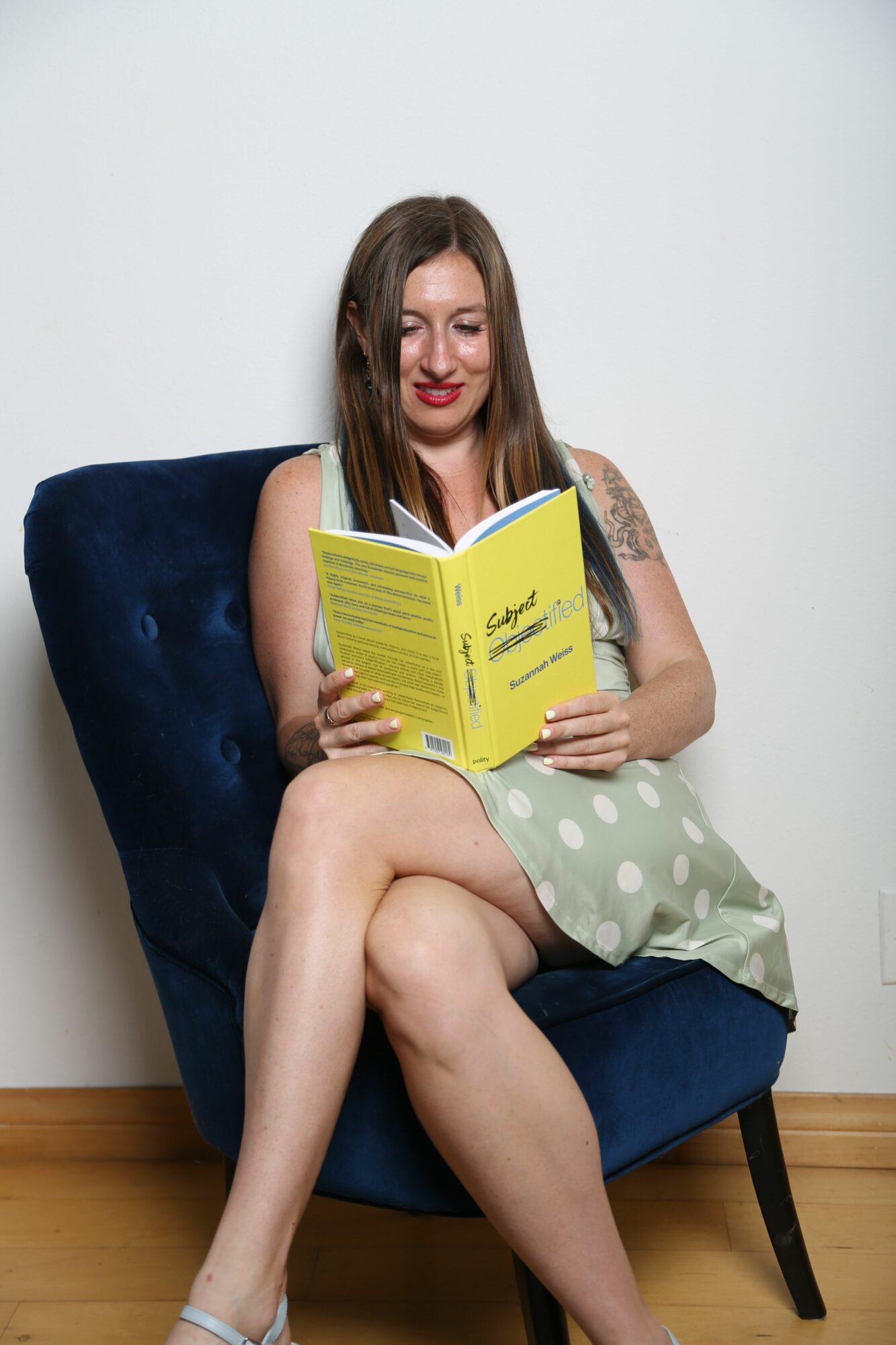
I’m an author, psychotherapist, sexologist, and more dedicated to the empowerment of women and other marginalized people. My therapy practice is focused on sex therapy, relationships, and neurodiversity. I am also a multi-certified sex educator, sexual assault counselor, and birth doula. I’m the auther of two books on women’s sexual empowerment, Subjectified: Becoming a Sexual Subject and Eve’s Blessing: Uncovering the Lost Pleasure Behind Female Pain, and 8900 articles on sexuality, relationships, wellness, beauty, and psychedelics. I’m frequently quoted as an expert in sex and relationships in publications like Cosmopolitan and Men’s Health.
Great, so let’s dive into your journey a bit more. Who saw you clearly before you could see yourself?
From ages 13-15, I had a therapist, Donna Carson, who saw me in a positive light that my own family did not see me in. I was getting bullied at school, and she told me that the kids who bullied me were likely jealous of my charisma and beauty. I wrote poetry at those ages, and she had me print out and sign a poem I wrote because she predicted I would be a celebrity one day. She instilled confidence in me during a time when nobody else did, and the difference she made in my life was part of why I chose to go into the mental health field myself.
If you could say one kind thing to your younger self, what would it be?
I’d tell my younger self: You are not your trauma. So often, we confuse our trauma responses with our personalities. We are criticized by our parents, so we become hyper-critical of ourselves and think that’s how we will be forever. Our families teach us the value of hard work, so we effort and strive to get our needs met and think there is no other way. We are excluded by our peers, so we learn to isolate ourselves and believe we are loners. Many of us look in the mirror and see our trauma, only to discover through psychotherapy or other healing modalities that we are happy, lovable, carefree beings at heart. It’s so important not to take on the projections people place on us and look at ourselves with the positivity and lovingness we hope to receive from others.
Alright, so if you are open to it, let’s explore some philosophical questions that touch on your values and worldview. What important truth do very few people agree with you on?
Everything is intentional. What I mean by this is: Every action someone performs and every word they speak reveals their true intentions. So often, people will make a mistake or say something hurtful and claim: “I didn’t mean it.” I think the stronger thing to do is take responsibility for every choice you make by seeing how you meant it. For instance, if you attempt to give someone a compliment and it comes off a an insult or backhanded compliment, you can say “I didn’t mean it”—or you can look at what unconscious biases or motivations led it to come out that way. We get much deeper with other people by admitting we have a shadow side to our personality that does indeed have bad intentions than by claiming our intentions are always good. The best intention is to be honest about your intentions, both conscious and subconscious. The psychologist Carl Jung talks about this: How everything we do has a deeper meaning that is part of a process of discovering ourselves both as individuals and as a collective. It’s far more interesting to look at those deeper meanings than to stay on the surface.
Okay, we’ve made it essentially to the end. One last question before you go. What do you understand deeply that most people don’t?
Something I understand that makes me good at my work is that words have a great impact on people. The words I live by are: “Say what you mean. Mean what you say.” I wish we all thought before we spoke and said exactly what was on our minds instead of spewing out cliches or paying people lip service. I never, ever want to hurt anybody, so I make sure to speak to them in words that are positive, validating, and shame-free. When we invalidate others, they close off because they don’t feel like they have a safe space to be heard. I always speak to people as if they’re the experts on their lives and their perspective is as valuable as mine. In the mental health profession, we could use more people like this, who are collaborators with their clients rather than authorities over them.
Contact Info:
- Website: https://www.suzannahweiss.com
- Instagram: https://www.instagram.com/suzannahwise/
- Linkedin: https://www.linkedin.com/in/suzannahweiss/
- Twitter: https://x.com/suzannahweiss
- Other: Psychology Today: https://www.psychologytoday.com/profile/1549106TikTok: https://www.tiktok.com/@sexistentialtherapy

Popular
-

Portraits of the Valley
-

LA’s Most Inspiring Stories
-

Rick Norris Learned That Building a Successful Business Means Building a Life You Actually Want to Live
-

How Olivia Rush Turned Survival Into a Mission to Help Others Keep Going
-

How Bibi Goldstein Is Helping Entrepreneurs Reclaim Their Time by Embracing the Power of Delegation
-

Victoria Hasson is Redefining Voice Coaching Through Community and Collaboration


