




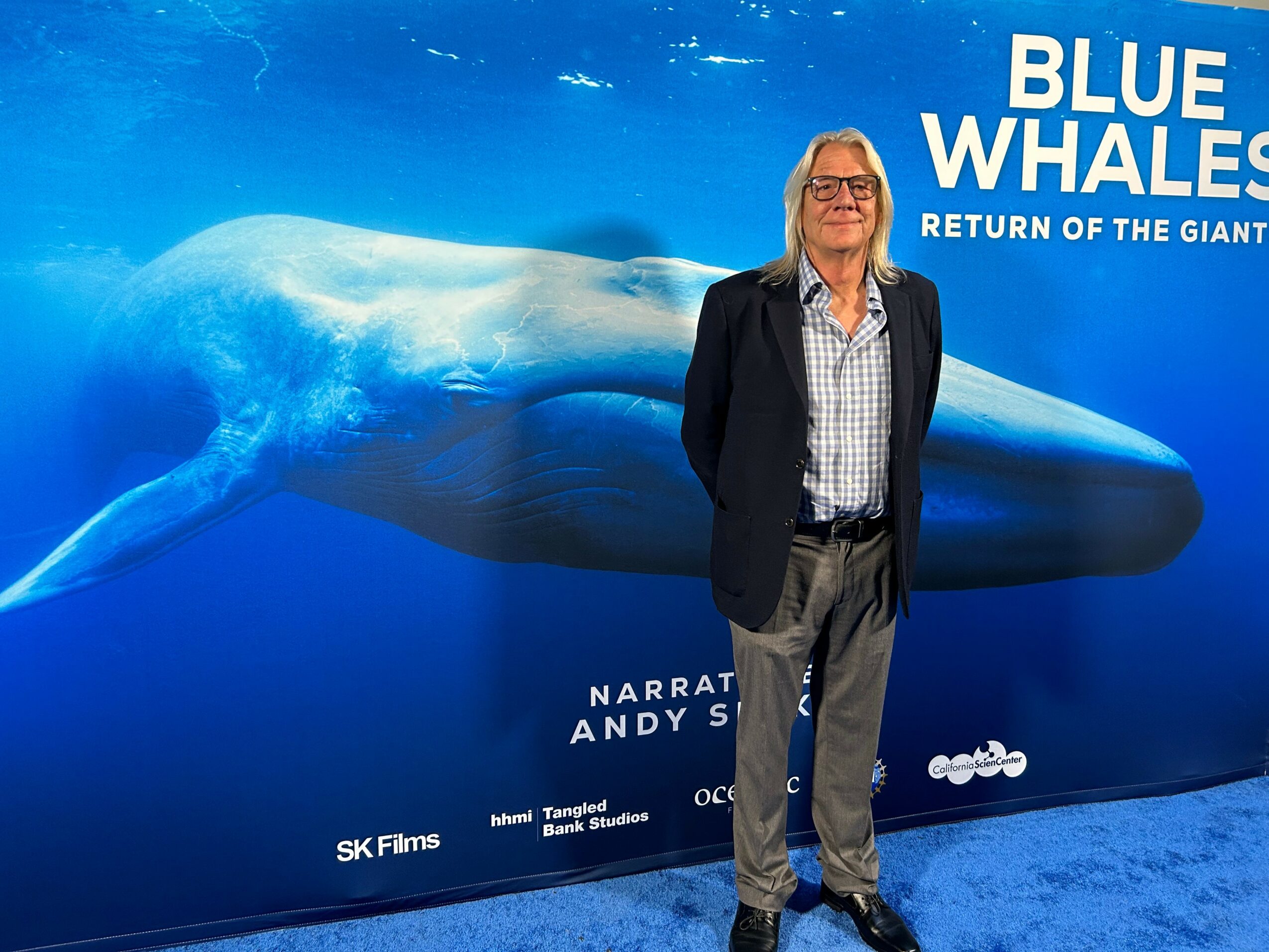
We recently had the chance to connect with Keith Matassa and have shared our conversation below.
Keith, a huge thanks to you for investing the time to share your wisdom with those who are seeking it. We think it’s so important for us to share stories with our neighbors, friends and community because knowledge multiples when we share with each other. Let’s jump in: Who are you learning from right now?
Right now, I’m learning from three groups that strengthen OARRA every day:
Our Board, our Team, and our young Volunteers.
From our Board, I learn perspective. They offer strategic insight, ask thoughtful questions, and help me articulate our mission with even greater clarity. Together, we have built a strong foundation.
From my Team, I learn refinement. They bring expertise across development, science communication, and community engagement, and our collaboration elevates our impact.
And from our young volunteers, I learn relevance. Their curiosity, optimism, and modern communication methods help ensure that OARRA stays connected to the next generation of ocean stewards. They expand the vision of our reach.
A healthy organization is one where everyone, leadership included, continues to grow. At 62, I’m grateful to be learning from people who strengthen our mission and deepen our impact.
Can you briefly introduce yourself and share what makes you or your brand unique?
My name is Keith Matassa, and I’m the Founder and CEO of the Ocean Animal Response and Research Alliance (OARRA). We are a mission-driven organization dedicated to understanding what marine mammal mortalities reveal about ocean health and, ultimately, human health, along the California coastline.
At OARRA, we view every animal as more than a case. Each stranded dolphin, sea lion, or whale offers insight into the changing conditions of our ocean. Our role is to listen, investigate with scientific rigor, and translate those findings into knowledge that matters for both ecosystems and communities.
What makes OARRA unique is our focus. We are one of the few organizations in the country – and the only one in Los Angeles County – dedicated exclusively to the intersection of mortality investigation, ocean health, and human health. We bring together solid science, deep field experience, and a genuine reverence for the animals we examine. Every response is carried out with respect, responsibility, and the understanding that each life has something important to teach us.
Our organization is also built on values that guide everything we do: inclusion, transparency, equity, and creating access points into marine science. We provide both paid and volunteer pathways for students and emerging scientists, particularly those who have historically been excluded from this field. OARRA is not just advancing research; we’re building the next generation of ocean and health scientists.
Our current work includes expanding research using underwater drones, developing new sampling methods, and collaborating with medical institutions to explore connections between the ocean and human well-being. We’re also strengthening a diverse volunteer corps – from high-school students to retirees – who contribute their time, talent, and passion to our mission.
After decades in marine rescue and research, OARRA represents the first time I’ve been able to build an organization that reflects both the science and the spirit I believe in: one that listens deeply to the ocean, treats knowledge as something shared, and leads with compassion as much as with data.
In short, I have the privilege of leading a team committed to understanding the ocean’s stories and protecting the future we all share. Every day, I’m grateful for the chance to do this work.
Great, so let’s dive into your journey a bit more. Who taught you the most about work?
When I think about who taught me the most about work, it depends on which part of my life you are looking at.
If you mean the kind of work that builds character, the person who shaped me most was my father. Growing up in our family’s general store in East Lebanon, Maine, I learned what responsibility looks like in real life. I learned that showing up for your community matters, even when you are tired or unsure. My father taught me that work is not only about completing tasks, but it is also about who you become and how you choose to serve others.
But if you are talking about the work I have devoted my career to, the work of marine mammal response, necropsy, and compassion-guided science, then my most excellent teachers were my mentors at the New England Aquarium. I entered the field at a time when the national stranding network was still young, shaped by people driven purely by mission, committed to protecting the animals, learning from them, and honoring their stories.
I was fortunate to train under some of the strongest leaders in our profession, including Greg Early, Dr. Joe Geraci, Dr. Frances Gulland, Dr. Sentiel “Butch” Rommel, Dr. Marty Haulena, Dr. David St. Aubin, Dr. Pádraig Duignan, John Prescott, Kathy Krieger, and many others.
They taught me far more than technical procedures. They taught me humility, ethics, responsibility, and the importance of listening, truly listening, to the animals. Greg Early, in particular, left a lasting imprint on how I think and lead. His voice is still part of my internal compass.
Those early lessons shaped everything: how I approach rescue and necropsy, how I interpret what the ocean is telling us, how I treat every animal with dignity, and, ultimately, how I built OARRA with a balance of scientific rigor and genuine heart.
The truth is, I stand on the shoulders of people who taught me not only how to work, but how to care, and that has made all the difference.
If you could say one kind thing to your younger self, what would it be?
If I could say one kind thing to my younger self, it would be this: take “I can’t” out of your vocabulary for good. The moment you say those words, you limit yourself before you even begin, and life will bring enough challenges without adding self-doubt to the mix.
When I founded OARRA in the middle of the pandemic, I went from leading full teams of specialists, veterinarians, researchers, and IT professionals to being on my own. There were no departments to call on and no established systems to lean into. It was a different kind of beginning, one that required me to learn everything from the ground up.
For most of my career, organizations provided the tools and infrastructure that supported my work. Suddenly, I had to buy my own equipment, set it up, troubleshoot issues, and build the systems that would eventually support the entire organization. Even our first website was something I needed to learn just long enough to get us launched.
The one familiar anchor was developing protocols for investigations into marine mammal and sea turtle mortalities. I leaned on decades of experience to create that foundation, then modernized it with new tools and emerging technologies to serve the next generation of ocean and human health research.
When it came time to begin our live marine mammal surveys, we started with a boat, a blank sheet of paper, and one guiding question: “What can the wild animals tell us?” That question shaped everything that followed.
That is what starting from scratch really looked like. It meant learning to build every part of an organization’s structure, technology, workflows, and partnerships, all born from a vision I deeply believed in.
And here is the most meaningful part of the story: I am no longer doing this alone. Today, OARRA has a dedicated, passionate staff and a community of volunteers who believe in our mission as strongly as I do. They are the reason we have become a resilient, respected, and impactful organization. They are the reason we are ready for the next five years of growth, innovation, and discovery.
What began as “I have to figure this out” has transformed into “we can do this.”
We can protect the ocean and human health.
We can advance the science.
We can move OARRA forward.
We can accomplish extraordinary things together.
So yes, I would tell my younger self never to say “I can’t,” because one day that “I” becomes “we,” and “we” is where the real resilience, strength, and magic happen.
(And I would probably tell him to invest in Apple and IBM while he is at it.)
Sure, so let’s go deeper into your values and how you think. What truths are so foundational in your life that you rarely articulate them?
There are a few truths that sit so deeply in me that I rarely say them out loud, not because they are hidden, but because they have become part of my internal wiring. They are the compass points I return to in my life and in my work.
The first truth is this: the ocean will always tell you the truth if you are willing to listen. This truth has guided me since childhood, long before OARRA existed. Every animal we respond to, every stranding, every shift in the water has a story to tell. The ocean communicates constantly, and it never disguises what it needs. People need to learn how to hear it. Listening first is a truth I live by.
The second truth is that compassion and science are not opposites; they are partners. My mentors taught me early on that the strongest science is guided by heart, and that compassion is most potent when informed by evidence. I rarely voice this truth aloud, yet it shapes every protocol, every field decision, every necropsy, and every partnership at OARRA.
The third truth is simple: you show up, no matter what. It sounds basic, but it is the backbone of my work ethic, rooted in my father and in growing up in our family’s general store. Even in the earliest days of OARRA, when it was just me at a table with a laptop I was still learning to navigate, I showed up every day because responsibility does not take a day off. Showing up is not something I talk about often, because it is simply who I am.
And finally, we are stronger together than we could ever be alone. This truth becomes clearer every year OARRA grows. What began as “I have to figure this out” has become “we have built this together.” We listen, we learn, we respond, we protect, we build, and we move forward as a team. This truth is core to how I lead and how OARRA operates.
These truths form the foundation of my leadership and my life. I rarely articulate them because they are woven into every decision and every action. They are not just beliefs; they are part of my DNA.
Okay, so before we go, let’s tackle one more area. Are you doing what you were born to do—or what you were told to do?
I am absolutely doing what I was born to do. No one ever told me to choose this path. In fact, most people would probably have warned me away from it, since the work is challenging, emotional, and unpredictable. But the ocean called me long before I understood what a calling was.
I have been drawn to the sea for as long as I can remember. I have never lived more than four miles from the ocean in my entire life. As a child, I felt something shift in me the moment I touched the water, when I scooped tide-pool creatures into a bucket and realized that even the smallest actions can influence an entire world. That was the beginning, even if I did not recognize it at the time.
Every mentor I learned from, every animal I stood beside, every stranding, every necropsy, every lesson in compassion and science shaped me. This field did not simply teach me a profession; it revealed who I am.
Founding OARRA was the moment I fully understood that truth. There was no roadmap, no safety net, no facility, no funding. There was simply a need, a coastline, a pandemic, and one guiding question: can we build something from nothing, and can we listen to the ocean and act with purpose? The answer was yes, because this is not a job for me. It is a calling.
OARRA is the culmination of everything I have lived. The science, the compassion, the listening, the leadership, the resilience, and the belief that every story the ocean tells us matters. This is not work I was instructed to do. It is work I was shaped for.
So yes, I am doing exactly what I was born to do. And I am grateful every single day that the ocean chose me, and that I dared to say yes.
Contact Info:
- Website: https://www.oarra.org/
- Instagram: https://www.instagram.com/oarra_org/
- Linkedin: https://www.linkedin.com/company/oarra/
- Facebook: https://www.facebook.com/oarraorg#
- Youtube: https://www.youtube.com/@oarra_org
- Other: https://www.instagram.com/oarra_org/
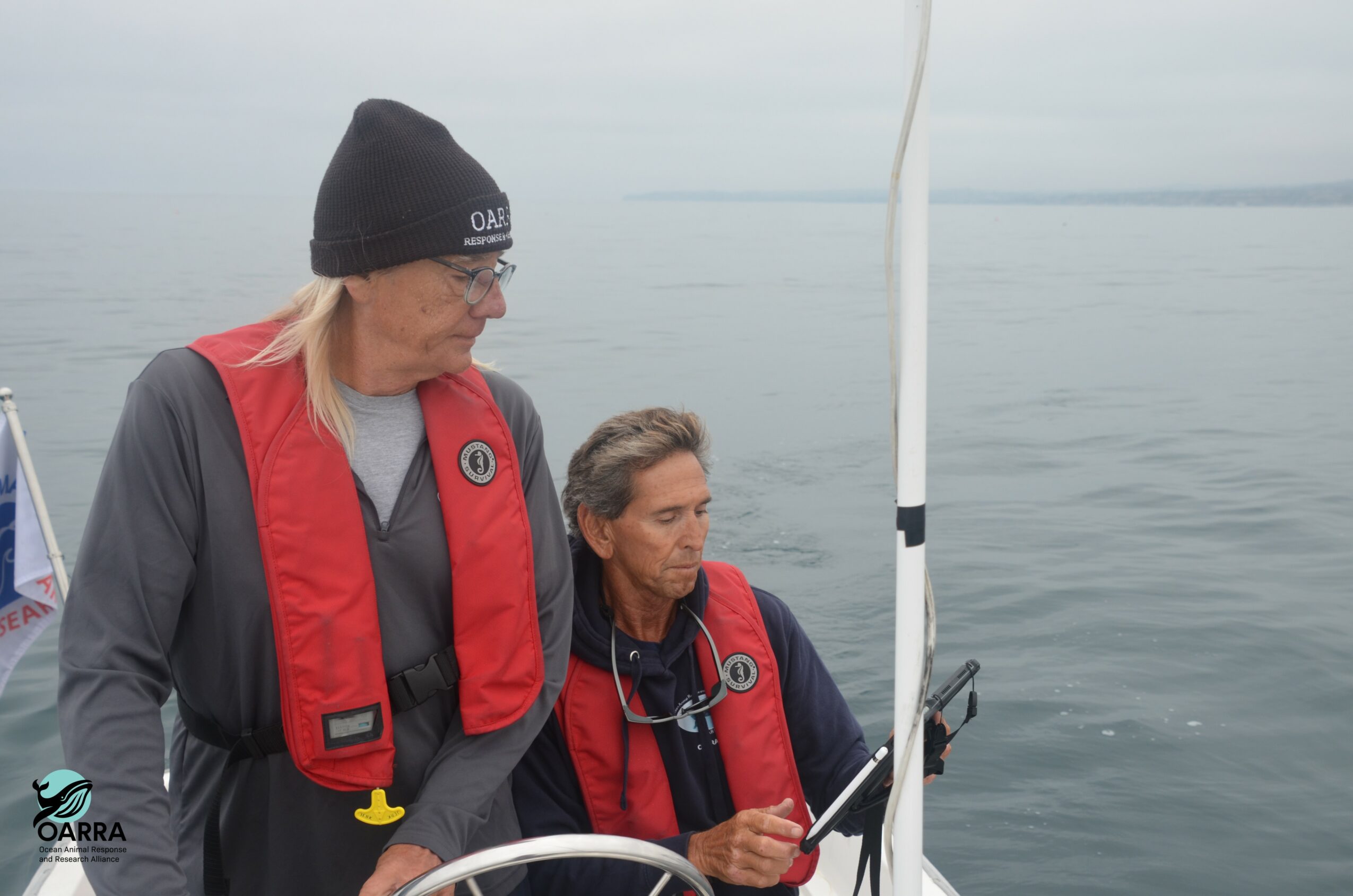

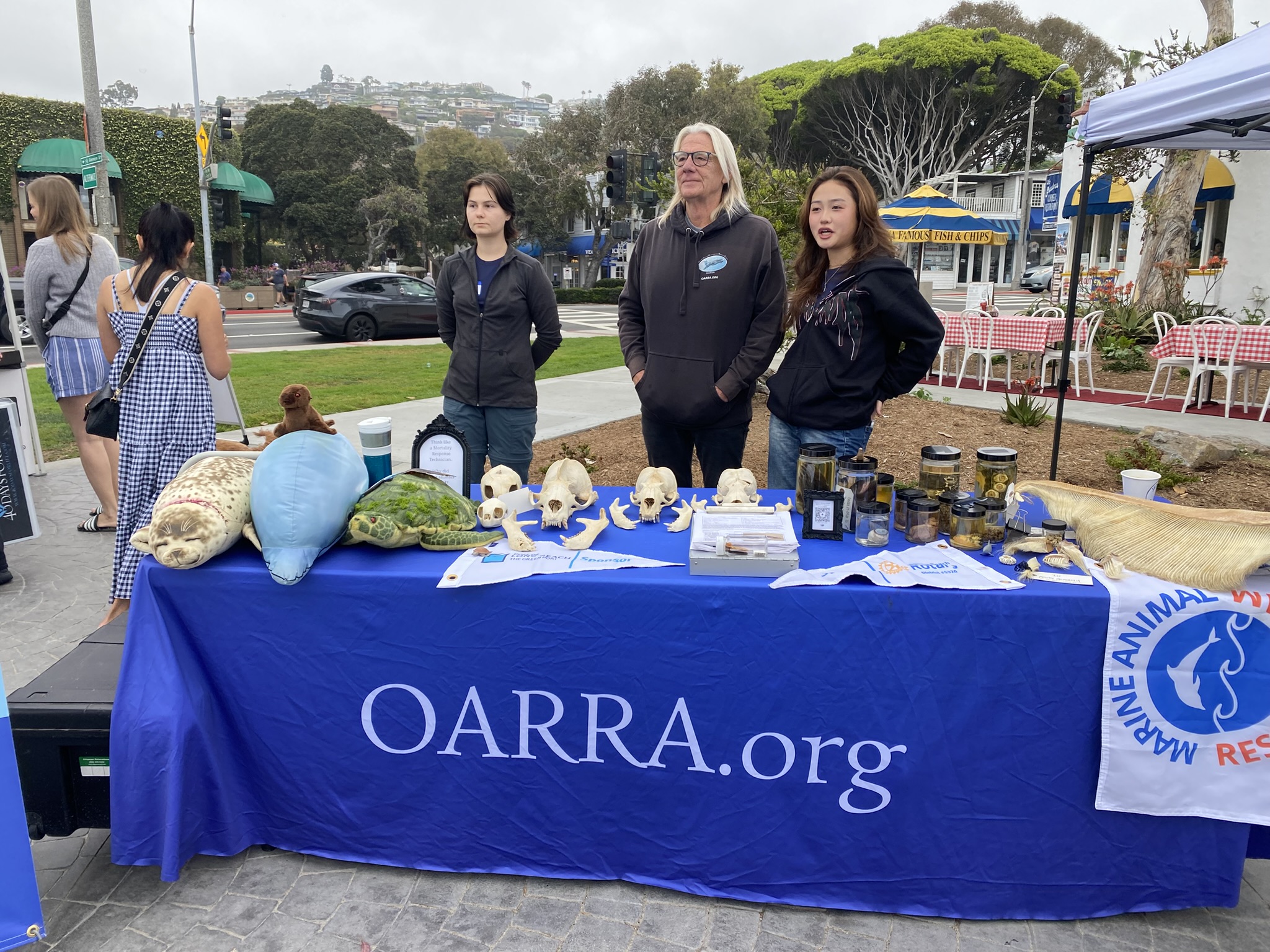
Image Credits
OARRA
Popular
-

Portraits of the Valley
-

LA’s Most Inspiring Stories
-

Rick Norris Learned That Building a Successful Business Means Building a Life You Actually Want to Live
-

How Olivia Rush Turned Survival Into a Mission to Help Others Keep Going
-

How Bibi Goldstein Is Helping Entrepreneurs Reclaim Their Time by Embracing the Power of Delegation
-

Victoria Hasson is Redefining Voice Coaching Through Community and Collaboration


