




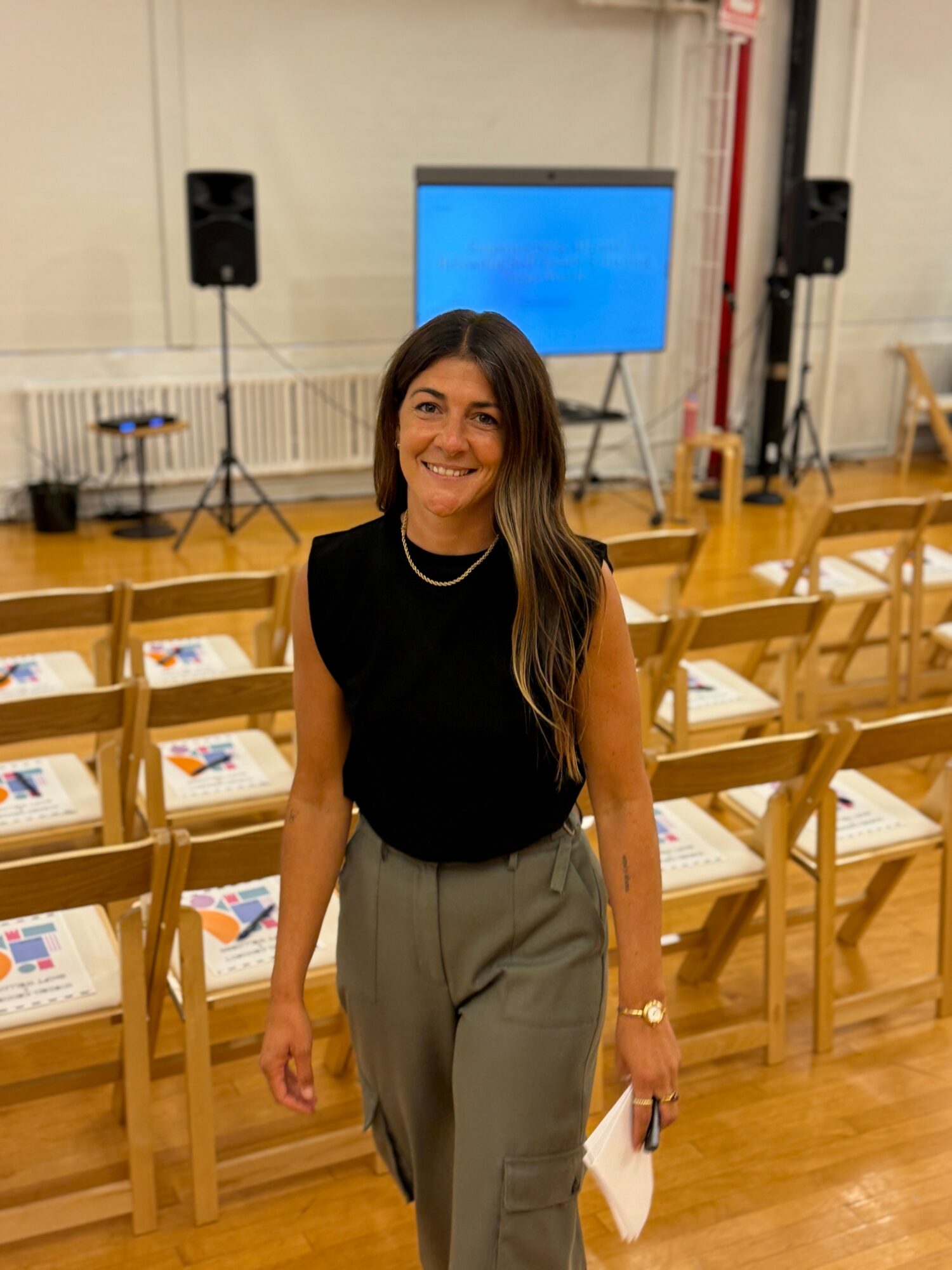
Katie Bonarrigo shared their story and experiences with us recently and you can find our conversation below.
Good morning Katie, we’re so happy to have you here with us and we’d love to explore your story and how you think about life and legacy and so much more. So let’s start with a question we often ask: What is something outside of work that is bringing you joy lately?
Something that’s bringing me a lot of joy lately is that I recently moved into my first solo apartment. Curating the space — choosing pieces that reflect my style, creating systems that keep things organized, and making it feel genuinely cozy and “mine” — has been incredibly fulfilling. It’s one of the few activities where I lose track of time in the best way, and it’s been such a grounding, creative outlet outside of work.
Can you briefly introduce yourself and share what makes you or your brand unique?
I’m Katie Bonarrigo, a burnout and behavior-change coach who helps high-achieving, overwhelmed professionals rebuild their lives from the inside out. My work blends nervous system regulation, psychology-backed habit design, and compassionate-but-direct coaching to help clients break out of all-or-nothing patterns, reclaim their energy, and create routines that actually feel sustainable.
What makes my approach unique is that I’m not interested in surface-level “motivation hacks.” I help people build systems and self-trust, understand the patterns driving their burnout, and learn how to work with their biology instead of against it. Right now, I’m especially focused on expanding my customized corporate wellness programs to help teams reduce burnout and improve performance through grounded, practical, psychologically safe tools that actually work in real workplaces.
Thanks for sharing that. Would love to go back in time and hear about how your past might have impacted who you are today. Who saw you clearly before you could see yourself?
Taylor, my best friend, saw me clearly long before I had the capacity to see myself. She has always reflected back my strengths and potential in moments when I was stuck in impostor syndrome or questioning whether I had any business starting something of my own. Her belief in me was steady and unwavering—so much so that it became the backbone of my decision to launch my business. When I couldn’t yet trust my own voice, she trusted it for me. Her confidence in who I am and what I’m capable of is a huge reason I was able to get things off the ground in the first place.
If you could say one kind thing to your younger self, what would it be?
I would tell my younger self this: It’s okay to take up space. You are not “too much,” and you never have been. You weren’t put on this planet to be agreeable, easy, or relentlessly positive. You’re allowed to feel the full range of your emotions — the light ones and the heavy ones — without apologizing for any of them. Life gets so much fuller, more honest, and more connected when you stop shrinking and let yourself be a whole human instead of a curated version of one.
Alright, so if you are open to it, let’s explore some philosophical questions that touch on your values and worldview. Where are smart people getting it totally wrong today?
I think smart people are getting it wrong in one big way: we’re outsourcing our comfort to our phones and then wondering why we have no energy, no motivation, and no resilience left.
We’re overstimulated, under-rested, and constantly giving our brains quick hits of dopamine — and then feeling confused when the things that are genuinely good for us (movement, hard conversations, long-term projects, basic self-care) feel impossible to start.
At its core, it’s a discomfort issue. Most people have never learned how to be with discomfort, so we reflexively avoid it — we scroll, numb out, check out. And the more we avoid discomfort, the smaller our capacity becomes. It’s like trying to run a marathon when you’ve never even walked around the block.
What most people don’t realize is that you can actually train your capacity for discomfort the same way you train a muscle. Voluntary struggle — doing something slightly hard on purpose: a cold finish in the shower, a 10-minute walk when you don’t feel like it, sitting with an uncomfortable feeling instead of escaping it — makes the involuntary struggles of life so much more tolerable.
The goal isn’t to eliminate discomfort; it’s to expand your ability to hold it without collapsing. That’s where real confidence and resilience come from.
Thank you so much for all of your openness so far. Maybe we can close with a future oriented question. What is the story you hope people tell about you when you’re gone?
I hope people say that being in my presence made them feel more human, not less.
That I told the truth, lived with intention, and made it safer for them to feel the full range of their emotions without shame. I want to be remembered as someone who challenged people lovingly, held them accountable without judgment, and made it possible for them to experience themselves as resilient, worthy, and capable — even on the days they didn’t believe it. I hope they say I helped them come home to themselves — not by fixing their lives, but by helping them trust their own strength, honor their real capacity, and build lives that felt sustainable and true.
If the story people tell is, “She helped me see myself differently, and that changed everything,” that would be enough.
Contact Info:
- Website: https://www.shiftwellnesscollective.com
- Instagram: @shiftwithkatie
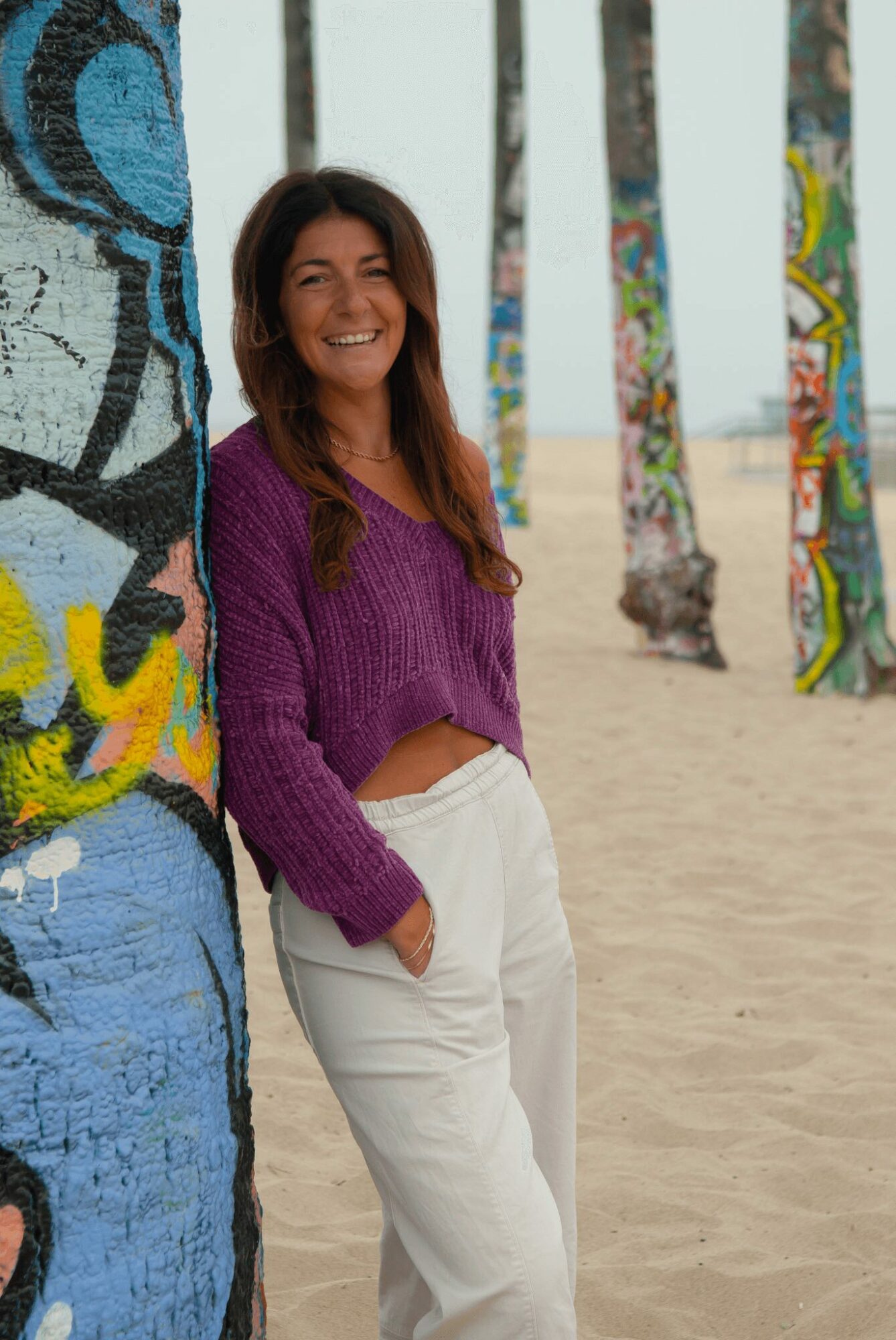
Image Credits
Victoria Craven!
Popular
-

Portraits of the Valley
-

LA’s Most Inspiring Stories
-

Rick Norris Learned That Building a Successful Business Means Building a Life You Actually Want to Live
-

How Olivia Rush Turned Survival Into a Mission to Help Others Keep Going
-

How Bibi Goldstein Is Helping Entrepreneurs Reclaim Their Time by Embracing the Power of Delegation
-

Victoria Hasson is Redefining Voice Coaching Through Community and Collaboration


