




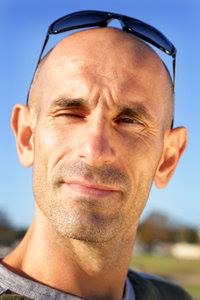
Franco Gandolfi shared their story and experiences with us recently and you can find our conversation below.
Good morning Franco, we’re so happy to have you here with us and we’d love to explore your story and how you think about life and legacy and so much more. So let’s start with a question we often ask: Who are you learning from right now?
I am privileged to engage in continuous learning through extensive travel and deep immersion in diverse cultural, social, and professional contexts around the world. My learning does not come from a single individual or source; rather, it emerges from experience, careful observation, dialogue, and the intentional practice of asking thoughtful questions of people from varied backgrounds.
Learning, for me, is not episodic but ongoing; it is embedded in my daily life. Each interaction, environment, and situation offers an opportunity to gain insight, test assumptions, and expand understanding. In this sense, my life can be described as an ethnographic journey, one in which I continuously enrich and develop myself by engaging directly with lived realities across contexts.
Central to this journey is a deliberate willingness to challenge my own beliefs, question established viewpoints, and remain open to perspectives that differ from my own. Through this process, I not only deepen my understanding of others but also cultivate greater self-awareness, intellectual humility, and adaptive thinking.
Can you briefly introduce yourself and share what makes you or your brand unique?
Hi, my name is Franco Gandolfi and I consider myself a globally engaged academic leader, consultant, and social researcher with over three decades of experience across higher education, executive leadership, and organizational development. My work sits at the intersection of leadership theory and real-world practice, with a particular focus on human capacity development, ethical leadership, and sustainable organizational impact.
I have held senior leadership roles, including professor, dean, vice-chancellor, and CEO across institutions in Europe, Australia, North America, Asia, Africa, and the Pacific. In parallel, I have advised multinational organizations and institutions on leadership development, strategy, governance, and transformation. This global exposure allows me to bridge cultures, disciplines, and sectors, translating complex leadership concepts into practical, actionable frameworks.
What distinguishes my work is a strong emphasis on leadership as a human and moral endeavor, not merely a technical one. My teaching, research, and consulting are grounded in experiential learning, ethnographic insight, and evidence-based scholarship. I am the principal author and editor of multiple leadership books and have published extensively in peer-reviewed journals, with current projects focusing on toxic leadership, healthy organizational cultures, and leadership education for the next generation.
At present, I am actively engaged in writing and research, developing leadership curricula, and advising universities and organizations globally. Across all my work, my purpose remains consistent: to cultivate thoughtful, self-aware leaders who are capable of creating positive, lasting impact in increasingly complex and interconnected environments.
Thanks for sharing that. Would love to go back in time and hear about how your past might have impacted who you are today. What breaks the bonds between people—and what restores them?
Bonds between people are most often broken by a gradual erosion of trust. This erosion may stem from misaligned values, poor communication, unchecked ego, fear, or the misuse of power. When individuals feel unheard, disrespected, or psychologically unsafe, connection weakens. Over time, silence replaces dialogue, assumptions replace understanding, and relationships fragment; sometimes quietly, sometimes abruptly.
What restores bonds is not perfection, but intentional humanity. Trust is rebuilt through honesty, humility, and consistent, values-driven behavior. Genuine listening, accountability, empathy, and the willingness to acknowledge mistakes create the conditions for repair. Just as importantly, restoration requires time and presence; showing up repeatedly, even when it is uncomfortable.
Ultimately, strong bonds are sustained when people feel seen, respected, and valued. In both personal and professional relationships, connection is renewed when individuals choose courage over convenience and relationship over control.
What did suffering teach you that success never could?
Suffering has taught me humility, patience, and compassion in ways that success never could. While success often reinforces confidence, competence, and external validation, suffering strips these away and confronts us with our vulnerability. It forces an inward reckoning; one that clarifies what truly matters and what does not.
Through suffering, I have learned the limits of control and the importance of surrendering ego. It revealed the quiet strength required to endure uncertainty, loss, and discomfort without immediate resolution. More importantly, it deepened my capacity for empathy. Having experienced struggle, one becomes more attuned to the unseen burdens others carry and less inclined to judge from a position of privilege or ease.
Success teaches us how to perform; suffering teaches us how to be. It cultivates resilience, moral clarity, and emotional depth. These are the very qualities essential for authentic leadership and meaningful human connection.
So a lot of these questions go deep, but if you are open to it, we’ve got a few more questions that we’d love to get your take on. Whose ideas do you rely on most that aren’t your own?
I draw deeply from the ideas of thinkers who view leadership, management, and human development as fundamentally ethical and human-centered endeavors. In particular, the work of Peter Drucker has profoundly shaped my thinking, especially his view of management as a liberal art, integrating purpose, responsibility, and societal impact with performance.
I am also influenced by scholars and practitioners such as Warren Bennis, James MacGregor Burns, Jim Collins, John Maxwell, and John Kotter, whose work emphasizes character, values, and long-term stewardship over short-term outcomes. Beyond leadership theory, I rely heavily on insights from anthropology, psychology, and sociology, as well as from the lived wisdom of people I encounter through global travel and immersion.
Ultimately, the ideas I rely on most are those that challenge my assumptions, invite reflection, and help me see leadership not as a position of power, but as a responsibility to serve others and contribute meaningfully to society.
Okay, we’ve made it essentially to the end. One last question before you go. Are you doing what you were born to do—or what you were told to do?
I believe this question ultimately points to a deeper inquiry about purpose and meaning; the why of life. Many of us begin by following paths shaped by expectation, tradition, or external definitions of success. These paths may offer stability or recognition, but they do not necessarily provide fulfillment. Purpose, by contrast, emerges when an individual listens inwardly and aligns action with meaning.
Over time, I have come to understand that my purpose lies in contributing to the growth, understanding, and development of others. Teaching, learning, and engaging across cultures are not merely professional activities for me; they are expressions of a deeper calling. This sense of purpose has been refined through experience, reflection, and, at times, struggle; each helping to clarify not what I do, but why I do it.
Living in alignment with my purpose requires intentional choice. It means resisting purely external measures of success and instead asking whether my work adds value, creates understanding, and leaves a positive imprint on others. For me, the why of life is found in service of others.
Contact Info:
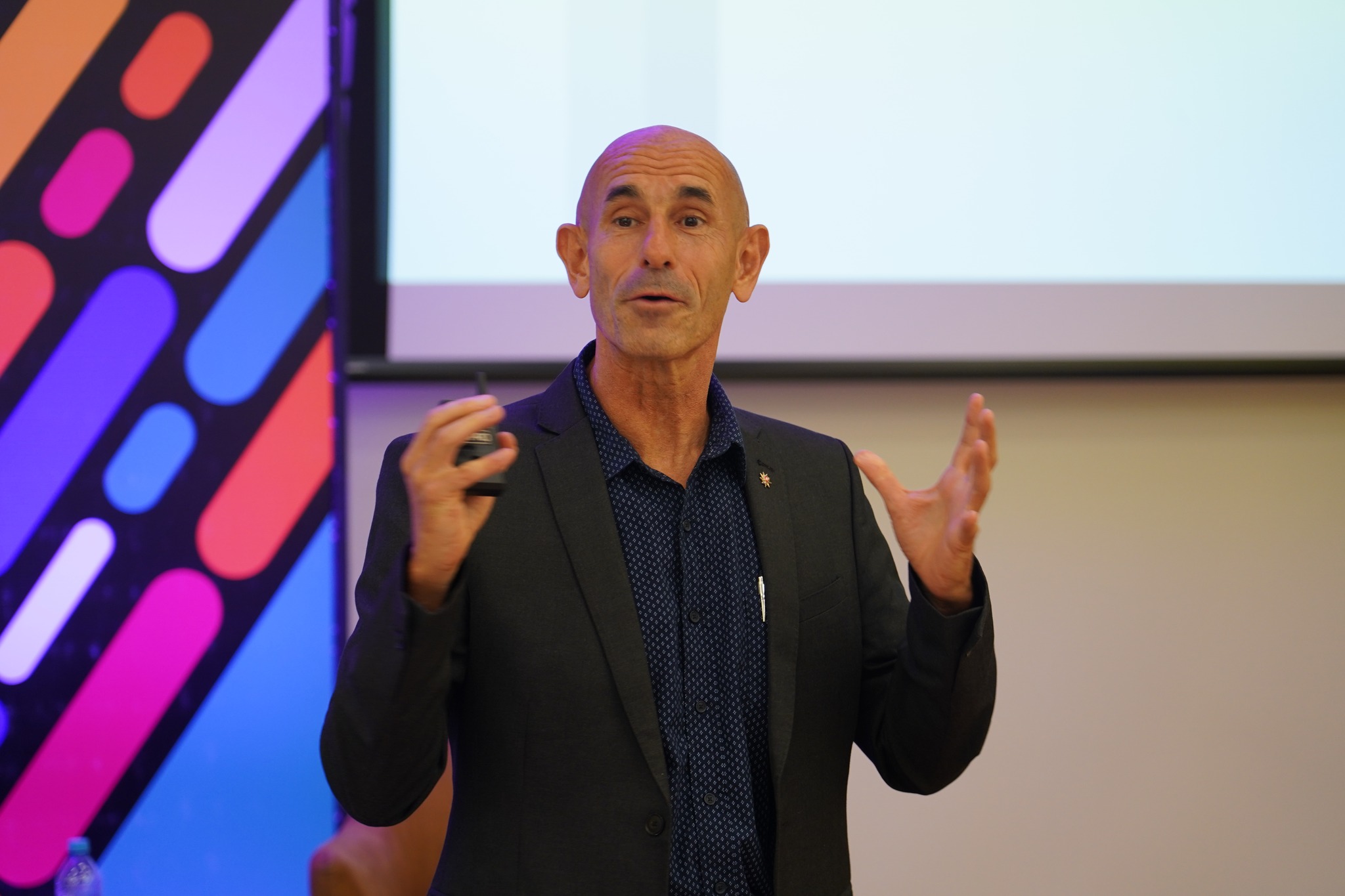
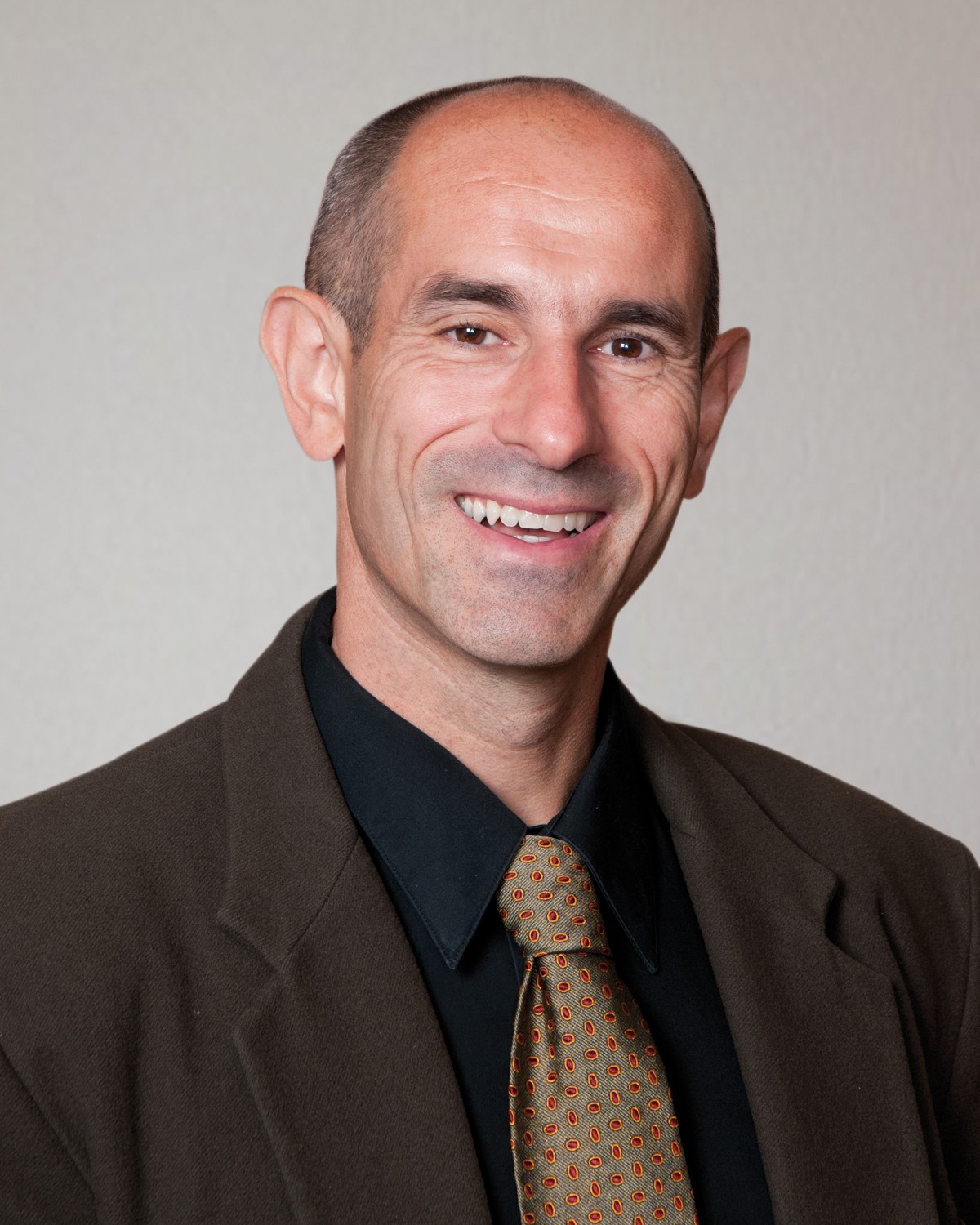
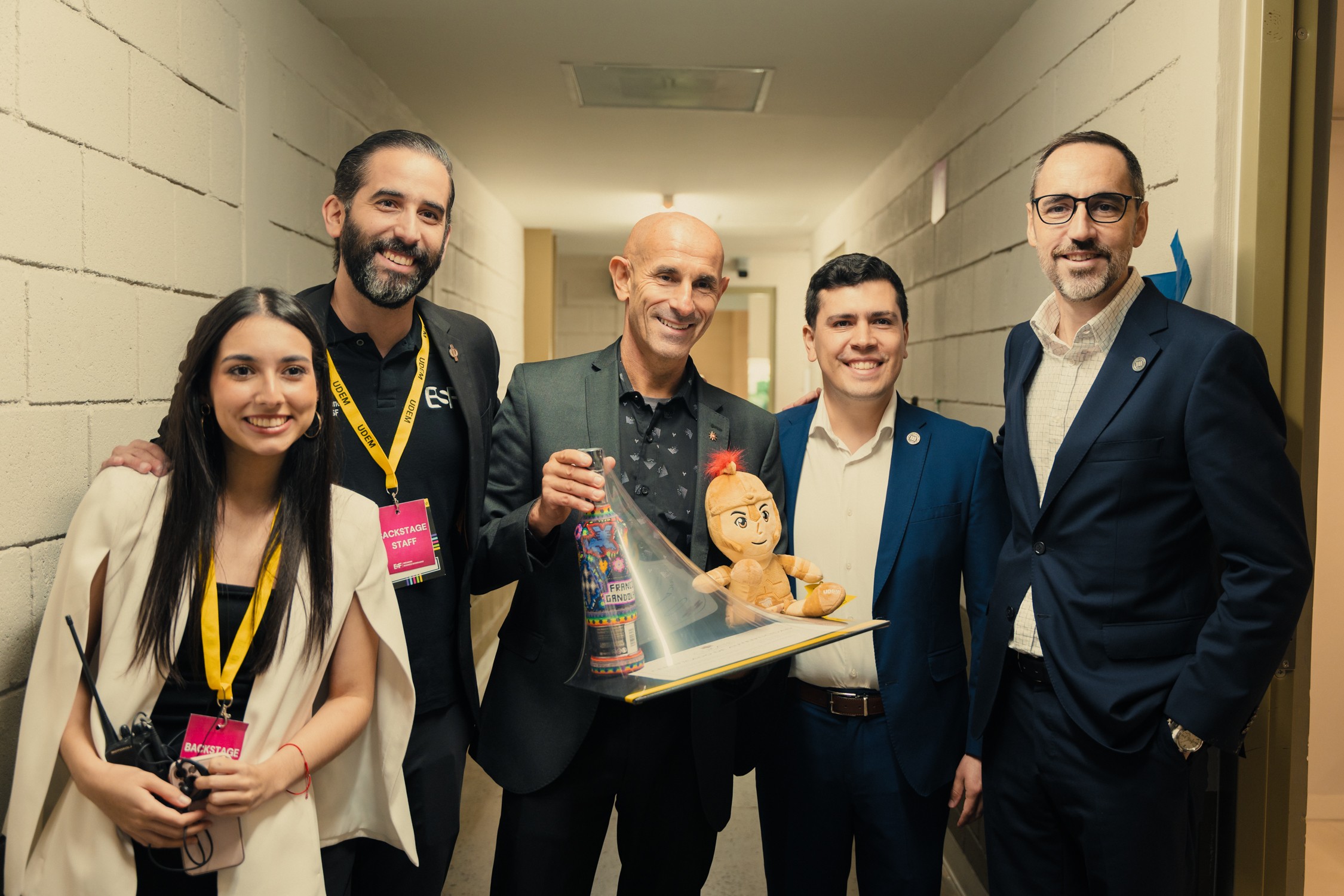
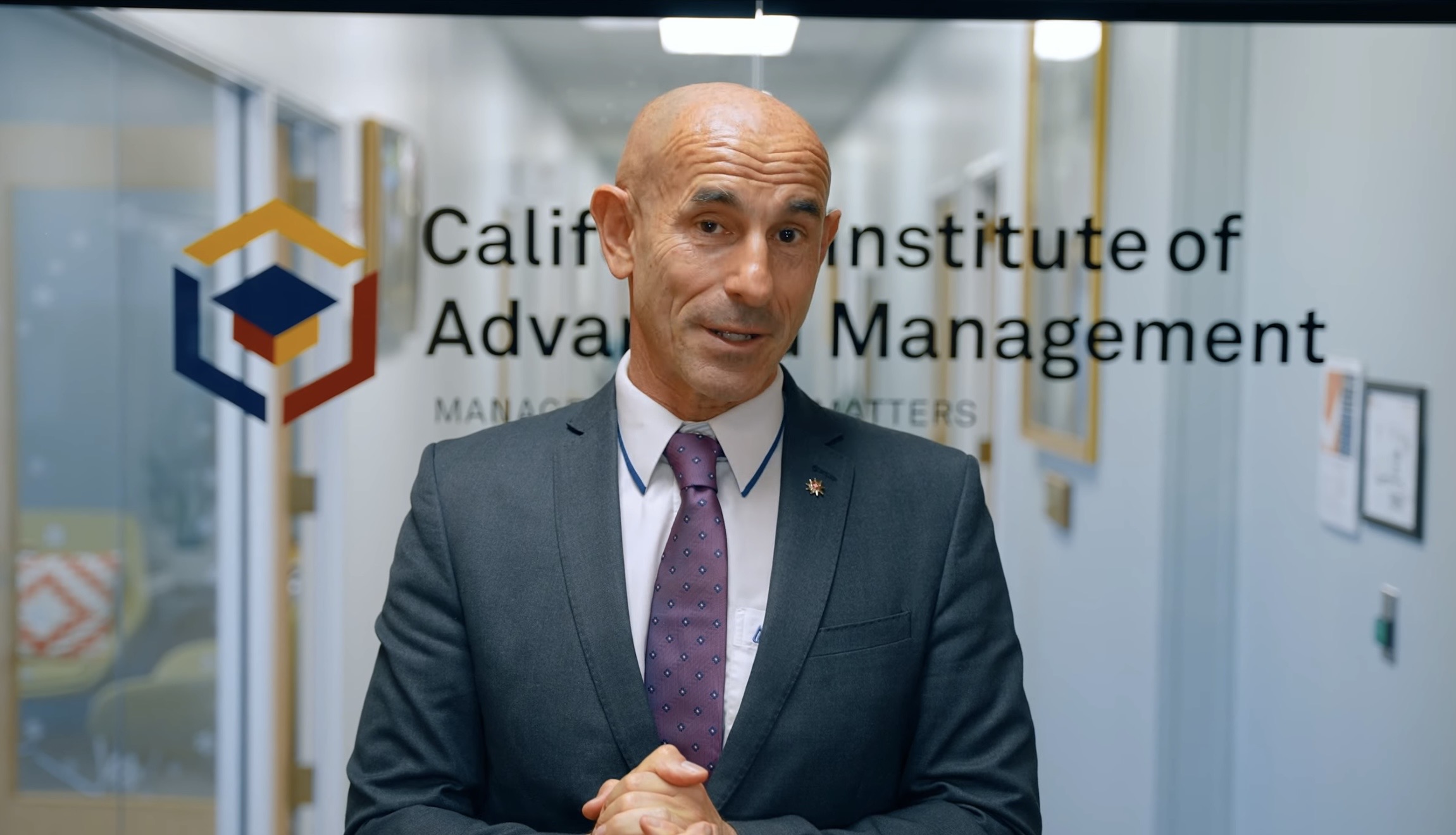

Image Credits
None
Popular
-

Portraits of the Valley
-

LA’s Most Inspiring Stories
-

Rick Norris Learned That Building a Successful Business Means Building a Life You Actually Want to Live
-

How Olivia Rush Turned Survival Into a Mission to Help Others Keep Going
-

How Bibi Goldstein Is Helping Entrepreneurs Reclaim Their Time by Embracing the Power of Delegation
-

Victoria Hasson is Redefining Voice Coaching Through Community and Collaboration


