





We recently had the chance to connect with Dr. Jaime G. Raygoza and have shared our conversation below.
Good morning Jaime G. , we’re so happy to have you here with us and we’d love to explore your story and how you think about life and legacy and so much more. So let’s start with a question we often ask: Have any recent moments made you laugh or feel proud?
I laughed recently because, as an entrepreneur, it’s so easy to give solid guidance to everyone else and somehow miss it ourselves. At the end of the 2025 year I was pushing through nonstop and realized I was slowly burning myself out.
When the 2026 new year started, I had to step back and laugh because, ironically, I was doing the exact opposite of what I tell my clients: take a break. I’m proud I caught it and reset. It’s okay to relax and take things in chunks. You don’t have to finish everything every single day.
Can you briefly introduce yourself and share what makes you or your brand unique?
Hello, my name is I’m Dr. Jaime G. Raygoza (he/him/él), Owner and Founder of Rainbow Career Coaching and Raygoza Consulting, LLC. I support mission-driven organizations and values-led professionals through evidence-based, trauma-informed coaching and leadership development that reduces burnout, strengthens psychological safety, and improves retention.
What makes my work a little different is that I blend real-world leadership strategy with the human side of change. I bring 15+ years of experience across government, nonprofit, and public sector systems, plus a background in human and organizational psychology. My approach is practical, culturally responsive, and built for people who are doing meaningful work and want to do it sustainably.
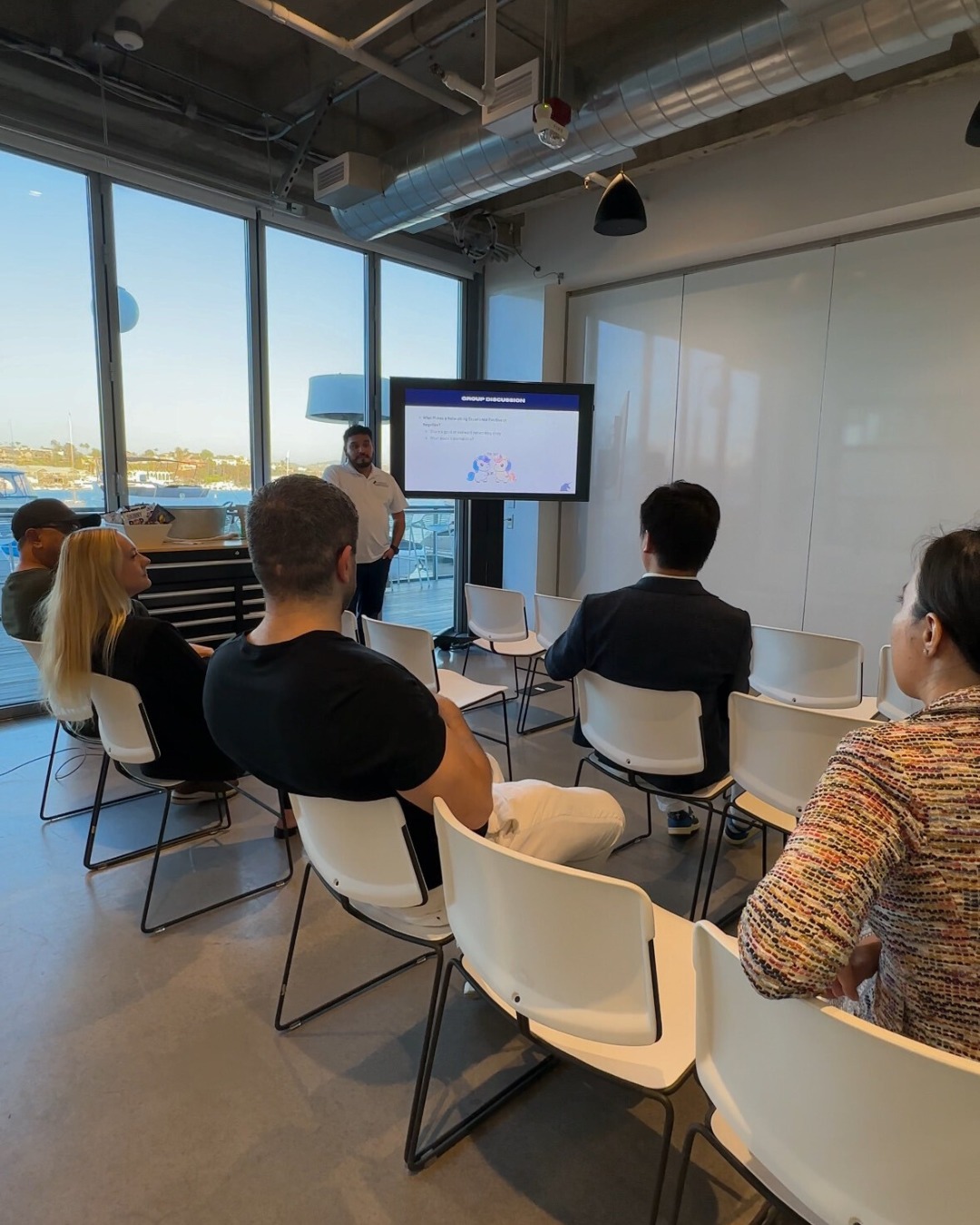
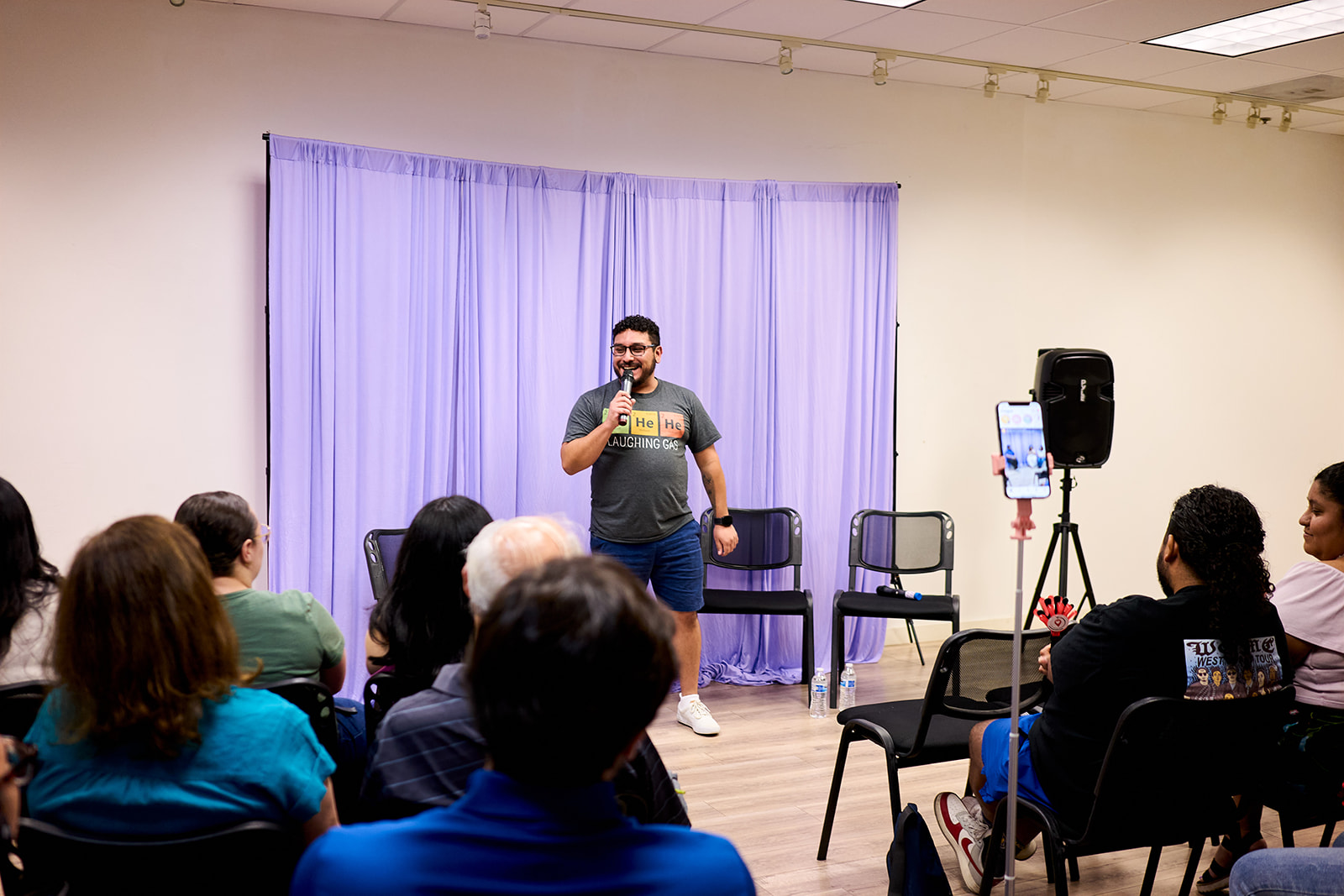
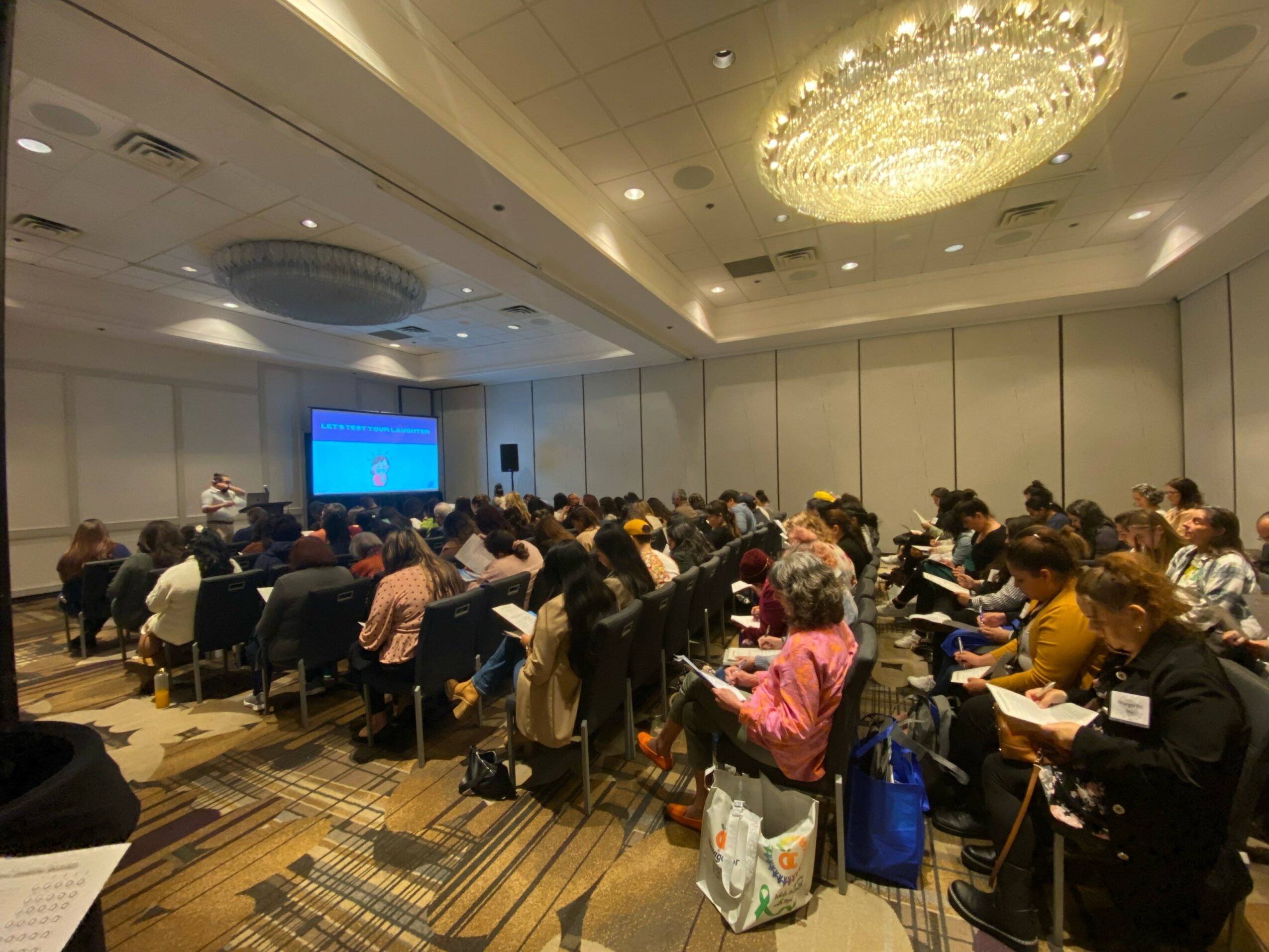
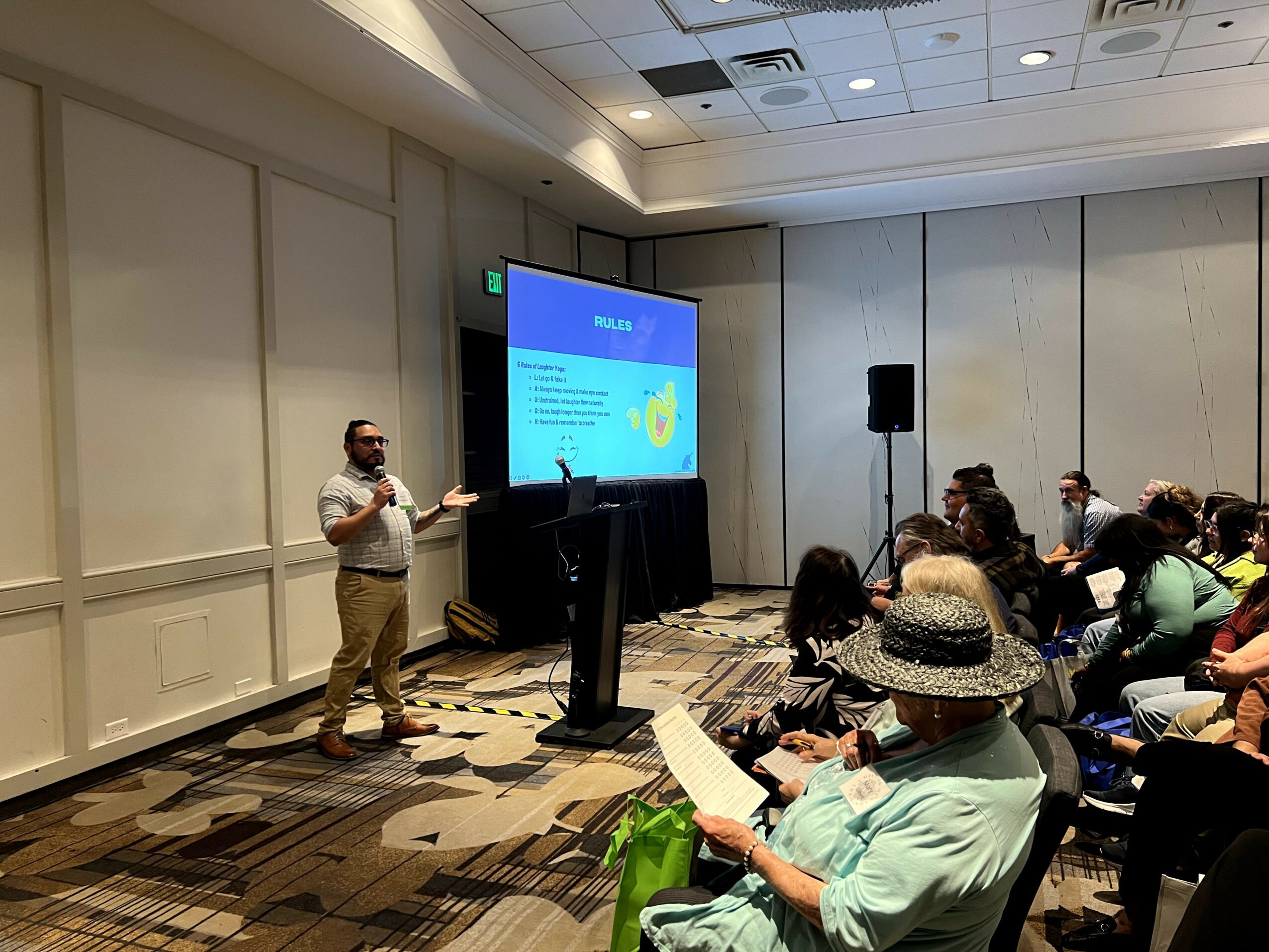
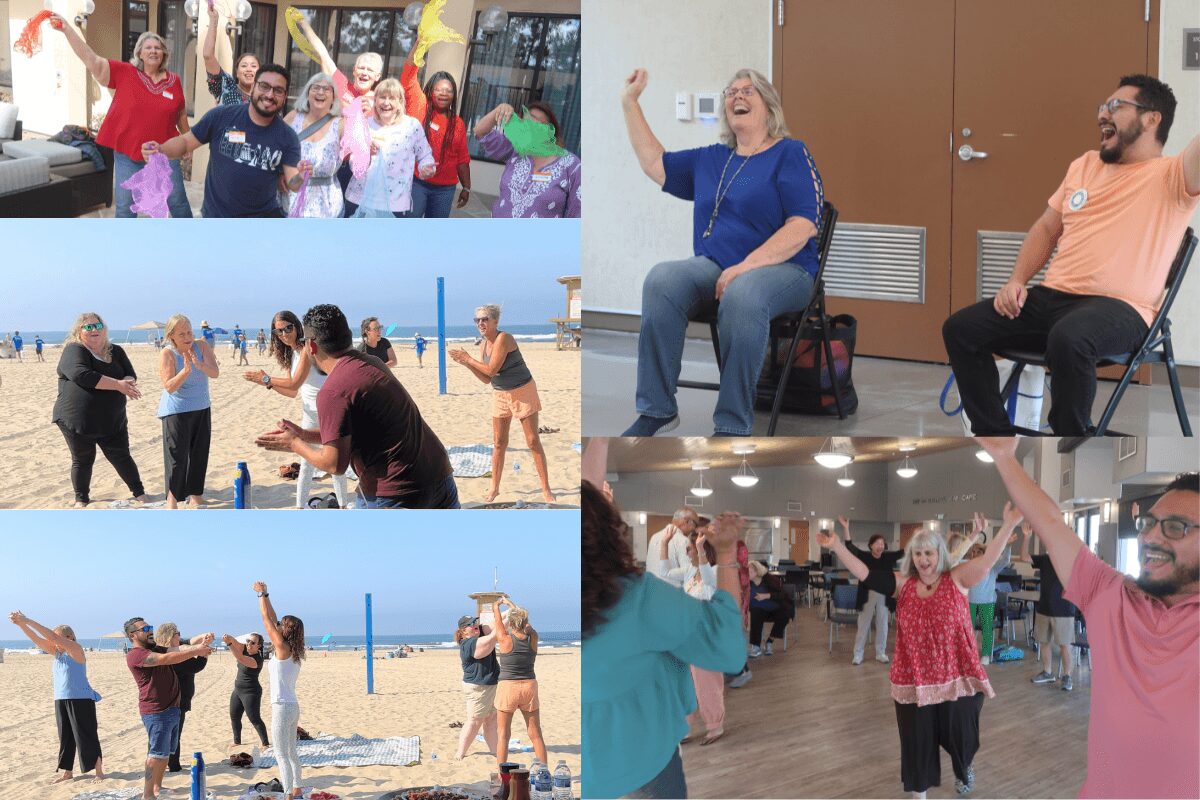
Right now, I’m focused on helping leaders and teams build healthier communication, clearer boundaries, and workplace cultures where people can actually thrive, not just perform. I’m also expanding my workshops and training offerings, and continuing to create community-centered spaces like Laughter Yoga that remind us we can lead with both excellence and joy.
Great, so let’s dive into your journey a bit more. Who were you before the world told you who you had to be?
Before the world told me who I had to be, I was a sensitive, ambitious kid who believed hard work could solve everything. I grew up in a Hispanic household where hustle was the default, and I started working young, first in my grandfather’s carpentry shop and later as a lifeguard. Lifeguarding taught me responsibility, calm under pressure, and that ignoring warning signs can turn into an emergency fast.
By the time I was a young adult, I looked successful on paper: honors student, bachelor’s in sociology, full-time supervisor at a government agency, interning with a local gay AIDS research organization, and grinding through a master’s in public administration while living alone in a studio in downtown Palm Springs. My weeks were stacked. I was working 40 to 50 hours, interning 25, doing 10 to 20 hours of schoolwork, sleeping 3 to 4 hours a night, and still trying to have a social and dating life. I truly believed that if I just pushed harder, everything would balance out and I’d finally feel “enough.”
But behind the scenes, I was running on anxiety and adrenaline, and I was in environments where empathy was treated like weakness. Even when performance improved, I was told to be tougher, work harder, and stop being “soft.” My body started keeping score: migraines, exhaustion, stomach issues, and panic attacks I didn’t have language for yet.
On February 13, 2015, after a long day of work, internship hours, and class, I had a panic attack while driving home late at night. I pulled over, tried to breathe through it, and kept going because that’s what I thought you were supposed to do. A few minutes later, I dozed off at the wheel and crashed. I woke up in the hospital two days later as a John Doe.
That moment changed my life. It forced me to see that success isn’t worth it if your nervous system is paying the bill. And it’s a big reason I do what I do today: helping people build careers and lead teams in ways that don’t require self-abandonment to succeed.
When did you stop hiding your pain and start using it as power?
I stopped hiding my pain when I realized it was already showing up anyway, just in ways I couldn’t control. For a long time I wore “high functioning” like a badge. I stayed busy, stayed helpful, stayed productive, and told myself that if I just worked harder I’d feel safer, more confident, more successful. But my body kept sending louder and louder signals through anxiety, panic attacks, and burnout, until I couldn’t ignore it anymore.
After my car accident, something shifted. I couldn’t pretend I was fine when I had just learned, in the most real way, that pushing through has consequences. That was the moment I started taking my mental health seriously, naming what was happening, and learning tools I was never taught growing up, like boundaries, rest, and asking for support.
Using it as power came later, when I realized my story wasn’t just something that happened to me, it was data. It helped me understand what toxic leadership, chronic stress, and lack of psychological safety do to people over time. Now I use that lived experience, plus my training in organizational psychology, to help leaders and organizations build cultures where people don’t have to break down to be taken seriously.
Alright, so if you are open to it, let’s explore some philosophical questions that touch on your values and worldview. What important truth do very few people agree with you on?
An important truth very few people agree with me on is this: most “burnout” isn’t a personal failure, it’s a predictable outcome of a system. We’ve been taught to treat exhaustion like an individual time-management problem, like if you just wake up earlier, drink more water, or buy the right planner you’ll be fine. But a lot of the time burnout is the logical result of unrealistic workloads, unclear expectations, constant urgency, and workplace cultures that reward self-abandonment.
I also believe kind leadership is not soft leadership. Empathy and psychological safety are not “nice extras,” they’re performance strategies. When leaders communicate clearly, set boundaries, and treat people like humans, teams don’t just feel better, they function better. You get less turnover, fewer mistakes, more trust, and more sustainable results.
The hard part is that systems are harder to change than individuals. It’s easier to tell someone to be more resilient than it is to fix a culture that’s running people into the ground. But if we want healthier workplaces, we have to stop asking people to adapt to dysfunction and start building environments where people can do meaningful work without breaking themselves to prove they belong.
Okay, so before we go, let’s tackle one more area. What is the story you hope people tell about you when you’re gone?
I hope people say that I helped them come back to themselves, and that I made it easier to believe, “If he can do it, maybe I can too.” A big part of what drives me is when someone tells me, “You inspired me,” or “I saw you accomplish that and it made me believe I could.” I really do believe representation matters.
I want my legacy to reflect the full truth of who I am: ADHD, Mexican, gay, and someone who’s learned how to lead with both heart and credibility. Yes, being male comes with privilege, and I try to hold that with humility, but I also know that showing up visibly, honestly, and unapologetically can give other people permission to do the same.
More than anything, I hope I’m remembered for building something that outlives me, a platform, a community, a body of work that keeps reminding people to challenge limiting beliefs and “unleash the unicorn” in themselves. That they are special, they matter, and they can do incredible things as long as they don’t give up.
Contact Info:
- Website: https://www.rainbowcareercoaching.com
- Instagram: https://www.instagram.com/rainbowcareercoaching
- Linkedin: https://www.linkedin.com/in/jaime-gabriel-raygoza/
- Youtube: https://www.youtube.com/@rainbowcareercoaching
- Other: https://creators.spotify.com/pod/show/findingtheunicorninyou
Popular
-

Portraits of the Valley
-

LA’s Most Inspiring Stories
-

Rick Norris Learned That Building a Successful Business Means Building a Life You Actually Want to Live
-

How Olivia Rush Turned Survival Into a Mission to Help Others Keep Going
-

How Bibi Goldstein Is Helping Entrepreneurs Reclaim Their Time by Embracing the Power of Delegation
-

Victoria Hasson is Redefining Voice Coaching Through Community and Collaboration


