



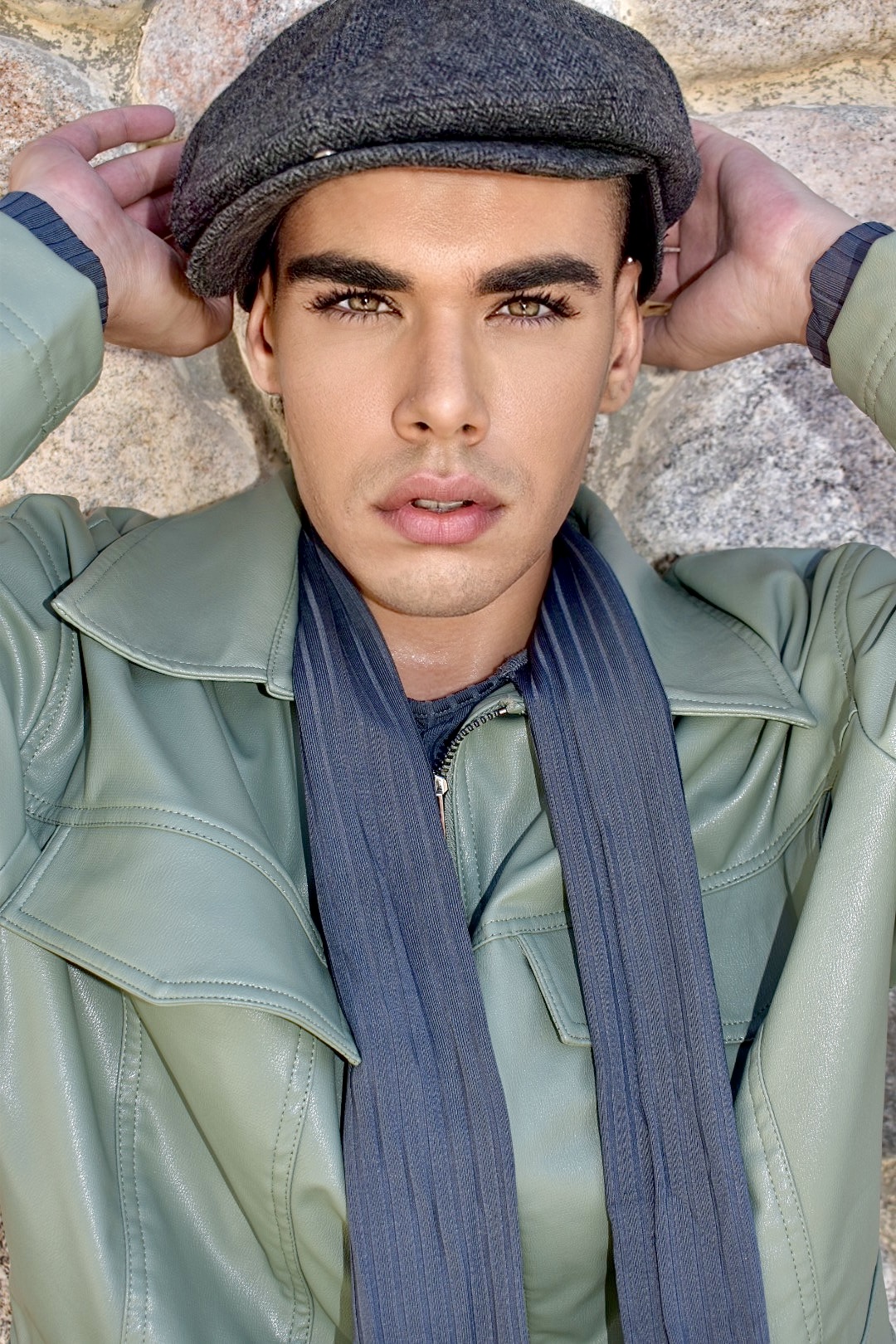
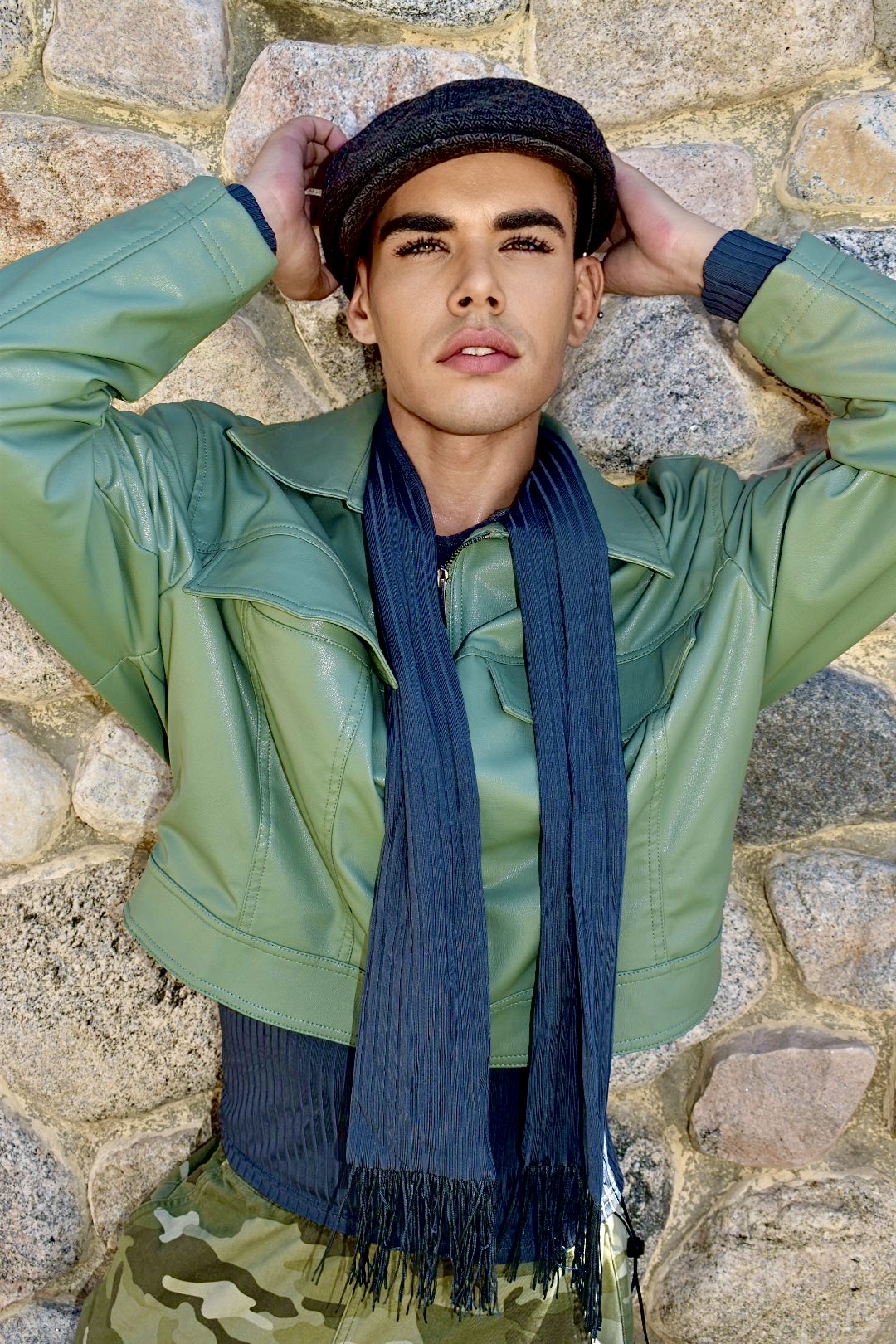
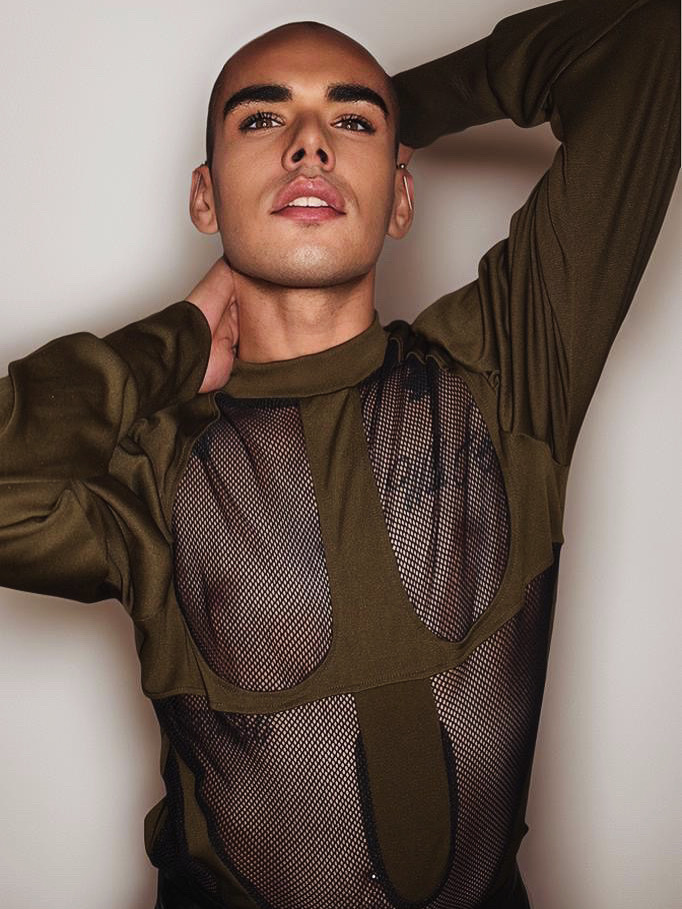
We’re looking forward to introducing you to Danny Falco. Check out our conversation below.
Good morning Danny, it’s such a great way to kick off the day – I think our readers will love hearing your stories, experiences and about how you think about life and work. Let’s jump right in? What do you think others are secretly struggling with—but never say?
I believe that as human beings, we are all susceptible to our own personal struggles. Many of which we try to face privately. Often, these challenges are accompanied by feelings of guilt, shame, and other difficult emotions that can influence how we function, how we measure our self-worth, and even how we define our integrity.
Right now, I think many people are struggling to truly understand themselves. One of the things I’m most grateful for is the inner work I’ve done to better understand my own patterns—why I react the way I do, and what drives my behaviors. That self-awareness has been invaluable in helping me navigate life with more compassion and purpose.
We’re collectively facing an incredibly challenging time—perhaps some of the most uncertain and unprecedented moments in our lives. Because life doesn’t come with an instruction manual, we’re learning and adapting in real time, often operating in survival or fight-or-flight mode.
In a world that feels increasingly divided and driven by fear, it’s more important than ever to remember that hope is always stronger than fear. Human beings are remarkably resilient, and I truly believe that, in time, we will emerge from this period stronger, wiser, and kinder than before.
Can you briefly introduce yourself and share what makes you or your brand unique?
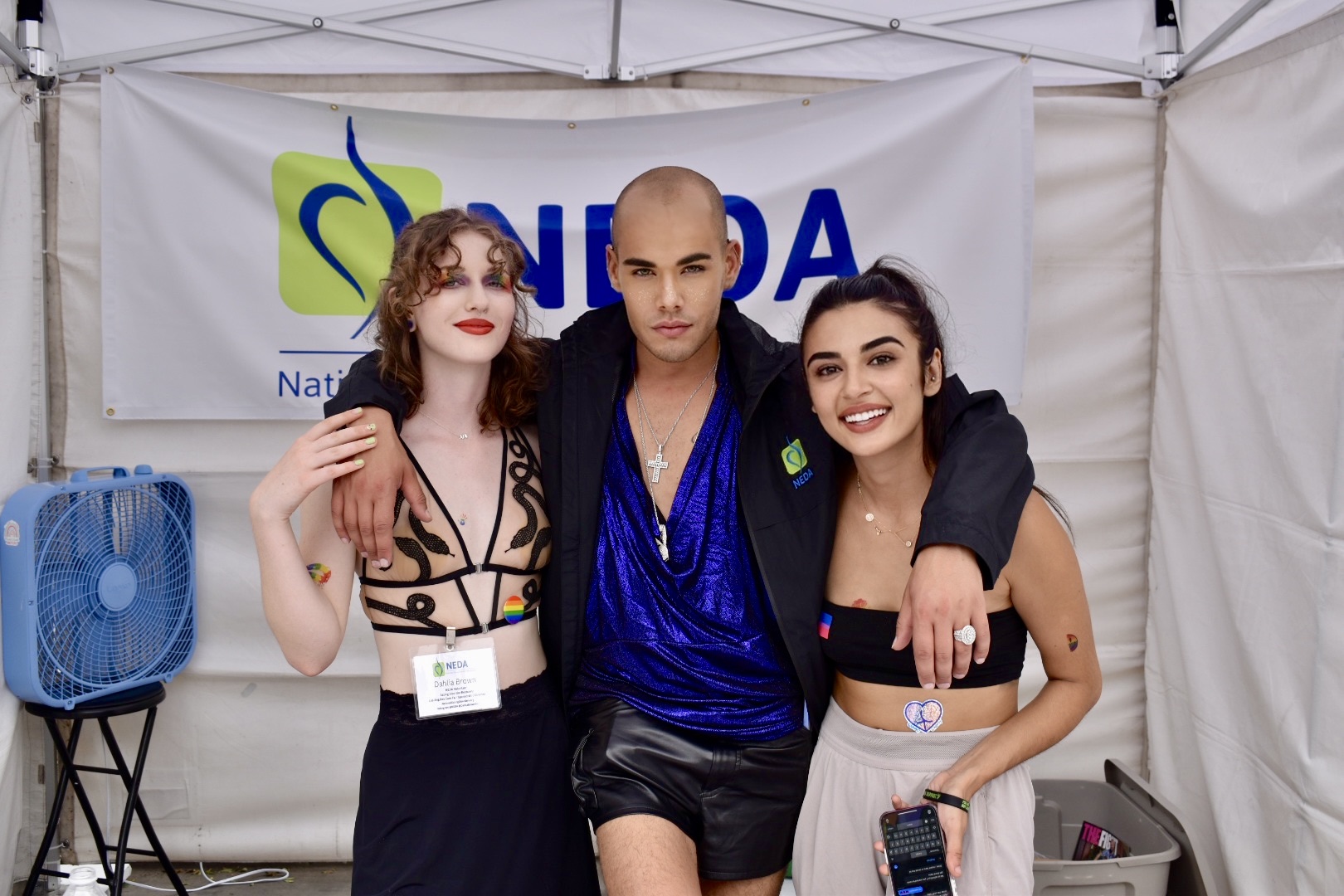
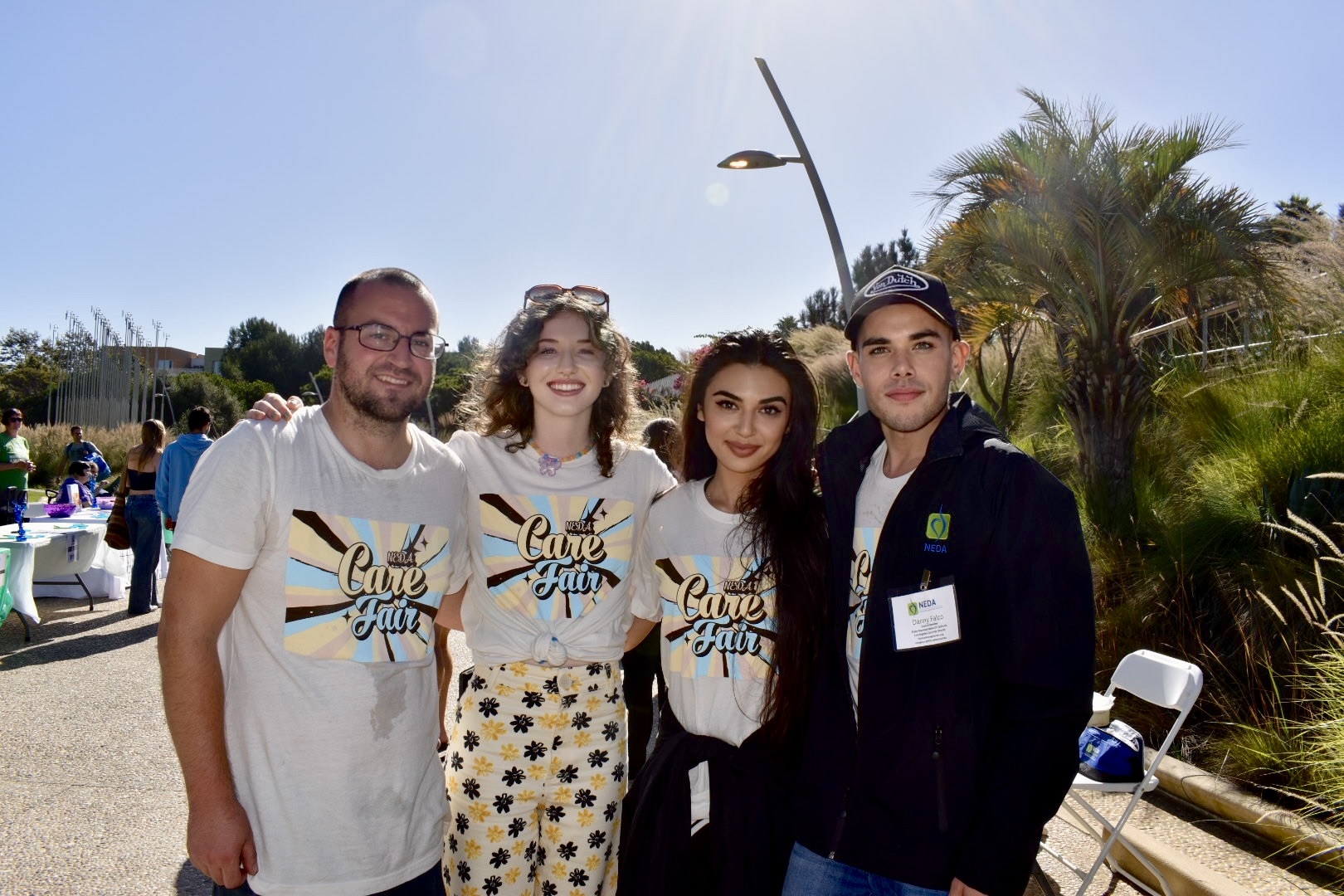
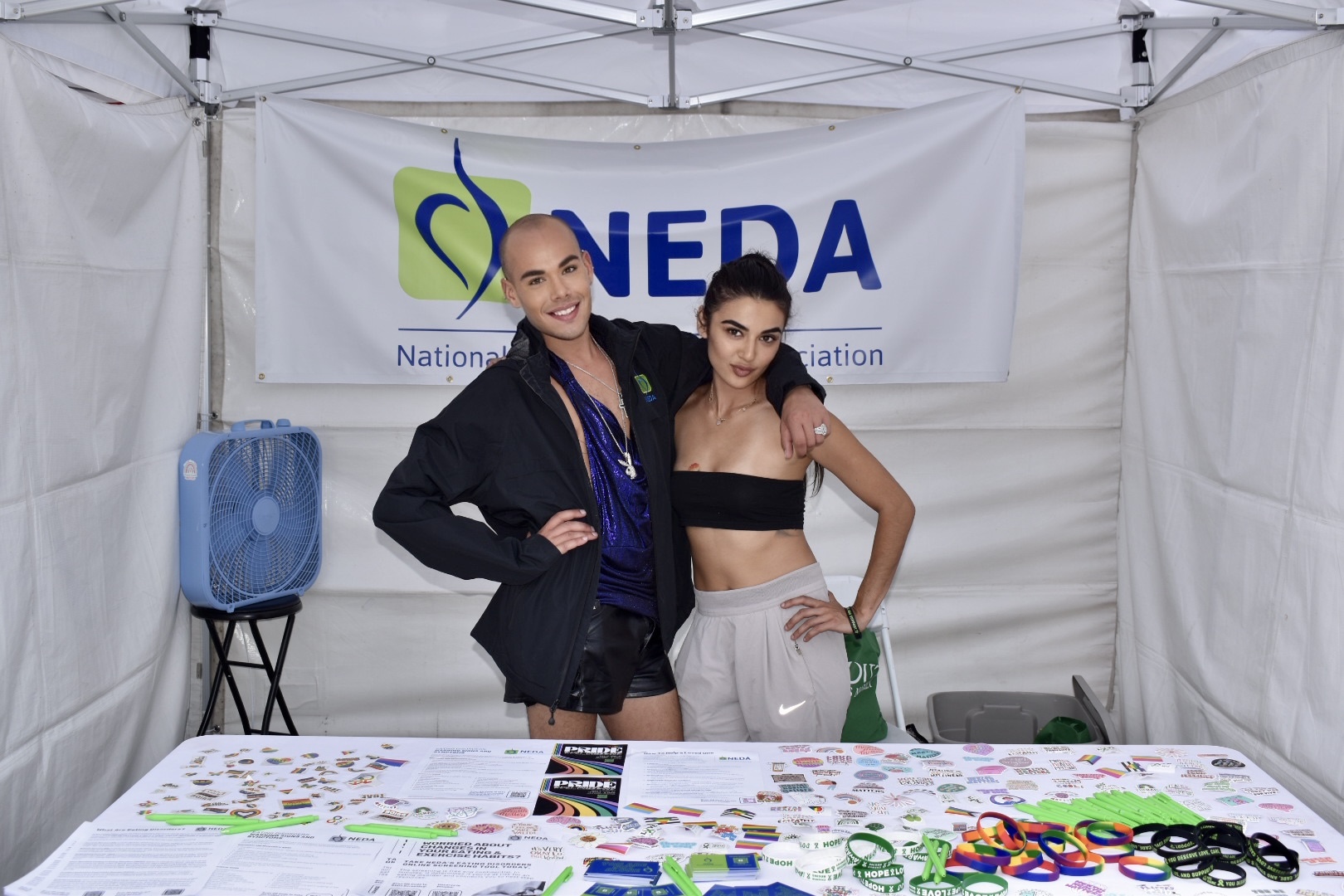
Hello there, my name is Danny Falco. I’m a recording artist, songwriter, former reality TV contestant, husband, father, and a proud mental health and LGBTQ+ advocate. Most passionately, I serve as the State Representative for California with the nation’s leading nonprofit organization dedicated to eating disorder awareness and prevention — the National Eating Disorders Association (NEDA).
But beyond the titles and accomplishments, the most important part of my story is this:
I am in recovery from a complex, multifaceted, and relentless eating disorder.
I wish I could say that my journey was easy — but that couldn’t be further from the truth. For more than twelve years, I fought a battle that consumed nearly every part of my teenage and adult life. I spent months in and out of treatment centers, desperately searching for peace within myself. Genetics, environment, societal pressures, and the intense demands of the entertainment industry all played a role in shaping that struggle.
Today, living a recovered life, I use the tools I’ve gained to find light even in the darkest moments — and to help others do the same. My mission now is to raise awareness, end the stigma surrounding mental health, educate communities, and stand on the front lines to create a stronger, more compassionate, and hopeful world. I was introduced to the entertainment industry early on — modeling in commercials as a baby, performing in theater by the age of five, and discovering my passion for music at sixteen when I auditioned for American Idol.
By eighteen, I had signed a seven-year contract with an independent record label and joined a boy band. That’s when my eating disorder behaviors first began to surface.
At twenty, I competed on The X Factor, making it to the Top 32 out of thousands of contestants across the country. On the outside, it looked like I was living the dream — touring with artists like Kesha, Big Time Rush, Mike Posner, and Victoria Justice. I was in magazines, featured in tabloids, and gaining recognition.
But behind the spotlight, I was silently falling apart.
My entire sense of self-worth was tied to my appearance — to how I measured up to everyone around me. I was trapped in a cycle of comparison, self-doubt, and self-destruction. No matter how much success I achieved, it never felt like enough.
By 2015, my health was rapidly declining. Emergency room visits became frequent as my body began to break down from the toll of my eating disorder.
That’s when I found NEDA — the National Eating Disorders Association.
Reading about eating disorders for the first time was like holding up a mirror.
I finally saw the truth: this was what I had been fighting all along. I had buried my pain so deeply that even I didn’t recognize it for what it was. I didn’t know that men could even have eating disorders — it had never been discussed in school, in the media, or anywhere within the music industry.
I took NEDA’s online screening tool, and that single moment of courage changed my life. With their resources, I found a treatment center and made the commitment to recovery.
What I didn’t realize then was how difficult it would be to unlearn the coping mechanisms that had defined me for so long. My eating disorder had become a false sense of safety — one I had to release to truly heal.
After years of treatment, I began rebuilding my life from the ground up. I found love, got married, and learned what it meant to live with intention, compassion, and authenticity.
At twenty-eight, I decided to audition again for American Idol — this time with my best friend and former bandmate. But when the judges criticized my voice and image, and my audition aired to a wave of cruel online comments, I felt shattered. It was as if all my progress had vanished overnight — as though every ounce of healing and self-worth had been erased in an instant.
That heartbreak sent me back into treatment for the eighth time in five years. But this time, something was different. I made a promise to myself: I would never again let external validation define my worth.
During treatment, I discovered the healing power of songwriting. In just twenty-two days, I wrote my first album — a collection of songs that became my therapy, my voice, and my truth. Through music, I began to reclaim myself. I learned that my value was never tied to my body, my achievements, or anyone else’s approval.
I was always enough — perfectly imperfect, exactly as I am.
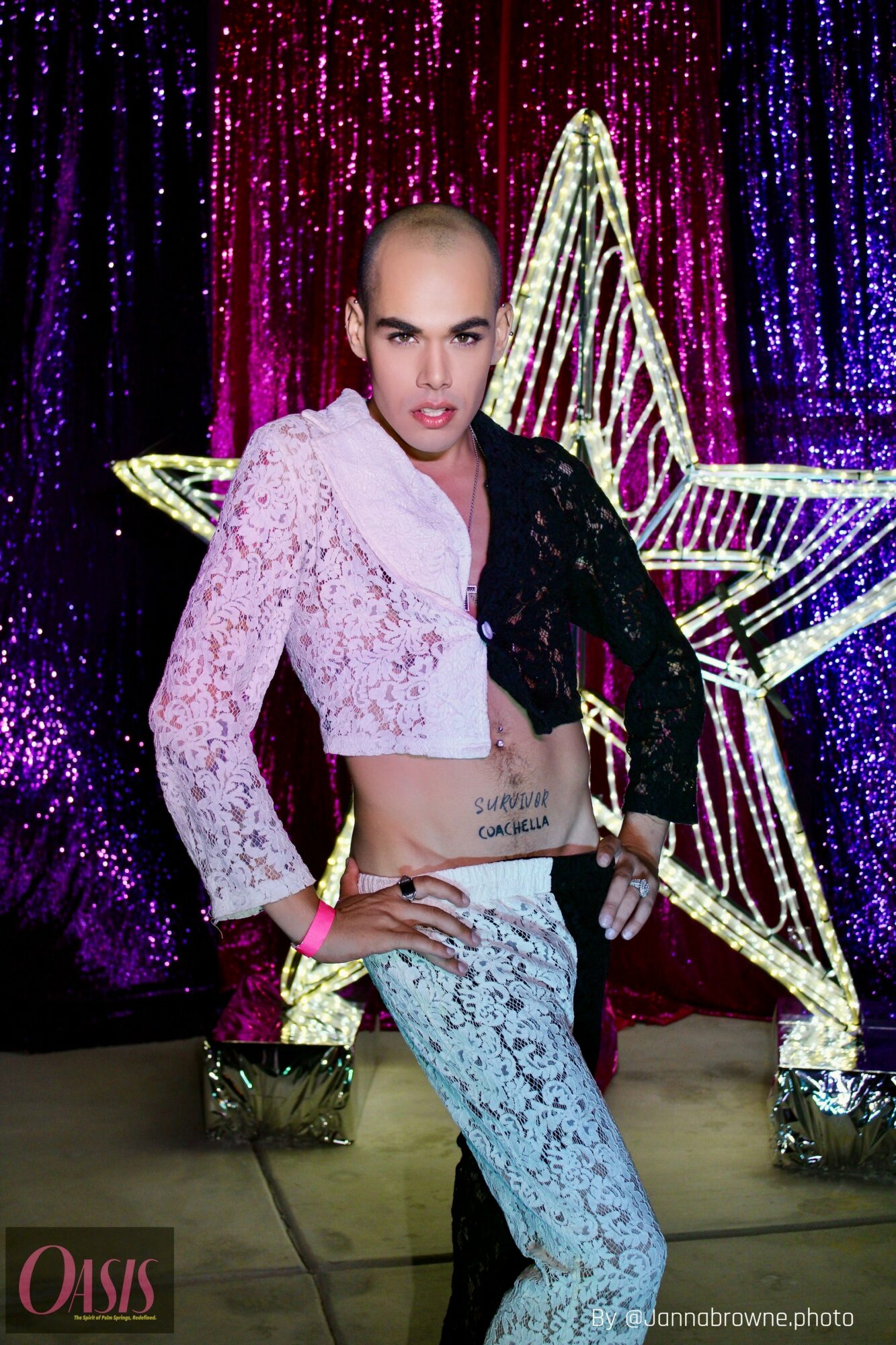
And I came to understand something even deeper: I am not a victim. I am a survivor.
Eating disorders try to strip away our identity, our passions, and our lives — but we fight back.
We are warriors.
We face battles that few will ever understand, yet we continue to rise, again and again.
To anyone who’s struggling, please know this: you are not alone.
Your story matters.
Your voice matters.
Share it — because you never know who might need to hear it. Your words could be the light that helps someone else find their way.
Be proud of how far you’ve come.
Be proud of the strength it takes to keep showing up.
Today, I live a life rooted in recovery, authenticity, and peace. I’ve taken the lessons from my darkest moments and transformed them into tools to help others heal. And I will continue using my voice — to raise awareness, end stigma, and inspire hope.
Thanks for sharing that. Would love to go back in time and hear about how your past might have impacted who you are today. What’s a moment that really shaped how you see the world?
I think the moment that truly shaped how I see the world came later in my music career — during my second time auditioning for American Idol at the age of twenty-eight. That audition held so much power over my entire existence. It felt like my make-or-break moment… and I didn’t make it.
By then, I was already several years into recovery. One of the first things I shared with the celebrity judges was that I was in recovery from a complex eating disorder — something I was deeply proud of. But the first comments I received weren’t about my voice or my artistry — they were about my image. I was told that how I looked wasn’t authentic, that it wasn’t “me,” and that my image would never sell.
When the episode finally aired six months later, I was grateful that those particular moments were edited out — but the experience still turned my world upside down. The flood of online criticism, cyberbullying, and hurtful comments felt like a tidal wave. Everything I had worked so hard for — all the progress I had made — suddenly felt invalidated.
That pain sent me back into treatment, but this time, something shifted.
I realized I would never allow anyone — or anything — to break me like that again.
I rebuilt myself from the ground up: stronger, more resilient, fiercer, and, most importantly, kinder. Through that process, I discovered a deeper purpose — one far greater than just a music career. I realized my true calling was to use my voice not just to perform, but to advocate — to stand up for those who can’t yet speak for themselves. The blessing and vehicle that God gave me was the power of my voice. Of course for singing but also for adovcating for myself and others.
Helping others find their strength, their happiness, and their freedom — that’s what gives my life meaning. That’s what I believe my legacy is meant to be.
What have been the defining wounds of your life—and how have you healed them?
I believe that one of my deepest wounds has always been struggling to fit in with others my age. Growing up, I often felt alienated—like I couldn’t quite relate to my peers. I carried expectations that felt so much bigger than me, with very little room for error. Over time, that feeling of disconnection turned into a constant cycle of comparison.
When I was 18, I was signed to an independent record label and placed in a boy band called Kik-It. That was the moment I began to lose myself completely. I found myself comparing everything—my voice, my image, my worth—to the other members. It consumed me. I was always trying to outdo myself and those around me, chasing an impossible standard of perfection.
My greatest challenge since then has been learning to outgrow and evolve beyond those earlier versions of myself—to forgive the parts of me that were simply trying to survive. I’ve made many mistakes, but I do my best to turn each one into a lesson. There were times I was deeply stuck in survival mode, yet few people knew, because I was taught never to let my true self show. I was expected to always appear confident and graceful, even when I felt anything but that inside.
Looking back, I realize I was just learning—doing the best I could with what I knew at the time. My choices weren’t always perfect, but I’ve come to accept them as part of my journey. I live without regret, only gratitude for the growth that came from every experience.
Alright, so if you are open to it, let’s explore some philosophical questions that touch on your values and worldview. Is the public version of you the real you?
I would definitely say that the version of myself I present to the public is only a small part of who I truly am. My heart, kindness, loyalty, passion, and drive are all completely genuine—but the way I share myself online or in the media is often carefully crafted and refined for that public image. Over the years, though, the real me has started to break through.
I spent many years in media training, and it’s almost eerie to realize that this “public persona” has been with me since childhood. There’s always been the polished, high-achieving version of me—and then there’s the genuine, unfiltered, unapologetic side: the fierce and deeply grounded version that doesn’t need editing.
My parents raised me with strong values and morals, one of the most important being to always use my voice—to advocate for myself and for others. I was taught that my emotions are valid, that they matter just as much as anyone else’s, even when I might be wrong. That belief has shaped me into the man I am today.
Now, I strive to live as authentically as possible. The greatest gift I’ve ever been given is my voice. For a long time, that meant my singing voice—but I’ve learned that my true power lies in using it to stand up for others. As a proud member of the LGBTQ+ community, I will always advocate for equality, love, and a brighter, more harmonious future.
Having faced lifelong struggles with mental health, I’ve dedicated both my life and career to giving back—to being a voice for those who feel unheard. For a long time, I didn’t understand why I had to experience so much pain and adversity. But now I know: it was to shape me into the resilient, compassionate man I am today.
I truly believe my purpose on this earth is to help others—and I’ll keep using my voice to do exactly that.
Before we go, we’d love to hear your thoughts on some longer-run, legacy type questions. What do you think people will most misunderstand about your legacy?
As someone who has always perceived life differently from most of my peers, I’ve come to accept that one of my most consistent theories about myself is that I may never be fully understood—and that’s okay. I’m a deeply complex individual. Having spent much of my life in the spotlight, I’ve had to learn how to balance the highs and lows, both on and off camera, while still living authentically in real time.
According to the well-known Myers-Briggs personality test, I’m an ENFJ—one of the rarest personality types, shared by only about 2% of the population. It’s often called “The Protagonist,” which feels fitting, because I’ve always felt like I was meant to lead with purpose, passion, and heart.
I also identify strongly with the concept of being an Indigo Child. For those unfamiliar, it’s a New Age belief that some individuals are born with unique traits—heightened empathy, curiosity, resilience, and a deep sense of purpose. Indigo children are often misunderstood, seen as different, yet carry an unshakable belief that they are here for a reason. That description captures me perfectly. In fact, it inspired the song “Indigo” from my first album, Confessions of a Fallen Star.
If I’m honest, one of my biggest fears is being remembered for my lowest moments rather than my brightest ones. But even that fear fuels me—to keep growing, creating, and showing the world who I truly am beyond the headlines and highlight reels.
Contact Info:
- Website: https://MyWildAura.com
- Instagram: @itsDannyFalco
- Twitter: @itsdannyfalco
- Youtube: @DannyFalco
Popular
-

Portraits of the Valley
-

LA’s Most Inspiring Stories
-

Rick Norris Learned That Building a Successful Business Means Building a Life You Actually Want to Live
-

How Olivia Rush Turned Survival Into a Mission to Help Others Keep Going
-

How Bibi Goldstein Is Helping Entrepreneurs Reclaim Their Time by Embracing the Power of Delegation
-

Victoria Hasson is Redefining Voice Coaching Through Community and Collaboration


