




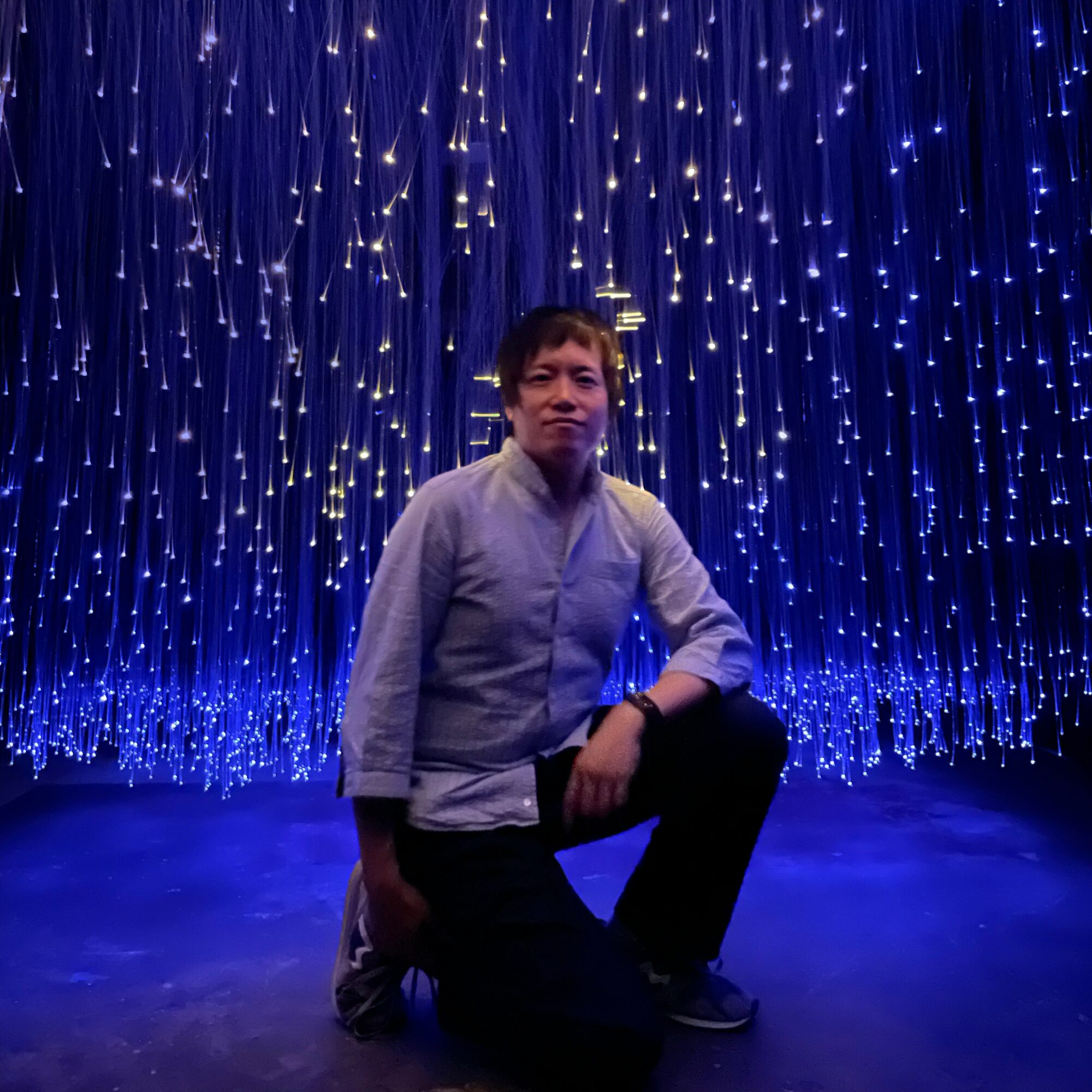
Today we’d like to introduce you to Justin Lui
Hi Justin, it’s an honor to have you on the platform. Thanks for taking the time to share your story with us – to start maybe you can share some of your backstory with our readers?
I started my creative career as an architect, and during architecture school I became fascinated with the history of media technology combining with space – spanning pigment to pixels, from church frescoes to LED billboards. After graduating, I worked in a series of architecture offices, but never found the outlet for the kind of dynamic media-architecture that I was seeking, and at the same time I developed an interest in the interactive potential and immediacy of web design (a field which later evolved into UX design), so I learned some of those tools and transitioned into a UX design career.
But I still kept an eye on what I felt was the magical combination of digital interaction technology and physical space, and discovered that there was an art field that focused on making interactive installations. So I enrolled in the graduate program at UCLA Design Media Arts, to explore and create my own interactive artworks, to build on my prior experiences with web-based interaction design and architectural space-making.
While at UCLA, I developed the first iteration of Animate Field, an interactive fiber-optic installation, and had the good fortune of being invited to exhibit it a few times in the ensuing years. Since then I’ve tried to use these exhibiting opportunities – including a couple of shows in Europe – as a springboard to an art career.
Would you say it’s been a smooth road, and if not what are some of the biggest challenges you’ve faced along the way?
It has definitely not been a smooth path for me. I probably haven’t made it easy on myself by deciding to develop art pieces that are physical (as opposed to virtual or screen-based), and often are comprised of a large number of small custom-made parts – art pieces like mine require a lot of manual or physical labor to pull off. And along the way there’s been challenges with trying to gaining public attention and traction with my kind of physical yet electronically-augmented artwork.
As you know, we’re big fans of you and your work. For our readers who might not be as familiar what can you tell them about what you do?
I create light sculptures and interactive installations that explore the possibilities of integrating responsive media technology with physical materials and space.
While media artists often create work that lives within the given boundaries of screens (small
and large), I usually opt to explode and re-materialize visual content beyond the constraints of
conventional screens or projections. In a world where high resolution imagery has become commonplace, my
work often uses the subtlety of lower-res visual content. The materials I use include LEDs, repurposed plastic containers, fiber-optic threads, and code.
Though my body of work is not that large yet, it’s difficult for me to declare a single work that I’m most proud of, as I feel each of my artworks and installation pieces holds some unique value for me. Animate Field – a room-sized mass of fiber-optic threads which change color when people walk through it – is my most popular work so far, and I always enjoy watching others play in it.
Poly-Mer is a custom low-resolution LED display which features a shingled surface of re-purposed plastic contact lens trays (the kind that disposable contact lenses are sold in), and this project is close to my heart because it addresses a real world issue: our problem of plastic ocean pollution.
Dragon Scales is another work that I’m proud of because I developed it from some observations and learnings I derived from creating Poly-Mer. While I generally feel that great things can come from taking big creative steps forward (or sideways), I’ve noticed that my creative process more often involves taking many small incremental steps that when accumulated, can add up to a big step forward. For me, it’s good to have a balance between revolution and evolution as methods of development.
What has been the most important lesson you’ve learned along your journey?
One lesson I’ve learned is that good work sometimes takes longer to develop and produce than average-quality work; extraordinary things can require extra time to make them extraordinary.
Another related lesson is that it’s good to look for ways to optimize one’s workflow, to design shortcuts and improvements in efficiency, especially during the production stage of a project.
Contact Info:
- Website: http://justinlui.net
- Instagram: https://www.instagram.com/justinlui
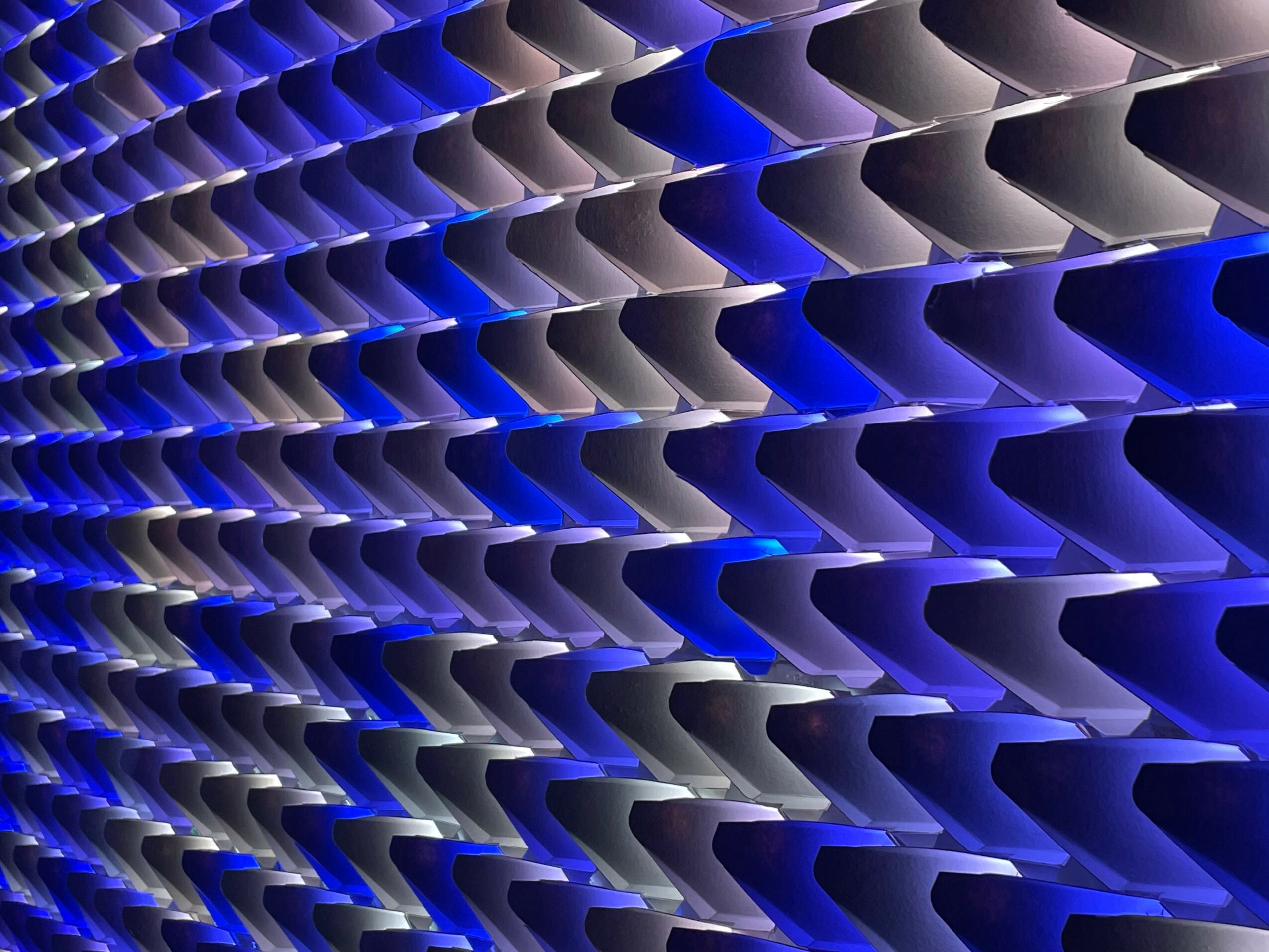
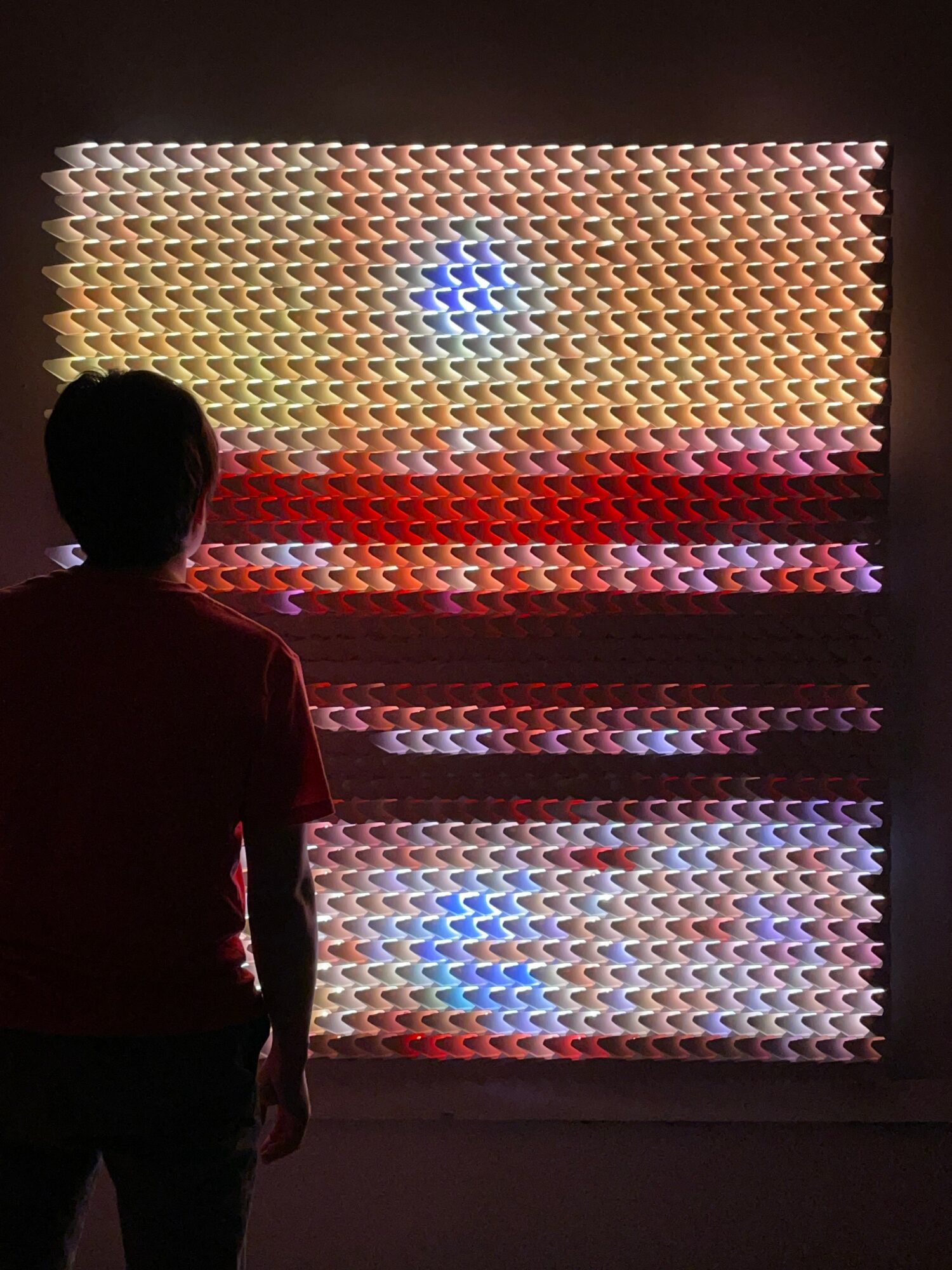
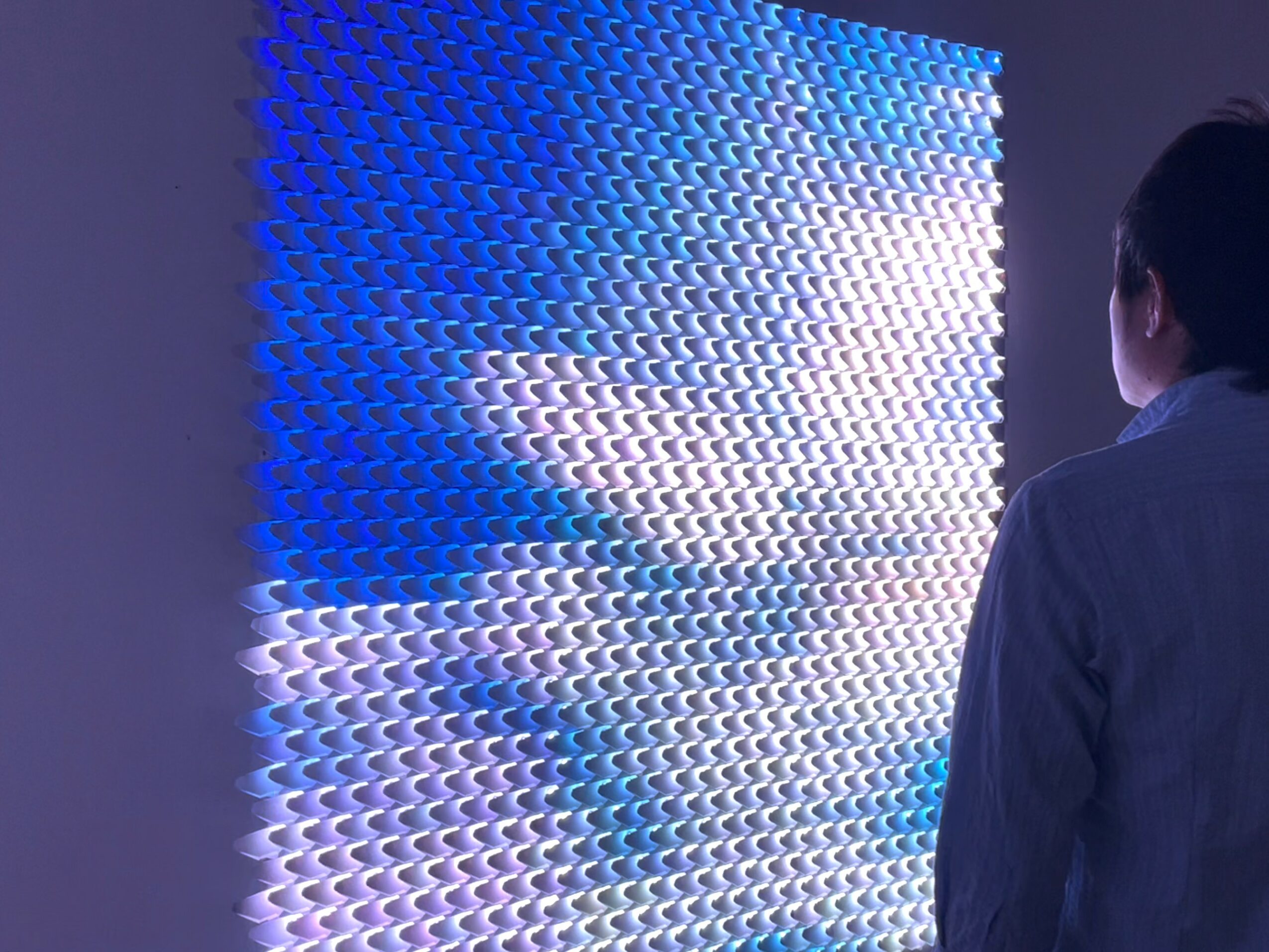
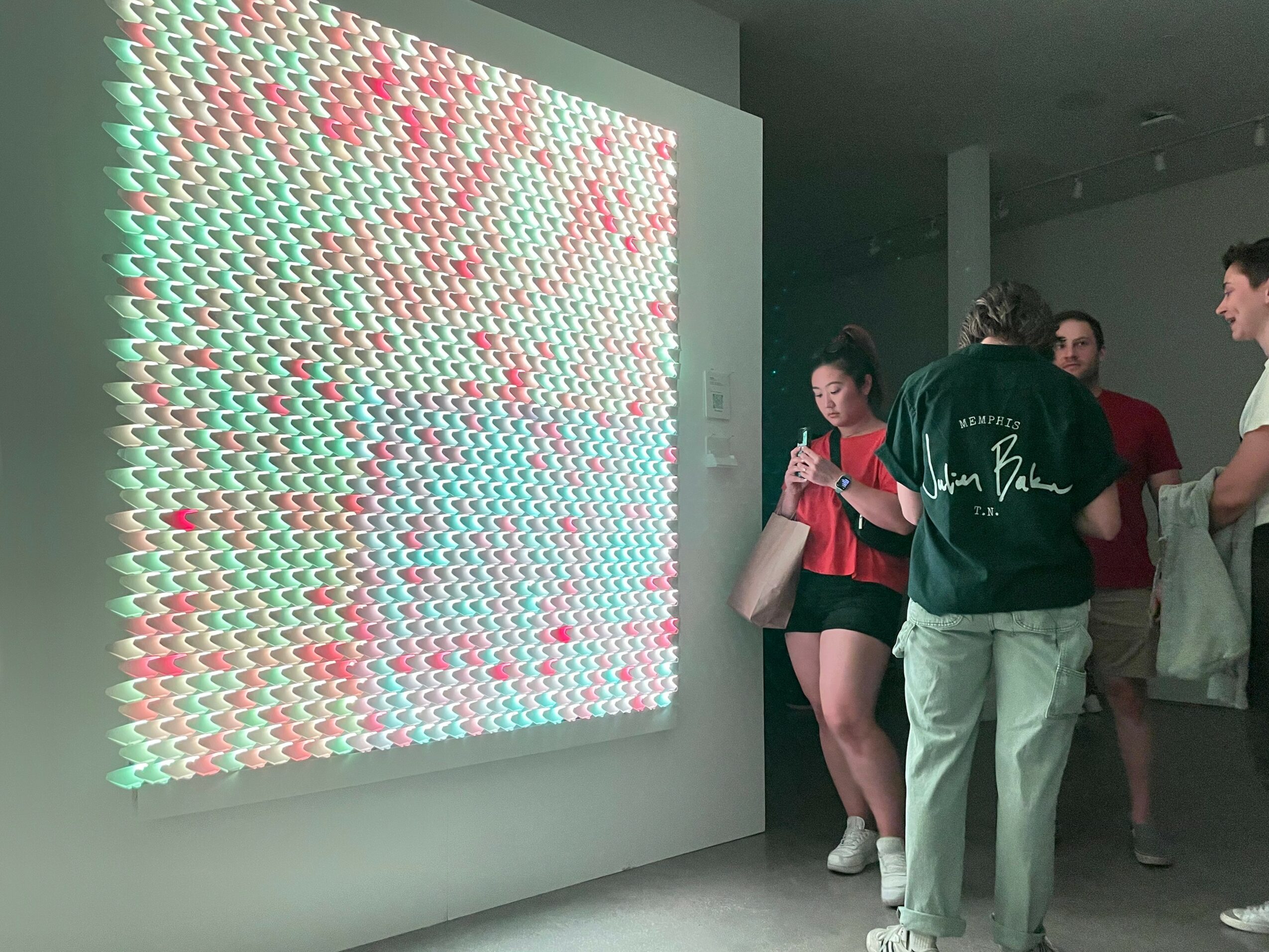
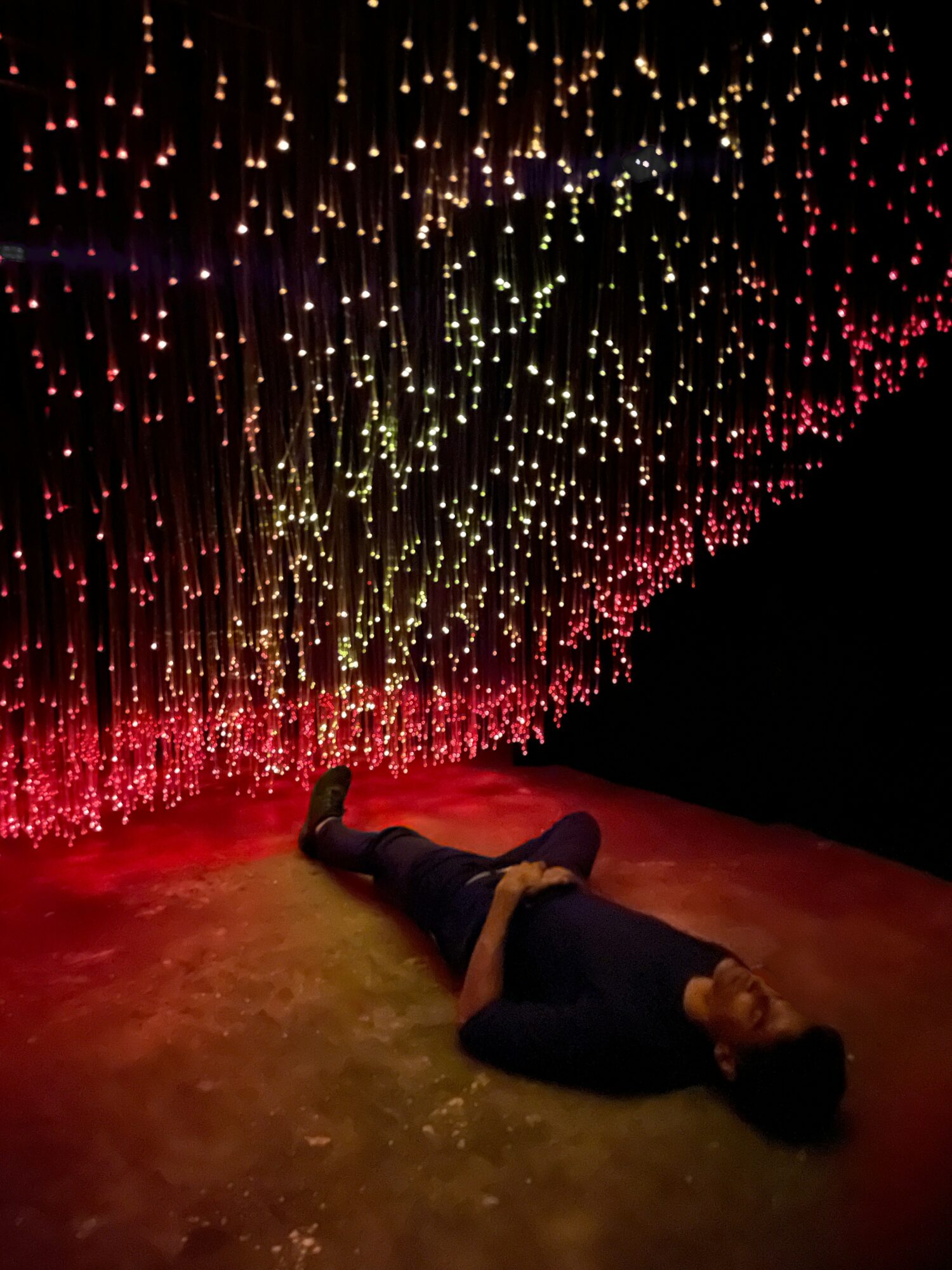
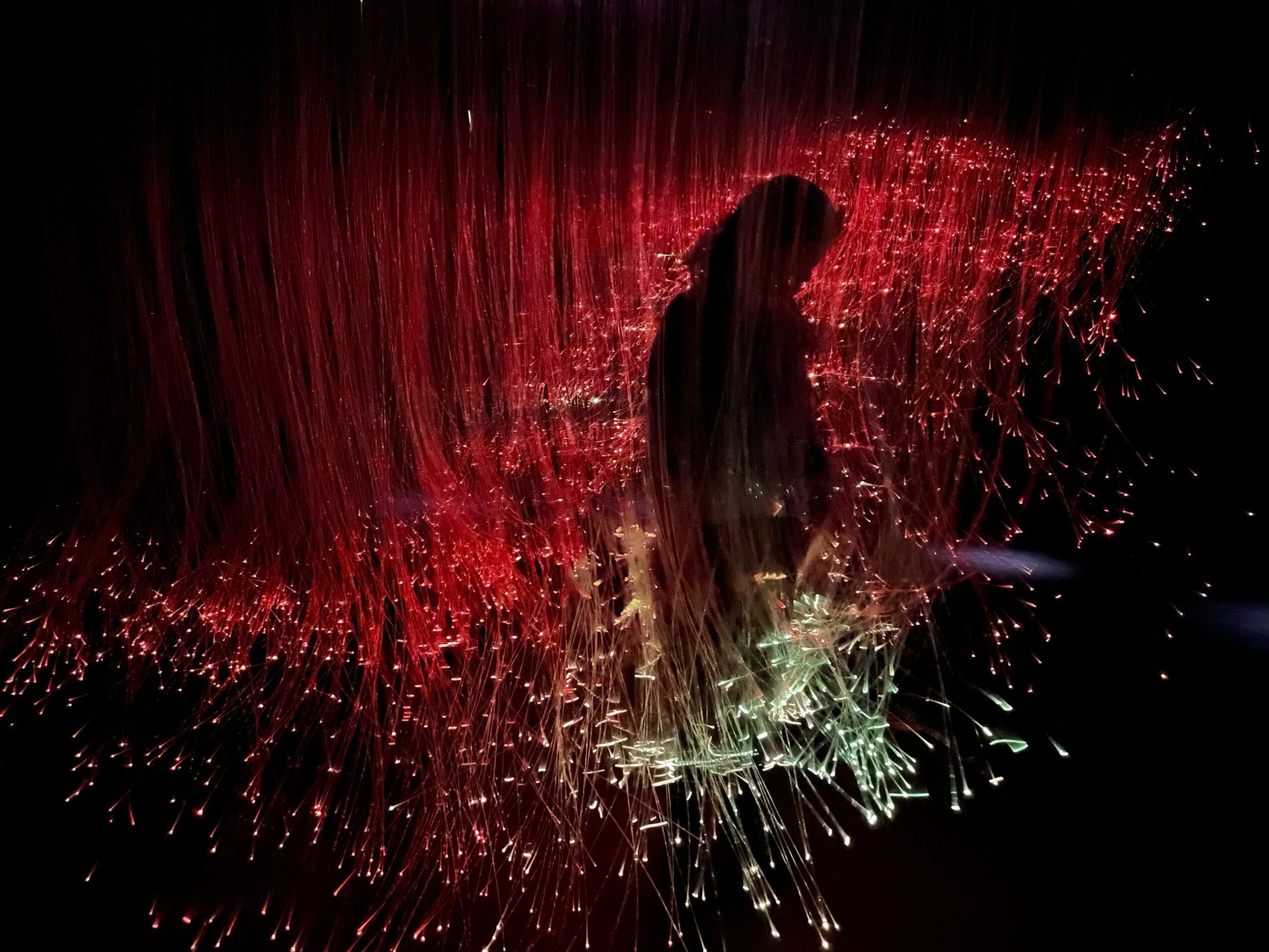
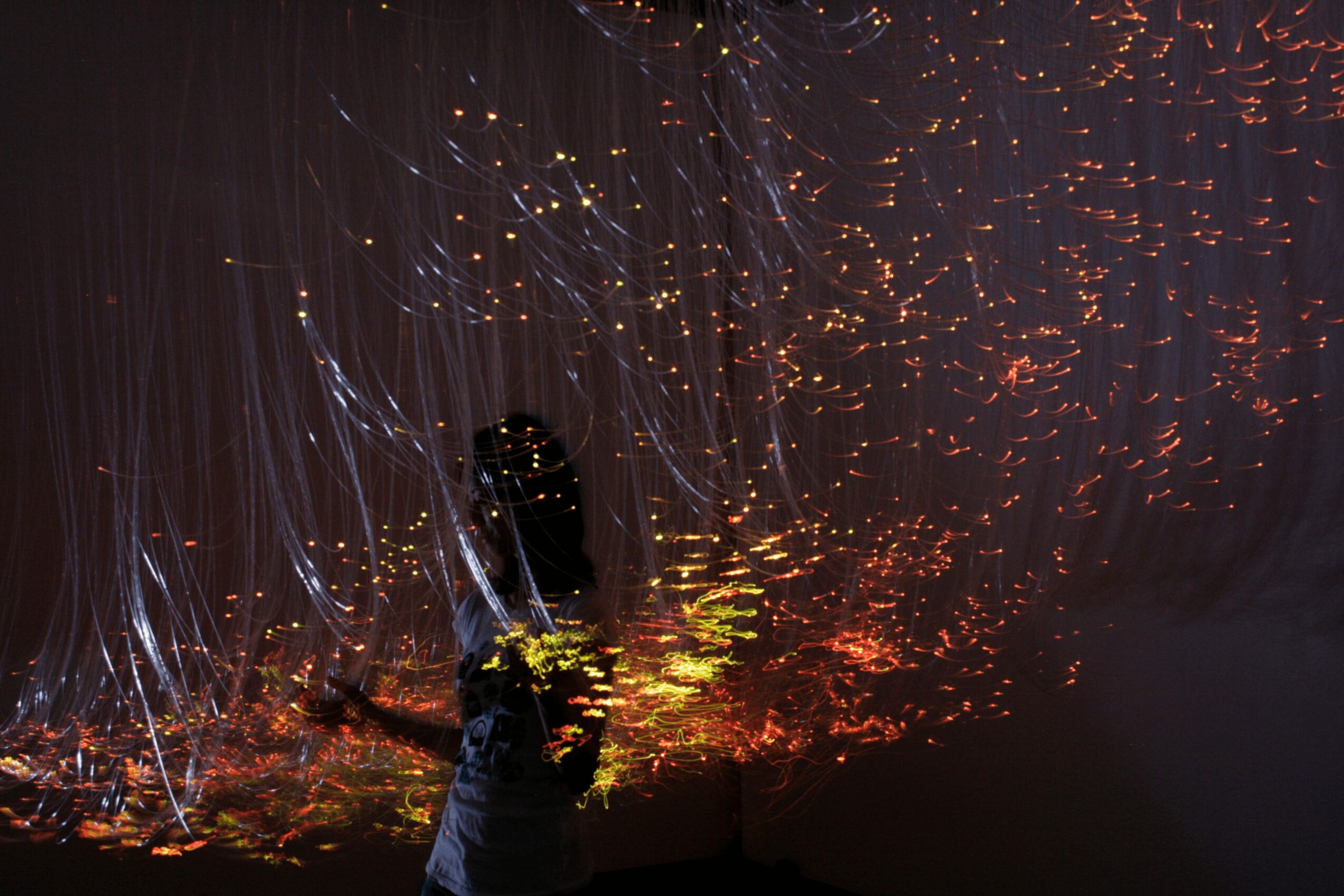
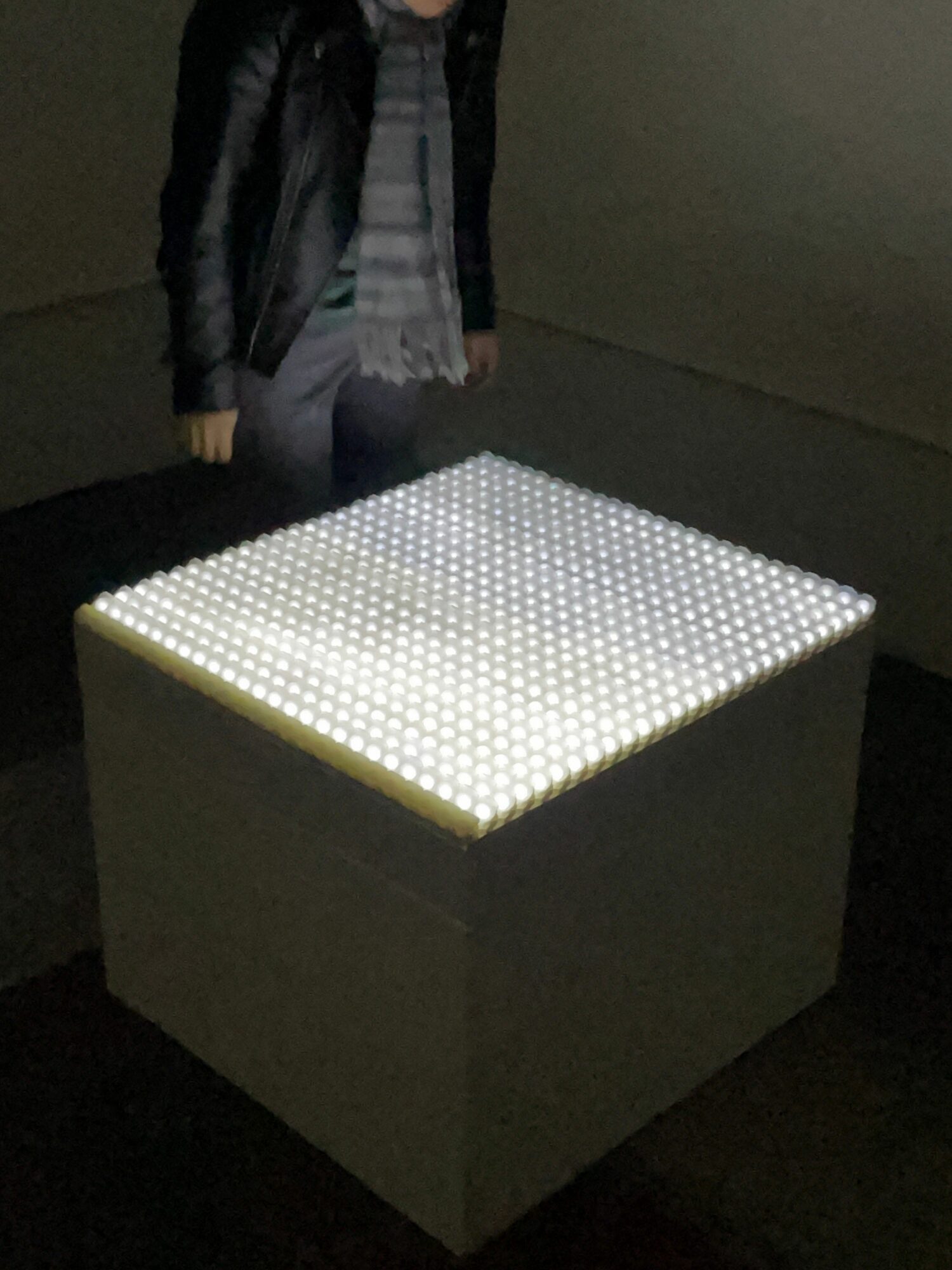
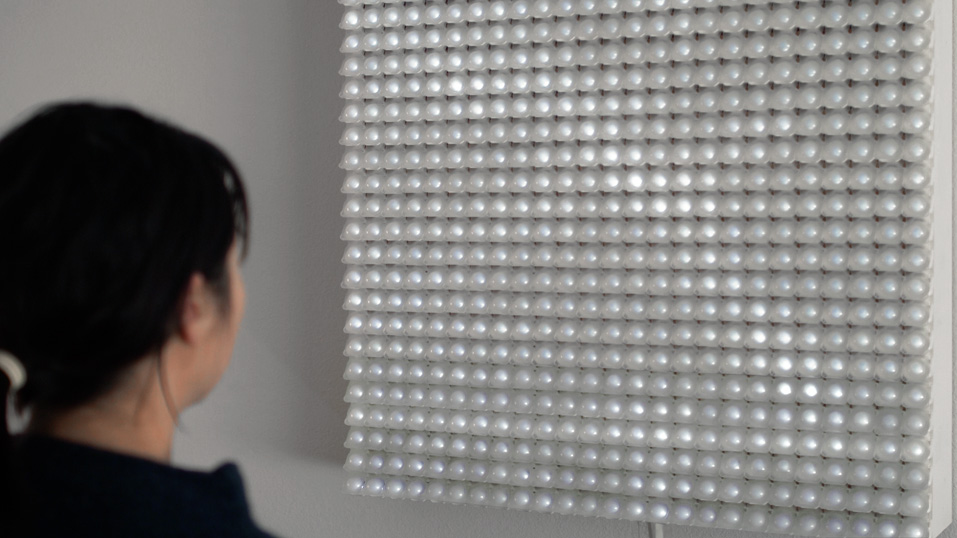
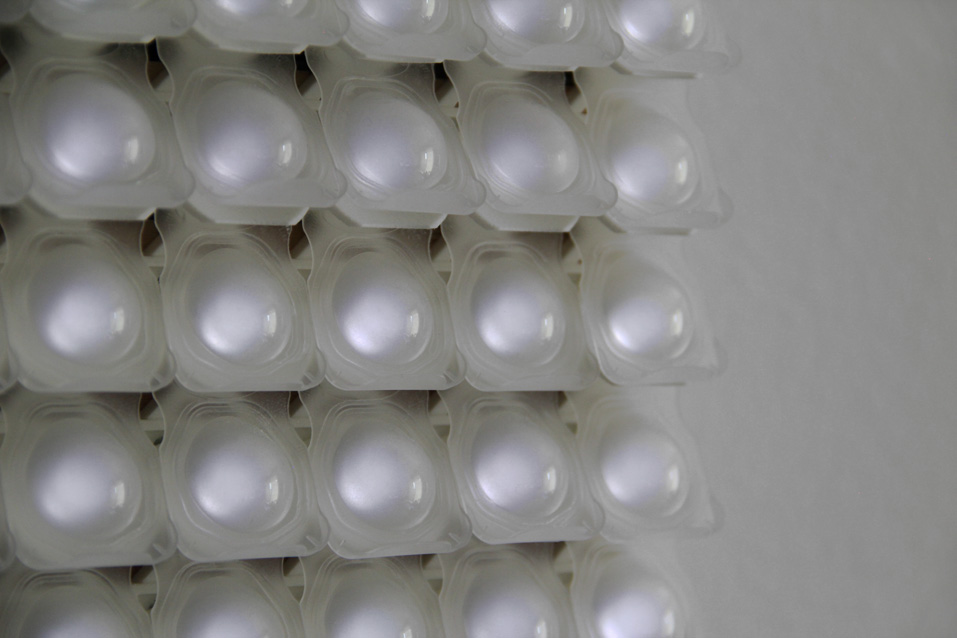
Image Credits
All photos by Justin Lui*.
*except photo 8, by Chris O’Leary.
Popular
-

Inside the Future of Search: Robb Fahrion on Building a Global Team and Leading the Rise of GEO
-

From Supporting Local Boutiques to Building Brand Partnerships: Cinthia Jensen’s Creative Marketing Journey
-
Building Community Through Curiosity: Nathanial and Samantha Rowe on the Vision Behind UNEARTHED
-

Portraits of the Valley
-

LA’s Most Inspiring Stories
-
Building Creative Bridges: Torrey Tayenaka on Community, Collaboration, and the Future of Sparkhouse


