




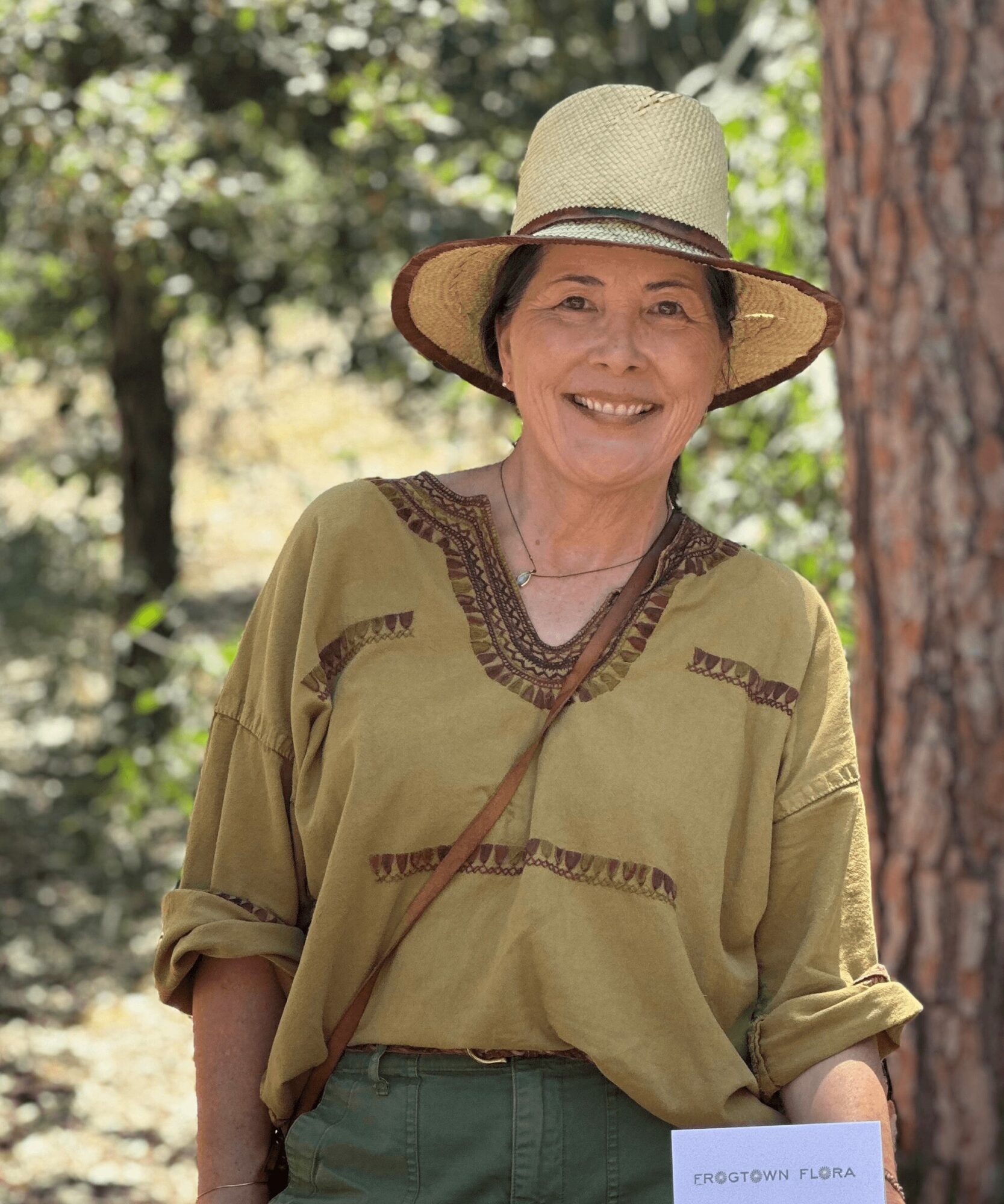
 Today we’d like to introduce you to Kathleen Ferguson
Hi Kathleen, so excited to have you on the platform. So before we get into questions about your work-life, maybe you can bring our readers up to speed on your story and how you got to where you are today?
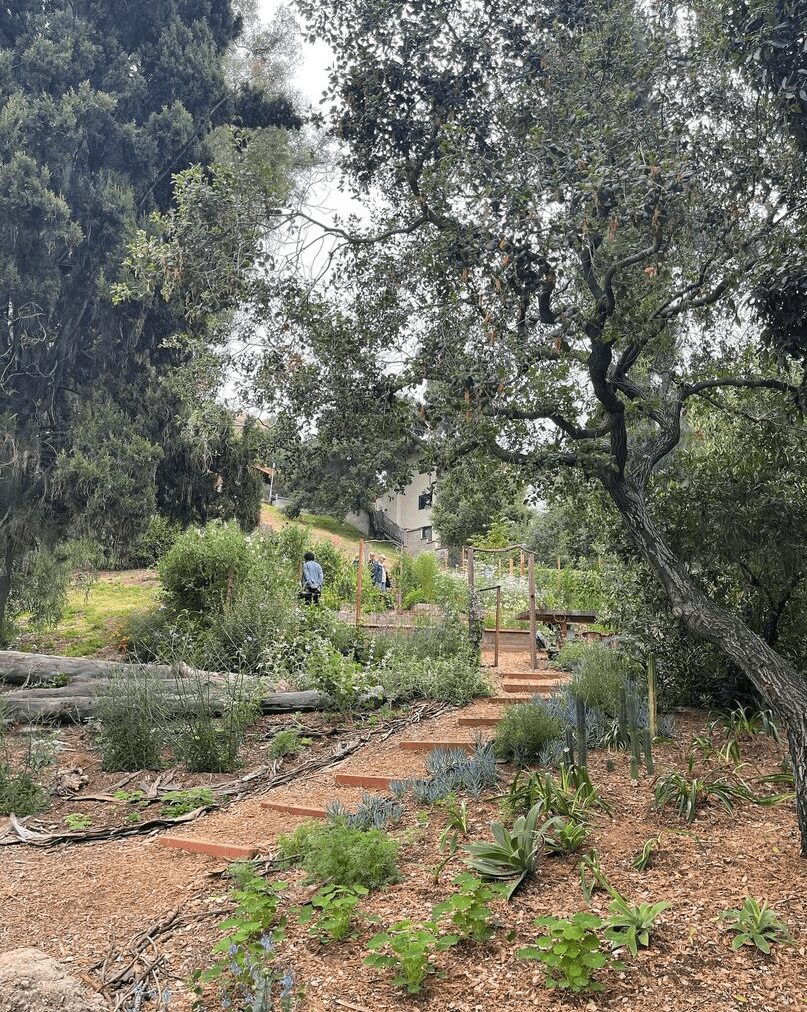
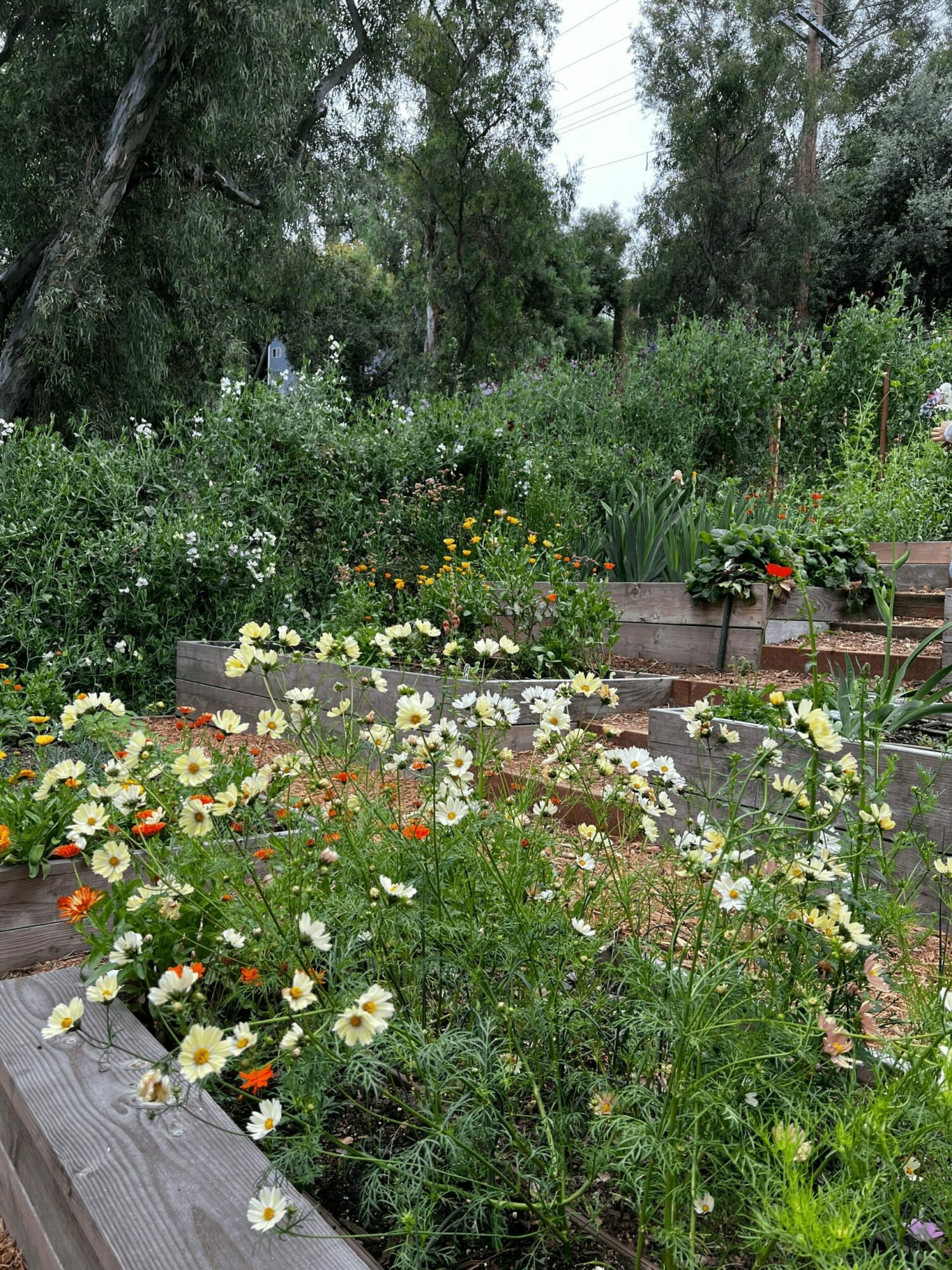
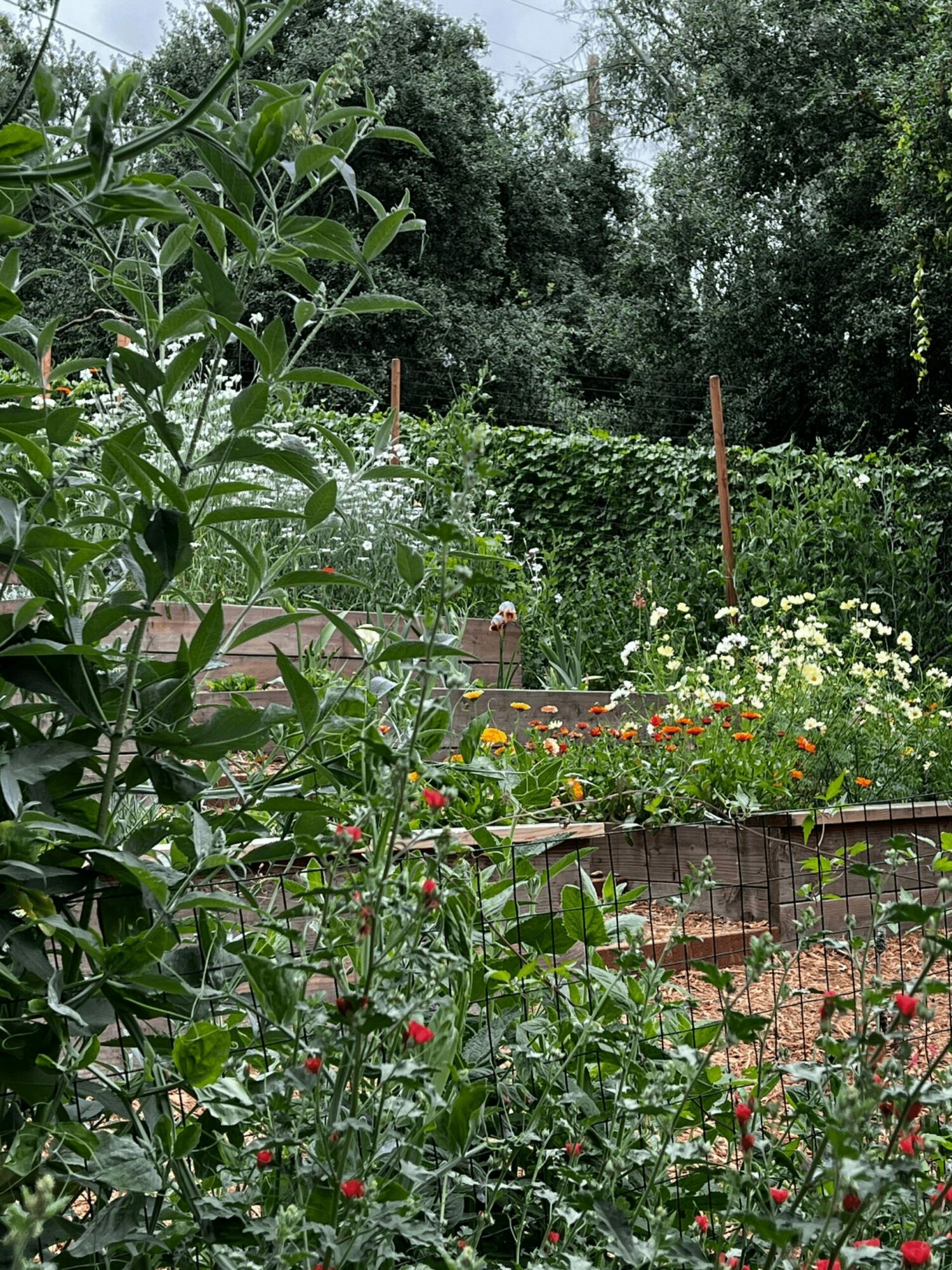
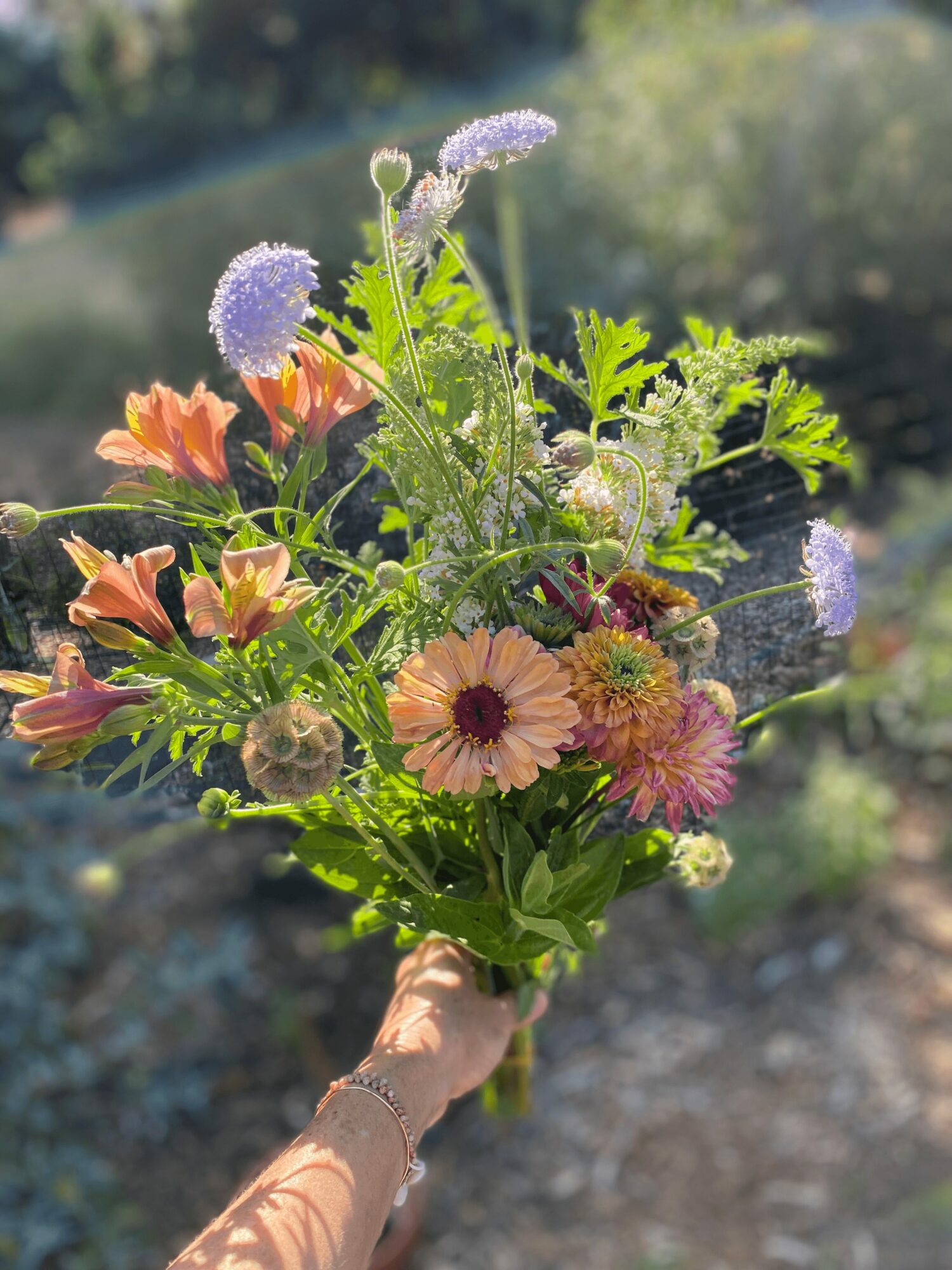
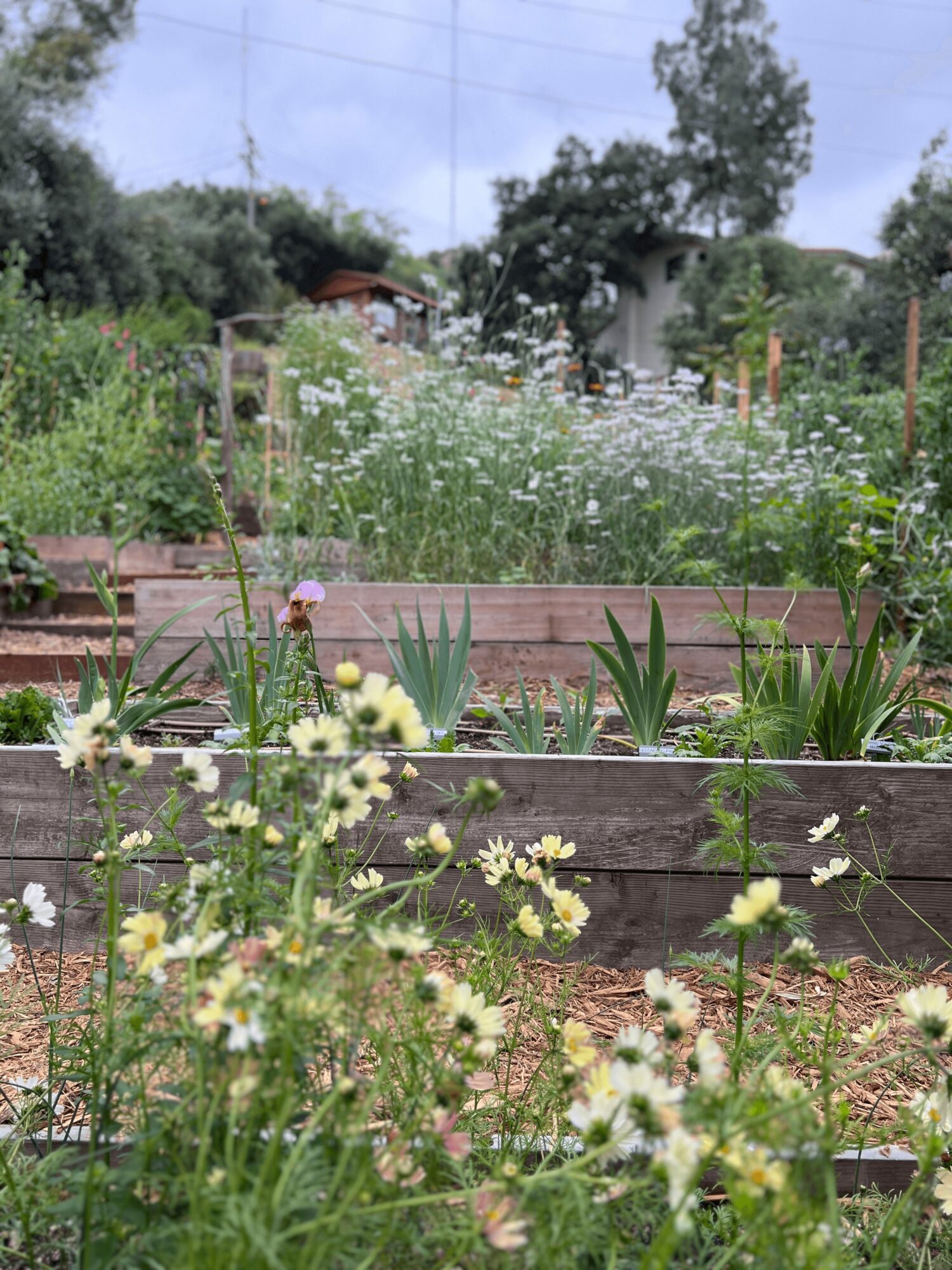
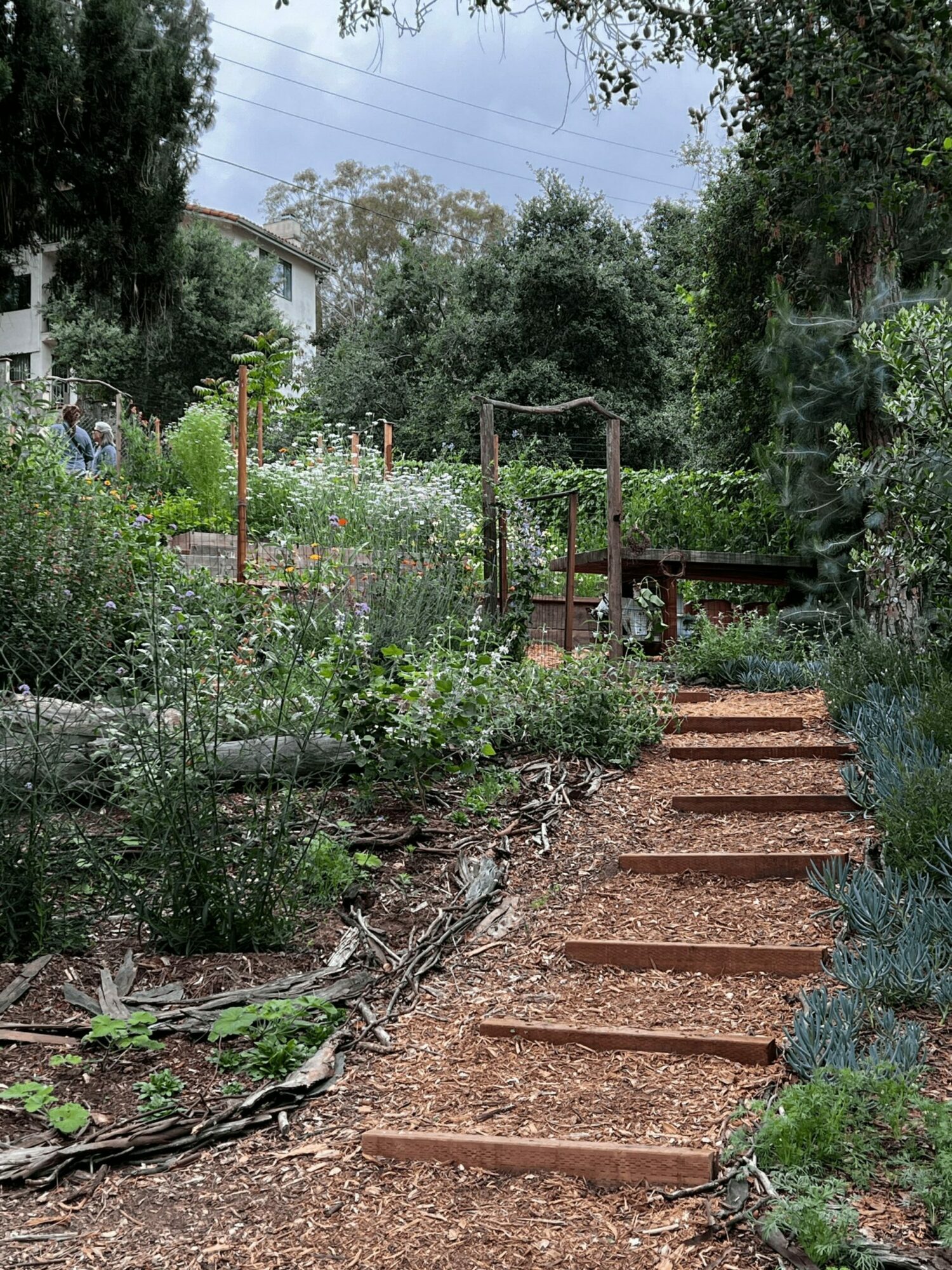
Early in the pandemic I found myself spending days puttering around in our Secret Garden while listening to podcasts, specifically ones on gardening, homesteading, the environment, science, self care, and social healing. It was during this period I learned about the ugly side of the cut flower industry, and its social and environmental costs. Approximately 80% of the flowers customers purchase in the U.S. are imported. Many originate in countries with cheap labor and little if any pesticide regulations. After learning about these environmental harms, I discovered the local “slow flower” movement in the floral industry, which eventually led me to start growing flowers in 2022 at a petite but prolific community garden plot in Frogtown. Within a year, I outgrew the space and expanded the farm onto a friend’s property in Eagle Rock. This spring we organized and participated in Los Angeles’ first Flower Farm Tour with eight other farms, and shortly after we hosted a Seed Swap, which was a great way to meet other floral enthusiast and share our space and passion with the community.
Alright, so let’s dig a little deeper into the story – has it been an easy path overall and if not, what were the challenges you’ve had to overcome?
Overall the process of building a flower farm has been an incredibly fulfilling experience. It’s been perfect for combining my love for horticulture and working outdoors. I was surprised to learn how much I enjoy the physical work. It feels great to go to bed completely exhausted.
However, the biggest challenge when farming in a large city like Los Angeles is access to land. The exorbitant cost of land forces growers to be creative in finding residual spaces, such as, farming on residential properties, utility easements, and even rooftops. “How did you find the land you farm on?” is the number one question prospective farmers ask when visiting our farm.
Thanks for sharing that. So, maybe next you can tell us a bit more about your work?
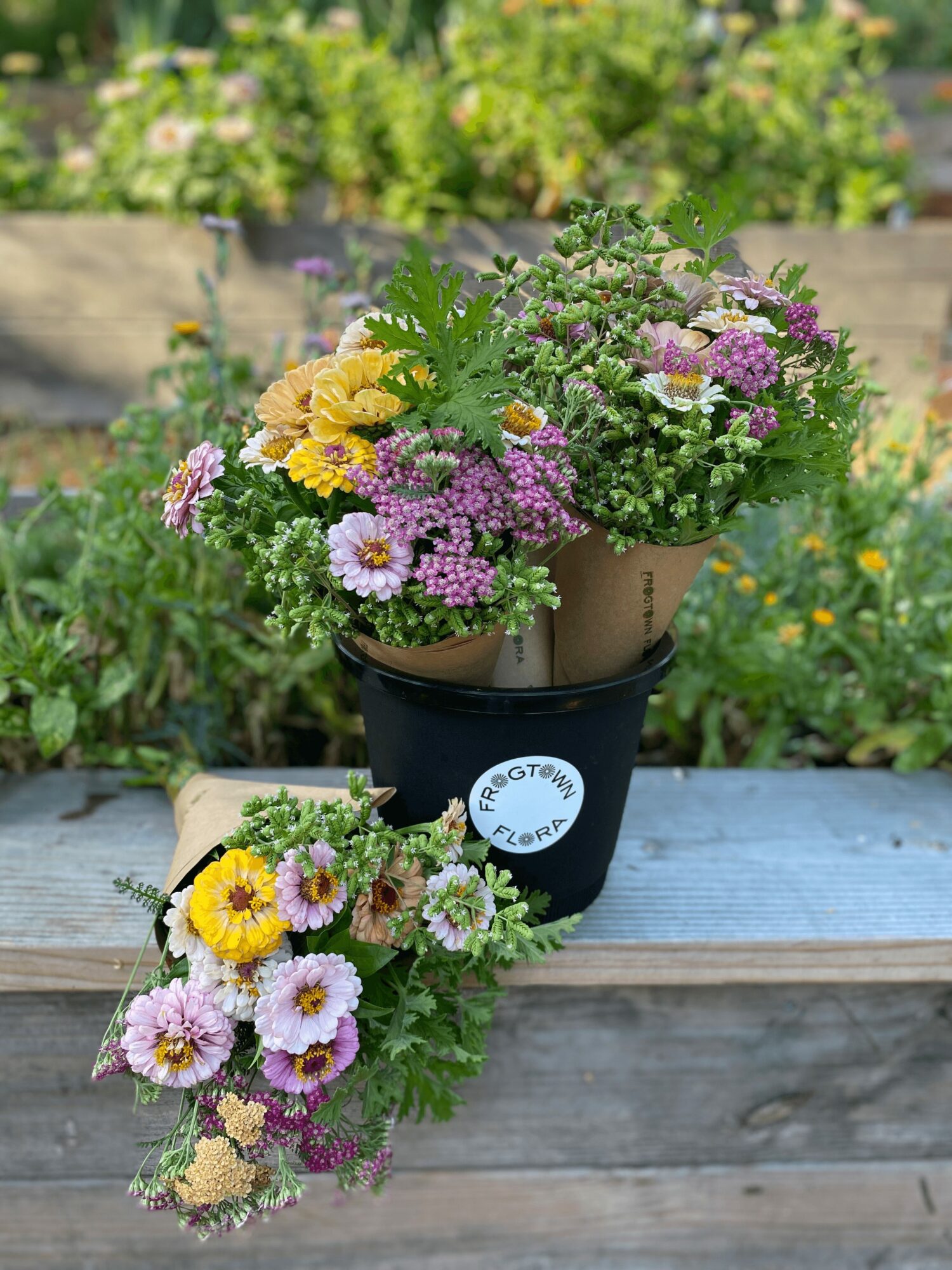
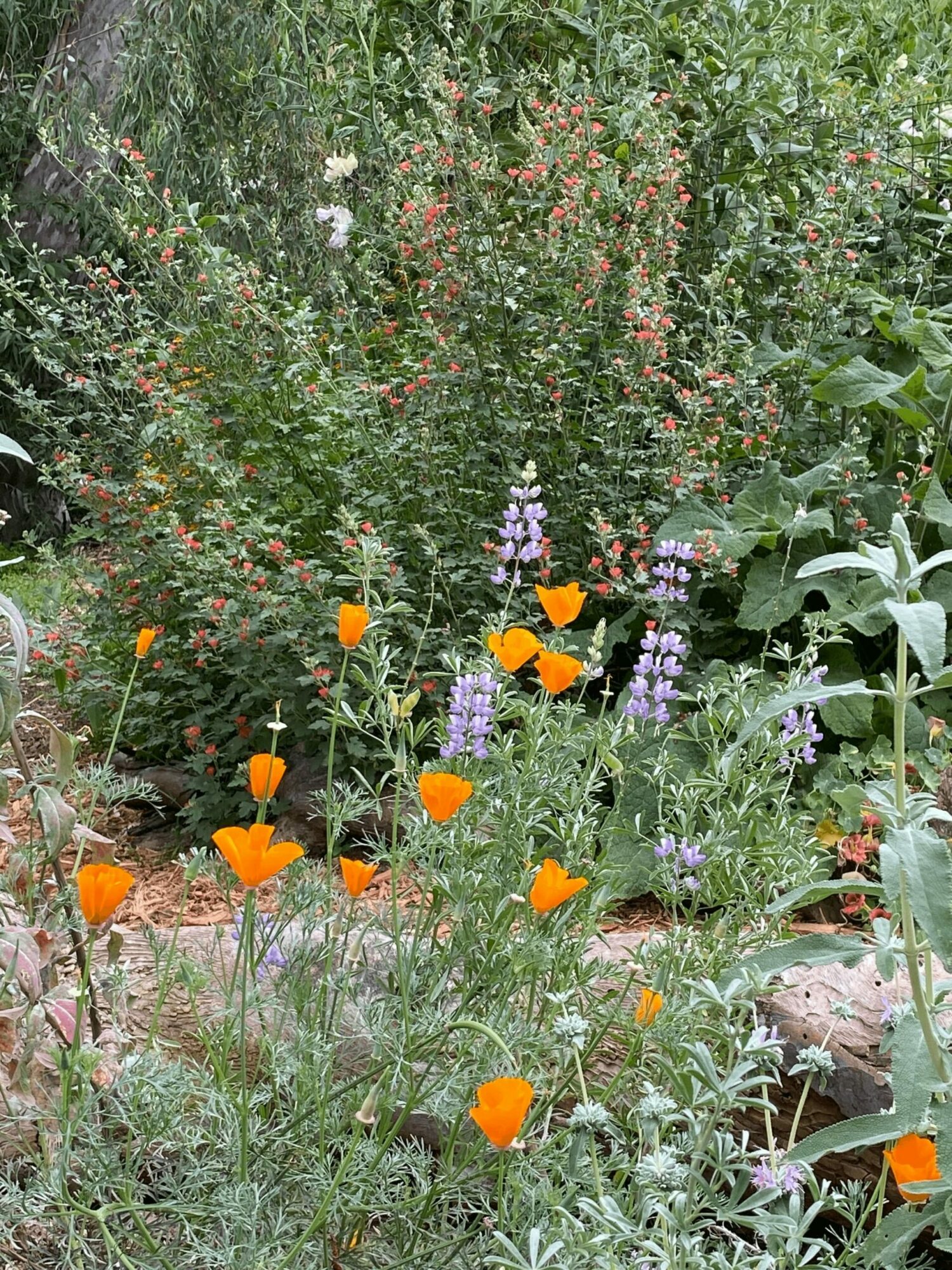
My primary business is as a Landscape Designer, which is the field I have been practicing in for over 25 years. I have a background in Design and degree in Horticulture which fuels my passion for growing flowers. We grow flowers with the health of the planet and customers in mind. Unlike imported flowers, our locally grown flowers never see the inside of a plane, and are grown herbicide & pesticide-free. We implement regenerative farming practices to support the ecological health of native wildlife and beneficial pollinators.
The lessons I have learned from flower farming have also influenced the ways that I think about landscape design for my clients. This “nature first” approach encourages biodiversity, environmental conservation, soil health, and holistic design practices, and all while producing beautiful blooms.
Are there any apps, books, podcasts, blogs or other resources you think our readers should check out?
I’m a big multitasker so listening to podcasts while farming or driving is great for me. Some of my favorites are:
Slow Flowers, Cultivating Place, On Being, The Flower Podcast, The Urban Farm, Seed Talk, and The Cut Flower Podcast.
Contact Info:
- Website: http://www.kathleenferguson.com/flora
- Instagram: frogtownflora
Popular
-
Inside the Future of Search: Robb Fahrion on Building a Global Team and Leading the Rise of GEO
-

From Supporting Local Boutiques to Building Brand Partnerships: Cinthia Jensen’s Creative Marketing Journey
-
Building Community Through Curiosity: Nathanial and Samantha Rowe on the Vision Behind UNEARTHED
-

Portraits of the Valley
-

LA’s Most Inspiring Stories
-
Building Creative Bridges: Torrey Tayenaka on Community, Collaboration, and the Future of Sparkhouse


