




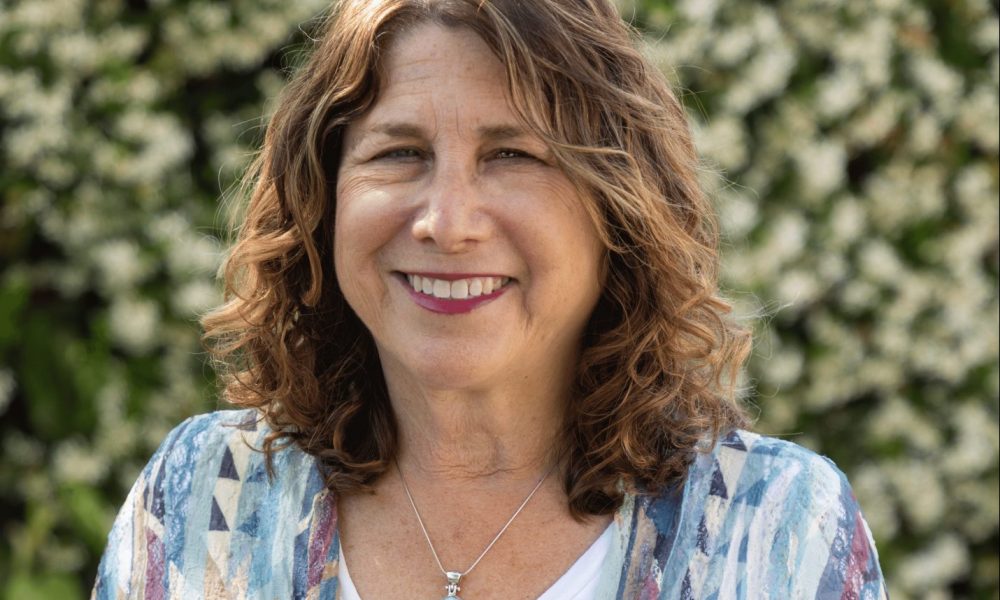
Today we’d like to introduce you to Mira Zimet
Mira, we appreciate you taking the time to share your story with us today. Where does your story begin?
I think there comes a time for a lot of people when they start to wonder, “Is there anything more that I could be doing in my life?” I had been working as a video producer for decades when it hit me—what is my real purpose? About this time, I read a book about the life of a youth who was transitioning out of foster care and the idea of mentoring seemed like a great way to go. But, as ideas sometimes do, the time wasn’t quite right and this one floated away. Cut to a few years later and after befriending a then student who had a lived foster care experience, another idea popped into my head, “Why don’t I use my film and storytelling skills to give youth in foster care the opportunity to tell their own stories?” From the moment the idea occurred — and was subsequently named The Storyboard Project — this path felt like it was the one I was supposed to be on. It’s been an amazing ride having the opportunity to meet so many wonderful young people who spent time with me and shared their journey on this web series. Once I started down this path, however, I found it was a very small world. I volunteered and eventually joined the board of Peace4Kids, a nonprofit in South LA working with foster youth. I met a lot of wonderful people there, including the founder, Zaid Gayle. He is the one who introduced me to an older teen at the time, who had two younger sisters. This meeting would take me into a chapter of my life that I never anticipated. After becoming a mentor to the oldest sister (time being right), I learned that her middle sister had been moved into an unfortunate foster care home. It took my husband and I no more than a few minutes to decide that we would sign on to be non-relative caregivers and bring her into our home — and our family. She finished high school while living with us and remained (and remains) part of our lives. Their younger sister ended up finishing her last semester of high school with us as well (during Covid), having left the same abusive home situation. So, while I continue to produce youth stories (from across the country) and have a wonderful partner in Journey to Success who shares these videos with legislators to help change laws, it is being a bonus mother to these three beautiful young women that has added the purpose to my life.
We all face challenges, but looking back would you describe it as a relatively smooth road?
As far as The Storyboard Project, the road to production has been surprisingly smooth. From the beginning I had no problem finding young people who were interested in sharing their stories. We met and I made sure they were aware that this was a collaborative exercise. I was the conduit in filming their story—they had complete agency in what was shared, and nothing was posted online until I received their approval. If there were any struggles, it was more about how disheartening it was that so many of these young people not only had trauma from their childhoods, but that was exasperated by those who were in “positions” to help them. Police officers didn’t believe them, social workers discounted them, parents adopted them only to “throw” them back in the system when things didn’t go the way they had hoped. The struggle, then, was just to continue sharing these stories in the hopes that we would start to enact change. Also, as an aside, while being a bonus mom was a fantastic experience, it too came with challenges. Having a biological son, I never raised a teenage daughter and it was a great learning experience navigating care that was both mindful and loving. In the end, with the eldest sister an amazing artist working for Peace4Kids, the middle sister having graduated from an Ivy League college and gainfully employed for the past few years — and the younger sister finishing up her last year as a prestigious university, I have to say, it was all worth it.
As you know, we’re big fans of you and your work. For our readers who might not be as familiar what can you tell them about what you do?
I’m inherently a curious person and have had the opportunity working as a freelance and full-time producer, primarily in educational institutions, meeting and sharing video content about people doing cool things. I’ve won a lot of awards, both for my educational work, but also for The Storyboard Project web series, which has been a plus. In my last full-time position, I was chief creative content officer at USC Annenberg. Here, and elsewhere, I’ve worked both as a one-woman band, producing, filming, directing and editing and have collaborated with bigger crews on documentaries where I take on only the producing role. I love the creative aspect of filmmaking where you piece together a story to create a message that you hope the audience can sense. I’m most proud of the fact that I’m genuinely interested in all of the people I meet. Most people are a bit nervous when the camera turns on, whether they are an executive at a Fortune 500 company, a professor sharing their research or a youth with a lived foster care experience, and I love putting people at ease and pulling out their stories to show their light to the world.
We’re always looking for the lessons that can be learned in any situation, including tragic ones like the Covid-19 crisis. Are there any lessons you’ve learned that you can share?
I didn’t really as it pertains to my career.
Contact Info:
- Website: https://thestoryboardproject.com
- Instagram: /thestoryboardproject
- Facebook: /thestoryboardproject
- Twitter: @SBPYourStory
- Youtube: /thestoryboardproject
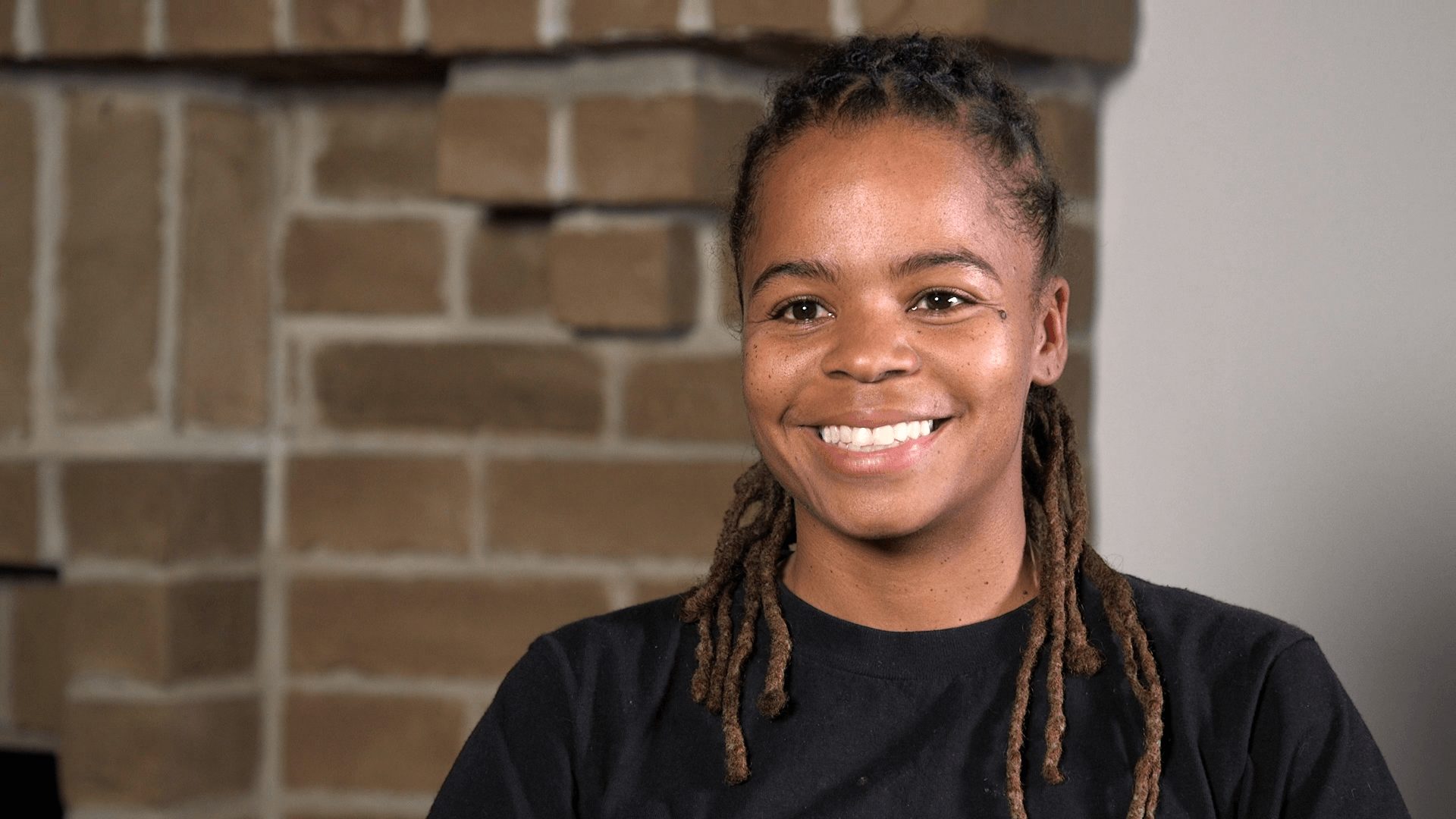
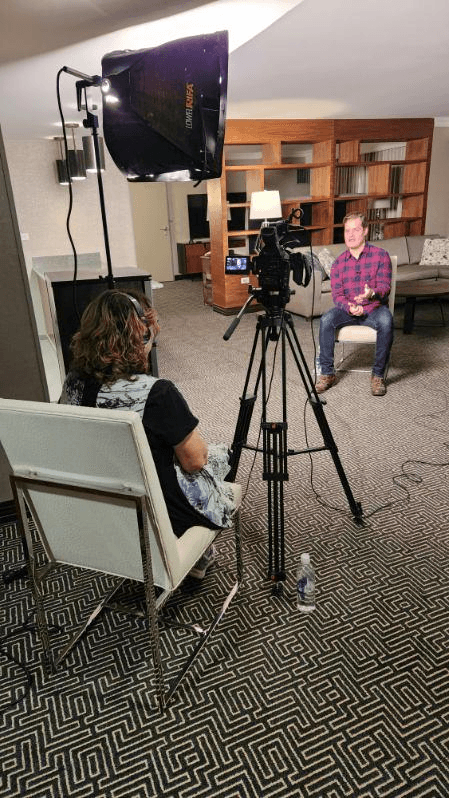
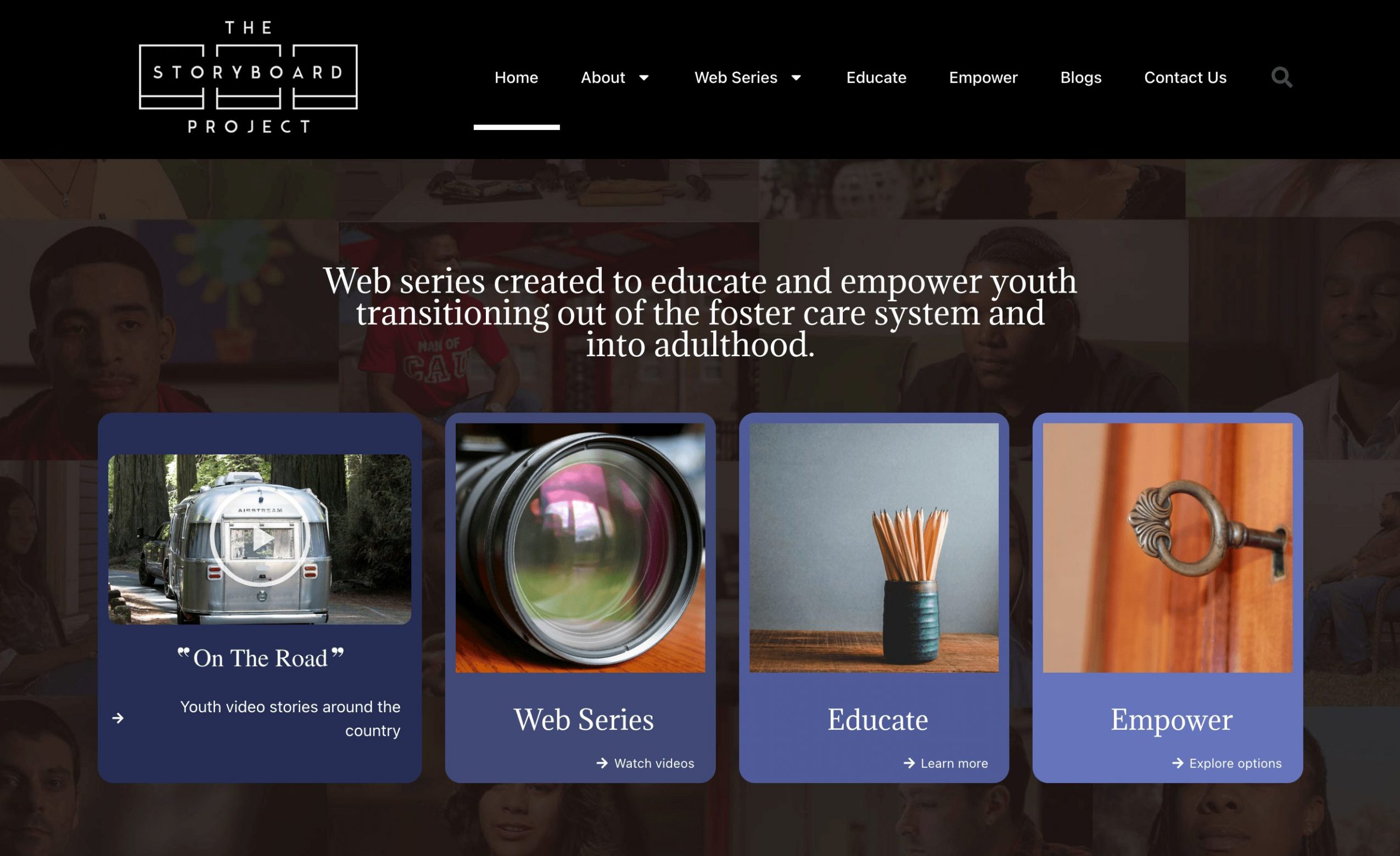
Image Credits
Mira Zimet headshot, Photo by: Eric Weintraub
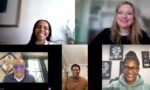
Interview with Jhamasa, Screengrab by: Mira Zimet
Mira interview Mikey Doucet, Photo by: Eric McElhannon at Lid Media
The Storyboard Project Website
Popular
-
Maagic Collins on Building a Fearless Publishing Platform for Truth, Advocacy, and Underrepresented Voices
-
Los Angeles Barea on Turning Green Superheroes into a Global Movement for Youth-Led Change
-

Trisha DuVivier on Bridging the Franchisor–Franchisee Divide with Workhero and “Franulate”
-

Portraits of the Valley
-

LA’s Most Inspiring Stories
-
Cedar Boschan on Elevating Black Music Rights and Driving Urgent Conversations Around Credit, Equity, and Artist Protection


