




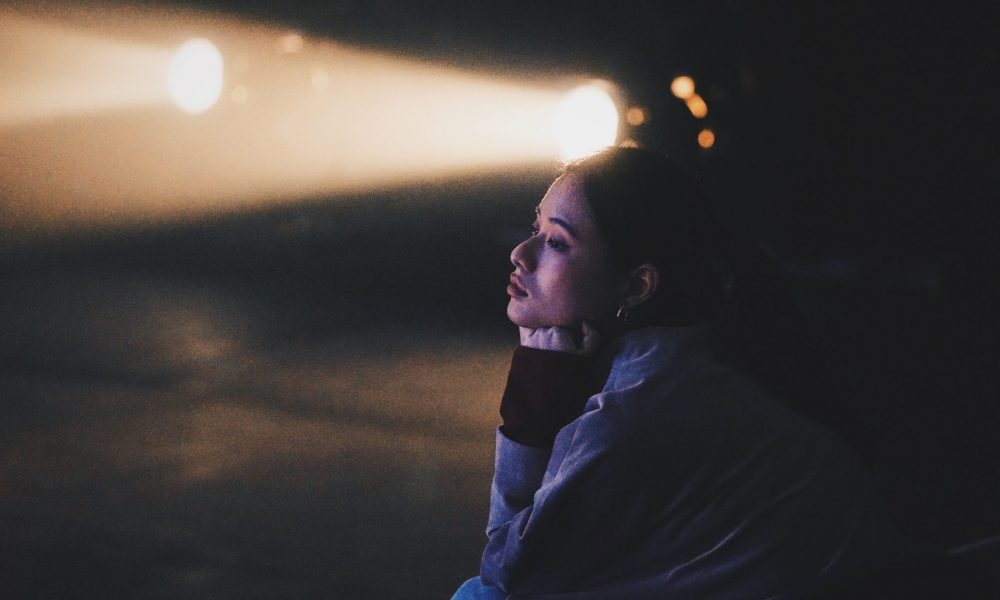
Today we’d like to introduce you to Chinning Liu.
Hi Chinning, it’s an honor to have you on the platform. Thanks for taking the time to share your story with us – to start, maybe you can share some of your backstory with our readers.
Being born into a traditional Taiwanese family, I was expected to work in the medical field. Thus, after finishing my undergraduate degree in Clinical Psychology, I started to work in special education institutions and psychiatry labs for years even though my passion is always in art.
In fact, when I had just graduated from university, I once considered becoming an art therapist and was accepted into graduate programs in the UK. However, just before leaving, my father asked me a crucial question: “Are you studying art therapy for art or psychological therapy?” After hesitation, I told him: “It’s because of the art.” It was the moment I realized that my true desire was still to become an artist.
Subsequently, in order to get closer to the field of art, I began working in marketing and PR for theaters. Later on, I engaged in space curation, museum curation, and creative writing works. I was also a volunteer teacher in children’s art organizations and participated in art festivals in indigenous communities while continuing my artistic endeavors. Eventually, I was successfully admitted to the MFA program at the California Institute of the Arts, where I am currently striving academically while actively engaging in artist identity.
In my younger years, I often lamented why I couldn’t have embarked on this path earlier. However, at my current age, I realize that now is the perfect time for me to tread this path. My current artworks embody the journeys I’ve taken, the people I’ve encountered, and the landscapes I’ve witnessed. All the life experiences I’ve had find their way into my creations, becoming essential sources of inspiration for my artistic expression.
I’m sure it wasn’t obstacle-free, but would you say the journey has been fairly smooth so far?
Personally, I find the most challenging aspect that accompanies the initial stages of operating as an artist is the uncertainty. There’s a plethora of uncertainty, pondering whether I’ve truly found my voice or if my voice can be discerned within my artworks. The entire creative process is fraught with contradictions. Amidst the cacophony of external voices, engaging in dialogue with oneself becomes paramount.
Furthermore, I believe that art often serves as a medium that is simultaneously abstract and subjective, a form of self-disclosure for the artist. Hence, there are moments when exhibiting my work feels overly exposed. On one hand, I hope viewers can resonate with or even project themselves into my creations, understanding the underlying meanings. Yet, on the other hand, it feels as though the deepest secrets of my soul are laid bare for all to see, like being exposed under the spotlight. It is just like you wanting someone to understand you but feeling fearful when they get too close to the core.
Alright, so let’s switch gears a bit and talk business. What should we know about your work?
Life experiences that are close to people’s lives can arouse the deepest emotions within individuals. Thus, I capture the inspiration from my daily life and create multimedia artworks. From menstrual period, blooming paper-bark trees, to traditional religions and myths. My family believes in not only Taoism but also Buddhism, as multiple religious belonging is common in Taiwan. Immersed in various religious environments, I apply these concepts in my composition. The impression of Taoist cremation left an intense impact on me, and thus flames and rituals became the symbolic image of death in my mind.
My solo show ”Ashes To: Ashes” was just held in January. The show contained sculptures, installations, and videos. Also include collaborative audio soundtracks & performance with sound artist Arlo Tomeček.
Inspired by the Zhizha culture, a conventional papier mâché craftsmanship in which people burn papier mâché objects in order to send their love to passed-away lovers. I started to think about the connection between people, life, and death.
Besides making the Zhizha into flower forms, representing the life circle and death blossom in the myth, I collected friends’ hair and abandoned PET bottles by making hair sculptures and sewing PET bottle fragments to establish the binding medium of the intimacy between people and time. The flame, ashes, and lights are the transition catalyst, as well as the process of linking sides. By transforming the shape into organic creature-like forms, these objects were given new perspectives on living and death. And the performance was choreographed as a journey of saying goodbye through the medium across the two worlds.
What quality or characteristic do you feel is most important to your success?
Always be honest with myself. I know this sounds cliché, but I realize this is getting harder and more complicated as aging.
As the world whirls rapidly around, it’s easy to get swept into the vortex and be deconstructed, reshaped, or even rebuilt. Sometimes, people may blindly convince themselves that every appearance aligns are their desired image, yet ultimately, all that is left is an empty husk.
I have tried to keep self-awareness; I also believe that regularly examining oneself is crucial for artistic creation. Only when you are honest with yourself can your artwork be honest with you.
Contact Info:
- Instagram: https://www.instagram.com/chinningliu_art/
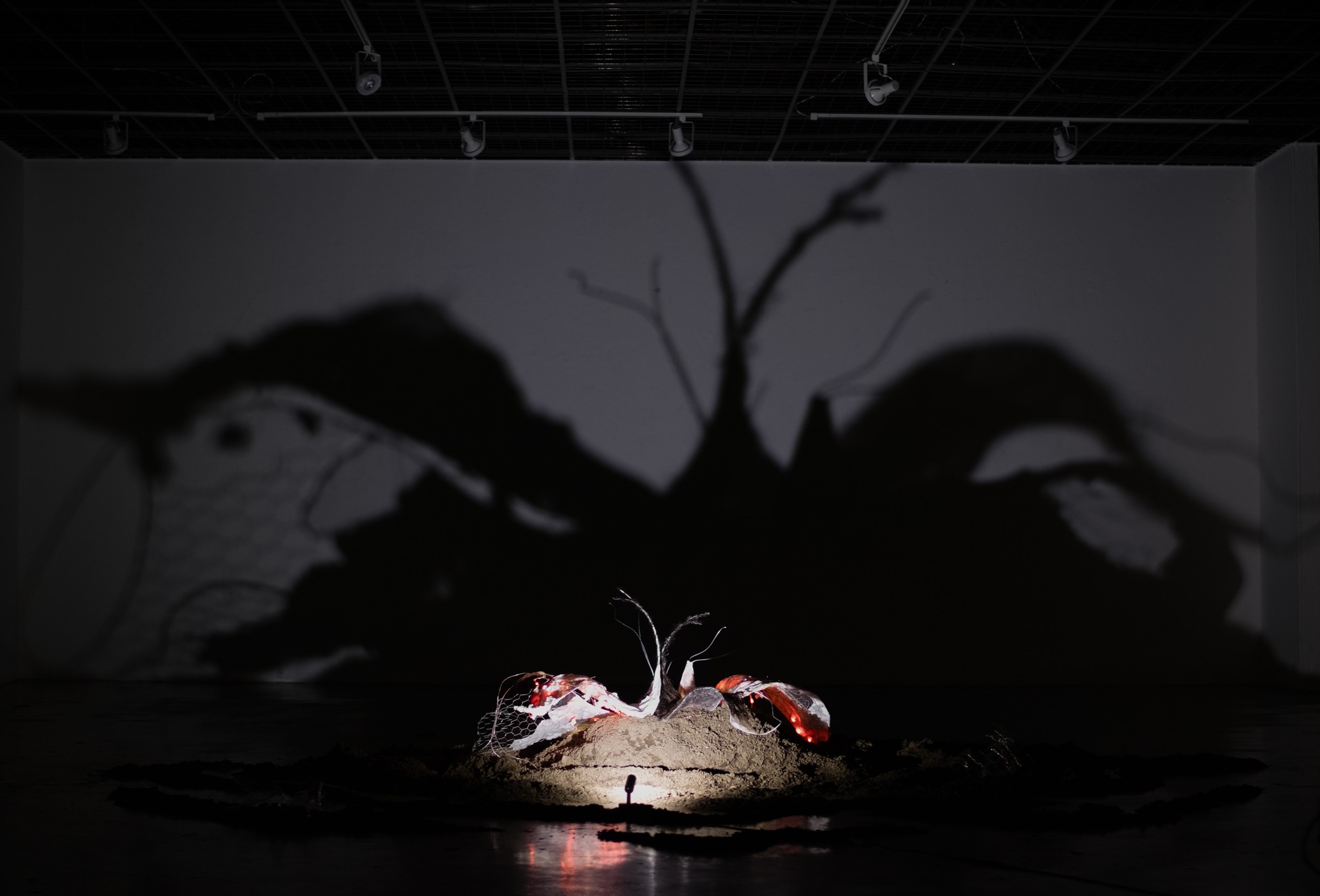
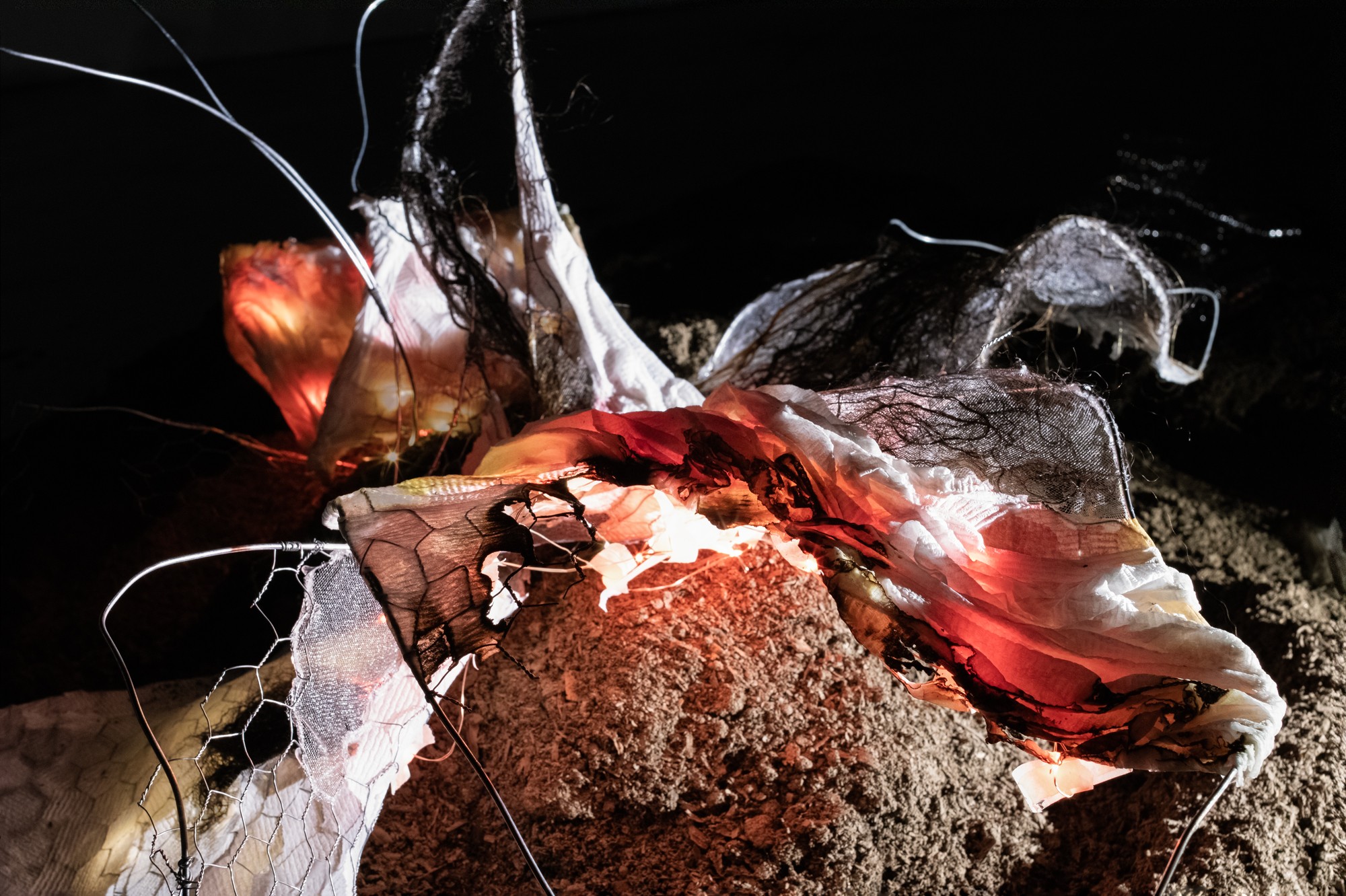
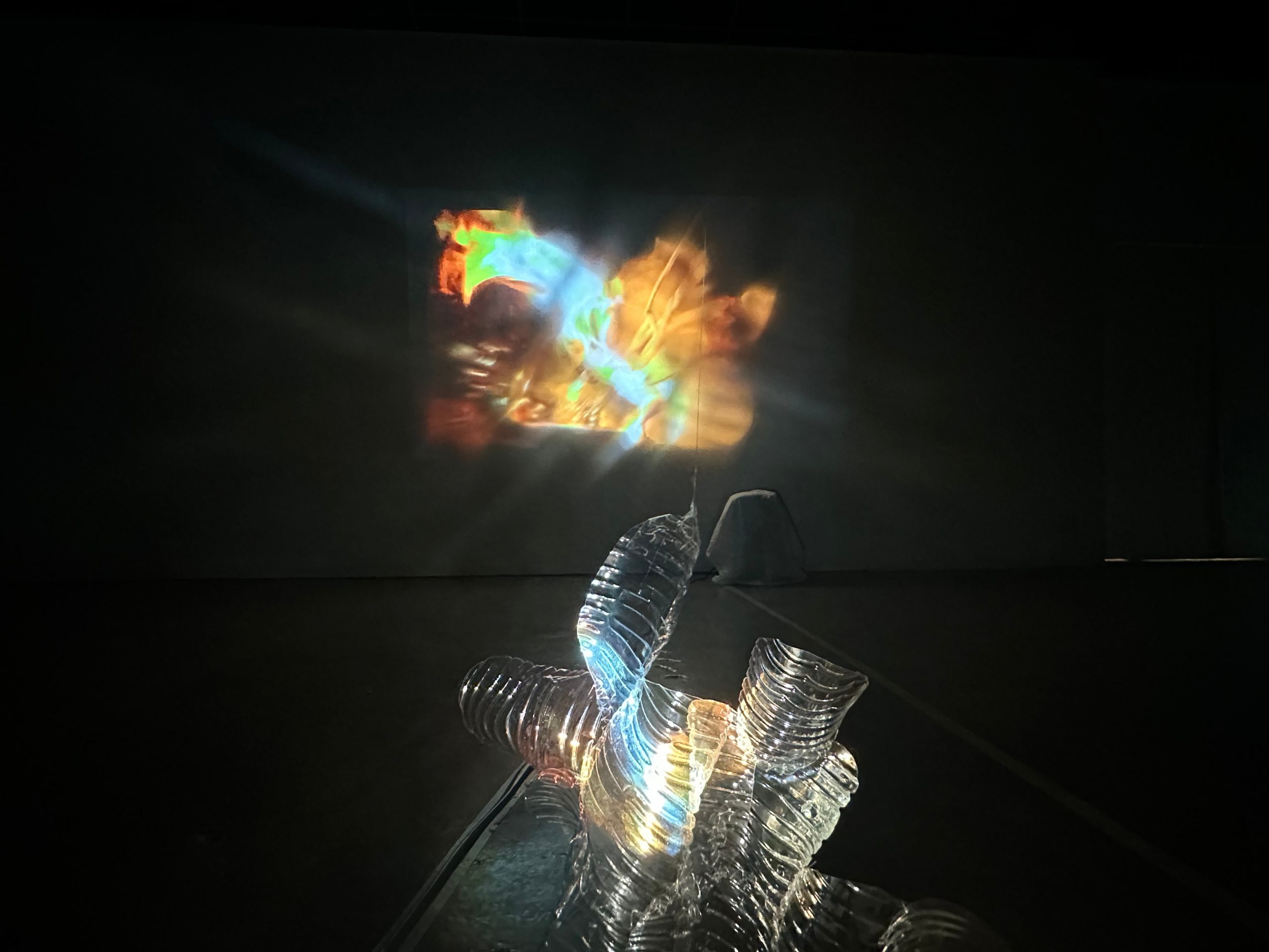
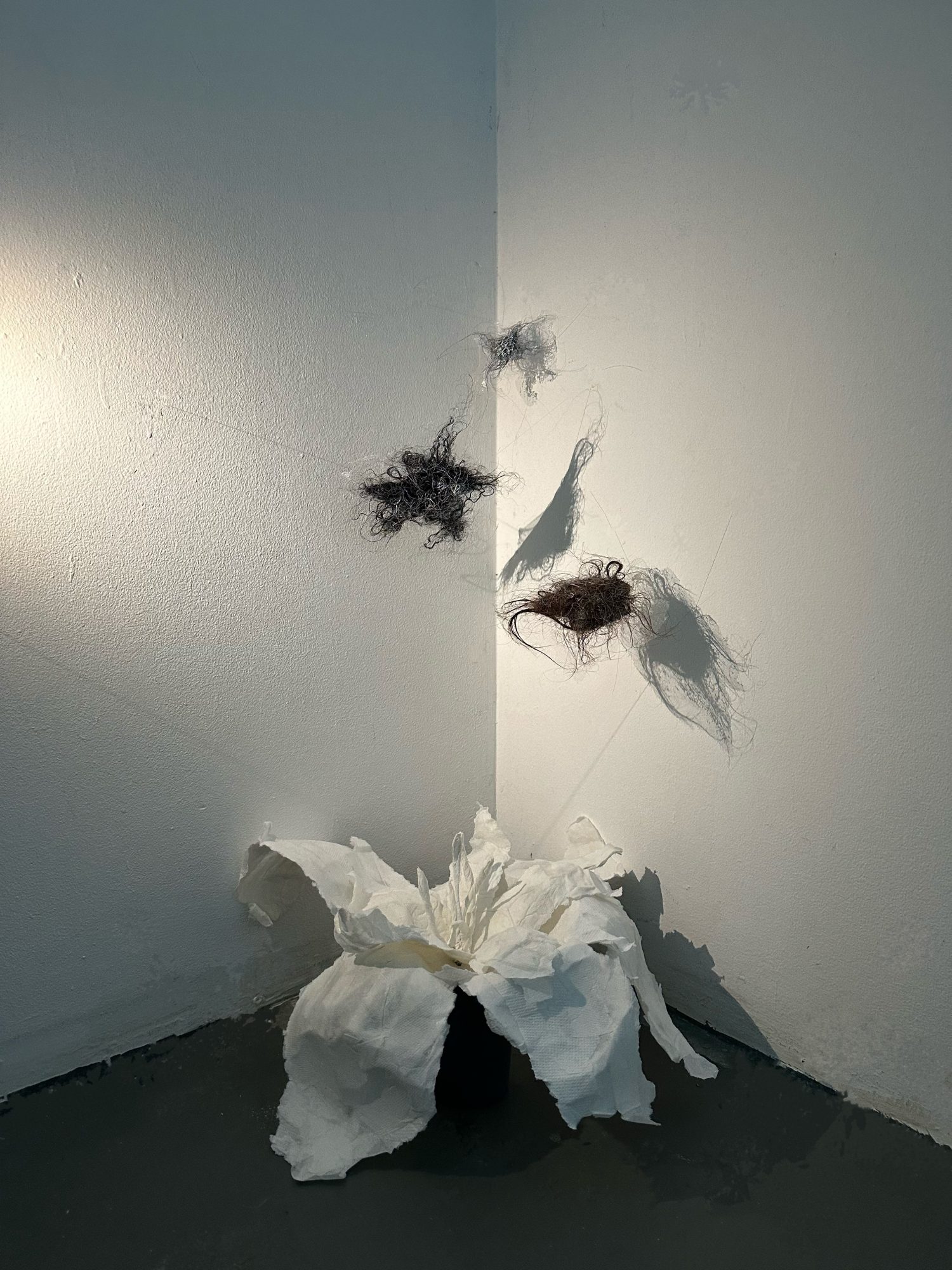
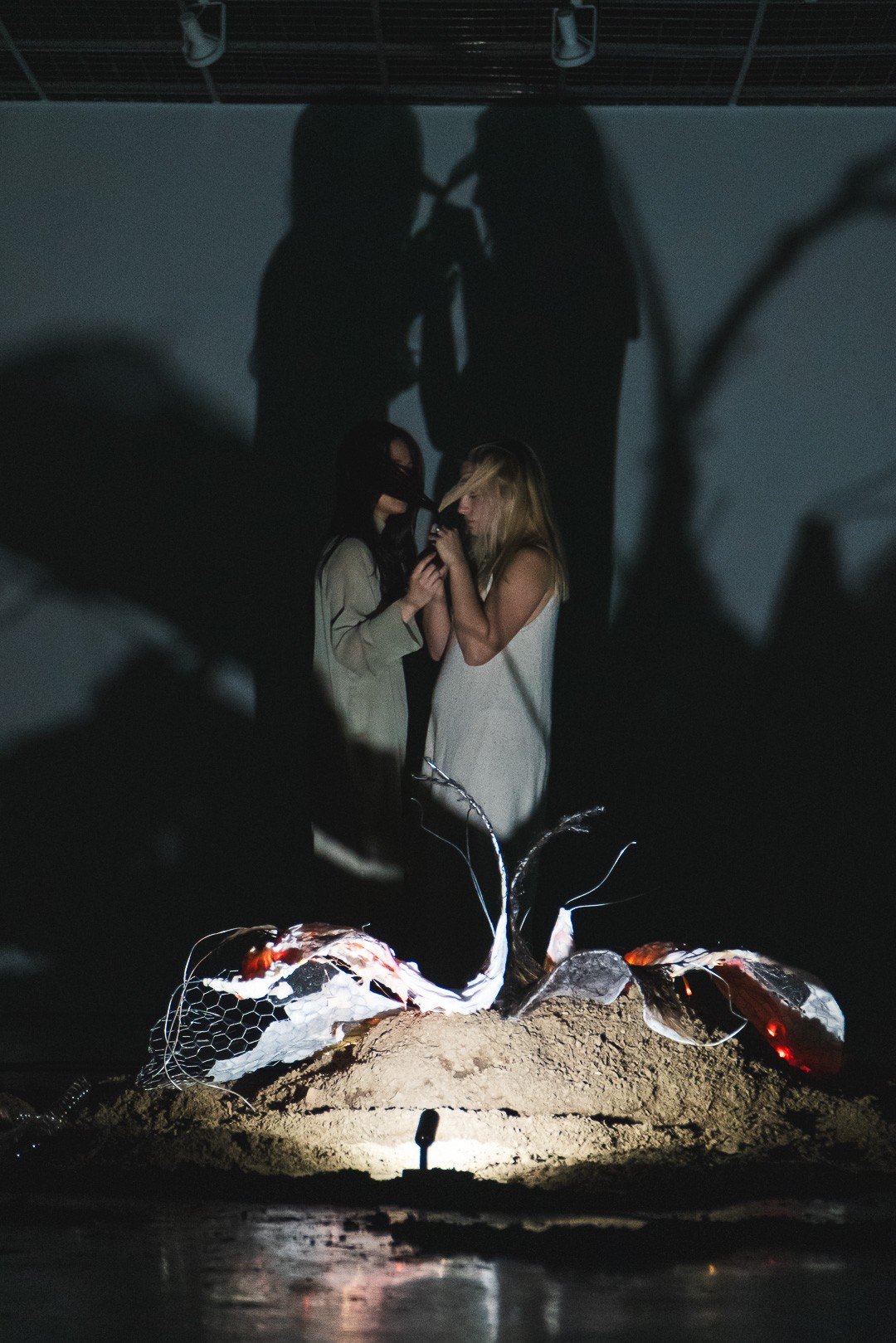
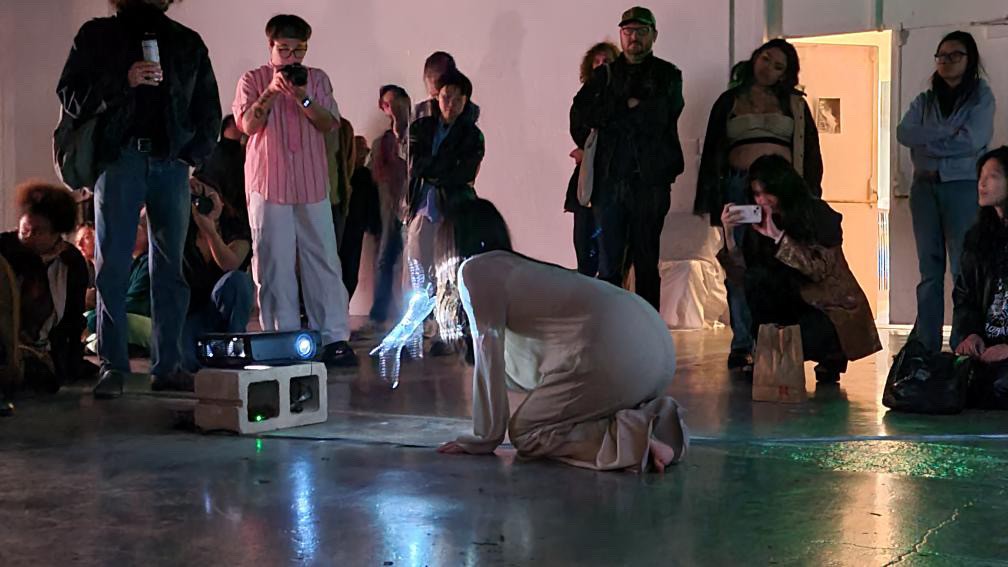
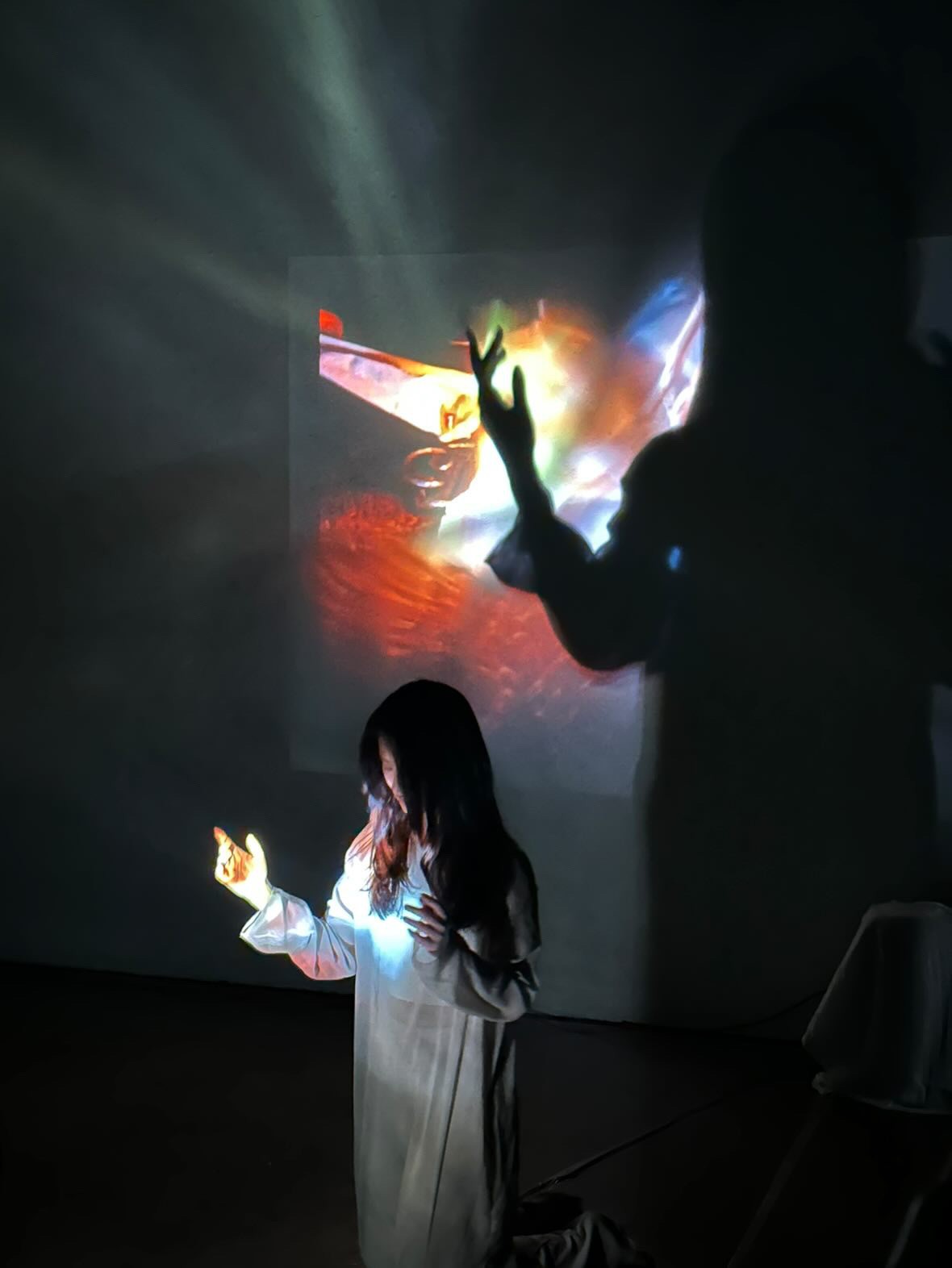
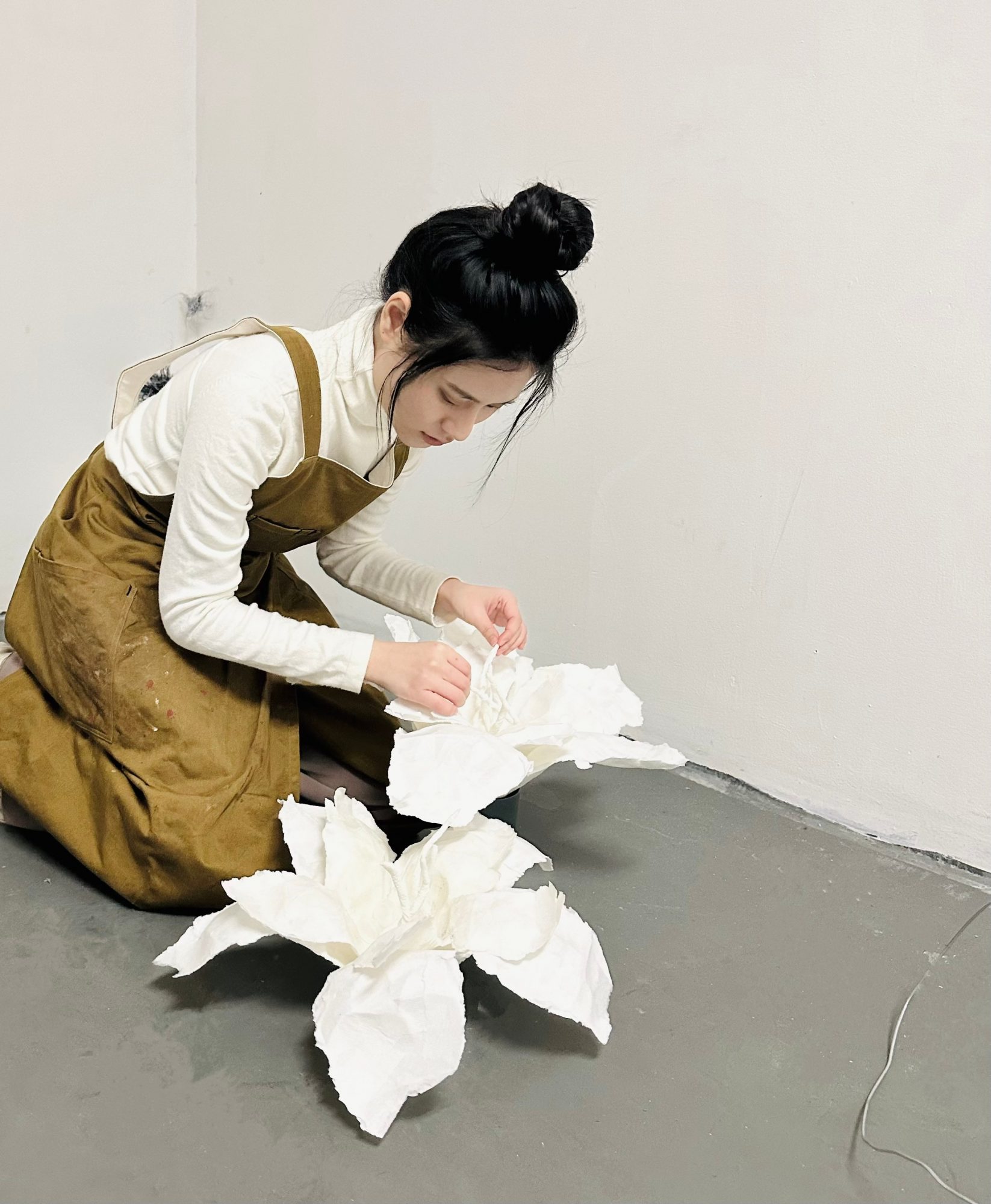
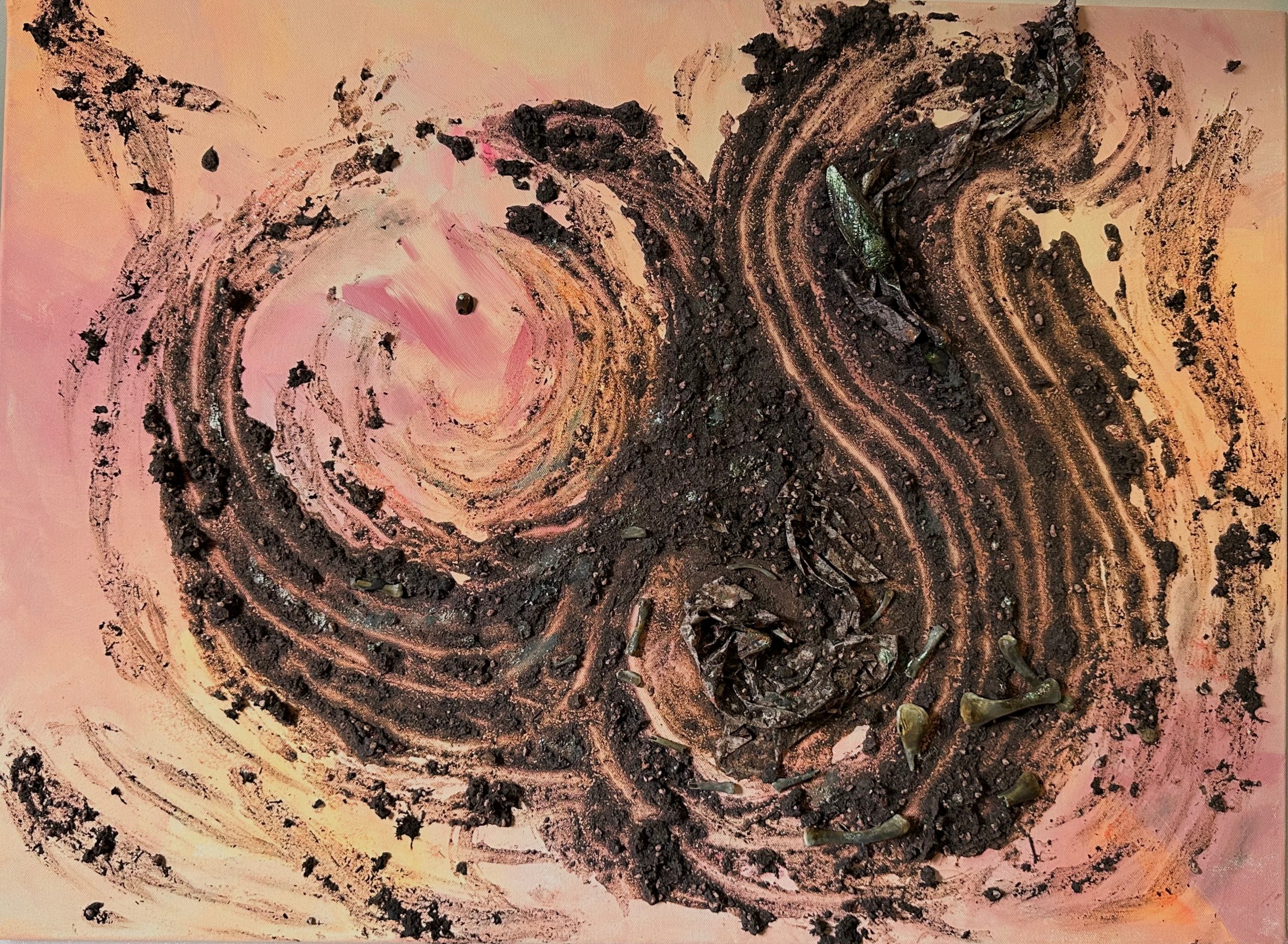
Image Credits
Abraham Perez
Adie San Diego
Yuqiao Zhang
Popular
-
Inside the Future of Search: Robb Fahrion on Building a Global Team and Leading the Rise of GEO
-

From Supporting Local Boutiques to Building Brand Partnerships: Cinthia Jensen’s Creative Marketing Journey
-
Building Community Through Curiosity: Nathanial and Samantha Rowe on the Vision Behind UNEARTHED
-

Portraits of the Valley
-

LA’s Most Inspiring Stories
-
Building Creative Bridges: Torrey Tayenaka on Community, Collaboration, and the Future of Sparkhouse


