




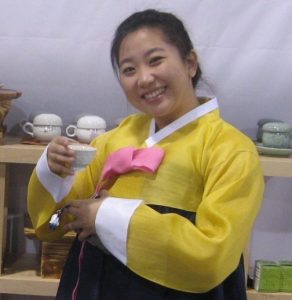
 Today we’d like to introduce you to Mina Park.
Hi Mina, it’s an honor to have you on the platform. Thanks for taking the time to share your story with us – to start, maybe you can share some of your backstory with our readers.
I am a 2nd generation Korean-American that was born and raised in the heart of Koreatown, Los Angeles. Growing up in Koreatown with immigrant parents and grandparents (who lived with us), I was naturally exposed to all things Korean – the language, culture, and history. As I grew older, I’ve heard many stories about how so many children of immigrant parents felt out of place – not “American enough” nor “Korean enough”. I have been fortunate enough to never really have had an issue with that. If anything, I’ve always had this underlying longing to “find my roots” and a sense of Korean pride. If there was ever an opportunity for me to share my culture with others, I took it. For example, on May 5th, when my school friends would say “Happy Cinco de Mayo”, I would always also add “Happy Korean Children’s Day,” and my history projects in middle and high school were always based on Korea (the Korean War, Japanese occupation of Korea, etc.).
During my college years, I learned how to play the “jang-gu” (traditional Korean drum). And I was blessed with the rare opportunity to join a professional “samul nori” (traditional Korean percussion music) band that played at various events and even held its own concert once a year. My curious nature made me delve into these traditional Korean instruments a bit more, which naturally immersed me deeper into Korean culture and history.
Around that same time, I started working part-time at ChaSaengWon (neighborhood café I would frequently visit to study at) in Koreatown, Los Angeles. In addition to coffee and tea, they also sold Korean teaware and tea accessories. After starting my job, I learned that this store was run by the Korean artisan tea producer Hankook Tea Company, which has a deep history with tea in Korea. This sparked my interest in the company, and that was the point where it became more of a career path for me rather than just a part-time job during college. I started learning about the history of Hankook Tea Company as part of my job. This, eventually, led me into learning more about the history of tea in Korea and more about Korean history in general. Now, almost 20 years later, I’m still continuing to learn new things. Looking back, all these things – from childhood to now – tied in so naturally to my longing of “finding my roots”.
I’m sure it wasn’t obstacle-free, but would you say the journey has been fairly smooth so far?
Promoting awareness and education of Korean tea and Korean culture in America (even in Koreatown) was and is the most difficult part. When I first started working at ChaSaengWon and with Hankook Tea Company (in the early 2000s), many Americans didn’t even know where Korea was on the map, and for those that did, the next question would oftentimes be “North or South?”. Some folks would walk into our Korean tearoom and greet me with a “ni-hao” (Chinese) or “konnichiwa” (Japanese), both meaning “hello”. Of course, I would immediately and politely respond with “annyeong-haseyo” (“hello” in Korean).
I was rarely offended and rather became more motivated to spread awareness of Korea and Korean culture. Now, almost two decades later, I’m so proud of where Korean culture is – not just in the United States but all over the world.
Great, so let’s talk business. Can you tell our readers more about what you do and what you think sets you apart from others?
Hankook Tea Company – one of Korea’s oldest and pioneering tea companies – has been producing artisan teas and tisanes (herbal) in South Korea since 1951. During the Japanese occupation of Korea, a lot of Korean culture (including tea) was suppressed. After the liberation of Korea, Yang Won Suh (father of my boss, Yeonok Kim) started a small tea farm in 1951. He dedicated much of his life to researching and producing the best Korean tea he could produce. He was also a major supporter of Korean tea in general, never holding back on sharing his knowledge and passion for tea. He provided advice and assistance to many other tea makers and was instrumental in providing guidance to some of the largest tea companies in Korea today. Yang Won Suh was formally recognized by the South Korea’s government in 2008, earning the title of “myung-in” – appointed as the 34th “Grand Master of Traditional Korean Foods” for his superior production of “malcha” (powdered green tea) and “hwang cha” (partially oxidized tea).
After his passing in 2012, his son Minsoo Seo succeeded him as CEO of Hankook Tea Company. Minsoo Seo was appointed as the 54th “Grand Master of Traditional Korean Foods” in 2013, making this one of the only (if not only) families to have two generations earning the title of “Myung-in.” Hankook Tea currently owns and directly manages Honam Tea Estates, which is comprised of several tea farms dispersed throughout the province of Jeolla-namdo, South Korea (the region where the farms are located is known as “Honam”). Our farms are all eco-friendly, non-GMO, pesticide-free, and fair trade, and our factories are certified HACCP and FSC 22000 for safety and cleanliness.
While we produce a wide range of teas (camellia sinensis) and tisanes (herbal), Hankook Tea Company specializes in “Jaksul cha” (green tea) and “malcha” (powdered green tea), including tea latte mixes.
Often referred to as matcha (with a T) in Western society, malcha (with an L) is the Korean pronunciation for the same tea, literally translated as “ground/powdered tea”. The pronunciation and English phonetic spelling of the two words are close enough where English speakers don’t have to learn a new word, but at the same time, many people think that it’s just a typo when we spell it with the Korean pronunciation. We try to use the Korean phonetics for our products whenever we can. Korean, though, is definitely a harder language to pronounce for English speakers compared to some of the other Asian languages. And some terms (like “matcha”) are already popularized in Western society. Next time you’re in a café that serves Korean teas, try asking for “malcha” (with an L).
Are there any important lessons you’ve learned that you can share with us?
I’ve learned so much about tea culture and history – not just about Korea’s, but about various other countries as well. The most important thing I’ve learned along the way is that while there are differences in culture, the love and care that goes into making and sharing a cup of tea is similar. There is a sense of calm and serenity that comes with preparing a cup of tea – heating and cooling the water to the right temperature, measuring out the tea, waiting for the tea leaves to open up, and being patient enough with it to steep a great cup of tea. Many times, while I’m making a cup of tea, I’m thinking about the person I’m making it for. While this process takes about 5 minutes at most, in this constantly busy world we live in, slowing down for even 5 minutes can feel like a rare and blessed opportunity. I’m so grateful for this newfound passion for tea that my job has taught me, and even more grateful for the spectrum of cultures I’ve learned about and all the wonderful people I’ve come to meet along the way.
Contact Info:
- Website: www.hankooktea.com
- Instagram: https://www.instagram.com/hankooktea
- Facebook: https://www.facebook.com/hankooktea
- Youtube: https://www.youtube.com/hankooktea
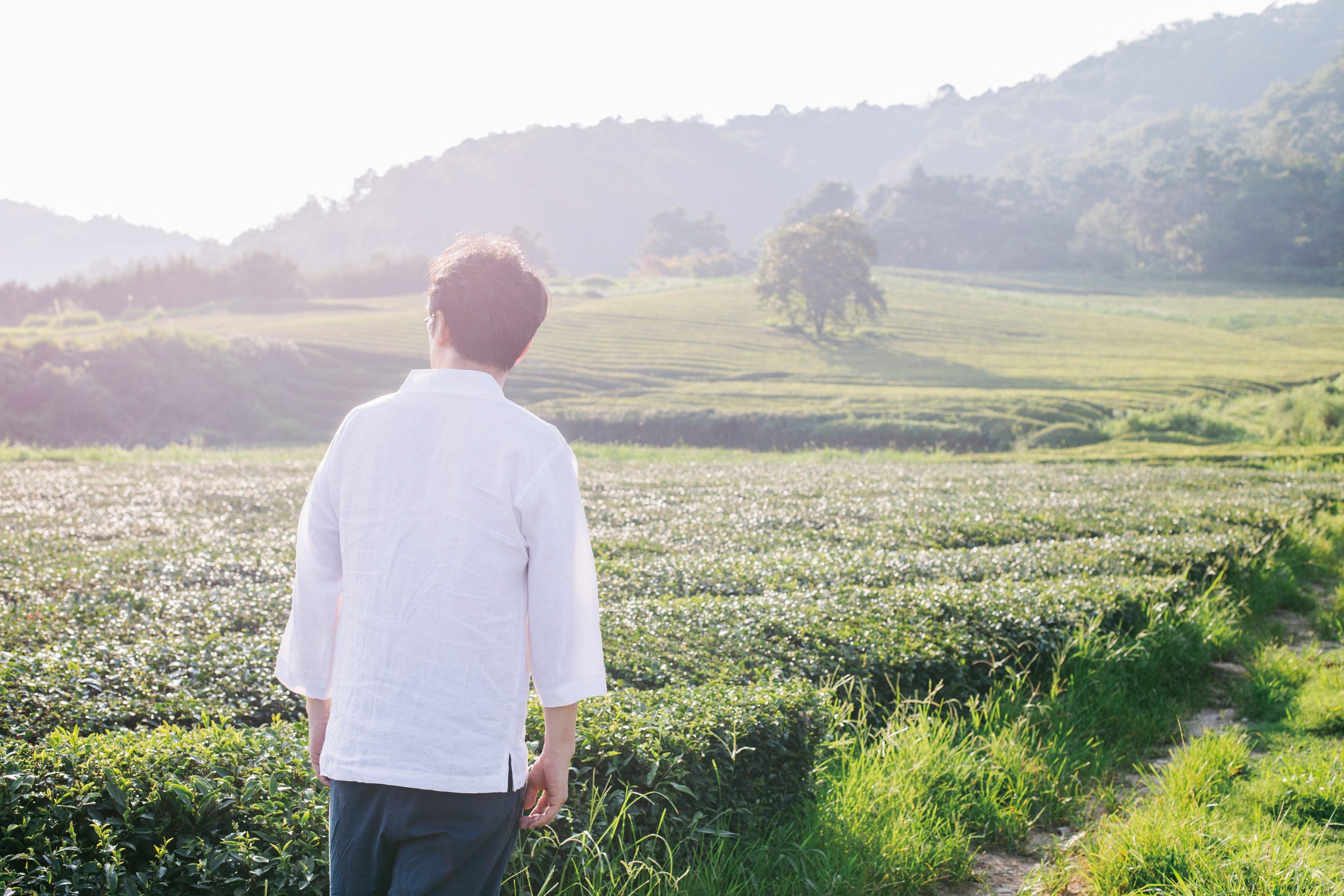
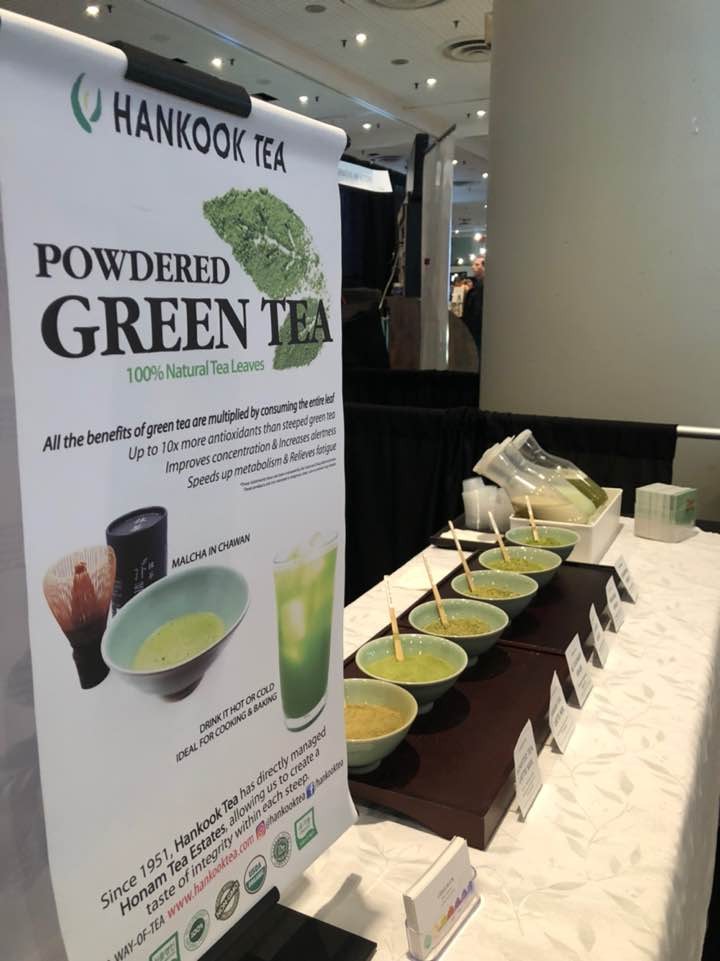
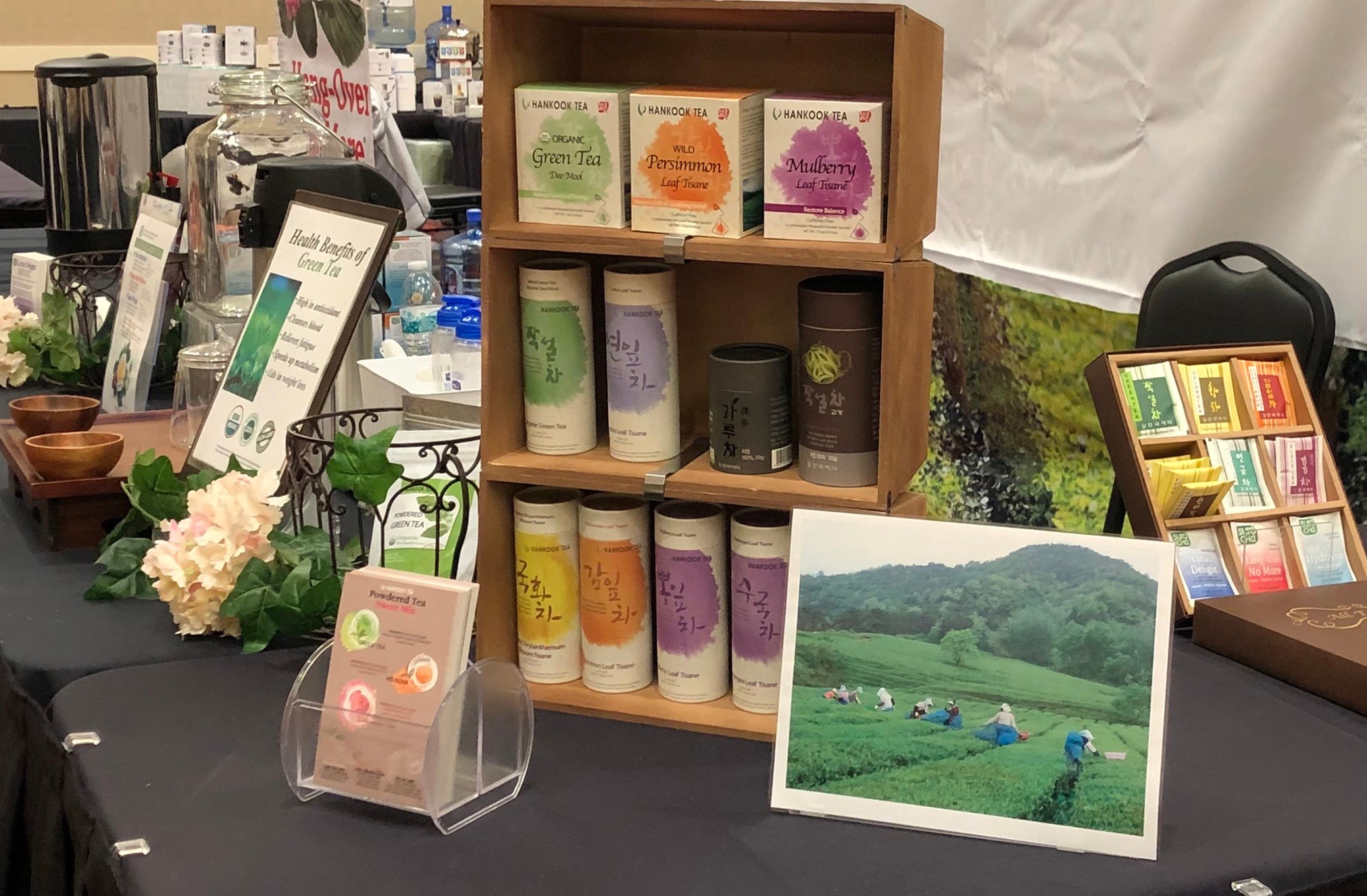
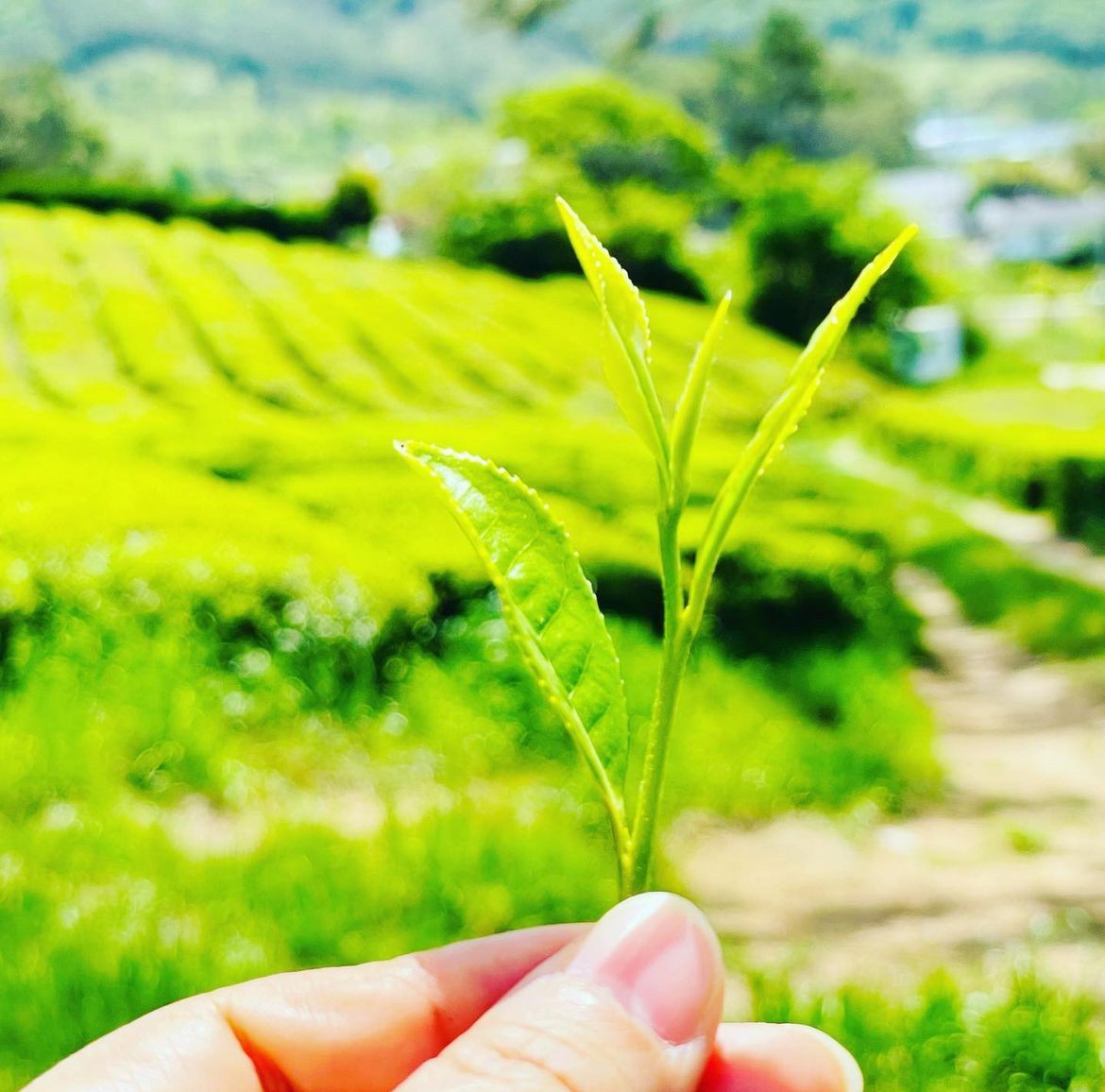
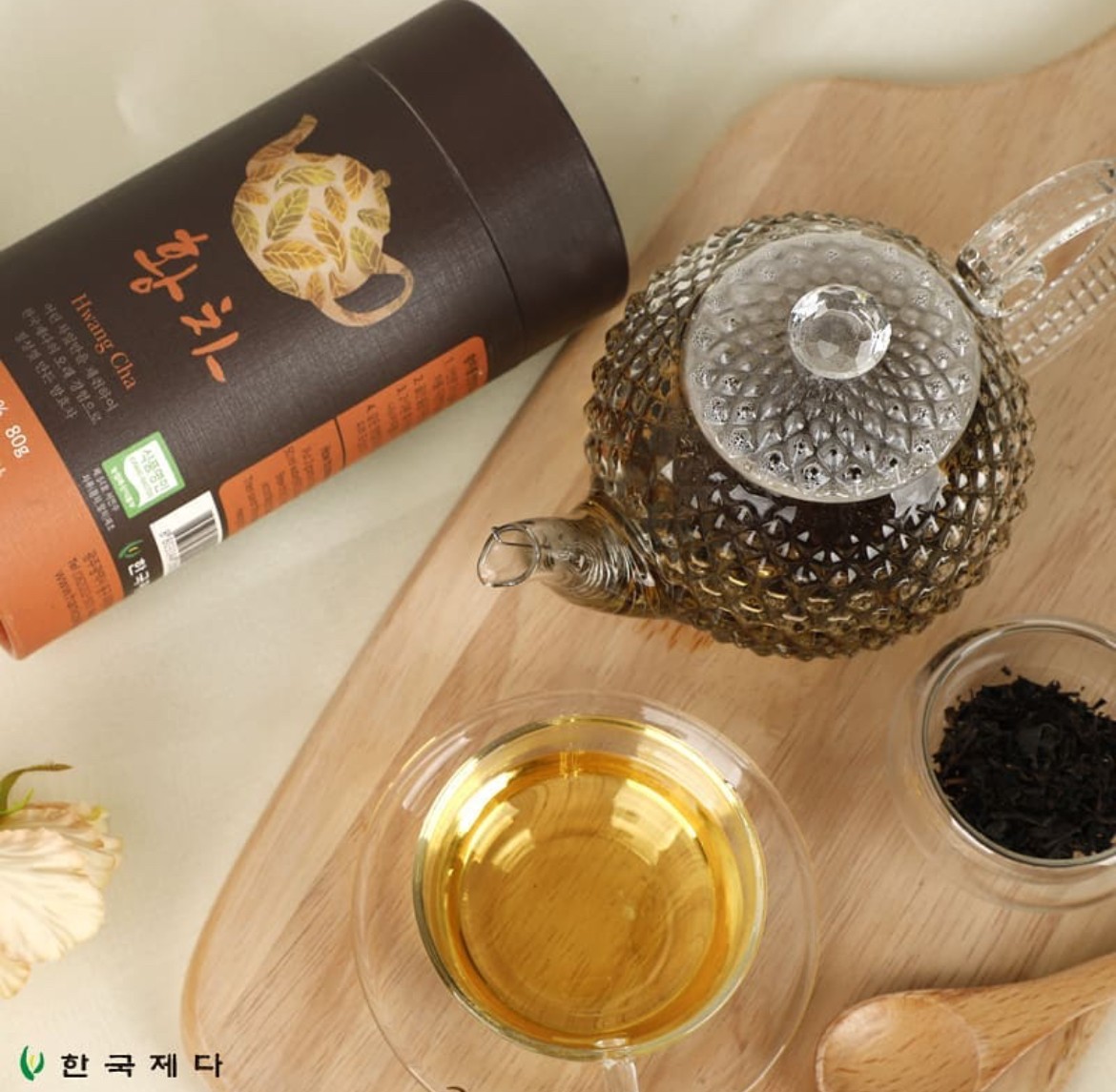
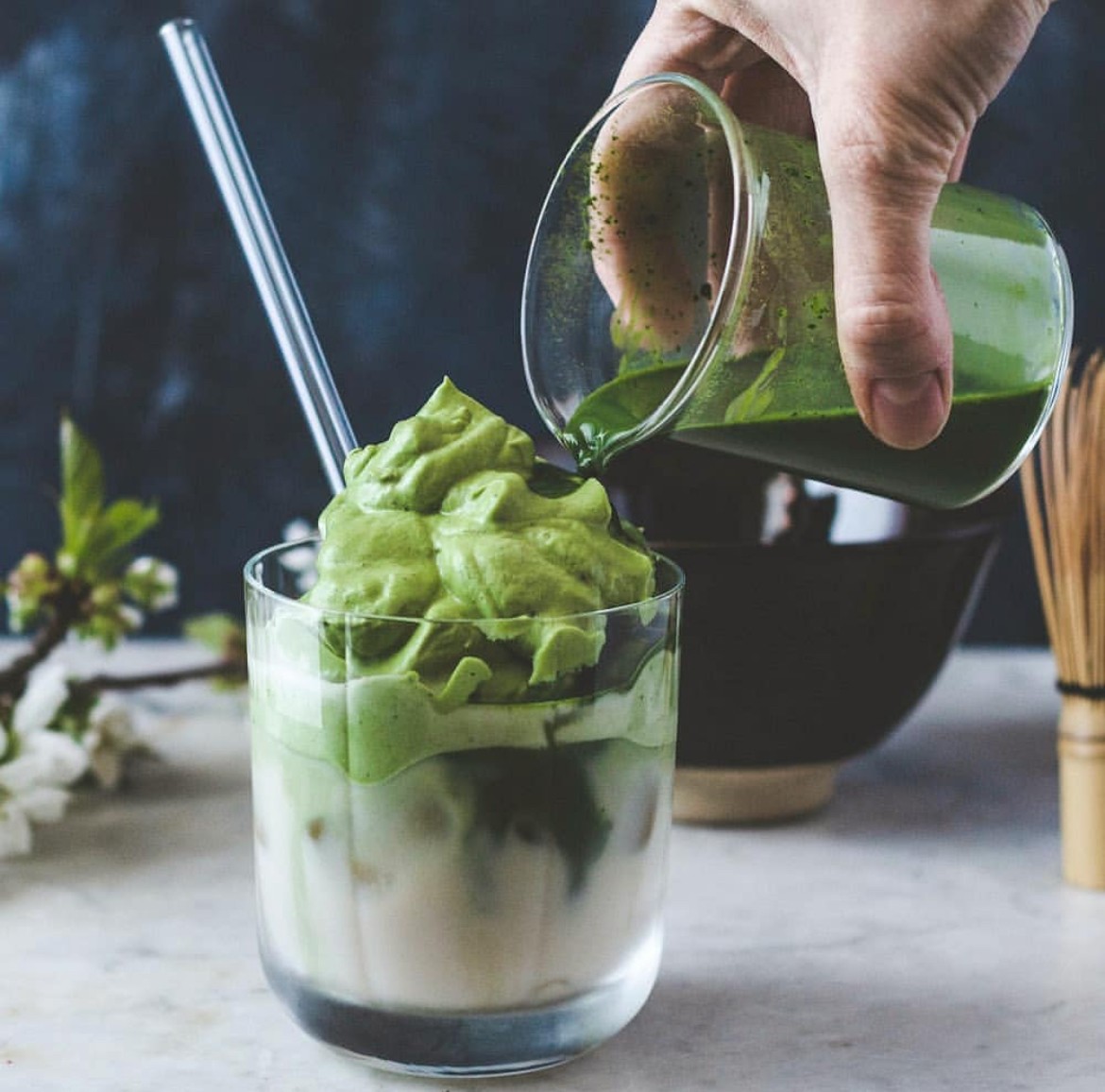
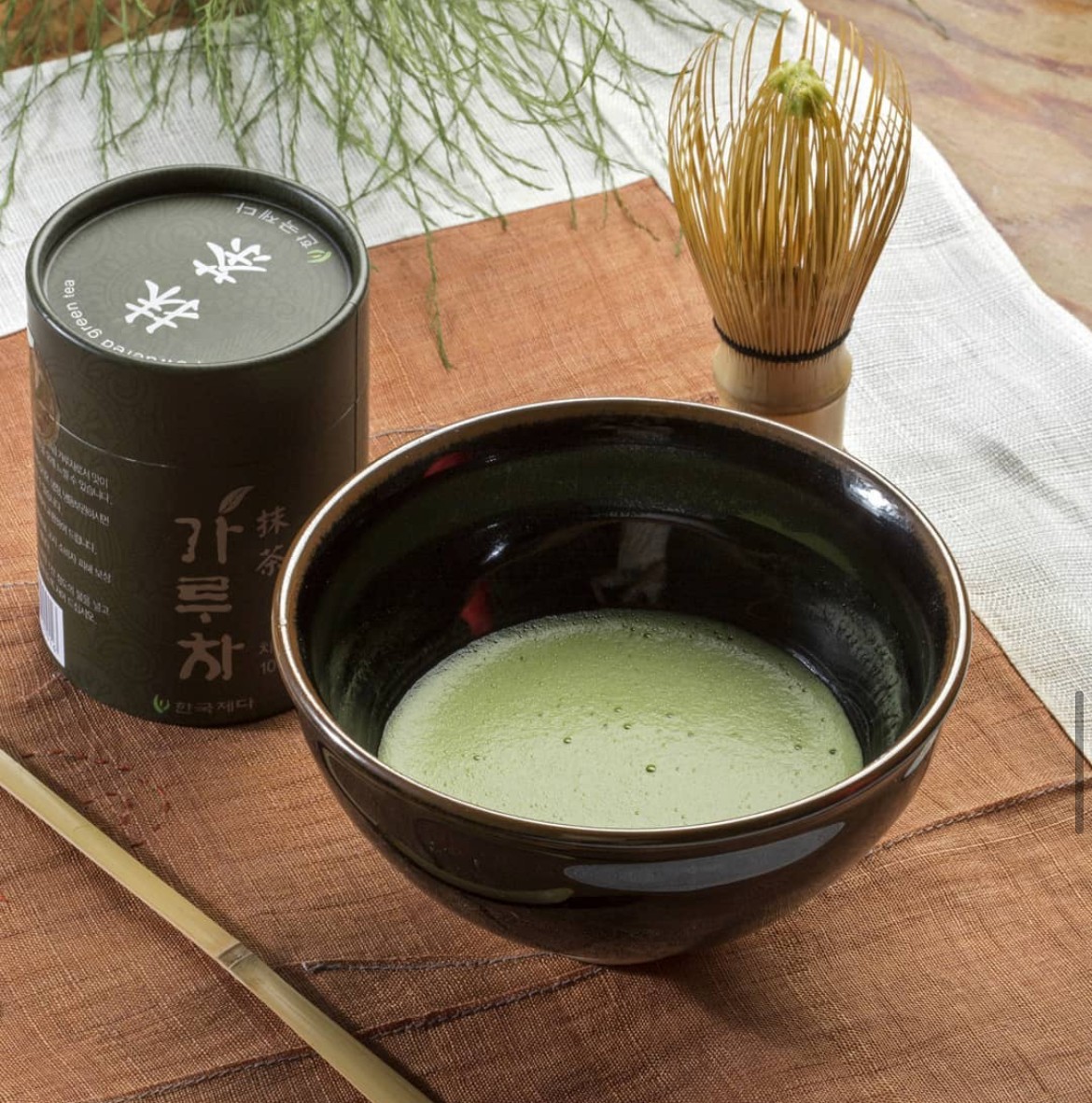
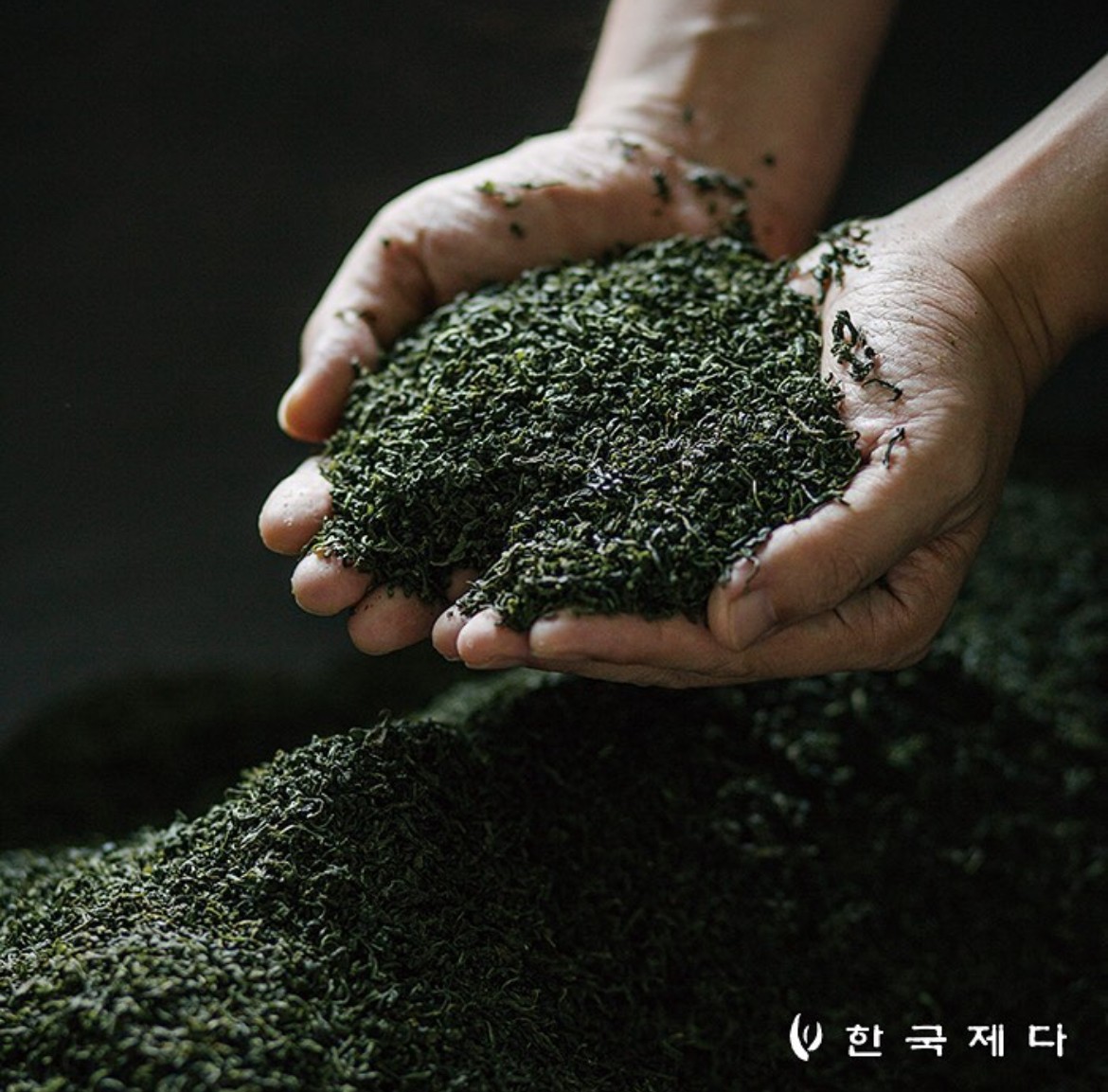
Image Credits
Hankook Tea Company
Popular
-

LA’s Most Inspiring Stories
-

Maagic Collins on Building a Fearless Publishing Platform for Truth, Advocacy, and Underrepresented Voices
-
Los Angeles Barea on Turning Green Superheroes into a Global Movement for Youth-Led Change
-

Trisha DuVivier on Bridging the Franchisor–Franchisee Divide with Workhero and “Franulate”
-

Portraits of the Valley
-

Cedar Boschan on Elevating Black Music Rights and Driving Urgent Conversations Around Credit, Equity, and Artist Protection


