




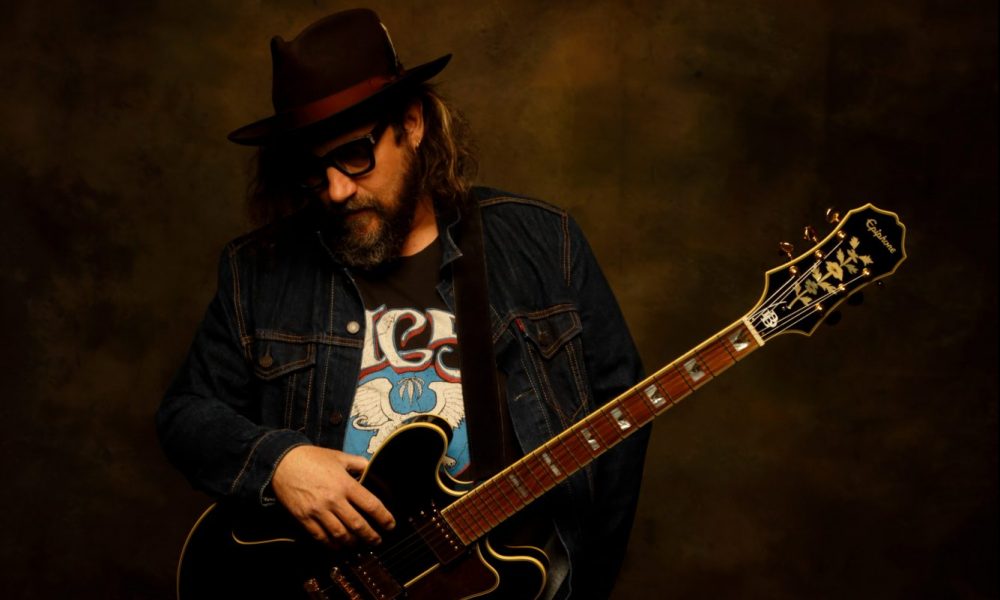
Today we’d like to introduce you to Buck Down.
Buck, we appreciate you taking the time to share your story with us today. Where does your story begin?
There are two moments I can point to where it started.
The first was somewhere I can’t specifically remember, but it was around 1974 or so. I was four years old and in an otherwise unoccupied room where a radio was playing Wing’s “Band on the Run.” This was the first time I could remember conceptualizing music as an organized, intentional concept. At the time, I remember being puzzled about how the sound came out of the box. My first thought was that there had to be little people in there making it, which I dismissed pretty quickly out of hand. Fifty years later, having had it explained to me numerous times – the concept of radio broadcast is still indiscernible from magic for me.
The second was on the evening of January 21st, 1981. This was the date that The Muppet Show was hosted by Debbie Harry, who by that time I was hip enough to know was the person that made the single “Call Me” – the first 7″ record I owned intentionally. During that show – I made a resolute decision that I was going to make music for a living, and to be perfectly honest, I never seriously considered anything else.
I started grinding away at learning guitar the next day. Even before I could make listenable music, I would pretend that the scrambled noises that I was wrestling out of a completely untuned $10 pawnshop acoustic guitar were stand-ins for actual songs, which I not only gave names to, I created album art for as well by stealing unlistened to records from the basement, and then wrapping the existing covers with handmade art and album liner notes. I performed concerts alone in the basement to a crowd of people whose faces I drew on paper plates and taped to strings running between the support columns.
By the time I was in high school, I had started playing in bands, and immediately after I graduated, I moved to Norfolk, VA (the closest city to where I was that had what amounted to a live music scene) and got to work doing all the things you do to be a promising local band in the early 1990’s – which was admittedly a beautiful time to be engaged in that pursuit.
It paid off. Around 1994 or so – a band I was in – Combine – got a record deal with a substantial independent label, Caroline Records. I spent the next three years in a van crisscrossing the country with my two best friends on tour, playing every American city you can name and countless others you’ve probably never heard of. It was an absolutely magical experience.
About 1997 or so – as was the fashion at the time – our label was sold. The new owners made the business decision to stop spending money to pay for a bunch of humans to do the financially laborious process of traveling and making records in expensive studios in place of this new music form that would later be known as EDM, that could be made by a single person in their apartment with a computer, who didn’t need things like hotel rooms and food in a different city every night.
The downside to being a junior varsity rock star for the totality of your 20s is that while the rest of my peers were acquiring usable job skills, I was sleeping in a van during the day whistling between towns and playing music for those same people while they got loaded on cheap draft beer after work at whatever the venue that had live music in their town was.
The end result was that I needed to figure out another way to stay in the music business – the only place where I had anything with the broad contours of “work experience.”
This resulted in me becoming a music industry roustabout. I moved to Los Angeles. I did live sound gigs and tour-managed other bands for a few years until I managed to get another project off the ground – The Mutaytor.
It’s hard to describe the Mutaytor other than to say it was a 30-or-so-person tribal/ funk/techno multimedia spectacle that came out of Burning Man. Which is precisely what it was. It was also enormously popular. When we started (this would be in the early 2000s), live music and the music industry were collapsing, mainly due to its inability to adapt to a changing digital media landscape.
Because of our connection to Burning Man, we knew all the action was at underground raves. We quickly realized that the first band that could approximate something that would fit into one was going to quickly take off, as the attendees had already demonstrated they could be entertained by something as simple as an anonymous person in jeans and a t-shirt in a DJ booth, so long as they could dance to it while doing psychedelic drugs in a poorly lit warehouse or desert kill zone just outside of town. The fact that we were doing a show with 11 musicians, a ton of aerialists, and fire performers while shooting off hundreds of gallons of propane-based fire effects, lasers, and a couple of 9-foot-tall Tesla coils made us pretty popular VERY fast.
We also got lucky that this was also the very beginning of social media, so there were suddenly all these new highly democratized ways of building an audience that sidestepped the traditional gatekeepers.
By the end – we were playing places like Madison Square Garden, and many reasonably famous musicians counted themselves as either fans or occasional guest performers.
After ten years or so, the economy crashed, and there wasn’t the money to support what could best be described as a filament for oceans of it. The Mutaytor made and spent quite a bit of it in the service of creating a pretty overwhelming spectacle that didn’t downsize very well. If your stock in trade is overwhelming spectacle, less “whelm” is a hard sell
After that – I had a few year run of being a traveling DJ / electronic music producer with a two-person outfit called The Gentlemen Callers of Los Angeles, which became very popular in Europe (where we toured quite a bit) and was getting some great slots at places like Coachella and the Glastonbury music festival, to name drop a couple of big ones.
By 2018, I was ready to return to making music with guitars. There was something unsatisfying about being on stage with just a laptop that I needed to cure.
This was when I started my own recording studio and record label, dedicated almost exclusively to recording and releasing my own music on vinyl. Since then, I have put out five full-length records and a dozen or two singles.
All of which is available to check out at my website – www.buckdown.net
Alright, so let’s dig a little deeper into the story – has it been an easy path overall, and if not, what were the challenges you’ve had to overcome?
There are certainly much easier career paths one can choose over the music industry. Probably ALL of them, in fact. Saying you are going to be a professional musician when you grow up is a lot like saying you are going to be an astronaut. Minus the gravitas of aspiring to something people consider to be a “real job”.
It just happens to be one of the only things I’m actually pretty good at, so in a lot of ways, I’m just playing the hand I was dealt like everyone else.
Alright, so let’s switch gears a bit and talk business. What should we know about your work?
I specialize in giving voice to folks whose strongest suit doesn’t lie in having a creative way of expressing it.
Most of my music and writing is done in service of finding clever ways to articulate fairly common joys and maladies, which is pretty much the biggest social value of anyone working in populist art forms.
What I’m most proud of is that I’m still doing it at 52 and that no one expects me to do anything else at this point.
I don’t know that there is all that much that separates me from anyone outside of just stubborn persistence. On the wall of my studio, there are exactly two quotes:
The first one is from Voltaire, that just says, “No problem can withstand the assault of sustained thinking”.
The second, arguably my favorite is one from Penn Gillette that reads, “The only secret to magic is that I’m willing to work harder on it than you think it’s worth.”
So, before we go, how can our readers or others connect or collaborate with you? How can they support you?
I LOVE LOVE LOVE collaboration. I spend so much of my time working alone that I jump at almost any chance to work with anyone else. In my heart of hearts, I still love the dynamic of being in a band, or just creating with other people.
I am a VERY online, very reachable person generally speaking. The easiest point of access to my work, and by extension me in general is my website: www.buckdown.net. There’s a contact page, and I pretty dutifully answer all emails.
As far as supporting me – the best way is through my Bandcamp page at https://buckaedown.bandcamp.com
All of my digital music there is pay-what-you-want. Meaning you can literally download ALL OF IT for free, or you can give me a million dollars for a single song, or anything in between. It’s up to you to decide what my effort is worth. I have found that capitalism isn’t one-size-fits-all, and I’d rather have you have my music than hold it for ransom.
Pricing:
- All digital music is pay-what-you-want
- All vinyl copy records are $20
Contact Info:
- Website: www.buckdown.net
- Instagram: https://www.instagram.com/buck_ae_down/
- Facebook: https://www.facebook.com/buck.down
- Twitter: https://twitter.com/ae_down
- Youtube: https://www.youtube.com/channel/UCR-rr381-19TMT_-G_z1TyQ
- Yelp: http://www.yelp.com/biz/buck-down-designs-los-angeles
- SoundCloud: https://buckaedown.bandcamp.com
- Other: https://buckdown.medium.com
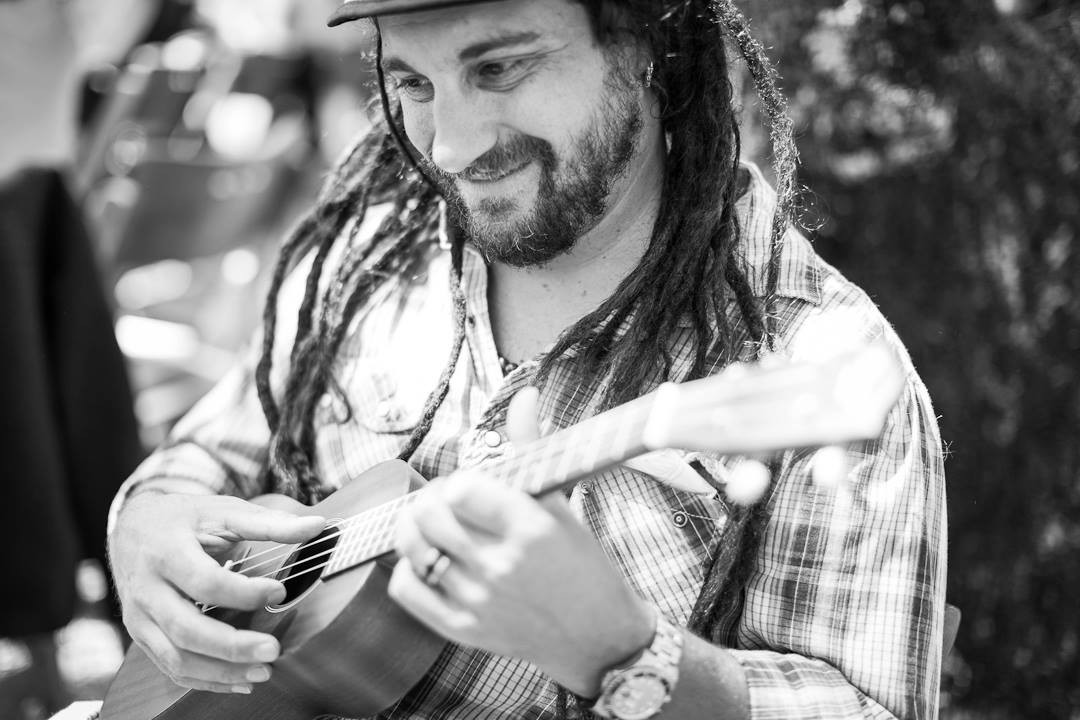
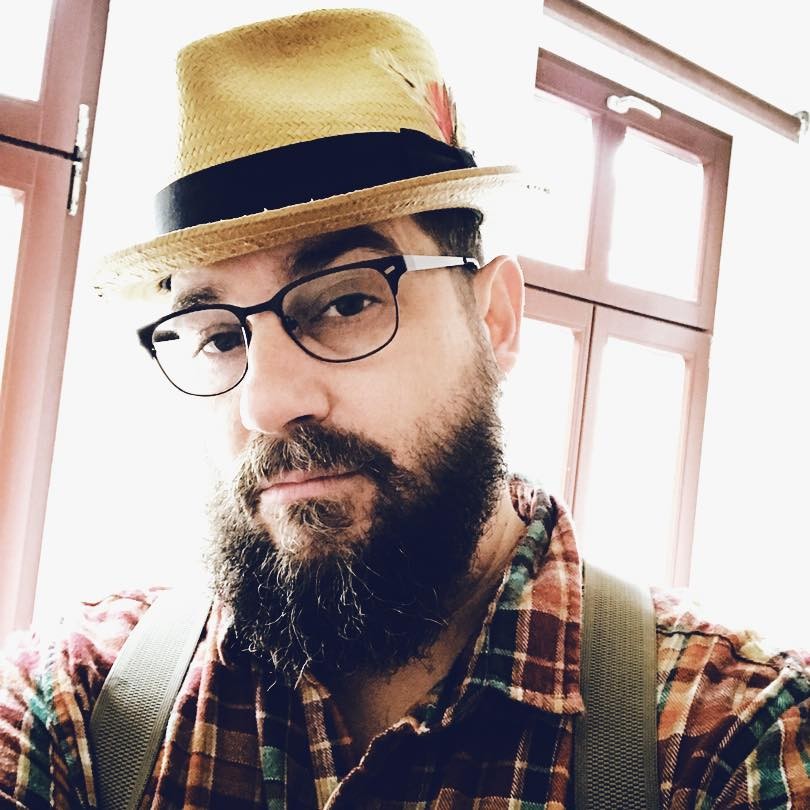
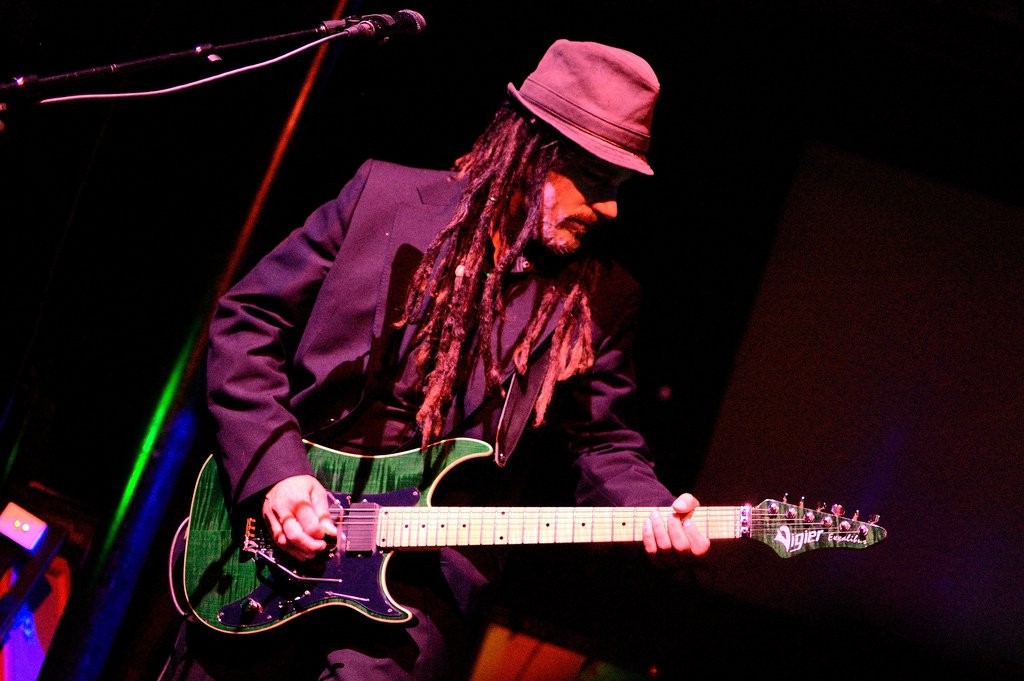
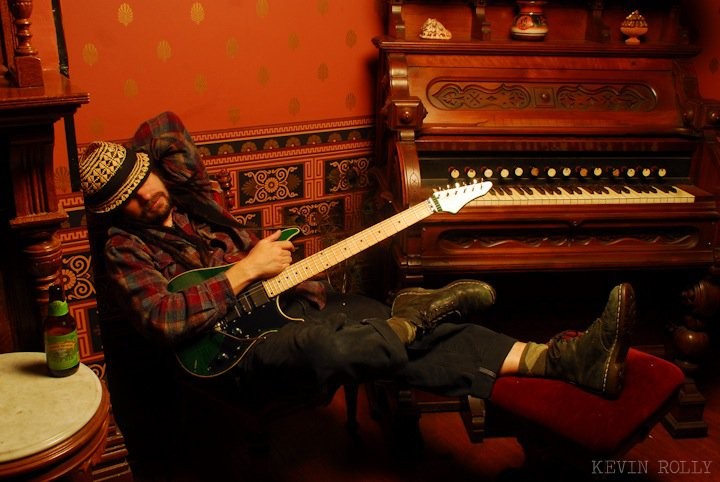
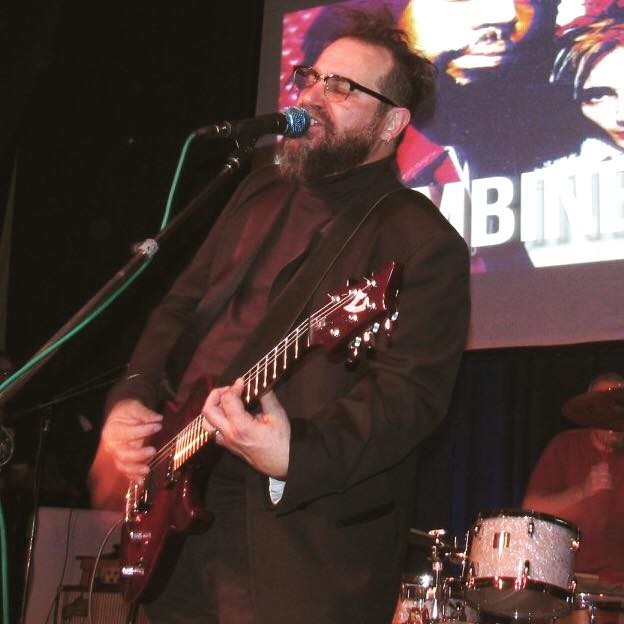
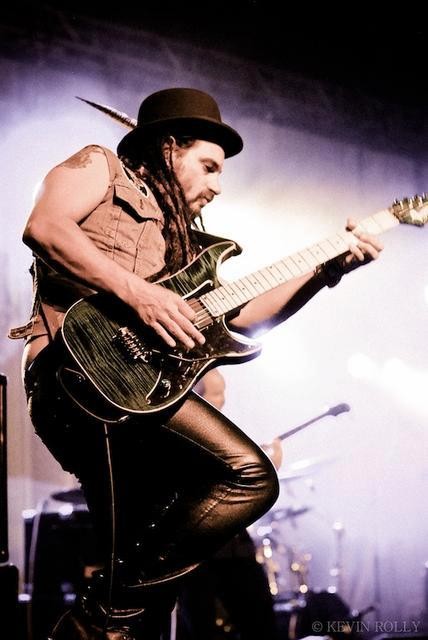
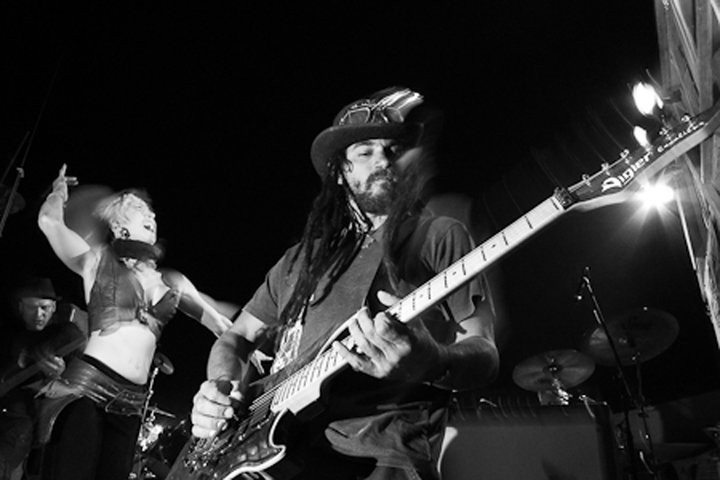
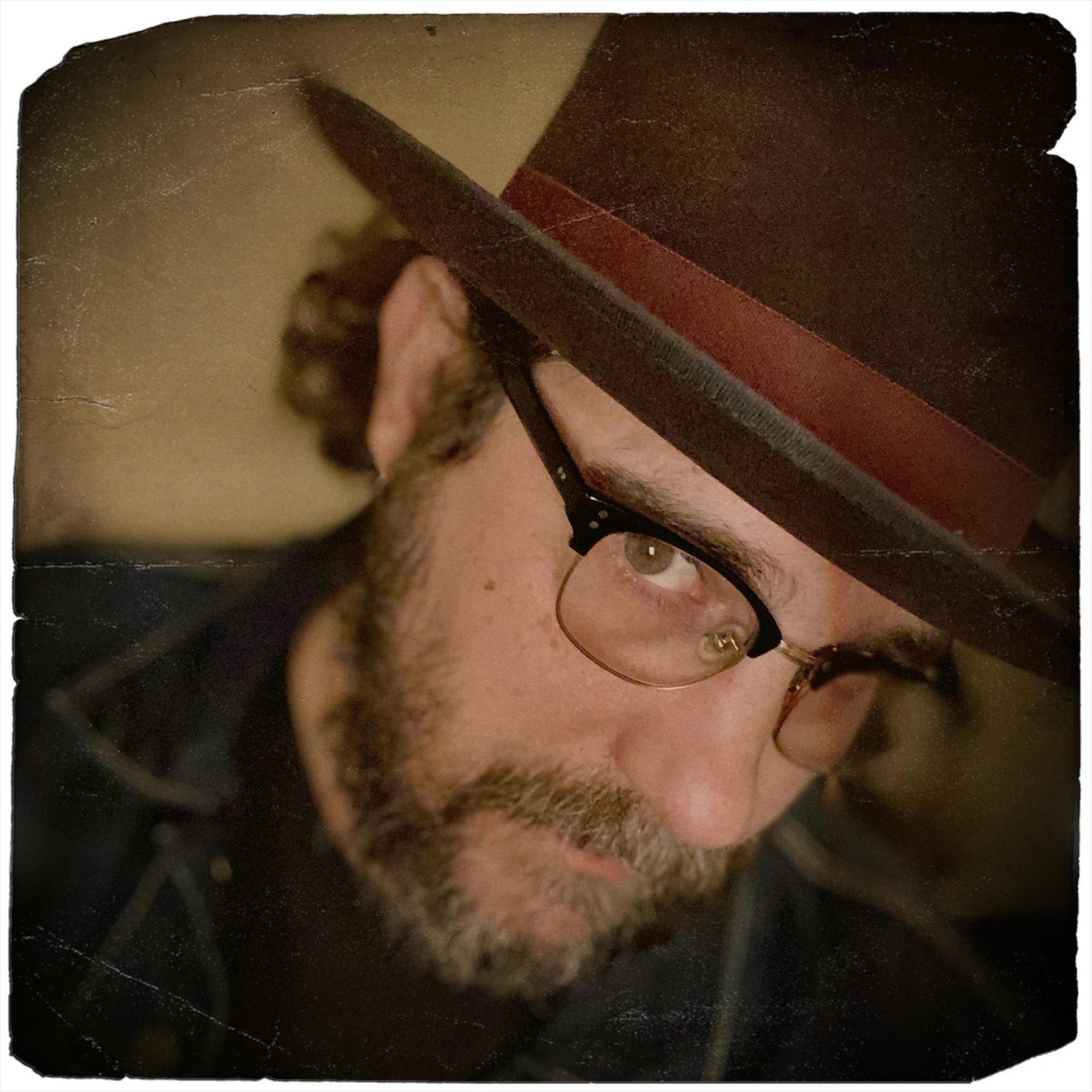
Image Credits
Kevin Rolly
Stephen Linsley
Popular
-
Inside the Future of Search: Robb Fahrion on Building a Global Team and Leading the Rise of GEO
-

From Supporting Local Boutiques to Building Brand Partnerships: Cinthia Jensen’s Creative Marketing Journey
-
Building Community Through Curiosity: Nathanial and Samantha Rowe on the Vision Behind UNEARTHED
-

Portraits of the Valley
-

LA’s Most Inspiring Stories
-
Building Creative Bridges: Torrey Tayenaka on Community, Collaboration, and the Future of Sparkhouse


