




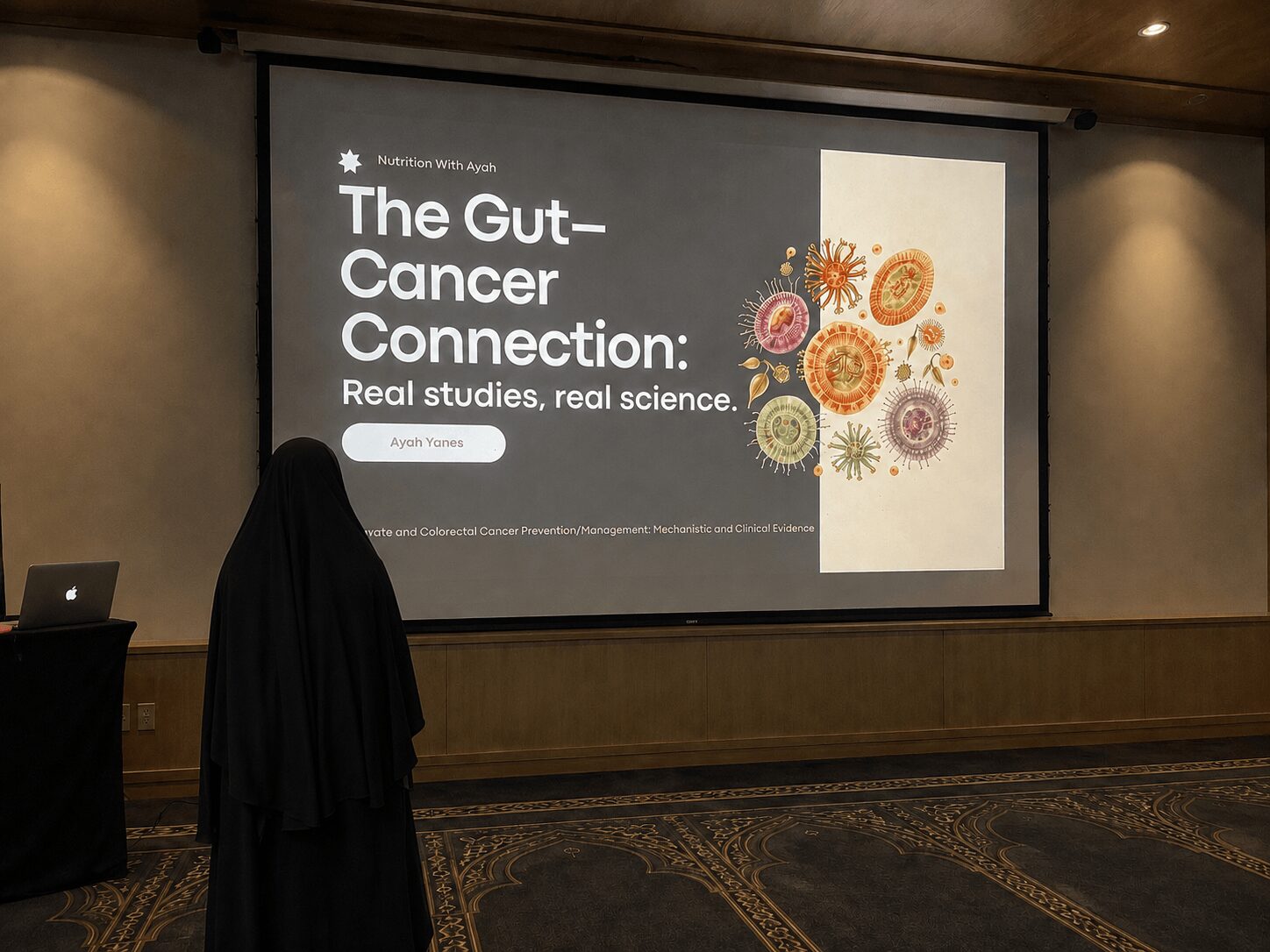
Today we’d like to introduce you to Ayah Yanes.
Hi Ayah, thanks for joining us today. We’d love for you to start by introducing yourself.
My interest in nutrition began while navigating hormonal health concerns during my high school years. At the time, I felt lost and helpless, so I turned to the internet for “cures” and lifestyle “remedies.” In my desperation, I absorbed advice like a sponge, rarely questioning the qualifications or reliability behind the information I was applying. I spent money on supplements that never worked, forced myself to drink “detox” drinks that made no difference, and became afraid of perfectly normal foods and ingredients simply because I did not understand them.
Looking back, I do not blame my younger self. I was scared, confused, and searching for answers. However, that experience gave me a very personal understanding of how easily people can be misled when they are vulnerable. Health misinformation does not always look extreme. Sometimes it is packaged beautifully, shared by people who sound confident, and aimed directly at women who are already dealing with symptoms, body image struggles, fertility concerns, or fear about their health.
Throughout my nutrition degree, I began questioning the world of health and nutrition in a way I never had before. I started asking questions like, “What is the evidence for this claim?” and “How strong is this stance?” I began to understand the difference between a personal story and scientific evidence, between a trend and a true health recommendation, and between fear-based marketing and meaningful education.
I especially loved biochemistry. Learning how intricate and complex the body is helped me realize how much depth there is in nutrition. It is not a field that should be approached through fear, trends, or oversimplified advice. It requires evidence, knowledge, and understanding.
Over time, I developed a deep love for nutrition education. Food is something we all have in common, and it plays a meaningful role in disease prevention, disease management, and everyday well-being. I began sharing educational nutrition content online, primarily for Muslim women. At first, I shared recipes, food ideas, and simple nutrition tips. Then, one day, I shared a post addressing a common nutrition myth, and something unexpected happened: I received pushback. Not because the information was harmful, but because it challenged something many people had heard so often that it felt true.
The pushback was not from strangers who felt far removed from me. It came from women who were like me: women who were confused, overwhelmed, and trying to make sense of health information in a world that often made them feel unseen.
That experience helped me realize the importance of meeting people where they are. Sometimes nutrition education is not about simply telling people, “Do this” or “Don’t do that.” Often, it is about slowing down, explaining the “why,” and giving people the tools to understand their own health with more confidence.
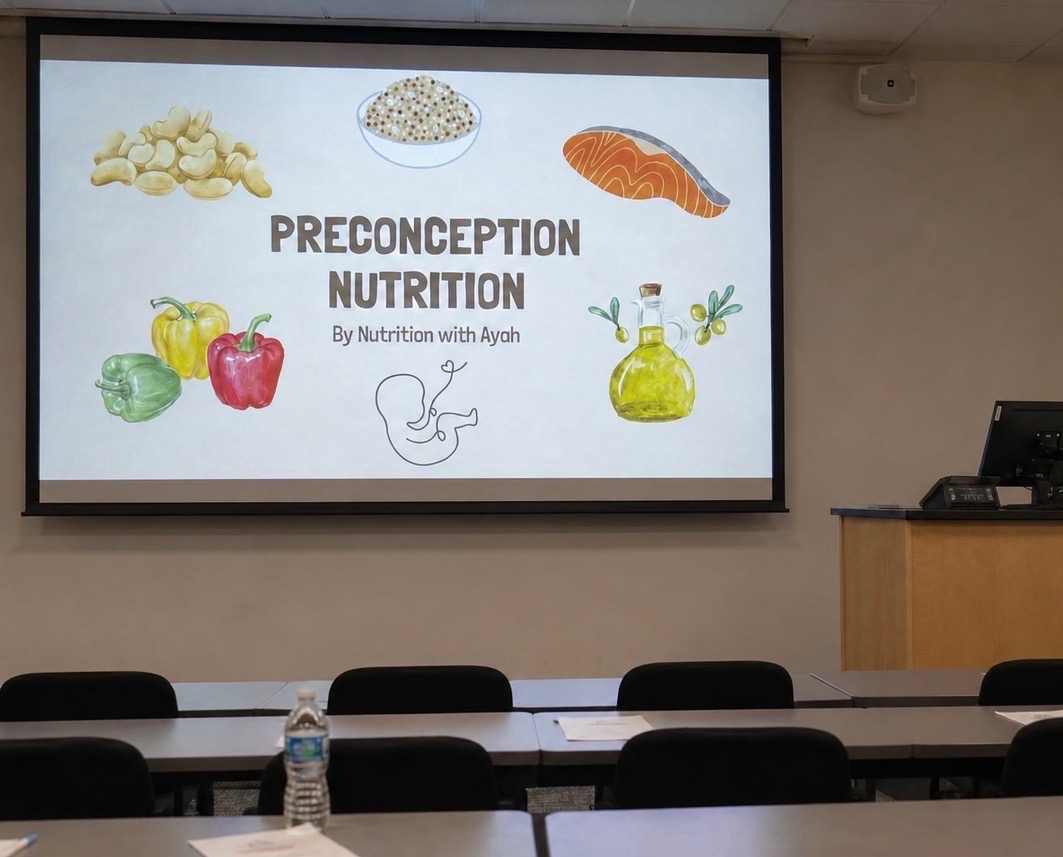
That is what led me to begin holding nutrition education classes for Muslim women, a demographic that is not always centered in mainstream health conversations. My goal is to make evidence-based nutrition feel accessible, compassionate, and relevant to the communities I serve. I want women to feel less afraid of food, less vulnerable to misinformation, and more capable of making informed decisions about their health.
Can you talk to us a bit about the challenges and lessons you’ve learned along the way. Looking back would you say it’s been easy or smooth in retrospect?
It has definitely not been a perfectly smooth road. One of the biggest struggles was first having to unlearn the misinformation I had absorbed myself. Before I studied nutrition formally, I was the person who felt overwhelmed by conflicting advice online. I had to learn how to stop approaching health through fear and start approaching it through evidence, curiosity, and understanding.
Another challenge has been learning how to communicate nutrition information in a way that is both accurate and compassionate. When you speak about misinformation, it can be easy for people to feel judged or defensive, especially when the advice they believe came from someone they trusted. I have had to learn that effective education is not just about being correct. It is about meeting people where they are, explaining things clearly, and creating an environment where they feel safe enough to question what they have been taught.
There have also been challenges in building something while still being a student. Balancing coursework, research, internships, content creation, classes, and the responsibilities of running an online platform has required a lot of discipline. There have been moments where I felt stretched thin, but those moments also reminded me why I care so deeply about this work.
Another personal challenge has been navigating visibility as a Muslim woman who wears the niqab. In health and science spaces, Muslim women, especially visibly Muslim women, are not always represented. There can be assumptions about what a nutrition educator should look like, sound like, or be like. At times, wearing the niqab has made me feel like I have to work harder to be understood, but it has also strengthened my purpose. I know how meaningful it can be for Muslim women to see someone who shares parts of their identity speaking about health, science, and nutrition in a way that is grounded, thoughtful, and evidence-based.
I feel the weight and honor of trying to serve a community that is not always centered in mainstream health conversations. I want my work to be evidence-based while also being culturally aware, respectful, and relevant. It’s a balance that takes thought and care.
Overall, the struggles have shaped the heart of my work. They taught me that health education is not simply about sharing information. It is about helping people feel less afraid, less confused, and more empowered to make informed decisions.
Great, so let’s talk business. Can you tell our readers more about what you do and what you think sets you apart from others?
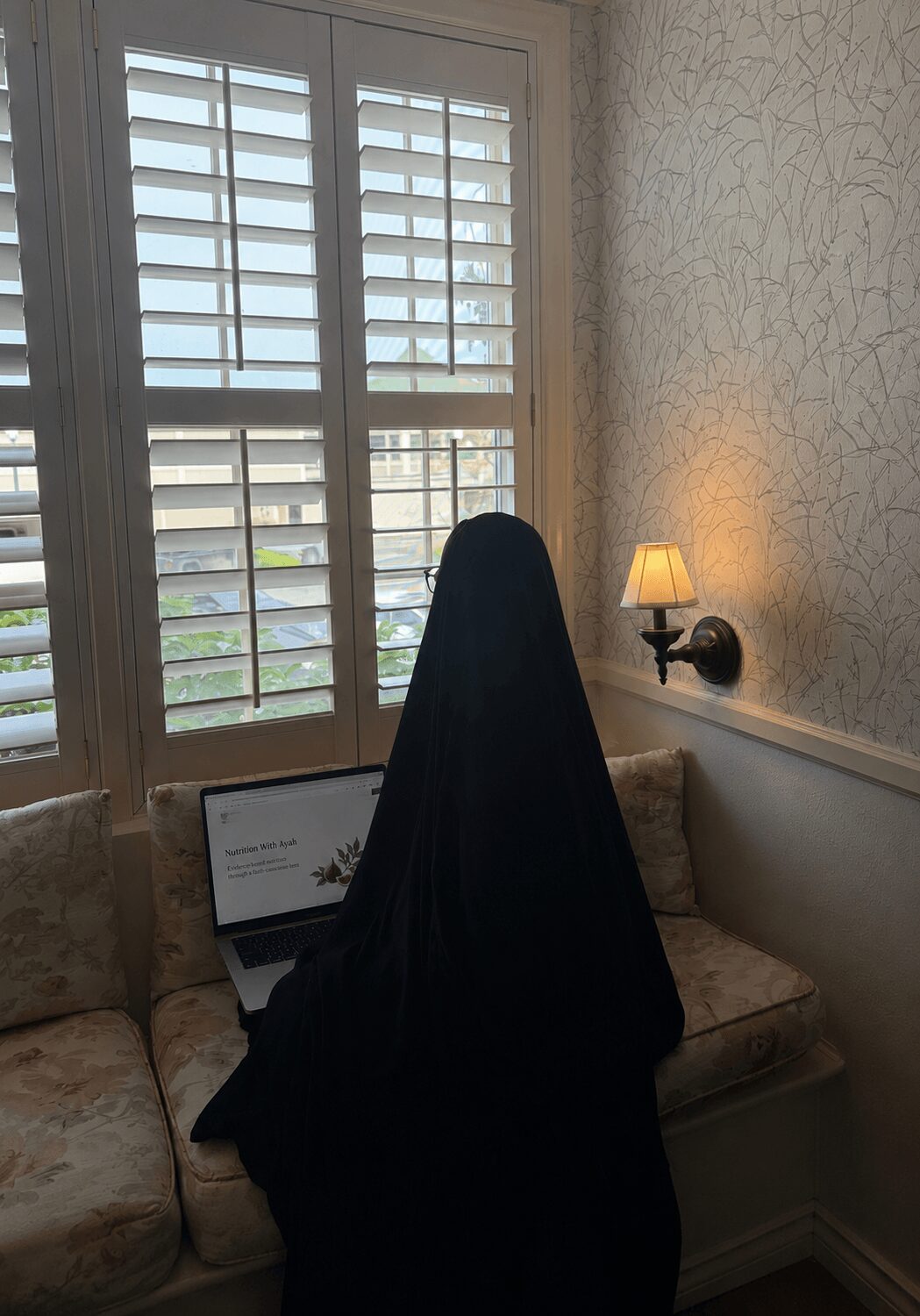
Nutrition with Ayah is an educational nutrition platform created to make evidence-based health and nutrition information more accessible, understandable, and relevant.
At the heart of my brand is beneficial knowledge: health education that is clear, trustworthy, and genuinely useful in people’s everyday lives. I believe nutrition education should not overwhelm people; it should help them think clearly, understand their bodies better, and make informed decisions with confidence.
Through Nutrition with Ayah, I focus on nutrition education, science literacy, and helping my audience navigate health information in a more grounded way. Much of my work centers on breaking down common nutrition myths, explaining the “why” behind recommendations, and helping people understand the difference between evidence-based guidance and fear-based wellness claims.
What I am most known for is making nutrition feel less confusing. People often struggle with nutrition not because they do not care about their health, but because they are surrounded by conflicting advice. One person says one thing, another person says another, and before long, food can start to feel complicated or even frightening. My goal is to slow things down, explain concepts clearly, and give my audience tools to think critically about the health claims they encounter.
A large part of my audience is Muslim women, and that is intentional. Our lives can include unique considerations around cultural foods, religious values, family roles, modesty, and community-specific misinformation. I wanted to create a space where health education could feel both evidence-based and connected to identity, values, and lived experience.
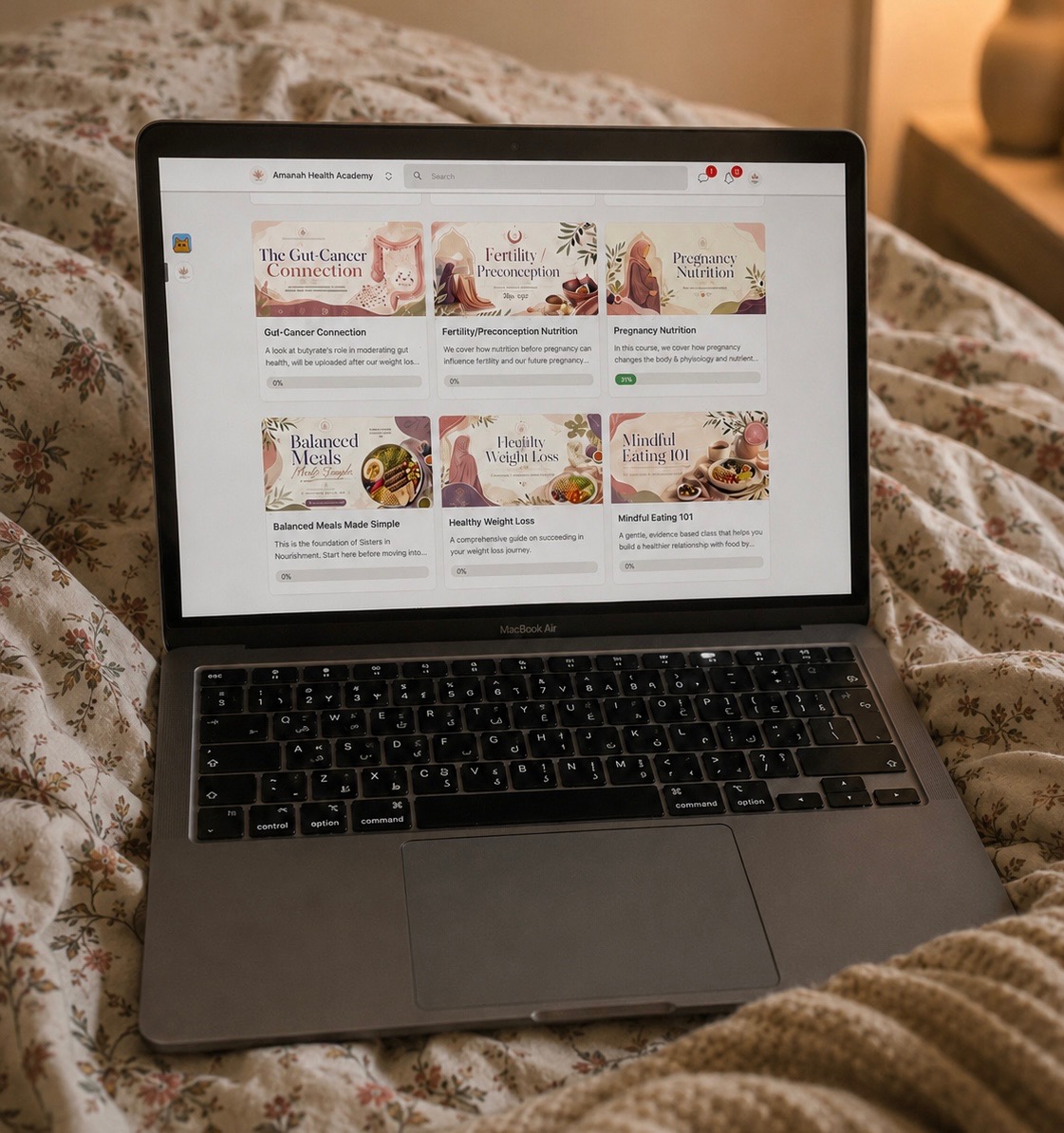
Through my platform, I offer educational classes, online content, and nutrition guidance rooted in evidence, compassion, and cultural awareness. My work is not about strict rules or fear. It is about helping people understand nutrition in a way that is practical, thoughtful, and sustainable.
What sets my brand apart is the combination of personal experience, formal nutrition education, and a faith-conscious lens. My own interest in nutrition began after navigating hormonal health concerns as a teenager and becoming vulnerable to misinformation myself. Because of that, I approach this work with empathy. I understand what it feels like to be confused, desperate for answers, and willing to try anything that promises relief. That experience shaped the way I teach today.
Brand-wise, I am most proud of the trust I have built with my audience. I am proud that people feel safe asking questions, admitting confusion, and rethinking ideas they may have believed for years. I am also proud of creating a brand that reflects both scientific seriousness and warmth. I want Nutrition with Ayah to feel educational, but also human.
What I want readers to know is that my brand is built on the belief that nutrition education should empower, not scare. Health information should be accurate, but it should also be accessible. Nutrition with Ayah exists to help people feel less afraid of food, less vulnerable to misinformation, and more confident in caring for themselves and the people they love.
How do you think about luck?
I do not personally believe in luck in the sense of random chance determining my life. I believe in the decree of God, and I see both opportunities and challenges as part of His wisdom.
That being said, there have been many moments in my life and business where doors opened in ways I could never have planned for myself. I have been blessed with the opportunity to study nutrition, connect with women who were searching for this type of education, and build a platform around something that is deeply meaningful to me. I do not see those moments as luck. I see them as both blessings and responsibilities.
At the same time, some of the most difficult parts of my journey have shaped my work in ways I could not fully understand at the time. Navigating hormonal health concerns, being influenced by health misinformation when I was younger, and feeling overwhelmed by conflicting nutrition advice were not easy experiences. However, they helped me understand what it feels like to be confused, scared, and searching for trustworthy answers. These experiences encourage me to approach my teaching through empathy and understanding.
Those challenges gave me a clearer mission: to make evidence-based nutrition education feel accessible, compassionate, and relevant, especially for Muslim women.
While I would not describe my journey through the lens of luck, I do believe I have been blessed with certain opportunities, tested through certain hardships, and guided toward work that I care deeply about.
Contact Info:
- Website: https://nutritionwithayah.com
- Instagram: https://www.instagram.com/nutritionwithayah?igsh=NTc4MTIwNjQ2YQ%3D%3D&utm_source=qr
- LinkedIn: https://www.linkedin.com/in/ayahyanes
Popular
-

Portraits of the Valley
-

LA’s Most Inspiring Stories
-

Greg Hex Is Turning the Everyday Kitchen Knife Into a Modern Design Object
-

Rick Norris Learned That Building a Successful Business Means Building a Life You Actually Want to Live
-

How Olivia Rush Turned Survival Into a Mission to Help Others Keep Going
-

How Bibi Goldstein Is Helping Entrepreneurs Reclaim Their Time by Embracing the Power of Delegation


