




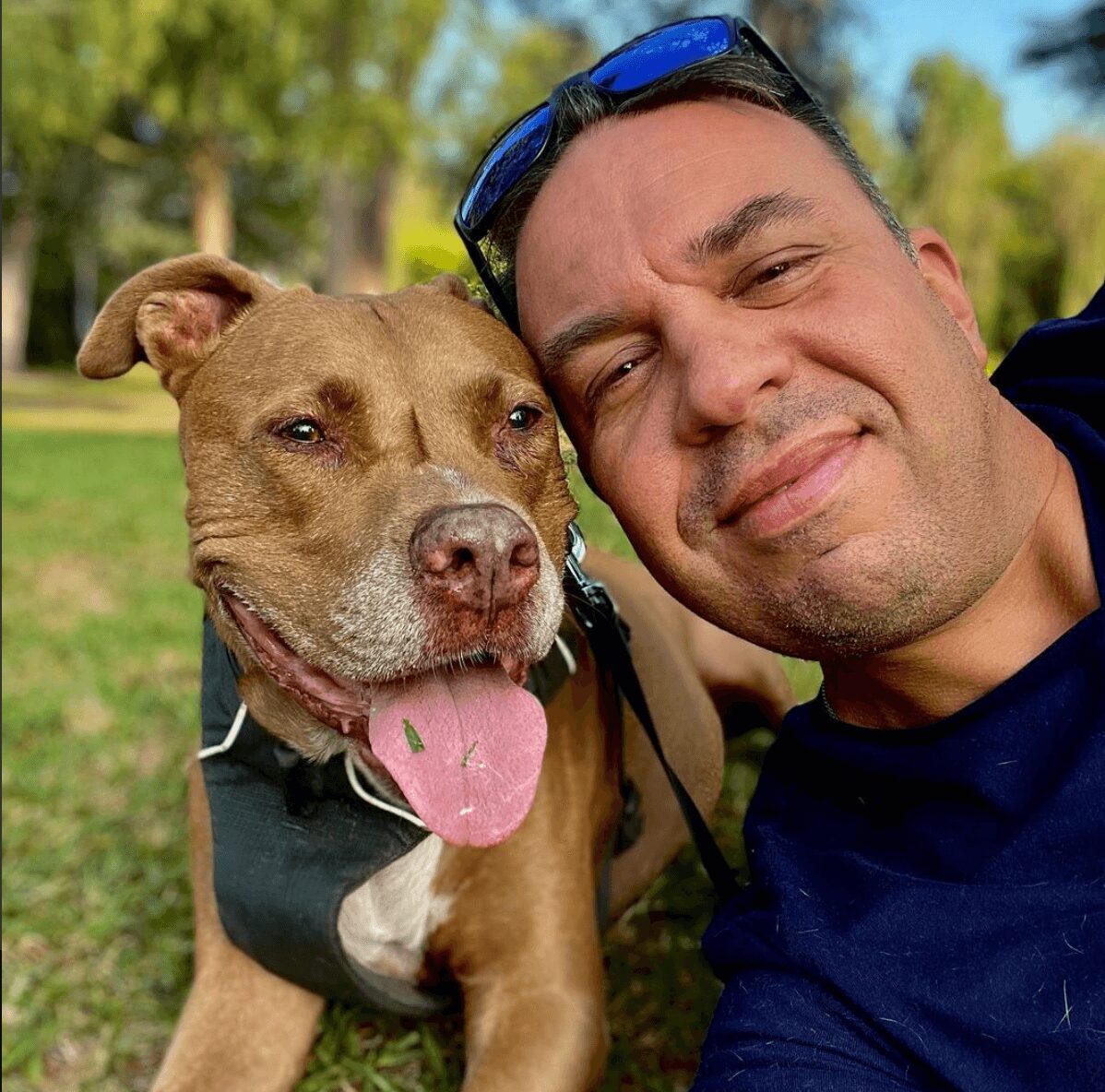
Today we’d like to introduce you to Emile Touri.
Hi Emile, please kick things off for us with an introduction to yourself and your story.
y story is a continuous journey of capturing and understanding the human experience—and refusing to accept broken systems. It started at six years old when I watched Cicely Tyson in The Autobiography of Miss Jane Pittman. It fundamentally forged my views on racism and social justice. I made a promise to myself right then that I would never treat another human, animal, or even a tree the way she was treated. Immediately after, I watched Top Gun. Coming from a family with three naval aviators on my mother’s side, I thought it was a documentary and decided my path was set.
But traditional structures didn’t suit me. I found high school in San Diego mundane, and though I planned to study criminal justice, I eventually ended up at Cal State Fullerton. I dropped out just a few classes shy of my BA because of a statistics class. The instructor assigned a cost-benefit analysis, and I chose to run the numbers on my own life and education. The numbers were always in the red. When the instructor confirmed my math was accurate, I had an epiphany: the U.S. higher education system is essentially a Ponzi scheme—a massively expensive investment with a disproportionate return, sold under the guise of prestige. I dropped out that day, realizing I was smart enough to not get ripped off.
That same quantitative, analytical mind eventually led me into law enforcement and intelligence. I was with the San Diego Police Department in 1996, even doing security detail alongside the Secret Service for Hillary Clinton, and later interned on the John Kerry campaign. Following 9/11, I transitioned to the Department of Defense. I honed my neurodivergent ability for pattern recognition into specialties like threat analysis, counterinsurgency, and quantitative strategizing.
Through it all, art mirrored my reality. My greatest inspiration to step behind the camera was Sydney Pollack, though my worldview is deeply informed by giants like Oliver Stone, David Fincher, Sean Penn, and the late Tony Scott. Tony’s ability to capture raw emotion in Man on Fire brings me to tears every time. I was also heavily shaped by television that pushed societal boundaries—Aaron Sorkin’s The West Wing paralleled my political life, Dick Wolf’s Law & Order tugged at the human thread, and David E. Kelley’s Boston Legal almost made me a lawyer. My intelligence work remains grounded in deep empathy, influenced by Sanford Meisner’s techniques and Dr. John Dewey’s philosophies. This empathy allows me to recognize narrative warfare—even in masterful films I love, like Black Hawk Down—without losing my humanity. It’s also why real-world tragedies, like the horrifying day people were abandoned at the Kabul airport, haunt me daily; as an aggressive progressive, it moved me to write a short film about that exact event.
This same hyper-observational lens eventually forced a deep reckoning in my personal life. I’ve been single since 2008, navigating dating apps where Hinge feels rusted and my match percentage hovers at zero. For years, I was the ‘Friendzone King,’ showering romantic interests with acts of service but struggling to understand the paradox of women wanting sensitive men while seemingly being drawn to toxic masculinity. Relying on the mental strength instilled in me by Navy SEAL Master Chief Rob Roy—who taught me, ‘If you can breathe, you can fight’—I decided to work the problem. I turned inward and asked the hardest question: Why don’t I like and love myself? I realized that being a ‘nice guy’ is often just manipulation rooted in insecurity. I chose to become a ‘kind guy’ instead—authentic, confident, and direct. My background in counterinsurgency makes one truth glaringly obvious: women are forced to be their own overwatch because they live in a world where males are simply not safe to reject. Having surrendered to the divine feminine to become a truly divine masculine, a core part of my mission is to reform the world so women can exist safely without keeping their guard up.
My deepest understanding of unconditional love came from my dog, Chloe. Her passing on March 27, 2026, left an unfillable void, but she taught me how to open my heart to the present moment. Parallel to this, my internal world cracked wide open in 2017. A profound experience with plant medicine shifted my understanding of spacetime. Utilizing tools like the Monroe Institute methods and the Gateway Process, I’ve visited the Akashic records and experienced vivid connections to past lives, particularly in 1941 France, which feels so present that I speak fluent French and am learning Icelandic and Spanish. This spiritual journey culminated on July 12, 2023. I had been looking for my energetic counterpart since I was five years old—a search spanning over 39 years. Finding her triggered the most painful, fire-forged period of growth in my life, leaving me with a profound respect for the man I am today.
Today, I bring all of these threads together. Guided by Dr. Maya Angelou’s wisdom—’Do the best you can until you know better. Then when you know better, do better’—I run IMG, Inc., a private consulting firm providing real-time strategic solutions. I also run KSMT Media Productions, where my goal is to create equitable, safe spaces for women to lead—because when women lead and men heed, humanity succeeds. And through my YouTube channel, ‘The Alchemist Path,’ I teach people how to transmute intelligence tradecraft into personal safety and self-mastery. I am an amalgamation of these experiences, fiercely fighting for a more equitable global community.
Finally, no story of mine would be complete without a shoutout to Paris Hilton. I’ve had the pleasure of meeting her a few times, and she is truly the kindest, most humble human I’ve ever interacted with. Kindness is the absolute hottest trait a person can have, and I want to thank her for being the best.
Alright, so let’s dig a little deeper into the story – has it been an easy path overall and if not, what were the challenges you’ve had to overcome?
My story is a continuous journey of capturing and understanding the human experience—and refusing to accept broken systems. It started at six years old when I watched Cicely Tyson in The Autobiography of Miss Jane Pittman. It fundamentally forged my views on racism and social justice. I made a promise to myself right then that I would never treat another human, animal, or even a tree the way she was treated. Immediately after, I watched Top Gun. Coming from a family with three naval aviators on my mother’s side, I thought it was a documentary and decided my path was set.
But traditional structures didn’t suit me. I found high school in San Diego mundane, and though I planned to study criminal justice, I eventually ended up at Cal State Fullerton. I dropped out just a few classes shy of my BA because of a statistics class. The instructor assigned a cost-benefit analysis, and I chose to run the numbers on my own life and education. The numbers were always in the red. When the instructor confirmed my math was accurate, I had an epiphany: the U.S. higher education system is essentially a Ponzi scheme—a massively expensive investment with a disproportionate return, sold under the guise of prestige. I dropped out that day, realizing I was smart enough to not get ripped off.
That same quantitative, analytical mind eventually led me into law enforcement and intelligence. I was with the San Diego Police Department in 1996, even doing security detail alongside the Secret Service for Hillary Clinton, and later interned on the John Kerry campaign. Following 9/11, I transitioned to the Department of Defense. I honed my neurodivergent ability for pattern recognition into specialties like threat analysis, counterinsurgency, and quantitative strategizing.
Through it all, art mirrored my reality. My greatest inspiration to step behind the camera was Sydney Pollack, though my worldview is deeply informed by giants like Oliver Stone, David Fincher, Sean Penn, and the late Tony Scott. Tony’s ability to capture raw emotion in Man on Fire brings me to tears every time. I was also heavily shaped by television that pushed societal boundaries—Aaron Sorkin’s The West Wing paralleled my political life, Dick Wolf’s Law & Order tugged at the human thread, and David E. Kelley’s Boston Legal almost made me a lawyer. My intelligence work remains grounded in deep empathy, influenced by Sanford Meisner’s techniques and Dr. John Dewey’s philosophies. This empathy allows me to recognize narrative warfare—even in masterful films I love, like Black Hawk Down—without losing my humanity. It’s also why real-world tragedies, like the horrifying day people were abandoned at the Kabul airport, haunt me daily; as an aggressive progressive, it moved me to write a short film about that exact event.
This same hyper-observational lens eventually forced a deep reckoning in my personal life. I’ve been single since 2008, navigating dating apps where Hinge feels rusted and my match percentage hovers at zero. For years, I was the ‘Friendzone King,’ showering romantic interests with acts of service but struggling to understand the paradox of women wanting sensitive men while seemingly being drawn to toxic masculinity. Relying on the mental strength instilled in me by Navy SEAL Master Chief Rob Roy—who taught me, ‘If you can breathe, you can fight’—I decided to work the problem. I turned inward and asked the hardest question: Why don’t I like and love myself? I realized that being a ‘nice guy’ is often just manipulation rooted in insecurity. I chose to become a ‘kind guy’ instead—authentic, confident, and direct. My background in counterinsurgency makes one truth glaringly obvious: women are forced to be their own overwatch because they live in a world where males are simply not safe to reject. Having surrendered to the divine feminine to become a truly divine masculine, a core part of my mission is to reform the world so women can exist safely without keeping their guard up.
Appreciate you sharing that. What else should we know about what you do?
As a filmmaker, writer, and the CEO of KSMT Media Productions, my creative work is entirely focused on exploring the depths of the human experience. Early in my acting training, my mentor Steve Eastin told me something that became the compass for my career: ‘The only thing a head feels is a headache; everything else in life has to fall through the heart.’ What sets me apart as a creative is how I apply my background in threat assessment and behavioral analysis to the emotional and psychological landscapes of my characters. I specialize in narrative storytelling that strips away the superficial and addresses real, visceral human struggle. I don’t just want to tell stories; I want to create media that acts as a catalyst for healing and change, particularly through KSMT Media, where our overarching mission is to build equitable, safe spaces for women to lead and thrive.
But if you ask me what I am most proud of, it is a script I wrote for a short film called Silent Battle, which won Best Drama Script at the Just4Shorts Film and Screenplay Competition.
Silent Battle was born out of profound personal loss. My friend, Rob Guzzo from BUD/S Class 251, lost his life to suicide. His passing sent me on a mission to address PTS—and I intentionally leave off the ‘D’. Post-Traumatic Stress is an injury that can be healed; it is not a disorder, and the people carrying it are not broken.
The film addresses the PTS experienced by Navy SEALs, but its true focus is on the incredible, often overlooked strength of the women who stand beside them. These women are the unsung champions of those relationships, carrying a massive emotional weight that rarely gets enough credit.
I’ve always said that being on the front lines and fighting a physical war is, in a way, very simple: you survive, you return fire, you live, and you fight the next day. The most dangerous battle happens when you return home, where there are no rounds flying. The enemy inside your mind is insidious because it knows you intimately. When you are fighting a war in your own head, you can’t call for a QRF (Quick Reaction Force). You can’t call in a fire mission. There is no backup. You stand there completely alone.
At that point, you have two choices: you either hide and deteriorate, or you rise, face those internal threats head-on, and start laying down suppressive fire with love, action, self-grace, and kindness. You have to treat those wounds like insurgents trying to keep you bound, knowing that the only way to achieve full healing is to move directly through the fire. My ultimate goal is to produce this script and release it to the world, providing something that resonates with and helps heal someone who needs to hear it.
This ethos is perfectly captured in one of my favorite shows, CBS’s SEAL Team starring David Boreanaz. The writing and directing are incredibly realistic and brilliant. In one particular episode, Boreanaz’s character delivers a line that made me pause the screen and cry—and it still brings me to tears today. He says that you have to fight just as hard inside the wire as you do outside the wire, because if you end up broken and drinking beer alone, that’s not someone to celebrate.
That line is a daily reminder to me. I have to fight just as hard inside the wire for my own healing and mental survival as I do outside the wire for the rest of the world, and it has to start with myself first. That is exactly why I believe so deeply in the power of media: great writing has the profound ability to teach humanity how to become better versions of ourselves.
Is there anyone you’d like to thank or give credit to?
My foundation begins with my family. My father, Hassan Touri, provided the life that allowed me to even have the opportunity to become who I am today. I am also incredibly fortunate to be surrounded by fiercely strong women. My stepmother, Rebecca Touri, is a true sign of strength, surviving her own battles and fighting to be better every single day in the midst of storms she did not create. Then there is my courageous sister Heidi, my sister Sonia, and my sister Candace—who is an absolute phenomenon, an outlier who has survived everything the world has thrown at her. Beyond my family, there is my best friend, Jessica Morgan. She is the ultimate champion of being human. She inspires me to never let the world harden me, even when I purposefully stand in the midst of darkness to do my work. She is a beacon of pure plasma and love that keeps me aligned. Her Mississippi accent makes all the white noise of the world instantly recognizable to me—and for the record, she’d agree with me that the quintessential American car is the El Camino.
Professionally, my confidence as a writer started with Anna Wintour and Condé Nast. They gave me a voice and published me for the very first time in the editorial section of Vogue magazine when I wrote a piece defending Anna. It is fitting that the cover of that very issue featured Cate Blanchett, who is an absolute hero of mine, a champion for Palestine, and true real-time royalty. That moment established in my heart that I was a good writer; it just depended on whether I chose to listen to myself.
My path in film began with a story of serendipity. I was an extra on the set of A Man Apart with Vin Diesel—shoutout to Central Casting. I happened to be standing next to a divinely beautiful brunette named Josie St. Clair. I had a girlfriend at the time, but looking at Josie, I just thought, ‘I’m going to go wherever she goes.’ I asked her how she got there, and she mentioned her acting teacher, Steve Eastin. I wasn’t even interested in acting then; I was just interested in following Josie. Almost immediately after I joined the class, Josie moved away. I forever thank her for standing where she stood that day. Without her, I never would have met Steve, and without Steve, I wouldn’t have the career I do now.
That path led me to appreciate the profound depth of the craft. My all-time favorite film is Meet Joe Black, and Anthony Hopkins deserves awards not just for his acting, but for being a stellar human with a truly regal nature. I look up to giants like Morgan Freeman and Denzel Washington, and there is just something undeniably special about Sally Field. Watching Allison Janney on the set of The West Wing was a masterclass in seeing a strong, intelligent woman deliver a character that was ‘living truthfully under imaginary circumstances,’ as Sanford Meisner would say. I appreciate the wisdom passed down from Meisner, Stella Adler, Richard Boleslawski, and Stanislavski. Ultimately, their teachings are just figuring out how to be human at the deepest, most particle-physics level, without losing people in the quantum mechanics of it all.
Television also provides constant reasons to be inspired. I deeply admire Mariska Hargitay, and the entire cast and crew of Blue Bloods, especially Donnie Wahlberg and Tom Selleck. That show captures humanity in real-time in the peripherals, constantly giving me reasons to be inspired. Mark Wahlberg also comes to mind as a grounded influence.
I think about the brilliant, fragile humanity of the lights we’ve lost—Philip Seymour Hoffman, Tony Scott, Heath Ledger, Marilyn Monroe, JFK, MLK, Malcolm X, and Michael Jackson (who, having read the actual Epstein files, I will always defend as someone who protected children, in stark contrast to the military-grade darkness of the elite establishment). I also reflect on classic Hollywood. My very first TV crush was Barbara Eden in I Dream of Jeannie, but looking at legends like Ginger Rogers, Grace Kelly, and Natalie Wood—these were real women who faced immense struggles within the Hollywood industrial complex, yet masterfully stepped out of that world to portray the characters we love.
Dr. Gabor Maté recently said that racism ages you from the inside out. It made me think of The Autobiography of Miss Jane Pittman, Cicely Tyson, and the power of great art to tell essential truths. You can literally see the physical, rotting toll of hatred on people who perpetuate it, like Mitch McConnell. That is exactly why I preach love and light, and why I stay so deeply connected to my energetic roots in Mintaka. It makes me profoundly grateful for the new wave of leaders stepping up to show us what ‘doing better’ looks like: AOC, Jasmine Crockett, Senator Elissa Slotkin, and Jon Ossoff.
But my greatest inspirations right now are the people fighting for humanity on the literal front lines. I carry immense grief for the leaders and voices terminated by Israel, like the heartbreaking loss of little Hind Rajab. Yet, I am constantly reminded of who I am by the ongoing, incredible courage of Bisan Owda. Whenever I feel impatient, I look to Bisan. Where she is sitting, amidst unimaginable circumstances, she finds the grace to tell us to be patient. She is one of the great warrior-leaders of our time, alongside fierce activists like Greta Thunberg.
I draw my strength from an amalgamation of heroes. I admire those in Hollywood who champion humanity against the establishment grain, like Mark Ruffalo, Susan Sarandon, and Angelina Jolie. Richard Gere constantly speaks out for humanity and proves that true masculinity can be gentle, much like Stanley Tucci. I am inspired by Anne Hathaway, and I hold an equal amount of respect for Jennifer Garner—she’s absolutely adorable, like a bunny rabbit who loves to cook, but she is fiercely always championing humanity and doing the right thing. And I have to mention Ben Affleck. He is a good man who courageously stood up for Muslims on the Bill Maher show years ago. Plus, to me, he’s the real Batman. There is a scene he did as Bruce Wayne where he reflects on being a middle-aged man looking back with regrets, and the acting is so raw I honestly wasn’t sure if it was Bruce Wayne speaking or Ben Affleck himself.
I am inspired by historical giants like the great abolitionist John Brown, Harriet Tubman, Rosa Parks, Jean-Jacques Rousseau, and Dr. John Dewey. I still look to the enduring decency and courage of classic icons like Cary Grant, Audrey and Katharine Hepburn, Spencer Tracy, and Julia Roberts. Speaking of Audrey Hepburn, throughout my entire life I’ve been inspired by Jennifer Love Hewitt. I’ve watched her ever since her early Barbie workout video days, and I’m continuously inspired by her and the legacy of her mother, Pat. Jennifer is the quintessential modern example of that Audrey Hepburn-level decency and ethics. She proves that never wavering from who you are—even in an industry like Hollywood—will ultimately make you outshine everyone. She’s always been a crush of mine, but more importantly, I have the utmost respect for her as a human being.
Ultimately, all of these inspirations point back to the purest visions of what the world can be, which is why my favorite song is John Lennon’s ‘Imagine,’ and why I will forever love Louis Armstrong’s ‘What a Wonderful World.’
Finally, no story of mine would be complete without a profound shoutout to Paris Hilton. I don’t admire her because of the reality TV persona, the baby voice, or because the parties she throws for her kids make Harrods in London look like a Walmart in Barstow. I want to highlight Paris because she is a true champion for humanity. She has survived challenges no human should ever have to face, and here she stands as the queen of kindness. She uses her immense influence and wealth to fight against the sex trade and human trafficking. To me, that is the ultimate example of what it means to be a celebrity, and women everywhere should look to Paris Hilton as a role model. I’ve had the pleasure of meeting her a few times, and I want to thank her for being the absolute best.
Pricing:
- 150+ hr – consulting
- Media – Depends on project
Contact Info:
- Instagram: https://www.instagram.com/emiletouriceo?igsh=NTc4MTIwNjQ2YQ%3D%3D&utm_source=qr
- Youtube: https://youtube.com/@emiletouri?si=qjlKlPRDJ5oipFI-
- Other: https://www.instagram.com/juicemorgan?igsh=NTc4MTIwNjQ2YQ==
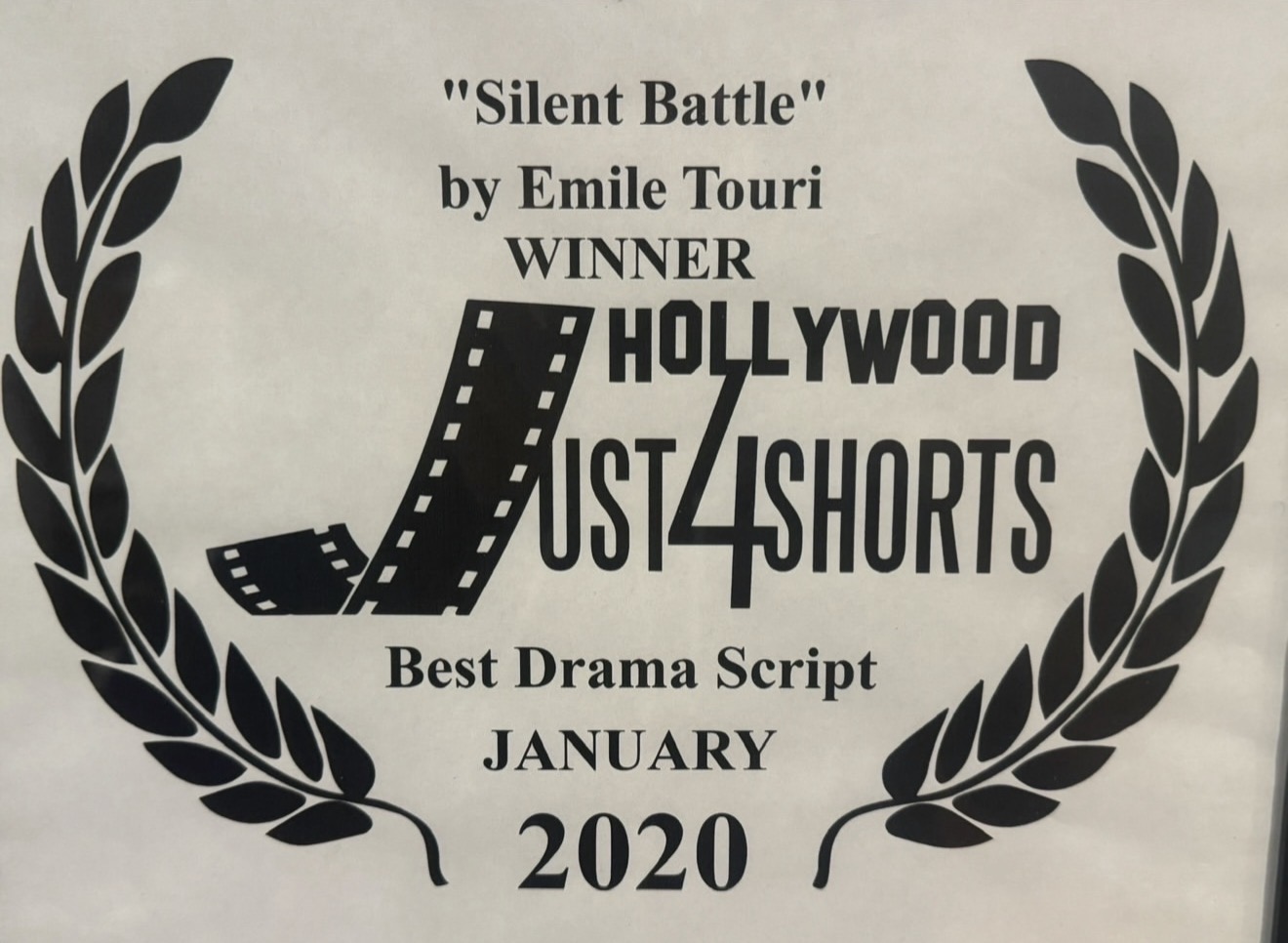
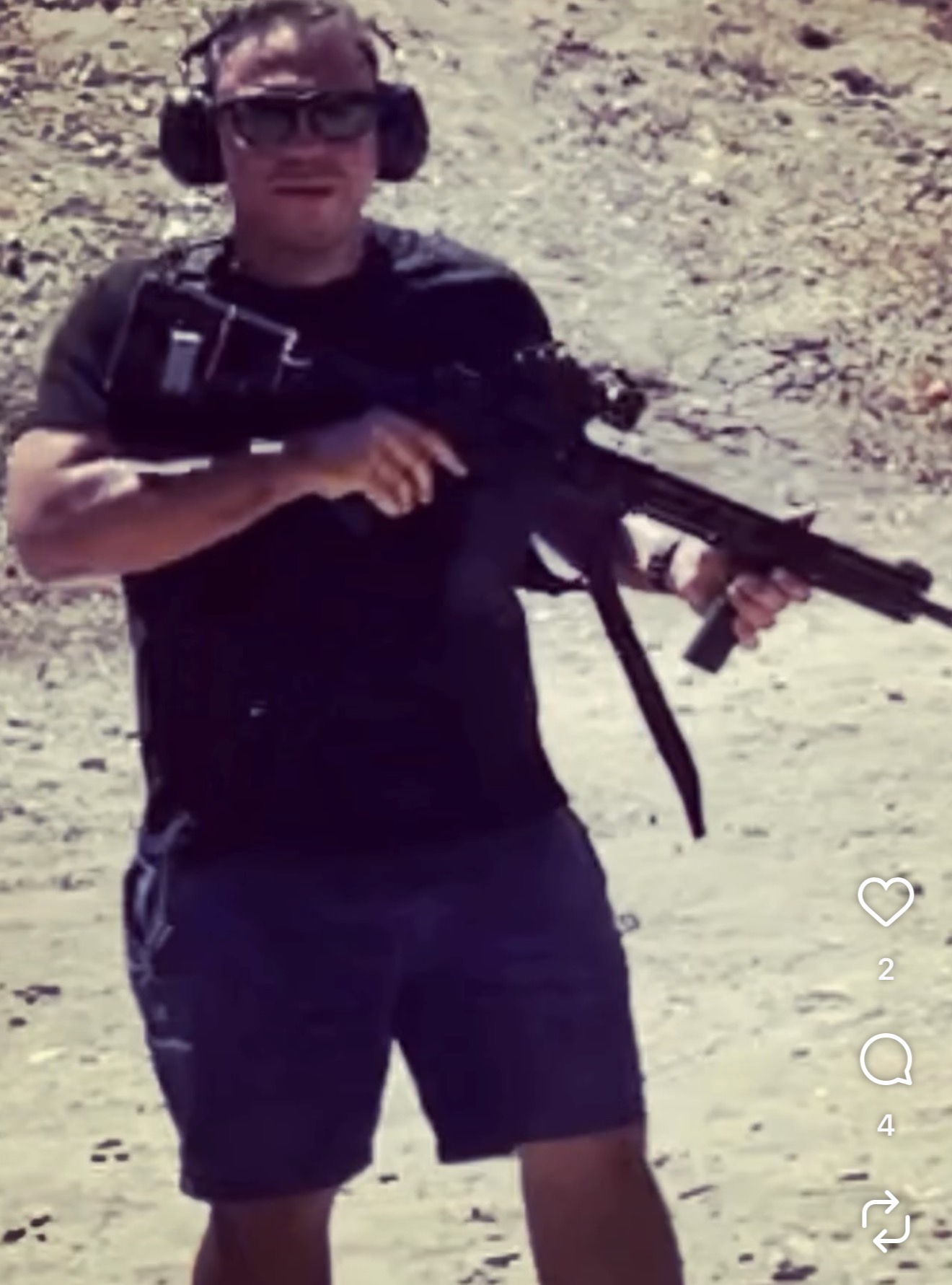

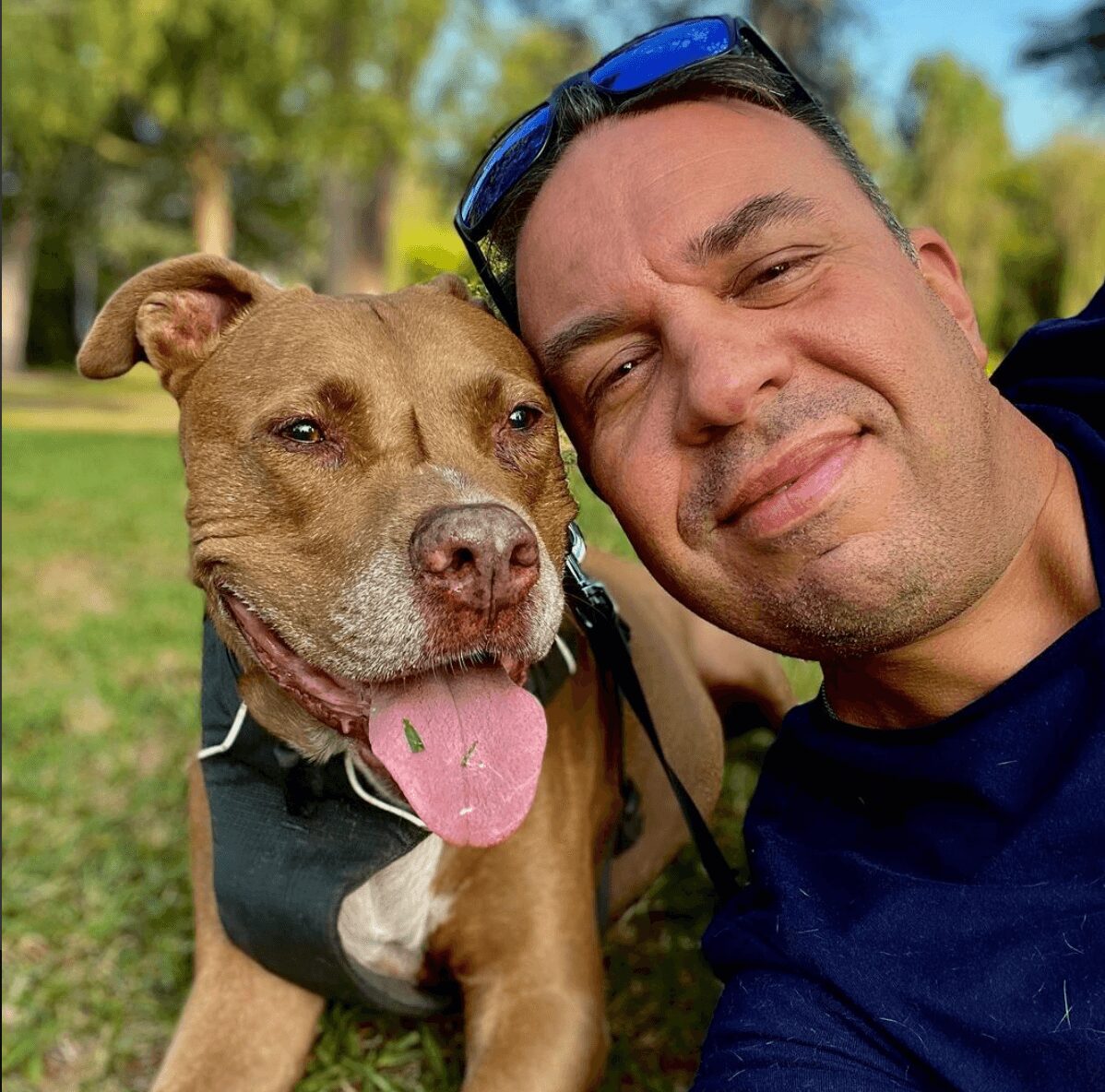
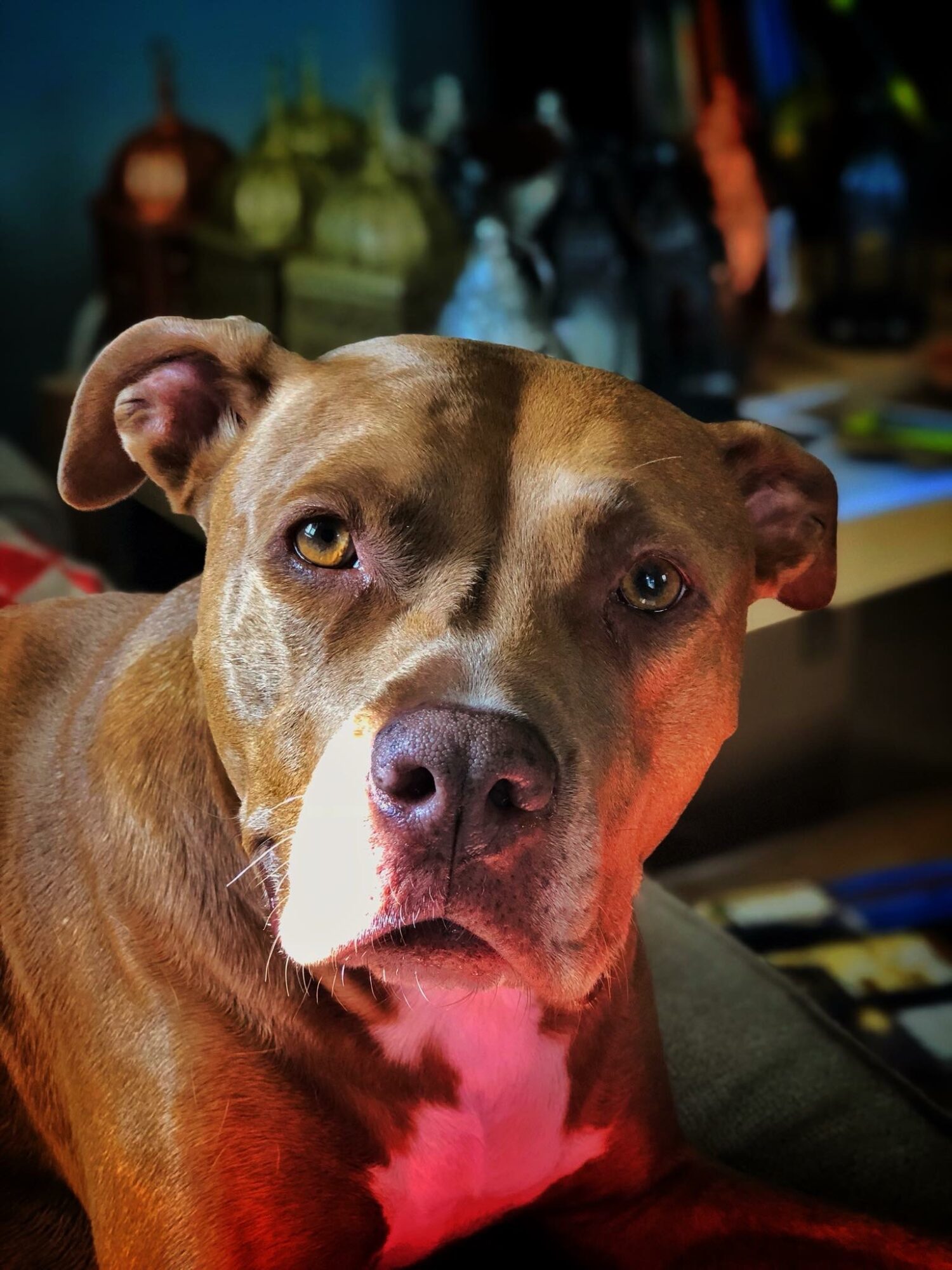
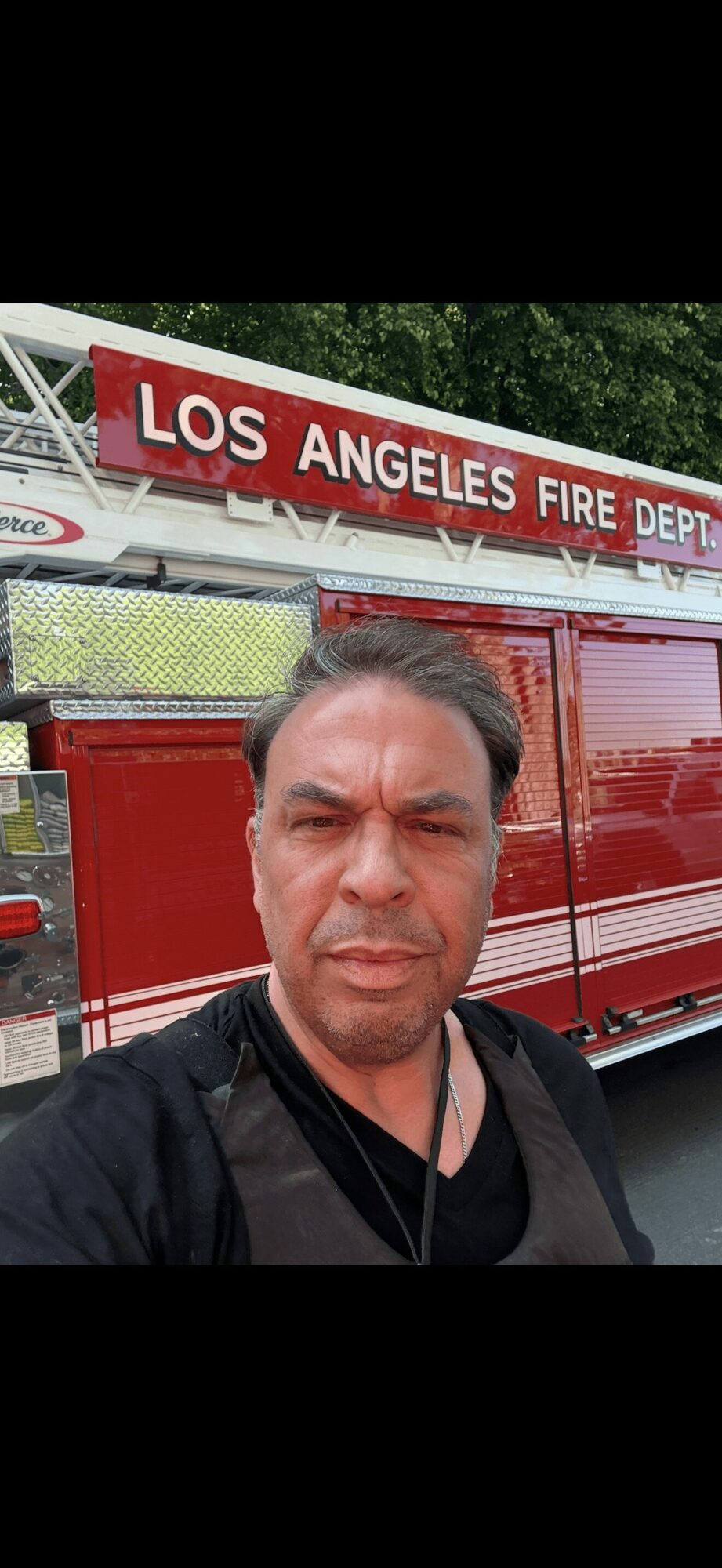
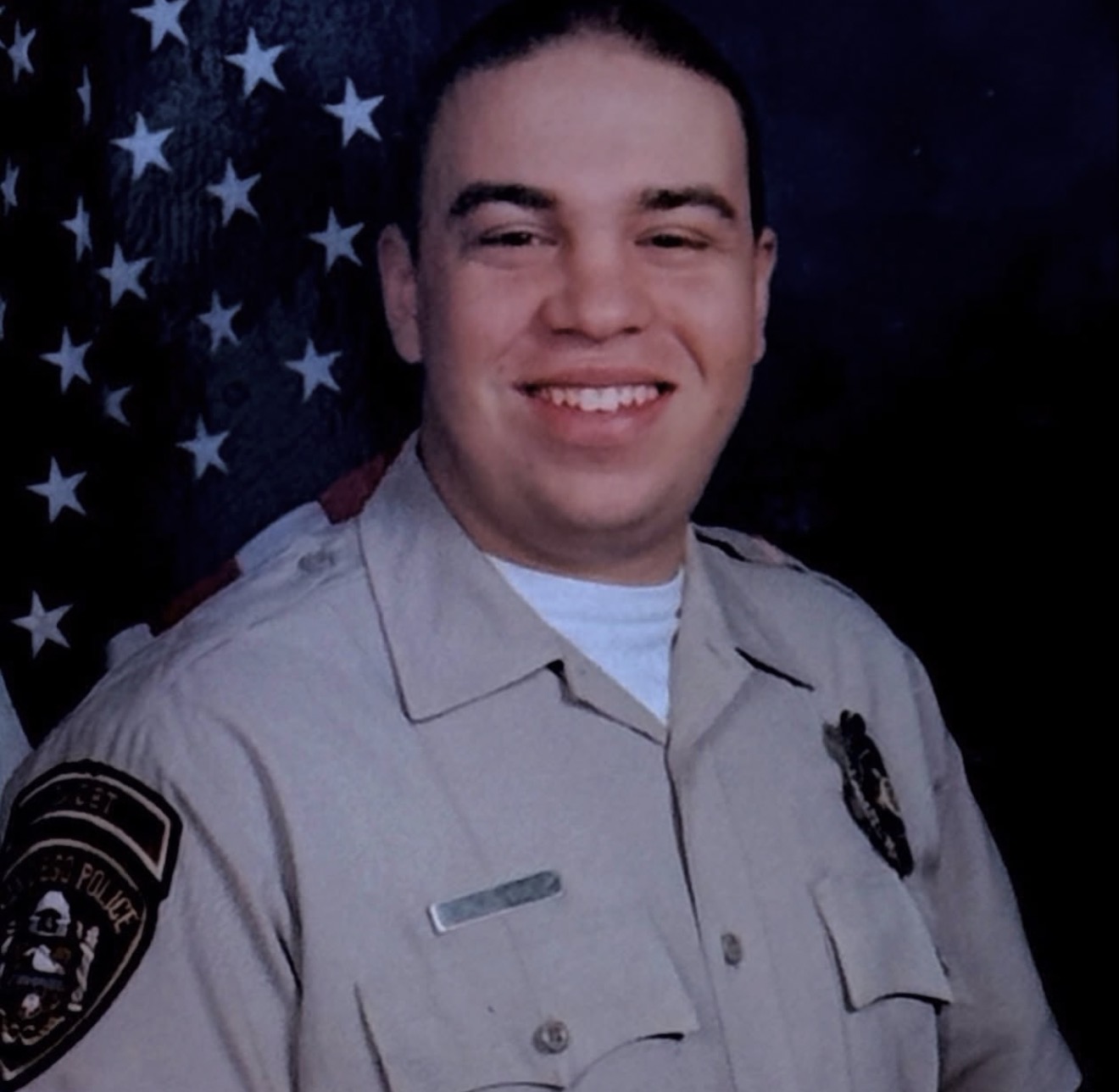
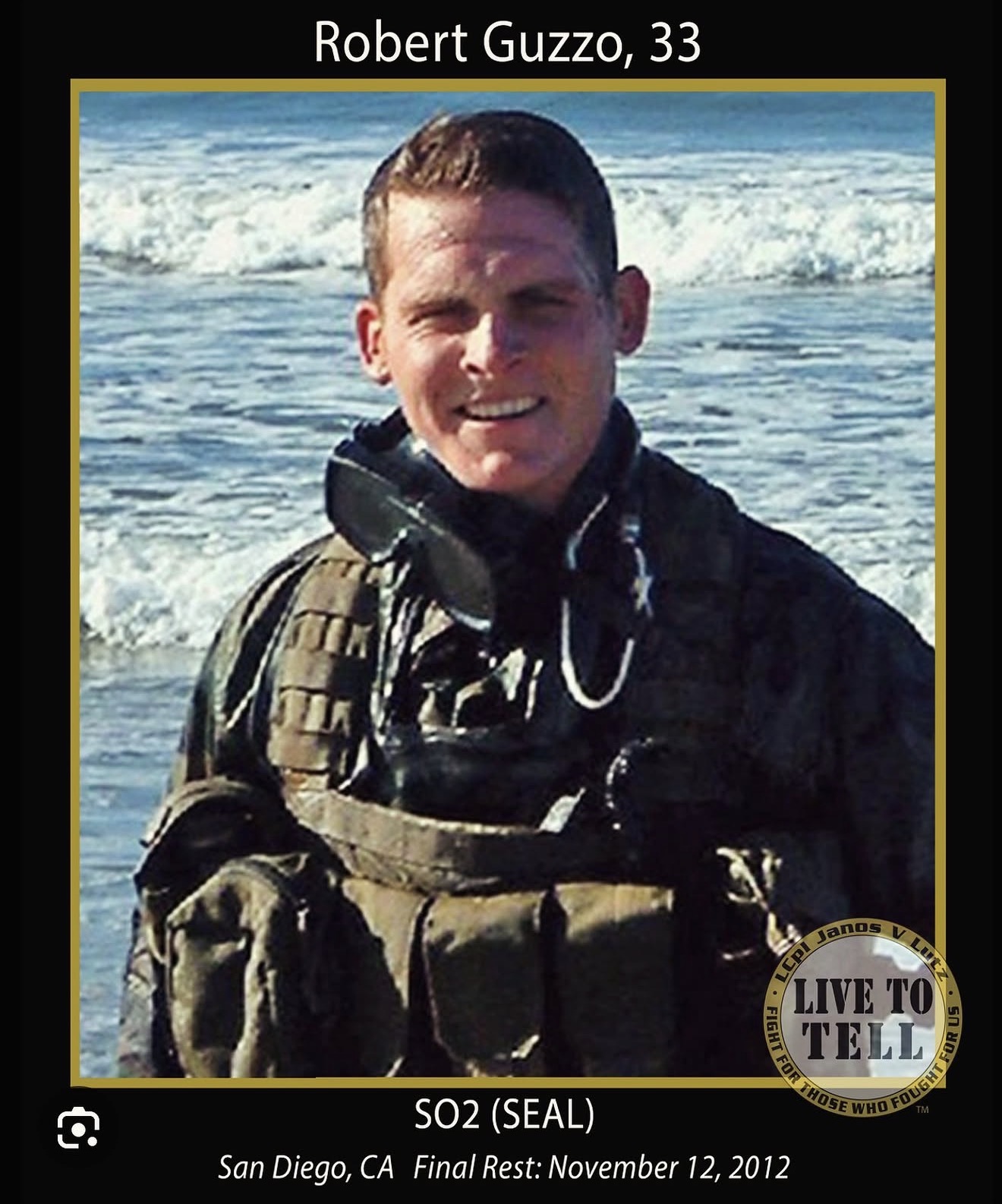
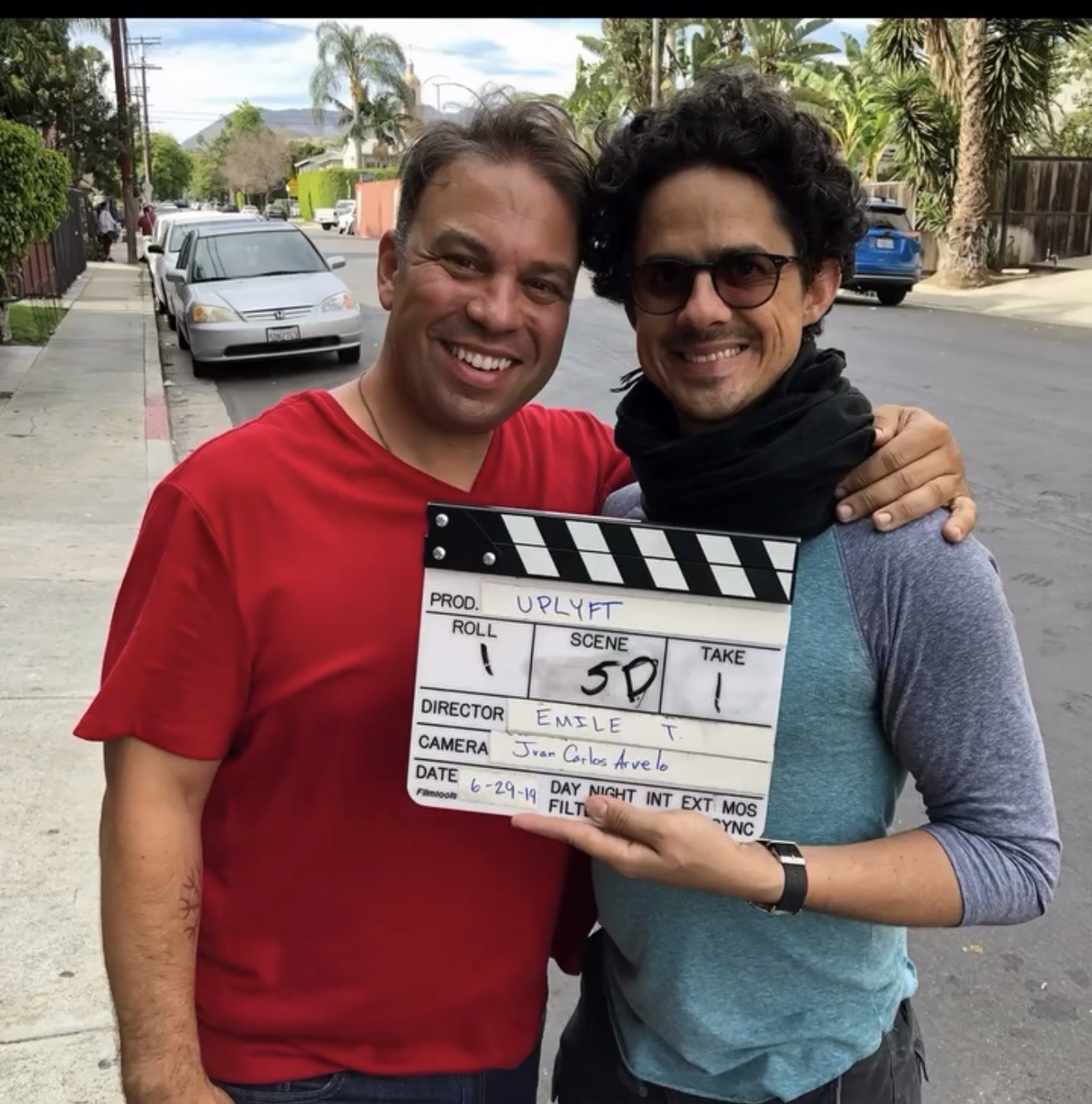
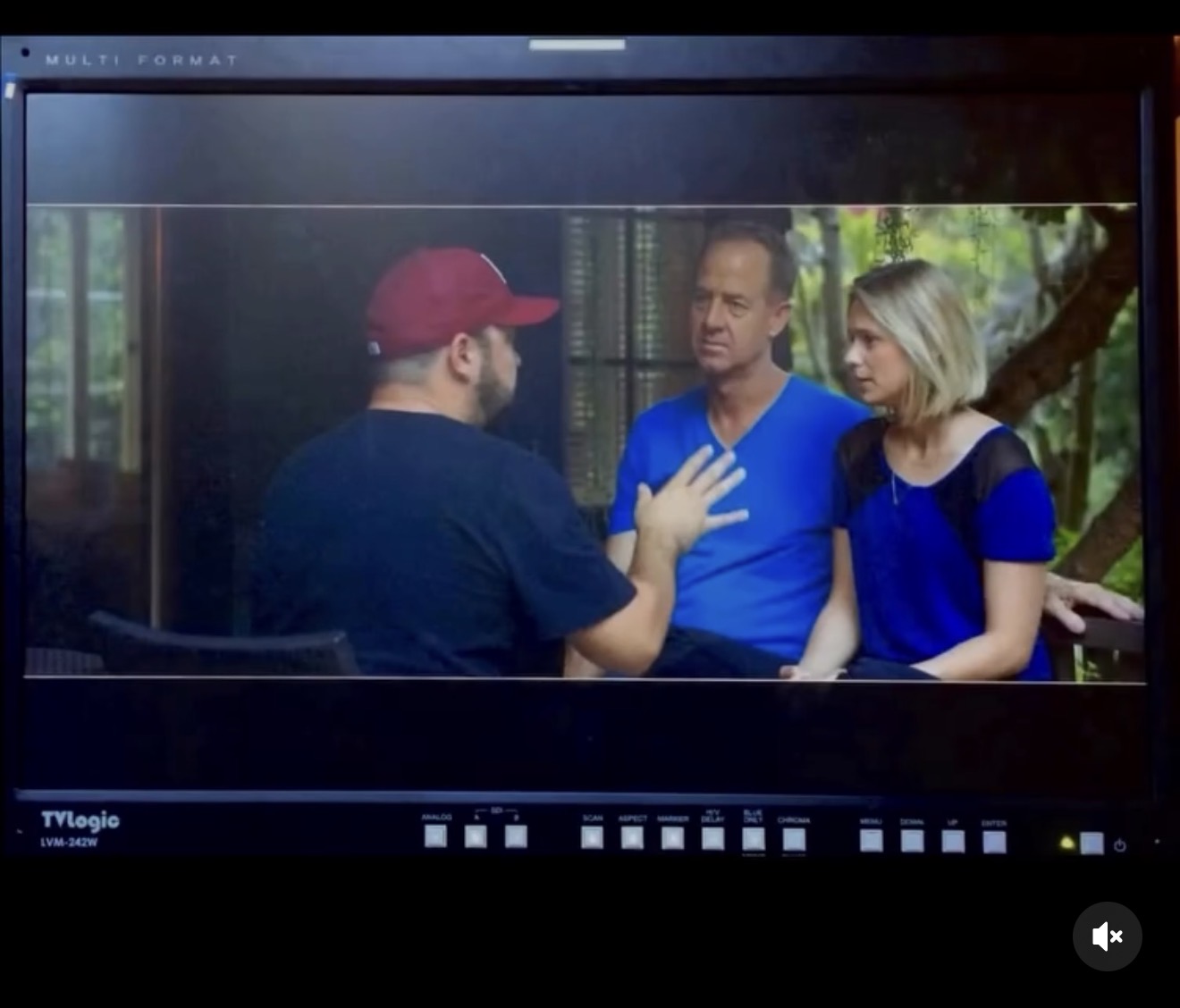
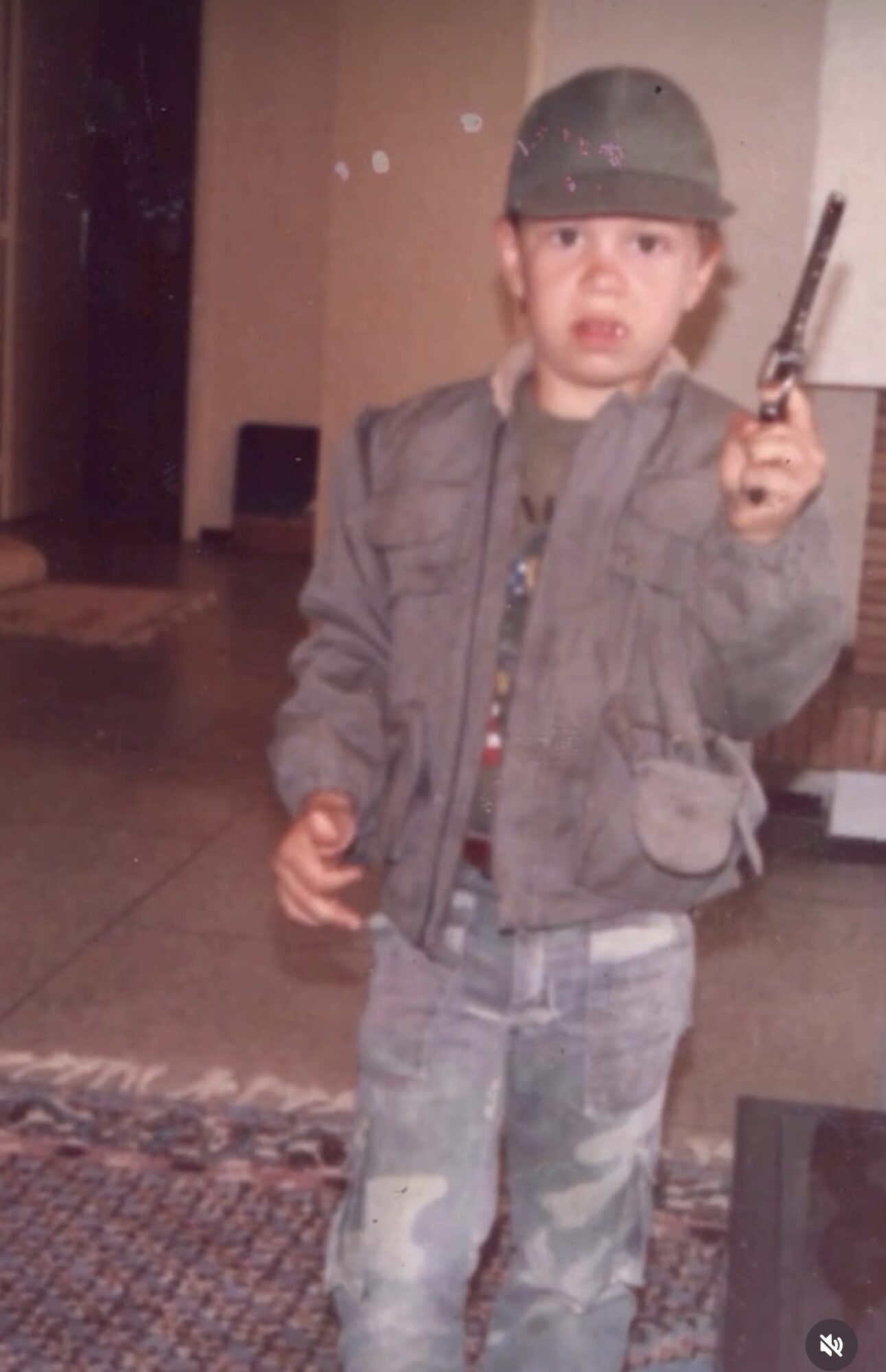

Image Credits
All image credits belong to Sami Emile Touri and/or Jessica Lauren Morgan aka Juice Morgan
Popular
-

Maagic Collins on Building a Fearless Publishing Platform for Truth, Advocacy, and Underrepresented Voices
-
Los Angeles Barea on Turning Green Superheroes into a Global Movement for Youth-Led Change
-

Trisha DuVivier on Bridging the Franchisor–Franchisee Divide with Workhero and “Franulate”
-

Portraits of the Valley
-

LA’s Most Inspiring Stories
-

Cedar Boschan on Elevating Black Music Rights and Driving Urgent Conversations Around Credit, Equity, and Artist Protection


