




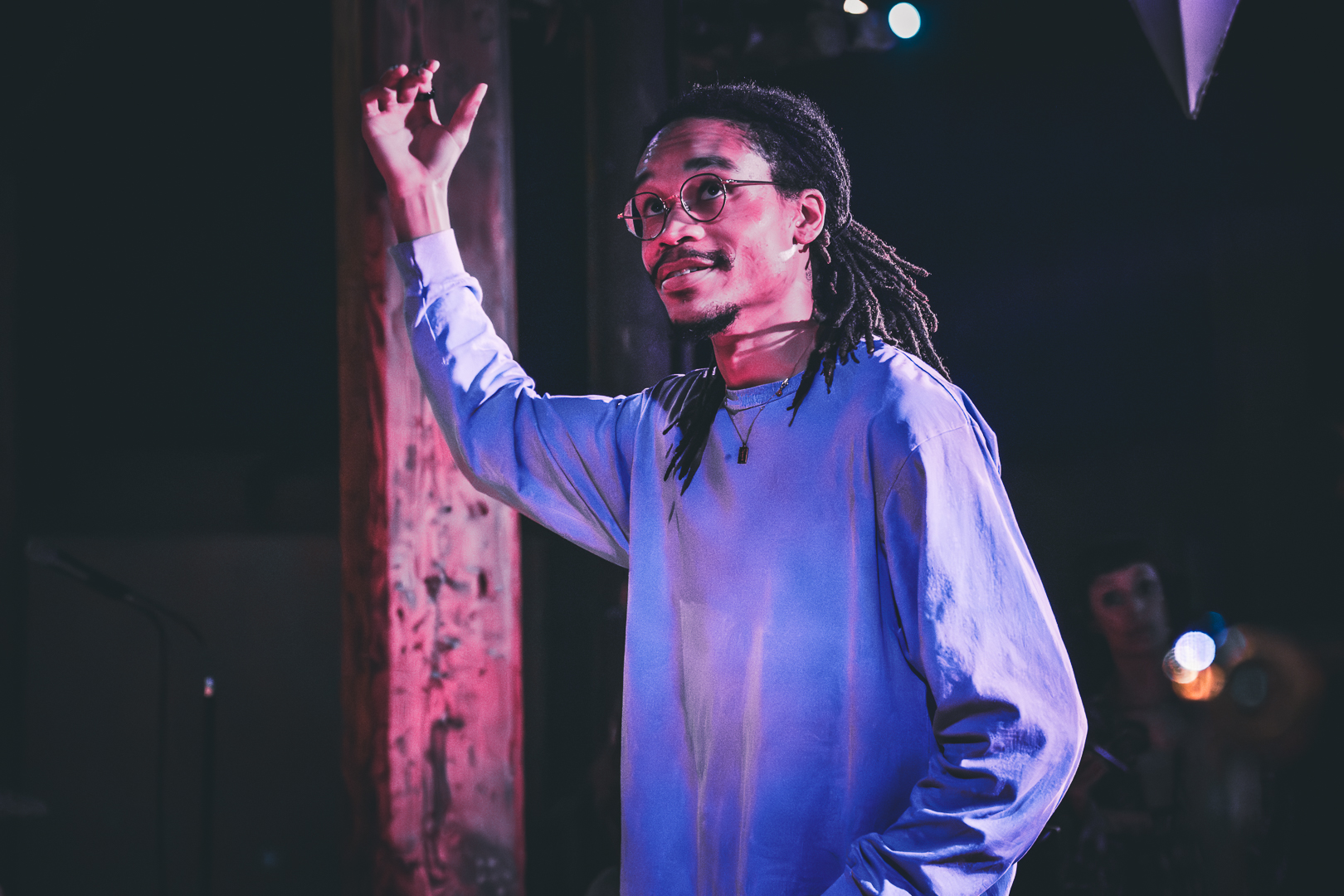
Today we’d like to introduce you to Nicholas Sapp.
Hi Nicholas, thanks for sharing your story with us. To start, maybe you can tell our readers some of your backstory.
Yeah! I’ve always loved to dance since age 10. I started out self-taught by mimicking the greats like Michael Jackson and James Brown, watching shows like So You Think You Can Dance and America’s Best Dance Crew, and copying whoever I saw that inspired me on YouTube. At age 19, I was introduced to the street dance community in Chicago and started down the path of competing heavily, training with my crew, and really learning just how deep the street dance world goes. I almost flunked out of college because I spent too much time dancing; however, the passion never left even when I had to focus more on my studies. Post-college, I worked in higher education back home in Atlanta for six years, teaching street dance classes and traveling sporadically over the years. I started my business a little over half a year before I left higher ed, so I’m still in the nascent stages. I’m loving it nonetheless!
Initially, I started with content tailored towards the global Popping community with my podcast Poplock Parables. Over a few years, I started learning more about Atlanta Yeek, Atlanta’s original hip-hop dance style. I noticed that, outside of Memphis Jookin, Southern hip hop dance styles aren’t well known in the global street dance community. As such, I made it my mission to spread awareness of Atlanta Yeek as well as educate folks on hip hop dance across the South. Many states like Florida, Texas, and Louisiana have their own unique dance cultures that look quite different from what’s come out of New York or California, and I wanted to do my part to document and codify what I can while people are still here.
I’m sure it wasn’t obstacle-free, but would you say the journey has been fairly smooth so far?
Nope, not at all! A big thing I find is that street dance across the South lives on heavily via oral history and nostalgia, especially if the structures aren’t there for existing culture to persist over time. New Orleans, for example, has kept their Second Line traditions going on for centuries through institutional social clubs. For Atlanta, however, so much of the documentation on hip-hop is about the music, especially from 1995 onwards, but there is at least a decade of history prior for which the only way you would know is by talking to folks who would have been teens or young adults during the FreakNik era. And that seems to carry across the South in my research. There’s a big “if you know, you know” aspect that can make research quite difficult.
I think the other big thing is some of the intra-community dynamics with which I’ve had to contend. I’ve only directly dealt with a small part of it, but I have been told multiple times that various elders in my community aren’t satisfied with the work that I do: teaching live classes, providing educational content online, and developing recognition as a cultural authority and expert. I noticed that my classes and content wouldn’t get shared on social media of my predecessors for about a year’s time; however, once I submitted our history into a street dance archive, the reception seemed to change overnight. Ha!
Thanks for sharing that. So, maybe next you can tell us a bit more about your work?
Right now in Atlanta I teach live classes on Popping and Atlanta Yeek. Online, I provide educational content about the role of the South in street dance: how certain party moves come from earlier dances; why you don’t see Southern dance culture represented heavily outside of the US; the different street dances that exist across the South. My most popular content by far has been connecting party dances like Ciara’s “1, 2, Step” or Columbus, GA’s Hit Dem Folks back to their origins in Atlanta Yeek culture, what some would call dance anthropology or ethnochoreology. Another was a 6-part series of videos I did breaking down the different meanings behind “hip hop dance” in the US, and how that translates to how hip hop dance is perceived by mainstream, commercial entities as well as street dance communities globally. Overall, I do well in bringing to light the conversations “no one is having” or the conversations people have had amongst themselves privately, but didn’t realize others were thinking about similarly. That, and people say I have a gift for breaking down the complexities and nuances of dances into easily digestible terms for both academics and lay folk. History, context, culture, technical application, physiology, all combined when I teach.
As far as I am aware, while I’m not the first to bring awareness to Yeek by any means, I am definitely poised to spread awareness most broadly and most deeply. What I mean by that, is, for many people, especially Millennials and younger, I am the first person from whom they have even heard of Atlanta Yeek, or other Southern hip hop dance styles, and that claim is magnified once we start talking about populations outside the US. Furthermore, I am the first to get Yeek into street dance archives, and I know that I am one of a relatively small group of people able to organically relate and trace (Black American) dance lineages to each other.
Any advice for finding a mentor or networking in general?
Most dance mentors that I have had have been pure happenstance. My very first dance teacher, Popping Chuck, told me I wasn’t executing a Locking move properly, and he helped me on the spot. That sparked a lifelong friendship. I was always the person who would be minding their business, getting down, and an OG approaches me and gives me a private lesson on the side. The number one thing that I have been told makes me exciting to mentor is that I move earnestly and I study. I liken it to the elder who appreciates that you listen to their stories, or the professor who gets excited that you want to talk about their research. And here you come along not only taking in what they give you, but also broadening their perspective as well.
The other point that has worked well for me is to try not to get into unnecessary conflicts. A peer recently told me that my reputation in my local scene is super solid, and I attribute that to the fact that I stay cool and kind. Even when I don’t like someone, I keep my thoughts to myself. I’ve seen too many of my peers get into some sort of personal conflict, then it explodes onto social media and stays there forever. I think most people in street dance communities know that the various elders are notorious for not getting along, but that doesn’t necessarily need to become your problem, too, you know?
Contact Info:
- Instagram: https://www.instagram.com/southernkinetics/
- LinkedIn: https://www.linkedin.com/in/nsapp612/
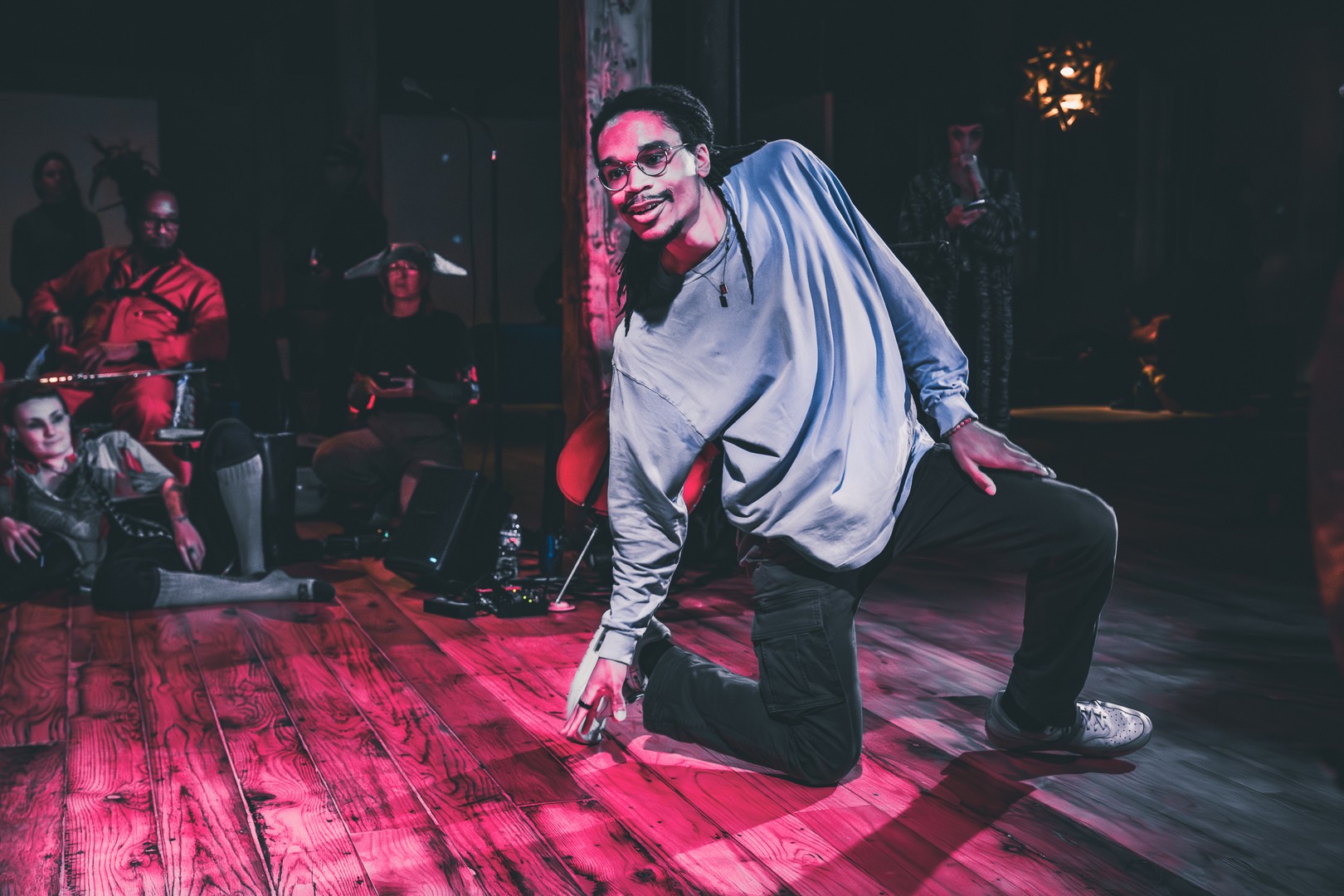
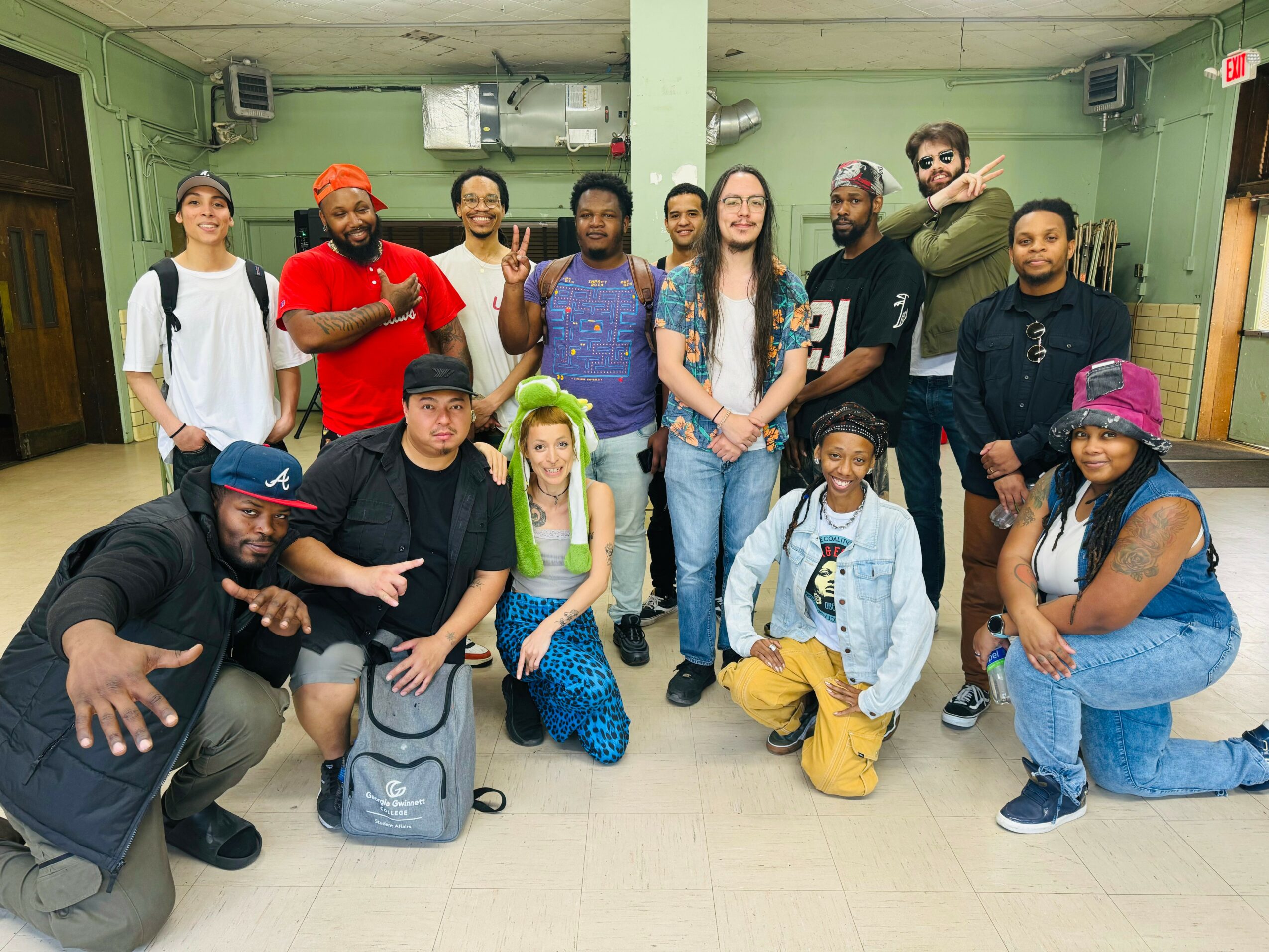
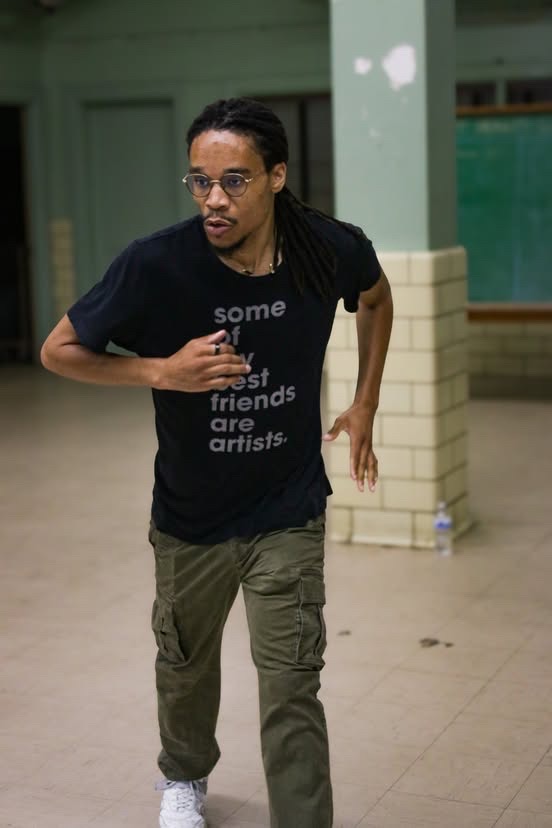
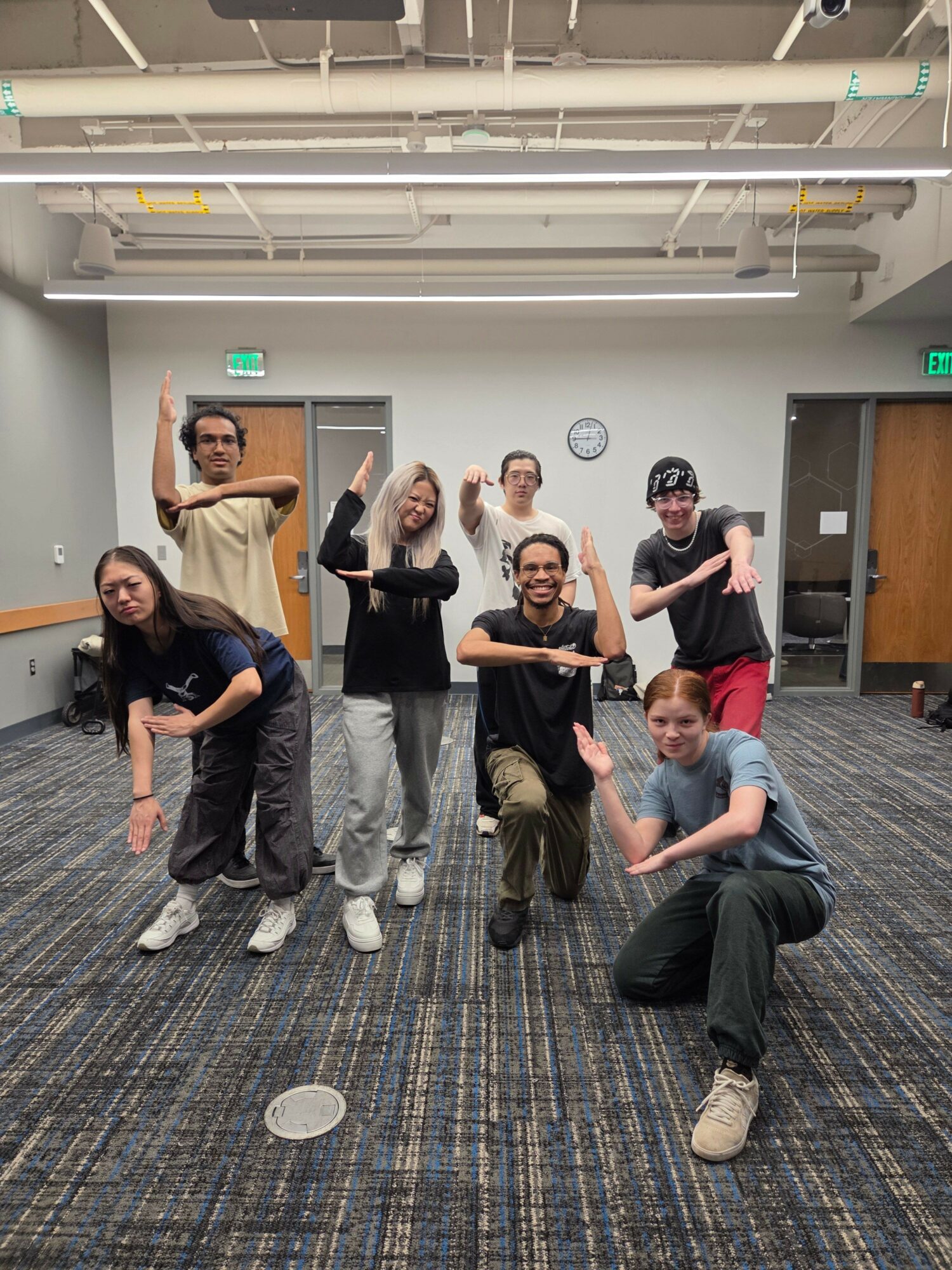
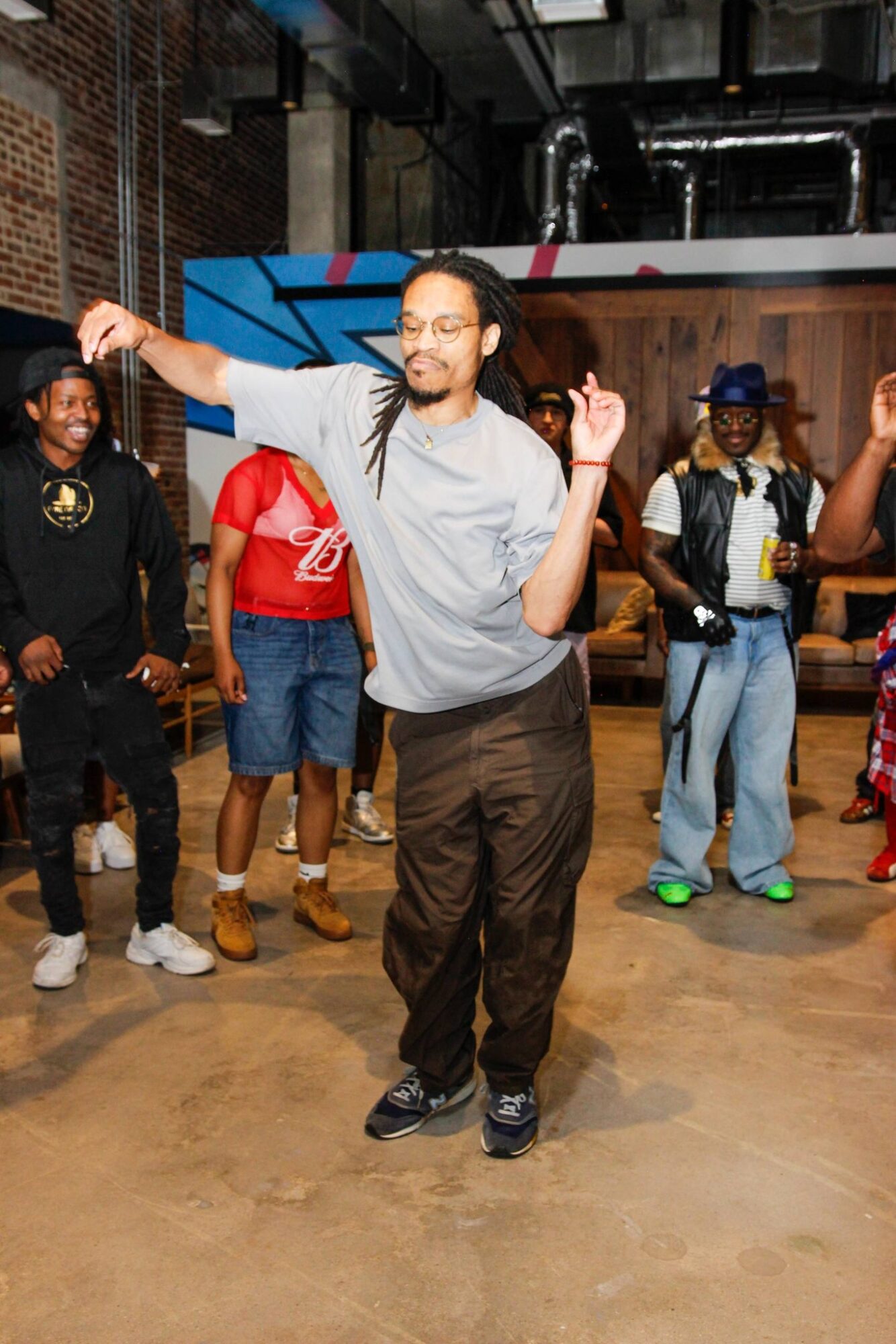
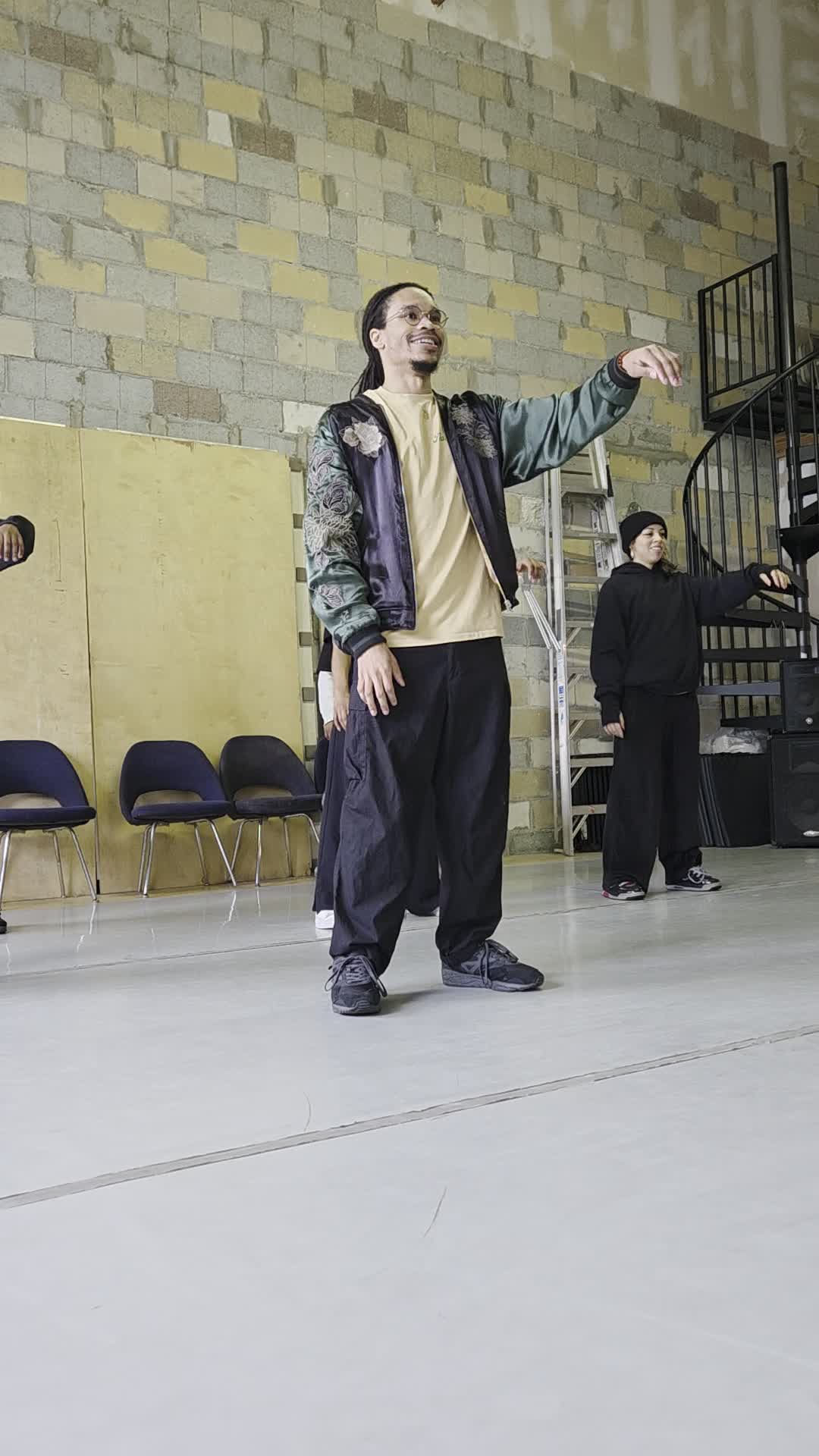
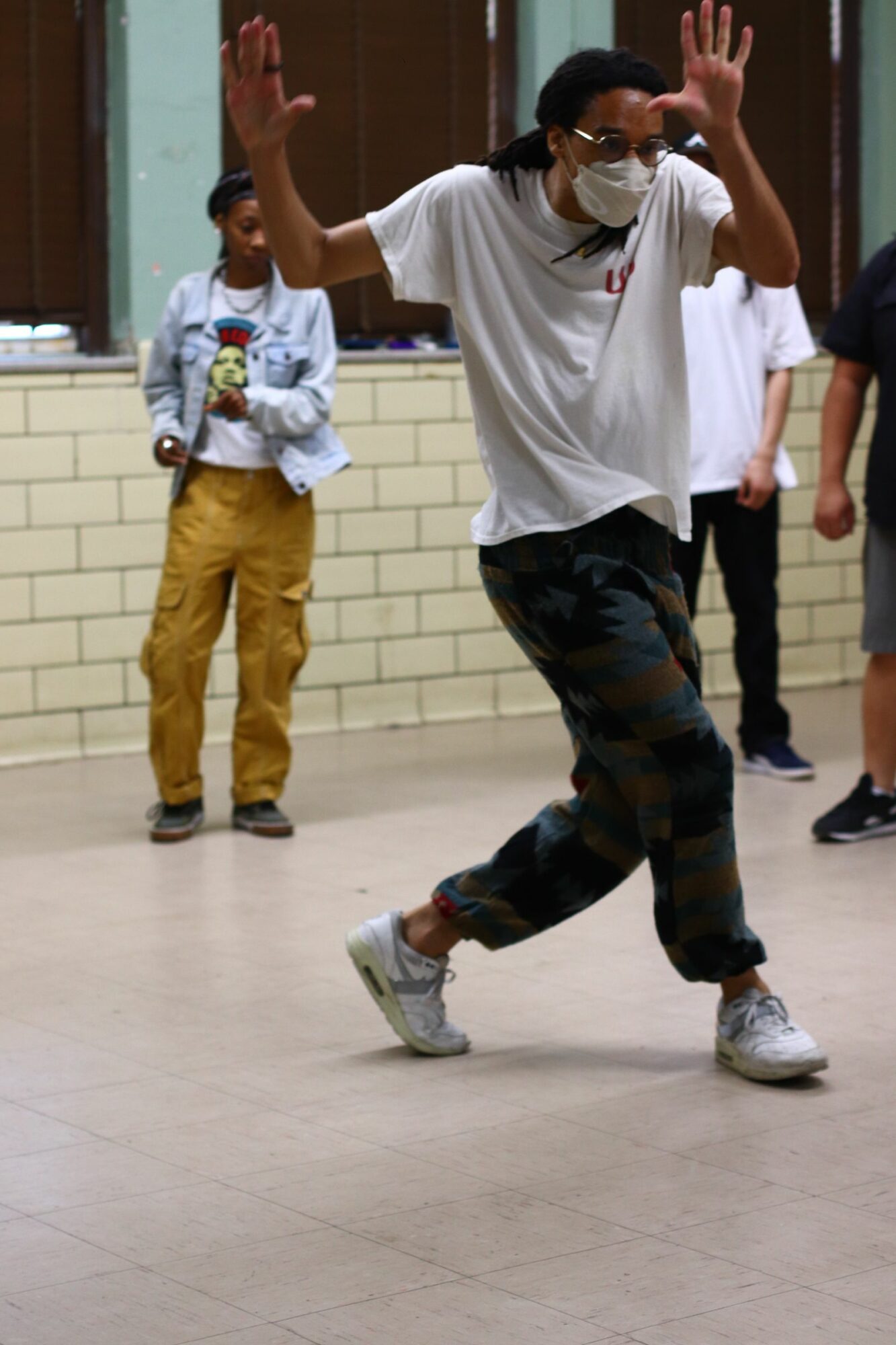
Image Credits
Anthony “FyreFli” Gasaway
Joy “Kuma” Gasaway
Luciana Arias
Nicholas Sapp
Ricardo “Sickflo” Valentine
Popular
-

Maagic Collins on Building a Fearless Publishing Platform for Truth, Advocacy, and Underrepresented Voices
-
Los Angeles Barea on Turning Green Superheroes into a Global Movement for Youth-Led Change
-

Trisha DuVivier on Bridging the Franchisor–Franchisee Divide with Workhero and “Franulate”
-

Portraits of the Valley
-

LA’s Most Inspiring Stories
-
Cedar Boschan on Elevating Black Music Rights and Driving Urgent Conversations Around Credit, Equity, and Artist Protection


