




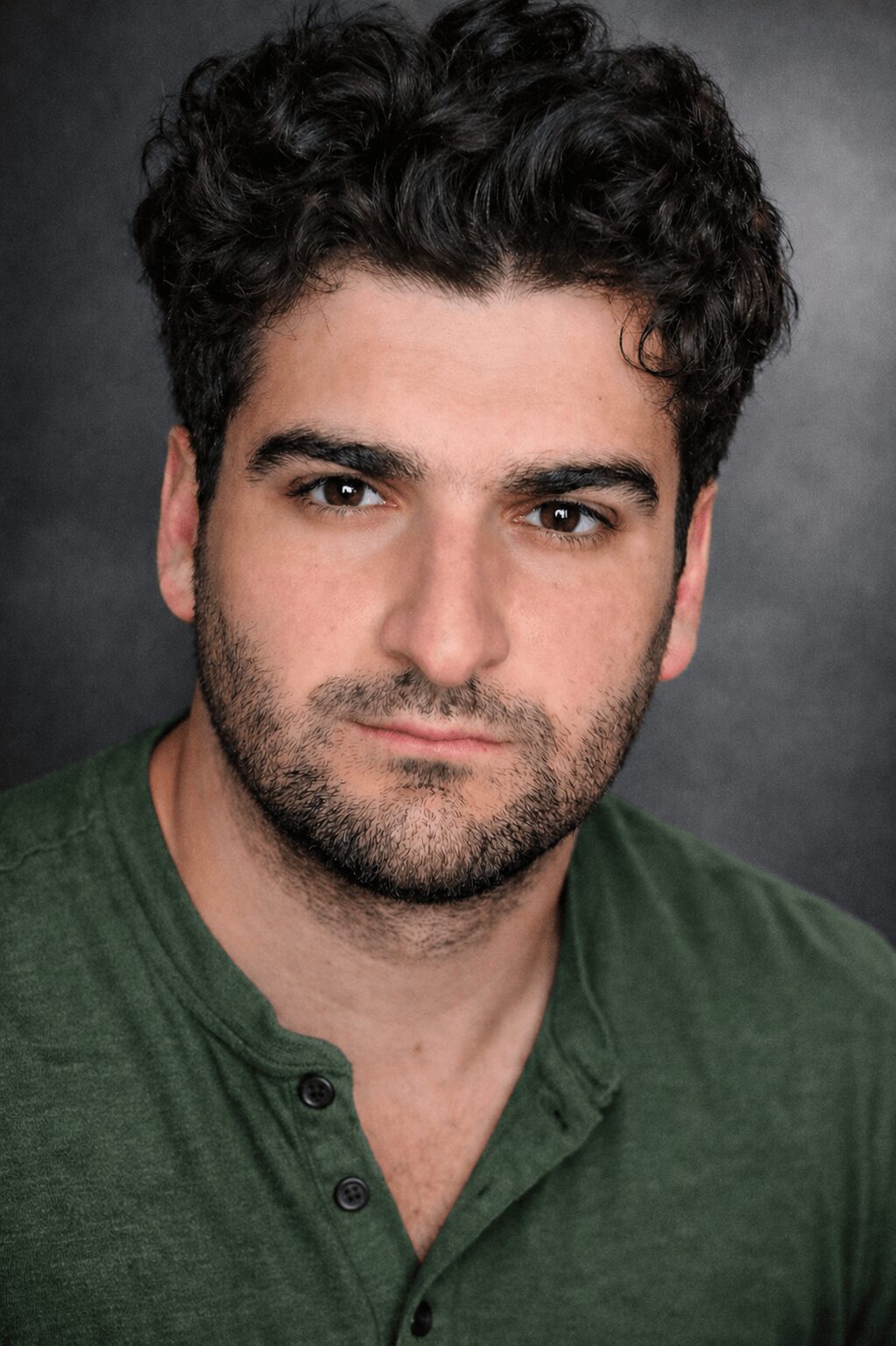
Today we’d like to introduce you to Shalom Kolontarov.
Hi shalom, so excited to have you with us today. What can you tell us about your story?
**SHALOM KOLONTAROV: THE UNDERGROUND CREATOR BUILDING A CINEMATIC EMPIRE FROM SOUTH FLORIDA**
Before the red carpets. Before the Hollywood headlines. Before the studios started paying attention — Shalom Kolontarov was already creating his own universe.
Working by day as a barber in South Florida while developing films, books, music, digital platforms, and original intellectual property at night, Kolontarov has quietly built one of the most ambitious independent creator brands emerging from the online entertainment world.
What started as independent storytelling evolved into a growing multi-platform franchise built around his flagship project, *Shalom Kolontarov: The Hero* — a dark fantasy/action/horror universe blending cinematic visuals, supernatural mythology, emotional drama, and psychological intensity.
The project has already earned international recognition across the independent film festival circuit, including:
* 21 Official Selections
* 15 Award Wins
* 6 Finalist Placements
* 4 Semi-Finalist Placements
* 1 Quarter-Finalist Placement
* 8 Nominations
* 9 Honorable Mentions
While many creators struggle to finish one screenplay, Kolontarov expanded the project into:
* a television pilot,
* a multi-volume book series,
* a comic adaptation,
* collectible trading card concepts,
* cinematic AI-driven promotional campaigns,
* soundtrack and music concepts,
* and serialized short-form visual storytelling designed for platforms like Instagram, TikTok, and YouTube.
His independent films and creative catalog continue growing, including titles such as:
* *The Holy Trinity*
* *Dreaming About Her*
* *Funny Brothers*
* *Sword. Heart. Stone*
* *Love Is Love*
But Kolontarov’s story isn’t just about filmmaking.
At the same time he pursued entertainment, he also explored entrepreneurship — developing concepts for streaming platforms, digital education brands, sponsorship marketplaces, and even a hybrid social-video dating application designed for the next generation of creator-driven communities.
His approach reflects a new era of independent entertainment: creators no longer waiting for permission from Hollywood, but building audiences directly through social media, digital platforms, and serialized content ecosystems.
What makes Kolontarov stand out is the scale of his vision.
While many independent filmmakers focus only on getting one movie made, he treats every project like the beginning of a franchise — complete with merchandising potential, expanded lore, social media strategy, music integration, and brand partnerships.
The visual identity surrounding his work has become increasingly recognizable online: cinematic posters, dark fantasy aesthetics, dramatic trailers, AI-assisted visual worlds, emotionally intense characters, and recurring themes of power, destiny, fame, survival, and transformation.
Industry insiders have started noticing the persistence behind the ambition.
From film festival circuits to development outreach campaigns, Kolontarov has spent years refining his projects, pitching concepts, building promotional systems, and positioning himself not only as an actor or filmmaker — but as a full-scale independent entertainment brand.
And perhaps the most surprising part?
Much of it was built outside the traditional Hollywood machine.
No major studio backing.
No billion-dollar production company.
No overnight viral breakthrough.
Just relentless output, experimentation, and a refusal to stop creating.
In an era where creators are becoming studios and social platforms are becoming distribution channels, Shalom Kolontarov represents a new type of entertainment entrepreneur — one blending cinema, digital storytelling, branding, music, fandom culture, and independent world-building into a single vision.
Hollywood may not fully know his name yet.
But if the momentum continues, it probably will soon.
I’m sure it wasn’t obstacle-free, but would you say the journey has been fairly smooth so far?
Here’s a polished LA Magazine-style answer for the “Obstacles/Challenges” section:
It definitely has not been a smooth road.
One of the biggest challenges has been building everything independently without major studio backing, major investors, or a large production team behind me. A lot of people only see the posters, awards, trailers, and finished projects — but they don’t see the years of work, sacrifices, setbacks, and constant pressure it takes to keep creating consistently.
I’ve had to balance multiple worlds at once. While pursuing filmmaking, acting, writing, and building entertainment brands, I was also working as a barber in South Florida to support myself financially. There were times I would spend long days working and then stay up late developing scripts, editing promotional material, contacting festivals, building campaigns, or creating content for social media.
Another challenge has been trying to break into an industry that is extremely competitive and difficult for independent creators. Hollywood is not easy to access when you are building from the outside. You face rejection, unanswered emails, financial limitations, and people doubting your vision. Sometimes you have to create opportunities for yourself because nobody is handing them to you.
Funding has also been a major obstacle. Developing films, books, marketing campaigns, trailers, visual effects, music, and promotional content requires significant resources. A lot of the projects were built piece by piece over time through persistence and reinvesting back into the work.
There were also technical and creative challenges — learning new platforms, adapting to changing media trends, experimenting with AI-driven storytelling tools, understanding marketing, distribution, branding, and trying to grow an audience independently in a crowded digital world.
But honestly, those struggles helped shape me.
They forced me to become more creative, more adaptable, and more determined. Instead of waiting for the perfect opportunity, I kept building. Every setback became motivation to improve the next project and push the vision further.
I think the biggest lesson through all of it is that success in entertainment is rarely overnight. Most people only notice the moment something breaks through publicly, but they don’t see the years of persistence behind it.
For me, the journey has always been about continuing to create no matter what obstacles appear in front of me.
Thanks – so what else should our readers know about your work and what you’re currently focused on?
I’m a filmmaker, actor, writer, producer, and creative entrepreneur focused on building cinematic worlds across multiple platforms. My work blends film, television, books, music, digital storytelling, and visual branding into larger entertainment franchises designed to connect emotionally and visually with audiences.
I specialize in cinematic storytelling that mixes action, horror, fantasy, thriller, drama, and psychological themes. A lot of my projects explore ambition, destiny, power, survival, transformation, and the emotional struggles people face while chasing something greater in life. Visually, I’m known for creating dark, dramatic, emotionally intense worlds with strong cinematic aesthetics and ambitious world-building.
One of the projects I’m most known for is *Shalom Kolontarov: The Hero*, which started as a screenplay and evolved into a larger multi-platform franchise that includes books, visual campaigns, comic concepts, and serialized digital content. The project has received international recognition on the independent film festival circuit with:
* 21 Official Selections
* 15 Award Wins
* 6 Finalist Placements
* 4 Semi-Finalist Placements
* 1 Quarter-Finalist Placement
* 8 Nominations
* 9 Honorable Mentions
I’ve also created and developed projects such as:
* *The Holy Trinity*
* *Dreaming About Her*
* *Funny Brothers*
* *Sword. Heart. Stone*
What I’m most proud of is the fact that I built much of this independently. I didn’t come from a major Hollywood system or large studio environment. A lot of the work was created while balancing everyday responsibilities and building projects from the ground up through persistence, creativity, and constant reinvention.
I think what sets me apart is that I don’t look at storytelling as just making a single film. I approach every project like a larger universe or entertainment brand. I’m constantly exploring new ways to combine cinema, social media, music, AI-assisted visuals, branding, audience engagement, and digital culture into one connected experience.
I’m also not afraid to experiment. Whether it’s adapting projects into books, creating serialized short-form visual stories for social platforms, developing collectible concepts, or blending traditional filmmaking with emerging technologies, I’m always trying to push creative boundaries and evolve with where entertainment is heading.
At the core of everything I create is one goal: building stories and worlds that leave a strong emotional and visual impact on people.
In terms of your work and the industry, what are some of the changes you are expecting to see over the next five to ten years?
I believe the entertainment industry is entering one of the biggest transformations in its history over the next 5–10 years.
The traditional system where only major studios controlled distribution, marketing, and audience reach is changing rapidly. Independent creators now have direct access to global audiences through social media, streaming platforms, AI-powered tools, and digital communities. We’re moving into an era where creators can build full entertainment brands without waiting for permission from Hollywood.
One of the biggest shifts will be the blending of platforms. Film, television, music, gaming, books, social media, livestreaming, and interactive content are all starting to merge together into connected entertainment ecosystems. Audiences no longer just want to “watch” content — they want to experience worlds, follow characters daily, engage with creators directly, and become part of larger communities around a brand or story.
I also think short-form storytelling will continue becoming more important. Platforms like TikTok, Instagram Reels, and YouTube Shorts have changed audience behavior dramatically. Attention spans are shorter, but at the same time audiences are consuming more content than ever before. Creators who understand how to combine cinematic storytelling with short-form engagement will have a major advantage.
Artificial intelligence will also play a huge role in the future of entertainment. AI is already changing visual effects, editing, concept development, marketing, dubbing, animation, music production, and promotional campaigns. I think the creators who succeed will be the ones who learn how to use these tools creatively rather than fear them. AI will not replace human creativity, but it will dramatically expand what independent creators can produce with smaller budgets.
Another major trend will be the rise of creator-owned intellectual property. More artists and filmmakers are realizing the value of owning their stories, characters, and brands instead of giving away full control. Franchises, universes, and long-term world-building will become increasingly important because audiences connect deeply with ongoing stories and recognizable brands.
I also believe global entertainment influence will continue expanding. Audiences today are watching content from all over the world — Korean dramas, anime, European thrillers, international music, streaming originals, independent films, and creator-driven content. The barriers between countries and entertainment markets are becoming smaller.
At the same time, the industry will remain highly competitive. There is more content being released than ever before, so branding, originality, consistency, and audience connection will matter even more. Creators won’t just need talent — they’ll need the ability to market themselves, build communities, and adapt quickly to changing technology and trends.
Personally, I think the future belongs to creators who can combine storytelling, technology, branding, and direct audience engagement into one powerful vision. The entertainment industry is no longer only about making movies or shows — it’s about building worlds, experiences, and long-term communities around creative ideas.
Contact Info:
- Website: https://linktr.ee/Shalom_fans
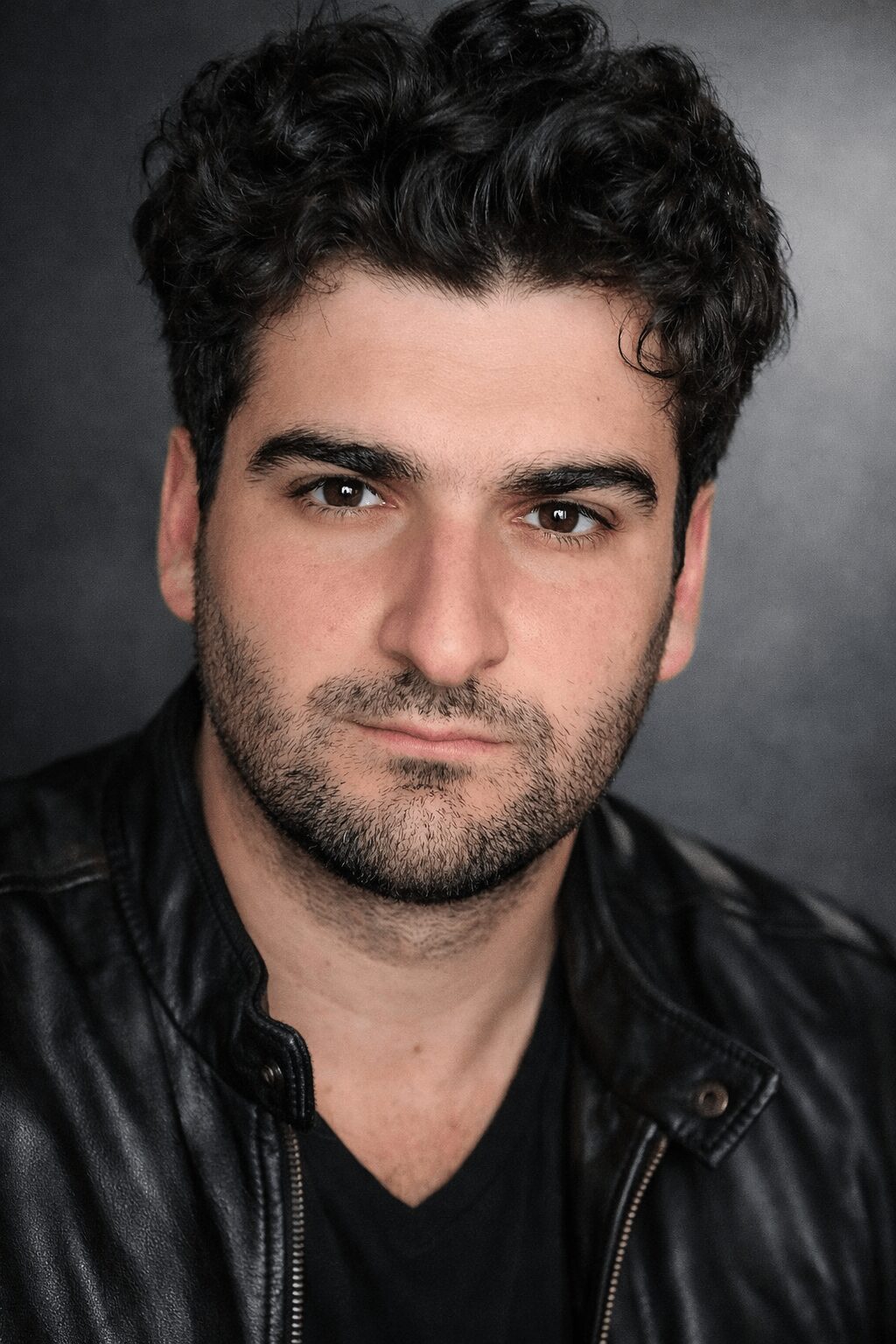
Image Credits
Shalom Kolontarov
Popular
-

Maagic Collins on Building a Fearless Publishing Platform for Truth, Advocacy, and Underrepresented Voices
-

Los Angeles Barea on Turning Green Superheroes into a Global Movement for Youth-Led Change
-

Trisha DuVivier on Bridging the Franchisor–Franchisee Divide with Workhero and “Franulate”
-

Portraits of the Valley
-

LA’s Most Inspiring Stories
-

Cedar Boschan on Elevating Black Music Rights and Driving Urgent Conversations Around Credit, Equity, and Artist Protection


