




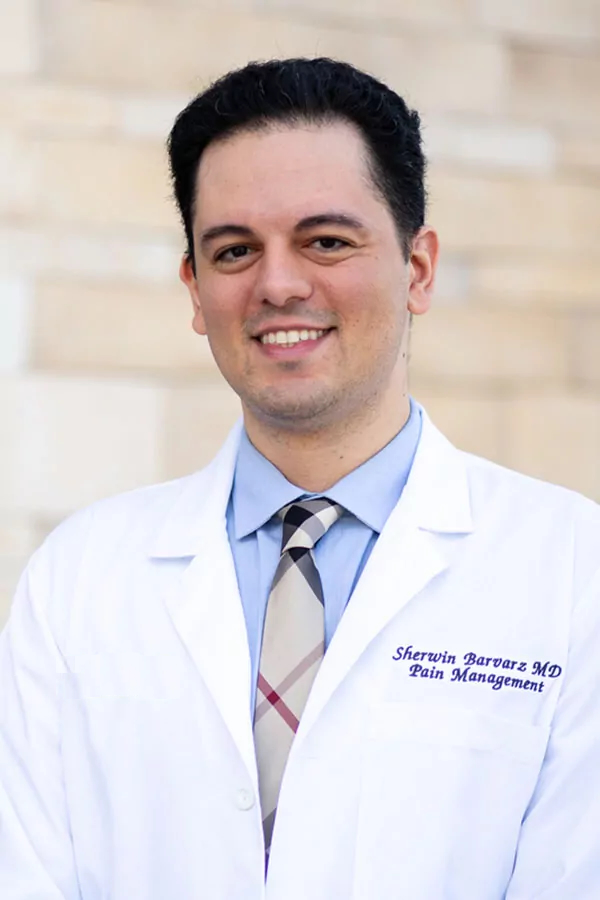
Today we’d like to introduce you to Sherwin Barvarz, M.D..
Hi Sherwin, so excited to have you on the platform. So before we get into questions about your work-life, maybe you can bring our readers up to speed on your story and how you got to where you are today?
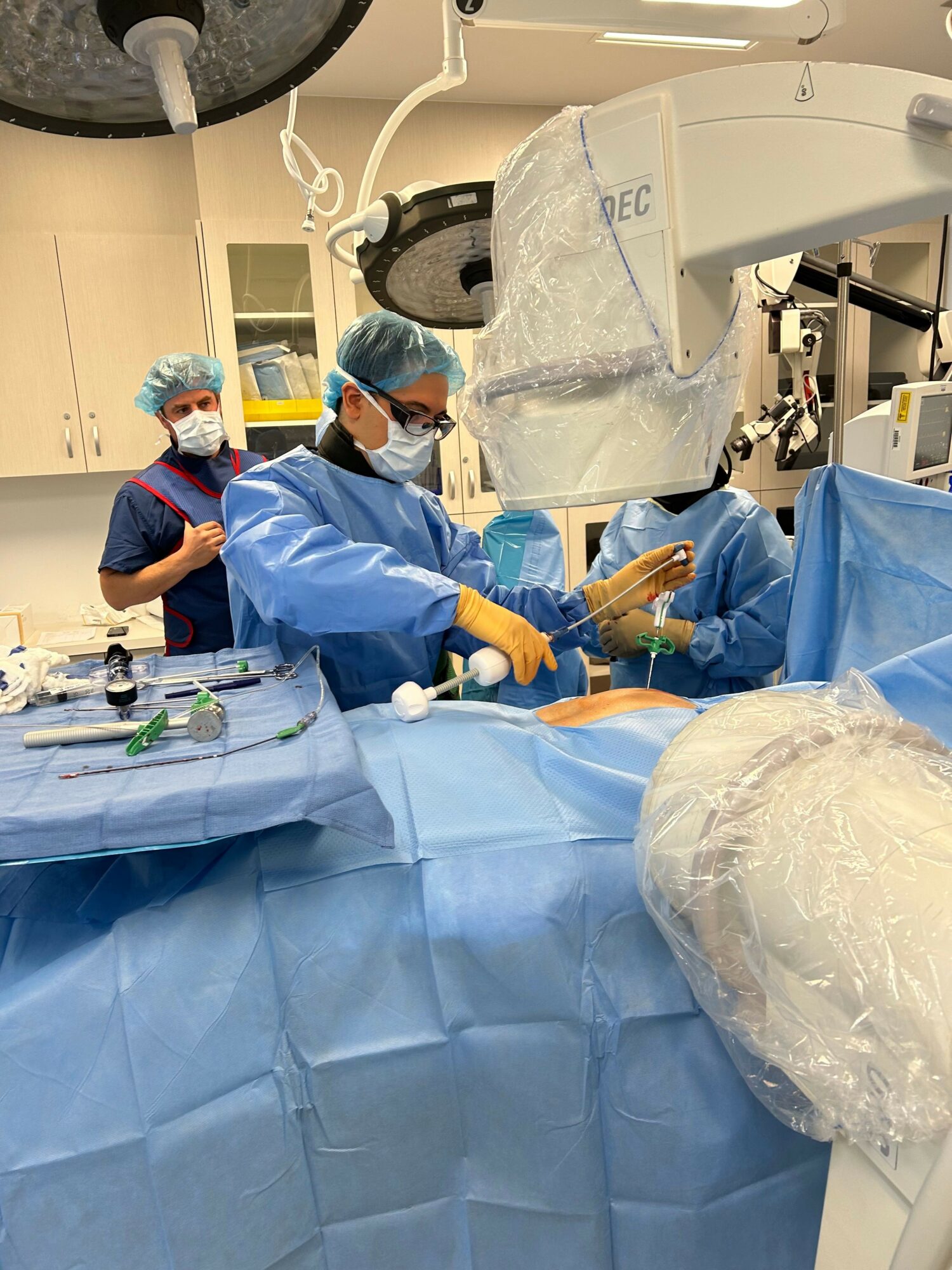
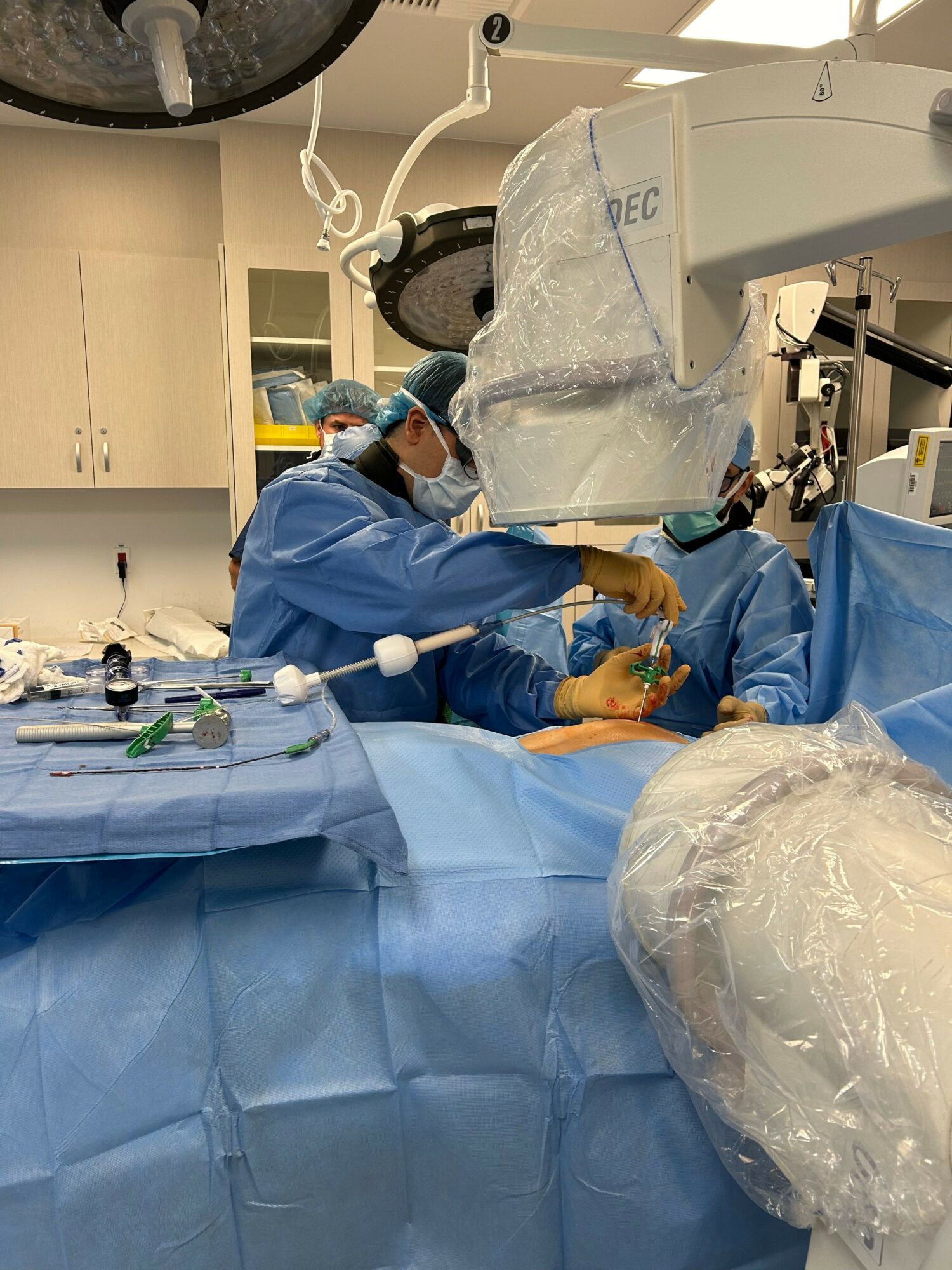
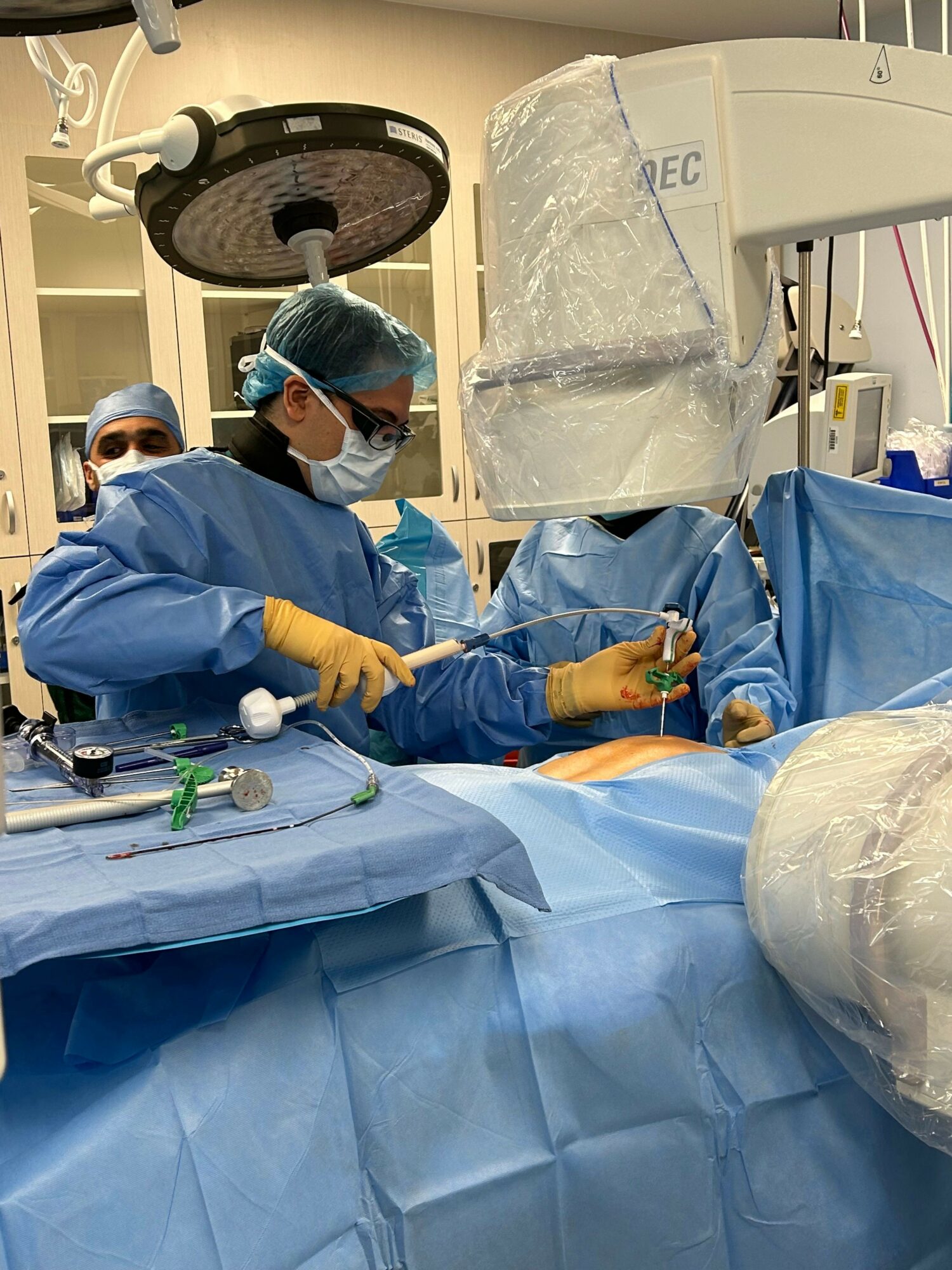
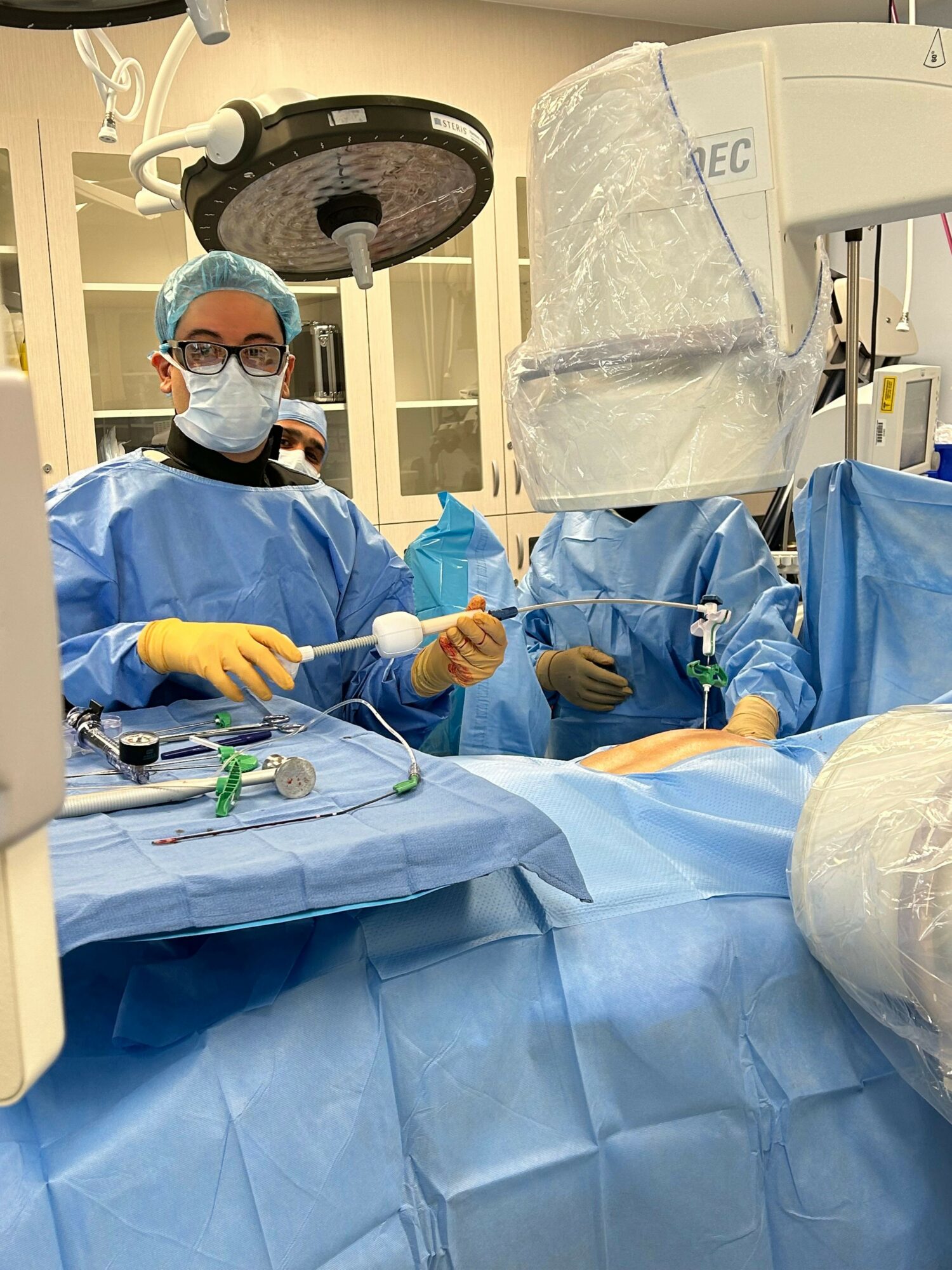
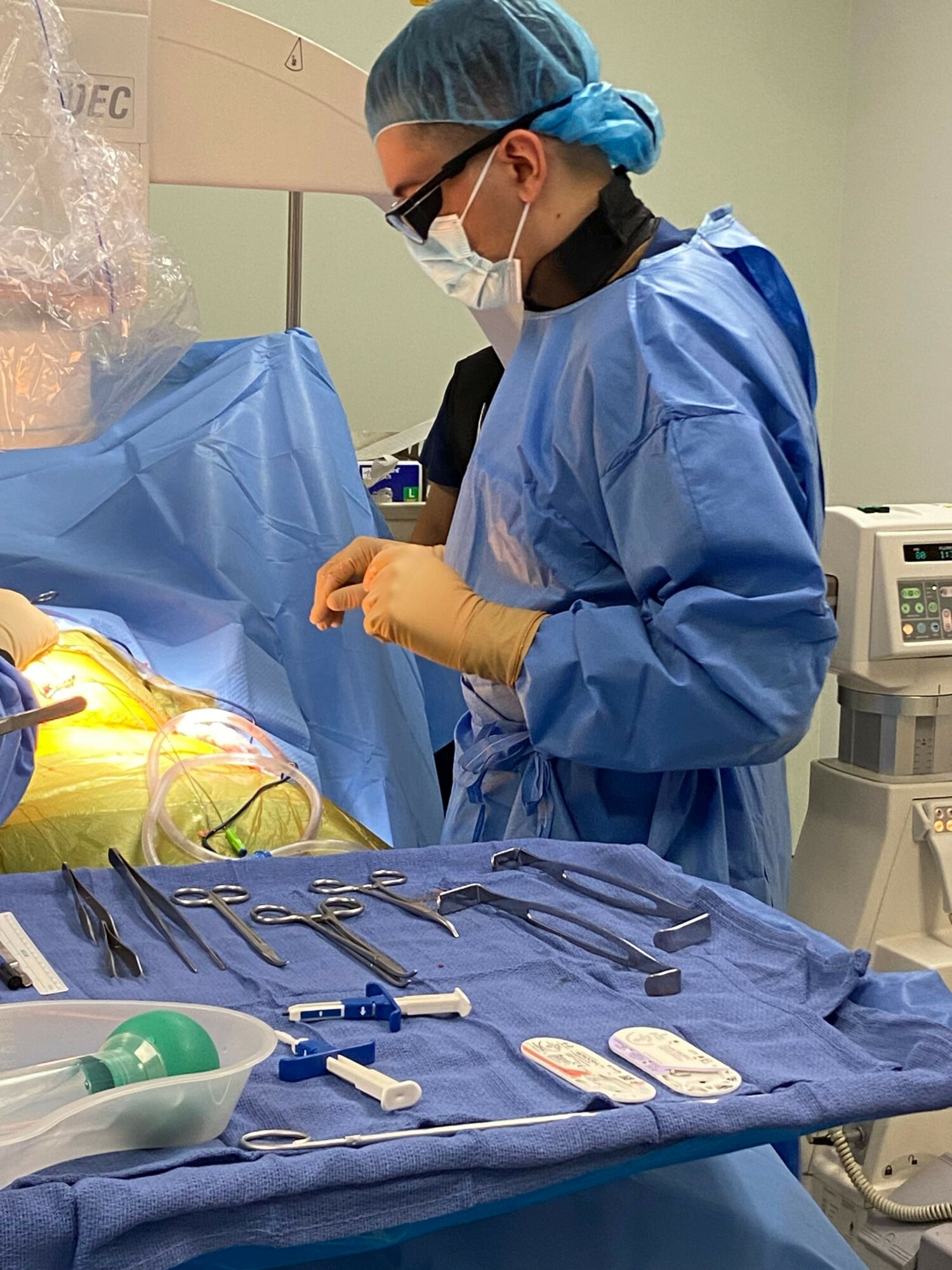
I’m a Yale-trained, double board-certified interventional pain physician and anesthesiologist, and a Qualified Medical Examiner (QME) in both pain management and anesthesiology. My focus is on restoring function and improving quality of life through minimally invasive, non-opioid procedures.
My path started at UCLA, where I graduated summa cum laude and Phi Beta Kappa with a Bachelor’s in Physiological Science. I then headed to New York City for a decade of intense medical training at SUNY Downstate Medical Center—one of the oldest medical schools in the United States, known for its rigorous, hands-on approach that has shaped physicians for centuries.
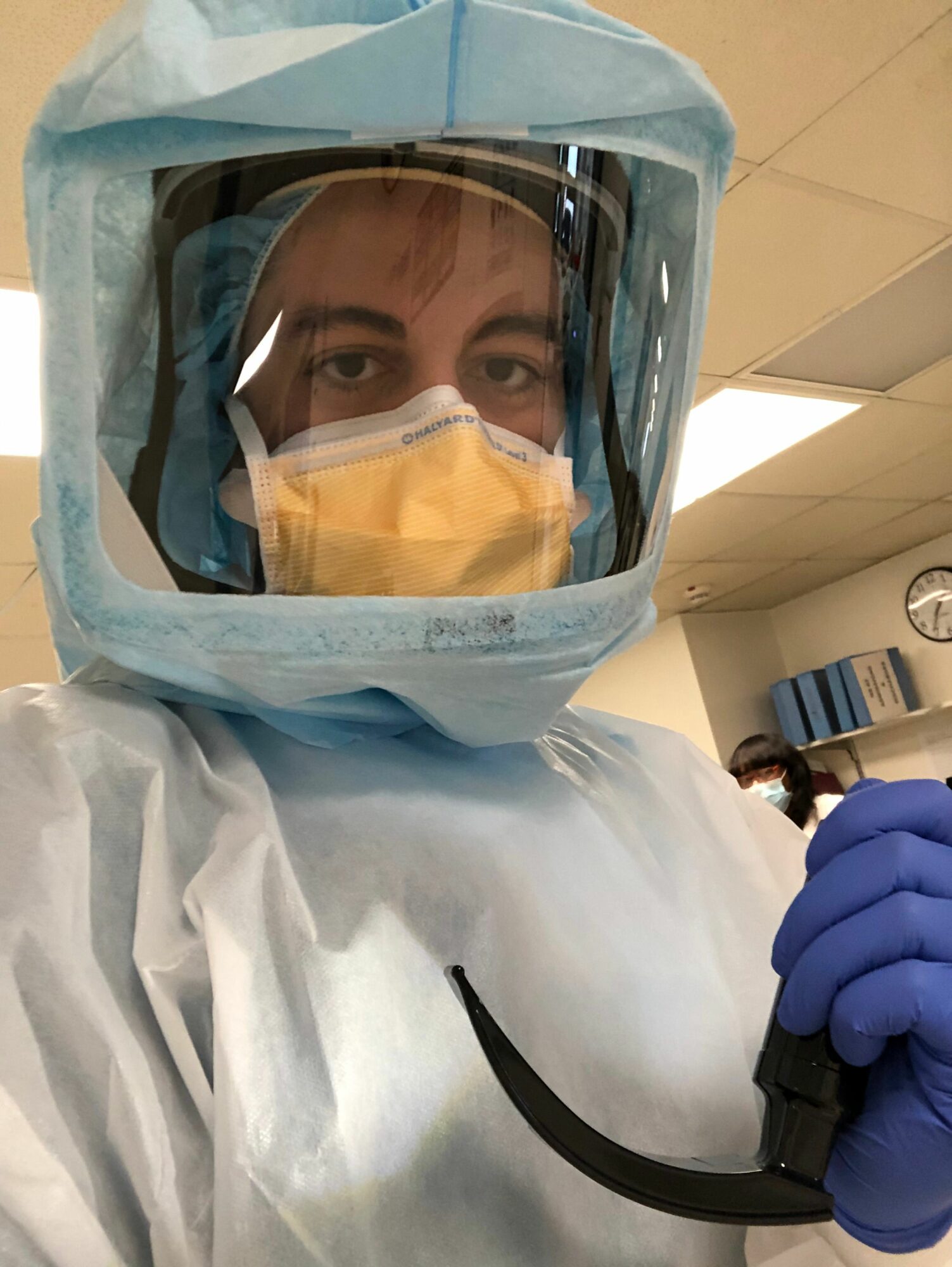
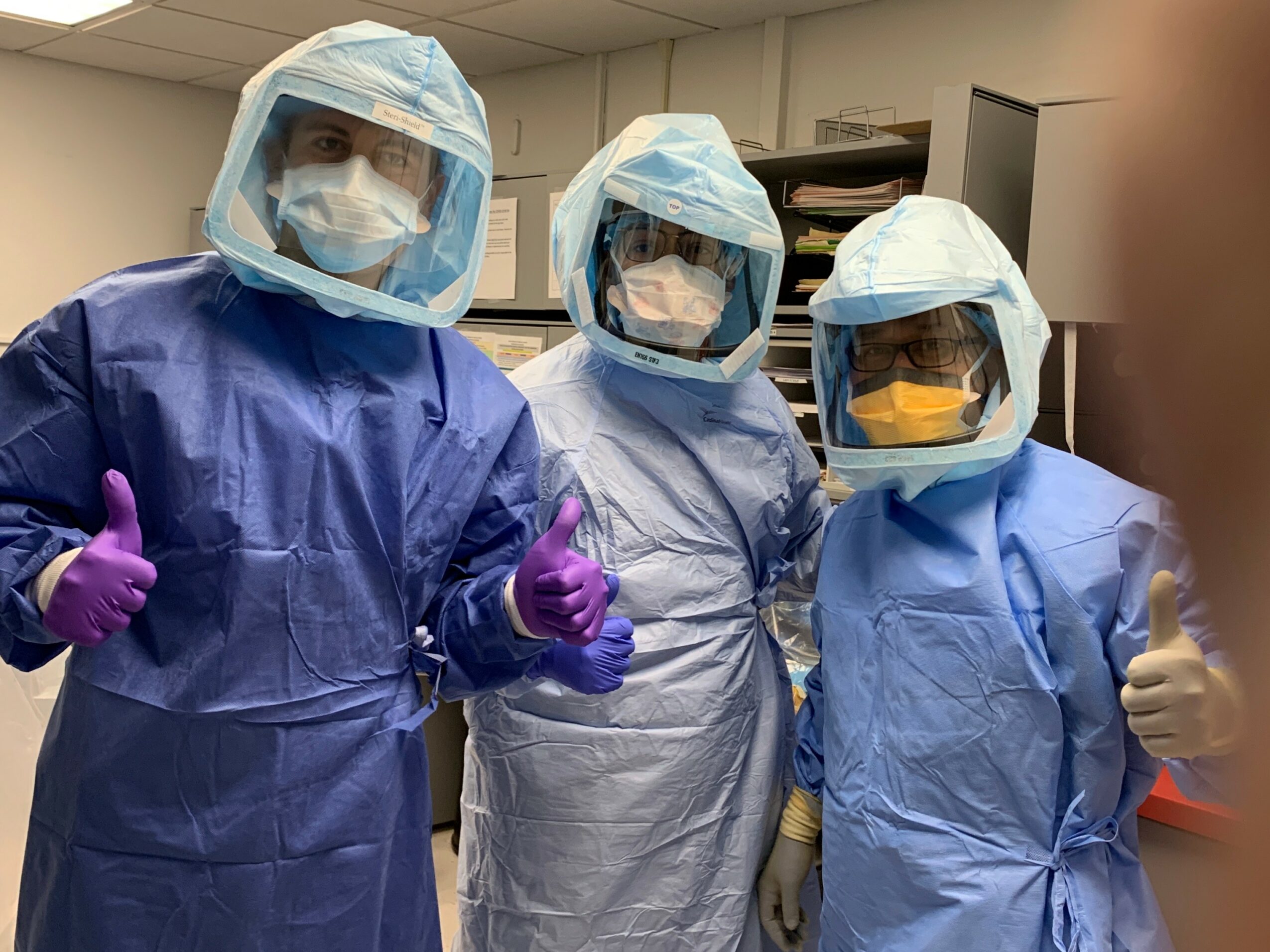
For a few months before medical school, I volunteered in Skid Row here in Los Angeles, an experience that planted the seed for my commitment to serving the underserved. In New York, that drive deepened. I trained and practiced in environments ranging from Memorial Sloan Kettering to Kings County Hospital, treating patients from every walk of life. My final years in NYC coincided with the height of the COVID-19 pandemic. I worked in dedicated COVID ICUs in the spring of 2020, witnessing profound loss but also incredible humanity. During lockdowns, New Yorkers cheered healthcare workers every evening at 7pm from balconies, windows, and rooftops. That city showed me that in the hardest times, people will give you the shirt off their backs. Those experiences fundamentally shaped my outlook on life, medicine, and service. In many ways, I more or less grew up in NYC.
That foundation in NYC taught me how to incorporate non-opioid modalities to keep patients functional even in incredibly demanding environments. I then completed my fellowship in Pain Medicine at the Yale School of Medicine, gaining expertise in both common and rare pain pathologies through comprehensive interventional approaches.
Today, in Los Angeles, I carry forward the same mindset: I’m the type of physician who will go the extra mile, literally carrying people on my back when needed. I treat the injured and those with chronic pain, and serve as a QME with the Department of Industrial Relations. From DTLA to Brooklyn and Manhattan, I’ve dedicated my career to helping the downtrodden and those in pain. Whether it’s through advanced procedures at The Pain Institute of Los Angeles or advocacy on state and national committees, I’m committed to evidence-based, high-quality care that truly restores lives.
I’m sure it wasn’t obstacle-free, but would you say the journey has been fairly smooth so far?
Not at all.
The road has been intense from the very beginning. Right when I arrived in New York in 2012, Hurricane Sandy hit, bringing massive destruction and testing the city’s resilience. I trained at SUNY Downstate Medical Center in Brooklyn—one of the oldest and most rigorous medical schools in the country, and did residency at the same institution, where we dealt with high acuity, extreme trauma cases at Kings County Hospital. That environment alone added a constant sense of urgency and gave me a hard-boiled, real-world medical training you can’t get anywhere else.
Then in the spring of 2020, the world as we knew it changed. The COVID-19 pandemic devastated the city, ultimately killing over 45,000 people in New York City. Our hospital was designated as a COVID-only facility, and I worked in dedicated COVID intensive care units during the worst of the surge. Witnessing so much suffering and loss, while also seeing the incredible humanity of New Yorkers-cheering healthcare workers every night at 7pm from their balconies-fundamentally shaped my outlook on life, medicine, and service.
My experiences in life have taught me more about resilience, compassion, and perseverance than any textbook could. Balancing those lessons while building The Pain Institute of Los Angeles and staying committed to helping injured workers and the underserved has required real persistence, but those challenges are exactly what fuel my approach to patient care today.
Thanks – so what else should our readers know about your work and what you’re currently focused on?
Looking back on all of my experiences, especially during those last couple years of my training, I’ve seen a tremendous amount of life and death at a relatively young age.
What I’m most proud of is that through all of it, I never lost perspective, never became jaded, and never let the hardships harden my heart. Instead, those experiences only strengthened my commitment to showing up fully for every patient with compassion and purpose. Whether I’m evaluating patients, performing minimally invasive procedures, or building The Pain Institute of Los Angeles, I still carry that same mission at the center of everything I do- restoring function, relieving pain, and helping people reclaim their lives
How do you think about luck?
Luck has played a significant role, both good and bad, and I’ve learned to respect it without letting it define me.
On the “bad luck” side, the timing of major events in my life was brutal. I arrived in New York right as Hurricane Sandy devastated the city in 2012. Then, just as I was finishing my residency, the COVID-19 pandemic hit in the worst possible way for New York. I worked in dedicated COVID ICUs during the deadly spring of 2020 while our hospital was converted into a COVID-only facility. Watching so many people die: over 45,000 in New York City alone- at a relatively young age was heavy. Those experiences could have easily broken someone or made them cynical.
But here’s where good luck, or perhaps better said, fortunate perspective, came in. I was lucky to train at incredible institutions with unbelievable mentors and alongside some of the most dedicated people I’ve ever met. The same hardships that tested me also sharpened my skills, deepened my empathy, and clarified my purpose. Surviving that period gave me a level of resilience and clinical confidence that became foundational when I returned to Los Angeles and built The Pain Institute of Los Angeles.
I also feel fortunate that the timing worked out to open my practice when there was a real need for non-opioid, function-focused pain management. Being able to combine the hard-boiled training from Brooklyn with the innovation and opportunity in LA has been a blessing. Another area where luck came into play was me moving back to Los Angeles in the first place. I was basically dead-set on staying in NYC after I finished my training at Yale, but an opportunity arose which ultimately sent me to California.
Ultimately, I don’t see luck as random chance I passively rely on. I see it as something you meet halfway. The “bad luck” of difficult timing forced me to grow faster. The “good luck” showed up as doors that opened because I was ready and willing to do the work. My job is to keep showing up with the right intention: helping the injured, the underserved, and anyone in pain, and make the most of whatever luck brings.
Contact Info:
- Website: https://www.painlosangeles.com
- Instagram: https://www.instagram.com/thepaininstitutela/
Popular
-

LA’s Most Inspiring Stories
-

Portraits of the Valley
-
Rick Norris Learned That Building a Successful Business Means Building a Life You Actually Want to Live
-
How Olivia Rush Turned Survival Into a Mission to Help Others Keep Going
-

How Bibi Goldstein Is Helping Entrepreneurs Reclaim Their Time by Embracing the Power of Delegation
-

Victoria Hasson is Redefining Voice Coaching Through Community and Collaboration


