




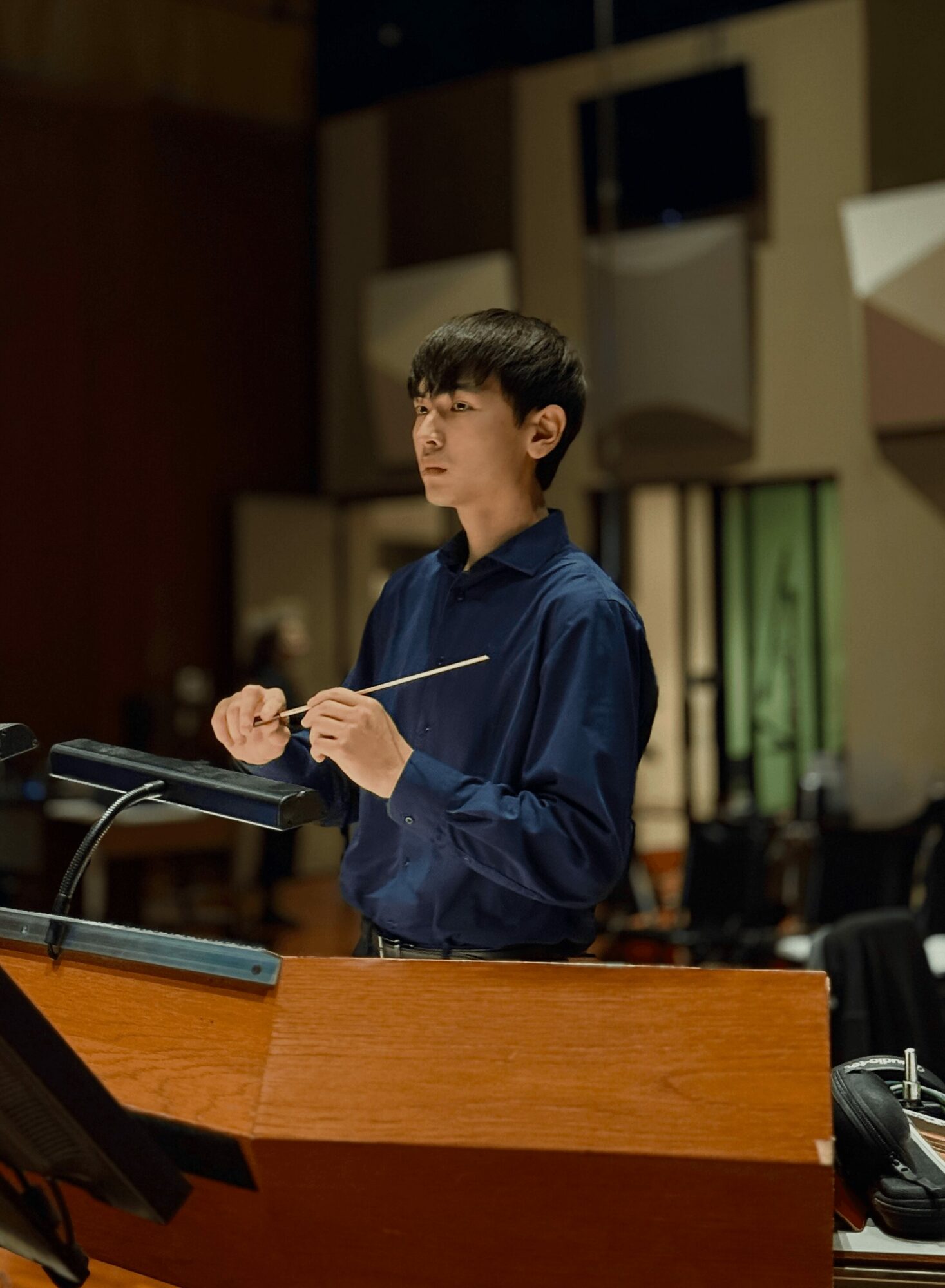
Today we’d like to introduce you to Seungwon (Simon) Lee.
Hi Seungwon (Simon), we’d love for you to start by introducing yourself.
Music was always present in my life but never something I thought I could actually pursue. I grew up playing the piano and viola, playing keys at my church worship services, and watching my mom sing in her community choir. Music was so naturally embedded into my daily life that I never really thought whether it could be something more than a mere routine. It was just what I did.
And I think a reason for my naive blindness was where I grew up. As a Korean growing up in Colorado, I didn’t have a lot of people around me who were aspiring to pursue music nor the arts. I didn’t see people who looked like me making it in this industry. So the idea of chasing music as my career never really entered my mind.
But everything changed when I moved to LA for undergrad at the University of Southern California (USC). I found myself suddenly surrounded by people who were pursuing creative dreams—such as art, film, and music, Furthermore, living near Hollywood where the film and music thrive, I felt my passion for music pulling at me more. I realized that music no longer needed to exist in the back burner of my passion and that it was something that I could legitimately pursue. I used every extra credit I could to enroll in music classes—theory, orchestration, and composition—because although I had a classical instrumental background, I lacked the formal foundation.
Fortunately enough, while finishing my latter undergrad years at USC, I discovered that USC’s Screen Scoring Master’s program was one of the best film scoring programs in the world. Since then, I made it my main goal to get accepted into the program. Spending my last two undergrad years preparing through self-study, seeking out mentors with professional industry experience, and countless hours of composing music, I got into the program.
For the first time, I was finally in an environment with 19 other cohorts who shared the same level of passion towards music as me. Everyone had their own backgrounds, which inevitably spoke through their unique musical languages. Albeit sharing my music amongst musically trained peers is vulnerable, I found it genuinely exciting. Listening to how someone else’s upbringing, culture, and life translated into sound was its own education. I learned as much from my cohort as I did from any classroom.
Since graduating USC’s Screen Scoring program (‘25), I’ve been constantly working towards my passion. Networking with composers, helping different professional composer teams, writing my own music, and collaborating with directors on their projects. The path is never linear, and I quickly realized that breaking into this industry is not easy. But the lack of a clear cut path is what makes this journey worthwhile. Everything I do is no longer going through the motions but rather an intentional building block towards success. And as long as the passion and grind are there, all the blocks will accumulate to something greater.
Alright, so let’s dig a little deeper into the story – has it been an easy path overall and if not, what were the challenges you’ve had to overcome?
It was definitely not a smooth road.
One of the earliest challenges I faced was crafting a portfolio for USC’s Screen Scoring program as someone who wasn’t even a music major in undergrad. Although I had the experience, the skills, and passion, I had no music peers around me to critically evaluate my work; it’s difficult to self-evaluate in a vacuum.
Getting accepted into the program solved that but created a new kind of pressure. For the first time, I was surrounded by 19 other composers who were incredibly talented and knowledgeable, and the environment was initially overwhelming. Sometimes, hearing everyone else’s music, I thought, “There is absolutely no way I could ever compose what they just wrote”. But eventually I realized that everyone has their own unique voice, and what feels like a skill gap is really just a difference in style and background.
Then there’s the industry. The film music industry is massive yet incredibly small. One of my mentors wisely told me that it’s not really about who you know. It’s about who knows you. And that can be frustrating: I don’t get noticed until I do something significant, but I rarely get the opportunity to do something significant unless people already know me.
And overall, there exists no roadmap to success. The career path of a film composer is not like med school or law school where the steps are laid out. Everyone finds their own way, and that is both liberating and daunting. Some days it feels like throwing a dart blindfolded, hoping it sticks.
But that’s also exactly why I do it. Because there’s no one path, the road I take is entirely my own that I get to pave.
Thanks – so what else should our readers know about your work and what you’re currently focused on?
I’m a composer with a strong classical background, but my craft lives at the intersection of music and visual storytelling. I’m a composer for films and games, ranging from a mobile indie game with 57k+ downloads, to games that have won game dev awards, to animations recognized with best animation awards, to films that have premiered at festivals across the country.
I’m most proud of the moments when my music successfully gives voice to what the story cannot say on its own. Film scoring is fundamentally different from concert music. Concert music is art. The composer writes what their heart desires, usually with no constraints. On the contrary, film music is a craft and a business. Deadlines are quick, rewrites are constant, and the scene cuts I received yesterday might look completely different tomorrow. Through this fast-paced workflow, I’ve learned not to get too attached to my music. At the end of the day, it’s never really about the music. If a music cue successfully carries the emotion of the story, I’m proud of my craft.
Regarding what sets me apart from my peers, it’s rarely about who writes the best music. There will always be composers more technically gifted than me. What sets me apart is my vision for what I want to be in this industry: not just a composer who writes good music, but a seamless addition to a bigger creative team. The film industry functions on relationships. Composing is solitary by nature, requiring long hours in front of a keyboard through sleepless nights. But film scoring as a whole is inherently collaborative. The music is one piece of a much larger creative machine alongside directors, editors, sound designers, colorists, etc. The contribution I care about is for the greater whole, and it just happens that my musical skills bring value to the team. I genuinely love being part of that. And no matter what profession one is in, if one enjoys it, one will always be successful at it.
What matters most to you? Why?
Loving what I do.
I can’t (and shouldn’t) force myself to pursue something that I’m not genuinely passionate about. I don’t think anyone should. If my love for music ever disappears, that’s my sign to close this chapter.
A lot of that comes from how I was raised. My mom never forced me into anything. If I told her I didn’t want to play piano anymore, she would tell me to quit. If I dreaded practicing the viola and made that clear, she would not force me to practice. She would introduce me to different sports, different activities, and different paths, but ultimately, she wanted me to discover what I genuinely enjoyed. She valued authentic passion over obligation.
This same principle continues to exist within me today. My career is demanding—unpredictable workflows, projects with moving deadlines, sleepless nights, and constant pressure. The reason I continue to pursue film music is because I genuinely enjoy writing music. The moment I stop enjoying it is the moment that I’m just living with a bad heart.
As long as the passion is there, I’ll keep going. And although the process may be challenging, it’s the path I consciously chose, and that makes all the difference.
Contact Info:
- Website: https://simonleemusic.com/
- Instagram: https://www.instagram.com/simonlee_music/
- LinkedIn: https://www.linkedin.com/in/seungwonsimonlee/
- Youtube: https://www.youtube.com/@simonleemusic
- Other: https://www.tiktok.com/@simonleemusic
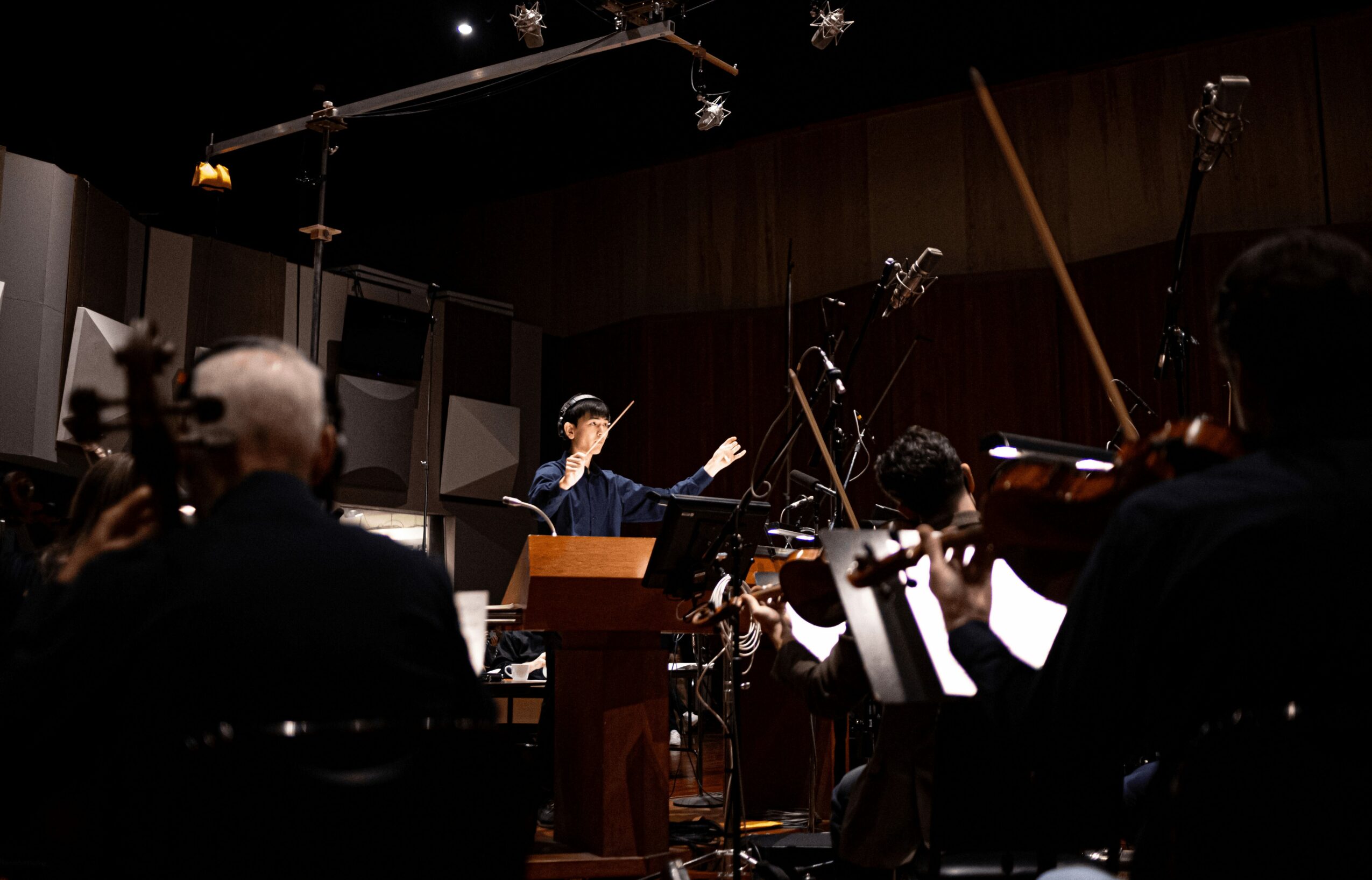
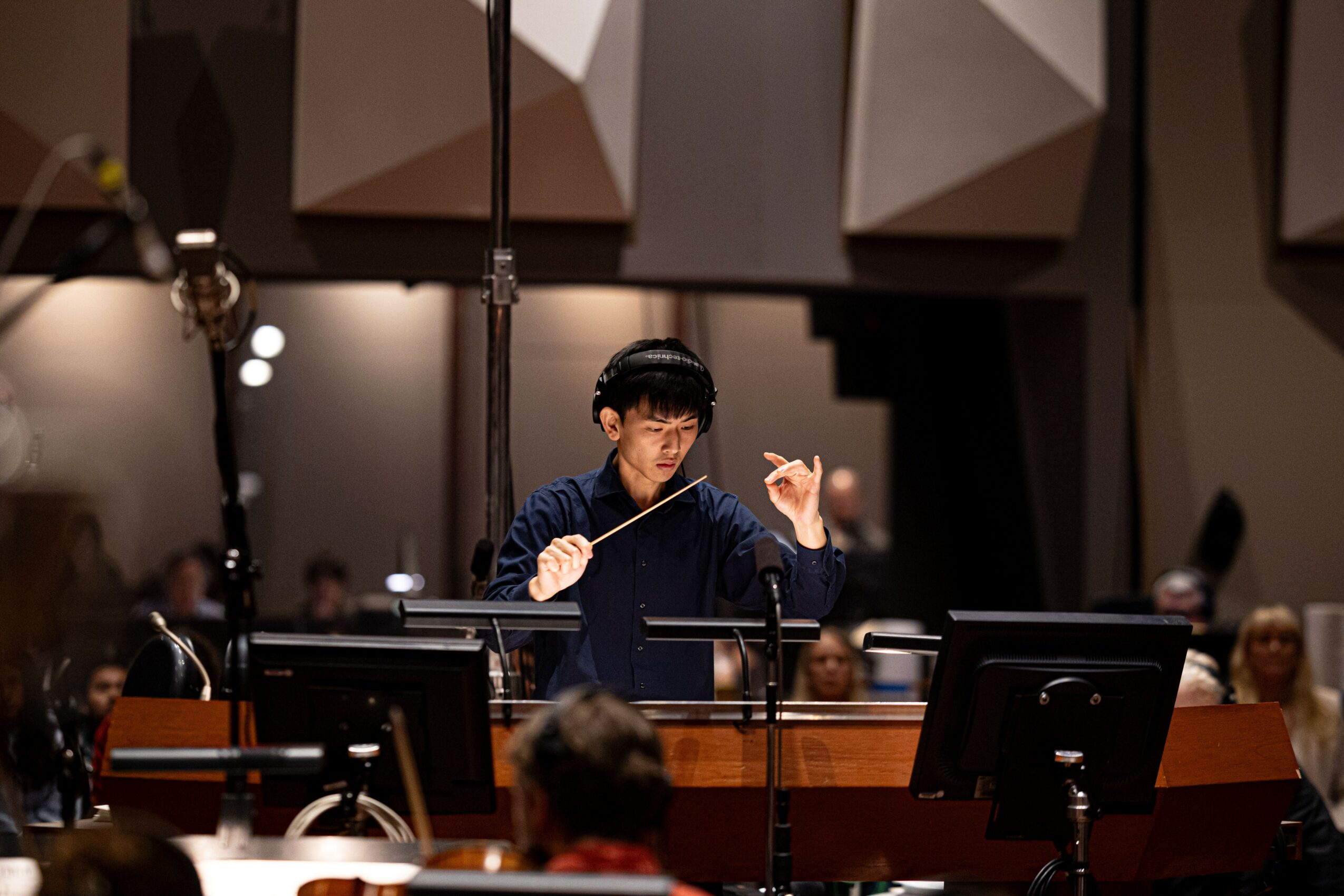
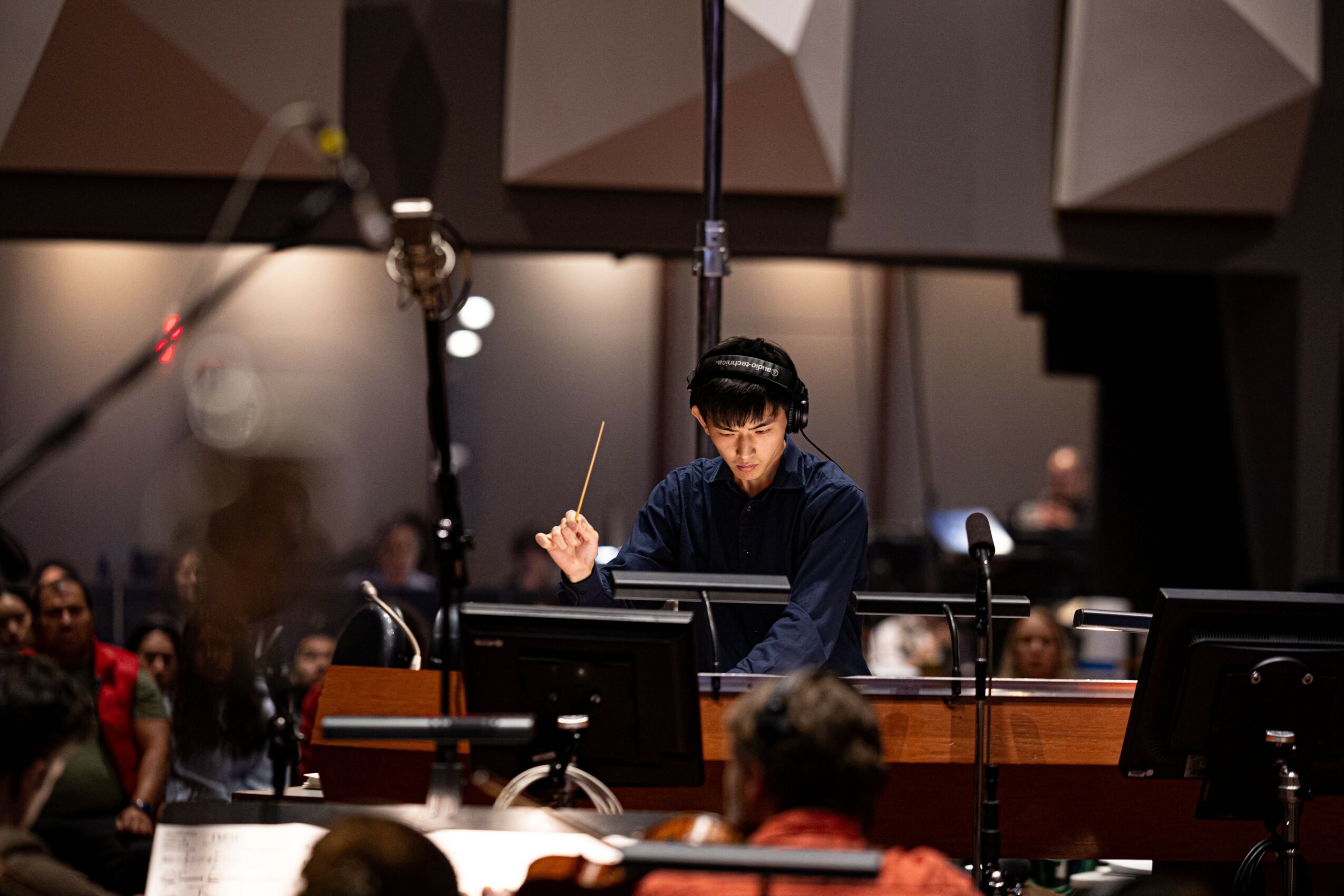
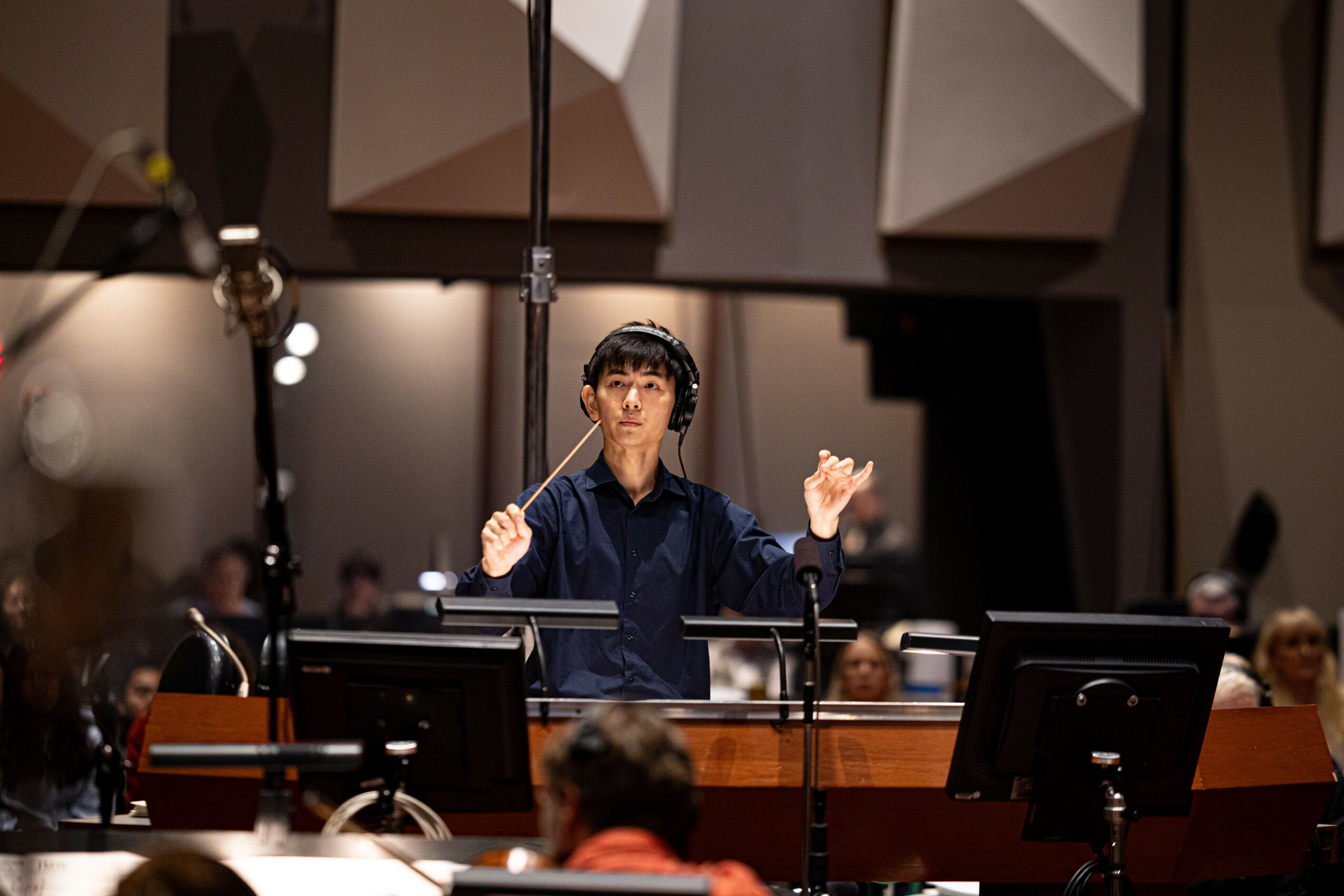
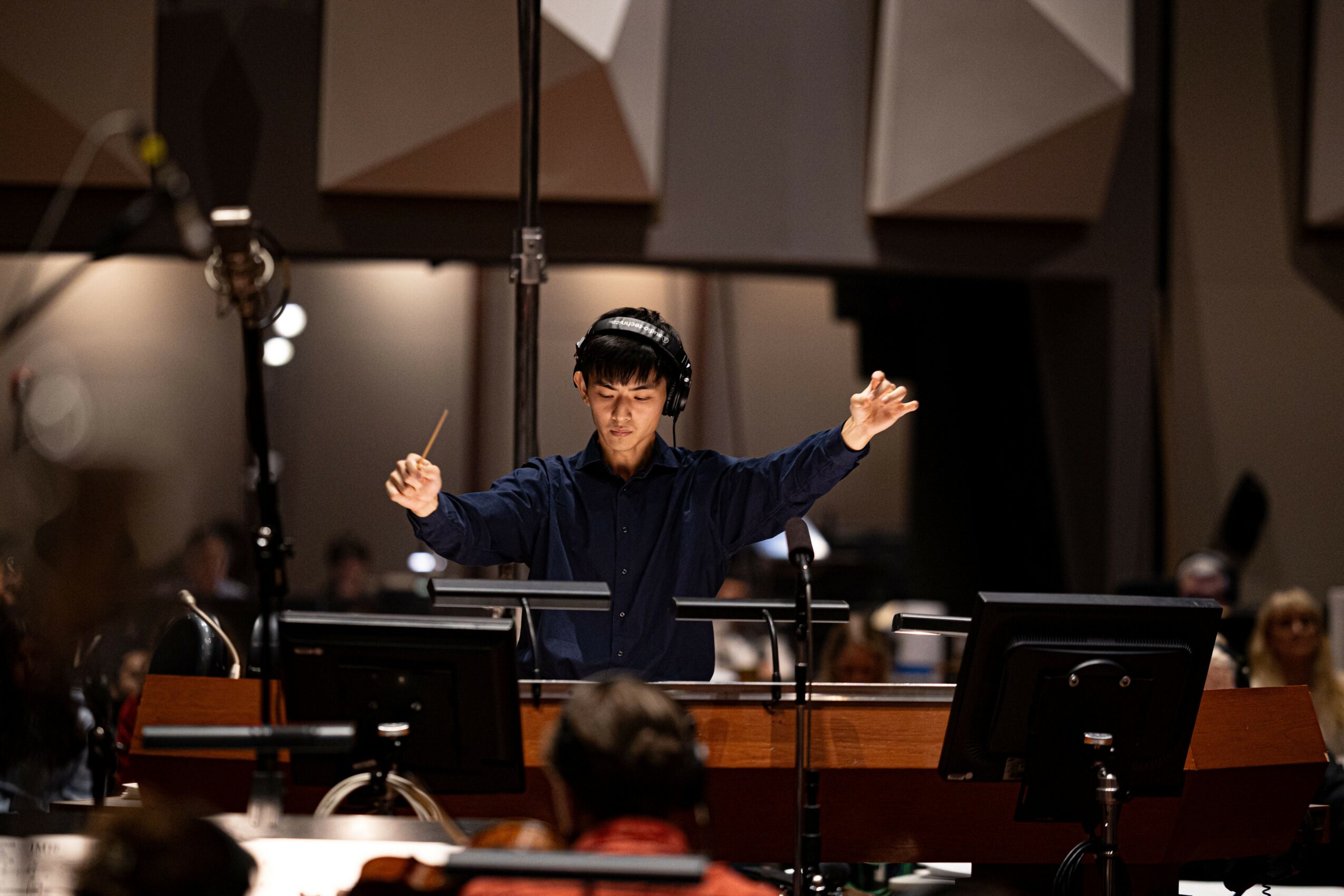
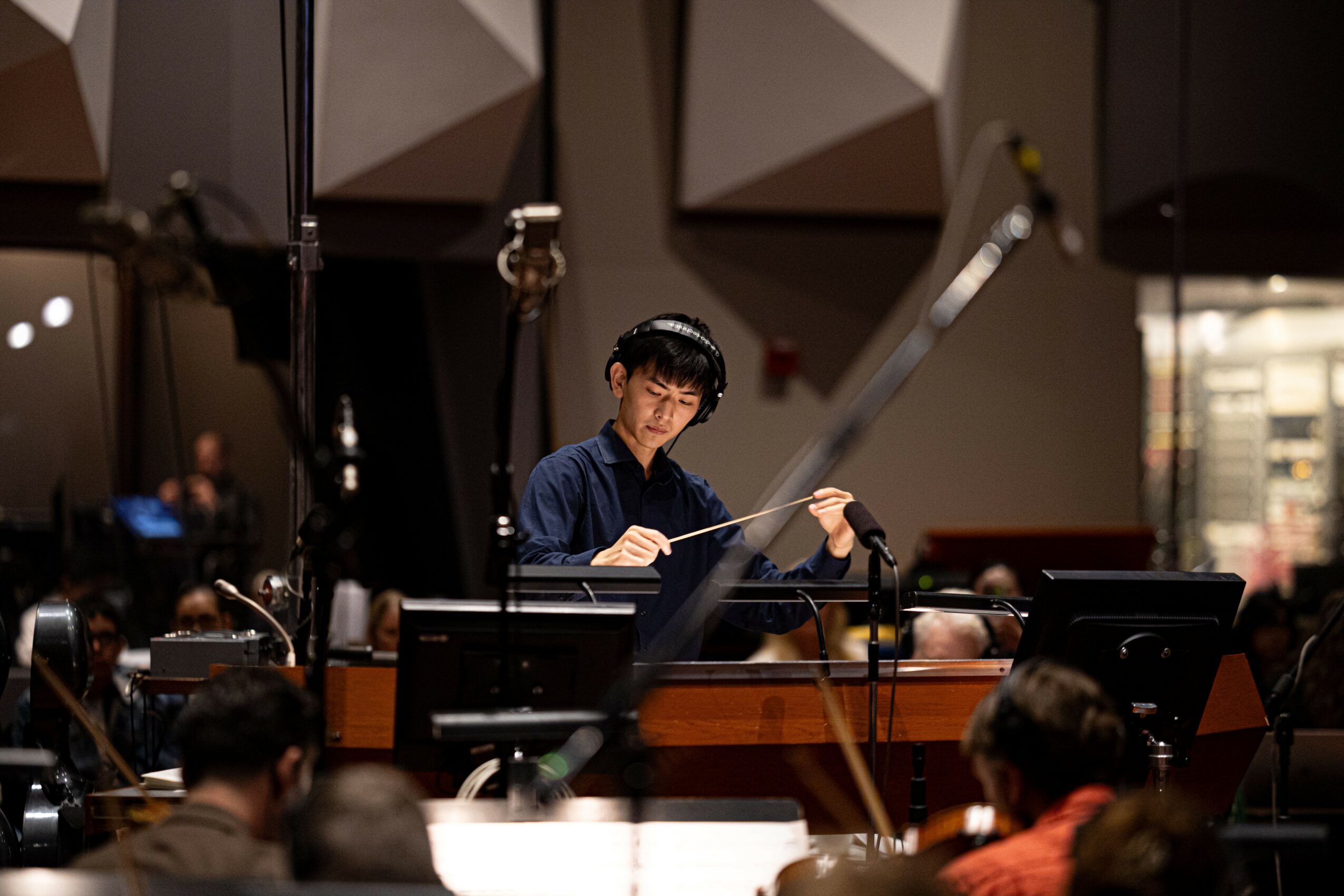
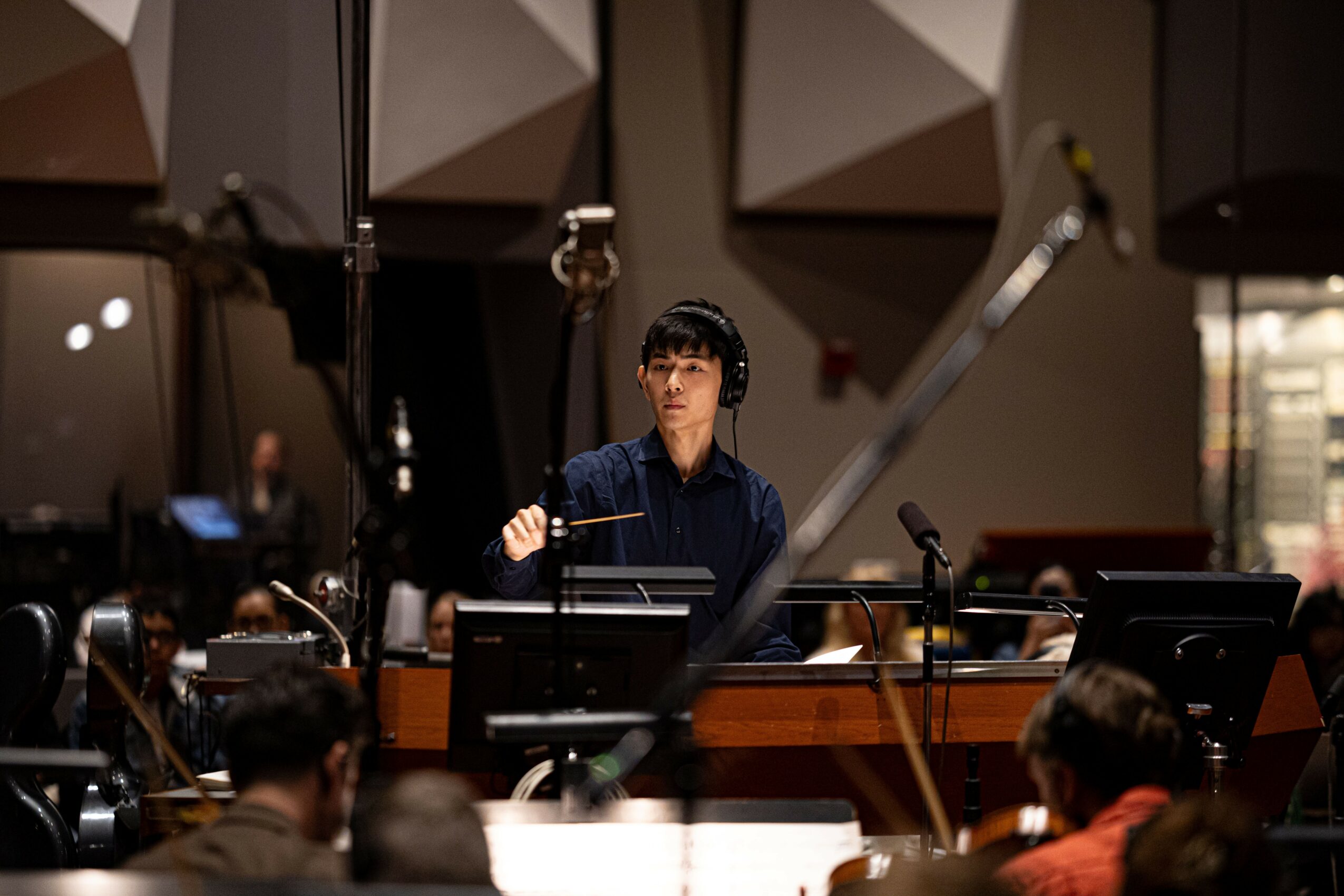
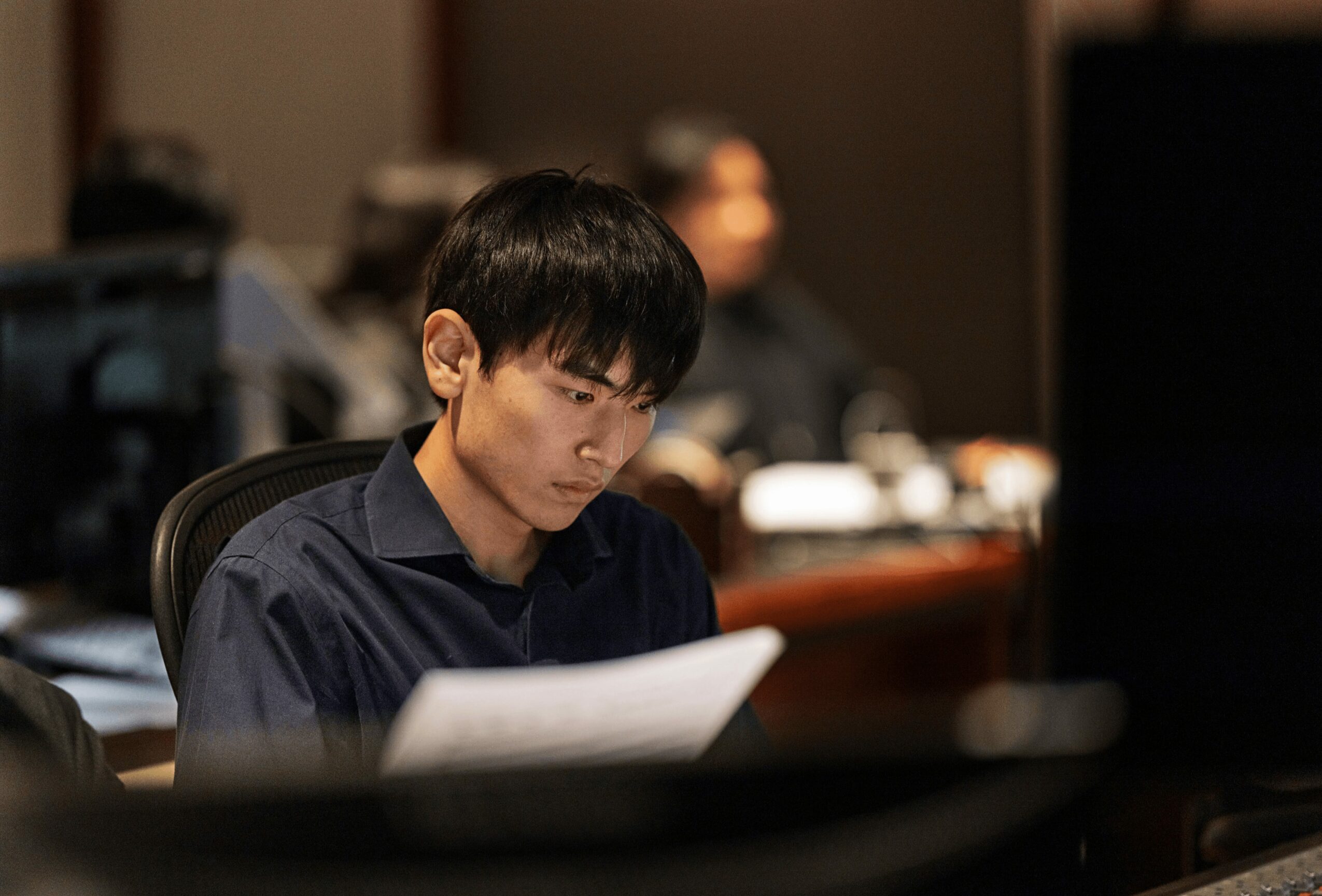
Image Credits
Christian Amonson
Popular
-

Maagic Collins on Building a Fearless Publishing Platform for Truth, Advocacy, and Underrepresented Voices
-

Los Angeles Barea on Turning Green Superheroes into a Global Movement for Youth-Led Change
-

Trisha DuVivier on Bridging the Franchisor–Franchisee Divide with Workhero and “Franulate”
-

Portraits of the Valley
-

LA’s Most Inspiring Stories
-
Cedar Boschan on Elevating Black Music Rights and Driving Urgent Conversations Around Credit, Equity, and Artist Protection


