




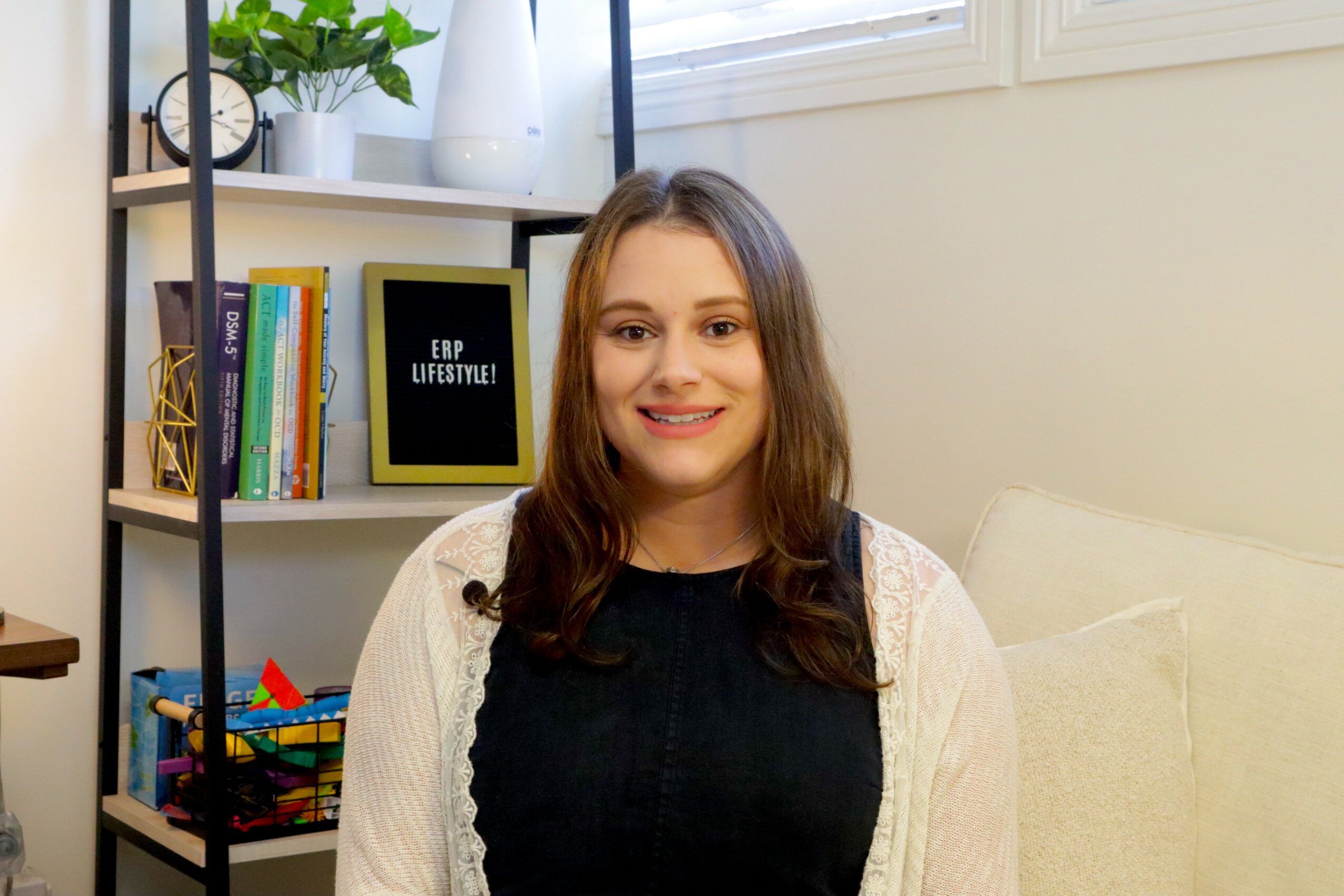
Today we’d like to introduce you to Danielle Cohen.
Hi Danielle, so excited to have you on the platform. So before we get into questions about your work-life, maybe you can bring our readers up to speed on your story and how you got to where you are today?
I started my journey in the mental health field by earning my Bachelor’s degree in Psychology and moving on to earning my Master’s in Counseling Psychology, with an emphasis in Marriage and Family Therapy, from California Lutheran University. Early in my career, I became especially drawn to working with individuals struggling with OCD and anxiety-related disorders, and I sought out specialized training and experience in those areas.
I gained hands-on experience working as a therapist—and later in a leadership role—at NOCD, a telehealth platform focused on OCD treatment, where I deepened my expertise in evidence-based approaches like ERP, CBT, and ACT. Along the way, my own personal experience with OCD also shaped my perspective and strengthened my empathy for the challenges my clients face.
Today, I serve as a therapist and Director of Clinical Operations at Cohen OCD Therapy, where I not only work directly with clients but also support the growth and training of other clinicians.
Would you say it’s been a smooth road, and if not what are some of the biggest challenges you’ve faced along the way?
It has not been a completely smooth road. Along the way, I’ve had to navigate challenges related to OCD, which can sometimes make the work I care deeply about be more challenging. For example, there have been times when I’ve spent excessive amounts of time completing notes or found myself stuck in cycles of rumination, second-guessing whether I did something “right” or thoroughly enough.
Those experiences have been frustrating at times, especially in a field where being present and efficient is so important. But they’ve also given me a deeper, more personal understanding of what it’s like to live with OCD while still showing up for your responsibilities and passions. Learning how to manage those challenges has taken some time, but it has ultimately made me more empathetic, intentional, and grounded in both my personal life and my work.
Thanks – so what else should our readers know about your work and what you’re currently focused on?
I’m a Licensed Marriage and Family Therapist and the Director of Clinical Operations at Cohen OCD Therapy, where I specialize in treating OCD and anxiety-related disorders. My work is very focused—I primarily work with individuals dealing with OCD, anxiety, body-focused repetitive behaviors, and tic disorders, using evidence-based approaches like Exposure and Response Prevention (ERP), Cognitive Behavioral Therapy (CBT), Acceptance and Commitment Therapy (ACT), and Comprehensive Behavioral Intervention for Tics (CBIT).
In my role, I not only work directly with clients, but I also help train and support other clinicians, making sure we’re providing high-quality, specialized care across the practice.
What I’m most proud of is the impact I’m able to have on clients who often feel stuck or overwhelmed by their symptoms. OCD can be incredibly isolating, and helping someone face their fears, tolerate uncertainty, and ultimately regain their life is really meaningful to me. I also take a lot of pride in creating individualized treatment plans that meet each person where they are, rather than taking a one-size-fits-all approach.
I think what sets me apart is both my specialization and my perspective. My work is entirely focused on OCD and related disorders, and I’ve pursued extensive training in this area. On top of that, I bring a level of empathy and understanding that comes from personal experience with OCD, which allows me to really connect with clients and understand the nuances of what they’re going through.
Overall, my goal is to help people realize they’re capable of handling discomfort and to give them the tools to create lasting change in their lives.
In terms of your work and the industry, what are some of the changes you are expecting to see over the next five to ten years?
I think one of the biggest shifts we’re going to see in the next 5–10 years is the integration of AI into mental health care—not as a replacement for therapists, but as a tool to make treatment more efficient and accessible. We’re already starting to see AI being used for things like progress tracking, note-taking, and even supporting treatment planning, which can help clinicians spend more time actually focusing on their clients.
As demand for mental health services continues to grow, there simply aren’t enough providers to meet that need. Because of that, I think AI will play a really important role in helping streamline care, especially within telehealth and digital platforms, so that therapists can spend their time helping as many clients as possible.
That said, I don’t see AI replacing therapists. Therapy is built on human connection, nuance, and trust—things that technology can support but not replicate. There’s a lot of conversation in the field right now about making sure AI is used ethically and responsibly, as a complement to care rather than a substitute.
Overall, I see the future of the field as a blend of technology and human-centered care—where AI helps make treatment more efficient and scalable, while therapists continue to provide the empathy, insight, and relationship that are at the core of meaningful change.
Contact Info:
- Website: https://www.cohenocdtherapy.com
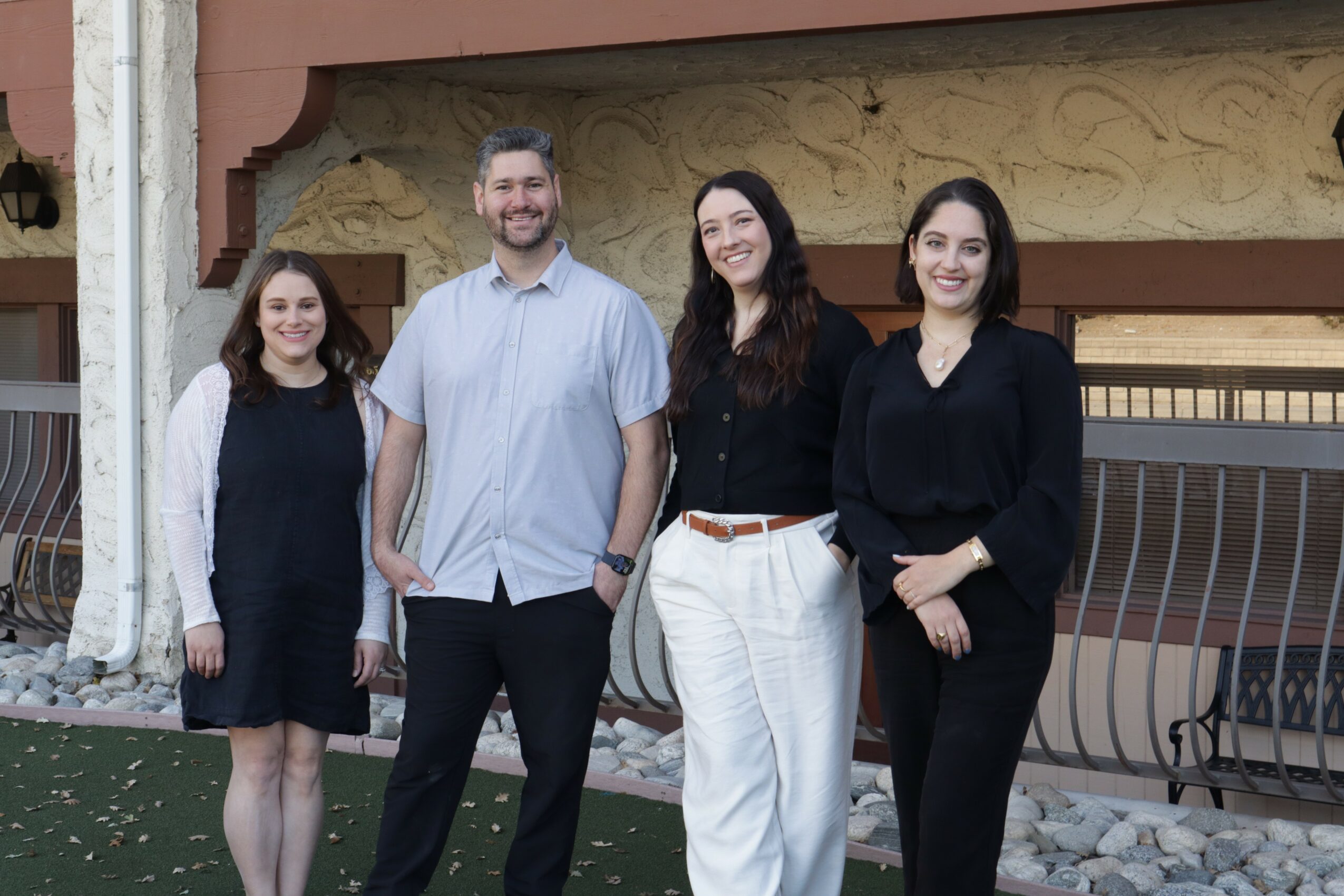


Image Credits
Alexander McKee
Popular
-

Portraits of the Valley
-

LA’s Most Inspiring Stories
-

Finding Balance Through Art: Theresa Croft on Blending Music, Wellness, and Visual Storytelling into a Holistic Creative Identity
-

From Street Corners to City Tours: Chef Chuck Glaster on Building SOULD Out Into a Culture-Driven Culinary Movement
-

From Rock Bottom to Calling: How Hasani McLean-Davis Found Purpose Through Faith and Music
-

Building a Scalable, Soulful Travel Brand: How Abboud Khallouf Turned Morocco Into a Global Experience


