




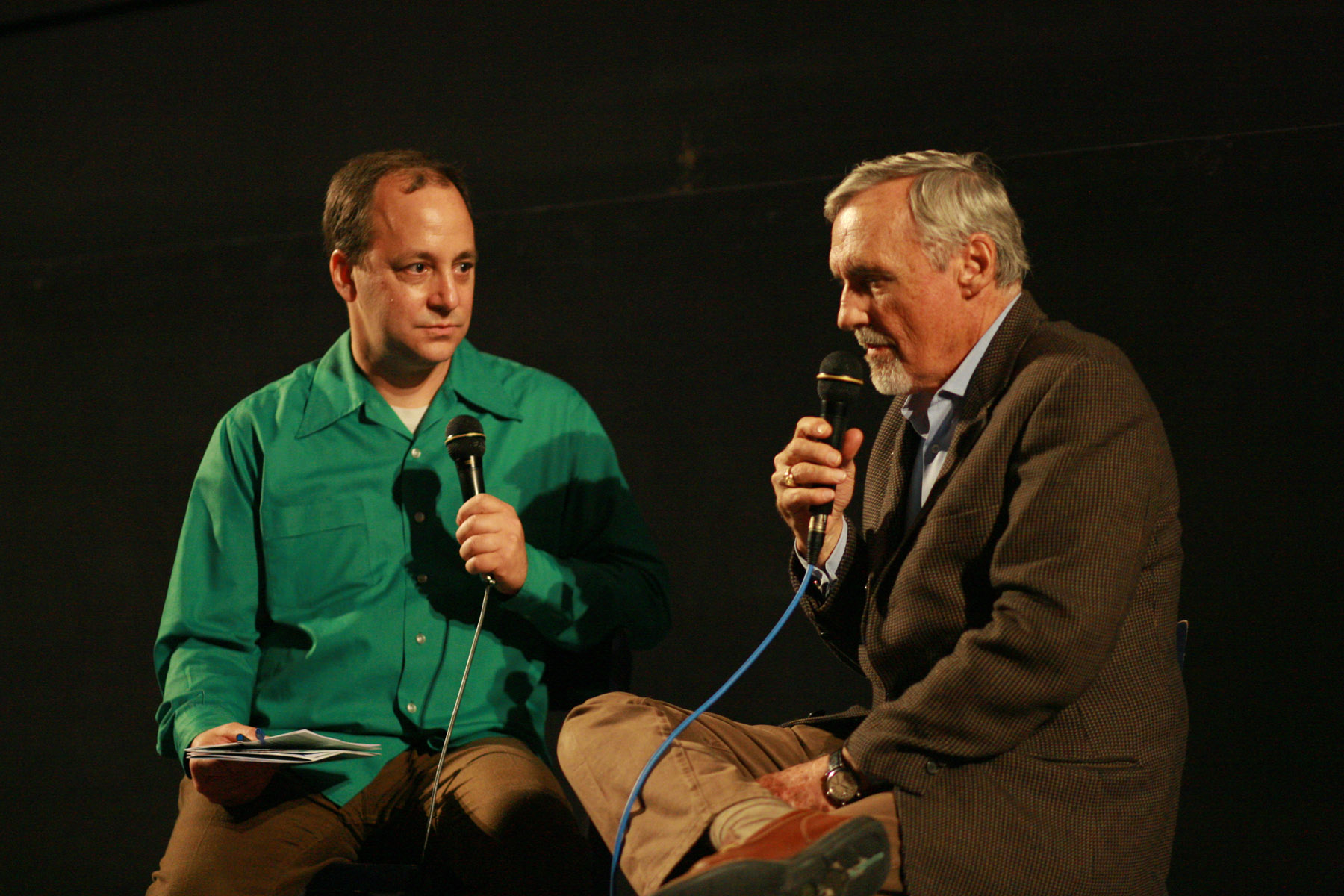
Today we’d like to introduce you to Domenic Priore.
Hi Domenic, please kick things off for us with an introduction to yourself and your story.
My parents were born in New York City in 1915 and 1921, respectively, They’d talk about their childhoods during the Roaring ’20s, a lot… it was a better memory for them than the Depression or World War II (which my father, Carmine, served in). From the first, my mother, Lillian Priore, every time I got into anything too deeply, would encourage me to be well-rounded in my interests. So in that respect, diversity has always been there for me. My family moved from New York to Monterey Park during 1953/1954, then I was born in 1960. Somehow growing up, my parents relayed to me the connection between the 1920s and the 1960s, that they were eras just after a lot of invention. Excitement was in the air with so many new things appearing on the scene for the first time. They didn’t shelter me, as it is with a lot of children, so when I was 2, I saw on TV, then had it explained to me all about what was happening with the Cuban Missile Crisis, as all that was in progress. We regularly watched JFK on TV and I remember his speech in Berlin as it happened, at age 3. I was shocked by police with attack dogs and firemen shooting hoses at unarmed blacks in Birmingham, Alabama and asked a lot of questions about how that could be happening. Then that summer on the way to visit New York by car, we happened to be in Washington D.C. the day before Martin Luther King Jr. brought the March on Washington together. So all of this was a heavy way to come into the world. My sister Ginny, who was 12 years older than I, was already buying records and she shared them with me… I learned how to play 45, 78s and LPs by the time I was two. Same year, my brother Tom (ten years my senior) was teaching me about baseball by watching the Dodgers and Giants in a classic rivalry playoff series that year. So all that had a tremendous impact on me. Then, by the age of 5, my cousin Nicky and I were writing letters to each other, back and forth from L.A. to New York. This lasted until we were 11 (1971), when the family drove to New York for a second time. Nicky and I told each other everything in letters about what it was like to be in our home towns. He told me all about living in New York. So from that, I began in a very primitive way, to document what I was seeing in Los Angeles and telling him all about it. This is probably how I evolved to write books about Los Angeles subjects during the late ’80s, starting with my first, “Look! Listen! Vibrate! SMILE!,” about Brian Wilson’s at-the-time unreleased “Smile” album, recorded from around summer 1966 into early 1967. I published this book myself after finishing my first run at Pasadena City College, with money I’d earned working at Dodger Stadium as an Usher. Fortunately, this book wound up selling 40,000 copies over the next several years; it was picked up for a revised edition after the first 7,000 by Last Gasp of San Francisco. That gave me time to write more books, instead of sending these all out at the post office or via the two distributors who picked it up in the U.S., plus others in Europe and Japan.
Can you talk to us a bit about the challenges and lessons you’ve learned along the way. Looking back would you say it’s been easy or smooth in retrospect?
Things have been pretty nice for me personally over the years. The only real ways it has been a struggle came from the fact that I had zero nepotism of any kind in a media town like Hollywood, where there is so much nepotism that it’s taken for granted. My family was great, we had fun but, we came from a very modest income, and there was no clue as to how to do counseling for college. I was a top student in my grade school days but by the time it came to High School, I’d have done better with an Ouija board than the kind of counseling advice I got there. My parents didn’t have a clue how to get me to college, and really, my siblings couldn’t help because they faced the same thing growing up, not having any direction toward higher education. University money was never there to begin with. I worked, my parents loaned me some money (there was a running tab) and I lived at home while I was mostly paying for myself to go to Junior College here in California. Junior Colleges here are a blessing, because when eventually I moved to New York as an adult, I’d see Italians who had grown up there, having almost zero thought in mind or hope for a college education, because it was so expensive to even get into the lowest-level local colleges in the Tri-State area. Then I found out that Italians are the second-least educated ethnic group in America. So, these I would consider to be the root problems of whatever struggles I’ve had in life. It can be all spelled out in a Sociology class.
Appreciate you sharing that. What else should we know about what you do?
The reason my first book “Look! Listen! Vibrate! SMILE!” resonated with people is because I was giving them something that they were looking for, but were being told they couldn’t have it. It was a subject that wasn’t fully covered correctly anywhere else. I think with Demographics and the Corporate Point of View, Networks and other Media companies, whether it’s books, or records or whatever, “The Man” thinks he knows what you want and just smothers people in it. And don’t you just get sick of it after a while? Well supposedly, some people never get sick of the same old thing. Then there’s the rest of us. I figure you can’t please everybody, so might as well give the rest of us what they’re really looking for, and being denied. During the 1980s, and even in the recent Disney documentary on the group, The Beach Boys keep on telling the public that the music made for “Smile” was “the wrong direction” or “drug addled” but in fact, as we all know now, it was pure genius, a follow-up to “Pet Sounds” and beyond. So while the band were putting it down and saying it could never exist, I was actually showing the facts about the recording sessions and all of the newsworthy buzz in the music press during 1966 and 1967, to the extent of how movies are promoted today. I showed the lie, and then some. People were stoked. I took the same approach to “Riot on Sunset Strip: Rock ‘n’ Roll’s Last Stand in Hollywood,” which was released by Jawbone Press out of London in 2007 and in a revised edition in 2015. That sold in the area of 30,000 copies or more and it is still in print. There were no proper histories of what happened on the Sunset Strip during 1965 and 1966, and how all that jettisoned the counterculture into mainstream reality via the music, TV and films that came of out that moment. These two books literally opened Pandora’s Box, so to speak, bringing a forbidden fruit to people who were thirsting for just that. No way “The Man” was going to give you this story about “Smile” or the Sunset Strip scene of the mid-’60s that spawned The Byrds, Love, Frank Zappa, The Doors, Buffalo Springfield and a whole trunkload of socially significant artists during 1965 and 1966, all of which lead to the creation of the Monterey Pop Festival in 1967. That, in the mainstream, became the historical cornerstone. “Riot on Sunset Strip” shows how this all came to be, the source, and it’s the book I’m most proud of. One critic who loved my first book said it best: “No major publisher would touch something like this, I’m sure. A commercial publisher would twist the whole emphasis toward something obvious or controversial, and take away the fascinating minutiae.”
Let’s talk about our city – what do you love? What do you not love?
What I like best about our “city” is that it is not that in the traditional sense, and Reyner Banham explains why in great detail in his book “Los Angeles: The Architecture of Four Ecologies.” I don’t get hung up on local borders in my appreciation of “L.A.” because anyone who comes to L.A. from around the world knows that Disneyland is on the local map, but as you and I know that is behind the so-called “Orange Curtain.” I have never differentiated the Greater Los Angeles area neighborhoods in that manner, like businessmen figured out how to do during the late ’70s and ’80s, as if there is some Berlin Wall between parts of L.A. My favorite place in L.A. is Laguna Beach, ok? They still use our TV stations and our radio stations so, Orange County, the West Side, East L.A., The San Fernando Valley, The San Gabriel Valley, Downtown, Echo Park, Silver Lake, Los Feliz, Highland Park, Atwater, all these are part of a true L.A. experience. Since I was in High School, I’ve preferred club-level bands to the “made” rock star trip, so if I band I want to see is playing at Alex’s Bar in Long Beach, it is there I go. Sure, they have their own mayor, but it is still part of the Greater Los Angeles area. As the old newscaster Jerry Dunphy used to say “from the desert to the sea, to all of Southern California, a good evening.” That is testament to the reach of local media here, and all the things under this umbrella is local to me. Of course, I grew up when there was a lot less traffic, but I’m not going to let the modern world take away our intrinsic surroundings. What I like least about our city is more of a National problem, really, Income Inequality, which in San Francisco is now threatening to eat the city alive, and it is always on the cusp of that in L.A., as we saw with the Rodney King Riots, the Watts Riots and the Sunset Strip Riots. Frank Sinatra sang it: “This town, is a quiet town, for a riot town, like This Town.” The fact that it is taking more than forever to build a ready-to-go-anywhere Subway system like New York City built in five years (*five years*) is proof in the pudding that the not-wealthy are meaningless here. NIMBYS in the richest neighborhoods get in the way (they should not be able to, it is clearly racism), but the general populace is also to blame, because they vote against expansion of Light Rail in every election (and I’ve been watching for years). There’s also a well-financed undercurrent that publicizes this kind of “No” vote. It shouldn’t even be up for a vote. That whole cliche about L.A. people being “in love with their cars” leaves out the whole “No Blood For Oil” aspect of world reality, and the wars that come from it. But that’s the selfish way people can be here, and you know it. Los Angeles will not be able to survive in the future if cars are all we have to get around. Those who say “it’s too spread out” have never analyzed the distance between JFK Airport in deep Brooklyn to Riverdale in the far end of the Bronx… that’s as far as any L.A. chasm, but New York has it wired, and we lag behind, flogging ourselves, blissed and unaware how much easier our lives could be, and how much better it would be for the environment and the world at large if L.A. wasn’t sucking up so much oil, constantly.
Contact Info:
- Website: https://dumbangelgazette.co.uk/
- Instagram: https://www.instagram.com/domenic_priore/?hl=en
- Facebook: https://www.facebook.com/domenic.priore
- Twitter: https://x.com/DomenicPri69184
- Other: https://www.dublab.com/search/domenic-priore?type=broadcasts
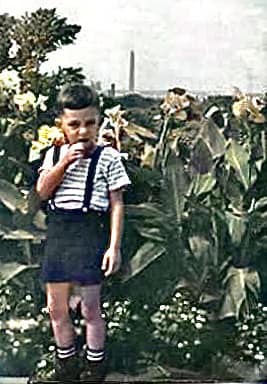
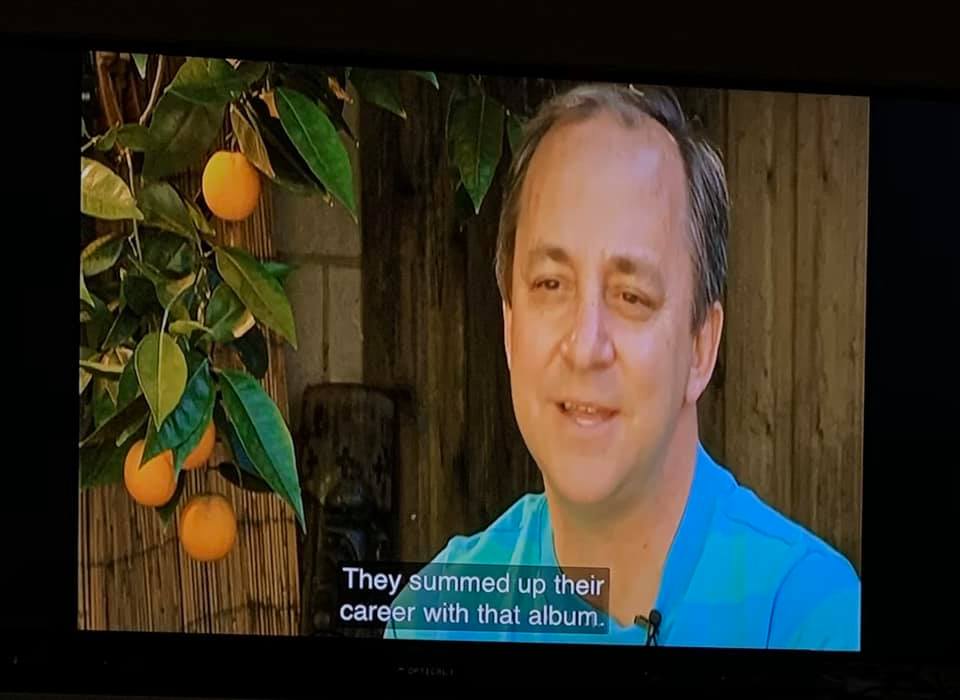
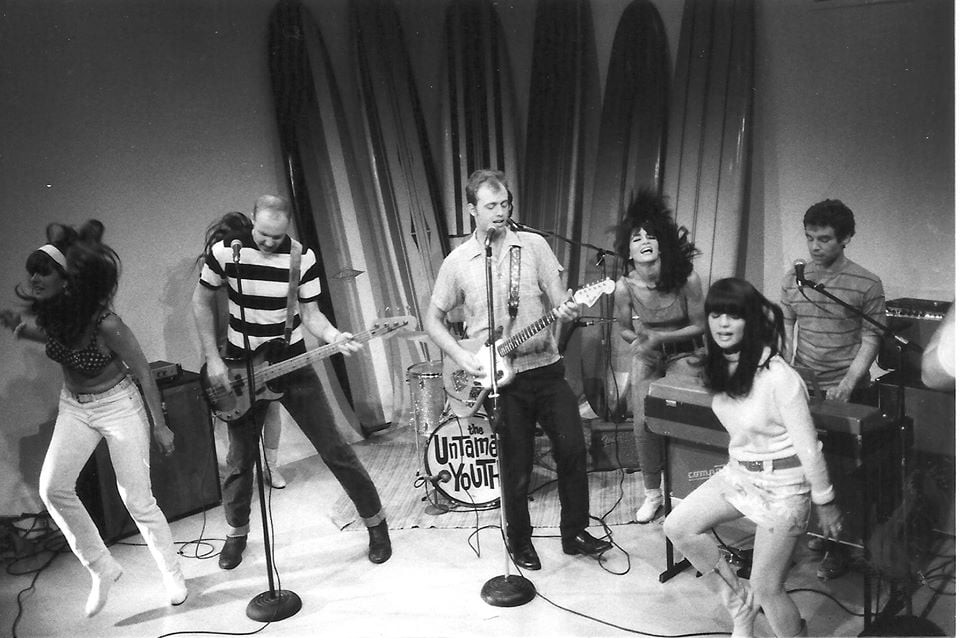
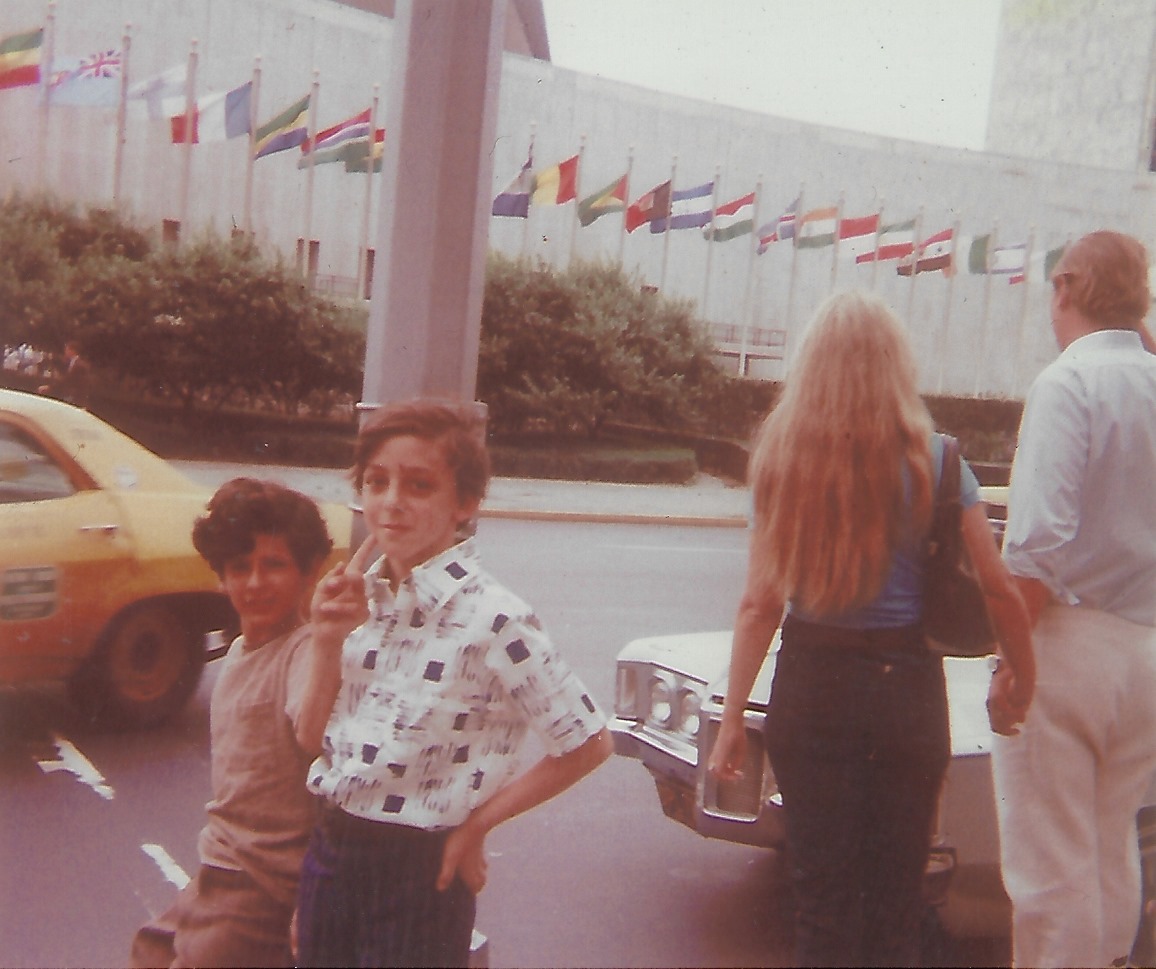
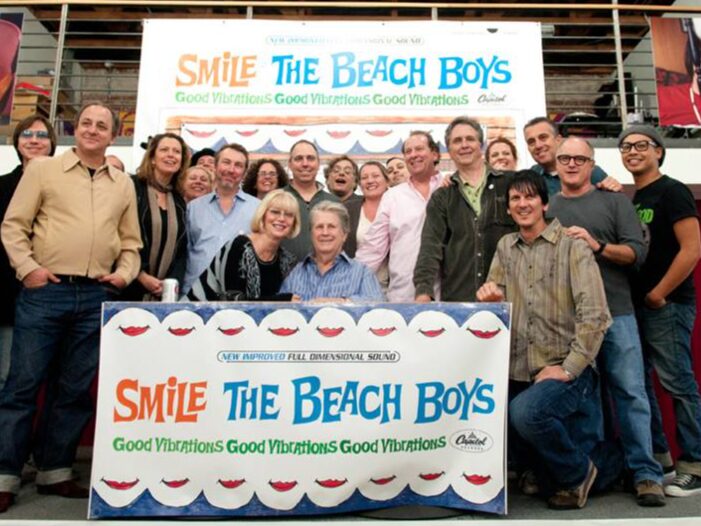
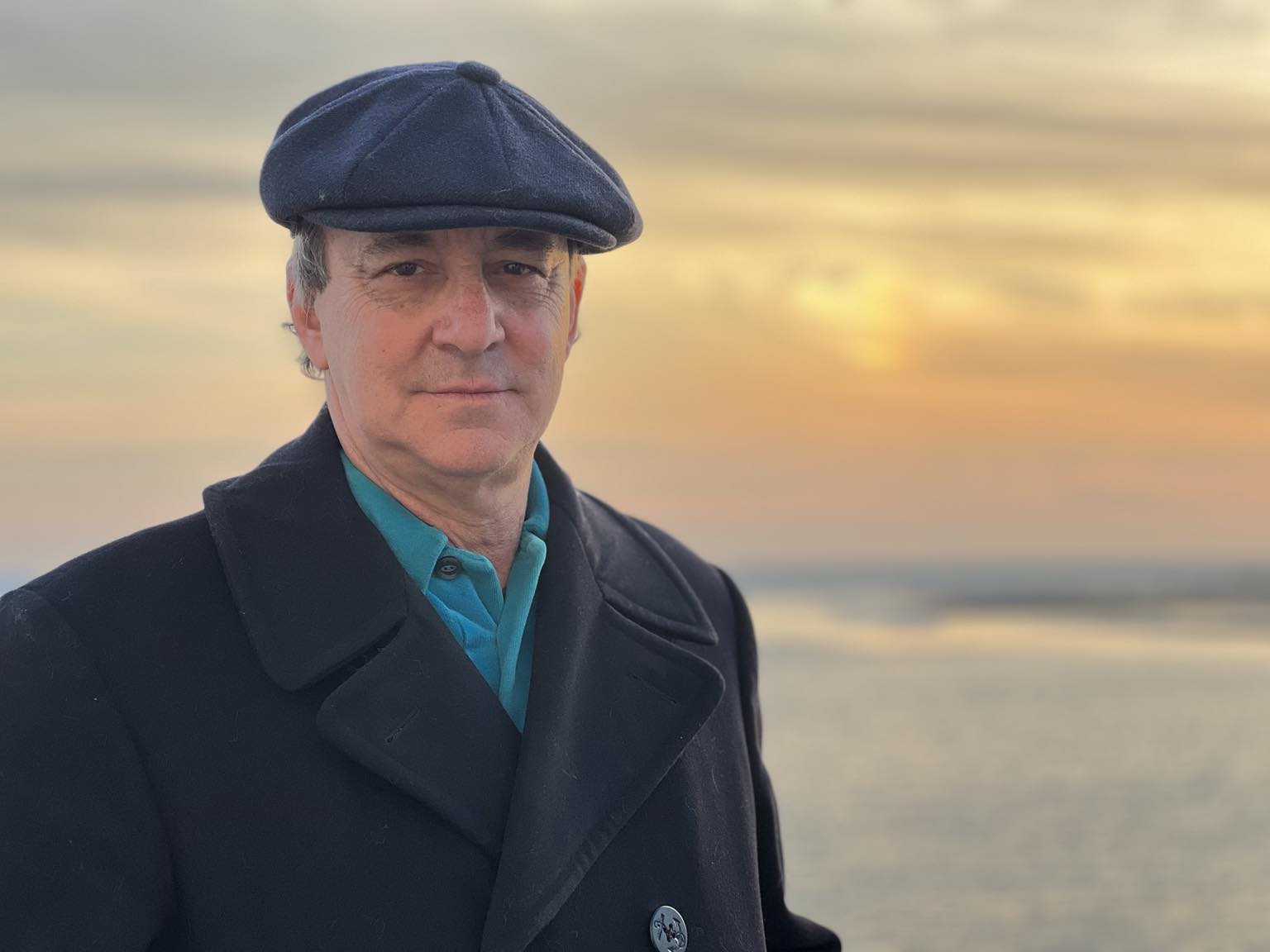
Image Credits
Domenic Priore, Steve Barilotti, Christopher Grisanti
Popular
-

Portraits of the Valley
-

LA’s Most Inspiring Stories
-

Finding Balance Through Art: Theresa Croft on Blending Music, Wellness, and Visual Storytelling into a Holistic Creative Identity
-
From Street Corners to City Tours: Chef Chuck Glaster on Building SOULD Out Into a Culture-Driven Culinary Movement
-
From Rock Bottom to Calling: How Hasani McLean-Davis Found Purpose Through Faith and Music
-

Building a Scalable, Soulful Travel Brand: How Abboud Khallouf Turned Morocco Into a Global Experience


