




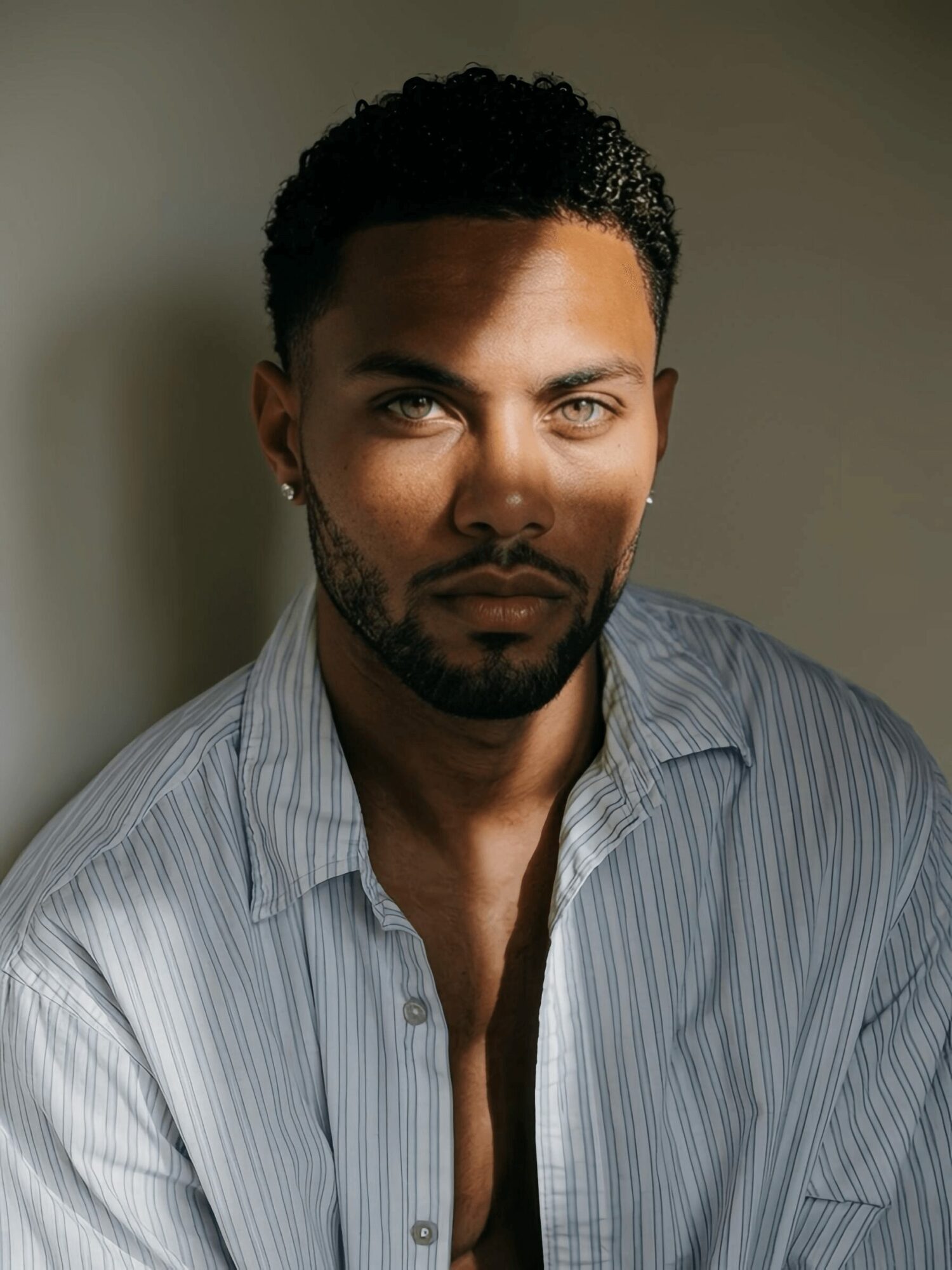
Today we’d like to introduce you to Rayle.
Hi Rayle, can you start by introducing yourself? We’d love to learn more about how you got to where you are today?
My story honestly has a lot of highs, a lot of setbacks, and a lot of rediscovering who I am. Music has always been a part of me, but my path with it hasn’t been easy or straightforward. Earlier on, I signed a bad deal, and that deal locked me in for five years. During that time, I wasn’t able to release anything the way I wanted to, and if I’m being real, it felt like it took my twenties from me. That was a hard thing to sit with, because when you love something deeply and feel blocked from it for that long, it can really mess with your spirit.
There was a point where I really thought I might not do music again. After being tied up for so long, I was discouraged. I felt stuck. I felt like too much time had passed. And when you lose that much time, you start questioning everything — your timing, your path, even your purpose.
Then life shifted again. In October, I got laid off from my job when they closed their California location. Two days later, one of my friends, who’s a producer, hit me and basically told me, ‘It’s time for people to really hear you.’ That moment stayed with me, because it felt bigger than coincidence. It felt like life was forcing me to make a decision — either keep sitting in everything I lost, or finally step into what was always meant for me.
Since then, I’ve been rebuilding with intention. What I’m doing now is deeper than just making songs. I’m creating from a real place — honesty, vulnerability, desire, heartbreak, confidence, all of it. I think that’s why this chapter means so much to me, because I know what it feels like to have your voice silenced for years. So now that I’m here, I don’t take any of it lightly.
A lot of people may have first found me because of my looks or because something went viral, but for me this has always been about the music having real substance. I want people to stay because of the honesty, the storytelling, and the emotion in the records. That’s what I’m building now — not just moments, but something real and lasting.
So when I look at where I am today, I see somebody who lost time, doubted himself, almost walked away, and still found his way back. And I think that journey is a big part of what gives the music its weight now.
Can you talk to us a bit about the challenges and lessons you’ve learned along the way. Looking back would you say it’s been easy or smooth in retrospect?
Not at all. It definitely hasn’t been a smooth road.
A big part of the challenge has been adjusting to new attention and everything that comes with it. On one hand, it’s a blessing to have more people discovering me and connecting with what I’m building. On the other hand, that kind of visibility comes with a lot that people don’t see. There have been fake pages pretending to be me, fake accounts convincing people they’re talking to me or even dating me, and that’s been one of the strangest and most frustrating parts of all of this. It’s weird to watch people build whole ideas around a version of me that isn’t even real.
So I always try to make it clear: I do not have backup accounts. I’m not on WhatsApp, I’m not on Telegram, and I’m not on any other secret pages. My only accounts are @whoisrayle on TikTok and Instagram and Facebook @whoisrayle1. That’s it, there are about 30 fake TikTok accounts of me I just want people to look at the @ very closely, and if I sent you a dm saying let’s meet. It 100% not me. And dealing with that has been challenging, because you want to protect people from being misled, but you also realize you can’t control everything once your name starts moving around.
Another challenge has been being fully independent. That part is beautiful because it gives me freedom, but it’s also heavy because every decision is on me. There’s no real safety net. I’m the one deciding what song leads, what gets released, how things are presented, how I engage, what direction the brand takes. And when you’re building something you really care about, that pressure is real, because it can feel like one wrong move falls back on you. When you’re independent, mistakes feel personal. It can feel like if you get something wrong, it could affect everything you’ve been trying to build.
So no, it hasn’t been smooth, but I think the struggles have forced me to get clearer, wiser, and more grounded. I’ve had to learn how to protect my name, protect my peace, trust my instincts, and move with more intention. And honestly, that’s part of what’s shaping me not just as an artist, but as a person too.
Thanks for sharing that. So, maybe next you can tell us a bit more about your work?
What I do is make music that says the quiet part out loud. I specialize in honest R&B — the kind that lives in vulnerability, desire, heartbreak, confidence, tension, and all the emotions people try to act like they don’t feel. I’m known for making records that feel personal, intimate, and real. Even when the song is sensual, there’s still intention in it. Even when it feels smooth, there’s still something being said.
I think what I’m most proud of is that I’ve stayed committed to building something with real substance. A lot of people may have first noticed me because of my looks or because something about me went viral, but I’ve been intentional about making sure the music has depth. I never wanted to just be somebody people looked at. I wanted to be somebody people felt. That matters to me.
What sets me apart is the honesty. I’m not trying to make empty records that just sound good for a week. I want my music to feel like a real conversation — like a late-night truth, a moment you weren’t ready to say out loud, or a feeling you didn’t know how to explain until the song found it for you. I think that’s the difference. I care about storytelling. I care about emotion. I care about records actually meaning something.
I’m also proud of the fact that everything I’m building is independent and intentional. Every decision, every visual, every release, every step is coming from a real vision of who I want Rayle to be. That’s not always the easiest route, but it makes everything feel more personal and more real.
Right now, a big part of that work is my new album, Care Package. That project really represents what I do best because it sits in the space of love, effort, emotional value, and the question a lot of people are scared to ask: do you love me for me, or for what I give? The first single from that album is ‘In Cursive,’ out April 14th, and I think that record says a lot about my approach as an artist. It’s smooth, intimate, and detailed, but it’s also intentional and emotional. It’s not just about the feeling of the record, it’s about what the record leaves with you.
More than anything, I’d want people to know that what I do is rooted in authenticity. I’m not interested in pretending. I’m interested in making music that feels good, sounds good, and actually stays with people. That’s what I’m most proud of, and that’s what I think separates me.”
In terms of your work and the industry, what are some of the changes you are expecting to see over the next five to ten years?
I think the music industry is going to keep growing over the next 5 to 10 years, but it’s also going to get more crowded and more demanding. Streaming is still driving the business — global recorded music revenue reached $31.7 billion in 2025, and paid subscription streaming accounted for more than half of that revenue — so access is bigger than ever. But I think the real challenge moving forward will be standing out in a way that actually lasts.
I think one of the biggest shifts will be the gap between attention and real connection. It’s easier than ever to go viral, but much harder to build trust, identity, and a lasting fanbase. I also think artists will have to think more like full brands — not just making songs, but building a world through storytelling, visuals, and direct connection with fans.
AI is also going to shape the industry in a major way, especially around authenticity, copyright, and fraud, while physical formats and fan experiences will still matter because people still want music to feel tangible and personal. Vinyl’s continued growth is a good example of that.
So to me, the future belongs to artists who know who they are, build real connection, and create something deeper than just a moment.
Contact Info:
- Website: https://whoisrayle.com/
- Instagram: https://www.instagram.com/whoisrayle
- Facebook: https://www.facebook.com/whoisrayle1
- Twitter: https://x.com/whoisrayle
- Youtube: https://www.youtube.com/@whoisrayle
- Soundcloud: https://soundcloud.com/whoisrayle
- Other: https://ffm.bio/whoisrayle
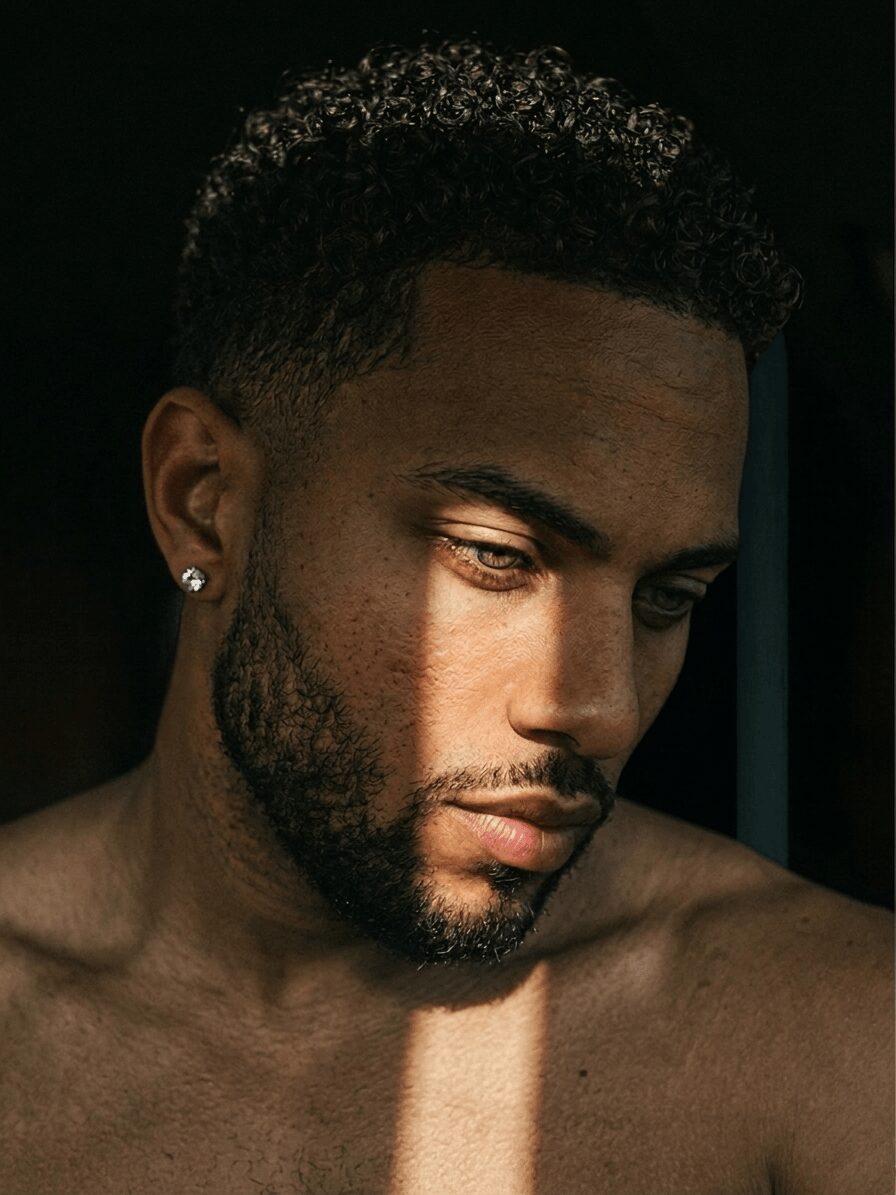
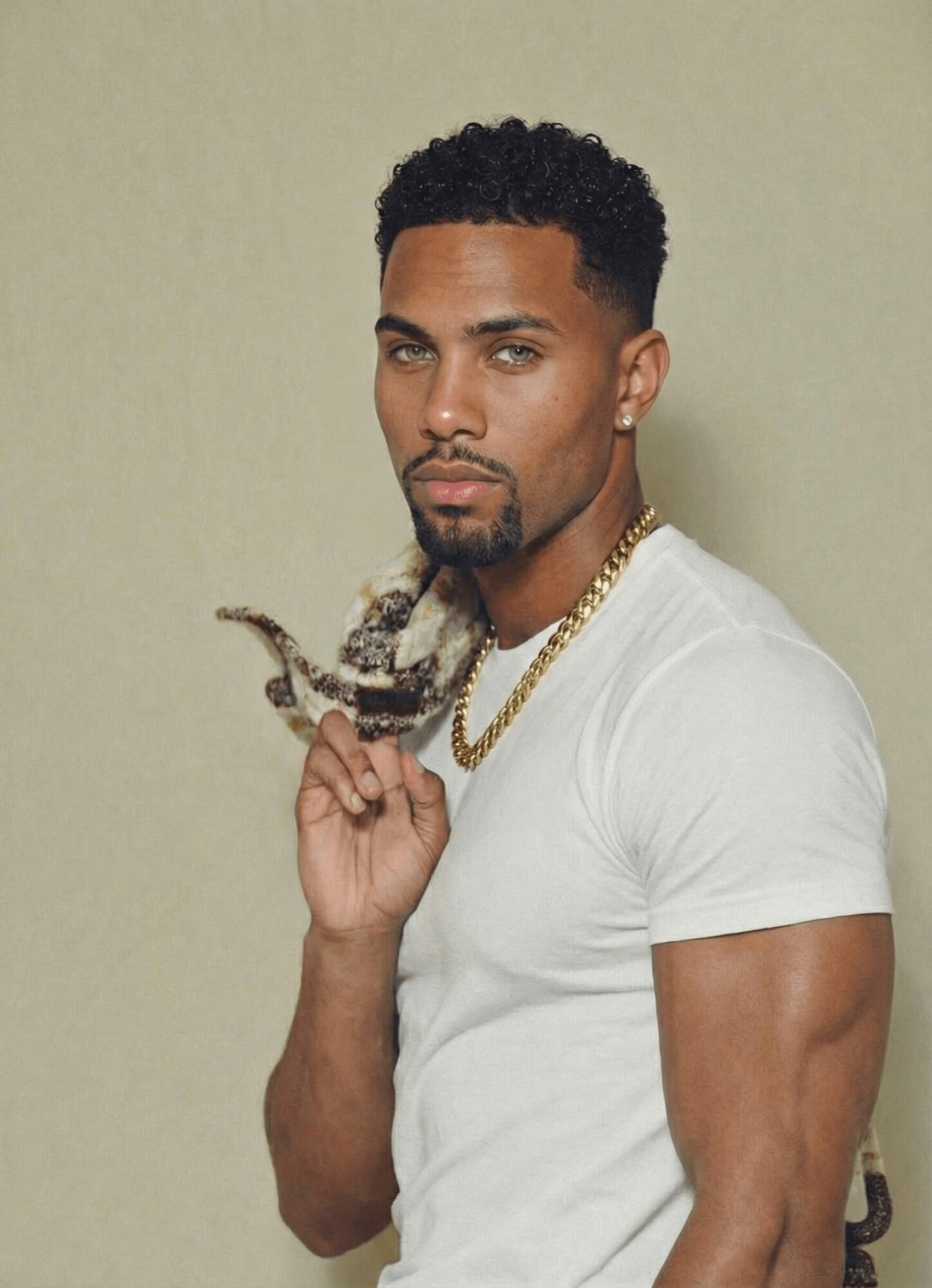
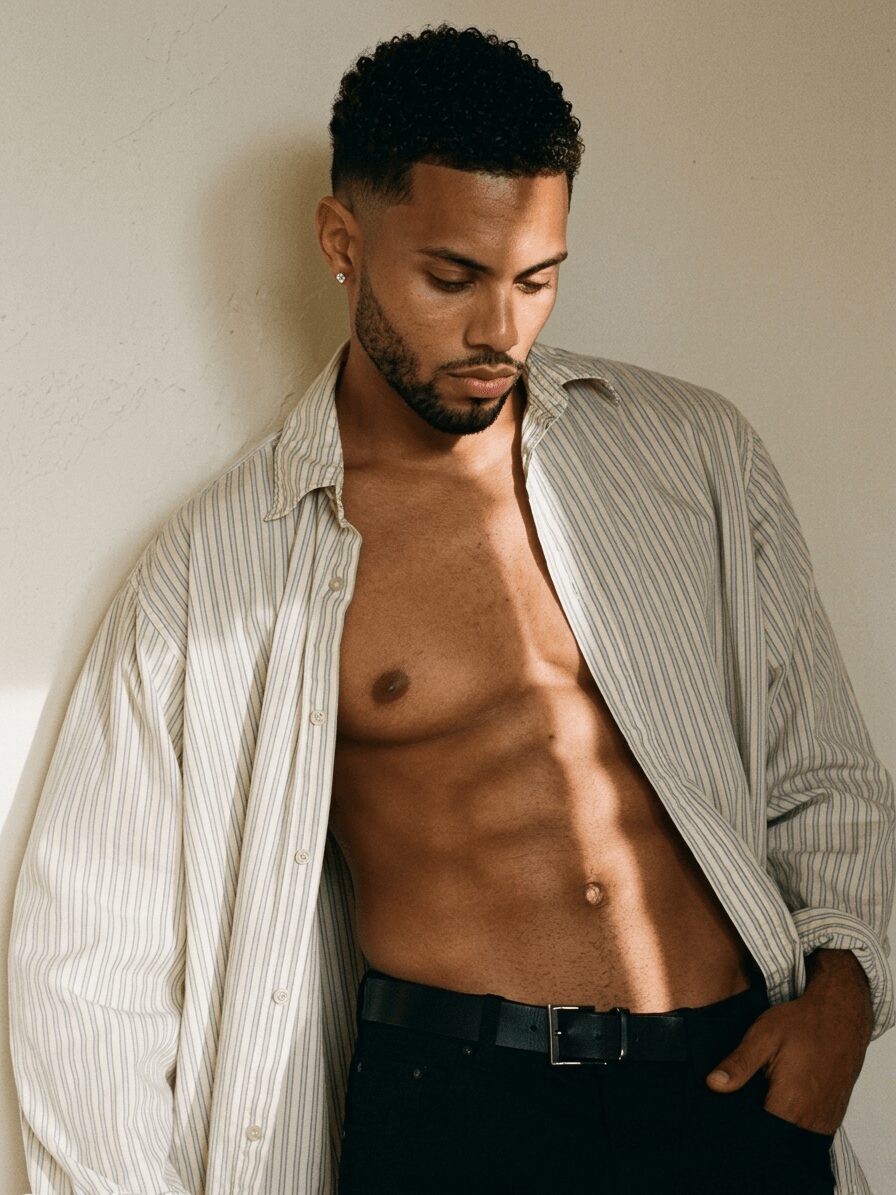
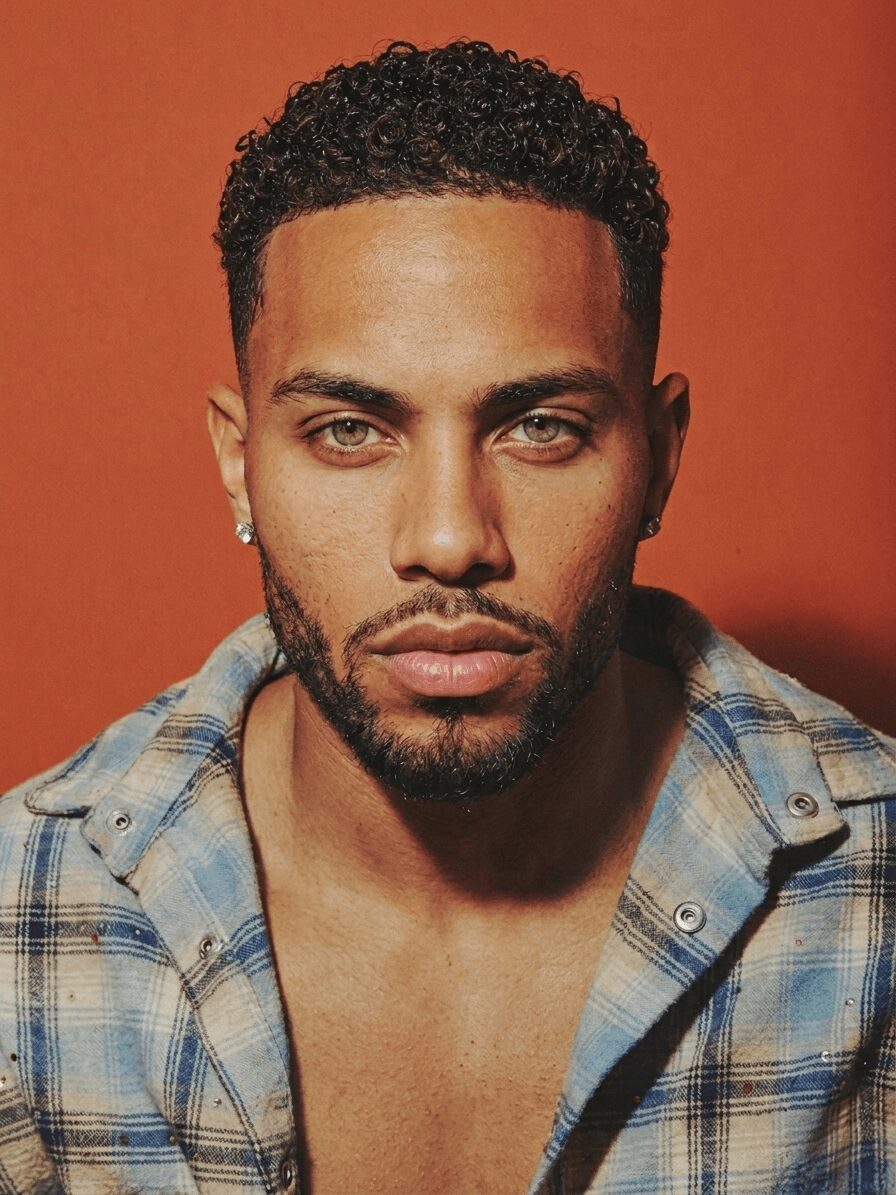
Image Credits
Adrian Arroyo
Popular
-

Portraits of the Valley
-

LA’s Most Inspiring Stories
-

Finding Balance Through Art: Theresa Croft on Blending Music, Wellness, and Visual Storytelling into a Holistic Creative Identity
-

From Street Corners to City Tours: Chef Chuck Glaster on Building SOULD Out Into a Culture-Driven Culinary Movement
-

From Rock Bottom to Calling: How Hasani McLean-Davis Found Purpose Through Faith and Music
-

Building a Scalable, Soulful Travel Brand: How Abboud Khallouf Turned Morocco Into a Global Experience


