




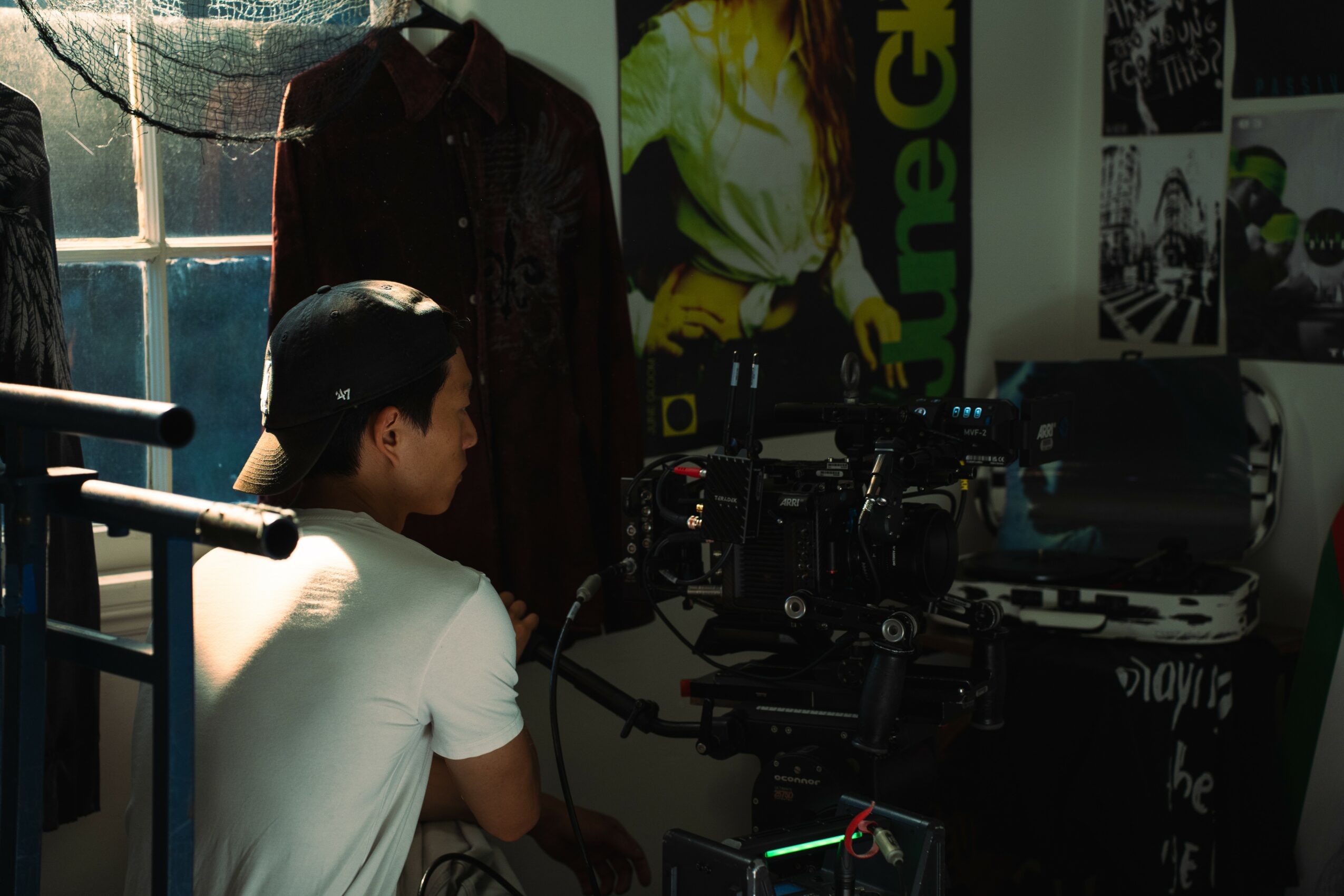
Today we’d like to introduce you to Seungyeop Lee.
Seungyeop, we appreciate you taking the time to share your story with us today. Where does your story begin?
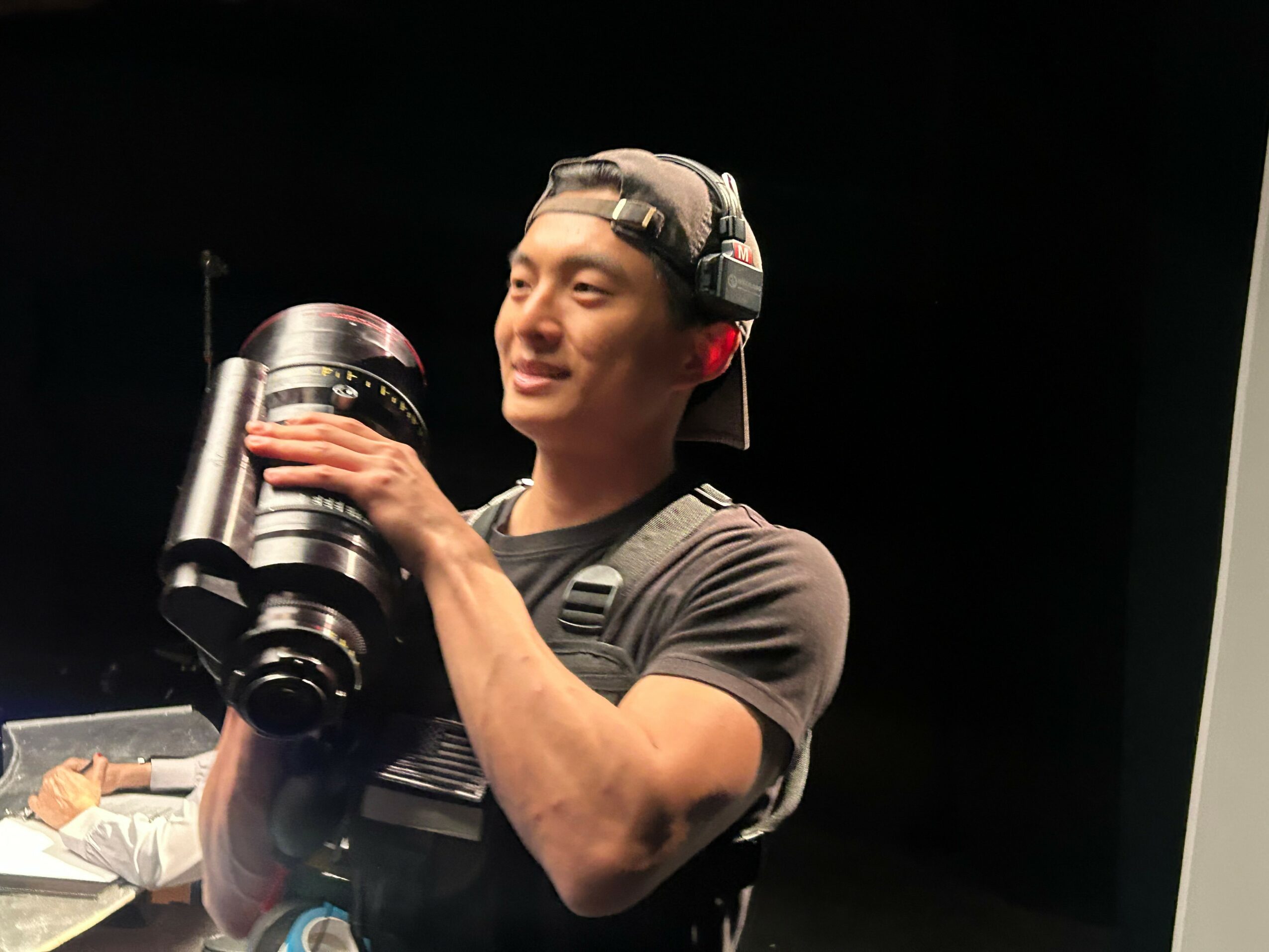
I grew up in Korea until I was 14, and from an early age, I was captivated by the power of film. I’ve always pictured myself working behind the camera, but that dream was rather vague. I had little sense of how to pursue it, and no one around me was following the path I aspired to. Just like my peers, I studied hard in school, tried to get decent grades, so I wouldn’t fall behind in this competition of academic success and expectations. I was running and climbing up the ladder, but I myself didn’t even understand which direction I was going towards. There was no passion in me, but a timid effort to conform to the society I was living in. My parents at that time also recognized my passion for film. They, too, did not want me to live in a society where success was defined narrowly by social and cultural expectations and conformity. They wanted me to live in a place where I could freely follow my dream, prompted by my genuine passion. When I was 14, my father suggested that I study abroad in America, a place that could potentially provide more opportunities for creative exploration and allow me to pursue my passion for film with a clearer sense of direction. This was a significant moment for me, because moving into the States sounded like a liberation from the meaningless competition and struggle I was fighting against. Going to America meant I would be finally able to discover the identity of myself I vaguely dreamed of for the rest of my life. Therefore, without any hesitation, I decided to go to America alone at 14. It has been almost 12 years since I moved here, but there is no regret in me. I am grateful that I am living my life driven by a genuine passion. Of course, it was difficult to overcome cultural differences and language barriers at first, but those challenges ultimately strengthened my resilience and shaped the perspective I now bring to both my life and my work in film. Now I am a UCLA undergraduate cinematographer who aspires to translate authentic human experiences into visual language. Every weekday and weekend, I work on indie and student film sets, such as UCLA, USC, and AFI, where I constantly meet new collaborators and am inspired by the diversity of their creative visions.
I’m sure it wasn’t obstacle-free, but would you say the journey has been fairly smooth so far?
Upon turning 20 years old, I, like all Korean males, was required to complete 18 months of military service. At that time, I had just finished my first semester at the University at Buffalo, and I was on the path to fulfilling my dream of becoming a film director. Filmmaking is my passion, so I was overjoyed to have earned a 3.87 GPA. Everything was going to plan. Now, all my hard work and momentum came to an abrupt halt. Frustrated thoughts about my future as a filmmaker flooded my mind, but I could not escape this fate. “When life gives you lemons, make lemonade,” is a motto that I live by. Although initially disappointed by the inevitable reality I had faced, I never blamed the circumstances, but embraced my current situation and moved forward with positive thinking, which ultimately allowed me to view the world from a totally different perspective and transform my adversity into personal growth.
First, I volunteered to deploy to the North Korean border. This particular area, called the “demilitarized zone” (DMZ), has a high reputation among Koreans for being one of the most dangerous areas in Korea, where military conflicts between North and South Korea frequently occur. This fact, however, did not wither me, but rather motivated me. It was obviously scary for me as well to think about spending 18 months of my life there, but I did not want to waste this valuable time without having any sense of duty, waiting for a discharge like a prisoner waiting for release. By volunteering to be of service to my country, to the utmost of my ability, I gained a sense of mission for my country, which would remain in my life forever.
Since our military operation was performed at the border, there were numerous adversities for the soldiers to overcome. First, because we had to always be prepared for resolving military conflicts caused in volatile situations, our company underwent a series of physically and mentally challenging military training in order to get ready for such circumstances. Moreover, for the months of military operations, we were not allowed to use any private communication equipment, such as phones and the internet, due to security reasons. We had to be disconnected from society and fully engage in the mission only. In addition, unity and collaboration were promoted through group tasks and shared responsibility, and soldiers followed strict rules governing conduct and routines, such as sleeping and eating. I exercised, completed job training, and moved locations in formation daily.
This training period as a private was the most difficult period of my military life. However, serving on the frontlines, in addition to numerous harsh training and lifestyle, ultimately exposed the characteristics that I lacked and developed them in me. I learned to control my emotions and live according to an organized plan that was part of a larger purpose. Most importantly, I learned to appreciate other people and how much we rely on each other. I experienced numerous military operations failing because one soldier did not communicate the correct information. Furthermore, I have come to realize how valuable the fruits of working together are in terms of happiness and a sense of accomplishment.
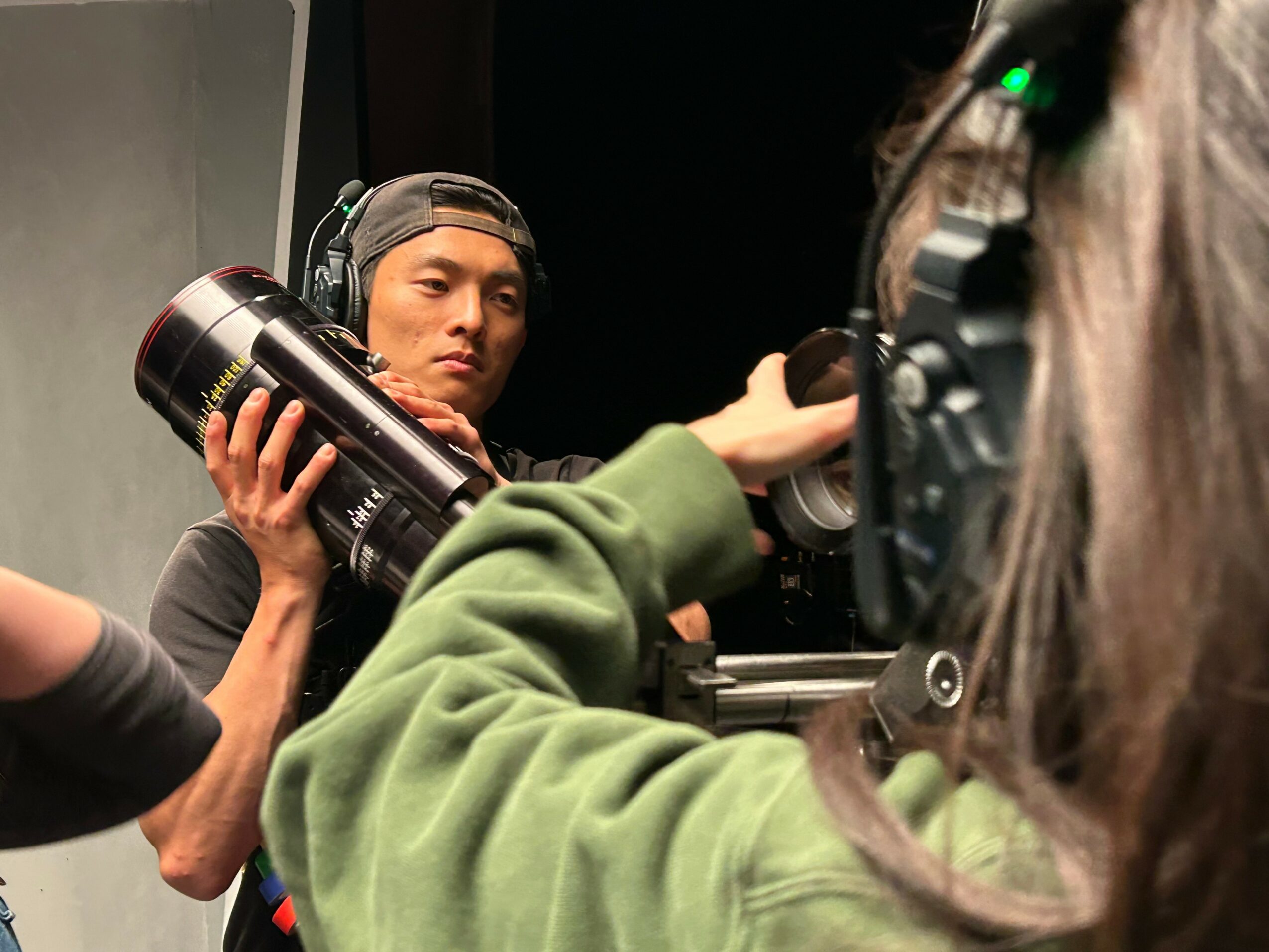
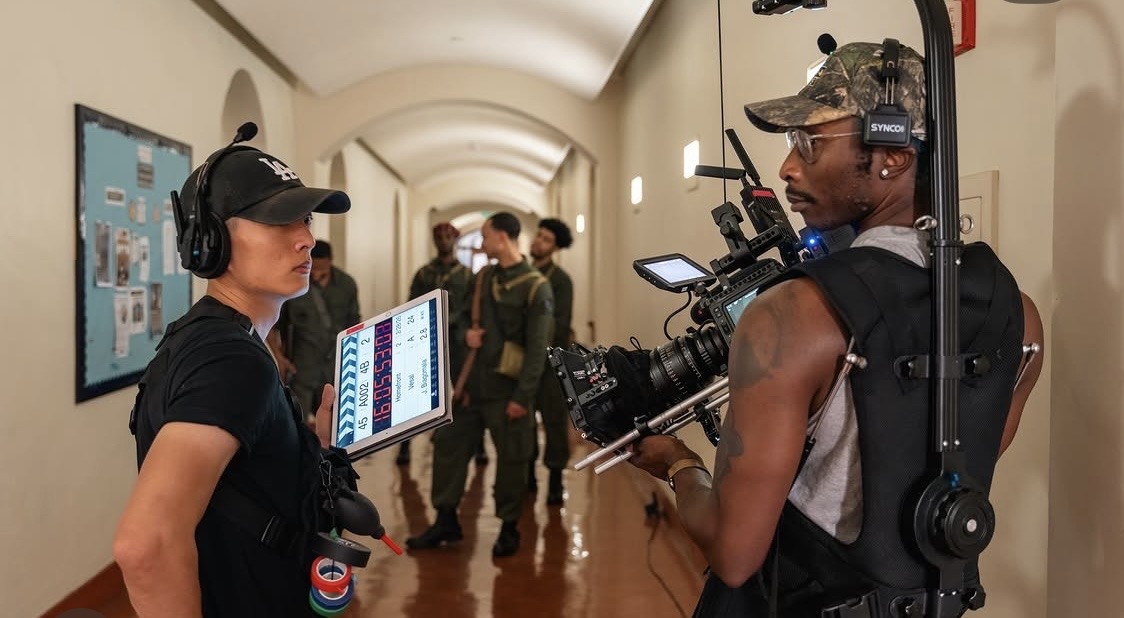
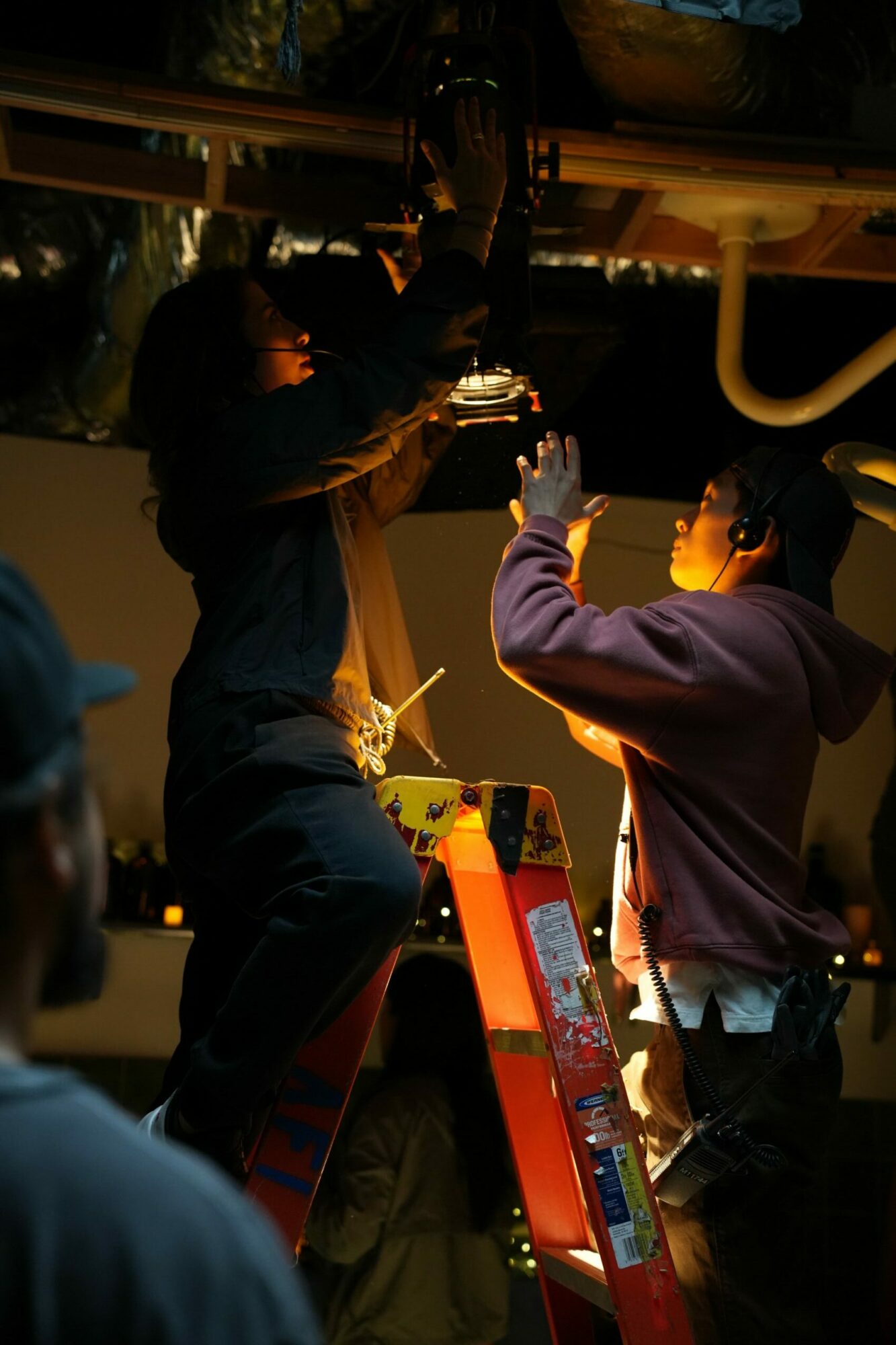
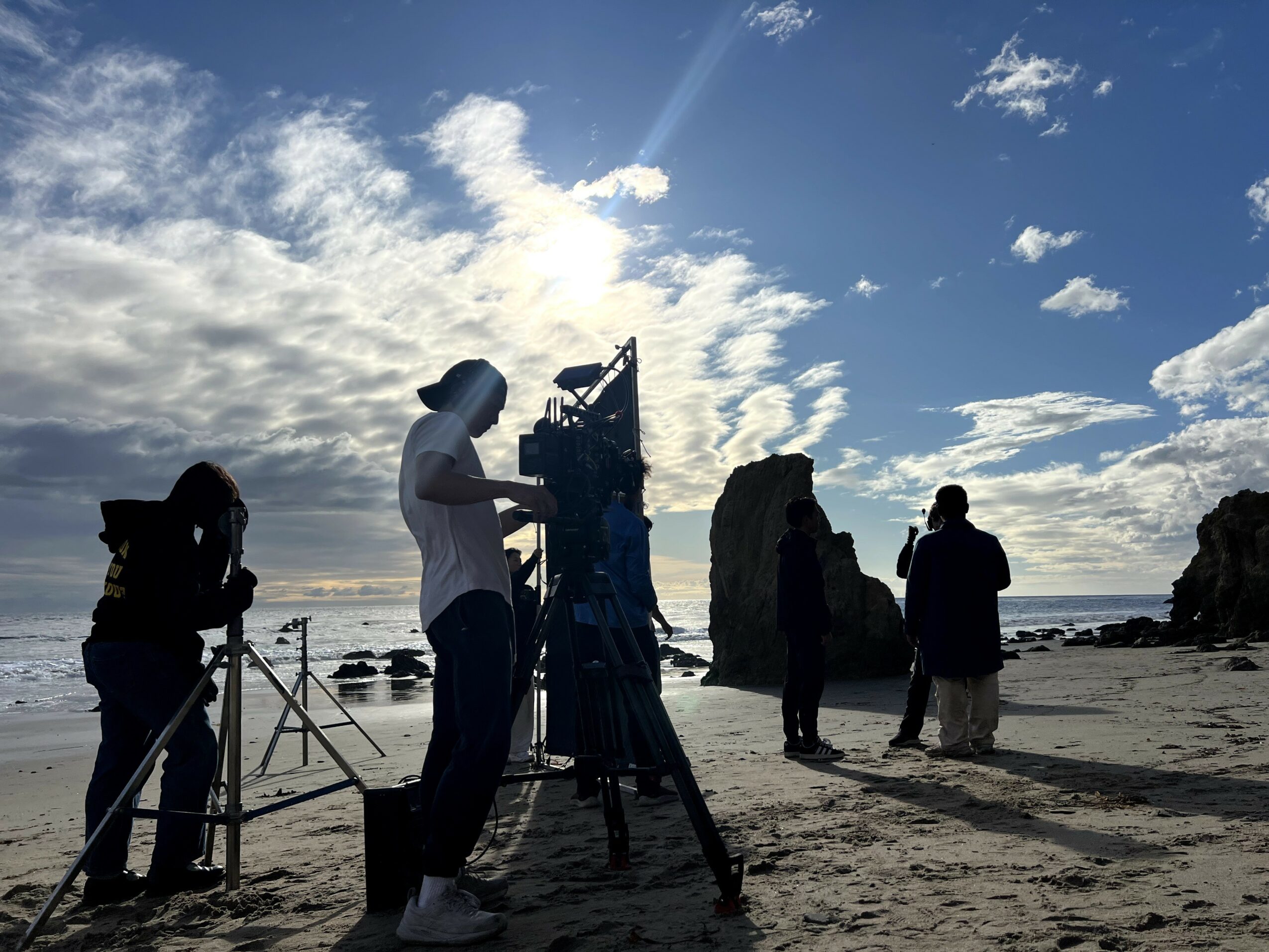
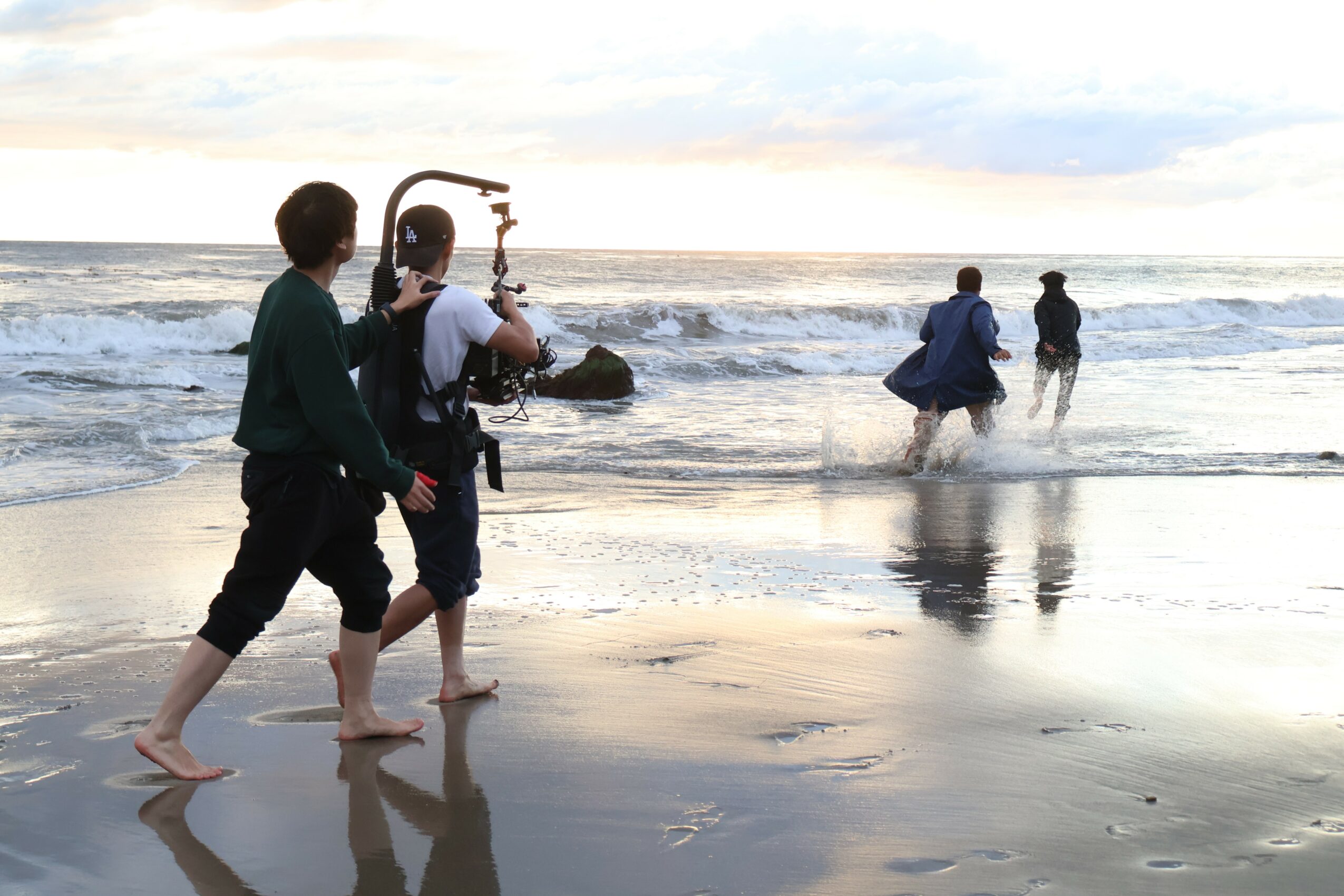
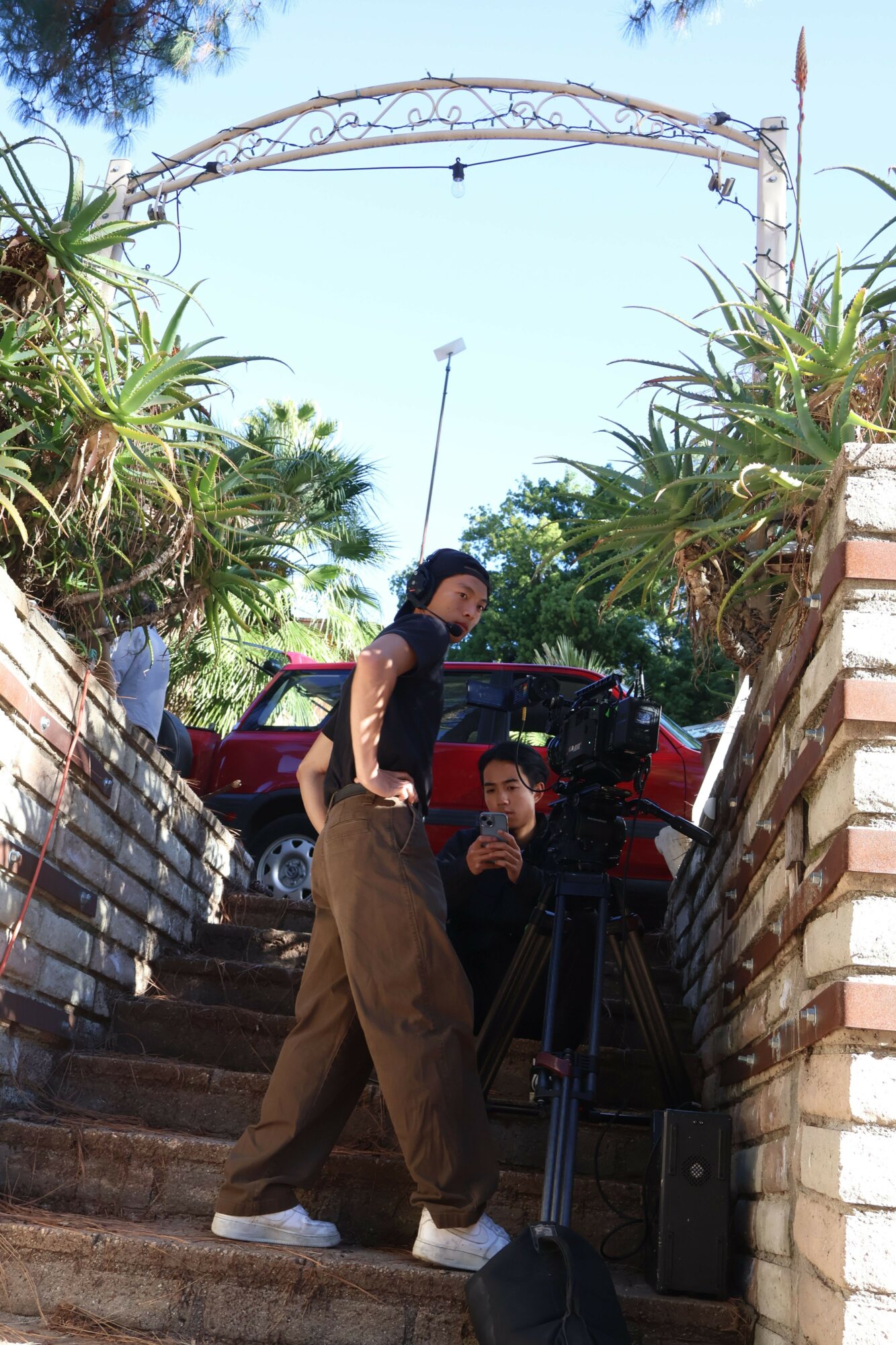
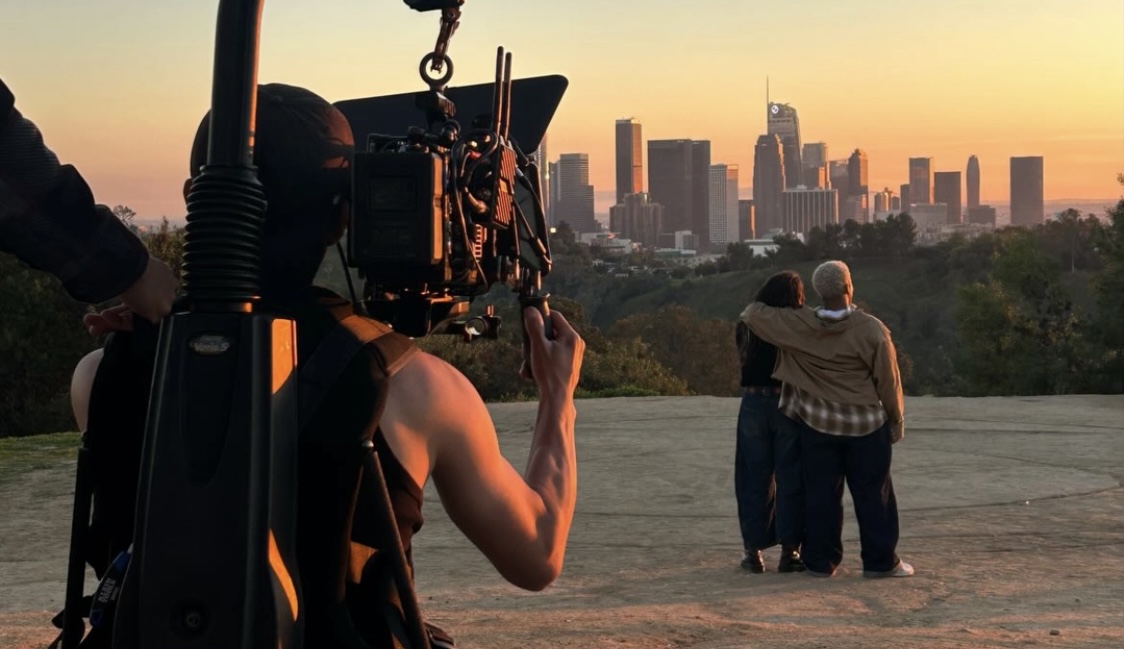
When my military service ended, I was a different person. Change or difficult circumstances no longer frustrate me. Instead, I embrace challenges as opportunities to grow, and I am more social, confident, and positive. At the same time, I remain passionate about becoming a film director. In addition to maintaining a full course load, I have been developing my technical skills as a director and screenplay writer by actively participating in multiple indie/graduate school film productions, such as UCLA, USC, and AFI, as a DP, Gaffer, AC, and Key Grip, and G&E, taking on diverse roles that have allowed me to understand filmmaking from multiple perspectives and collaborate effectively with a wide range of creative teams.
Thanks for sharing that. So, maybe next you can tell us a bit more about your work?
I can perceive and capture the essential beauty of objects. Most objects draw people’s attention and appreciation, but they do not know the reason why. Objects, like flowers and trees, are simple parts of nature, and they are seen regularly. However, behind their simple nature is a system, process or thought that people experience but cannot express. I, on the other hand, analyze what I see from its geometry to its hue, so I can experience its essential beauty and understand its place in nature. In the end, I establish a narrative of these objects that helps me bond with the world and appreciate my existence in it. Cinematography has given me an outlet to express the beauty that I perceive. For example, if I wanted to take a shot of a flower, I have to fully comprehend the characteristics of that flower, such as its shape, color, and size, in relation to its environment. When I observe these characteristics together, the flower’s meaning becomes apparent and changes how I perceive it. Then, I use cinematography to alter this meaning by adjusting the characteristics captured through the lens! By adjusting the amount of light or controlling the depth of field, the flower becomes imbued with my own creativity. In the end, I reshape the essential beauty of an object and become part of the object’s new narrative.
Over time, I honed my technical ability and “eye” for cinematically capturing this beauty. Since childhood, I have carried my camera wherever I go. At first, I shot anything that captured my attention. After analyzing what could change the perception of the object, I would adjust some aspects, record the same objects, and then repeat the evaluation process. Through trial and error, I gained more knowledge on the importance of such methods as framing and lighting, and I developed the patience to wait for circumstances that would enhance the film’s meaning.
Beginning in 2020, I have continuously developed and gathered experience in film production through consistently exposing myself to diverse projects, ranging from student films to independent productions. For example, during my college years, I utilized the technical and scholarly sources from UCLA in order to realize my creative vision. I actively took a directing/ DP position in every college project, which has allowed me to shoot various short films, such as All I Need Is a Little Bit of Light, which won a semi-finalist award at Venezia Shorts Italy with an official selection at Lift-Off Global Network and INDIE FILM LA, and Overcome, which was named a semi-finalist at the New York Cinematography Awards. In addition, to further deepen my knowledge in cinematography, I served as Director of Photography on two senior thesis films, Crossroads (directed by Caleb Gabrielson) and Freaks (directed by Lhiannan Sidhe), and as gaffer on four others, contributing to storyboard and shot list development, operating the camera, and overseeing the visual direction of the production crew.
If we knew you growing up, how would we have described you?
For as long as I can remember, film has been my life and not an extension of it, like a hobby or a diversion. For me, the characters were family, and their stories were confessions with which I was entrusted as someone who could empathize. As the only child of two working parents in South Korea, where loyalty to a company must be proven, most of my childhood was spent alone. However, through films, I found escape to a life where every day was filled with a variety of interesting and unpredictable companions. On any given day, I sailed the seven seas, fought off aliens, or found my way out of emotional disasters alongside team members or friends that seemed closer than brothers! I re-watched my favorite films and scenes over and over, searching for a new word, facial expression, or prop in the setting that would bring greater understanding about the narrative or what I also felt inside. Soon, without knowing it, this behavior started me on the path to recognizing and analyzing the subtle techniques that directors and actors were using to transport profound feelings and messages through a screen and into reality. I began thinking that I also could capture the deep emotions that I felt about life, such as the frustrations with my family life, and bring into view the complexity and beauty of human emotions and nature for many people who, like myself, were not taught how to cope with, harness, and express their feelings.
Initially, I sought to display this hidden beauty about people and life by using the only artistic tool I had available, my camera. Most of the photographs I took were not staged. Instead, they were snapshots of people’s ordinary lives and nature, such as people talking, walking, and hanging out together. After a first glance, they are just simple moments that people often pass by every day without paying them any mind. However, I began to notice that the more shots I took of the same scenes and scenarios, the more profound and unique the images would become for the specific event. Through photography, I committed to revealing the inconspicuous, artistic characteristics of objects that come into full view when people take the time to slow down and observe them as the world unfolds in the background. It is a commitment that I have taken with me into filmmaking, because it allows people to perceive the world and themselves differently. By changing the direction of the lens, moving actors around or adjusting the lighting, people view situations from a perspective that is oftentimes different from their own, and I am inspired by the fact that observing alternative viewpoints humanizes them.
My present work is a reflection of this goal of changing perspectives. For example, my first awarded short film, AII I Need is a Little Bit of Light, I focused intently on the cinematography, so that the audience could visually and psychologically connect with the variety of emotions that people experience, such as fear, anger, disappointment, happiness and affection, in situations that normally could be dismissed as routine, such as a breakup or an unreturned greeting to a coworker. However, small encounters have a significant meaning to individuals, and I am eager to develop my filmmaking skills to more effectively display humanity in future projects. Whether it is a homeless person lying in the cold or the only tree remaining on a city block, my hope is that in some small way, I will help people become more concerned with their surroundings and the others living in them.
Contact Info:
- Instagram: https://www.instagram.com/syl_photography0/
- Linkedin: https://www.linkedin.com/in/seungyeop-lee-6b4650267/
Screenshot
Popular
-

Portraits of the Valley
-

LA’s Most Inspiring Stories
-

Finding Balance Through Art: Theresa Croft on Blending Music, Wellness, and Visual Storytelling into a Holistic Creative Identity
-

From Street Corners to City Tours: Chef Chuck Glaster on Building SOULD Out Into a Culture-Driven Culinary Movement
-

From Rock Bottom to Calling: How Hasani McLean-Davis Found Purpose Through Faith and Music
-

Building a Scalable, Soulful Travel Brand: How Abboud Khallouf Turned Morocco Into a Global Experience


