




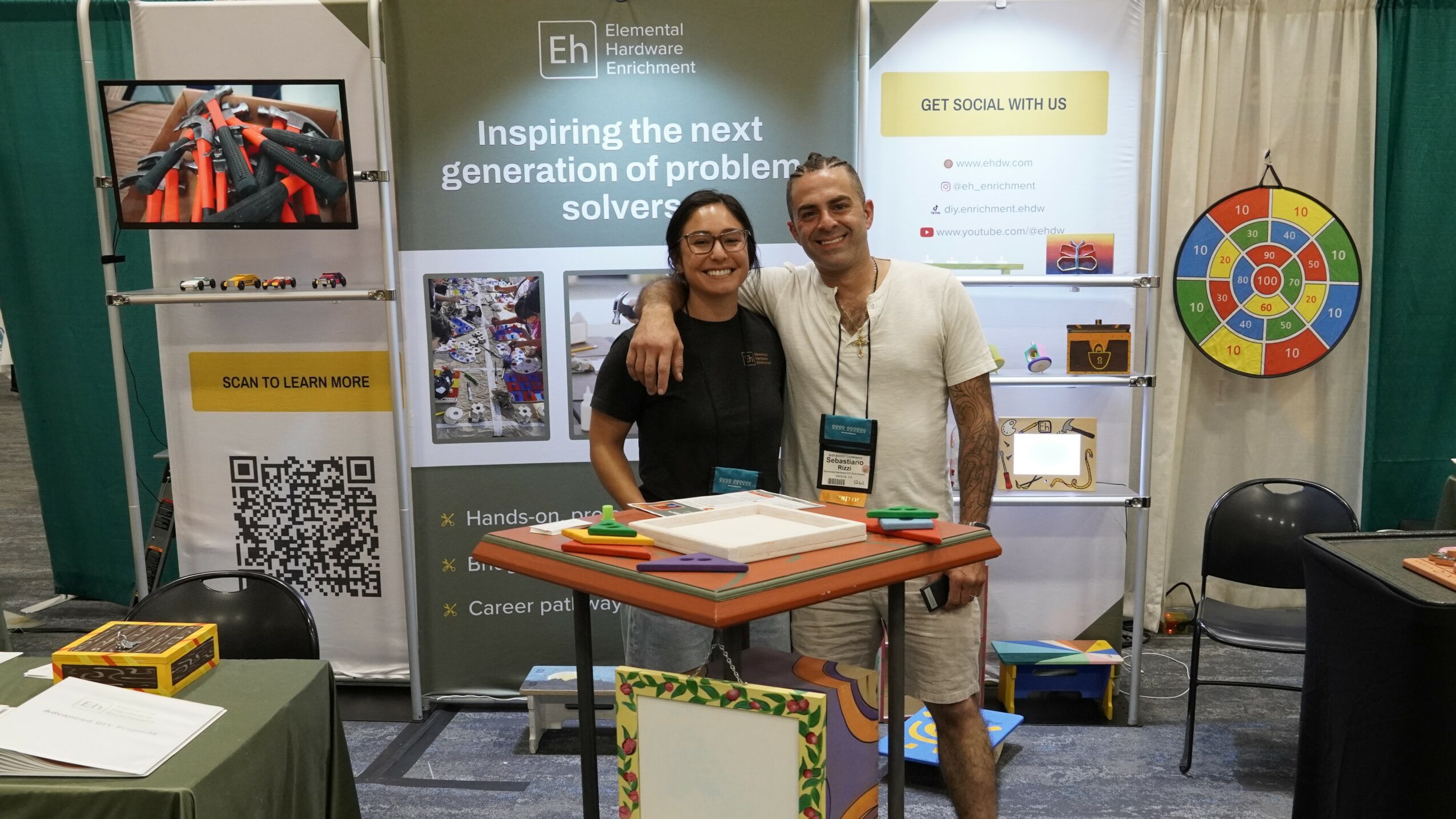
Today we’d like to introduce you to Sebastian & Kay Rizzi.
Sebastian & Kay, we appreciate you taking the time to share your story with us today. Where does your story begin?
Elemental Hardware Enrichment started pretty accidentally. Sebastian, my husband and co-founder, comes from a finish carpentry and skilled trades background, and I’ve spent most of my career working in early-stage companies helping build and scale systems and teams from the ground up.
When we first moved in together, we converted our 1-car garage into a workshop for Sebastian. There, he dreamt up and built all kinds of bluetooth speakers, lamps, and unique home decor — many of which would later inspire the first DIY Builders project kits he developed for our programs.
When schools closed during the COVID pandemic, we noticed our elementary-aged son and nephew were spending increasing amounts of time on a screen, both for schoolwork and for play. To counter that, Sebastian started running a mini “shop class” for the boys where they learned about shop safety, simple woodworking and electrical, and even took quizzes to assess their retention of the skills and knowledge they were gaining.
What started as a family activity quickly turned into something more. He had the opportunity to pilot the program over Zoom with a local school, and the survey responses from parents and students were overwhelmingly positive. Other parents were feeling the same thing we were — too much screen time, not enough quality learning going on as schools were navigating how to keep students engaged in a fully virtual environment. That’s when we realized this could be bigger than just something for our own kid.
In the early days, it was super scrappy. Sebastian was doing everything — designing, building, sourcing materials, teaching classes, meeting with administrators. I was still focused on my full-time role at the time, so we’d spend our nights and weekends testing new project ideas with our son and his friends and invite our own friends over to help package up kits for students. Our living room looked more like a warehouse than a home most of the time.
But it was entertaining for sure, and truly what kept us going in those early days was the feedback. Students were so proud to be building their own projects. For many of them, it was the first time they had ever used real hand tools or created something from start to finish on their own, and parents, teachers, and administrators could see their confidence growing in real time.
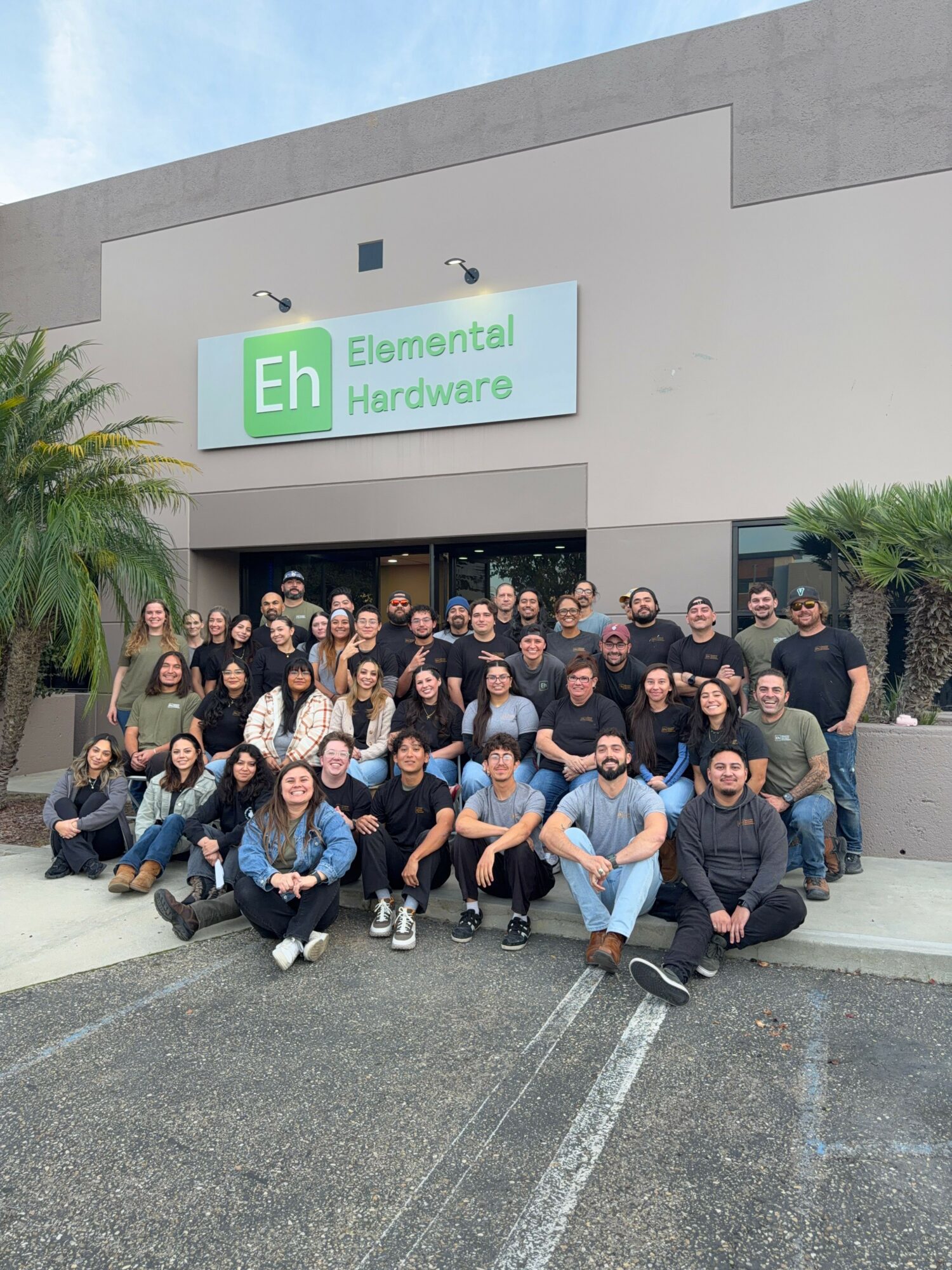
As we grew, we focused on professionalizing and scaling what we were building. We invested in critical infrastructure like CNC routing machines to increase manufacturing capacity, an ERP software to standardize our production processes, inventory management, procurement & quality control practices, and most importantly — we built a team that not only cares deeply about the mission, but also brings strengths that complement our own.
Today, we offer 3 core hands-on programs focused on woodworking & electrical skills, design & engineering, and agriculture & food systems. We partner with over 80 schools to give TK – 8 students real-world learning experiences where they build, problem-solve, and connect what they’re learning in school to practical skills and potential career pathways.
We all face challenges, but looking back would you describe it as a relatively smooth road?
Absolutely not! You know the over-used phrase “building the plane while flying it”? It’s used a lot for a reason.
Early on, the biggest challenge was doing everything with very limited resources and processes. We were innovating, testing, sourcing, packaging, and delivering programs all without having strong controls, checkpoints, or established capital in place. It worked for awhile when we were only partnering with a handful of schools, but as demand grew, all of the cracks started to show up.
One of the biggest learning curves has been building a business that not only develops curriculum and delivers educational programs but also manufactures a physical product. We don’t just write lesson plans, train instructors, source materials, and implement programs — we also produce the materials to support the hands-on learning happening in these programs at scale. That means managing inventory, maintaining quality control standards, troubleshooting and maintaining equipment, managing a supply chain, ensuring a safe and compliant warehouse environment, all while delivering everything on time. When you work with schools and students, there’s very little room for error because instructional time is already limited. That all said, this complexity is also one of our biggest strengths. Owning our supply chain as a program provider allows us an incredible amount of flexibility and creativity, whether that’s modifying programming for different age groups, site specific needs, themed camps or units, and more importantly iterating quickly on the feedback we capture from students, site staff, and parents. This level of control and responsiveness in program implementation is a lot more difficult to achieve when curriculum and materials are separated.
Another ongoing challenge has been learning how to develop and trust our team to own critical parts of our operations. From manufacturing to program implementation to marketing and warehouse operations, we’ve had to shift from doing everything our way to empowering others to lead and make informed decisions. It’s a necessary, albeit sometimes uncomfortable, transition.
Then there’s the obvious challenge, which is building a business as a husband and wife team. There are real struggles that come with this, but there are also real advantages — like the absolute trust and shared commitment that we both bring to the work.
Despite all of this, we always look back on these challenges with pride. Every problem we’ve faced has pushed us to improve, communicate more effectively, and operate with more discipline and intention. It hasn’t been a smooth road, but we never expected it to be, and every time we get into the classroom or interact with students and families, we’re reminded of how impactful this work is and why it’s all worth it.
Alright, so let’s switch gears a bit and talk business. What should we know?
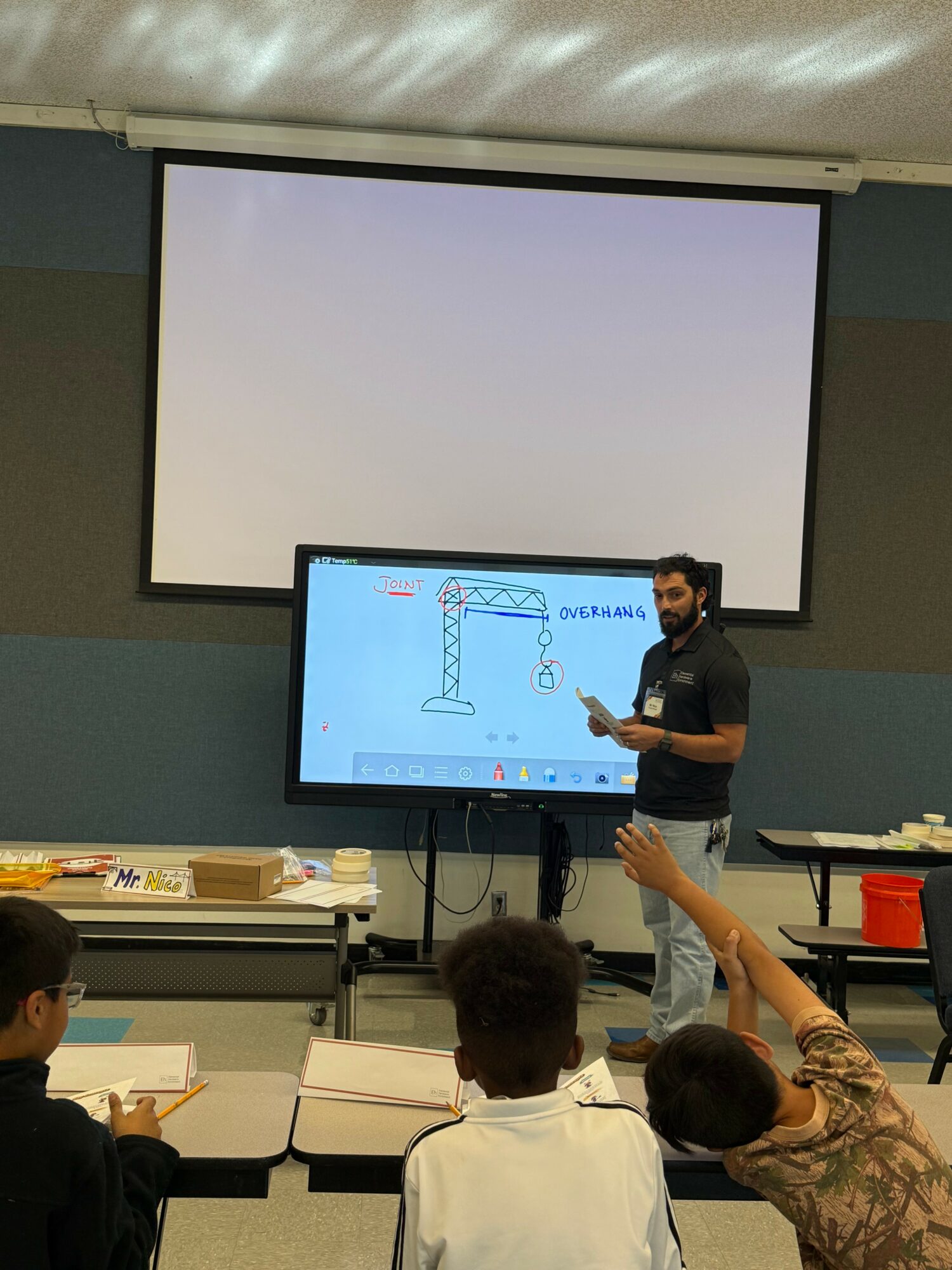
We partner with schools and youth programs to deliver hands-on, career-connected learning experiences for TK – 8 students. Programs can be implemented through direct instruction by our staff or we can train existing site staff and deliver materials.
We currently have three core programs:
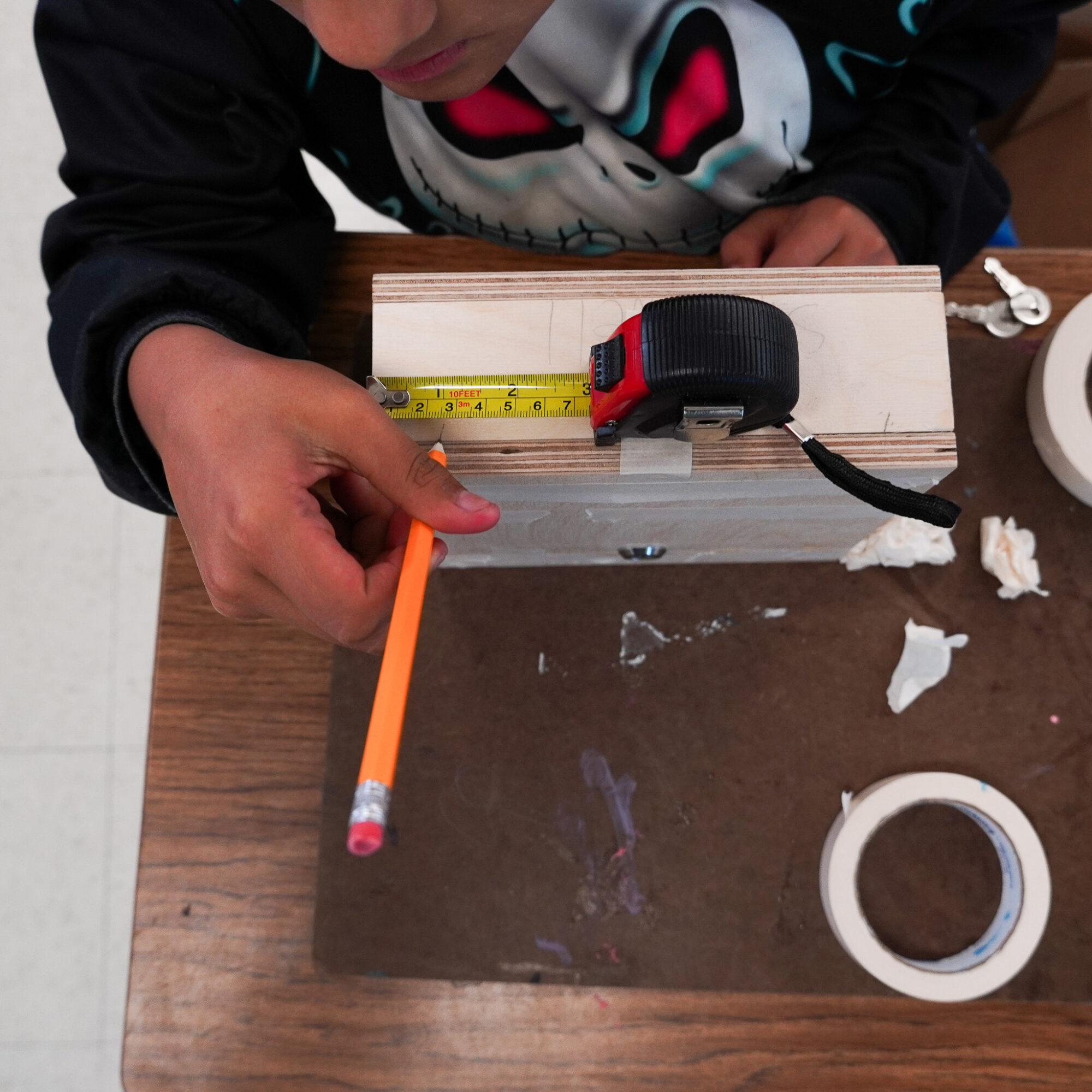
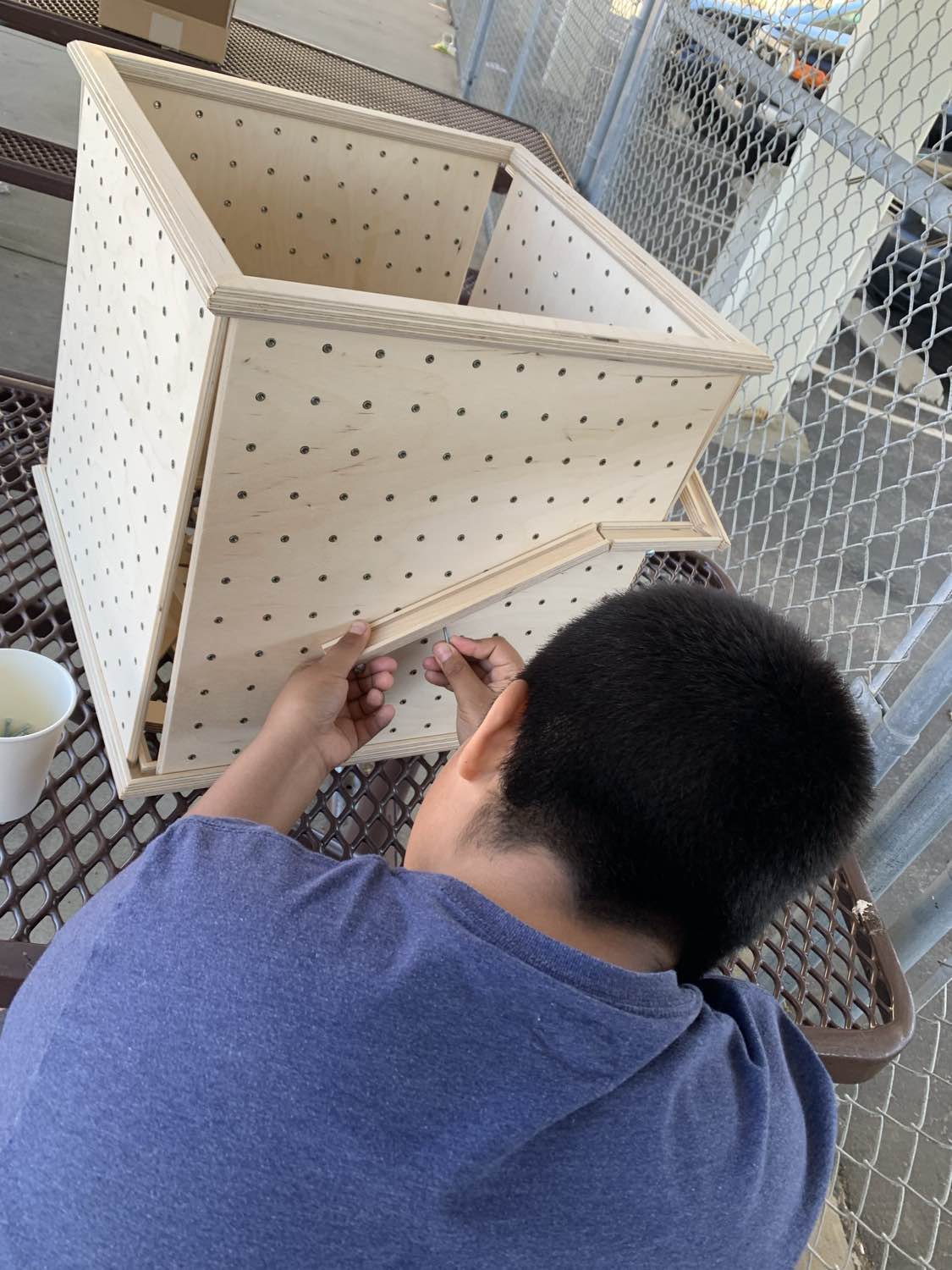
* Builders — a woodworking & electrical program where students use real hand tools to build high-quality projects that they personalize and take home, practicing measurement, technical, and execution skills
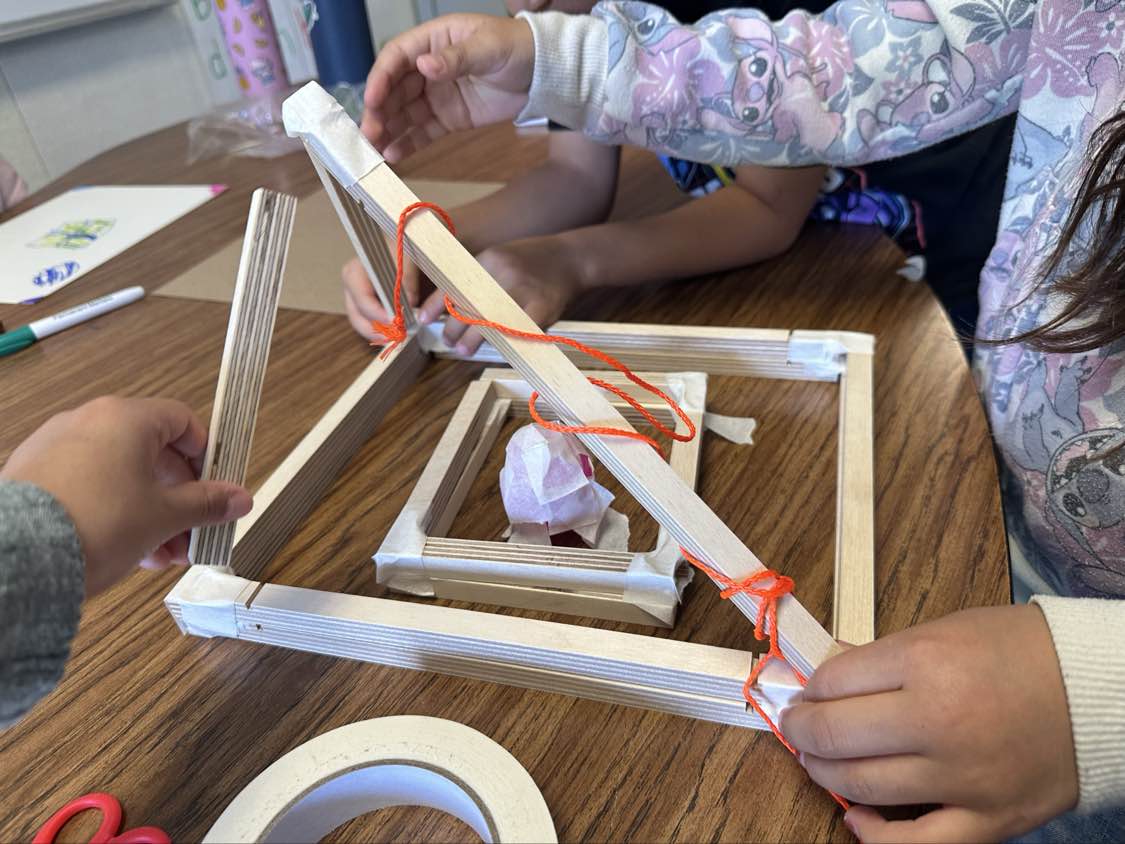
* Makers — a collaborative design & engineering program where students learn and apply fundamental engineering concepts to real-world problems like structure design, gravity, and motion through hands-on challenges
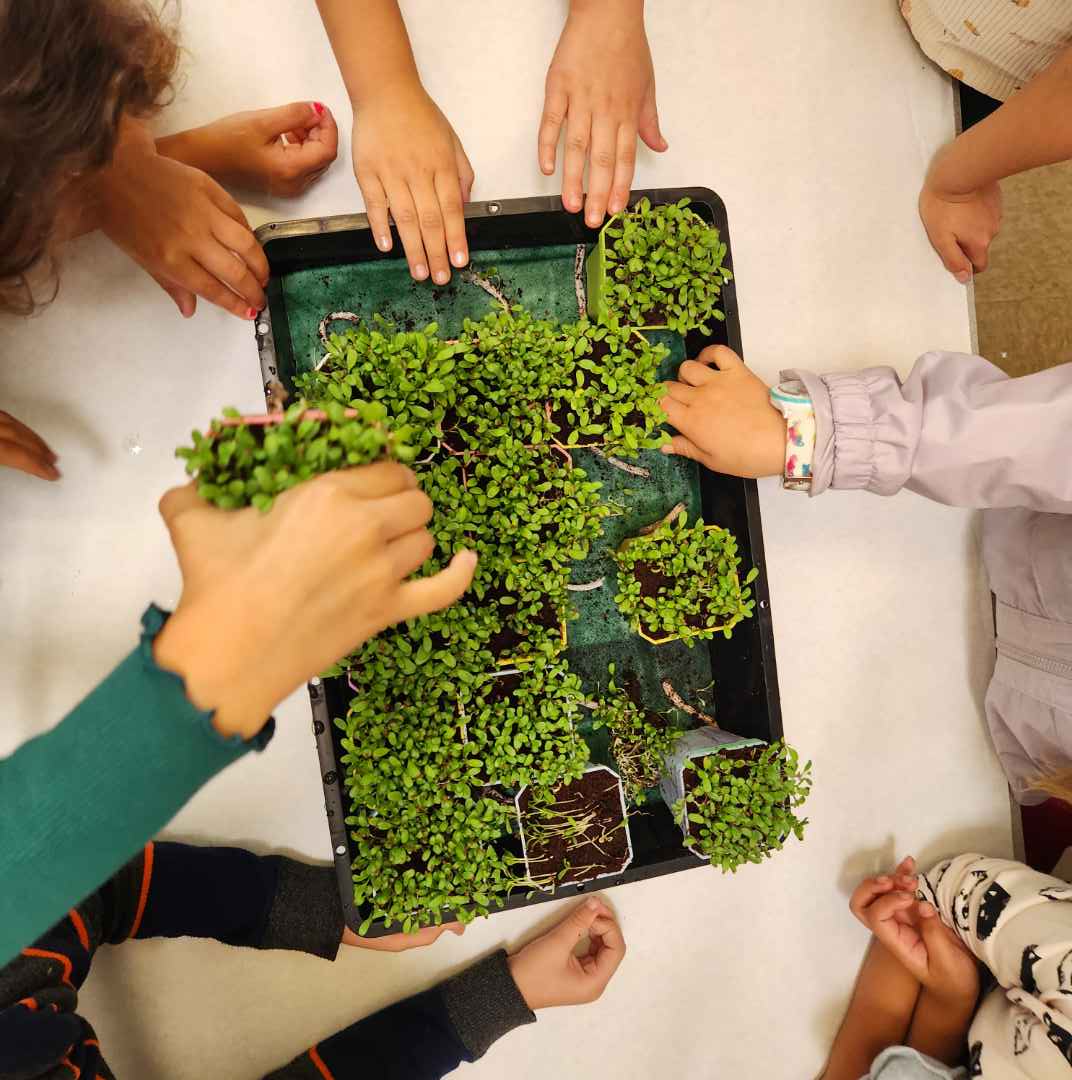
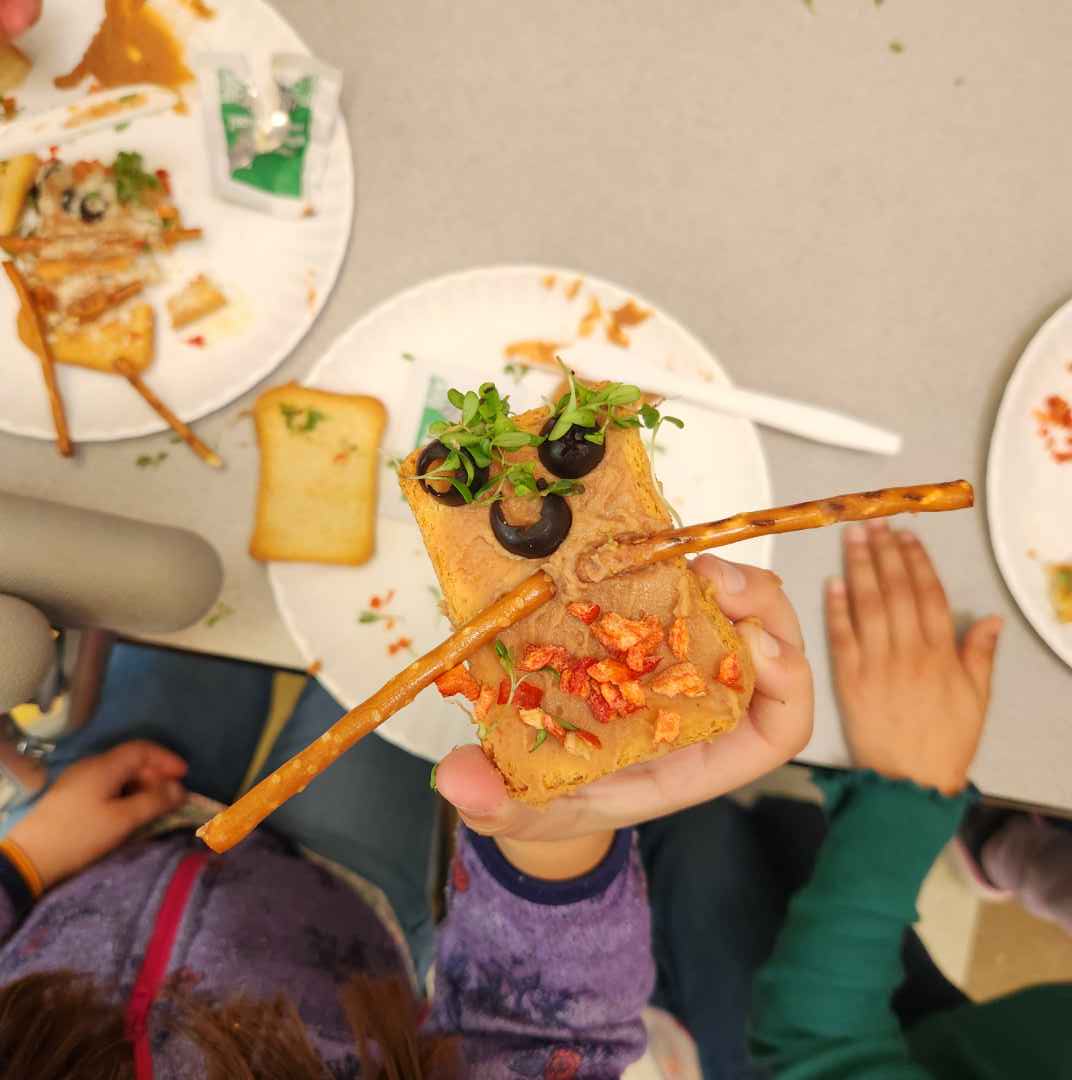
* Grow-It-Yourself — an agriculture and food systems program where students learn responsibility for the entire plant lifecycle and develop a deeper connection to the environment and food
What sets us apart is that we don’t just develop the curriculum and source materials — we design and manufacture the very supplies that set these programs up for success. This allows us to create highly intentional and culturally relevant experiences for students to apply what they’re learning in school in a tangible way. Long-term, our vision is to play a supporting role in strengthening workforce pathways in the communities we serve by exposing students at the elementary and middle school level to hands-on skills and career opportunities that they may not have otherwise considered.
Brand-wise, we are most proud of the impact that we see in students participating in our programs. There is nothing more rewarding than seeing a kid realize how capable they really are.
What are your plans for the future?
We’re currently focused on expanding our reach throughout California by growing our partnerships with schools, charter networks, and homeschool communities so we can bring our hands-on learning experiences to more students.
At the same time, we’re continuing to build depth in what we offer to better serve our partners at scale. For the first few years, our Builders woodworking and electrical program was our only focus. In this past year, we’ve expanded into two additional career-connected pathways — our Makers program centers on design and engineering challenges and our Grow-It-Yourself program focuses on agriculture and food systems. This expansion allows us to introduce students to a broader range of real-world skills and interests that are geographically relevant to California and beyond.
Longer term, we’re excited to deepen our role in supporting the development of workforce pathways. When we interact with parents and young adults in the community, we frequently hear feedback along the lines of “I wish I had this when I was a kid!”. This feedback, paired with our own experiences, has become a core part of our thesis and how we’ve evolved — there’s a meaningful gap between what students experience in traditional education and the range of pathways available to them in the real world. We believe that introducing kids to hands-on skills and career pathways earlier can help close that gap, giving them both the confidence and context to make informed decisions about their future and pursue their interests.
Contact Info:
- Website: www.ehdw.com
- Instagram: https://www.instagram.com/eh_enrichment/
- Facebook: https://www.facebook.com/EHDWenrichment/
- Linkedin: https://www.linkedin.com/company/elemental-hardware-enrichment/
- Youtube: https://www.youtube.com/@ehdw
Popular
-

Portraits of the Valley
-

LA’s Most Inspiring Stories
-

Finding Balance Through Art: Theresa Croft on Blending Music, Wellness, and Visual Storytelling into a Holistic Creative Identity
-

From Street Corners to City Tours: Chef Chuck Glaster on Building SOULD Out Into a Culture-Driven Culinary Movement
-

From Rock Bottom to Calling: How Hasani McLean-Davis Found Purpose Through Faith and Music
-

Building a Scalable, Soulful Travel Brand: How Abboud Khallouf Turned Morocco Into a Global Experience


