




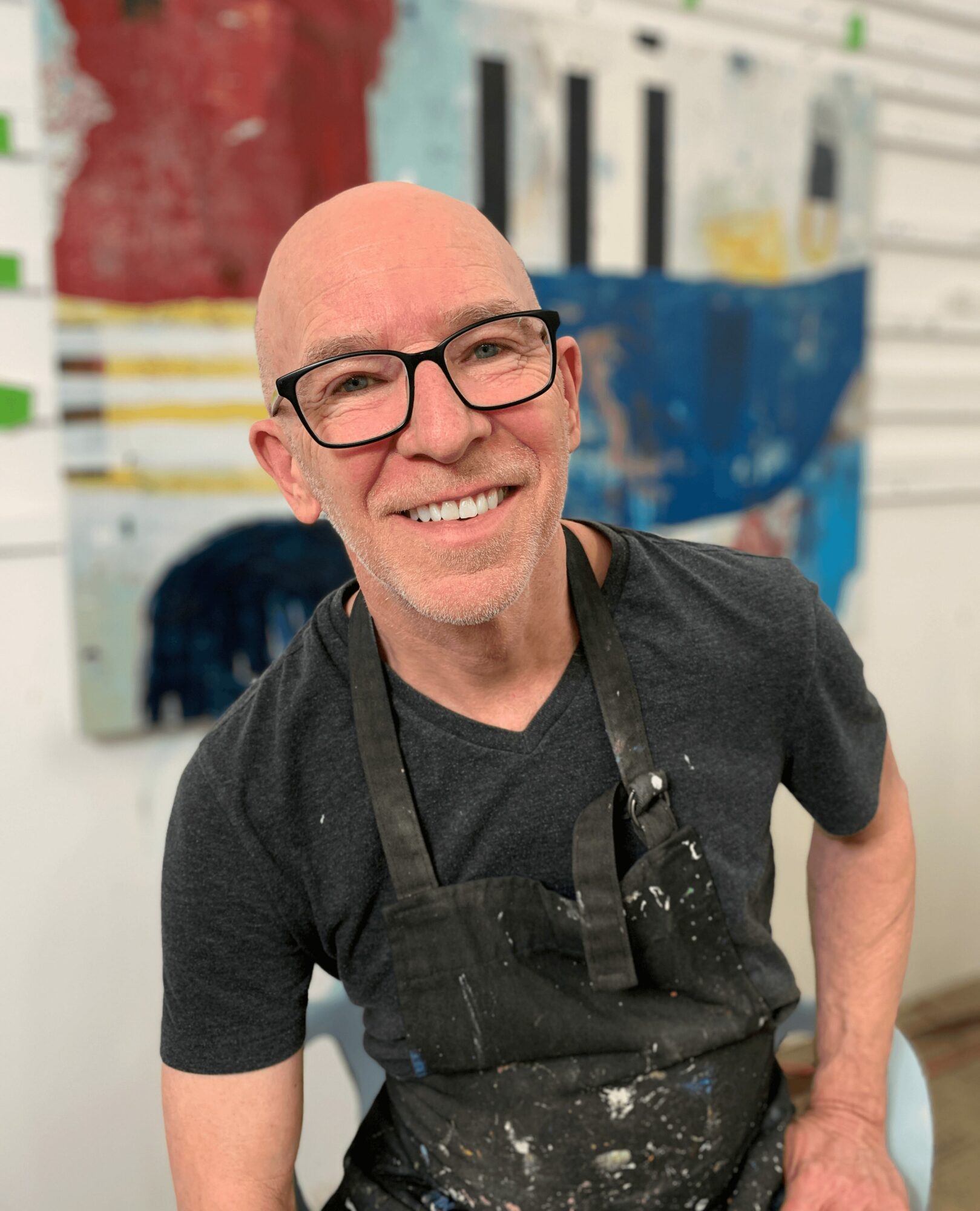
Today we’d like to introduce you to Lance Carlson.
Hi Lance, we’re thrilled to have a chance to learn your story today. So, before we get into specifics, maybe you can briefly walk us through how you got to where you are today?
I had a lot of support growing up in making art, since my grandfather was an artist. I even took oil painting lessons when I was 7! After graduating high school, I attended CSULB as a fine arts major and was nearly finished with my degree. However, in my last semester, I needed to take some time off to pay bills. I thought I’d return the following year, but of course, I never did—life sometimes gets in the way of our plans.
Over the years, I worked in various jobs—from a pet store, dog groomer, as a cartographer, to finally a store display manager. When I was around 30, I decided to pursue my interest in interior design and enrolled at Orange Coast College. While studying there, I worked closely with the gallery director on several shows, selecting paint, hanging artwork, and installing lighting. That experience helped me appreciate the effort involved in organizing a gallery exhibition and gave me the opportunity to work with several professional artists exhibiting at OCC.
I then spent many years working as an interior designer, handling projects ranging from model homes and apartment communities to assisted living facilities across the country. While much of the work required technical knowledge of building codes, health and safety and materials, I found the most interesting part was the initial design process—exploring how color, contrast in value and texture and spatial relationships influence the emotional impact of a space. These elements are fundamental to both interior design and art. Over time, I began to see my projects as large-scale art installations.
Eventually, I was able to retire early and decided to return to making art. Since I hadn’t picked up a paintbrush in over 25 years, I enrolled in an online workshop, the Creative Visionary Program (CVP), to help me reconnect with my earlier art education. Today, I have a studio in Long Beach where I spend several hours most days combining what I learned in school, online, and from my experience working with interiors into my daily painting practice.
Would you say it’s been a smooth road, and if not what are some of the biggest challenges you’ve faced along the way?
I used to think my biggest challenge over the years while working was simply finding the time to create art. But it wasn’t really about having enough time. Looking back, I realize it was more about believing that my work was never good enough—the “compare and despair” dilemma. And it stopped me from starting.
I used to be a runner. I loved it, but most of the time, the hardest part was just getting out the door. Once I was running, I’d be fine. The same is true with art—sometimes the hardest part is just making that first mark on the surface.
The tendency to compare myself to others never completely goes away, but I don’t hear that voice as much anymore in the back of my mind.
I also had to accept that nothing I create is precious. I used to find it impossible to paint over a mark or throw away a drawing I didn’t like. Everything felt too important. Now, part of my practice involves intentionally destroying parts of a painting as needed as I work—just to inject some energy and make the process more dynamic, both visually and emotionally. After all, its just paint. And if I did it once, I can do it again.
As you know, we’re big fans of you and your work. For our readers who might not be as familiar what can you tell them about what you do?
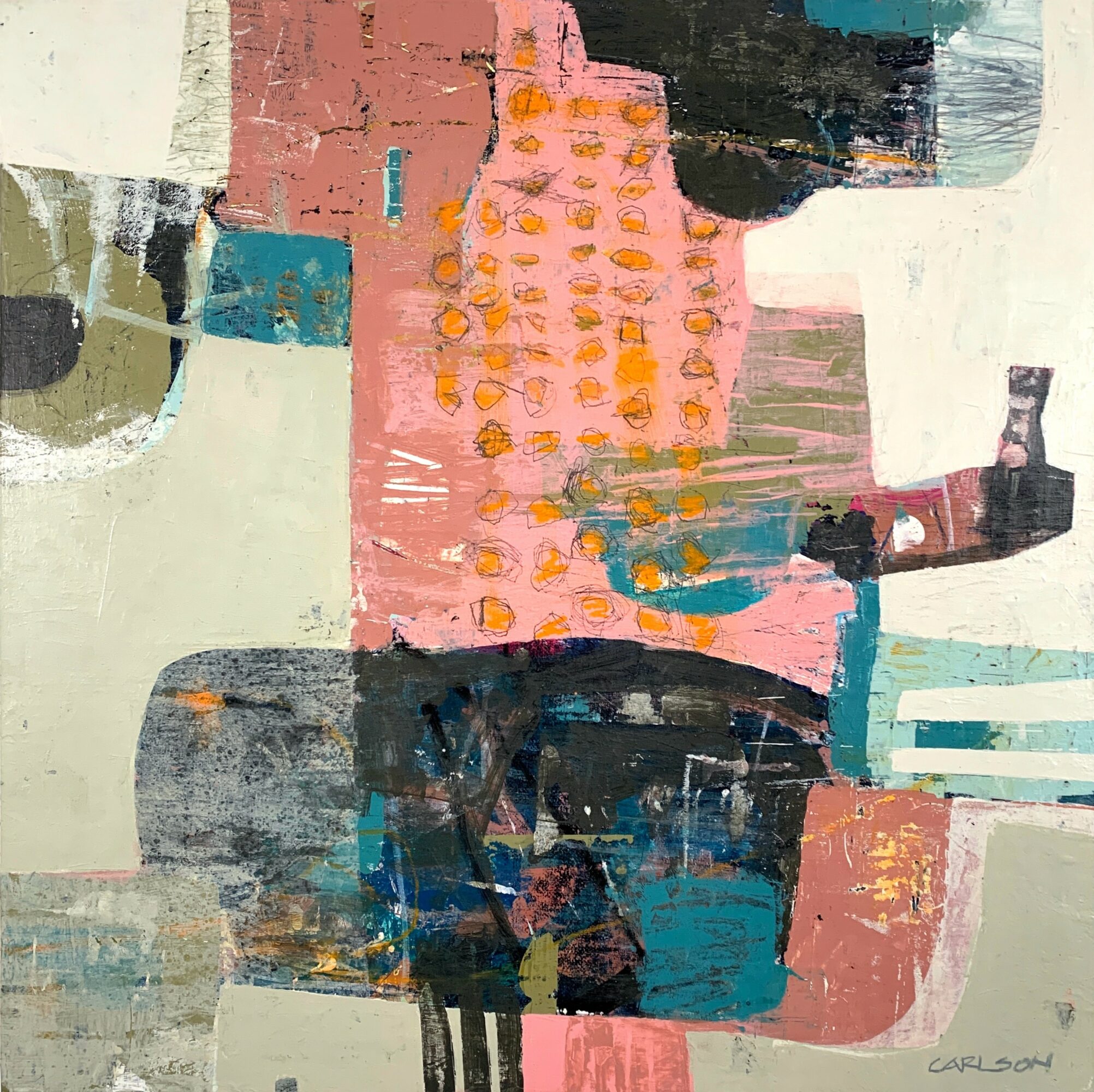
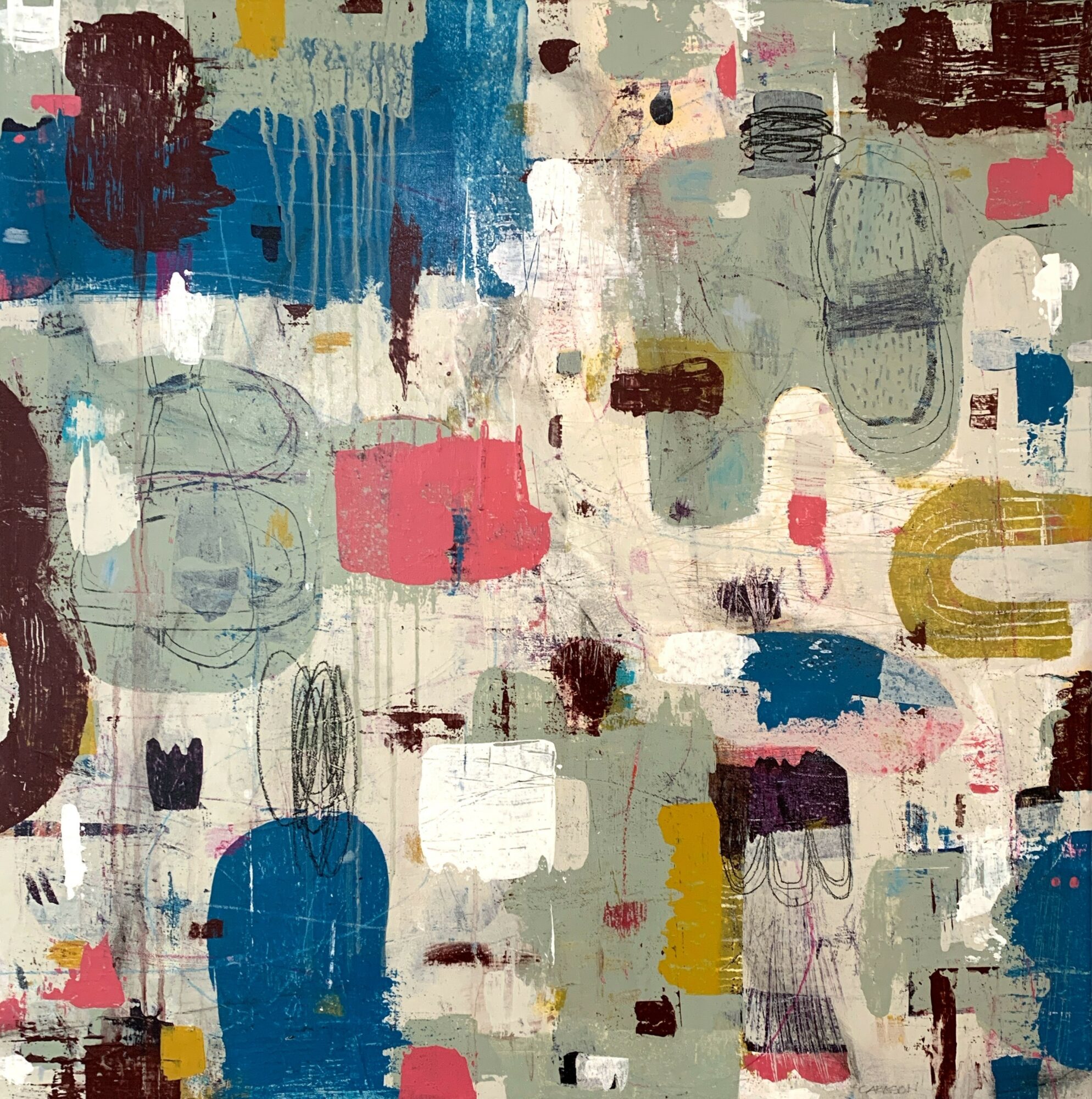
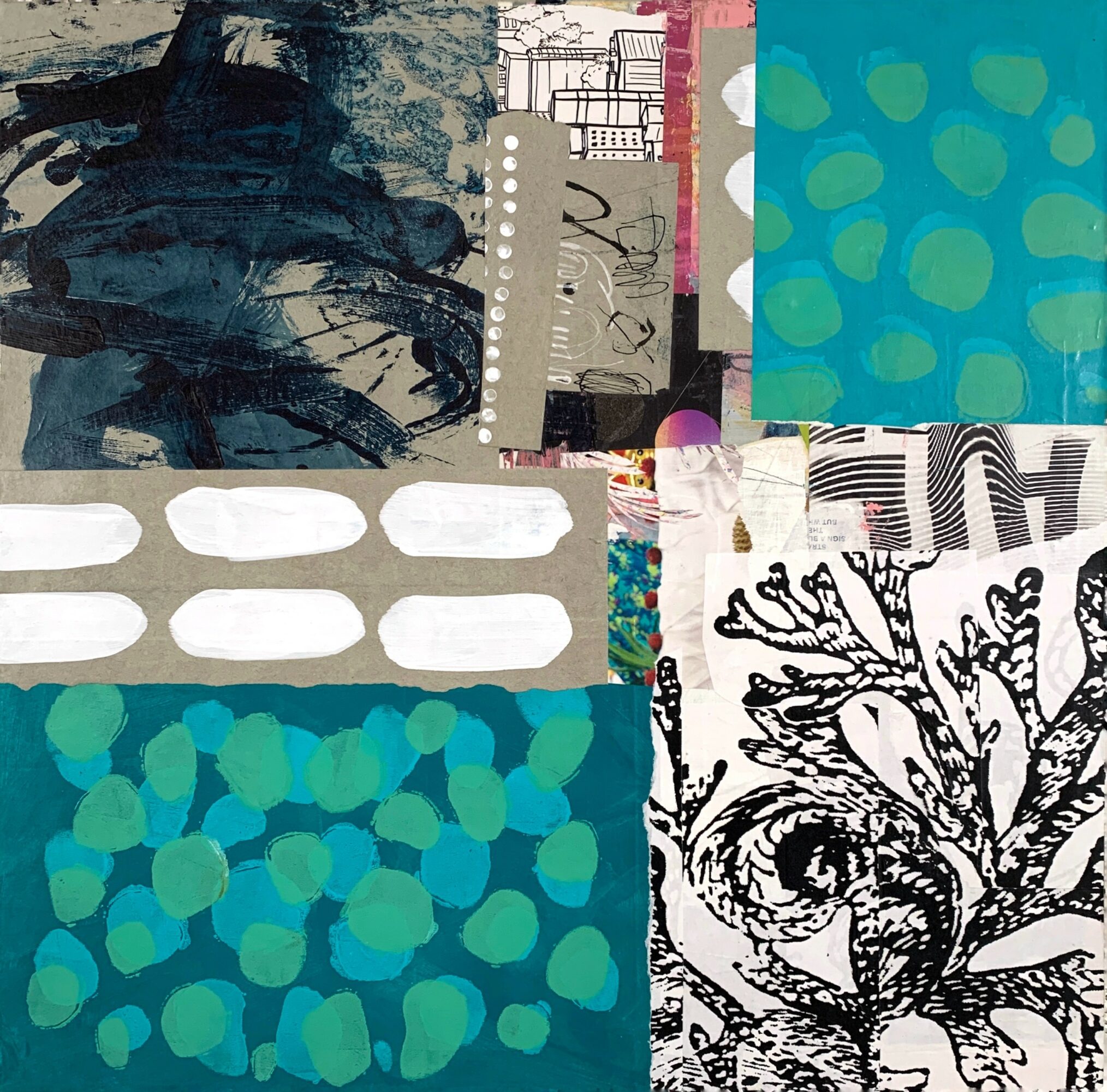
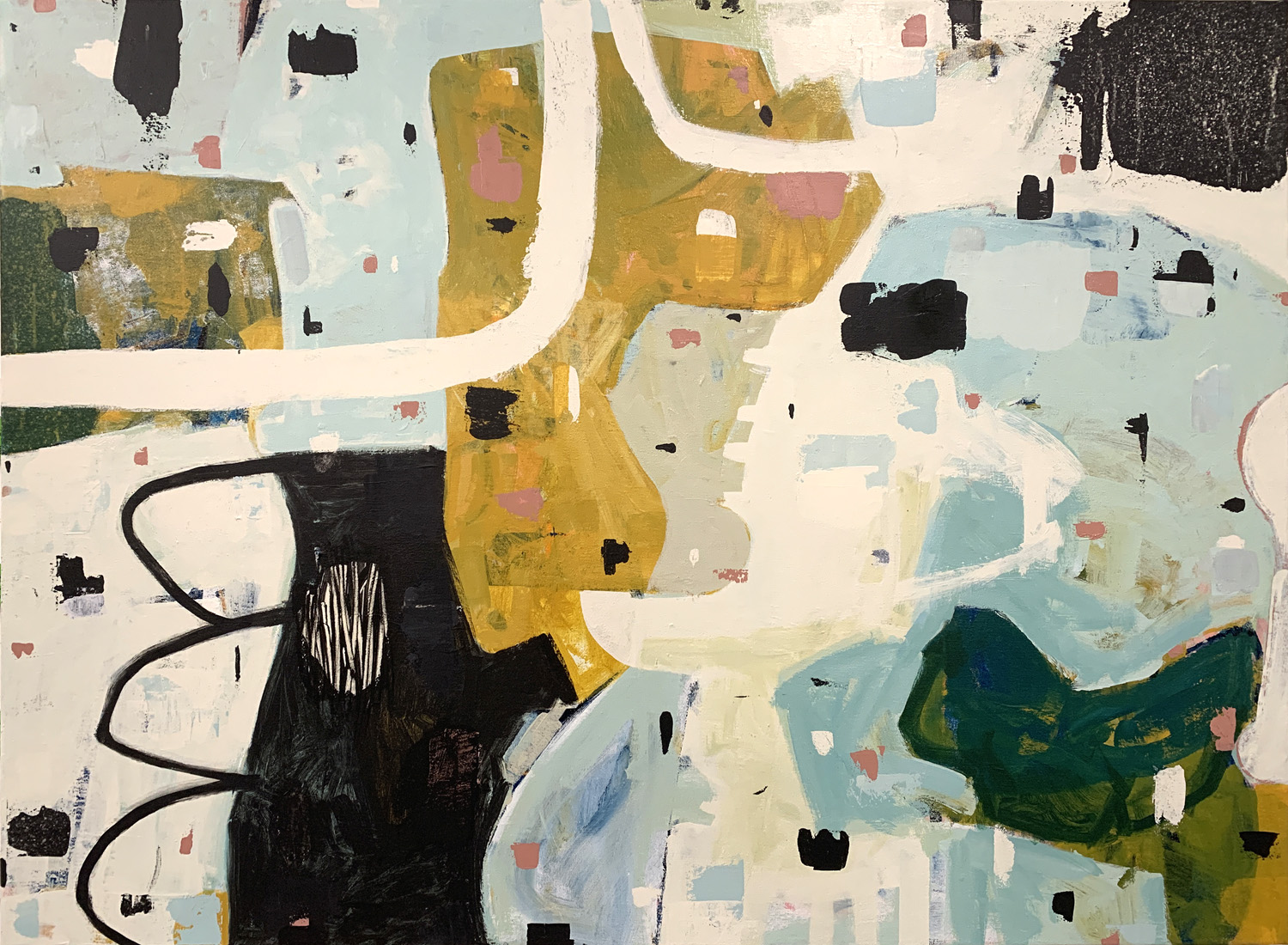
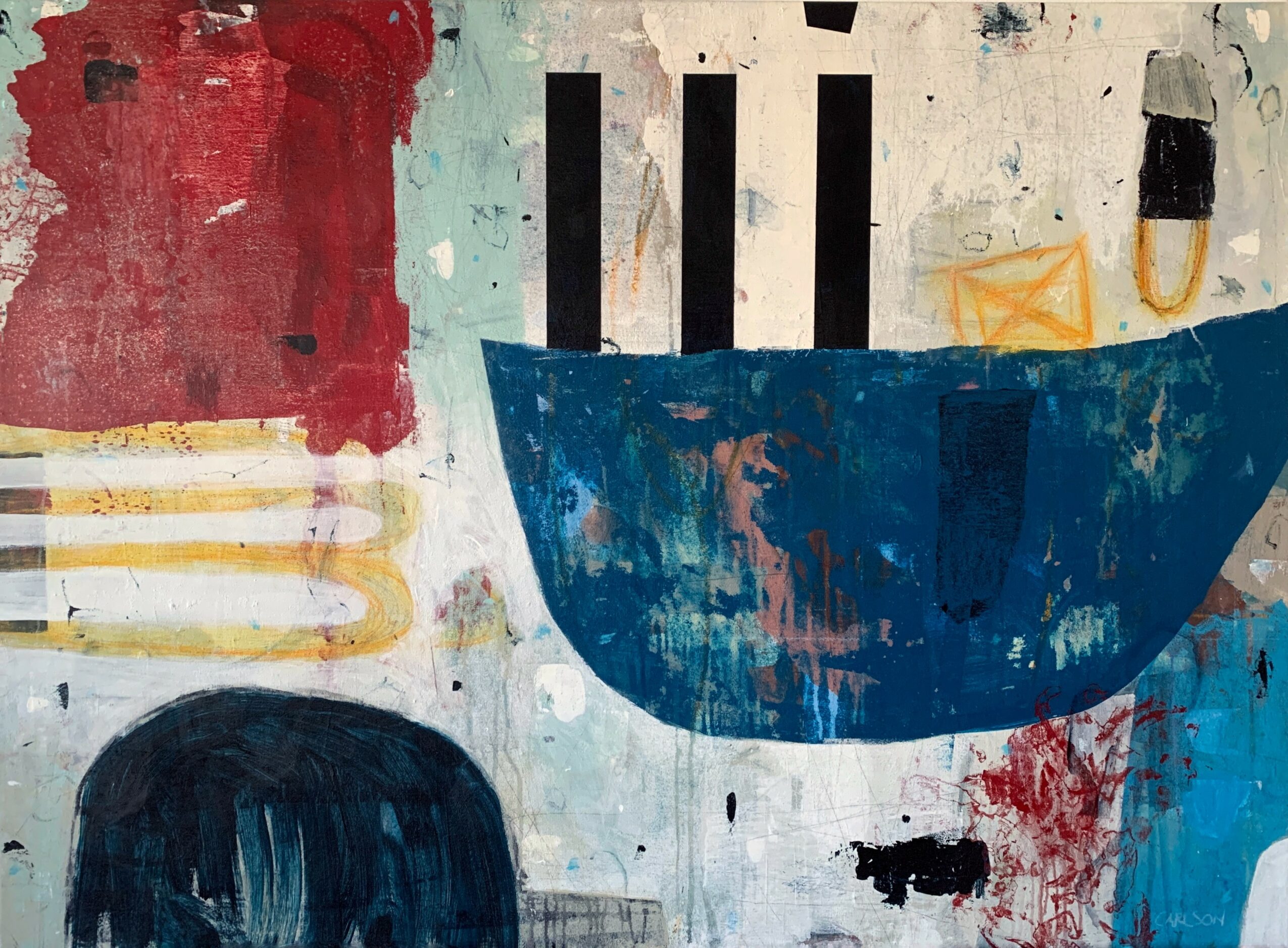
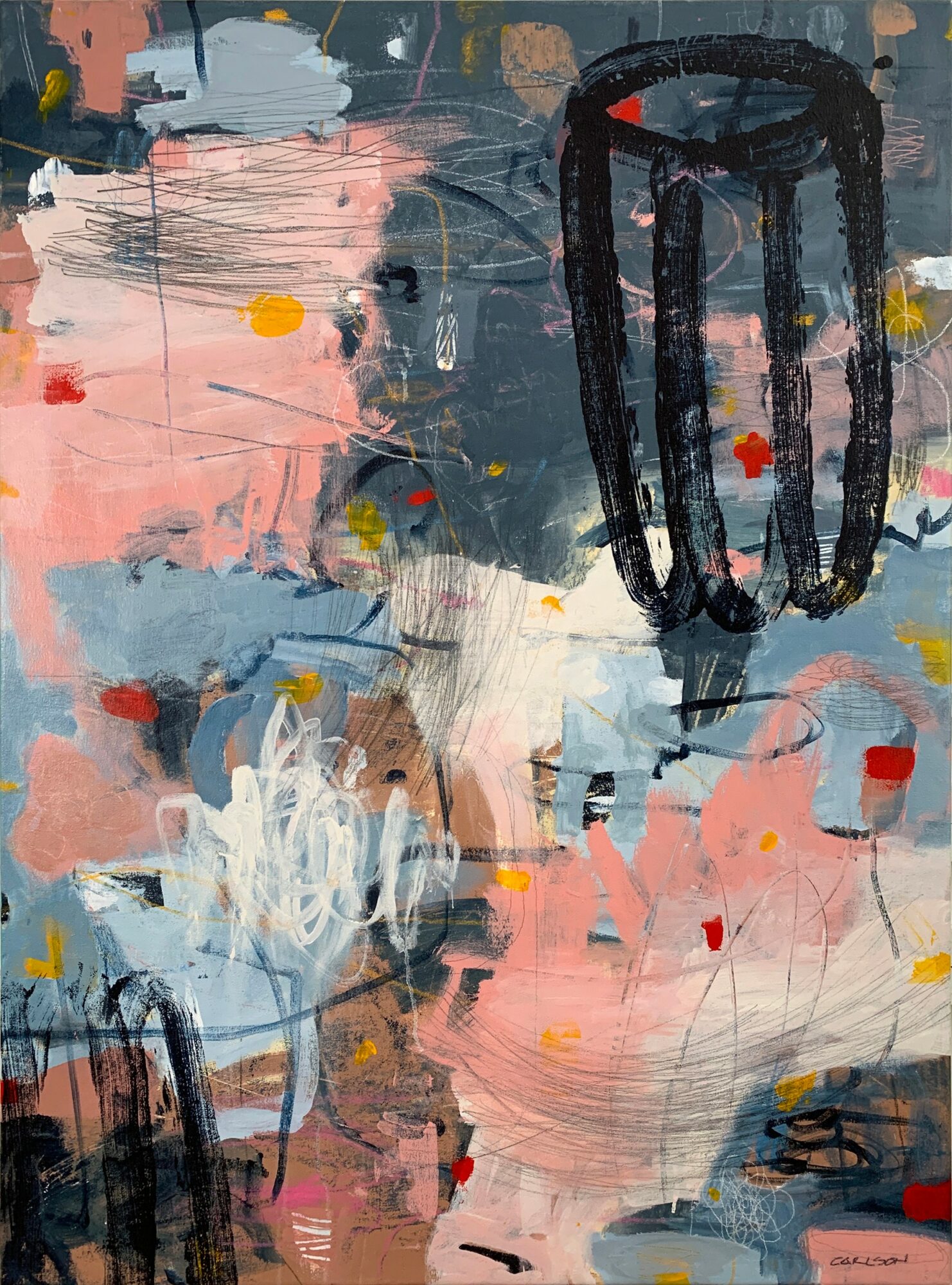
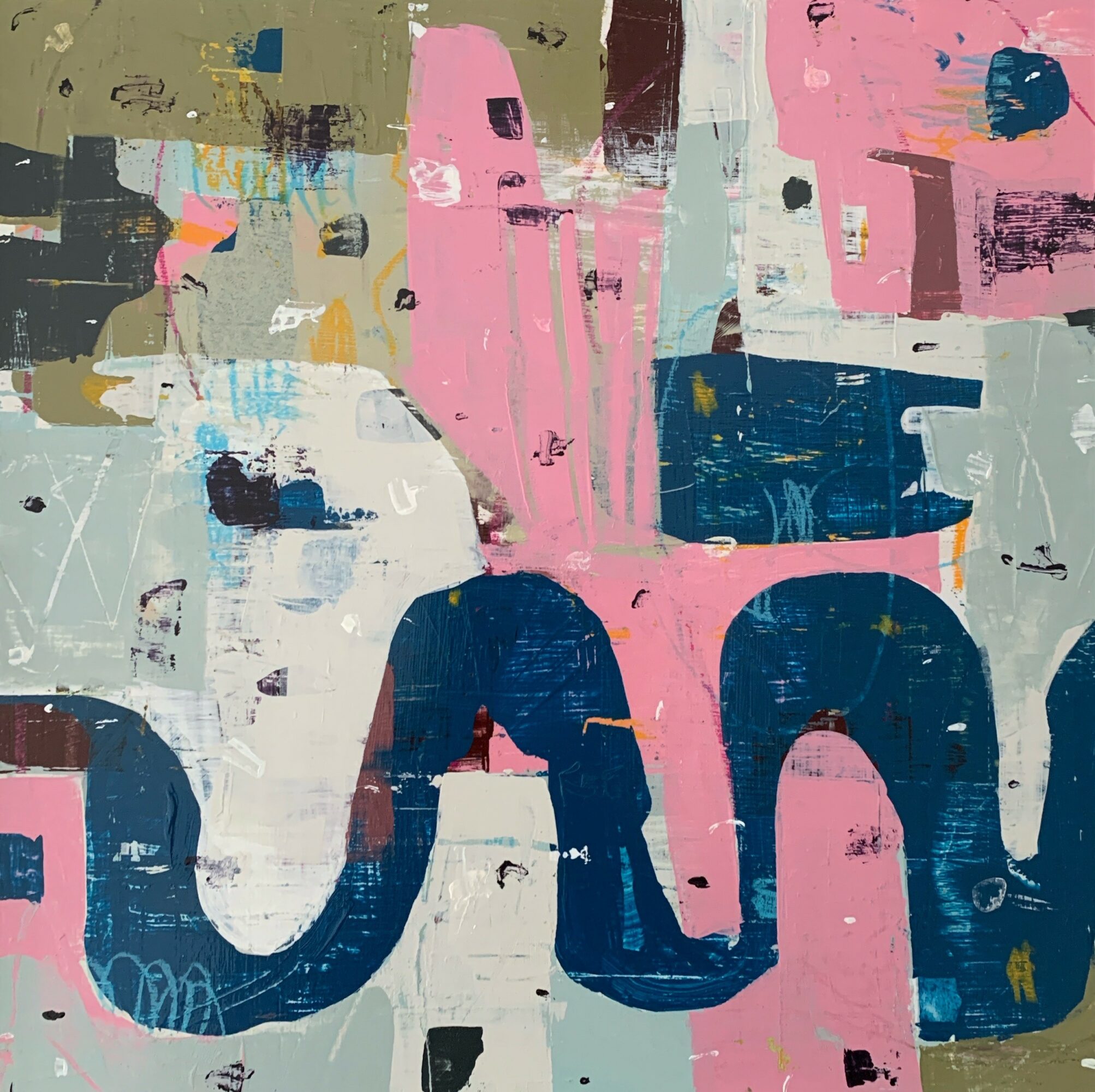
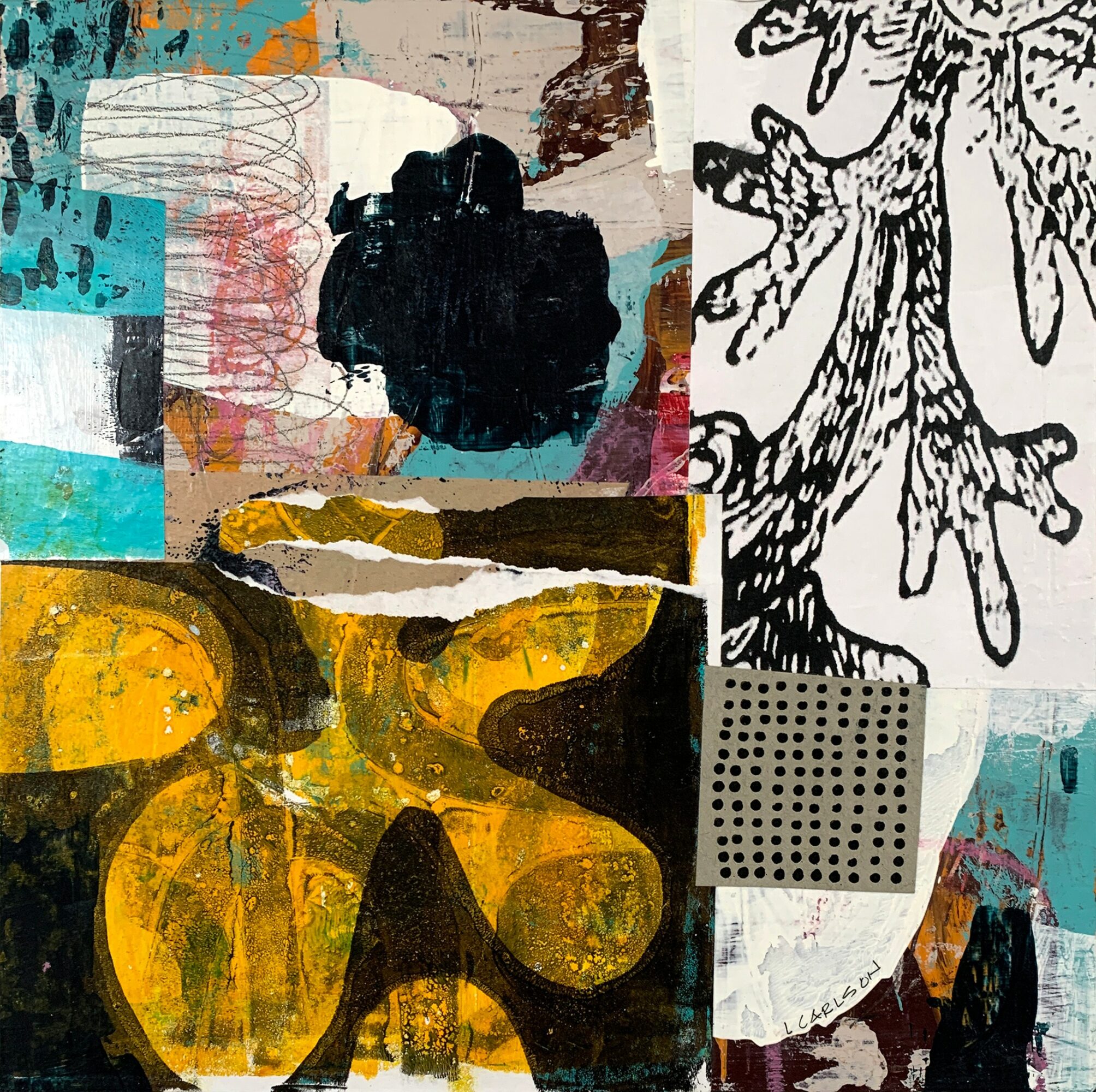
When I was in school, I did a pretty good job rendering still lifes and drawing the human figure, but I found that spending time doing these well was a tedious experience that I didn’t really enjoy. I gravitated more toward design classes, where organizing shapes and marks on a substrate brought me the most joy. Creating abstract elements that work together in a compelling way is not easy, since as an abstract artist, you rely solely on the interplay of line, color, shape, contrast, and value to craft an interesting image—without the benefit of a recognizable object to help carry the load. To me, this challenge is irresistible.
What quality or characteristic do you feel is most important to your success?
As an abstract painter, I think the most important part of what I’m currently doing is to be open to play and when in the act of making, when something feels right to keep doing more of it. In the early stages of a painting, I always try different things to keep it interesting for me and to explore what I can do in different ways. I don’t care about the outcome since whatever I do at this stage will ultimately be covered over anyway. But these experiments almost always get repeated later on in the work or later in other pieces. The ability to be spontaneous and free and not necessarily to be too invested in the outcome (for me, at least) makes for better work.
Contact Info:
- Website: https://www.lancecarlsonart.com
- Instagram: @lancecarlson_art
Popular
-

Finding Balance Through Art: Theresa Croft on Blending Music, Wellness, and Visual Storytelling into a Holistic Creative Identity
-

From Street Corners to City Tours: Chef Chuck Glaster on Building SOULD Out Into a Culture-Driven Culinary Movement
-

Portraits of the Valley
-

LA’s Most Inspiring Stories
-

From Rock Bottom to Calling: How Hasani McLean-Davis Found Purpose Through Faith and Music
-

Building a Scalable, Soulful Travel Brand: How Abboud Khallouf Turned Morocco Into a Global Experience


