




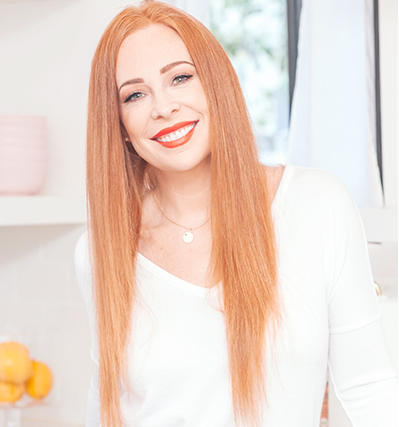
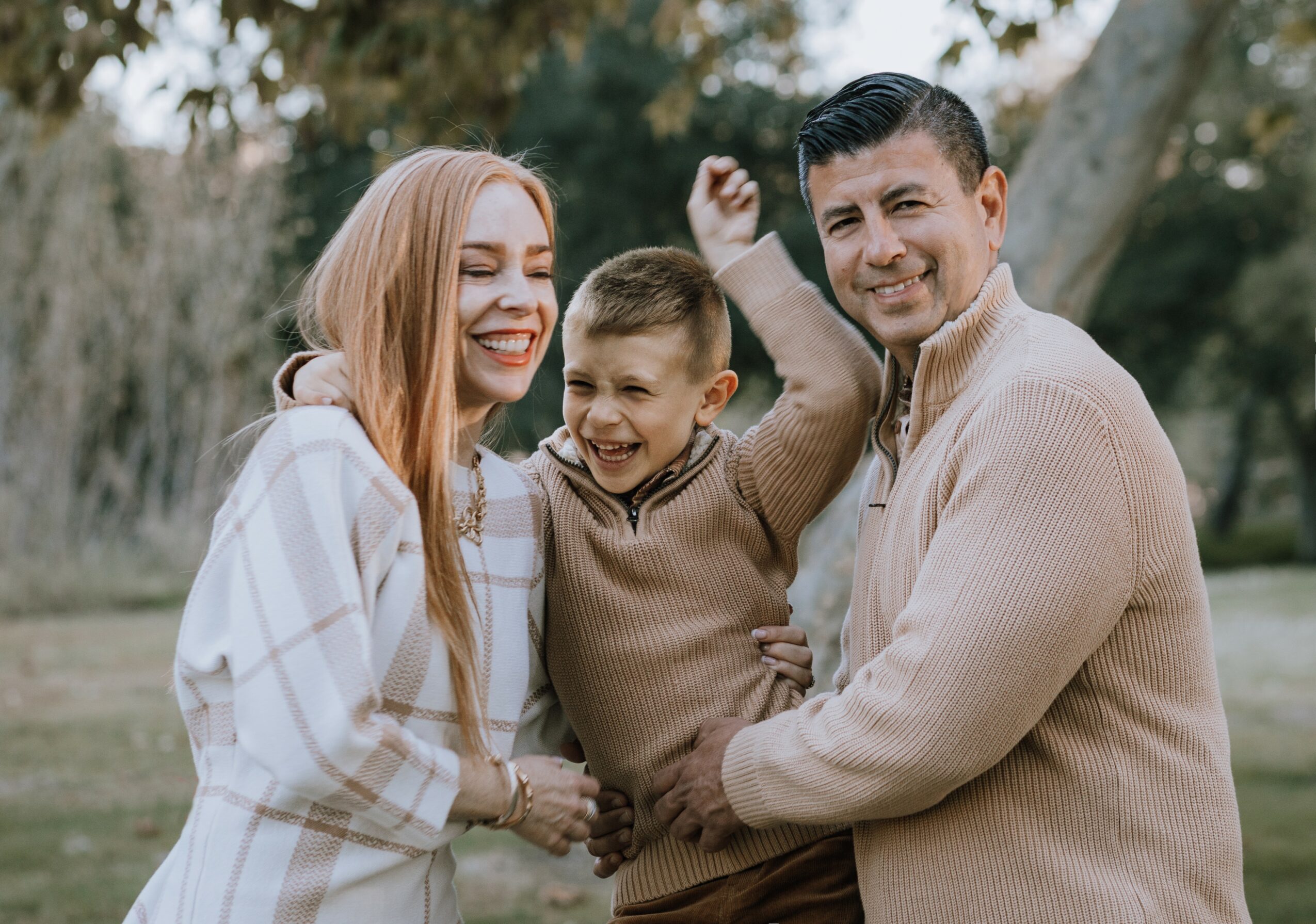
Today we’d like to introduce you to Dr. Danielle Dowling.
Hi Dr. Danielle , we’d love for you to start by introducing yourself.
I didn’t set out to become a “life coach” in the trendy, Instagram-bio sense. I started out as the person people confided in. Even as a girl, friends and family would come to me with their real stuff, the things they didn’t feel safe saying out loud anywhere else. I had a strong pull toward human behavior, emotional truth, and what helps people actually shift, not just cope.
That instinct eventually became formal training. I earned my Psy.D. and spent the next 15 years doing deep one-on-one work with clients — in-person in Los Angeles and virtually — helping ambitious, thoughtful women move through anxiety, burnout, self-doubt, and big life transitions with both practical tools and real compassion. Over time I developed my own blend: grounded psychology, nervous-system support, and energetic insight. My clients often describe me as “the world’s best secret keeper,” and I take that seriously. I love helping people tell the truth to themselves without shame.
Then I became a Mother — and everything I thought I knew about “being capable” got tested in a new way.
Like a lot of women, I entered Motherhood with a cultural fantasy in my mind: that it would be hard, sure, but also natural… and that if I struggled, it meant I was doing it wrong. The reality was more complicated. I experienced anxiety and panic attacks, and I felt the disorienting collision so many Mothers feel but rarely name: the invisible labor of running a family, the pressure to hold it all together quietly, and the lingering Good Girl conditioning that turns overwhelm into self-blame.
Around the same time, life asked more of me. My mother was diagnosed with a rare cancer in 2020, and I became her caregiver and advocate through a long, grueling season that culminated in hospice and her passing in 2022. That chapter changed me. It cracked me open and clarified what I care about: the unseen labor women carry, the way we’re expected to endure without acknowledgment, and the way culture romanticizes our sacrifice while minimizing our needs.
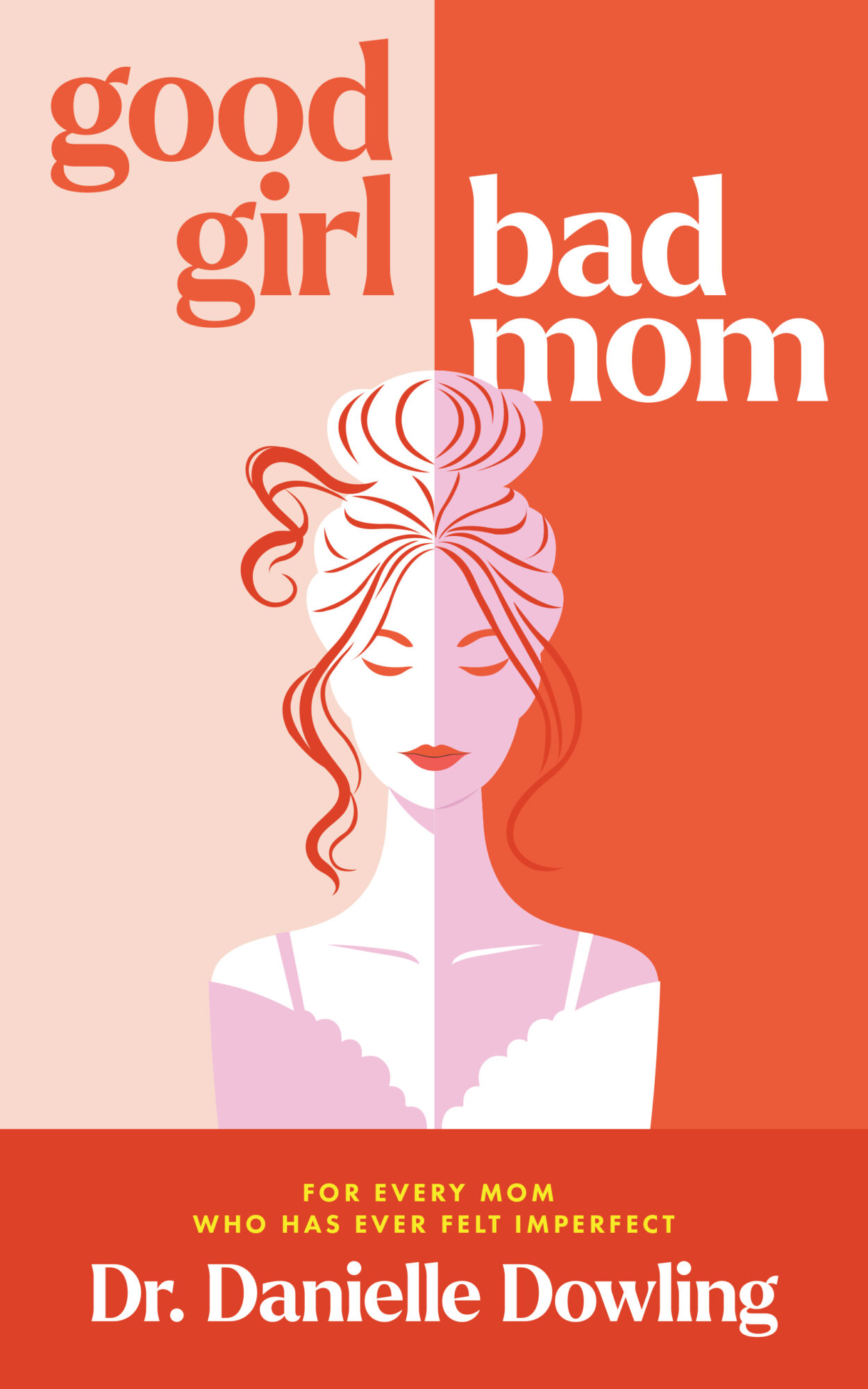
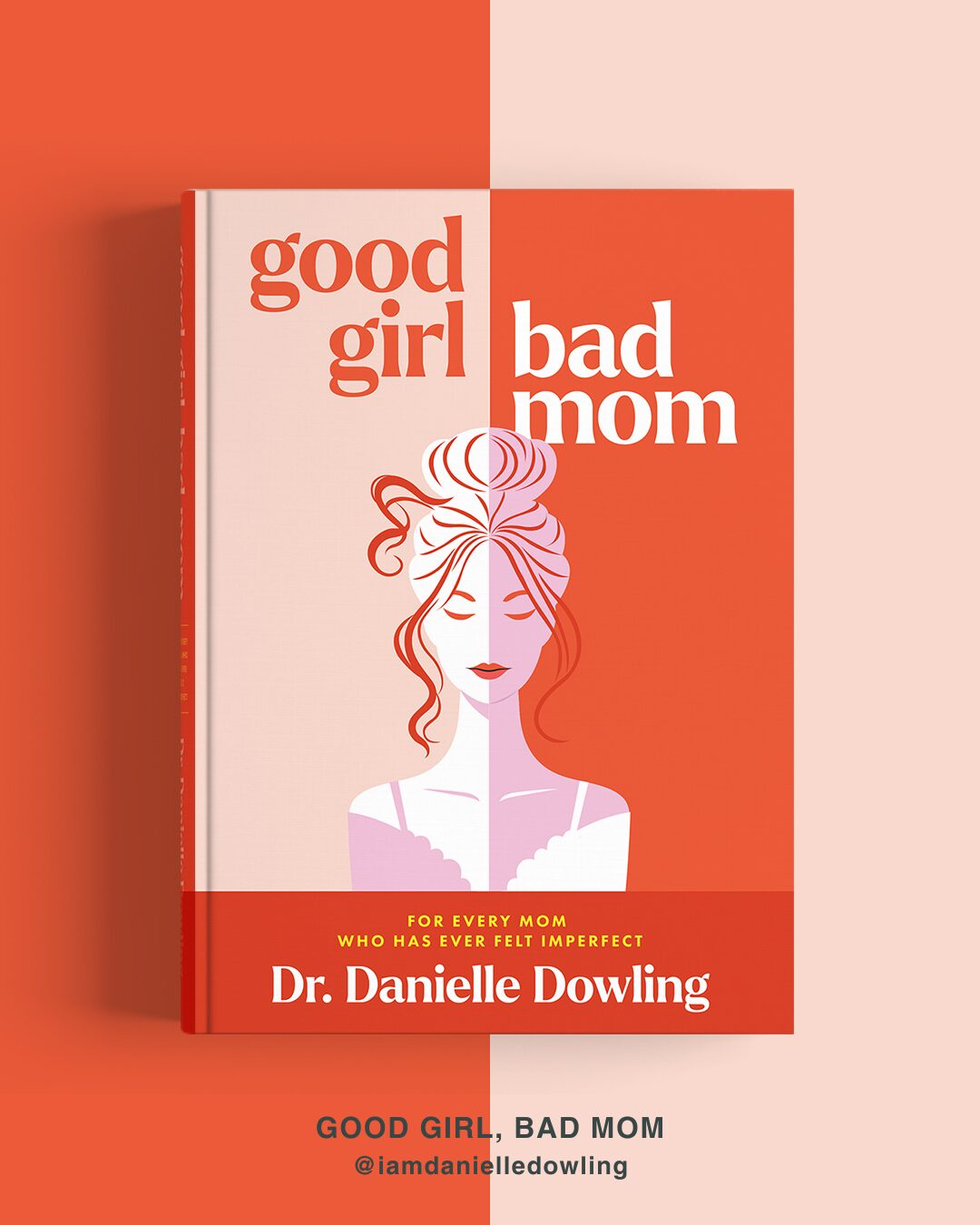
Those collisions became the foundation of my debut book, Good Girl, Bad Mom — part memoir, part manifesto, and deeply rooted in psychological truth and cultural critique. It’s not a parenting manual. It’s a truth-telling book for the Mother who loves her child and still sometimes misses her old self, who’s doing her best and still feels like she’s failing, who’s exhausted not because she’s broken, but because she’s overtasked. I wrote it to give women language for what they’re carrying, because naming the truth is often the first step to reclaiming power. And I’m also using the book as a platform for bigger change, including my advocacy work around caregiver equity through the MotherLoad Wage Act concept.
Today, I still coach one-on-one, I write, and I create resources for women navigating real life — not the curated version. My work is rooted in this belief: you’re not here to perform your way into worthiness. You’re here to come home to yourself, tell the truth, and build a life that actually supports you.
Alright, so let’s dig a little deeper into the story – has it been an easy path overall and if not, what were the challenges you’ve had to overcome?
No, it hasn’t been a smooth road. But I’ve learned that “not smooth” doesn’t mean “not right.” In many ways, I’ve learned to trust struggle. I’ve lived long enough now to know that big, chaotic messes can be meaningful, they can be the very thing that clarifies what matters and reshapes who you are. And at almost 50, I don’t romanticize hard, but I do respect what it can produce.
One challenge has been carrying other people’s emotions for a living while still being a human with my own nervous system. When you’re the steady one, you can start believing you’re not allowed to wobble. Early Motherhood humbled that fast. I had periods of anxiety and panic that didn’t respond to willpower, and that was a wake-up call: my body was asking for truth, support, and a different pace. It also brushed up against my own Good Girl Conditioning, that old reflex to perform competence, stay pleasant, and handle everything quietly.
Another struggle was grief. Losing my Mom after a long caregiving season changed my relationship with control, faith, and energy. It also showed me how often women are expected to endure difficult things silently, without resources, recognition, or relief. That experience deepened my work, but it also cracked me open.
And then there’s the truth-telling part. Writing Good Girl, Bad Mom required me to put words to experiences many women feel but don’t say out loud: anger, resentment, disorientation, identity loss, the invisible labor, the shame spiral of believing you’re failing when you’re actually overtasked. Sharing that publicly takes courage, because it invites misunderstanding, judgment, and the old Good Girl impulse to soften the edges. In many ways, this is the book I was never going to write, my insides on the outside.
But after stuffing down and swallowing my truth for so long, honesty also felt like genuine relief. Saying it out loud felt like freedom, like a burden lifted. Like I could take a deep breath again. I stopped silencing myself, and I’ve watched other women exhale too.
So no, it wasn’t smooth. But it was meaningful, and it taught me that “hard” doesn’t mean “wrong.” Naming what’s real is often the beginning of relief, and change.
Thanks for sharing that. So, maybe next you can tell us a bit more about your work?
I’m a therapist-trained life coach, author, and advocate, and my work lives at the intersection of psychological depth, real-life practicality, and emotional truth-telling. For the past 15 years, I’ve supported ambitious, thoughtful women, especially Mothers, through anxiety, overwhelm, identity shifts, and the invisible pressure to hold everything together while looking “fine.” I specialize in mindset and resilience coaching that doesn’t bypass reality. We don’t do performative positivity. We do honest inventory, nervous-system support, clean strategy, and the kind of self-respect that shows up in how you make decisions, set boundaries, and care for yourself in the middle of real life.
I’m known for helping people name what they’re experiencing without shame, and then translating that clarity into action. My clients often come in feeling like they’re failing, and leave understanding they’re not broken, they’re burdened, and they can build a life that actually supports them. I create a space where the truth can come out, and where that truth becomes stabilizing instead of scary.
I’m also the author of my debut book, Good Girl, Bad Mom, which blends memoir, manifesto, and practical tools to speak to the Mother who loves her child deeply and still feels disoriented, exhausted, or not like herself. The book is rooted in a simple idea: Motherhood can be a joy, and it is also a job, and when we don’t name the labor, women tend to internalize the strain as personal failure. I’m proud of the fact that my work gives women language, because language creates dignity, and dignity changes how we show up, what we tolerate, and what we ask for.
What sets me apart is that I’m both tender and direct. I can hold deep emotion without pathologizing it, and I can help you take real steps without making you feel like a project. I’m deeply compassionate, and I’m also obsessed with what actually works. My goal isn’t for you to become “better” at enduring. It’s for you to become more honest, more supported, and more free.
Can you talk to us about how you think about risk?
I’m a risk-taker, even if I don’t always call it that. I’m an entrepreneur, so by definition I’ve chosen a path with uncertainty baked into it. I’m also a Mother, which might be the biggest risk of all, not because it’s reckless, but because it’s wildly unpredictable. No matter how much education, preparation, or guidance you receive about entrepreneurship or Motherhood, you don’t truly know what the experience will be like for you until you’re living inside it.
For me, risk-taking isn’t about adrenaline. It’s about choosing growth over illusion. It’s the willingness to step into something without guarantees, and to let it change you.
Some of my biggest risks have been emotional, not just logistical. Writing Good Girl, Bad Mom was a major one. It meant putting my real thoughts on record, in a world that loves a “good Mother” more than an honest one. But I wrote it anyway because I felt more committed to truth than to being perceived as “together.” That’s a very specific kind of risk, the kind Good Girl Conditioning tries to talk you out of.
I’ve also taken risks in the way I’ve built my work: blending psychological rigor with real-life tools, and being willing to name what many women feel but don’t say out loud. In a culture that rewards performance, choosing honesty is a risk, but it’s also where freedom lives.
The way I think about risk now is simple: I’m not looking for the option with the least fear. I’m looking for the option that has integrity, the one that lets me breathe deeper. If the risk expands my truth, aligns with my values, and moves me toward a life that feels more honest and more mine, it’s usually a yes.
Contact Info:
- Website: https://danielle-dowling.com
- Instagram: https://www.instagram.com/iamdanielledowling
- LinkedIn: https://www.linkedin.com/in/danielledowling
Popular
-

LA’s Most Inspiring Stories
-

Maagic Collins on Building a Fearless Publishing Platform for Truth, Advocacy, and Underrepresented Voices
-
Los Angeles Barea on Turning Green Superheroes into a Global Movement for Youth-Led Change
-

Trisha DuVivier on Bridging the Franchisor–Franchisee Divide with Workhero and “Franulate”
-

Portraits of the Valley
-
Cedar Boschan on Elevating Black Music Rights and Driving Urgent Conversations Around Credit, Equity, and Artist Protection


