



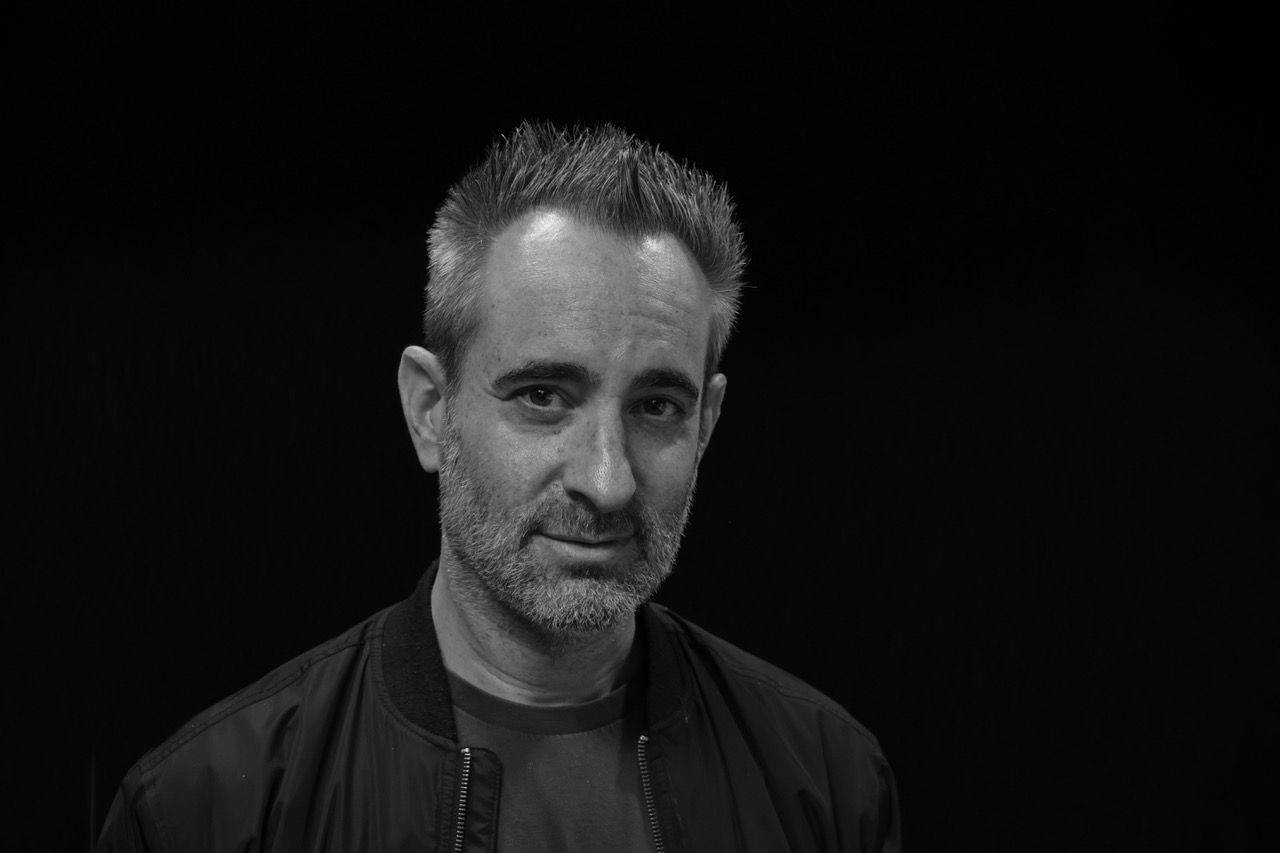
After years of hearing the same question from creators—why is professional, Hollywood-grade music so hard to access?—Alec Puro set out to close the gap. Drawing from his deep experience scoring major TV shows, films, and games, he launched Viralnoise to give everyday creators access to the same high-quality music and sound effects once reserved for studios, without the cost or complexity of traditional licensing. Built around simplicity, flexibility, and affordability, Viralnoise reflects Puro’s belief that sound is one of the most powerful—and overlooked—tools in storytelling, and that creators deserve audio that matches the ambition of their ideas.
Hi Alec, thank you so much for taking the time to share your story and this new chapter with our readers. You’ve spent years developing Viralnoise — can you take us back to the moment you realized there was a real gap between Hollywood-grade music and what everyday creators could access?
The moment came gradually through countless conversations over years. Creators kept coming to Gramoscope asking, “Can I access your music? I love what you’re doing for the networks and studios. I need that.” At first, I thought they were asking about licensing deals, which our model couldn’t accommodate. But what I slowly realized was that there was this massive, talented community of digital creators who had zero access to the same professional-grade audio that’s been powering major TV shows, blockbuster films, and premium advertisements for over a decade.
The gap wasn’t just about price though that was part of it. It was about access, transparency, and opportunity. Traditional licensing was either prohibitively expensive or buried in complexity. Meanwhile, these creators were building audiences, telling stories, and genuinely elevating content on YouTube, TikTok, podcasts, everywhere. But they were stuck using the same generic stock music as everyone else, or navigating licensing nightmares that could get them copyright strikes. That disconnect felt wrong to me and something we could potentially help fix.
Viralnoise opens the door to music and sound effects used in major TV shows, films, ads, and games. What did it take to make that kind of professional library accessible at a creator-friendly price point, and what challenges did you face along the way?
Over several years Gramoscope Music built this incredible catalog that powered The Real Housewives franchise, Wicked Tuna, the NBA 2K games, major ads and more. But that music was locked behind a traditional licensing model that only worked for studios and networks.
The real challenge was building the Viralnoise platform itself. We had to create a site that could serve creators at scale, with a completely different infrastructure than what we’d been doing. The website had to be intuitive enough that a YouTuber could navigate it as easily as a studio executive because scrolling through thousands of options isn’t realistic when you’re in the creative flow.
Then there were all the features that creators were asking for: stems and alternate mixes so they could customize tracks, clear licensing that works across all platforms without takedown risks, whitelisting tools, track discovery that makes sense. Building all of that while keeping the interface simple was the real puzzle.
But honestly, the bigger challenge was figuring out the business model. For years, we operated on custom work, traditional licensing, backend royalties, etc. That entire infrastructure—the way we thought about contracts, payments, rights, had to be reimagined to serve creators starting at $8.99 a month. That’s not just a price change; it’s a completely different way of doing business. How do we make that sustainable? How do we keep adding music weekly? How do we scale without losing quality? Those weren’t easy questions to answer.
You’ve described Viralnoise as a platform built “after years of requests.” What were creators asking for most, and how did those conversations directly shape the product you ultimately launched?
The requests fell into a few clear patterns. First, people wanted uniqueness. Creators were exhausted by the same stock music circulating everywhere. They’d say, “I want my content to stand out, but I can’t afford custom scoring.”
Second, they wanted simplicity. Platform requirements are different everywhere—YouTube has one set of rules, TikTok another, Instagram another. No copyright strikes, no takedowns, no confusion. They wanted to trust that they could drop a track in and know it was safe.
Third, they wanted discovery. Scrolling through thousands of tracks is overwhelming. They’d send me reference clips and say, “Can you find me something that feels like this?” That directly inspired our AI-powered similar search feature—you paste a Spotify link or upload an MP3, and our AI finds matches from our catalog. It’s about efficiency when you’re in the creative flow.
And honestly, they wanted stems and alternate mixes. A composer might deliver a track with strings, but you need just the underscore. Or the drums are perfect but the vocal is too upfront. We made that accessible because I understand that from my own scoring work—sometimes you need flexibility to make music work perfectly for your specific scene.
In a world where creators are constantly competing for attention, how do you see high-quality audio changing the way content is experienced — and why do you believe sound is still one of the most underrated tools in storytelling?
This is something I’ve learned deeply from scoring films and TV. Music sets the emotional tone, but sound effects create the reality and texture of a moment. Most creators don’t think about sound intentionally. They focus on visuals, performance, editing. But I’ve seen how the right audio can transform a scene from good to unforgettable. It can make a viewer feel dread without understanding why. It can make them lean in when dialogue is quiet. It can make them believe they’re in a place they’ve never been.
The reason sound is underrated is because the best audio work is invisible, it doesn’t draw attention to itself. It supports. But that subtlety is also its superpower. And when creators have access to that caliber of audio—music that’s been battle-tested in major productions, sound effects that feel organic and real, suddenly their content elevates in ways they didn’t expect.
Viralnoise serves everyone from YouTubers and podcasters to filmmakers and game developers. How did you approach building something flexible enough for so many creative workflows while keeping the experience simple?
We had to think about the actual workflows of creators across different mediums. A game developer needs different tools than a podcaster. A TikTok creator working at lightning speed needs something different than an indie filmmaker with months to perfect a shot. But they all need the same core: great audio, fast discovery, clear licensing.
The solution was building what I call a “one-stop shop,” but making sure every creator regardless of their level or medium felt like we built it for them. That meant:
Discovery had to be both powerful and quick. Our AI similar search isn’t just about finding music—it’s about finding the right music, fast. Because when you’re in the creative flow, friction kills momentum.
Customization through stems and alternate mixes means you’re not locked into one version. You adapt the music to your needs, not the other way around.
Licensing simplicity was non-negotiable. No confusion across platforms. No risk of strikes. One subscription, everywhere you create.
And affordability had to be real—$8.99 doesn’t feel aspirational; it feels accessible. It’s the price of a couple cups of coffees, which puts professional audio within reach for creators who are just starting out alongside those with bigger budgets.
The underlying principle is the same one that’s guided me my whole career: support the creator’s vision without getting in their way.
As you look ahead, what excites you most about the future of Viralnoise, and how do you hope it empowers creators to think bigger, experiment more, and elevate their work?
What gets me most is the democratization itself. For decades, professional-grade audio was gatekept by the industry. Now? A nineteen-year-old with a phone and a vision can access the same music we provided for Venderpump Rules, The First 48, NBA2K and more.
Technologically, I’m fascinated by where AI and human creativity intersect. Tools like our AI similar search aren’t replacing composers, they’re augmenting creators, helping them work faster and smarter. I think we’re going to see even more of that, and it’s exciting rather than threatening when you get it right.
But beyond the tech, what excites me is empowering creators to think bigger. Right now, a lot of talented people self-censor because they think, “I can’t afford the audio this story deserves.” Viralnoise removes that excuse. It says, “Your story matters. You deserve professional audio.” And when creators have that freedom, that’s when they push boundaries, take risks, and make work that surprises even them.
I also hope we’re building something that reflects what I’ve always believed: work begets work. We’re giving creators the same tools, the same quality, that work in major productions. And when their content stands out, when their audiences respond, when they can compete on a level playing field—that creates momentum. That opens doors. And that’s what it’s all about.
Links:
Popular
-

Portraits of the Valley
-

LA’s Most Inspiring Stories
-

Rick Norris Learned That Building a Successful Business Means Building a Life You Actually Want to Live
-

How Olivia Rush Turned Survival Into a Mission to Help Others Keep Going
-

How Bibi Goldstein Is Helping Entrepreneurs Reclaim Their Time by Embracing the Power of Delegation
-

Victoria Hasson is Redefining Voice Coaching Through Community and Collaboration