




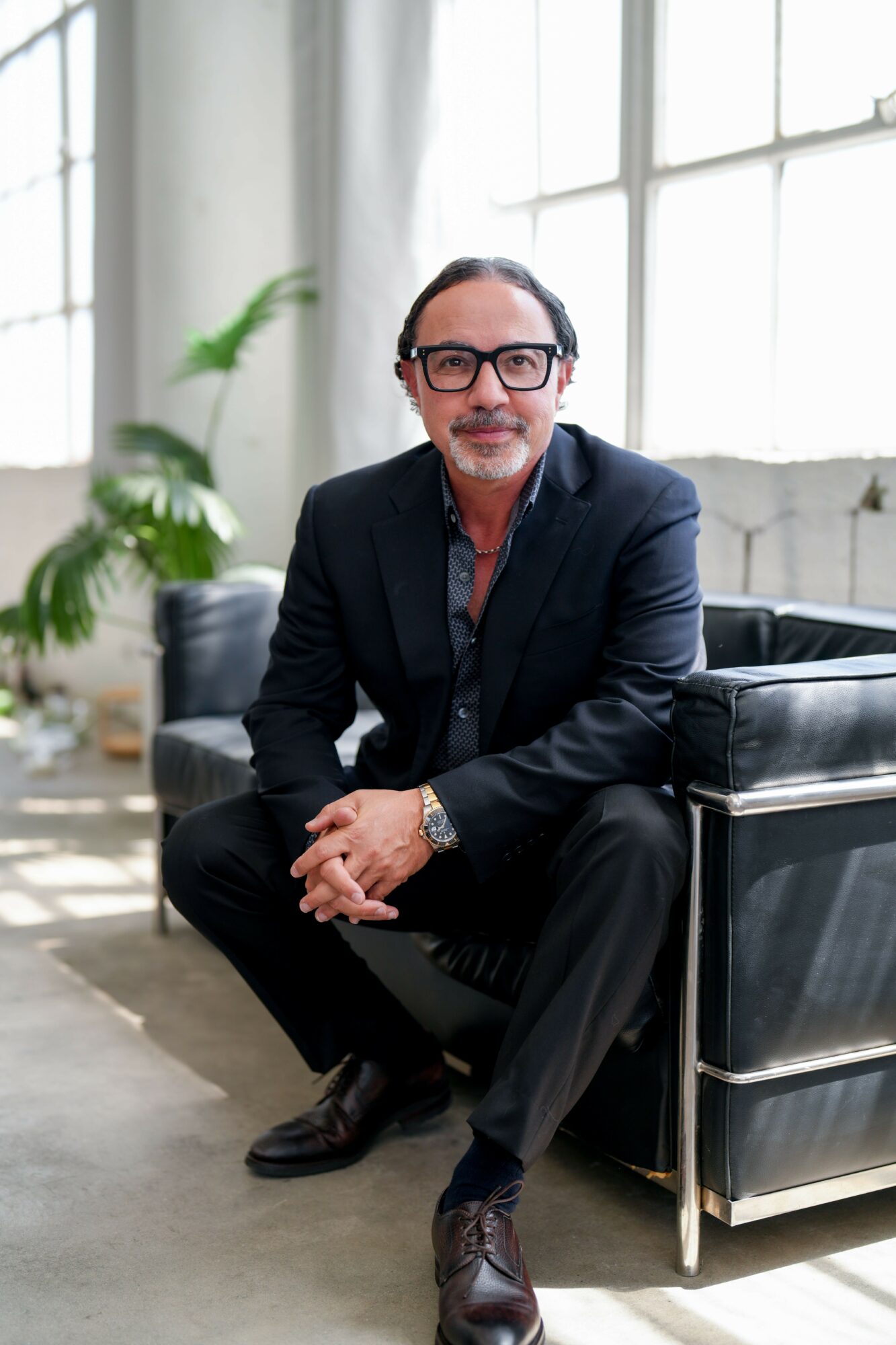
Today we’d like to introduce you to Dr. David Amron.
Hi Dr. David, can you start by introducing yourself? We’d love to learn more about how you got to where you are today?
My parents, who passed away recently at the ages of 101 and 97, shaped my life in ways I only came to appreciate later. Although neither was college-educated, they held a deep respect for learning and strongly believed in pursuing a life of meaning and purpose.
I was born in Calcutta in 1961 to parents of Iraqi Jewish heritage, who were also born and raised in India, and educated in British Catholic schools. Shortly after my birth, we moved to London, and in 1963, our family immigrated to the United States aboard the Queen Mary, eventually settling in Los Angeles.
I was raised in California during the 1960s and ’70s, attending public schools. My parents opened and operated preschools, and we lived in a small home with a shared bathroom until I was 18. They both had a strong work ethic but were also loving, caring, and deeply devoted parents. They were a lot of fun and had a wonderful social life, balancing work, family, and friends in a way that left a lasting impression on me.
From an early age, my parents encouraged independence and strong values. My first job was working in a parking lot from the ages of 12 to 16 for $2.10 an hour. During my teenage years, I held several other jobs, including at McDonald’s and a yogurt shop, and later helped disadvantaged teens. Work was simply part of life, and those experiences shaped my sense of responsibility and self-reliance.
I began college at UCLA in 1978, not quite sure what I wanted to do. I liked science and wanted to help others, so I chose biology as a major, thinking I might become a doctor. When I was a young child, we had a family doctor who intrigued me. His white coat and the distinctive things he did in his work sparked my interest.
I later transferred to UC San Diego, graduating in 1982, and applied to medical school, not entirely sure what I was getting myself into. I trusted my father’s encouragement that I would find the work gratifying, even though no one in our family had ever gone into healthcare, let alone become a physician.
I was accepted into Albert Einstein College of Medicine in New York and began medical school in 1983. Very quickly, I realized that while college had been demanding, medical school was on an entirely different level. The workload was intense, and I was now competing alongside some of the smartest and most driven students I had ever encountered.
The first two years of medical school were spent immersed in textbooks and classroom learning, followed by two years of clinical and surgical rotations. Initially, I thought I wanted to pursue obstetrics and gynecology, but after delivering several babies and not experiencing the “sense of awe” others often described, I realized I was still uncertain about my career path.
During medical school, I played guitar in a band, and over time, music became more than just an outlet—it became a serious pull. In the middle of my medical training, I found myself considering an idea that was both unexpected and highly unconventional: stepping away for a year to attend music school. I spoke first with my dean, who strongly discouraged the decision, and then with my parents, who were understandably concerned. After much reflection, I ultimately chose to leave medical school for one year to study music.
I remain grateful to the medical school administration for allowing me that opportunity and thankful to my parents for trusting me to pursue an unconventional creative path. While music has remained a serious passion, I never had the courage to leave medicine entirely. As challenging as medical school was, medicine ultimately became my career. After medical school, I trained at Cedars-Sinai Medical Center, followed by a prestigious Dermatology Foundation Research Fellowship at UCLA focused on skin cancer.
Looking back, I can see how every stage of my life reinforced the values my parents instilled in me early on—independence, hard work, and purpose. Those values have shaped not only the path I chose but also the way I continue to approach my work and my life.
We all face challenges, but looking back would you describe it as a relatively smooth road?
There have been many obstacles throughout the journey, beginning with the founding of The Roxbury Institute and continuing as it has grown. I believe challenges are an essential part of life and that real growth comes from taking them on directly. However, building an institute of this scale as a solo founder came with a unique set of responsibilities.
Early on, one of the greatest challenges was assuming the full scope of leadership on my own. Previously, I had worked within a partnership where responsibilities were shared. At The Roxbury Institute, I was responsible for every aspect of the organization, from the size and complexity of the facility to the breadth of services offered, the financial commitments, and the ongoing operational demands. It required developing strong skills in management, structure, and organizational leadership.
The Institute was intentionally designed to operate with a high level of investment and was never meant to be a lean practice. I have always prioritized growth and advancement, which naturally comes with substantial overhead and long-term commitments. Sustaining this model required building effective leadership structures, assembling the right operational team, and implementing systems that could support a complex organization.
Another ongoing challenge has been fostering alignment among physicians. Encouraging specialists accustomed to working independently to collaborate, commit to a shared vision, and grow together requires patience, clarity, and consistency. Over time, adjustments were needed to build a cohesive, aligned team.
Marketing and business development have also required consistent attention. Because The Roxbury Institute is intended to be a respected and prestigious center for both patients and physicians, marketing must be thoughtful and sophisticated. This has meant ongoing strategy, regular team meetings, and a continued focus on how the Institute presents itself and evolves.
On the clinical side, maintaining excellence in patient care requires continual refinement of protocols and standards. We hold regular clinical meetings to review outcomes, quality assurance measures, and treatment protocols, similar to a hospital system, with the goal of continuous improvement. Navigating insurance coverage, particularly advocating for recognition and coverage of lipedema, has also been an ongoing and complex challenge.
As the Institute continues to grow, so do the challenges associated with expansion, research, and innovation. While demanding, these challenges remain deeply rewarding and continue to move the Institute forward.
Appreciate you sharing that. What should we know about The Roxbury Institute?
My medical career began after I completed my dermatology residency in 1995. I spent several formative years in private practice in Sherman Oaks as an associate dermatologic surgeon, working alongside Dr. Alan Wirtzer, a highly respected leader in dermatologic surgery. His practice was progressive in both philosophy and execution, and over the four years I worked with him, I gained invaluable experience in advanced surgical techniques as well as in building, operating, and sustaining a successful medical practice and surgical center. It was during this time that I chose to focus my career on becoming highly specialized in all aspects of liposuction surgery, developing and refining the technique that would later become foundational to advanced lipedema care.
As my work evolved, I became a referral destination for complex and revision liposuction cases, developing and refining surgical techniques for anatomically challenging areas such as the calves, ankles, arms, and other regions that were often avoided or undertreated at the time. This work established my reputation for precision-based surgery and complex contour correction.
In 1999, I co-founded a Beverly Hills practice with my former partner, Dr. Paul Nassif. Together, we built a highly successful center that combined dermatology, dermatologic surgery, and facial plastic surgery, complete with two operating rooms and a collaborative clinical model. We worked side by side for many years, developing a strong reputation and a comprehensive approach to patient care, and remained successfully in practice together through 2014.
Around that time, I began to envision something different. I wanted to move beyond the traditional, often cliché model of a Beverly Hills aesthetic practice and create a center that felt more trusted, sophisticated, and academically grounded, with a long-term focus on patient outcomes rather than trend-driven treatments. That vision led to the founding of The Roxbury Institute.
The Roxbury Institute was established as a physician-led center integrating aesthetic medicine, dermatology, plastic and facial plastic surgery, and integrative health and wellness. From the beginning, the Institute was designed so that each discipline is led by a dedicated specialist with deep expertise, rather than relying on a single physician to span multiple areas. This collaborative model allows physicians, surgeons, physician assistants, and nurse practitioners to work together in a coordinated manner, resulting in a more thoughtful, holistic approach to patient care.
The Institute was also an early adopter of integrative and longevity-focused medicine, incorporating innovations such as regenerative therapies, hormone optimization, and biologically driven treatments. These offerings were never positioned as one-size-fits-all solutions. Instead, they are carefully integrated into individualized treatment plans guided by clinical expertise and evidence-based standards.
Today, The Roxbury Institute is recognized internationally as a leading center for aesthetic medicine, plastic surgery, facial plastic surgery, dermatology, and fat disorders. What distinguishes it most is the collaborative approach behind the care, ensuring patients receive comprehensive, credible, and thoughtfully integrated treatment. That commitment to expertise, integrity, and innovation continues to guide my work and the Institute’s evolution.
As this focus expanded, patients began traveling to see me not only from Los Angeles and across the United States, but also internationally. What began nearly 30 years ago as a deliberate decision to focus my career on liposuction—at a time when few surgeons in the United States were specializing in the procedure—has evolved into a practice known for informed, specialized lipedema care.
Alongside my clinical work, I began training surgeons from around the world, welcoming physicians from Europe, South America, and across the United States seeking specialized instruction in lipedema surgery and advanced liposculpture techniques. Over time, I refined this effort by developing yearlong, dedicated fellowships focused exclusively on lipedema surgery.
This educational mission helped drive The Roxbury Institute’s expansion, resulting in additional locations, including a surgical center in Salt Lake City, Utah, and a diagnostic and preventive center in Arizona. Today, the Institute operates three centers across the United States, supported by a multidisciplinary clinical team.
Research, education, and advocacy remain central to my work. Under Dr. Karen Herbst’s leadership, our research and diagnostic division advances scientific understanding of lipedema and other fat disorders and bridges the gap between clinical care and research. I am also the founder of the Lipedema Society, a nonprofit organization dedicated to certifying surgeons and diagnosticians, advancing medical education, advocating for patients, and supporting policy reform to improve standards of care.
Today, The Roxbury Institute connects the space between private clinical practice and academic medicine and receives referrals from leading medical centers, including Harvard, Stanford, Baylor, and the Mayo Clinic, reflecting its role as a trusted referral center in this field.
What would you say have been one of the most important lessons you’ve learned?
As I approach my 65th birthday, with a red, white, and blue Medicare card soon arriving and full AARP eligibility, I have no intention of retiring. While the work is demanding, overseeing and expanding a growing practice and organization presents real challenges, I would never give it up. The fulfillment I find in truly helping others, often at their most vulnerable, cannot be replaced by any milestone, title, or notion of slowing down.
I feel deeply blessed to use decades of science, artistry, skill, and heart to change the lives of my patients and their families. Nothing compares to witnessing tears of joy firsthand or feeling the warmth of an embrace from a patient or loved one whose life has been meaningfully improved. Those moments reaffirm my purpose and remind me that this work is not simply what I do. It is why I continue.
In many ways, my parents were right. They guided me toward education and a career in medicine, not for status or achievement, but for the opportunity to live a life rooted in meaning and service. With time and experience, I have come to fully understand the wisdom of that guidance. Today, I hope to pass those same values on to my four children, not by prescribing their paths, but by showing them that a life of purpose, integrity, and contribution is its own lasting reward.
As I look ahead, I am increasingly aware that legacy is not defined solely by longevity. It is defined by impact. Through the patients helped, the physicians trained, the standards raised, and the knowledge shared. My hope is that the work I continue to do will extend beyond my own career and contribute to better care, deeper understanding, and meaningful progress for future generations.
I am proud to be a doctor. And I hope that, in some way, my parents would still be proud. Not only of what I have built, but of the lives touched along the way and the values carried forward.
Contact Info:
- Website: https://www.theroxburyinstitute.com/
- Instagram: https://www.instagram.com/davidamronmd/
- Facebook: https://www.facebook.com/TheRoxburyInstitute
- Youtube: https://www.youtube.com/@drdavidamron
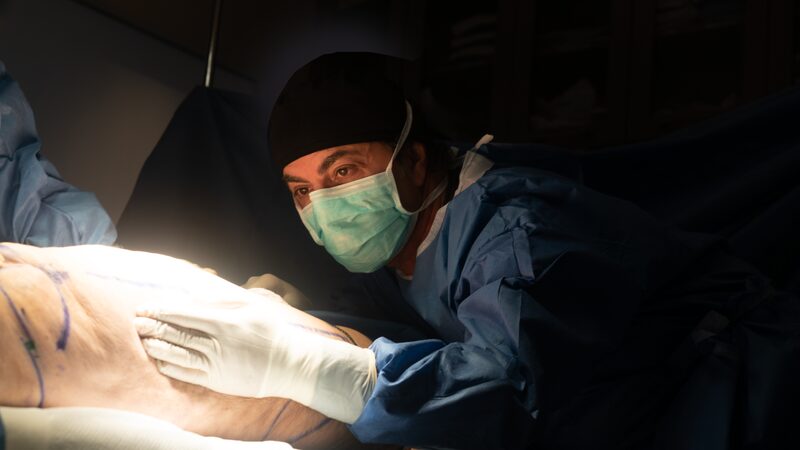
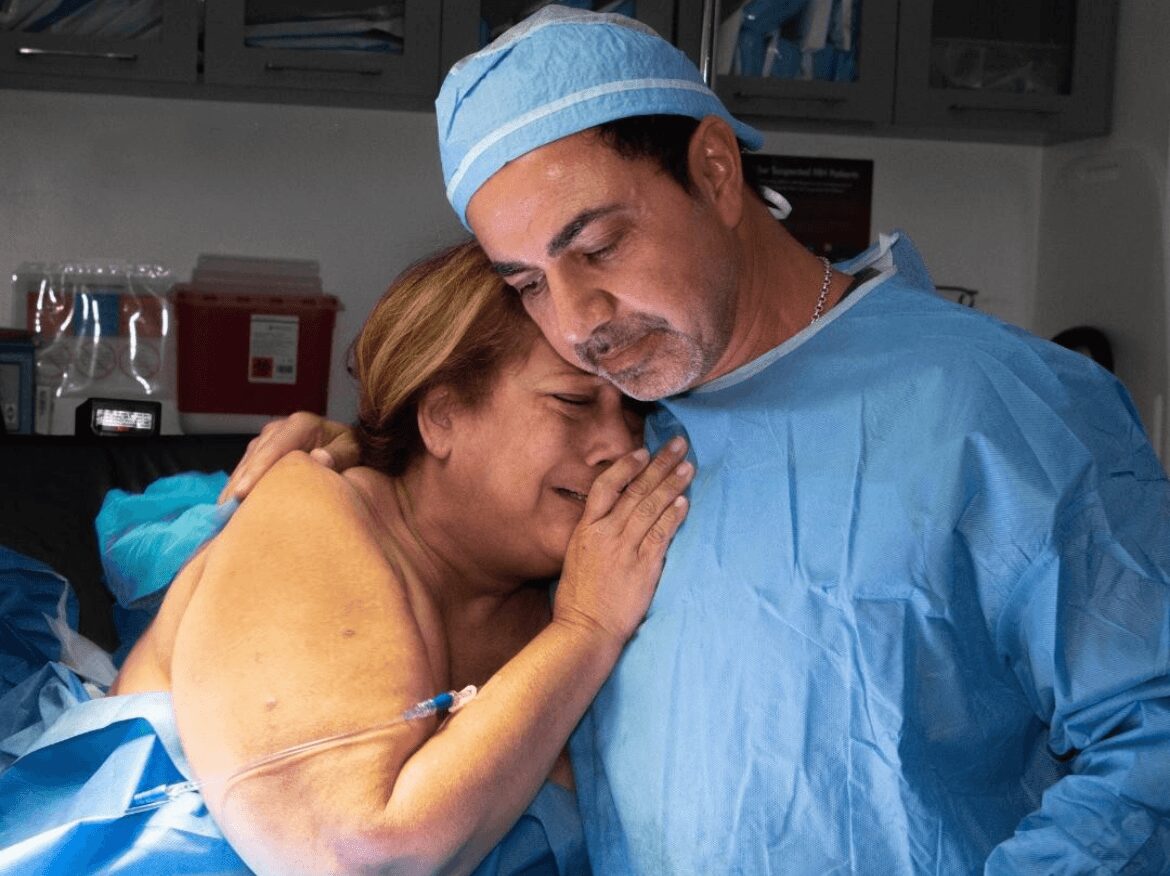
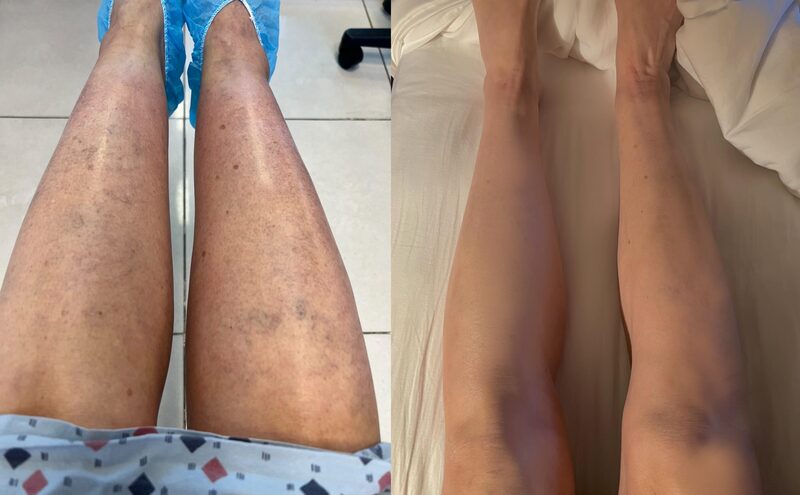
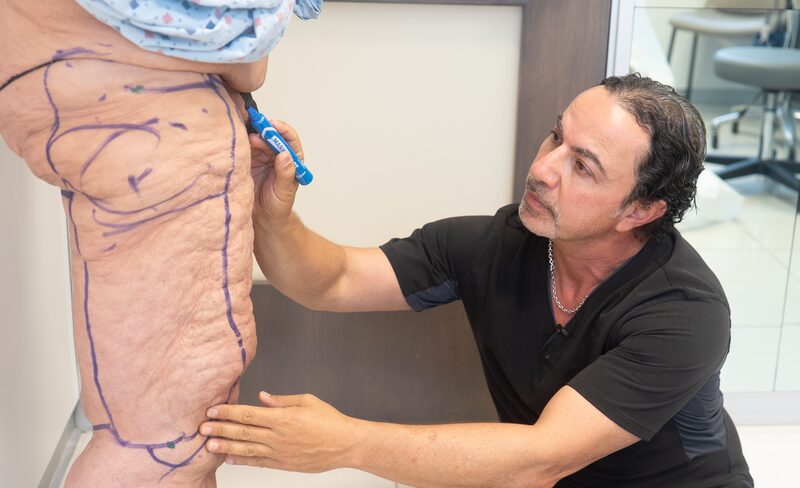
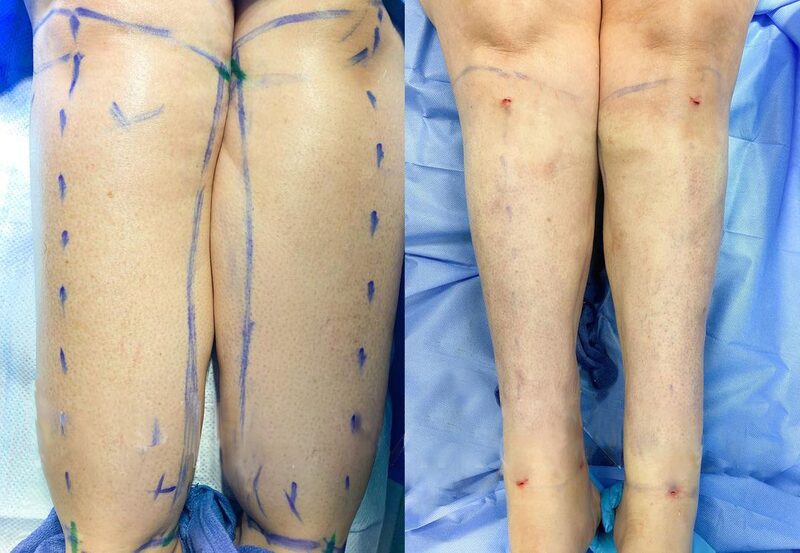
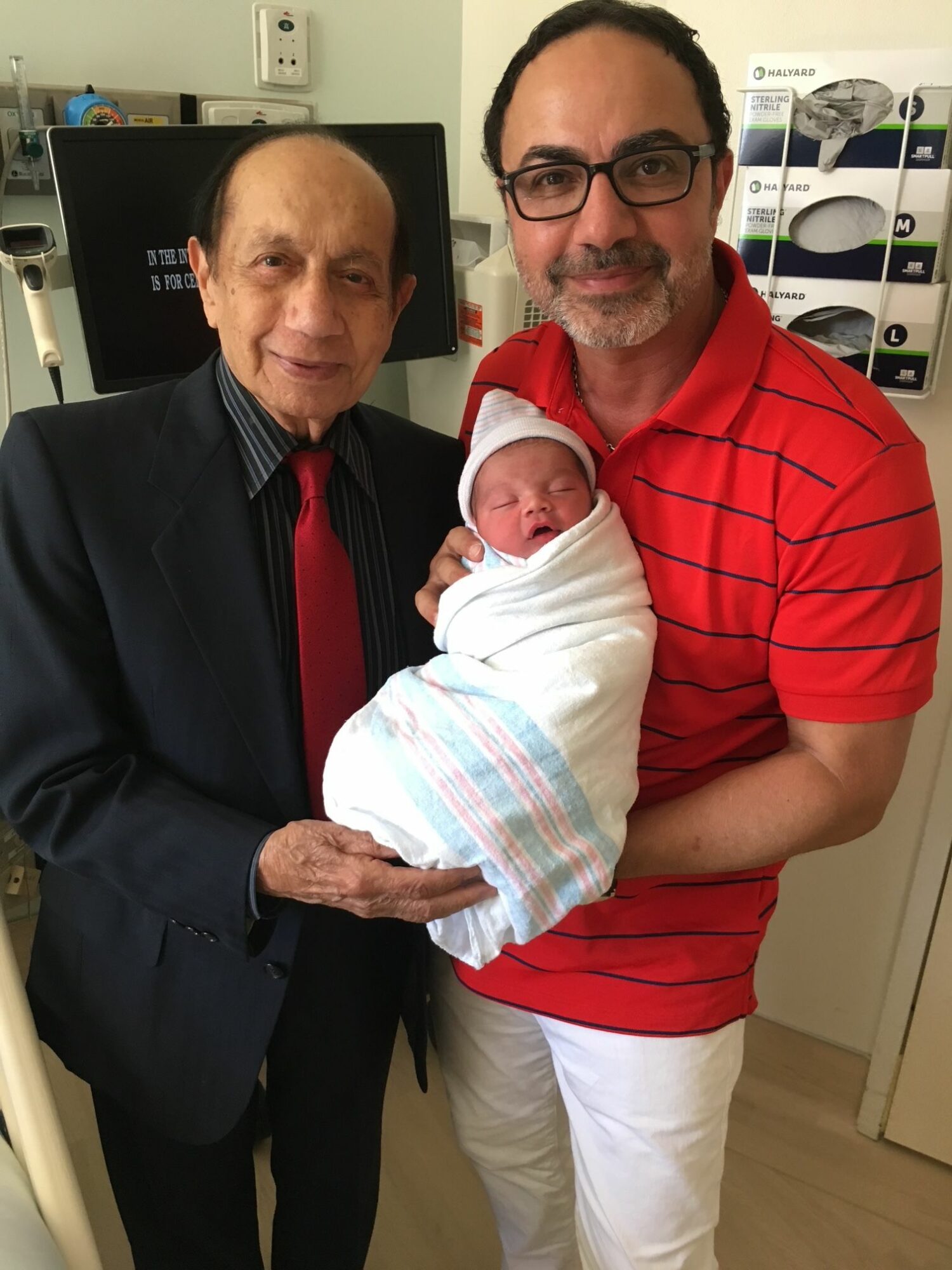
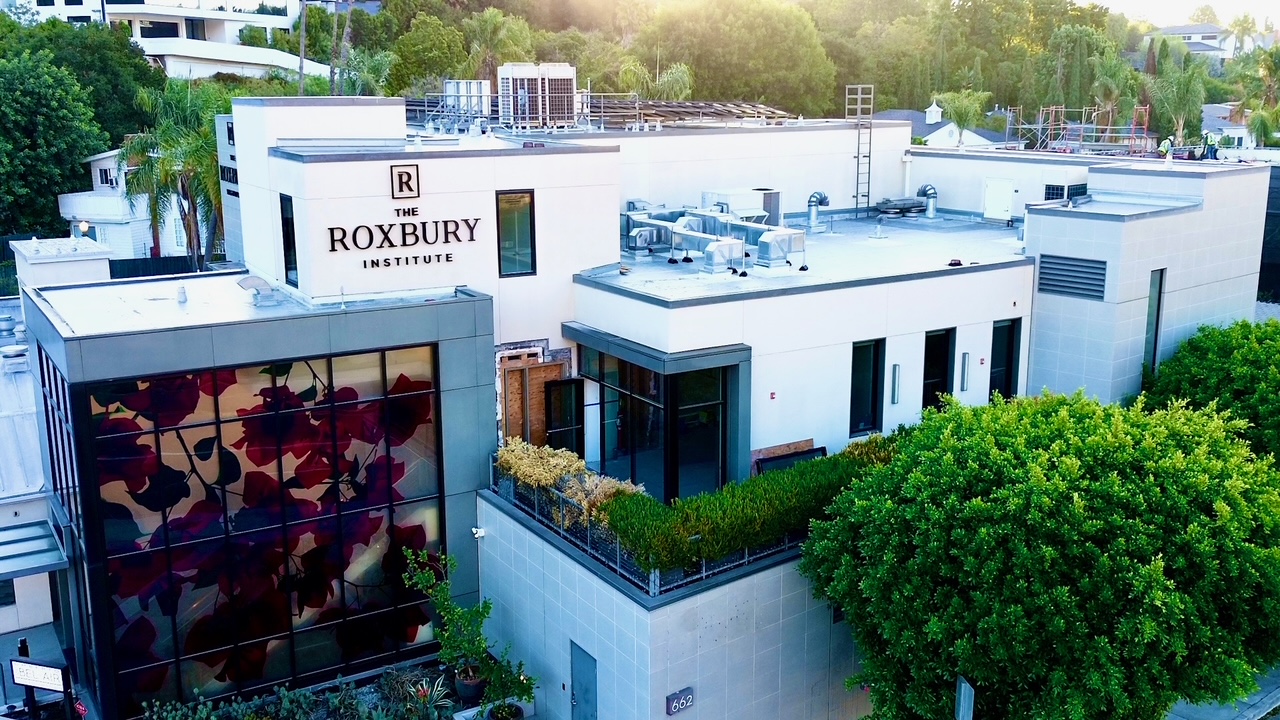
Image Credits
The Roxbury Institute
Popular
-

Finding Balance Through Art: Theresa Croft on Blending Music, Wellness, and Visual Storytelling into a Holistic Creative Identity
-

From Street Corners to City Tours: Chef Chuck Glaster on Building SOULD Out Into a Culture-Driven Culinary Movement
-

Portraits of the Valley
-

LA’s Most Inspiring Stories
-

From Rock Bottom to Calling: How Hasani McLean-Davis Found Purpose Through Faith and Music
-

Building a Scalable, Soulful Travel Brand: How Abboud Khallouf Turned Morocco Into a Global Experience


