




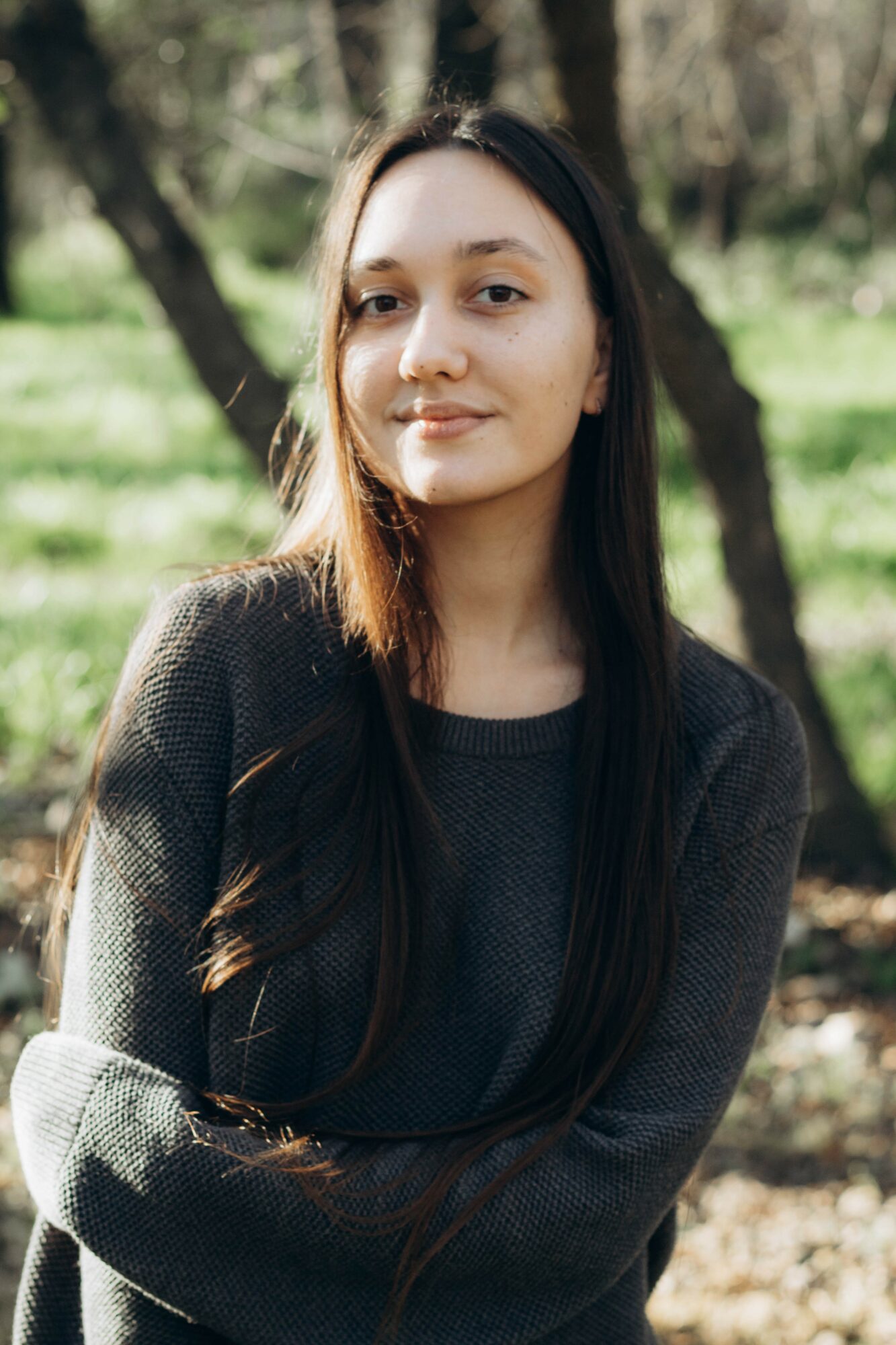
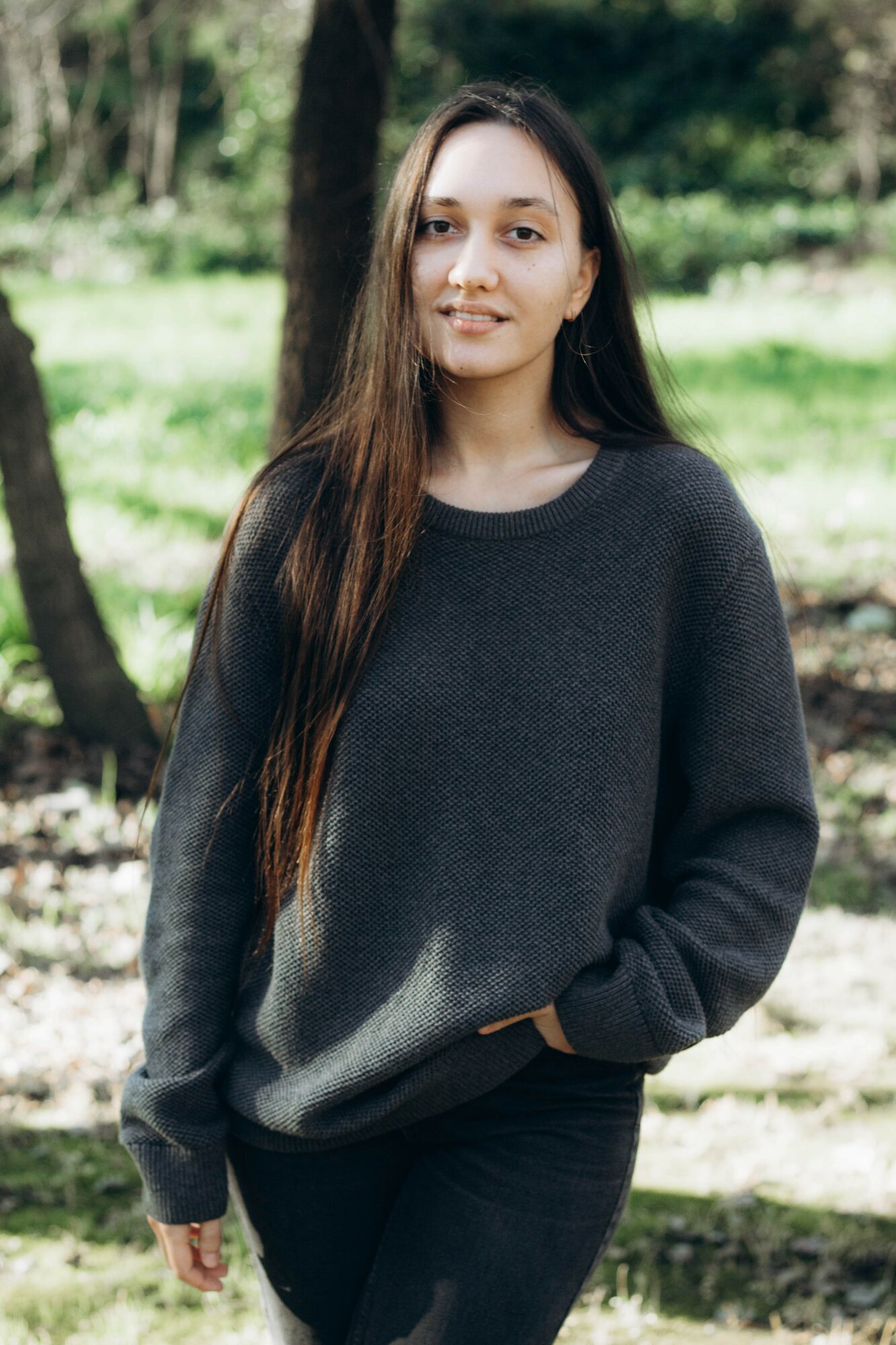
Today we’d like to introduce you to Inha Dybchenko.
Alright, so thank you so much for sharing your story and insight with our readers. To kick things off, can you tell us a bit about how you got started?
My journey began in childhood. I loved observing the work of other photographers and gradually understood why photography is so important to me: it’s my way of showing the world how I see it. I’ve always wanted to give something to this world.
However, my path wasn’t quick or easy. I’m a self-taught photographer, and that meant my “education” was built on years of trial and error. For a long time, I worked in other fields, but I realized that I could only be truly fulfilled when I was doing photography: photographing people, showing their family stories, capturing genuine emotions.
It took me time to find my own style, but this process led me to my main philosophy: authenticity is more important than perfection. In my work, I try to maintain naturalness. I don’t retouch people or alter their appearance. I photograph women, families, teenagers, and my goal is to show them that they are beautiful just as they are. I’m not interested in staged shots or ideal images, but in the real person. For me, the meaning of the shot is more important than its technical perfection. I want to show what a person feels, how their eyes light up when they look at their loved ones.
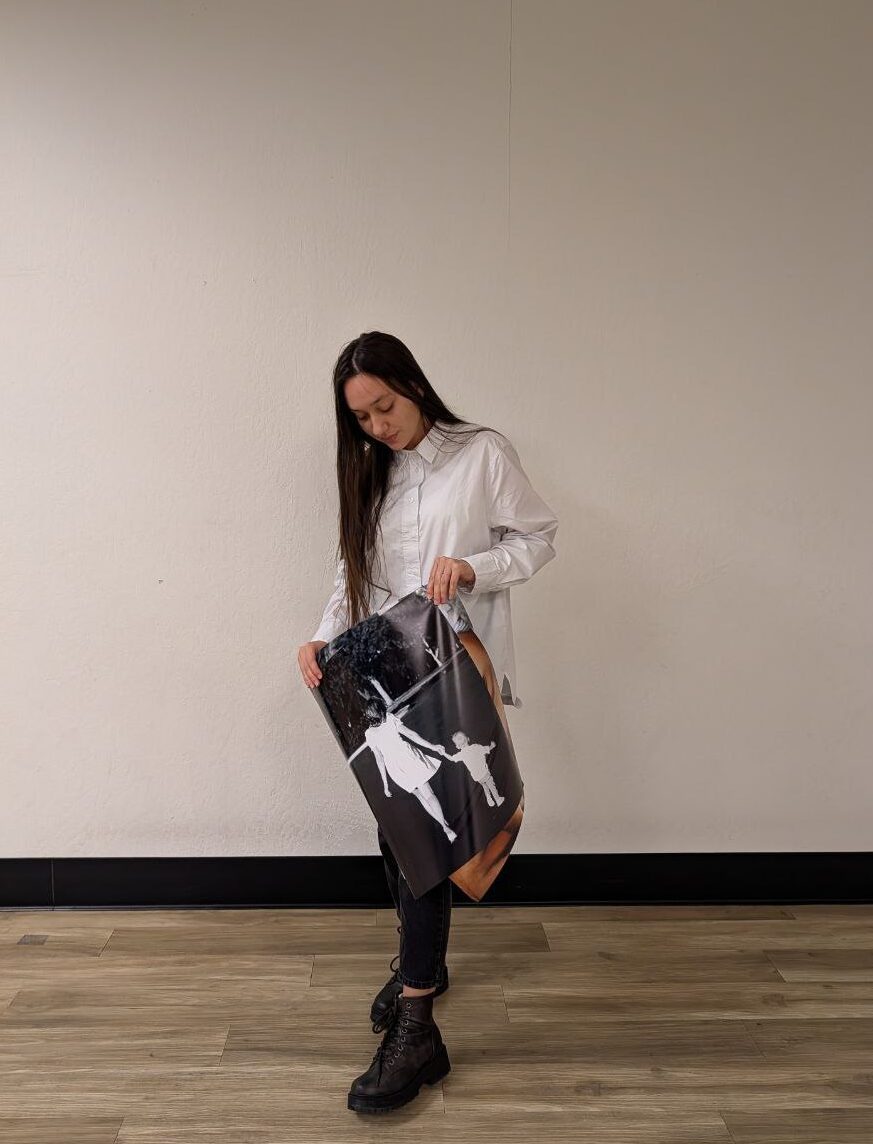
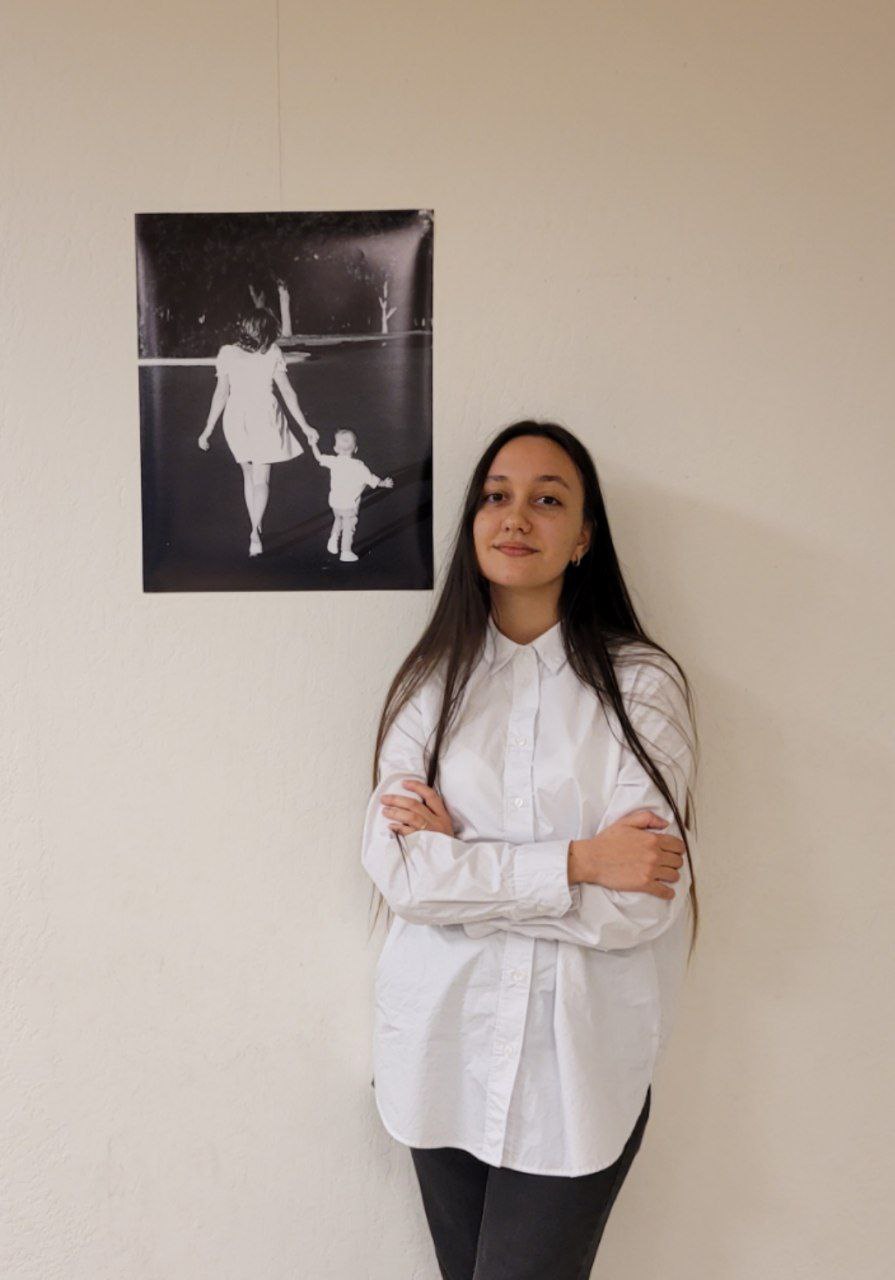
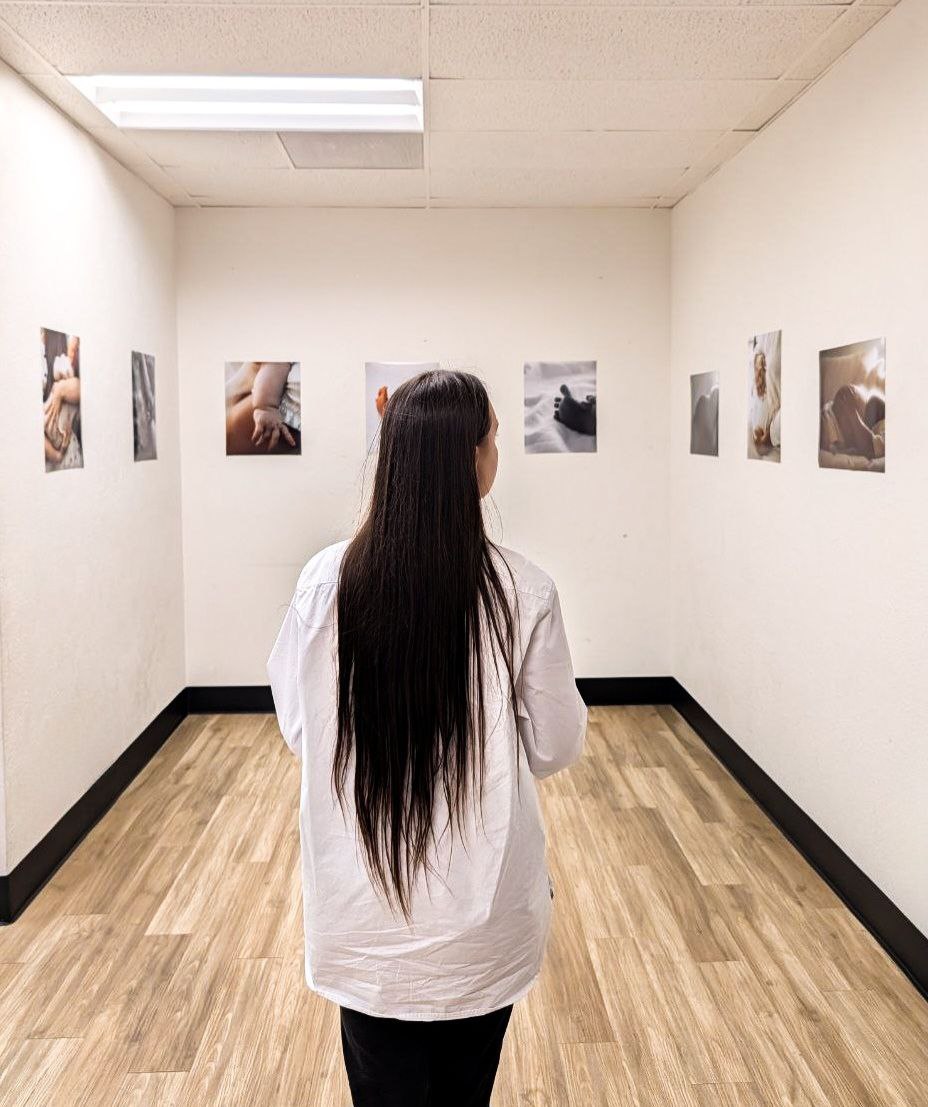
I also work extensively with themes of the body, intimacy, and motherhood. On January 24th of this year, I held an exhibition dedicated specifically to the theme of motherhood. This was the culmination of everything I had been working on. I wanted viewers to slow down and see motherhood not as an image, but as an inner experience – a lived, profound, and complex one.
Outside of work, I enjoy reading, writing, and drinking green tea with bergamot.
Would you say it’s been a smooth road, and if not what are some of the biggest challenges you’ve faced along the way?
My path hasn’t been smooth largely because I taught myself. At 18, I attended my first photography course with the camera my parents gave me—a camera I still use today. During that course, the instructor told me that it was impossible to work professionally with such a camera, that it was only good for photographing family, and that I would never really succeed with it.
Over time, that same camera took me to the finals of the IPA competition, led to publications in magazines, and today I work as a photographer in Sacramento and the surrounding area. That experience taught me early on that photography isn’t made by equipment, but by the person behind the camera.
Another major challenge for me was learning to stop comparing myself to others. I think many creative people struggle with thoughts like, “What if I’m not as good as everyone else?” or “What if I don’t know enough?” I spent a long time copying others, trying to meet external expectations, but it never felt fulfilling—it wasn’t me.
The turning point came when I realized that everyone has their own path and their own pace. I began focusing on what truly resonated with me instead of chasing an imagined ideal. During that period, my husband’s support was essential—he gave me the space and trust to search for my own voice and grow into it naturally.
As you know, we’re big fans of you and your work. For our readers who might not be as familiar what can you tell them about what you do?
I am a photographer who works primarily with women and families. I specialize in natural, authentic photography, focusing on real emotions and presence, without retouching or altering people’s appearance. In my work, I often explore themes of identity, intimacy, and motherhood, viewing them as lived experiences rather than idealized images.
I am known for my commitment to authenticity and for creating a safe, calm space where people can be themselves in front of the camera. I was a finalist in the IPA 2025 competition, held a solo exhibition in the USA titled “Inside Motherhood: From Expectation to Becoming” in Sacramento, and my work has been published in international art magazines, including Penida Magazine, Ellas Magazine, and B&B. I am also a member of the American Photographic Artists (APA).
What sets me apart is how I combine photography with a psychological perspective. I write academic articles on how photography affects self-esteem and family relationships, and I view photography as a powerful tool for self-acceptance and self-discovery. For me, the meaning of an image and what it conveys about a person is more important than technical perfection. Because sometimes I see an absolutely perfect, technically correct photograph, but unfortunately, it doesn’t tell me anything.
We all have a different way of looking at and defining success. How do you define success?
Honestly, this is a difficult question for me. I can easily define success for others, but for myself? It’s difficult. I define success as the ability to do meaningful work honestly and consistently. Perhaps for me, success is both external recognition and staying true to my inner voice, developing as an artist, and creating work that resonates with people.
If my photographs help someone feel seen, accepted, or more connected to themselves or their loved ones, that in itself is success.
Contact Info:
- Website: https://inhadybchenko.mypixieset.com/
- Instagram: https://www.instagram.com/ph_dyb/
Popular
-
Inside the Future of Search: Robb Fahrion on Building a Global Team and Leading the Rise of GEO
-

From Supporting Local Boutiques to Building Brand Partnerships: Cinthia Jensen’s Creative Marketing Journey
-
Building Community Through Curiosity: Nathanial and Samantha Rowe on the Vision Behind UNEARTHED
-

Portraits of the Valley
-

LA’s Most Inspiring Stories
-
Building Creative Bridges: Torrey Tayenaka on Community, Collaboration, and the Future of Sparkhouse


